1. Introduction
1.1 Overview of Buscopan (Hyoscine Butylbromide)
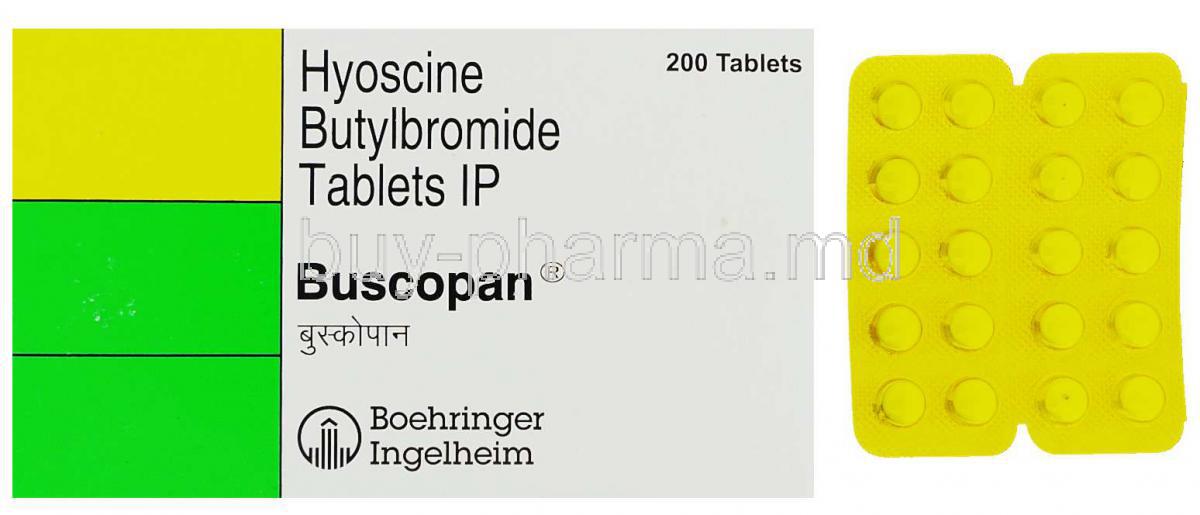
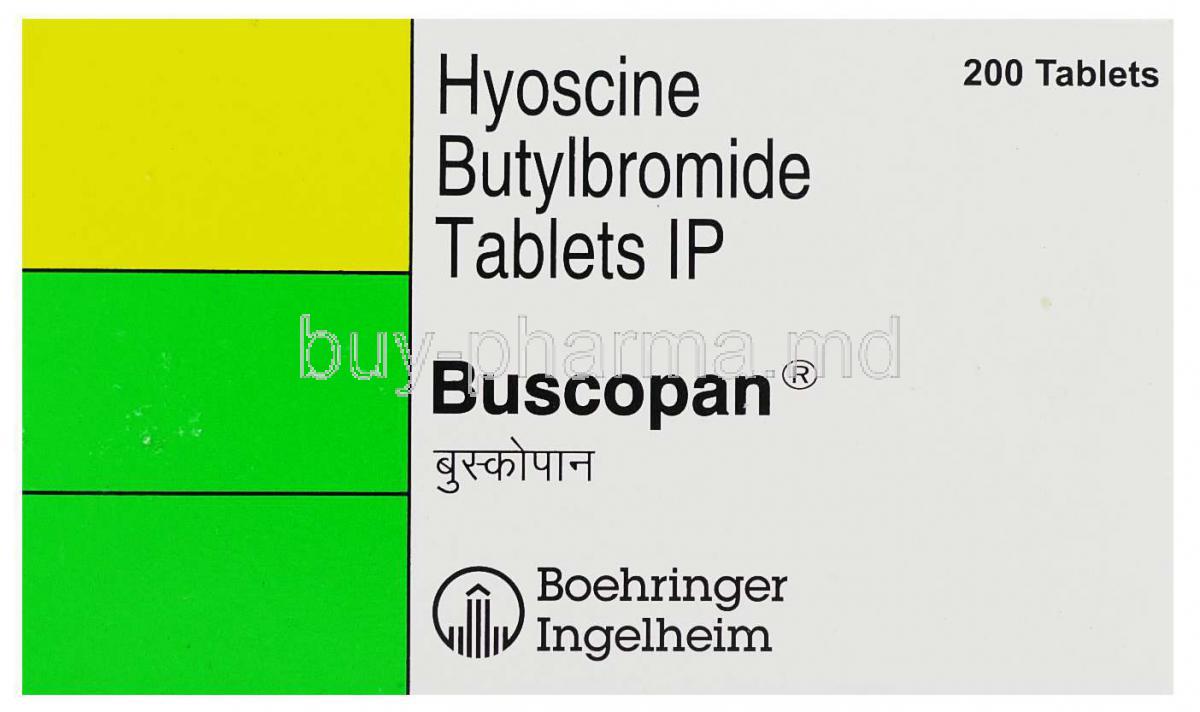
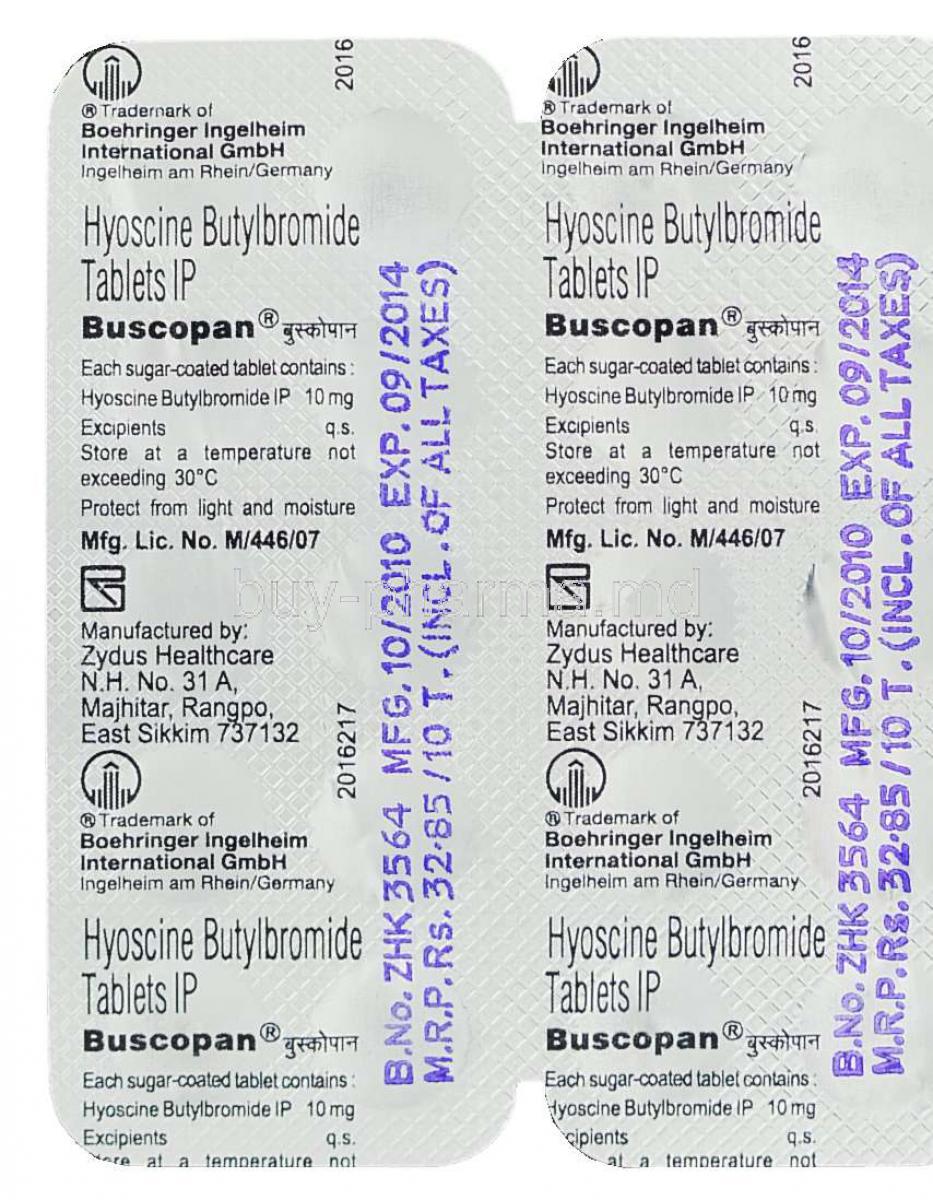
Buscopan, containing the active compound Hyoscine Butylbromide, is a widely utilized antispasmodic medicine engineered to alleviate spasmodic discomfort within the gastrointestinal and genitourinary tracts. It provides targeted relief by reducing involuntary muscle contractions. Its efficacy, rapid onset, and dependable safety profile have made it a cornerstone therapy for numerous abdominal complaints.
1.2 Therapeutic Classification: Antispasmodic & Anticholinergic Agent
This medication belongs to the pharmacological class of anticholinergic antispasmodics. It mitigates smooth muscle contractions through selective inhibition of parasympathetic activity, resulting in diminished spasms and enhanced patient comfort.
1.3 Global Availability and Brand Names
Buscopan is recognized globally under various brand names, including but not limited to:
- Buscopan®
- Scopolamine Butylbromide
- Hyoscine Butylbromide Injection
- Buscapina® (Latin America)
Despite regional naming variations, all products share the same therapeutic foundation.
1.4 Conditions Commonly Treated with Buscopan
Buscopan provides effective relief for conditions such as:
- Gastrointestinal colic
- Abdominal cramps
- Irritable bowel syndrome
- Biliary or ureteric spasms
- Bladder hyperactivity
2. Composition and Formulations
2.1 Active Ingredient: Hyoscine Butylbromide
The therapeutic effect is derived entirely from Hyoscine Butylbromide, a quaternary ammonium compound formulated to act peripherally without central nervous system involvement.
2.2 Available Strengths and Dosage Forms
Buscopan is produced in multiple formulations to accommodate varied clinical needs.
Tablets
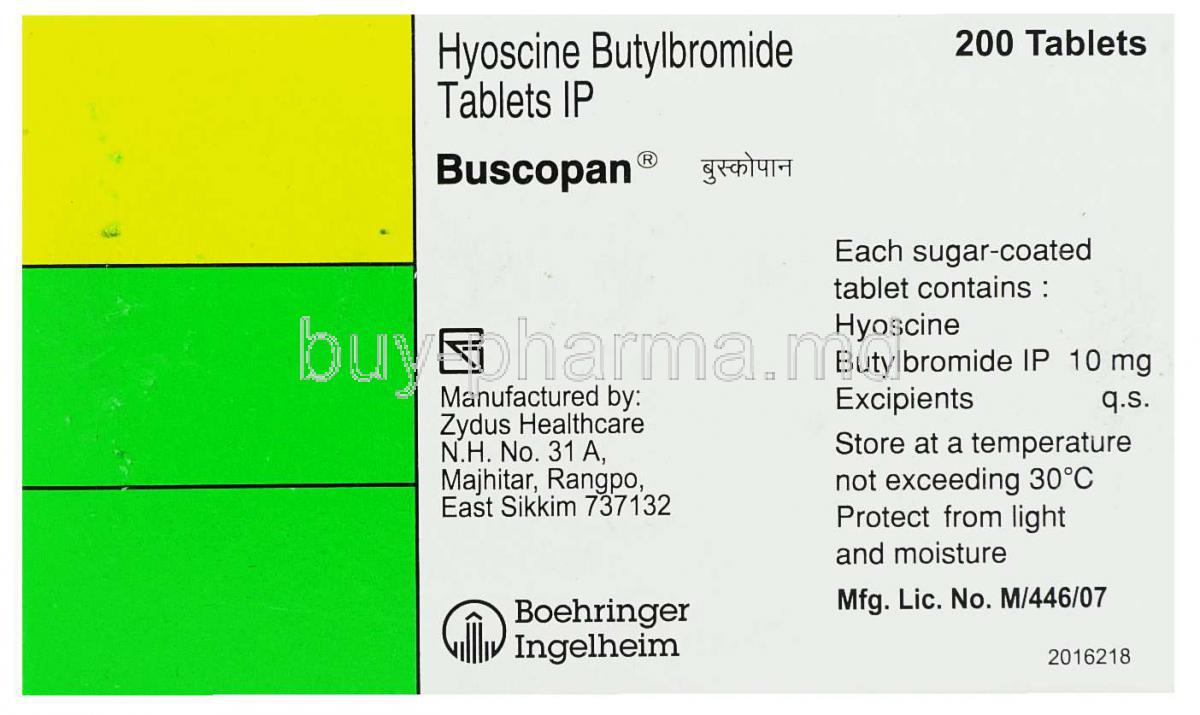
Typically available in 10 mg strength, tablets offer convenient administration for daily or acute symptom relief.
Injection
Injectable Buscopan is utilized in clinical settings, offering swift relief for acute colic and procedural indications.
Oral Solution (If Applicable)
An oral liquid formulation may be available in select regions, providing flexibility for pediatric or swallowing-difficulty patients.
2.3 Inactive Ingredients and Excipients
Common excipients include:
- Lactose monohydrate
- Starch derivatives
- Stearic acid
- Colloidal silica
These components ensure stability, absorption uniformity, and tablet integrity.
2.4 Pharmacological Class and Chemical Properties
Hyoscine Butylbromide is a quaternary ammonium compound with limited membrane permeability, granting peripheral selectivity. Its chemical architecture enhances the antispasmodic effect while minimizing neurological penetration.
3. Mechanism of Action
3.1 Anticholinergic Effect on Smooth Muscles
By blocking acetylcholine at parasympathetic nerve endings, Buscopan diminishes involuntary contractions of smooth muscle tissues.
3.2 Inhibition of Muscarinic Receptors
The drug selectively inhibits M3 muscarinic receptors, reducing spasmodic activity across the gastrointestinal, biliary, and urinary systems.
3.3 Reduction of Gastrointestinal and Genitourinary Spasms
This inhibition leads to noticeable relaxation of smooth muscles, easing pain, pressure, and discomfort triggered by abnormal motility.
3.4 Onset and Duration of Action
The onset is typically rapid, often within 15–30 minutes. Its therapeutic effect persists for several hours, offering sustained relief.
3.5 Why Buscopan Does Not Cross the Blood–Brain Barrier
Due to its quaternary molecular structure, the compound remains largely confined to peripheral tissues. This prevents central nervous system penetration, thereby reducing risks of sedation or CNS-related adverse reactions.
4. Approved Medical Uses
4.1 Abdominal Cramping and Gastrointestinal Spasms
Buscopan alleviates abdominal spasms caused by hypermotility, digestive upset, or dietary triggers.
4.2 Irritable Bowel Syndrome (IBS) Symptom Relief
The antispasmodic action reduces IBS-related pain, bloating, and erratic bowel patterns.
4.3 Biliary Colic and Gallbladder-Related Spasms
By relaxing biliary ducts, Buscopan mitigates cramping associated with gallstones and bile duct obstruction.
4.4 Renal Colic and Ureteral Spasms
Injectable Buscopan is frequently deployed to ease spasms triggered by kidney stones.
4.5 Bladder Spasms and Urinary Tract Conditions
The medicine helps reduce discomfort from bladder hyperactivity, cystitis, or urinary spasms.
4.6 Post-Operative or Diagnostic Procedure–Related Spasms
It may be administered before medical procedures such as endoscopy or imaging to facilitate smooth muscle relaxation.
5. Off-Label Uses
5.1 Dysmenorrhea (Menstrual Pain and Cramping)
Buscopan may relieve uterine spasms contributing to severe menstrual pain.
5.2 Endoscopy or Imaging Procedures for Smooth Muscle Relaxation
Used to optimize visualization during diagnostic interventions.
5.3 Labor-Related Pain Management (Under Medical Supervision)
In select settings, it may be incorporated to ease cervical spasms or augment labor comfort.
5.4 Palliative Care for Gastrointestinal Discomfort
It helps mitigate terminal-stage abdominal discomfort caused by excessive GI motility.
5.5 Motion Sickness or Nausea Where Antispasmodics May Help
Although uncommon, it may be used when vomiting is related to visceral spasm.
5.6 Management of Excessive Salivary Secretions in Specific Disorders
Anticholinergic suppression helps reduce hypersalivation in neurological conditions.
6. Dosage and Administration
6.1 Standard Adult Dosage Guidelines
The common adult dose is 10–20 mg taken up to four times daily. Adjustments depend on symptom severity.
6.2 Pediatric Dosing Recommendations
Pediatric use requires caution and age-appropriate dosage titration under medical guidance.
6.3 Injectable Buscopan: Clinical Use and Settings
Employed in emergency rooms, imaging centers, or procedural suites for swift spasm control.
6.4 Maximum Daily Dose Limits
Exceeding prescribed limits can increase anticholinergic toxicity and should be avoided.
6.5 How to Take Buscopan Tablets Effectively
- Swallow whole without crushing
- Take with water
- Use consistently for chronic symptoms
6.6 Missed Dose Instructions
If a dose is missed, take it promptly unless nearing the next scheduled dose. Doubling doses is discouraged.
6.7 What to Avoid When Taking Buscopan
- Alcohol and CNS depressants
- Concurrent anticholinergics
- Driving if blurred vision occurs
7. Side Effects
7.1 Overview of Potential Adverse Reactions
Side effects are primarily related to anticholinergic activity, often mild and transient.
7.2 Common Side Effects
- Dry mouth
- Constipation
- Blurred vision
- Fast heartbeat
- Dizziness
7.3 Less Common but Notable Side Effects
- Urinary retention
- Skin rash
- Hypersensitivity reactions
7.4 Serious Adverse Reactions Requiring Medical Attention
Severe allergic reactions, acute glaucoma, or extreme tachycardia require urgent intervention.
7.5 Anticholinergic Burden Considerations
Cumulative anticholinergic exposure can exacerbate confusion, urinary retention, and thermal intolerance, especially in older adults.
8. Drug Interactions
8.1 Interactions with Other Anticholinergic Agents
Combined use increases risk of additive side effects.
8.2 Interactions with Antihistamines
First-generation antihistamines intensify anticholinergic load.
8.3 Interaction with Tricyclic Antidepressants
Enhanced risk of constipation, urinary retention, and cardiac effects.
8.4 Opioids and Slowed Gastrointestinal Motility
Co-administration may lead to paralytic ileus or significant constipation.
8.5 Alcohol and CNS-Depressing Substances
May heighten dizziness, confusion, and cardiovascular effects.
8.6 Interaction Risk in Polypharmacy (Elderly and Chronic Patients)
Older adults using multiple medications require close monitoring due to cumulative anticholinergic burden.
9. Warnings and Precautions
9.1 Risk in Patients with Glaucoma
Particularly hazardous in angle-closure glaucoma due to increased intraocular pressure.
9.2 Caution in Urinary Retention or Prostate Enlargement
Anticholinergic effects may exacerbate urinary obstruction.
9.3 Cardiovascular Risks (Tachycardia, Arrhythmias)
Patients with cardiac instability should use the medication cautiously.
9.4 Patients with Myasthenia Gravis
Buscopan may aggravate neuromuscular weakness.
9.5 Those with Obstructive Gastrointestinal Disorders
May mask or worsen serious obstructions.
9.6 Avoiding Misuse for Severe Abdominal Pain Masking Emergencies
Conditions such as appendicitis may be obscured by symptomatic relief.
9.7 Heat Intolerance Due to Reduced Sweating
Patients should avoid extreme heat as anticholinergics impair thermoregulation.
9.8 Allergy or Previous Hypersensitivity
Those with prior reactions to the drug or similar compounds must avoid use.
10. Contraindications
10.1 Known Hypersensitivity to Hyoscine Butylbromide
Any history of allergy precludes use.
10.2 Myasthenia Gravis
Contraindicated due to interference with neuromuscular transmission.
10.3 Mechanical GI Obstruction
May worsen obstructive pathology.
10.4 Megacolon
Especially toxic in patients with toxic megacolon.
10.5 Severe Ulcerative Colitis
Risk of perforation or dilation increases significantly.
10.6 Glaucoma Contraindications
Angle-closure glaucoma is an absolute contraindication due to pressure elevation.
11. Careful Administration
11.1 Patients with Mild to Moderate Hepatic Impairment
Individuals with hepatic impairment may exhibit altered drug metabolism, necessitating cautious use. Although Buscopan undergoes minimal hepatic biotransformation, physiological changes in liver function can influence tolerance. Short, intermittent dosing may be preferred. Close clinical observation ensures unwanted reactions are promptly identified.
11.2 Patients with Renal Impairment
Renal dysfunction may contribute to delayed elimination of metabolites, requiring conservative dosing strategies. In cases of moderate impairment, monitoring hydration status and urinary output is advisable. Severe renal compromise warrants medical consultation before use.
11.3 Patients with Cardiac Arrhythmias
Anticholinergic agents may exacerbate tachyarrhythmias. Patients with:
- Atrial fibrillation
- Supraventricular tachycardia
- Underlying conduction abnormalities
should receive Buscopan only under professional oversight due to heightened susceptibility to rapid heartbeat and palpitations.
11.4 Polypharmacy and Elderly Care
Elderly individuals frequently take multiple medications, creating potential for cumulative anticholinergic burden. Small changes in physiology, such as reduced renal efficiency and increased receptor sensitivity, amplify side effects. Medication reviews and dose minimization are essential strategies.
11.5 Patients with Chronic Constipation
Buscopan may intensify constipation by slowing intestinal motility. Patients with pre-existing constipation should:
- Increase hydration
- Maintain fiber intake
- Monitor bowel regularity closely
to avoid severe motility disturbances.
11.6 Those at Risk of Urinary Retention
Individuals with benign prostatic hyperplasia, neurogenic bladder disorders, or urethral narrowing should exercise caution. Buscopan may impede bladder emptying, raising the risk of acute urinary retention.
12. Special Population Use
12.1 Use in Elderly Patients
12.1.1 Increased Anticholinergic Sensitivity
The elderly population exhibits heightened sensitivity to anticholinergic medications due to age-related neurological and metabolic changes. Even small doses may precipitate cognitive cloudiness, agitation, or visual disturbances.
12.1.2 Fall Risk and Vision Changes
Blurred vision and dizziness increase fall risk in older adults. Environmental safety considerations—such as proper lighting and stable footwear—can help mitigate injuries.
12.1.3 Dose Adjustment Considerations
In many cases, reduced frequency or lower dosing is sufficient. Titration should be gradual, with vigilant monitoring for dehydration, urinary retention, or confusion.
12.2 Use in Pregnant Women
12.2.1 Current Clinical Data and Risk Summary
Limited human data exists regarding fetal impact. Available information suggests no definitive association with teratogenicity; however, caution is warranted due to insufficient research.
12.2.2 Recommendations for Use During Pregnancy
Buscopan may be considered when benefits clearly outweigh potential risks. Short-term use for severe gastrointestinal or biliary spasms may be permissible under medical guidance.
12.2.3 Situations Where Buscopan May Be Used in Obstetrics
In specific obstetric scenarios, such as cervical spasm or labor discomfort, Buscopan may be employed to facilitate relaxation. Its use should be strictly supervised by obstetric specialists.
12.3 Use in Nursing Mothers
12.3.1 Transfer into Breast Milk
Minimal data suggests low transfer into breast milk due to its quaternary structure; however, potential exposure cannot be ruled out entirely.
12.3.2 Potential Infant Effects
Infants may be sensitive to anticholinergic effects, including irritability, dry mouth, or feeding difficulties. Observation of the nursing infant is recommended.
12.3.3 Safer Alternatives When Breastfeeding
When feasible, non-anticholinergic antispasmodics or lifestyle modifications may be preferable. Consultation with a healthcare professional ensures optimal maternal and infant safety.
12.4 Use in Children
12.4.1 Approved Age Ranges
Buscopan is generally approved for use in children above specific age thresholds depending on regional guidelines. Younger patients require careful justification for use.
12.4.2 Pediatric Dosing Precautions
Dosing must be weight-adjusted, conservative, and clearly supervised. Children may rapidly develop side effects, necessitating lower initial doses.
12.4.3 Monitoring Requirements
Parents and clinicians should observe for:
- Dry mouth
- Unusual drowsiness
- Difficulty urinating
- Visual complaints
13. Overdose
13.1 Symptoms of Hyoscine Butylbromide Overdose
Overdose may manifest through pronounced anticholinergic symptoms, including:
- Severe tachycardia
- Marked confusion
- Extremely dry mucous membranes
- Dilated pupils
- Flushed skin
13.2 Emergency Response Measures
Immediate medical intervention is critical. Supportive care—focusing on cardiovascular stability, hydration, and airway protection—is the cornerstone of treatment.
13.3 Activated Charcoal and Gastric Decontamination
Activated charcoal may be administered if ingestion is recent. Gastric lavage is reserved for severe cases under clinical supervision.
13.4 Cardiovascular and Respiratory Monitoring
Continuous monitoring of heart rhythm, oxygenation, and respiratory effort ensures rapid detection of deterioration.
13.5 Treatment of Anticholinergic Toxicity
Physostigmine may be cautiously considered for life-threatening toxicity. Intravenous fluids, temperature regulation, and symptomatic treatment remain essential components.
14. Handling and Storage
14.1 Recommended Storage Conditions
Store Buscopan in a cool, dry environment away from direct sunlight. Ideal temperatures typically range between 20°C–25°C.
14.2 Protecting from Heat and Moisture
Humidity and heat can degrade the stability of tablets and injectable solutions. Keep products tightly sealed and away from steamy environments.
14.3 Shelf Life Considerations
Each product includes a clearly printed expiry date. Medications nearing expiration should be replaced promptly to ensure efficacy.
14.4 Safe Handling and Disposal of Tablets and Injections
Unused or expired medication should be disposed of according to local pharmaceutical waste guidelines. Never flush medications unless specifically instructed.
14.5 Storage Precautions in Homes with Children
Keep medications locked or placed on elevated shelves. Child-resistant packaging reduces, but does not eliminate, accidental ingestion risk.
15. Handling Precautions
15.1 Safe Management of Buscopan Injection Vials
Injection vials should be inspected for discoloration or particulate matter before use. Proper aseptic technique prevents contamination.
15.2 Preventing Accidental Ingestion
Medications should never be removed from original packaging. Clear labeling and mindful storage reduce household hazards.
15.3 Monitoring Expiry and Packaging Integrity
Damaged blister packs or compromised ampoules may indicate contamination. Regular checks help maintain product integrity.
15.4 Considerations for Caregivers and Healthcare Workers
Those administering Buscopan should:
- Wear gloves when handling injections
- Dispose of sharps in certified containers
- Wash hands thoroughly after administration
16. Summary
16.1 Key Therapeutic Roles of Buscopan
Buscopan offers targeted relief from spasmodic discomfort across the gastrointestinal, urinary, and biliary systems. Its peripheral anticholinergic action provides prompt, sustained symptom control.
16.2 When to Seek Medical Advice
Professional evaluation is essential when symptoms persist, worsen, or present with alarm features such as fever, persistent vomiting, or severe abdominal pain.
16.3 Responsible Usage and Patient Education
Responsible use includes adherence to dosing instructions, awareness of contraindications, and timely consultation for unusual reactions. Empowered patients achieve safer, more effective outcomes.

Buscopan, Hyoscine ButylBromide FAQ
Popular Products
Similar Product