
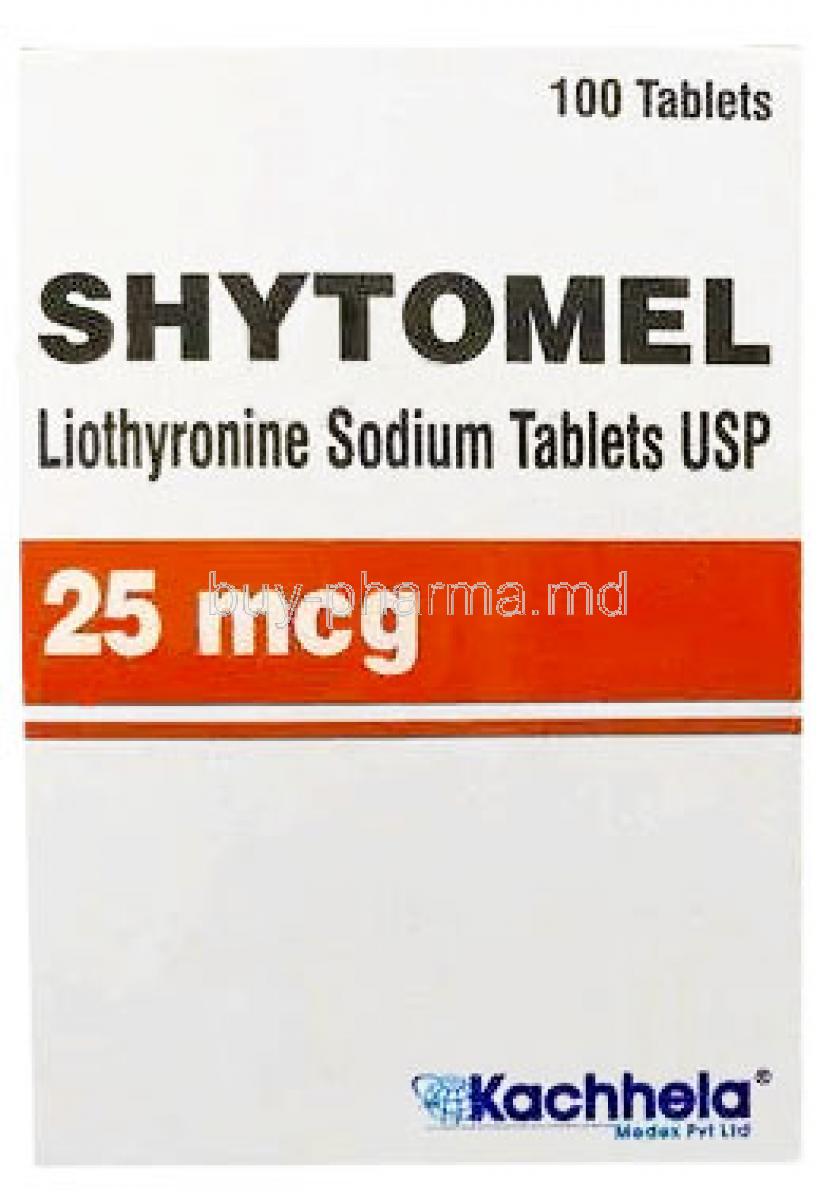
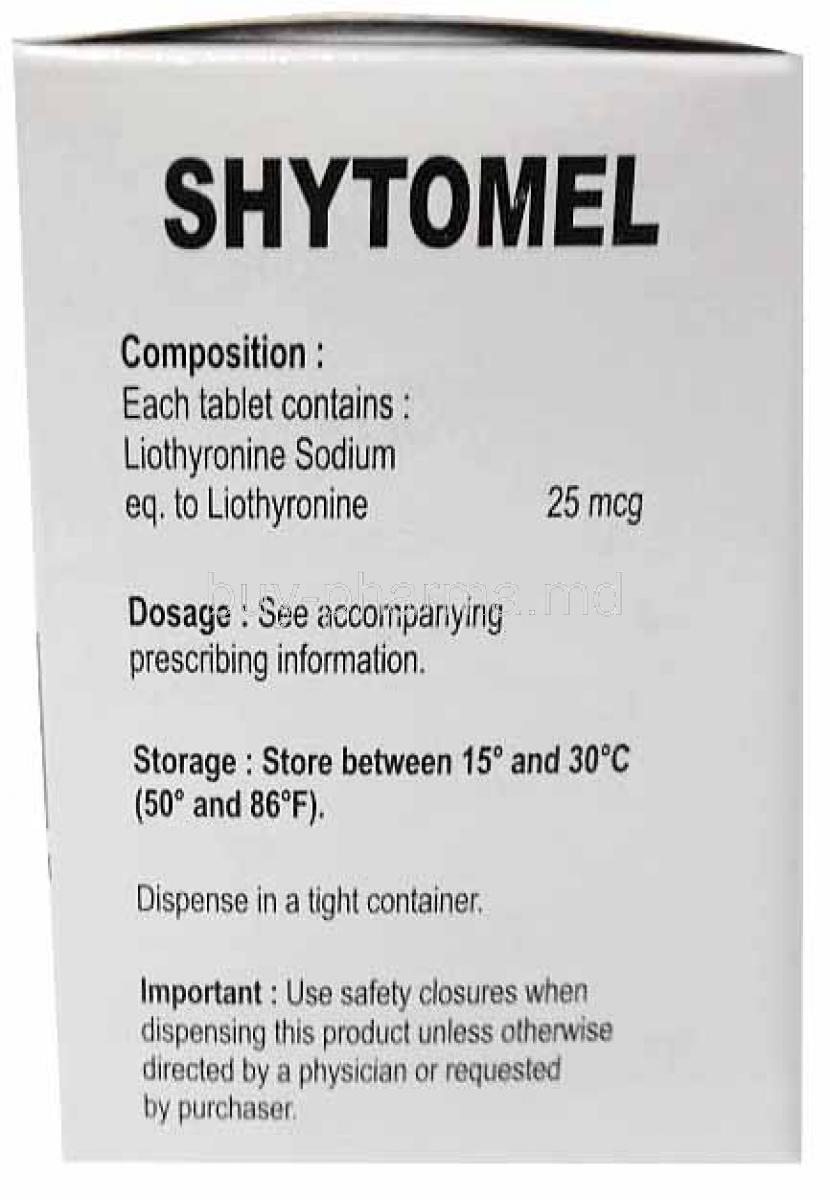
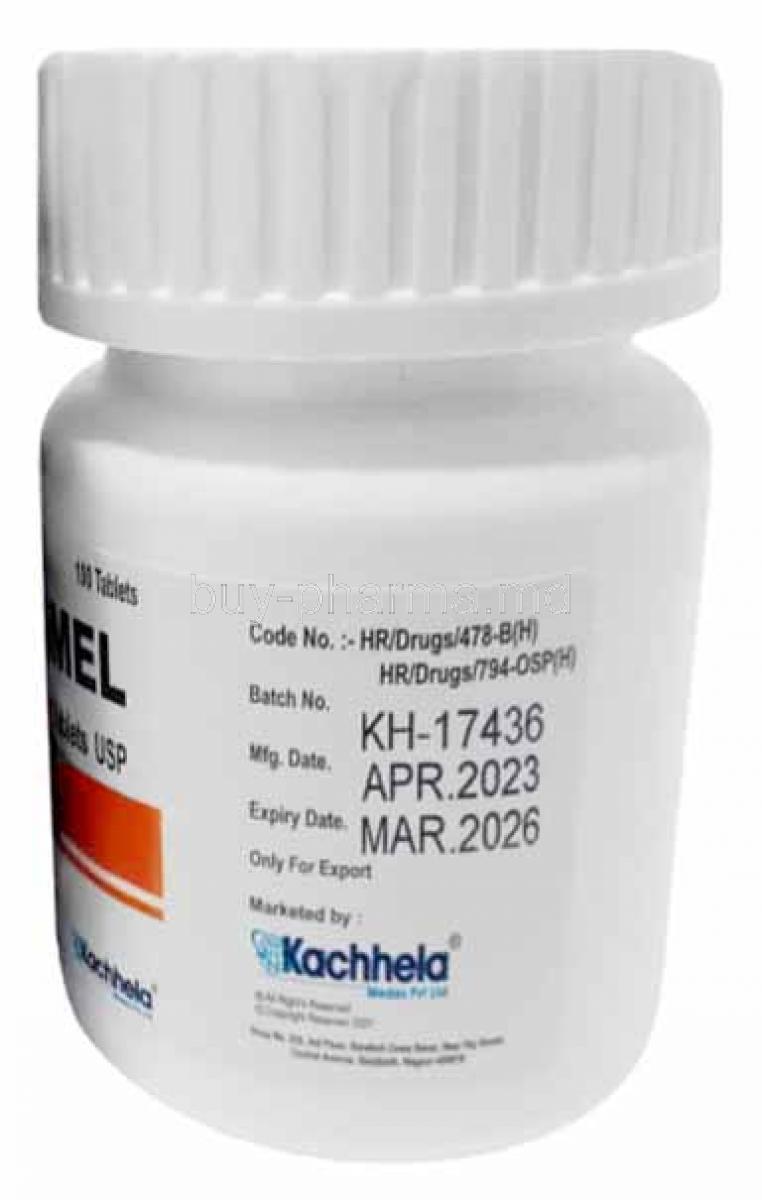
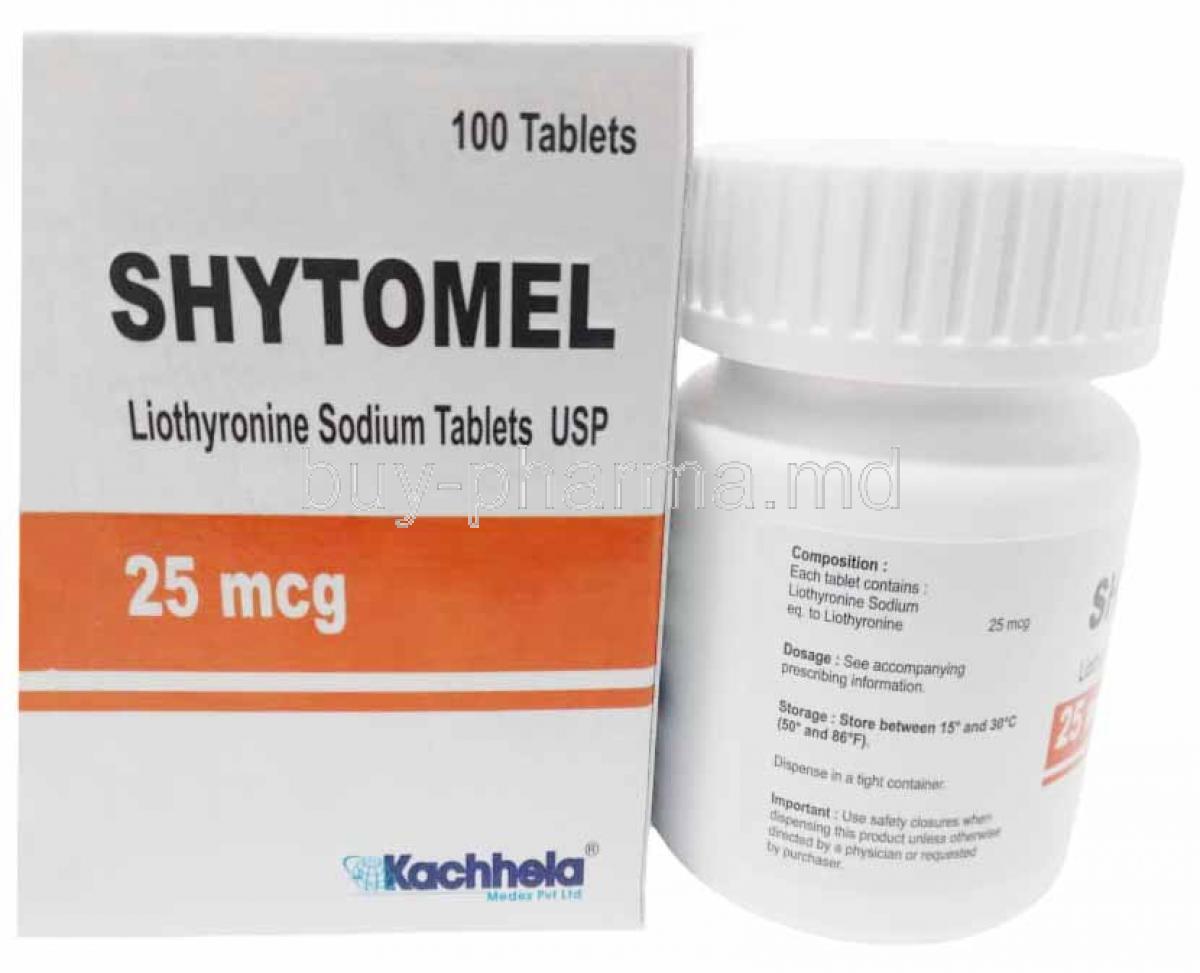
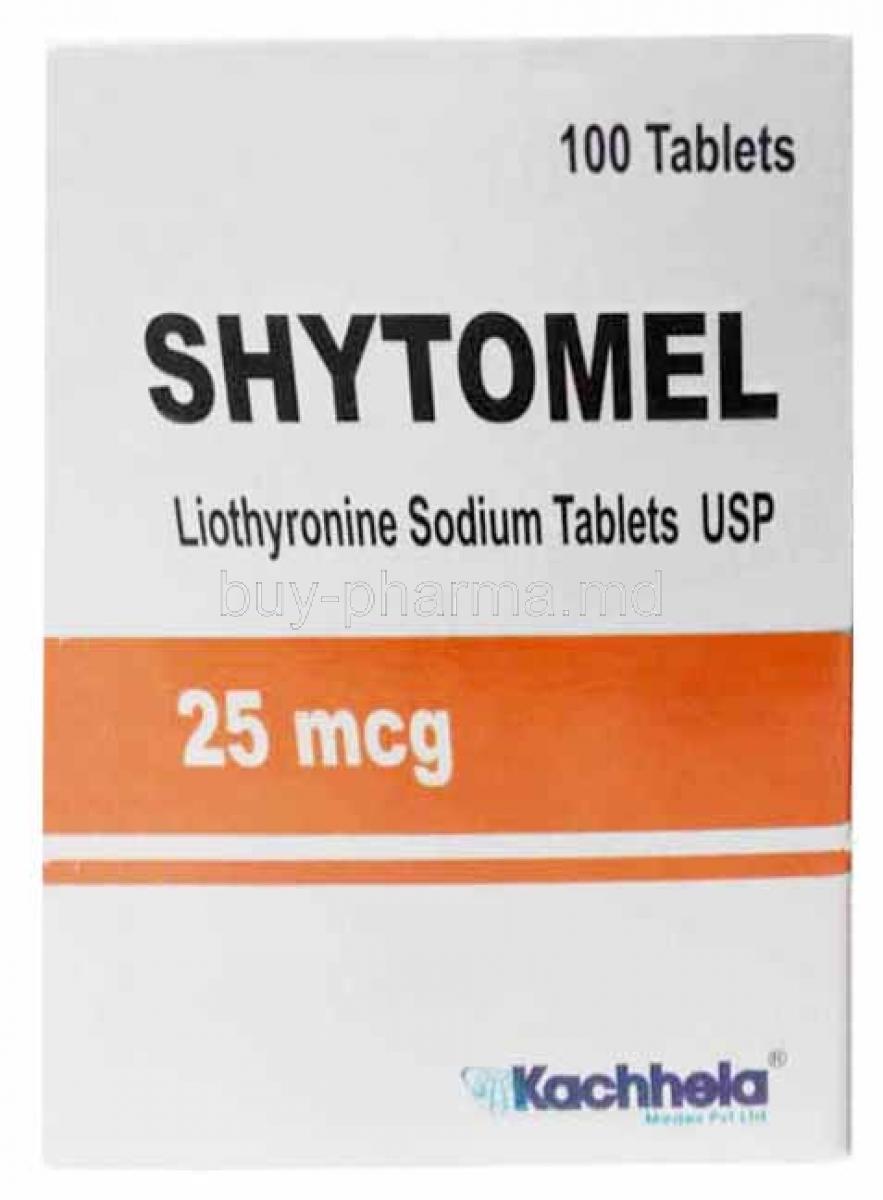
1. Introduction to Shytomel (Liothyronine)
1.1 Overview of Liothyronine Sodium (Synthetic T3 Hormone)
Shytomel contains liothyronine sodium, a synthetic analogue of triiodothyronine (T3), the biologically active thyroid hormone. Unlike its precursor, thyroxine (T4), liothyronine exerts rapid pharmacodynamic effects, offering prompt symptomatic relief in conditions characterized by thyroid hormone deficiency. Its potency is notable. Its onset is swift.
This preparation is often reserved for clinical scenarios requiring immediate hormonal correction or where conversion from T4 to T3 is impaired.
1.2 Brand and Generic Names, Including Shytomel
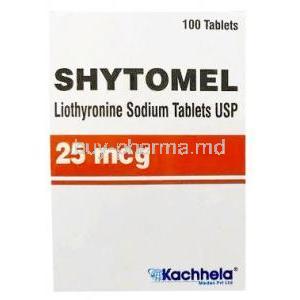
Liothyronine is marketed under several brand names, including Shytomel, while also being widely available in generic formulations. The nomenclature may vary across regions, yet the pharmacological essence remains identical.
- Brand examples: Shytomel, Cytomel
- Generic: Liothyronine sodium
1.3 Therapeutic Classification and Clinical Role in Thyroid Disorders
Liothyronine belongs to the class of thyroid hormone replacements. It is primarily indicated for hypothyroidism and related endocrine insufficiencies. Its role is pivotal in restoring metabolic equilibrium, particularly in patients unresponsive to levothyroxine alone.
1.4 Importance of Thyroid Hormones in Metabolic Regulation
Thyroid hormones orchestrate numerous physiological processes. Their influence is pervasive:
- Regulation of basal metabolic rate
- Modulation of thermogenesis
- Influence on cardiovascular output
- Support of neurological function
A deficiency leads to systemic sluggishness. An excess, conversely, results in hypermetabolic chaos.
2. Composition and Formulation
2.1 Active Ingredient: Liothyronine Sodium (T3)
The principal active component is liothyronine sodium, a synthetic T3 hormone designed to mimic endogenous triiodothyronine with high fidelity.
2.2 Available Strengths and Dosage Forms (Tablets, Oral Preparations)
Shytomel is typically available in oral tablet form, with varying strengths to accommodate individualized dosing strategies.
- Common strengths: 5 mcg, 25 mcg, 50 mcg
- Oral administration ensures systemic bioavailability
2.3 Inactive Ingredients and Excipients
Excipients may include binders, fillers, and stabilizing agents. These inert substances ensure tablet integrity, dissolution, and shelf stability without contributing to therapeutic activity.
2.4 Differences Between T3 (Liothyronine) and T4 (Levothyroxine)
The distinction between T3 and T4 is clinically significant:
- T3 (liothyronine): rapid onset, short half-life
- T4 (levothyroxine): slower onset, longer duration
- T3 acts directly; T4 requires peripheral conversion
This pharmacokinetic divergence informs therapeutic decision-making.
3. Mechanism of Action (How It Works)
3.1 Role of Triiodothyronine (T3) in Cellular Metabolism
Liothyronine penetrates target cells and binds to nuclear thyroid hormone receptors, modulating gene transcription. This interaction accelerates metabolic processes at a cellular level.
3.2 Conversion of T4 to T3 and Pharmacological Advantages of Direct T3 Therapy
Under physiological conditions, T4 is converted into T3 via deiodinase enzymes. However, certain patients exhibit impaired conversion. Direct T3 administration bypasses this limitation, ensuring immediate hormonal activity.
3.3 Effects on Basal Metabolic Rate, Oxygen Consumption, and Protein Synthesis
The metabolic amplification induced by liothyronine includes:
- Increased oxygen utilization
- Enhanced protein turnover
- Elevated energy expenditure
These effects collectively restore metabolic homeostasis.
3.4 Impact on Cardiovascular, Neurological, and Gastrointestinal Systems
Liothyronine exerts multisystemic effects:
- Cardiovascular: increased heart rate and cardiac output
- Neurological: improved cognition and alertness
- Gastrointestinal: enhanced motility
4. Approved Uses of Shytomel (Liothyronine)
4.1 Treatment of Hypothyroidism (Primary, Secondary, and Tertiary)
Shytomel is primarily indicated for hypothyroidism across its various etiologies. It compensates for deficient endogenous hormone production, alleviating symptoms such as fatigue, weight gain, and cold intolerance.
4.2 Management of Myxedema and Myxedema Coma
In severe hypothyroid states, including myxedema coma, liothyronine may be utilized due to its rapid onset. Immediate intervention is critical. The stakes are high.
4.3 Thyroid Hormone Replacement Therapy
Liothyronine serves as a replacement therapy in patients requiring supplementation or full hormonal substitution, particularly when rapid correction is clinically desirable.
4.4 Diagnostic Use in Thyroid Suppression Tests
Liothyronine may be employed diagnostically to evaluate thyroid function and suppress TSH in specific testing protocols.
5. Off-Label Uses of Liothyronine
5.1 Adjunct Therapy in Treatment-Resistant Depression
Liothyronine has demonstrated utility as an adjunct in refractory depression, particularly when conventional antidepressants fail to yield adequate response.
5.2 Use in Bipolar Disorder Management (Adjunctive Therapy)
In selected cases, liothyronine may augment mood stabilization strategies, though its use remains off-label and requires careful supervision.
5.3 Enhancement of Weight Loss in Select Clinical Settings (Controversial)
Although occasionally utilized to augment weight reduction, this practice is contentious and not recommended in euthyroid individuals due to safety concerns.
5.4 Use in Chronic Fatigue Syndrome and Fibromyalgia (Experimental)
Experimental applications include:
- Chronic fatigue syndrome
- Fibromyalgia
Evidence remains inconclusive, necessitating further investigation.
5.5 Augmentation in Thyroid Hormone Combination Therapy (T3 + T4 Regimens)
Combination therapy involving both T3 and T4 may benefit patients with persistent symptoms despite adequate T4 therapy alone.
5.6 Potential Role in Cognitive Dysfunction and Brain Fog
Emerging interest surrounds its potential role in alleviating cognitive sluggishness, often described as “brain fog,” particularly in subclinical hypothyroid states.
6. Dosage and Administration Guidelines
6.1 Recommended Starting Dose for Adults
Initial dosing is typically conservative, allowing gradual titration. Individualization is essential. Clinical vigilance is paramount.
6.2 Dose Adjustment Based on Clinical Response and TSH Levels
Dose adjustments are guided by:
- Serum TSH levels
- Clinical symptomatology
- Patient tolerance
6.3 Administration in Severe Hypothyroidism and Myxedema Coma
Higher or parenteral dosing may be required in life-threatening scenarios. Close monitoring in a clinical setting is mandatory.
6.4 Pediatric Dosage Recommendations
Pediatric dosing is weight-based and adjusted according to developmental needs. Growth parameters must be monitored meticulously.
6.5 Dosing Considerations in Elderly Patients
Elderly individuals require cautious initiation due to increased sensitivity, particularly regarding cardiovascular effects.
6.6 Timing of Administration and Food Interactions
Administration is typically recommended on an empty stomach to optimize absorption. Consistency enhances therapeutic stability.
6.7 Switching from Levothyroxine to Liothyronine
Transitioning between therapies necessitates careful recalibration of dosing to prevent over- or under-replacement.
7. Common Side Effects
7.1 Mild and Transient Adverse Effects
Common side effects often reflect mild hyperthyroid states:
- Palpitations
- Nervousness
- Sweating
- Headache
These effects are typically dose-dependent and reversible.
7.2 Gastrointestinal Disturbances
Patients may experience increased bowel motility, occasionally resulting in discomfort or diarrhea.
7.3 Sleep Disturbances and Anxiety
Heightened metabolic activity can disrupt sleep patterns and induce restlessness or anxiety in susceptible individuals.
8. Serious and Rare Side Effects
8.1 Cardiovascular Complications (Arrhythmias, Angina)
Excessive dosing may precipitate serious cardiac events, particularly in predisposed individuals.
8.2 Signs of Hyperthyroidism Due to Overdose
Overexposure may manifest as:
- Tachycardia
- Heat intolerance
- Weight loss
8.3 Bone Loss and Osteoporosis Risk with Long-Term Use
Chronic overtreatment may accelerate bone resorption, increasing fracture risk.
8.4 Allergic Reactions and Hypersensitivity
Although rare, hypersensitivity reactions may occur and require prompt discontinuation.
9. Drug Interactions
9.1 Interaction with Anticoagulants (e.g., Warfarin)
Liothyronine may potentiate the effects of anticoagulants, necessitating dose adjustments and monitoring.
9.2 Effects on Antidiabetic Medications
Alterations in metabolic rate can influence glycemic control, impacting antidiabetic therapy requirements.
9.3 Interaction with Antidepressants and Psychiatric Medications
Concurrent use with psychotropic agents requires careful evaluation due to potential synergistic effects.
9.4 Reduced Absorption with Calcium, Iron, and Antacids
Certain substances may impair absorption:
- Calcium supplements
- Iron preparations
- Antacids
9.5 Interaction with Estrogen Therapy and Oral Contraceptives
Estrogen-containing therapies may alter thyroid hormone binding, influencing dosage requirements.
9.6 Enzyme-Inducing Drugs Affecting Thyroid Hormone Levels
Drugs that induce hepatic enzymes can accelerate hormone metabolism, potentially reducing efficacy.
10. Warnings and Safety Information
10.1 Risk of Cardiac Events in Susceptible Patients
Liothyronine exerts pronounced effects on the cardiovascular system. This influence, while therapeutically beneficial, may become deleterious in predisposed individuals. Patients with underlying cardiac pathology require meticulous evaluation prior to initiation.
Potential risks include:
- Tachyarrhythmias
- Angina exacerbation
- Increased myocardial oxygen demand
Even modest dose escalations can provoke significant hemodynamic shifts. Prudence is imperative.
10.2 Risk of Thyrotoxicosis from Over-Replacement
Excessive administration may culminate in iatrogenic thyrotoxicosis. The clinical spectrum ranges from subtle restlessness to overt metabolic derangement.
- Unintentional weight loss
- Heat intolerance
- Palpitations and tremors
Chronic over-replacement is particularly insidious, often manifesting gradually yet carrying substantial morbidity.
10.3 Use in Patients with Adrenal Insufficiency
In individuals with adrenal insufficiency, thyroid hormone therapy may precipitate an adrenal crisis if corticosteroid deficiency is not corrected beforehand. The interplay between endocrine axes is complex. It demands vigilance.
10.4 Not Recommended for Weight Loss in Euthyroid Patients
Liothyronine should not be utilized as a weight reduction agent in individuals with normal thyroid function. Such misuse confers no sustainable benefit and introduces significant risk.
- Cardiac complications
- Muscle wasting
- Electrolyte imbalance
10.5 Monitoring Requirements (TSH, T3, T4 Levels)
Regular biochemical monitoring is indispensable. Laboratory assessments guide therapy and prevent complications.
- TSH: primary indicator of therapeutic adequacy
- Free T3 and T4: adjunctive markers
Clinical judgment must accompany laboratory data. Neither should be interpreted in isolation.
11. Contraindications
11.1 Untreated Thyrotoxicosis
Liothyronine is contraindicated in patients with active thyrotoxicosis. Administration in such cases exacerbates the hypermetabolic state, potentially leading to severe complications.
11.2 Uncorrected Adrenal Insufficiency
Untreated adrenal insufficiency represents a critical contraindication. Initiating thyroid hormone therapy without addressing adrenal deficits may precipitate life-threatening outcomes.
11.3 Hypersensitivity to Liothyronine or Excipients
Patients with known hypersensitivity to liothyronine or formulation components should avoid use. Allergic reactions, although uncommon, necessitate immediate discontinuation.
11.4 Acute Myocardial Infarction (Relative Contraindication)
In the setting of acute myocardial infarction, liothyronine should be used with extreme caution, if at all. The increased metabolic demand may exacerbate myocardial injury.
12. Careful Administration (Use with Caution)
12.1 Patients with Cardiovascular Disease
Patients with ischemic heart disease, arrhythmias, or hypertension require cautious dosing and close monitoring. Even minor fluctuations in hormone levels can have amplified effects.
12.2 Individuals with Diabetes Mellitus
Thyroid hormones influence glucose metabolism. Consequently, liothyronine therapy may alter insulin requirements or glycemic control.
- Increased glucose turnover
- Potential need for medication adjustment
12.3 Patients with Adrenal or Pituitary Disorders
Endocrine interdependencies necessitate comprehensive evaluation in patients with pituitary or adrenal dysfunction. Hormonal equilibrium must be maintained across axes.
12.4 Risk in Patients with Osteoporosis
Excess thyroid hormone accelerates bone resorption. Patients with preexisting osteoporosis are particularly vulnerable.
Long-term therapy requires:
- Bone density monitoring
- Avoidance of overtreatment
12.5 Individuals with Long-Term Hormone Therapy Needs
Chronic administration demands sustained oversight. Subtle dose deviations over time may lead to cumulative physiological consequences.
13. Important Precautions for Safe Use
13.1 Regular Monitoring of Thyroid Function Tests
Periodic laboratory evaluation ensures therapeutic precision. It mitigates risks. It refines dosing.
13.2 Avoiding Self-Adjustment of Dose
Patients should not independently alter dosing regimens. Even minor adjustments can disrupt hormonal homeostasis.
13.3 Recognizing Early Signs of Overdose or Underdose
Early identification of imbalance is critical:
- Overdose: tachycardia, anxiety, sweating
- Underdose: fatigue, cold intolerance, weight gain
13.4 Importance of Adherence to Prescribed Regimen
Consistency underpins efficacy. Irregular intake compromises therapeutic outcomes and destabilizes metabolic control.
13.5 Long-Term Therapy Considerations and Follow-Up
Longitudinal care involves periodic reassessment, ensuring that treatment remains aligned with evolving physiological needs.
14. Administration in Special Populations
14.1 Administration to Elderly Patients
Elderly patients exhibit heightened sensitivity to thyroid hormones, particularly in the cardiovascular domain.
- Lower initial dosing is recommended
- Gradual titration minimizes adverse effects
- Increased susceptibility to cardiac complications
14.2 Administration to Pregnant Women
Thyroid hormone replacement is essential during pregnancy to support maternal and fetal health. Untreated hypothyroidism poses significant risks.
- Maintenance of euthyroid state is critical
- Dose adjustments are often required as pregnancy progresses
14.3 Administration to Nursing Mothers
Liothyronine is excreted in small quantities into breast milk. While generally considered safe, careful monitoring is advisable to ensure infant well-being.
14.4 Administration to Pediatric Patients
In pediatric populations, thyroid hormones are indispensable for growth and neurodevelopment.
- Regular monitoring of growth parameters
- Age-specific dosing adjustments
- Close supervision to avoid developmental disruption
15. Overdosage and Emergency Management
15.1 Symptoms of Acute and Chronic Overdose
Overdosage may present acutely or develop insidiously over time. Symptoms reflect exaggerated thyroid activity.
15.2 Clinical Manifestations of Thyrotoxicosis
Characteristic features include:
- Severe tachycardia
- Hyperthermia
- Agitation or delirium
15.3 Immediate Management and Supportive Care
Prompt medical intervention is required. Management strategies focus on stabilizing vital functions and mitigating symptoms.
15.4 Role of Beta-Blockers and Symptomatic Treatment
Beta-blockers may be employed to control adrenergic symptoms. Supportive care remains the cornerstone of treatment.
16. Storage and Stability
16.1 Recommended Storage Conditions (Temperature, Light, Moisture)
Proper storage preserves pharmacological integrity. Tablets should be kept:
- At controlled room temperature
- Away from excessive moisture
- Protected from direct light
16.2 Shelf Life and Expiry Considerations
Adherence to expiration dates ensures efficacy and safety. Degraded products may exhibit reduced potency.
16.3 Safe Storage Away from Children and Pets
Medications should be securely stored to prevent accidental ingestion. This is especially critical in households with vulnerable individuals.
17. Handling and Patient Counseling Precautions
17.1 Proper Handling of Tablets and Medication Integrity
Tablets should be handled with care to maintain structural integrity. Exposure to humidity or physical damage may compromise quality.
17.2 Guidance for Missed Doses
In the event of a missed dose:
- Take the dose as soon as remembered
- Avoid doubling doses to compensate
17.3 Importance of Consistency in Brand or Generic Switching
Switching between formulations may result in variability in bioavailability. Consistency is recommended to maintain stable therapeutic levels.
17.4 Counseling Points for Optimal Therapeutic Outcomes
Effective therapy extends beyond pharmacology. Patient education is vital.
- Adherence to dosing schedule
- Regular follow-up appointments
- Awareness of symptom changes
A collaborative approach enhances outcomes and ensures sustained metabolic balance.
Shytomel, Liothyronine FAQ
- What is the use of Shytomel?
- Why don't doctors like to prescribe T3?
- Is liothyronine a T3 or T4?
- What is the difference between levothyroxine and liothyronine?
- Can liothyronine cause weight gain?
- Why do doctors prescribe T4 instead of T3?
- What are the dangers of taking T3?
- When to use liothyronine instead of levothyroxine?
- How do you feel when your T3 is low?
- What are the long-term effects of taking liothyronine?
- Is 25 mcg of liothyronine a lot?
- Can T3 cause heart failure?
- What to avoid when taking liothyronine?
- Who can prescribe liothyronine?
- Is 5 mcg of liothyronine a lot?
- Is it safe to use liothyronine?
- Why take liothyronine twice a day?
- Does coffee interfere with liothyronine?
- Can you drink coffee with liothyronine?
- Why would a doctor prescribe liothyronine?
- How long can I take liothyronine?
- Why take levothyroxine and liothyronine together?
- Does Liothyronine cause weight gain?
- Can you take liothyronine and levothyroxine together?
- Does Liothyronine cause weight loss?
- How to take Liothyronine twice a day?
- Does liothyronine cause hair loss?
- Is liothyronine the same as levothyroxine?
What is the use of Shytomel?
Medicine used to treat the symptoms of low thyroid hormone (Hypothyroidism), and enlarged thyroid gland (nontoxic goiter), Myxedema and Myxedema Coma.
Why don't doctors like to prescribe T3?
It could lead to serious complications like heart attacks or strokes
Is liothyronine a T3 or T4?
T3
What is the difference between levothyroxine and liothyronine?
When it comes to treating hypothyroidism, there are a couple of key options to consider. Levothyroxine, also known as T4, is the standard treatment - it's long-acting, so you only need to take it once a day, and your body converts it into the active hormone it needs. On the other hand, Liothyronine (T3) is a faster-acting and more potent option, but it usually needs to be taken multiple times a day. Typically, T3 is reserved for patients who don't see improvement with T4 alone. While T4 is generally the preferred choice, T3 can be really beneficial for certain symptoms.
Can liothyronine cause weight gain?
Yes
Why do doctors prescribe T4 instead of T3?
Thyroxine (T4) is a prohormone, and our body converts T4 to T3, the active form of thyroid hormone
What are the dangers of taking T3?
Liothyronine may cause your heart rate to increase or become abnormal.
When to use liothyronine instead of levothyroxine?
Only during Thyroid withdrawal
How do you feel when your T3 is low?
- Fatigue
- Coldness
- Constipation
- Weight gain
- Low mood
- Dry skin and hair
What are the long-term effects of taking liothyronine?
Bone loss
Is 25 mcg of liothyronine a lot?
It is the usual maintenance dose.
Can T3 cause heart failure?
Yes
What to avoid when taking liothyronine?
- Soy
- High fiber foods
- Nutrition shakes
- Walnuts
Who can prescribe liothyronine?
Endocrinologists
Is 5 mcg of liothyronine a lot?
No
Is it safe to use liothyronine?
Yes
Why take liothyronine twice a day?
It is usually metabolized within 3-5 hours
Does coffee interfere with liothyronine?
Yes
Can you drink coffee with liothyronine?
No
Why would a doctor prescribe liothyronine?
To treat hypothyroidism
How long can I take liothyronine?
For life
Why take levothyroxine and liothyronine together?
Some people take two medicines, levothyroxine and liothyronine, together to help with hypothyroidism symptoms that won't go away, like feeling tired, gaining weight, and being in a low mood. This is done even when their TSH levels are normal with just levothyroxine.
Does Liothyronine cause weight gain?
Yes
Can you take liothyronine and levothyroxine together?
Yes
Does Liothyronine cause weight loss?
Liothyronine (T3) can cause weight loss as a side effect when it increases metabolic rate, particularly if dosage exceeds the body's needs or when used to treat hypothyroidism
How to take Liothyronine twice a day?
6-8 hours apart
Does liothyronine cause hair loss?
Yes
Is liothyronine the same as levothyroxine?
No
Customers also bought


Popular Products
Similar Product