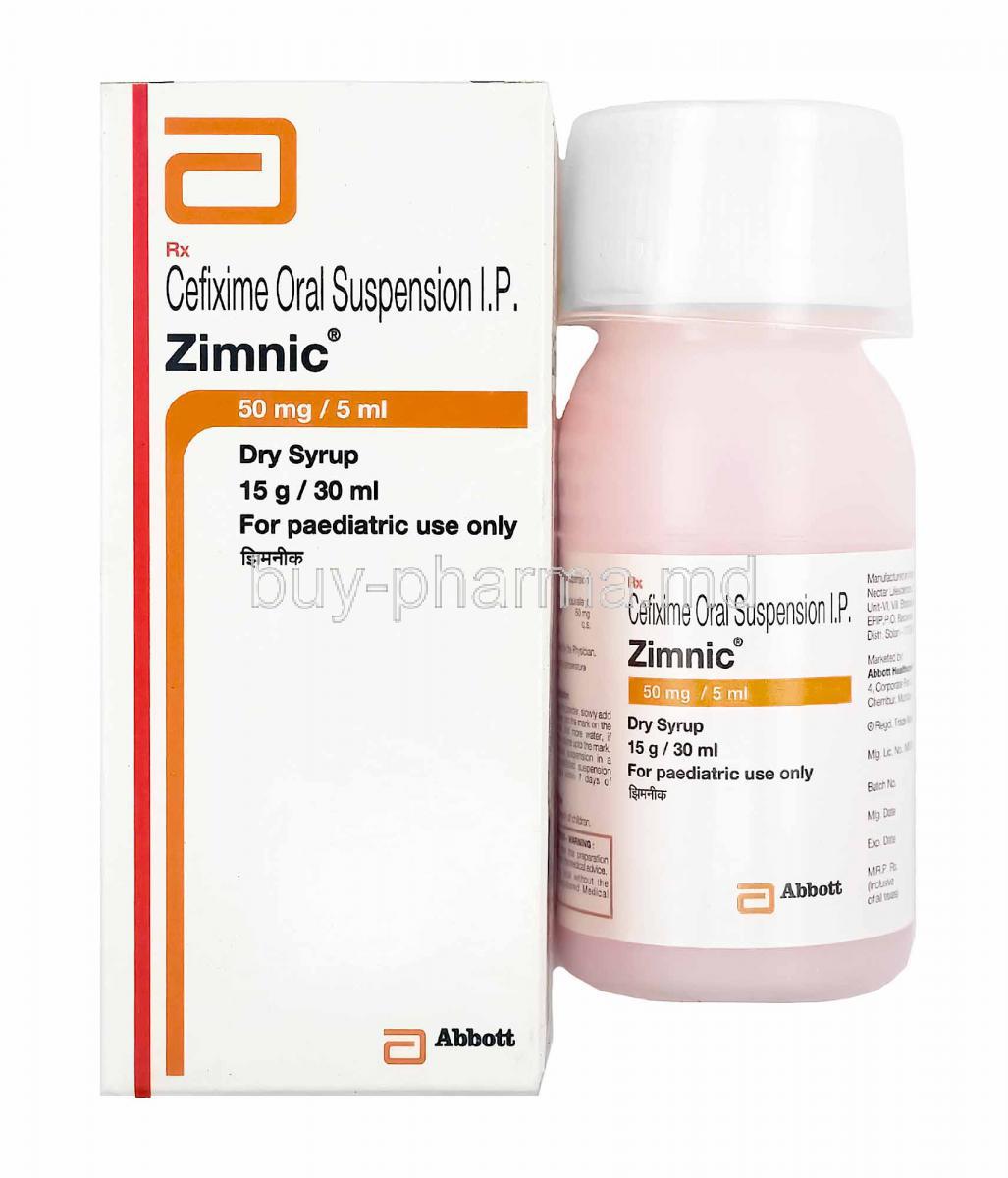
Zimnic Dry Syrup, Cefixime
- Introduction to Zimnic Dry Syrup (Cefixime)
- Composition and Active Ingredients
- How Zimnic Dry Syrup (Cefixime) Works
- Uses of Zimnic Dry Syrup (Cefixime)
- Treatment of Respiratory Tract Infections
- Tonsillitis and Pharyngitis
- Sinusitis
- Bronchitis
- Pneumonia
- Treatment of Ear, Nose, and Throat Infections
- Otitis Media
- Bacterial Throat Infections
- Treatment of Urinary Tract Infections (UTIs)
- Complicated and Uncomplicated UTIs
- Bladder Infections
- Treatment of Gastrointestinal Infections
- Typhoid Fever
- Enteric Fever
- Treatment of Sexually Transmitted Infections
- Gonorrhea Management
- Skin and Soft Tissue Infections
- Dental and Oral Infections
- Post-Surgical Bacterial Infection Prevention
- Fever Associated With Bacterial Infections
- Off-Label Uses of Zimnic Dry Syrup (Cefixime)
- Off-Label Use in Pediatric Bacterial Infections
- Use in Travelers Diarrhea
- Use in Chronic Respiratory Infections
- Use in Mixed Bacterial Infections
- Cefixime Use in Multidrug Treatment Protocols
- Off-Label Use for Persistent Sinus Infections
- Community-Acquired Infection Management
- Use in Secondary Bacterial Infections Following Viral Illness
- Dosage and Administration
- Recommended Dosage for Adults
- Cefixime Dry Syrup Dosage for Children
- Weight-Based Pediatric Dosing Guidelines
- Dosage Adjustments in Kidney Impairment
- How to Prepare the Dry Syrup Suspension
- Instructions for Measuring and Administering the Dose
- Duration of Treatment
- Missed Dose Instructions
- Best Time to Take Cefixime
- Administration With or Without Food
- Additional Administration Precautions
- Administration to Children
- Administration to Elderly Patients
- Administration to Pregnant Women and Nursing Mothers
- Common Side Effects of Zimnic Dry Syrup
- Serious Side Effects and Adverse Reactions
- Drug Interactions
- Warnings and Important Safety Information
Introduction to Zimnic Dry Syrup (Cefixime)
What Is Zimnic Dry Syrup
Zimnic Dry Syrup is a type of antibiotic that you take by mouth, and it contains a medicine called cefixime. Doctors usually prescribe this for infections caused by bacteria.
The syrup comes as a dry powder, and you need to mix it with clean water before giving it to someone. This is really helpful for kids or people who have trouble swallowing pills.

When you mix it with water, it becomes a syrup that's easier to measure and give to the person who needs it.
Overview of Cefixime as a Third-Generation Cephalosporin Antibiotic
Cefixime is a type of antibiotic that falls under the third-generation cephalosporin class. It's effective against a variety of bacteria by disrupting the synthesis of the bacterial cell wall, which is crucial for the bacteria's survival.
This means that cefixime can be used to treat infections in different parts of the body, such as the respiratory tract, urinary tract, ear, and throat, as long as they're caused by susceptible bacteria.
By interfering with cell wall synthesis, cefixime essentially kills the bacteria, making it a useful treatment option for various bacterial infections.
- Broad-spectrum antibacterial activity ( According to PubMed Central An antibiotic susceptibility analysis of 466 bacterial isolates revealed that cefixime is more effective than tetracycline for treating acute respiratory infections (ARIs). Notably, tetracycline exhibited a critically high resistance rate of 92.86%, whereas cefixime maintained a significantly lower resistance level of 38.0%.)
- Oral administration
- Useful for susceptible bacterial infections
- Often selected when a liquid dosage form is preferred
Brand Information and Pharmaceutical Classification
Zimnic Dry Syrup is a medicine that has cefixime as its main ingredient. It's a type of antibiotic, specifically a beta-lactam antibiotic, which is part of the cephalosporin group.
This medicine doesn't just treat the symptoms, but actually targets the bacteria that's causing the infection, as long as the bacteria is sensitive to cefixime.
It works by fighting the underlying cause of the infection, rather than just providing temporary relief.
Prescription Status and Availability
You should only use Zimnic Dry Syrup when a doctor is supervising you. This is because antibiotics need to be used in the right way to work properly and to prevent the bacteria from becoming resistant to them.
The doctor will make sure you get the right dose and use it for the right amount of time. Also, you can only get Zimnic Dry Syrup in some places, and you might need a prescription from a doctor to buy it, depending on where you live and the laws in your area.
Key Features and Benefits of Zimnic Dry Syrup
Zimnic Dry Syrup is a great option for kids and people who have trouble swallowing. It comes in a special form that can be mixed with water to make a liquid. This makes it easy to give the right dose based on the person's weight and how sick they are.
- Contains cefixime, a third-generation cephalosporin antibiotic
- Dry syrup form helps improve storage stability before mixing
- Convenient for children when prescribed appropriately
- May be used for various susceptible bacterial infections
- Allows measured dosing after reconstitution
Composition and Active Ingredients
Active Ingredient: Cefixime
The main ingredient in Zimnic Dry Syrup is cefixime, which is what makes it work against bacteria. Cefixime does its job by attaching to certain enzymes that bacteria use to build their cell walls.
When this happens, the bacterial wall starts to fall apart, and the bacteria can't survive anymore. This is how Zimnic Dry Syrup helps to fight off infections caused by susceptible bacteria.
Strength and Formulation Details
The strength of Zimnic Dry Syrup can vary depending on the type and packaging. Most dry syrups are made to give a certain amount of cefixime per measured volume after you mix it with water.
Always check the label carefully before using it. When figuring out the dose, follow the doctor's instructions, especially for kids, since the dose is often based on their weight.
Excipients and Inactive Ingredients
Besides the main ingredient cefixime, Zimnic Dry Syrup also has some extra ingredients called excipients. These don't actually fight bacteria, but they help keep the medicine stable, make it look and taste better, and make it easier to use.
- Stabilizing agents
- Sweeteners
- Suspending agents
- Preservatives, where applicable
- Flavoring substances
Patients with known allergies, metabolic restrictions, or sensitivity to additives should review the product label or consult a pharmacist before use.
Mechanism Behind the Dry Syrup Formulation
A dry syrup is a type of medicine that comes in powder form, which is really helpful because it stays stable until you add water to it. This way, the medicine doesn't go bad before you open it and mix it with water.
When you do mix it, the powder turns into a liquid that you can drink, called an oral suspension. To make sure you get the right amount of medicine each time, it's a good idea to shake the bottle really well before you take a dose, so the active ingredients get all mixed up evenly.
Flavoring and Pediatric-Friendly Components
Dry syrups are often made with flavorings and sweeteners to make them easier for kids to take. This is especially helpful when they need to take medicine for several days.
But just because it tastes good, doesn't mean it's not strong medicine. You should keep Zimnic Dry Syrup in a safe place where kids can't get to it and only use the amount that's prescribed.
How Zimnic Dry Syrup (Cefixime) Works
Mechanism of Action of Cefixime
Zimnic Dry Syrup is a type of medicine that has cefixime in it, which is a strong antibiotic that belongs to a group of medicines called cephalosporins. This antibiotic is special because it can fight off certain types of bacterial infections by targeting the parts of the bacteria that are necessary for them to grow and survive.
Instead of just making the symptoms of an infection feel better, cefixime goes after the actual cause of the infection, which is the bacteria itself.
It works by breaking down the walls of the bacterial cells, which ultimately kills the bacteria. This helps get rid of the bad bacteria, and it also allows the body's own immune system to help with the healing process. By doing this, cefixime helps the body recover from the infection.
The way it targets the bacteria is very specific, which is good because it means that the medicine can focus on getting rid of the infection without hurting the rest of the body. This makes it a useful tool for fighting off certain types of bacterial infections.
- Belongs to the third-generation cephalosporin class
- Functions as a beta-lactam antibiotic
- Targets bacterial cell wall formation with a success rate of 90% to 98%
- Produces bactericidal effects against susceptible organisms
- Used in the treatment of various bacterial infections
How Cefixime Inhibits Bacterial Cell Wall Synthesis
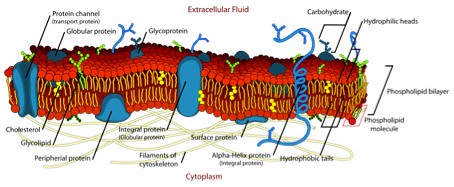
The cell wall is a crucial part of a bacterial cell, giving it strength and protection. It's made up of a complex material called peptidoglycan, which is like a mesh that keeps the cell from bursting under pressure.
Cefixime is a drug that interferes with the construction of this wall by attaching to specific proteins called penicillin-binding proteins.
These proteins are essential for building the cell wall, and when cefixime binds to them, it disrupts the normal process of creating a strong wall. As a result, the cell wall becomes weak and can't keep the cell intact.
When the bacteria try to grow and divide, the defective wall can't handle the pressure, and the cell ends up dying. This process is selective, meaning it only affects bacteria, because human cells don't have cell walls or these specific proteins, making it a good target for therapy.
The way cefixime works is by targeting the bacteria's ability to build a strong cell wall, which is necessary for its survival. By disrupting this process, cefixime is able to effectively kill the bacteria without harming human cells.
This is important because it allows doctors to treat bacterial infections without causing harm to the patient. Overall, the cell wall is a vital part of a bacterial cell, and cefixime's ability to disrupt its construction makes it a powerful tool in the fight against bacterial infections.
Bactericidal Activity Against Susceptible Organisms
Cefixime exhibits bactericidal activity, meaning it directly kills susceptible bacteria rather than merely inhibiting their growth. According to National Institute of Health Cefixime achieved a 96% bacterial cure rate among patients, demonstrating its bactericidal efficacy primarily through the inhibition of bacterial cell wall synthesis . This characteristic distinguishes it from bacteriostatic antibiotics, which primarily suppress bacterial replication and rely more heavily on host immune responses for complete eradication.
Following adequate exposure to therapeutic concentrations, susceptible bacteria undergo progressive structural deterioration. The compromised cell wall can no longer sustain cellular viability, resulting in irreversible destruction of the organism.
Bactericidal activity is particularly advantageous in infections where rapid bacterial elimination is clinically desirable. However, effectiveness depends upon several variables, including:
- The susceptibility profile of the infecting organism
- The severity and location of infection
- Patient-specific pharmacokinetic factors
- Adherence to the prescribed treatment regimen
- The presence of antimicrobial resistance mechanisms
Spectrum of Antibacterial Activity
Zimnic Dry Syrup is really good at fighting off a wide range of bad bacteria that can make us sick. It's because of its special structure, called a third-generation cephalosporin, which is especially good at tackling Gram-negative bacteria, but it also works well against some Gram-positive bacteria.
This makes it useful for treating many different types of bacterial infections that can affect various parts of our body. However, when choosing an antibiotic, doctors should look at the patient's symptoms, what bacteria are common in their area, and do tests to see what will work best.
The problem is that bacteria can become resistant to antibiotics over time, and this can vary from place to place. So, healthcare professionals often look at local data on antibiotic resistance to decide which treatment to use.
Gram-Positive and Gram-Negative Coverage
Cefixime demonstrates activity against numerous Gram-positive and Gram-negative bacteria known to cause common community-acquired infections. The antimicrobial spectrum encompasses organisms associated with respiratory tract infections, ear infections, urinary tract infections, and certain gastrointestinal infections.
Examples of susceptible organisms may include:
- Streptococcus pneumoniae
- Streptococcus pyogenes
- Haemophilus influenzae
- Moraxella catarrhalis
- Escherichia coli
- Proteus mirabilis
- Klebsiella species
- Neisseria gonorrhoeae (susceptible strains)
The effectiveness of cefixime against certain bacteria really depends on the local resistance patterns and what lab tests show according to the National Institute of Health. Not all strains of these bacteria are equally sensitive to cefixime, especially in areas where antibiotic resistance is a big problem.
Antibiotic Resistance and Cefixime Effectiveness
Antimicrobial resistance represents a significant global healthcare challenge. Bacteria possess remarkable adaptive capabilities and may develop mechanisms that reduce or eliminate the effectiveness of antibiotics, including cefixime.
Common resistance mechanisms include:
- Production of beta-lactamase enzymes that degrade antibiotics
- Alterations in penicillin-binding proteins
- Reduced permeability of the bacterial cell envelope
- Activation of efflux systems that expel antimicrobial agents
- Genetic mutations that diminish antibiotic susceptibility
Although cefixime maintains activity against many susceptible pathogens, inappropriate antibiotic use can accelerate the emergence of resistant strains.
Examples include unnecessary antibiotic exposure, incorrect dosing, premature discontinuation of therapy, and use for non-bacterial illnesses.
To preserve the clinical utility of cefixime and other antimicrobial agents, prudent antibiotic stewardship is essential.
Treatment should be based on appropriate medical assessment, adherence to prescribed dosing schedules, and completion of the full recommended course unless otherwise directed by a healthcare professional.
Uses of Zimnic Dry Syrup (Cefixime)
Zimnic Dry Syrup is a type of antibiotic that has cefixime in it. Cefixime is a strong medicine that kills bacteria, and it's often used to treat infections in kids and adults. Because it works against a lot of different types of bacteria and comes in a liquid form, doctors like to prescribe it for people who need to take antibiotics by mouth.
This medicine can be used to treat infections in many parts of the body, like the lungs, urinary tract, stomach, ear, nose, throat, skin, and more, as long as the bacteria causing the infection can be killed by cefixime. It's a broad-spectrum antibiotic, which means it can fight a wide range of bacterial infections, making it a popular choice for both children and adults who need oral antibiotic treatment.
- Respiratory tract infections
- Ear, nose, and throat infections
- Urinary tract infections
- Gastrointestinal bacterial infections
- Selected sexually transmitted infections
- Skin and soft tissue infections
- Dental infections
Treatment of Respiratory Tract Infections
Respiratory tract infections are among the most common reasons for antibiotic prescriptions worldwide. Cefixime may be prescribed when bacterial pathogens are suspected or confirmed as the underlying cause of infection.
The medication helps reduce bacterial proliferation, allowing the immune system to resolve inflammation and infection more effectively. Clinical improvement often includes reduction of fever, throat discomfort, cough, and other infection-related symptoms.
Tonsillitis and Pharyngitis
Tonsillitis can be treated with Cefixime if it's caused by a bacterial infection. This type of infection can cause a sore throat, make swallowing painful, and lead to swollen tonsils, fever, and swollen lymph nodes in the neck.
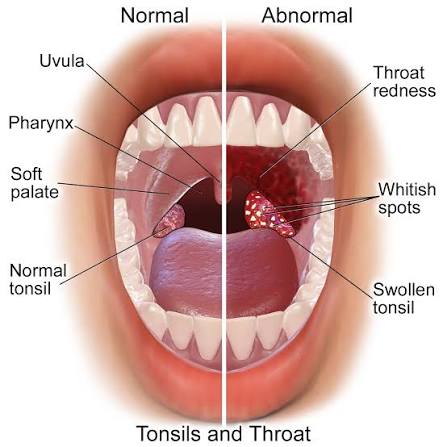
Cefixime works by killing the bacteria that are causing the infection, which helps to relieve symptoms and shorten the time you're sick. It's really important to take all of the Cefixime that your doctor prescribes, even if you start to feel better before you finish the medicine.
For kids who have trouble swallowing pills, there's a liquid version of Cefixime that can be used instead, which is often prescribed for children with strep throat when it's the right choice for their treatment.
Sinusitis
When bacteria infect the sinuses, it can lead to a condition called acute bacterial sinusitis. This happens when the paranasal sinuses get infected, causing inflammation and a buildup of mucus. People with this condition often experience symptoms like pressure in their face, a stuffy nose, headaches, and a thick, yellow or green discharge from their nose.
In some cases, doctors might prescribe an antibiotic called Cefixime to treat bacterial sinus infections, but only if the infection is caused by a type of bacteria that the medicine is effective against.
The goal of treatment is to get rid of the infection, reduce the inflammation, and help the sinuses drain normally again. By doing so, it's possible to alleviate the symptoms and help the body recover from the infection.
Bronchitis
Bronchitis is a condition where the airways in your lungs get inflamed, and it can be really uncomfortable. You might have a nagging cough, produce a lot of mucus, feel pain in your chest, and even run a fever.
Now, most of the time, bronchitis is caused by a virus, which means antibiotics won't do much to help. But sometimes, bacteria can be the culprit, and that's when a doctor might consider prescribing cefixime.
This antibiotic can help clear up the bacterial infection, but it's only used when the doctor thinks bacteria are contributing to the bronchitis. They'll make this decision based on how you're feeling and the results of any tests you've had.
So, if you've got bronchitis and your doctor thinks bacteria are to blame, cefixime might be an option to help you feel better.
Pneumonia
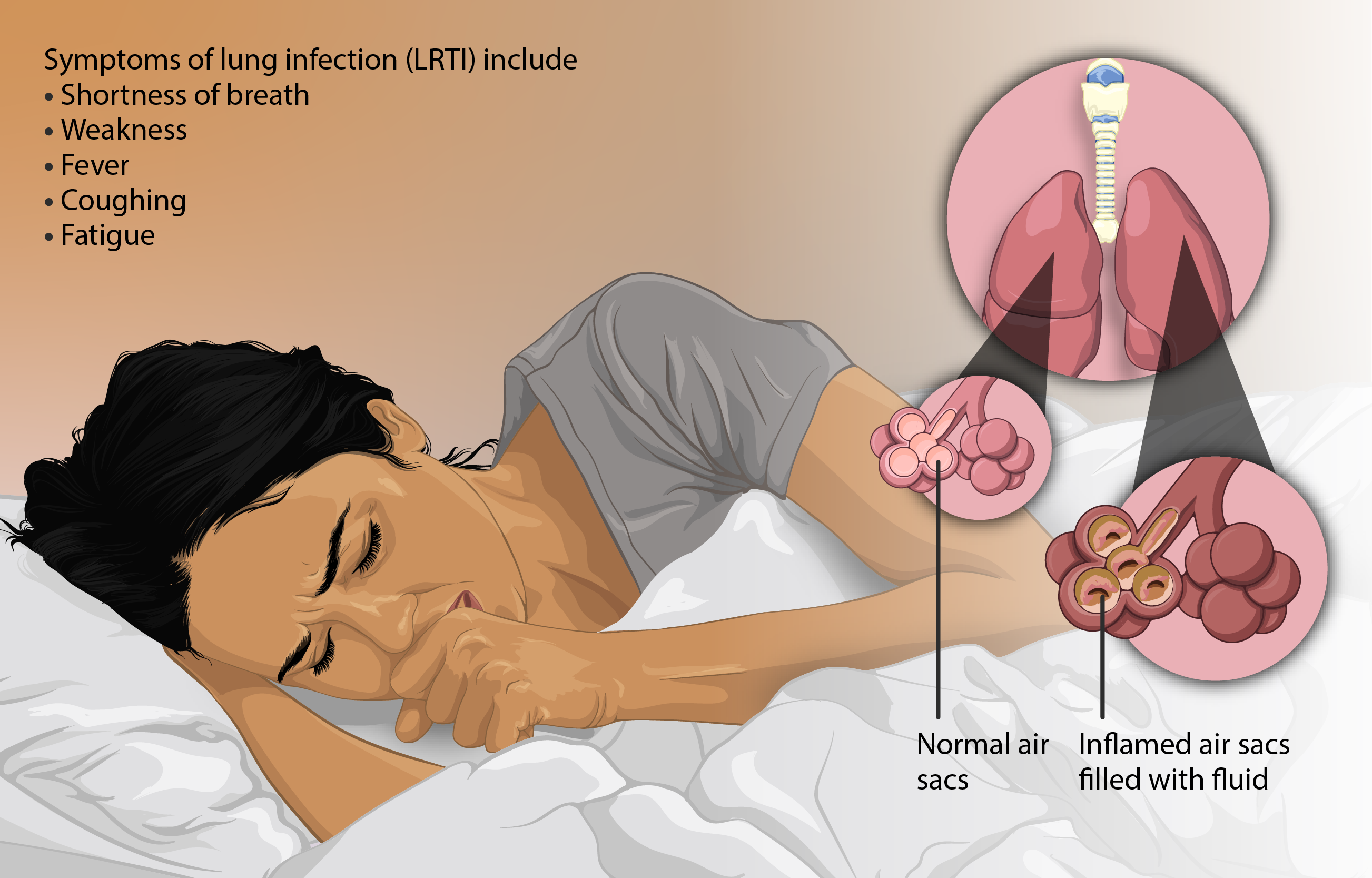
Pneumonia is a serious infection that affects the lungs and can be really bad if not treated properly. People with pneumonia often have symptoms like coughing, a high fever, chills, feeling extremely tired, having trouble breathing, and chest pain that can be quite painful.
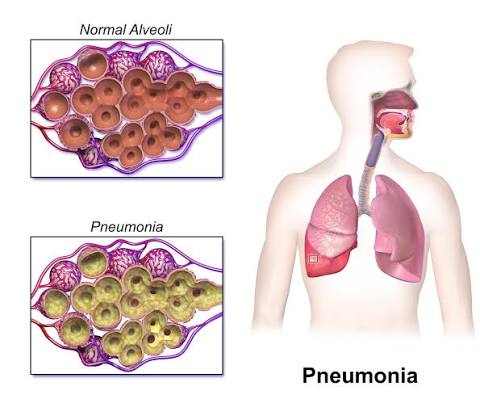
When the bacteria causing the pneumonia are susceptible to certain antibiotics, doctors might prescribe cefixime as part of the treatment. The main idea behind this is to stop the bacteria from multiplying and to help the lungs recover from the infection. By doing so, the body can fight off the infection more easily and get back to normal.
Treatment of Ear, Nose, and Throat Infections
Ear, nose, and throat infections represent a major category of bacterial illnesses for which cefixime may be prescribed with a 91.7% clinical success rate according to PubMed Central. These infections can significantly impact daily activities, sleep quality, and overall well-being. The convenient liquid formulation makes administration easier, particularly in younger patients.
Otitis Media
Ear infections, also known as otitis media, are pretty common in kids. They can cause a lot of discomfort, like ear pain, irritability, and fever. Some kids might even have trouble hearing or sleeping. If a doctor thinks a bacterial infection is causing the problem, they might prescribe an antibiotic syrup like Zimnic Dry Syrup to help clear it up.
This can be a big help in making the kid feel better and getting rid of the infection. It's usually given to children, and it's meant to target the bacteria that are likely causing the ear infection. By taking this syrup, kids can start to feel better and get back to their normal selves.
- May help eliminate susceptible bacteria
- Can reduce ear discomfort and inflammation
- Provides a child-friendly oral dosage form
- Facilitates accurate pediatric dosing
Bacterial Throat Infections
Bacterial throat infections can cause significant pain, redness, swelling, and difficulty swallowing. Streptococcal infections are among the most recognized bacterial causes.
Cefixime may be prescribed when appropriate to help eradicate susceptible organisms and prevent complications associated with untreated bacterial infections.
Treatment of Urinary Tract Infections (UTIs)
Cefixime for UTI treatment is a well-established therapeutic option for susceptible urinary pathogens. Urinary tract infections occur when bacteria invade the urinary system, leading to inflammation and discomfort. Symptoms may include:
- Frequent urination
- Painful urination
- Urgency
- Cloudy urine
- Lower abdominal discomfort
- Fever in more severe cases

Complicated and Uncomplicated UTIs
Cefixime is a medication that can be used to treat urinary tract infections, whether they are straightforward or more complex. It's effective when the bacteria causing the infection are susceptible to the medication and the doctor thinks it's the right choice.
When taken, Cefixime reaches levels in the body that are high enough to fight off the bacteria that cause these infections. This helps to get rid of the infection and reduces the chance of it coming back.
Bladder Infections
Bladder infections, or cystitis, are really common and can be quite painful. When you have one, you might feel a burning sensation when you pee, need to go to the bathroom more often, and have discomfort in your pelvis. Luckily, there are treatments that can help.
For example, cefixime is an antibiotic that targets the bacteria causing the infection, which can help get rid of the infection and make it easier to pee normally again. By killing the bad bacteria, cefixime can help you feel better and get back to your normal self.
Treatment of Gastrointestinal Infections
Some bacterial infections in the stomach and intestines can be treated with cefixime, but only if the bacteria are sensitive to it. These infections can happen to both grown-ups and kids, and they can cause symptoms throughout the body.
It's still important to see a doctor, because stomach problems can be caused by many different things, not just infections. The doctor needs to figure out what's really going on, because the symptoms can be similar even if the cause is different.
Typhoid Fever
Typhoid fever is a serious illness that can cause a long-lasting fever, stomach pain, weakness, headaches, and problems with the digestive system. Doctors may prescribe an antibiotic called Cefixime to treat typhoid fever, but only if the bacteria causing the infection are susceptible to it.
Getting the right treatment quickly can help prevent complications and speed up recovery. It's really important to take the medication as directed to make sure the infection is fully cleared.
Enteric Fever
Enteric fever is a type of infection that's caused by two kinds of bacteria: Salmonella Typhi and Salmonella Paratyphi. These infections are still a big deal for public health in a lot of areas.
When it comes to treating enteric fever, doctors might consider using a medicine called Cefixime, but it depends on how well the bacteria in that region respond to the medicine and if they're resistant to it.
Treatment of Sexually Transmitted Infections
Cefixime has historically been utilized in the management of certain sexually transmitted bacterial infections. Treatment recommendations may vary according to evolving clinical guidelines and resistance trends. Appropriate diagnostic testing and professional medical assessment are essential before initiating therapy.
Gonorrhea Management
Cefixime for gonorrhea treatment has been employed for susceptible strains of Neisseria gonorrhoeae.
However, antibiotic resistance remains an ongoing concern, and treatment recommendations may differ between healthcare jurisdictions.
Patients diagnosed with gonorrhea often require comprehensive evaluation, partner notification, and follow-up testing as recommended by healthcare professionals.
Skin and Soft Tissue Infections
Cefixime may be prescribed for selected skin and soft tissue infections caused by susceptible bacteria. These infections can manifest as redness, swelling, warmth, tenderness, and localized inflammation. Treatment helps reduce bacterial burden and supports the healing process when the infecting organism is sensitive to cefixime.
Dental and Oral Infections
Dental problems like tooth decay, gum disease, and abscesses can lead to infections. When bacteria grow out of control in your mouth, it can cause a lot of pain and swelling.
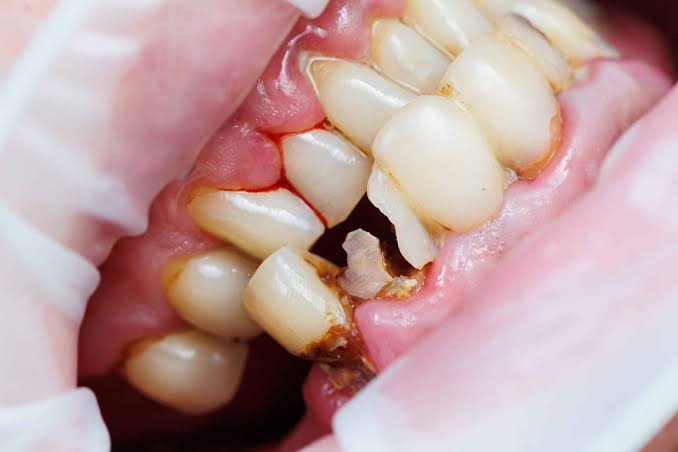
In some cases, an antibiotic called Cefixime might be used to help treat the infection, but it's usually just one part of a bigger treatment plan that might also include a visit to the dentist.
Post-Surgical Bacterial Infection Prevention
In certain situations during surgery, doctors might give patients antibiotics to lower the risk of getting a bacterial infection. The decision to do this depends on how risky the surgery is, the patient's overall health, and the hospital's rules.
When it comes to using a specific antibiotic called cefixime for this purpose, it's crucial that a qualified healthcare professional makes the decision. They will consider the individual case and make a judgment based on their expertise. This approach helps ensure that antibiotics are used wisely and effectively to support patient care.
Fever Associated With Bacterial Infections
Fever is often a sign that your body is fighting off a bacterial infection. Even though the antibiotic cefixime doesn't directly bring down your temperature, getting rid of the bacteria that's causing the infection can help your fever go away on its own.
When you have a fever because of a bacterial infection, taking the right antibiotic can make you feel better by treating the underlying cause of the fever, rather than just masking the symptoms.
Zimnic Dry Syrup is a type of antibiotic called a third-generation cephalosporin, and it's still a good choice for treating many kinds of bacterial infections, as long as you take it as directed by your doctor.
It's an oral antibiotic, which means you take it by mouth, and it can be used to treat a variety of infections when used properly and under medical guidance.
Off-Label Uses of Zimnic Dry Syrup (Cefixime)
Zimnic Dry Syrup is a medicine that has cefixime in it, which is a type of antibiotic. Doctors usually prescribe it to treat bacterial infections that it works well against. But sometimes, doctors might decide to use it for other conditions that aren't exactly what it's approved for.
This is called off-label use. It's a common practice in medicine, as long as there's evidence to back it up and the doctor thinks it's a good idea for the patient. The doctor should be experienced and able to weigh the good and bad effects of using the medicine in this way.
They need to consider what's best for each patient individually. Off-label use is recognized as a valid part of medical practice, but it should always be done with caution and careful consideration.
The doctor should look at the latest research, their own experience, and the specific needs of the patient before making a decision. By doing so, they can provide the best possible care for their patients.
- May be considered when standard therapies are unsuitable
- Often guided by local antimicrobial susceptibility patterns
- Requires careful clinical assessment
- Should be supported by evidence-based decision making
- Must account for antibiotic stewardship principles
Off-Label Use in Pediatric Bacterial Infections
Sometimes, kids get bacterial infections that don't exactly match the usual treatment plans, but the germs causing the infection might still be sensitive to a medicine called cefixime.
In these cases, doctors might think about using cefixime as part of a personalized treatment plan. The fact that cefixime comes in a liquid form is really helpful for little kids who can't swallow pills or capsules reliably.
Also, the dosing can be adjusted based on the child's weight, age, how bad the infection is, and how they're responding to the treatment. There are several situations where doctors might consider using cefixime in kids even if it's not the standard approach, such as:
- Certain recurrent respiratory tract infections
- Selected bacterial infections requiring oral therapy
- Mixed upper respiratory infections
- Cases where alternative antibiotics are not suitable
Use in Travelers Diarrhea
When people travel, they often get a condition called traveler's diarrhea. This happens when they eat food or drink water that has germs in it that their body isn't used to.
Most of the time, this condition goes away on its own and doesn't need any special medicine. But sometimes, diarrhea is caused by bad bacteria, and in those cases, doctors might prescribe antibiotics to help make it go away. One medicine that has been used to treat traveler's diarrhea is called Cefixime.
It's usually taken by mouth and can kill a lot of different types of bad bacteria. Doctors might consider using it when they think that the diarrhea is being caused by bacteria.
To help people feel better when they have traveler's diarrhea, doctors often recommend doing several things to support their body.
These things can include:
- Oral rehydration
- Electrolyte replacement
- Nutritional support
- Symptom monitoring
- Targeted antimicrobial therapy when appropriate
Antibiotic selection should always reflect local resistance trends and current treatment recommendations.
Use in Chronic Respiratory Infections
Dealing with chronic respiratory infections can be tough, especially when bacteria keep coming back and causing symptoms that won't go away. Sometimes, a medicine called cefixime might be used as part of a bigger treatment plan, but only if the bacteria causing the infection are sensitive to it.
People who have respiratory symptoms that keep coming back may have to deal with:
- Persistent cough

- Increased sputum production
- Intermittent fever
- Chest discomfort
- Exacerbations of underlying lung disease
While cefixime might not be the best choice for every long-term breathing problem, doctors may still use it to treat some patients, depending on what's causing their illness and their individual needs.
Use in Mixed Bacterial Infections
Mixed bacterial infections involve the simultaneous presence of multiple bacterial species within the same infection site. Such infections may occur in the respiratory tract, urinary tract, skin, oral cavity, or other anatomical regions.
The relatively broad antibacterial coverage of cefixime may provide therapeutic utility when susceptible organisms are involved. However, mixed infections often require careful microbiological evaluation because different pathogens may exhibit varying susceptibility profiles.
In certain situations, cefixime may be combined with other antimicrobial agents to achieve more comprehensive pathogen coverage. Treatment decisions should always be individualized and based upon clinical judgment.
Cefixime Use in Multidrug Treatment Protocols
Sometimes, infections that are hard to treat need to be approached with multiple medicines to make sure they get better and to lower the chance of the treatment not working.
In these cases, cefixime might be used along with other medicines that fight infections. Using more than one medicine at a time, also known as combination therapy, could be a good idea when:
- Multiple bacterial species are involved
- Broader antimicrobial coverage is needed
- Resistance concerns exist
- Severe infections require aggressive management
- Clinical guidelines recommend combined therapy
The rationale behind multidrug treatment often extends beyond simple bacterial eradication. It may also address pharmacodynamic considerations, synergistic effects, and evolving resistance patterns.
Off-Label Use for Persistent Sinus Infections
Persistent or recurrent sinus infections may occasionally lead healthcare providers to consider alternative treatment strategies when symptoms fail to resolve completely with initial therapy.
In selected cases involving susceptible bacteria, cefixime may be utilized off-label. Chronic or recurrent sinusitis can produce prolonged inflammation and substantial discomfort. Patients may experience:
- Facial pressure
- Nasal obstruction
- Headaches
- Postnasal drainage (According to MedlinePlus, Cefixime shows an 80% to 94% success and improvement rate when prescribed to treat postnasal drip resulting from upper respiratory infections or acute bacterial rhinosinusitis (ABRS).)
- Reduced sense of smell
To manage something well, you need to look at the whole picture. This often means using a combination of treatments like antimicrobial therapy, rinsing your nose, managing allergies, and dealing with any underlying issues that might be contributing to the problem.
Community-Acquired Infection Management
Community-acquired infections are acquired outside healthcare facilities and represent a substantial proportion of bacterial illnesses encountered in outpatient settings.
Although cefixime possesses approved indications for several community-acquired infections, clinicians may occasionally extend its use beyond labeled applications when circumstances warrant. Factors influencing off-label consideration may include:
- Known susceptibility of local bacterial strains
- Patient-specific treatment history
- Medication tolerability concerns
- Availability of alternative therapies
- Clinical severity and progression of disease
Such decisions require a careful balance between therapeutic efficacy and responsible antibiotic stewardship.
Use in Secondary Bacterial Infections Following Viral Illness
Viral infections can sometimes create physiological conditions that facilitate subsequent bacterial invasion. This phenomenon, known as a secondary bacterial infection, may occur after illnesses affecting the respiratory tract or other body systems.
Examples include bacterial complications that arise following viral upper respiratory infections, influenza-like illnesses, or other viral conditions. When clinical evaluation suggests bacterial involvement and susceptible organisms are likely, cefixime may be considered as part of the treatment strategy.
Potential signs of a secondary bacterial infection may include:
- Recurrence of fever after initial improvement
- Worsening cough
- Purulent secretions
- Localized pain or inflammation
- Progressive systemic symptoms
When dealing with viral infections, antibiotics won't work because they can't fight off the viruses themselves. So, the treatment should focus on any bacterial complications that might come up, rather than trying to treat the virus.
It's really important to get a proper diagnosis and keep a close eye on the patient to make sure the antibiotics are used safely and effectively. This is especially true when using antibiotics like cefixime - it's crucial to use them only when necessary and under close supervision.
Dosage and Administration
Recommended Dosage for Adults
You should take Zimnic Dry Syrup exactly as your doctor tells you to. The dose you need will depend on what's wrong with you, how bad it is, how well your kidneys are working, and what the local guidelines say.
Usually, for bacterial infections that cefixime can treat, the dose is 400mg once a day or twice a day, split into two doses. But this can vary depending on your specific situation. It's really important not to change your dose without talking to your doctor first. They need to decide what's the right amount for you.
Cefixime Dry Syrup Dosage for Children
When it comes to giving Cefixime dry syrup to kids, the dosage is typically figured out based on their body weight. It's really important to get the measurement just right, because if they get too much or too little, it might not work as well or could even cause more side effects.
The doctor will usually adjust the dose based on how old the child is, how much they weigh, how bad the infection is, and how they're responding to the treatment. This way, they can make sure the child is getting just the right amount of medicine to help them feel better.
Weight-Based Pediatric Dosing Guidelines
For kids, the usual dose of cefixime is based on their weight, typically given as milligrams per kilogram of body weight per day. This can be taken once a day or split into two doses.
- Use only the dose prescribed by the doctor
- Use an oral syringe or a special cup to measure the right amount of syrup. This will help you get the correct dose.
- Do not estimate doses using household spoons
- Complete the full course unless instructed otherwise
Dosage Adjustments in Kidney Impairment
If you have kidney problems, you might need to take a lower dose of Cefixime or take it less often. This is because your kidneys don't work as well to get rid of the medicine, so it can build up in your body.
You should talk to your doctor about this before you start taking Cefixime, especially if you have kidney disease, are on dialysis, are older, or have reduced kidney function. They can help you figure out the best way to take the medicine so it works safely and effectively for you.
How to Prepare the Dry Syrup Suspension
To use Zimnic Dry Syrup, you need to mix the powder with clean water first. Make sure to shake the bottle really well before you add the water, and then shake it again after the water is in.
This helps the powder spread out evenly in the water.
- Add water according to the product label
- Shake vigorously until uniform
- Allow foam to settle if needed
- Shake well before every dose
- Store as directed on the label after reconstitution
Instructions for Measuring and Administering the Dose
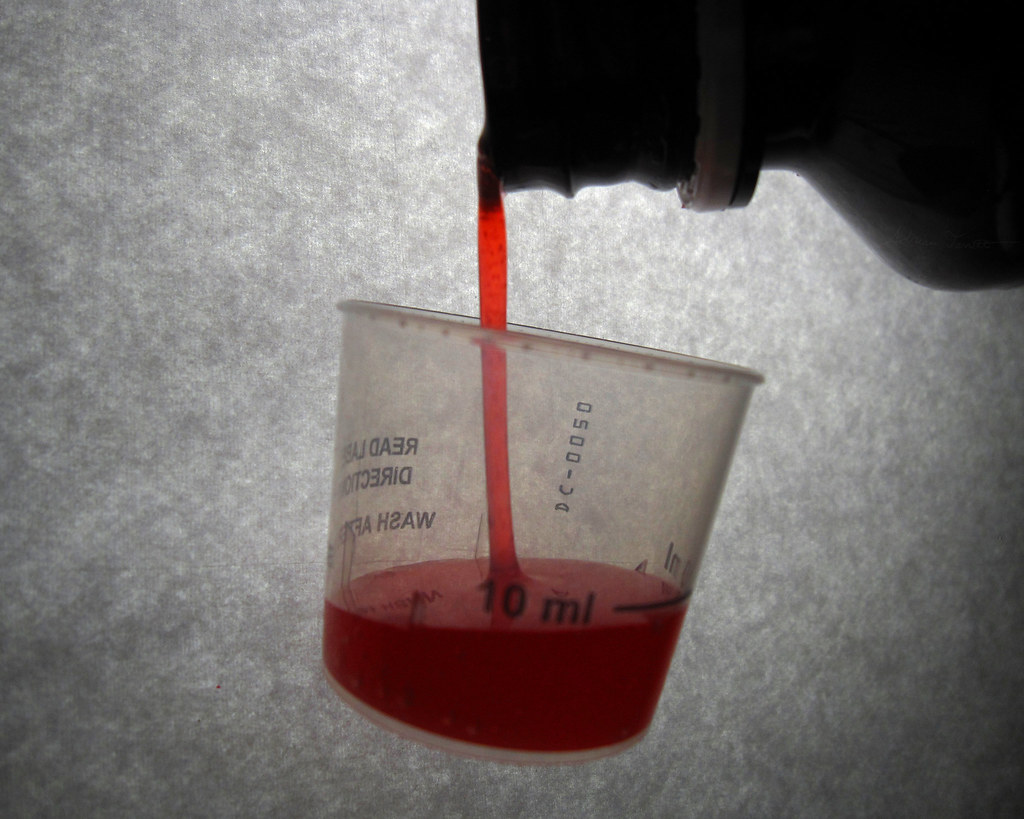
To get the right dose, you need to use a special tool that measures exactly how much medicine to give. This can be a special syringe, a spoon that's just for measuring medicine, or a cup that's marked with the right amounts.
It's really important to be precise, especially when you're giving medicine to kids. After you've given the medicine, you should wash and dry the tool you used to measure it. Then, make sure to close the bottle tightly so the medicine stays good.
Duration of Treatment
The length of time you need to take cefixime really depends on what kind of infection you have and how your body responds to the treatment. Some infections only need a short treatment, but others might need a longer one.
If you stop taking the medicine too early, the bacteria might not be fully gone, and this can lead to problems with antibiotic resistance. So, it's best to finish the whole course of treatment, unless your doctor or healthcare professional tells you something different.
Missed Dose Instructions
If you miss a dose of cefixime, just take it as soon as you remember. But if it's almost time for your next dose, skip the missed one and stick to your regular schedule.
Don't take an extra dose to make up for it, because that can cause more side effects, like stomach problems. Just get back on track with your next scheduled dose.
Best Time to Take Cefixime
Cefixime may be taken at the same time each day to maintain steady antibiotic levels. Consistency supports better treatment adherence and therapeutic effectiveness.
For once-daily dosing, many patients take it in the morning. For twice-daily dosing, doses are often spaced approximately 12 hours apart.
Administration With or Without Food
You can take cefixime with food if you want to. In fact, eating something when you take it might help if you're someone who gets an upset stomach easily. B
ut you don't have to eat beforehand if you don't want to - it's up to you. Some people might feel a bit sick, get loose stools, or have diarrhea when they're taking cefixime.
If you get really bad diarrhea, a rash, have trouble breathing, or start swelling up, you need to get to a doctor right away because that could be a sign of a serious problem.
Additional Administration Precautions
If you have a history of being allergic to beta-lactam, it's really important to let your doctor know before taking cefixime. Although it's not very common, some people who are allergic to penicillin might also react to cefixime, especially if their penicillin allergy is severe.
For breastfeeding moms, it's a good idea to check with a healthcare professional before taking cefixime, as small amounts of the drug can pass into breast milk. When it comes to treating ear infections, the choice between cefixime and amoxicillin depends on a few factors, including the type of bacteria that's likely causing the infection, whether the bacteria are resistant to certain antibiotics, the patient's allergy history, and their age.
A doctor should decide which antibiotic is the best choice. They will consider all these factors to pick the most suitable one for the patient. It's always best to follow their advice to ensure the infection is properly treated and to minimize the risk of any adverse reactions.
Administration to Children
Safety and Efficacy in Pediatric Patients
Zimnic Dry Syrup is a type of medicine that has cefixime in it, which is a kind of antibiotic. This antibiotic is often used to treat bacterial infections in kids. The good thing about Zimnic Dry Syrup is that it's a liquid, so it's easy for children to take, especially if they have trouble swallowing pills.
Lots of doctors have used cefixime to treat bacterial infections in kids, and it has worked well. But it's really important for doctors to choose the right amount of medicine for each child, based on how old they are, how much they weigh, what's going on with their health, and how bad the infection is.
This way, the medicine can work best and help the child feel better. It's also important to remember that every child is different, so the doctor needs to think carefully about what's best for each one. By doing this, doctors can help kids get the right treatment for their bacterial infections and start feeling better soon.
- Convenient liquid formulation
- Suitable for weight-based dosing
- Commonly used in pediatric bacterial infections
- Requires accurate dose measurement
- Should be administered under medical supervision
Recommended Age Group for Use
The recommended age group for cefixime use may vary depending on local prescribing information, regulatory approvals, and clinical guidelines. Healthcare providers evaluate whether the benefits of treatment outweigh potential risks before prescribing the medication to young children.
In pediatric practice, special attention is given to developmental stage, body weight, renal function, and the nature of the infection. These factors help determine whether cefixime is an appropriate therapeutic choice.
Pediatric Dosage Recommendations
Pediatric dosing is typically calculated according to body weight. This individualized approach helps achieve therapeutic drug concentrations while minimizing the risk of excessive exposure. The exact dosage and duration of therapy depend on several variables, including:
- Body weight
- Age
- Type of infection
- Severity of illness
- Response to treatment
- Kidney function
Parents and caregivers should administer only the prescribed amount and should never alter the dosage without consulting a healthcare professional.
Tips for Giving Dry Syrup to Children
Successful administration can improve treatment adherence and help ensure completion of the prescribed antibiotic course. Young children may occasionally resist medication because of unfamiliar taste, anxiety, or illness-related discomfort. Helpful administration strategies may include:
- Shake the suspension thoroughly before each use
- Use a calibrated oral syringe for accurate measurement
- Administer the medicine at consistent times each day
- Follow storage instructions carefully.
- If your healthcare provider says it's okay, make sure to give fluids after that.
When taking medication, it's really important not to mix it with a lot of food or drinks, unless your doctor or the instructions say it's okay. If you do, you might not get the full dose, which can lead to it not working properly.
Monitoring for Side Effects in Children
Most kids can take cefixime without any issues when it's used correctly. But like all antibiotics, there's a chance of some bad reactions happening. Parents and the people taking care of the kids should keep an eye out for any weird symptoms while the kid is taking the medicine. Some possible side effects could be:

- Skin rash
- Headache
Rare but potentially serious hypersensitivity reactions may occur. Immediate medical attention should be sought if symptoms such as facial swelling, difficulty breathing, severe rash, or signs of an allergic reaction develop.
Administration to Elderly Patients
Cefixime Use in Geriatric Patients
Elderly patients frequently present with multiple medical conditions and may require concurrent medications for chronic diseases. Consequently, antibiotic therapy in this population requires careful evaluation and monitoring.
Cefixime can be prescribed to geriatric patients when clinically indicated. Age alone does not necessarily preclude its use. However, physiological changes associated with aging may influence the drug's pharmacokinetic profile.
Age-Related Dosage Considerations
As people get older, their bodies go through a lot of changes that can affect how they process medications, including antibiotics. These changes can happen in the kidneys, the way the body is made up, how proteins work, and how the body breaks down medicines.
Because of this, the way antibiotics work in the body can be different in older adults. Even though many older patients can take the same doses as younger adults, sometimes the dose needs to be adjusted based on things like:
- Kidney function
- Overall health status
- Presence of chronic disease
- Concomitant medications
- Severity of infection
Individualized treatment planning remains an important aspect of geriatric care.
Monitoring Kidney Function in Elderly Patients
As people get older, their kidneys don't work as well as they used to, even if they're healthy in every other way. This is a problem for drugs like cefixime, which are removed from the body by the kidneys.
So, it's especially important to keep an eye on how well the kidneys are working in older adults. Doctors may want to check kidney function before and during treatment to make sure the drug is safe and doesn't build up in the body.
There are some things that might make it necessary to monitor kidney function more closely, such as:
- Chronic kidney disease
- Diabetes mellitus
- Hypertension
- History of renal impairment
- Use of nephrotoxic medications
Increased Risk of Adverse Reactions in Seniors
Older adults may exhibit increased sensitivity to certain medications due to age-related physiological changes and polypharmacy.
Although cefixime is generally well tolerated, careful observation remains prudent. Potential concerns may include:
- Gastrointestinal disturbances
- Drug interactions
- Dehydration associated with diarrhea
- Altered renal clearance
- Hypersensitivity reactions
Prompt reporting of unusual symptoms can facilitate timely intervention and improve treatment outcomes.
Administration to Pregnant Women and Nursing Mothers
Safety During Pregnancy
When it comes to using antibiotics during pregnancy, doctors have to carefully weigh the benefits to the mother against the potential risks to the baby.
If a bacterial infection isn't treated, it can cause serious health problems for both the mother and the fetus. In some cases, a doctor may prescribe an antibiotic like Cefixime if they think it's necessary and safe for the patient.
The decision to use antibiotics should be based on the type of infection, how safe the antibiotic is, and the individual patient's situation. This way, doctors can make informed choices that balance the need to treat the infection with the need to keep the mother and baby safe.
Pregnancy Risk Considerations
Pregnancy introduces numerous physiological changes that can influence drug distribution, elimination, and therapeutic response.
Therefore, antibiotic selection should always involve a careful risk-benefit evaluation. Important considerations may include:
- Gestational age
- Severity of infection
- Available treatment alternatives
- Maternal medical history
- Potential fetal exposure
No medication should be initiated during pregnancy without appropriate medical guidance.
Use of Cefixime During Breastfeeding
Sometimes, mothers who are breastfeeding need to take antibiotics to treat bacterial infections. One option might be a medicine called Cefixime, but the decision to use it should be made on a case-by-case basis. Doctors need to weigh the benefits of treating the mother against the potential risks of the baby being exposed to the medicine through breast milk.
Transfer Into Breast Milk
When a mother takes the medicine cefixime, it can get into her breast milk, but only in small amounts.
How much of the medicine gets into the milk can vary from person to person, depending on things like the mother's body, the dose she's taking, and when she takes it.
Even though it's rare for nursing babies to have serious problems from this medicine, it's still a good idea for the mother and baby to be watched closely while she's taking it.
Precautions for Nursing Mothers
Mothers who are breastfeeding should keep a close eye on their babies for any strange symptoms if they're taking cefixime.
Even though serious problems don't happen often, it's still important to be aware and watchful. Some things to look out for might include:
- Changes in feeding patterns
- Gastrointestinal disturbances
- Loose stools
- Irritability
- Skin rash
Any concerning symptoms should be discussed with a healthcare professional promptly.
Physician Guidance for Pregnant Patients
If you're pregnant, it's really important to talk to your doctor before starting, stopping, or changing any antibiotic medication. When choosing the right treatment, your doctor will think about how healthy you are, how your baby is doing, how bad your infection is, and what the latest medical research says.
It's a good idea to stay in touch with your healthcare provider so they can make sure you're getting the right treatment throughout your pregnancy and while you're breastfeeding
. To use antibiotics like cefixime safely and effectively, you should carefully follow your doctor's instructions, watch for any side effects, and tell your doctor right away if you notice anything unusual. This will help keep you and your baby healthy.
Common Side Effects of Zimnic Dry Syrup
Zimnic Dry Syrup is a type of medicine that has cefixime in it, which is used to treat bacterial infections that are sensitive to this kind of antibiotic. As with any medicine, some people might get side effects from taking it.
Usually, these side effects are not too bad and go away either while you're still taking the medicine or soon after you stop. But sometimes, the side effects can be more serious, and you might need to see a doctor right away.
Knowing what these side effects are can help you and the people taking care of you figure out if something is wrong and get medical help if you need it.
This way, you can get the right treatment and feel better faster. It's always a good idea to be aware of what might happen when you're taking a new medicine, so you can stay safe and healthy.
Gastrointestinal Side Effects
Gastrointestinal problems are a common side effect of taking cefixime. This happens because antibiotics can change the balance of good and bad bacteria in the gut.
Most of the time, these symptoms are not serious and will go away on their own. Drinking enough water can help make patients feel a bit better.

The good news is that these issues are usually mild and don't last long, so staying hydrated is a good way to manage them.
Nausea
When you're taking antibiotics, you might feel sick to your stomach nausea - it's a pretty common side effect. Some people get a little queasy or feel uneasy after taking their medicine.
If you take cefixime with food, it might help your stomach feel better. But if you're feeling really sick or it's not going away, you should talk to your doctor about it. They can help you figure out what to do.
Vomiting
Sometimes, people may throw up when they're taking this treatment, especially if they're really sensitive or their stomach is getting upset.
If you throw up a lot, it can be a problem because your body might not be able to absorb the medicine like it's supposed to, and you could get dehydrated.
So, if you're throwing up a lot or it's not stopping, you should go see a doctor to get some help.
Diarrhea
Diarrhea is one of the most commonly reported side effects of cefixime. Antibiotic therapy may disrupt the normal intestinal microbiota, resulting in loose or more frequent bowel movements.
- Mild loose stools are relatively common
- Adequate fluid intake is important
- Symptoms often resolve after treatment ends
- Persistent diarrhea requires medical assessment
If you have really bad diarrhea that lasts a long time, or if you see blood in your stool, it could be a sign of something more serious, like a condition called antibiotic-associated colitis. You should get this checked out right away by a doctor.
Abdominal Pain
Some people taking this treatment might get stomach pains, cramps, or feel bloated. Usually, it's not too bad, but if the pain doesn't go away, doctors might want to check if there's something more serious going on with the stomach. They'll want to make sure it's not a sign of a bigger problem.
Nervous System Side Effects
Cefixime is usually okay for your nervous system. But some people might have problems like nervous system issues when they take it.
Headache
Getting a headache is pretty common when you're taking medicine, even antibiotics. The pain can be mild, like a gentle pressure, or it can be more noticeable and uncomfortable.
Usually, headaches go away on their own without you needing to do anything. But if your headache doesn't go away or is really bad, you should tell a doctor or nurse about it. They can help figure out what's going on and make sure everything is okay.
Dizziness
Some people who take cefixime might feel dizzy. If you're feeling lightheaded, unsteady, or not quite alert, be careful when you're doing things that need your full attention.
If the dizziness gets really bad or you notice other symptoms that worry you, you should probably see a doctor to get checked out. It's always better to be safe than sorry, especially if you're not feeling right.
Skin-Related Side Effects
Skin reactions can occur during antibiotic therapy and may range from mild irritation to serious hypersensitivity reactions.
Rash
Some people might get a mild skin rash when they're being treated. This can show up as red spots, patches, or a change in skin color that covers a bigger area. While a lot of rashes aren't serious, if you get a rash that's spreading quickly or you have a fever with it, you should get it checked out right away.
Itching
Itching, also known as pruritus, can happen with or without any visible changes to the skin. This feeling can be limited to a small area or it can spread all over the body. If the itching doesn't go away, it might be a sign of an allergic reaction, and you should talk to a doctor about it.

Temporary Changes in Appetite
When people are getting treatment, they might find that their appetite changes for a little while. They might not want to eat as much as they used to, or they might start liking different foods.
This can happen because they're feeling sick to their stomach or because of the illness itself. But don't worry, these changes are usually temporary and will get better once they're feeling better or have finished their treatment.
Mild Fever or Fatigue
Sometimes you might feel a bit tired, weak, or have a low fever that's not too bad. Usually, this is because of the underlying infection that's causing the problem, not the medicine you're taking. But if you're feeling more and more tired or your fever won't go away even after you've been treated, you should see a doctor about it.
Serious Side Effects and Adverse Reactions
Serious side effects from cefixime don't happen often, but when they do, you need to get medical help right away. Don't ignore these problems; they can be really serious.
Severe Allergic Reactions
Hypersensitivity reactions may occur in susceptible individuals. Patients with a history of allergy to cephalosporins, penicillins, or other beta-lactam antibiotics may have an increased risk of allergic reactions. Symptoms may develop rapidly and can become life-threatening without prompt treatment.
Anaphylaxis
Anaphylaxis is a rare but potentially fatal allergic reaction. It represents a medical emergency requiring immediate intervention. Possible symptoms include:
- Difficulty breathing
- Rapid heartbeat
- Severe dizziness
- Sudden drop in blood pressure
- Loss of consciousness
Swelling of Face and Throat
If you have angioedema, you might notice swelling in your lips, tongue, face, or throat - it can even affect the tissues around these areas.
This swelling can be really serious, making it hard to breathe or swallow. So, if you ever experience swelling in your face or throat, don't wait - get emergency medical help right away.
It's always better to be safe than sorry, especially when it comes to something as important as breathing and swallowing.
Severe Skin Reactions
Rare but serious dermatological reactions have been reported with cephalosporin antibiotics. These conditions can involve extensive skin damage and systemic illness.
Stevens-Johnson Syndrome
Stevens-Johnson Syndrome (SJS) is a severe hypersensitivity reaction characterized by painful skin lesions, blistering, mucosal involvement, and systemic symptoms. Early recognition and immediate discontinuation of the offending medication are critical for patient safety.
Toxic Epidermal Necrolysis
Toxic Epidermal Necrolysis (TEN) represents an even more severe form of skin reaction involving widespread epidermal detachment and extensive tissue injury. This condition requires urgent hospitalization and intensive medical management.
Antibiotic-Associated Colitis
Antibiotic-associated colitis may occur when normal intestinal flora are disrupted, allowing excessive growth of toxin-producing bacteria such as Clostridioides difficile. Warning signs may include:
- Severe diarrhea
- Bloody stools
- Persistent abdominal pain
- Fever
- Dehydration
Prompt medical assessment is essential if these symptoms occur.
Liver Function Abnormalities
Sometimes, the medicine cefixime can cause problems with how your liver works. When doctors do tests, they might find that the liver enzymes are higher than normal, or they might see other unusual things in the test results. If your liver isn't working right, you might feel some symptoms, such as:
- Jaundice
- Dark urine
- Persistent nausea
- Fatigue

- Upper abdominal discomfort
Kidney-Related Complications
Kidney problems can happen, even if they are not common. This is especially true for people who already have kidney disease or are taking a lot of medicines that can affect their kidneys.
If you notice any of these signs, you should see a doctor right away: your body is not making as much urine as it should, you have swelling, you have gained weight for no reason, or your kidney tests are getting worse.
Blood Disorders and Hematologic Reactions
Rare hematologic abnormalities have been reported with cephalosporin antibiotics. These effects may involve changes in blood cell production or function. Potential laboratory findings may include:
- Leukopenia
- Neutropenia
- Thrombocytopenia
- Eosinophilia
- Hemolytic anemia
Patients experiencing unusual bruising, persistent infections, excessive bleeding, or marked fatigue should seek medical evaluation.
Seizures and Neurological Reactions
Neurological problems can happen, although they are not common. They are more likely to occur in people with serious kidney issues, high levels of the drug in their system, or pre-existing neurological conditions. Some possible symptoms of these problems include:
- Confusion
- Altered mental status
- Tremors
- Muscle twitching
- Seizures
Any neurological symptoms developing during cefixime therapy should be reported immediately. Early recognition and appropriate medical management can significantly reduce the risk of serious complications.
Drug Interactions
Zimnic Dry Syrup is a type of antibiotic that has cefixime in it, which is used to treat different kinds of bacterial infections. Most people can take cefixime without any problems, but some other medicines, supplements, or biological products might affect how well it works or increase the risk of side effects.
So, before you start taking Zimnic Dry Syrup, it's a good idea to make a list of all the prescription medicines, over-the-counter products, vitamins, and herbal supplements you're taking.
This way, you can check for any potential interactions and make sure you're getting the best results from your treatment while avoiding any unnecessary complications. By being careful about what you're taking, you can help your treatment work better and reduce the risk of problems.
- Inform healthcare providers about all current medications
- Do not start new medicines without medical advice
- Monitor for unexpected side effects during treatment
- Follow prescribed dosing schedules carefully
- Report any unusual symptoms promptly
Interaction With Blood Thinners
Patients receiving anticoagulant medications should exercise caution when taking cefixime. Although significant interactions are not common, cephalosporin antibiotics may occasionally influence blood clotting parameters and enhance the effects of certain blood-thinning medications.
Individuals taking anticoagulants such as warfarin may require closer monitoring during antibiotic treatment. Changes in intestinal bacteria, alterations in vitamin K metabolism, and individual patient factors may contribute to fluctuations in anticoagulant response. Potential signs of excessive anticoagulation may include:
- Easy bruising
- Prolonged bleeding from minor cuts
- Nosebleeds
- Bleeding gums
- Blood in urine or stools
Healthcare professionals may recommend additional laboratory monitoring when cefixime is administered alongside anticoagulant therapy.
Interaction With Antacids
If you're taking antacids to get rid of heartburn or indigestion, you should know that some of these products can affect how your body absorbs other medications.
For example, antacids with aluminum or magnesium might reduce or slow down the absorption of certain antibiotics like cefixime.
This could be a problem, so it's a good idea to take these medications at different times. It's always best to follow the advice of a healthcare professional when it comes to taking medications and antacids together.
They can help you figure out the best schedule to avoid any potential interactions. By doing so, you can minimize the risk of any problems and make sure your medications work properly.
- Timing of antibiotic administration
- Appropriate spacing between medications
- Selection of acid-reducing therapies
- Management of gastrointestinal symptoms
Interaction With Probenecid
When probenecid and cefixime are taken together, it can change how the body gets rid of the antibiotic. This means that cefixime stays in the body for a longer time and its levels in the blood go up. In some cases, this can make the antibiotic work better against bacteria. But it can also increase the risk of side effects.
So, when these two medications are used at the same time, doctors should keep a close eye on the patient, especially if the patient already has kidney problems.
This is because the kidneys play a big role in removing drugs from the body, and if they are not working well, it can affect how the body handles the medication.
By monitoring the patient closely, doctors can make sure that the benefits of the increased antibiotic levels outweigh the risks of potential side effects.
Interaction With Other Antibiotics
Cefixime is sometimes used with other medicines to fight infections. This is called combination therapy. It's usually only done in certain situations where the doctor wants to target a wider range of bacteria or make the medicines work better together.
Some things to think about when using cefixime with other medicines include:
- Overlapping adverse effect profiles
- Alteration of normal bacterial flora
- Increased risk of gastrointestinal disturbances
- Development of antimicrobial resistance
- Potential pharmacodynamic interactions
The selection of combination antibiotic therapy should be guided by microbiological findings, infection severity, and established treatment recommendations.
Interaction With Vaccines
Antibiotic therapy may influence the effectiveness of certain live bacterial vaccines. Because antibiotics are designed to inhibit or eliminate susceptible bacteria, they may interfere with the intended immune response produced by some vaccines.
Particular attention may be required when considering:
- Live bacterial vaccines
- Travel-related immunizations
- Scheduled vaccination programs
- Vaccination during active infection
Doctors might suggest waiting to get some vaccines until after you've finished taking antibiotics. This is because some vaccines might not work as well if you're taking antibiotics at the same time. But don't worry, vaccines that are made from killed viruses or bacteria are usually okay to get even if you're taking antibiotics.
Food and Alcohol Interactions
You can take Cefixime with or without food. Eating something when you take the medication might help if you get an upset stomach or feel sick.
Food doesn't really affect how well the medicine works. But taking it the same way each time can help you remember to take it and get the best results.
Drinking alcohol doesn't seem to interact with Cefixime directly. However, drinking too much alcohol when you're sick might not be a good idea because it can make things worse.
- Contribute to dehydration
- Worsen fatigue
- Increase gastrointestinal irritation
- Compromise recovery from illness
- Reduce adherence to treatment schedules
Patients recovering from bacterial infections are generally encouraged to maintain adequate hydration, balanced nutrition, and sufficient rest throughout the treatment period.
Herbal Supplements and Vitamin Interactions
Lots of people take herbal products, vitamins, and dietary supplements along with their prescription meds. Now, we don't really know how these supplements interact with a medication called cefixime, but it's still a good idea to be careful.
Some supplements can mess with your digestive system, immune system, or how your body absorbs meds. The thing is, herbal products can be all over the place in terms of what's actually in them and how strong they are, because different companies make them differently.
So, it's hard to predict what might happen when you take them with other meds. If you're taking any of these kinds of products, you should definitely tell your doctor or healthcare provider. They need to know about things like:
- Multivitamin preparations
- Mineral supplements
- Probiotic products
- Herbal immune-support formulations
- Traditional medicinal remedies
- Nutritional performance supplements
Keeping track of all your medicines and supplements is really important. It helps your doctor see if any of them might not work well together.
This is especially true when you're taking a medicine like cefixime. By knowing everything you're taking, your doctor can give you personalized advice and help you use your medicine safely and effectively.
Warnings and Important Safety Information
Risk of Antibiotic Resistance
Zimnic Dry Syrup contains cefixime, a third-generation cephalosporin antibiotic intended for the treatment of susceptible bacterial infections. Antibiotics should only be used when clinically indicated and prescribed by a qualified healthcare professional.
Improper use of antibiotics can contribute to the emergence of antimicrobial resistance, a significant global public health concern. Resistant bacteria may become more difficult to treat, potentially requiring more complex therapeutic interventions and increasing the risk of treatment failure.
To help minimize the development of antibiotic resistance:
- Take the medication exactly as prescribed.
- Complete the entire course of therapy.
- Do not skip doses.
- Do not share antibiotics with other individuals.
- Do not use leftover antibiotics for future illnesses.
Antibiotics are ineffective against viral infections such as the common cold, influenza, or most cases of viral sore throat.
Allergic Reactions to Cephalosporins and Penicillins
Patients with known hypersensitivity to cefixime, cephalosporins, penicillins, or other beta-lactam antibiotics should exercise caution when considering treatment with Zimnic Dry Syrup.
Cross-reactivity between cephalosporins and penicillins may occur in certain individuals. Although not all patients with penicillin allergy will react to cefixime, a detailed allergy history should always be obtained before treatment begins. Potential signs of an allergic reaction may include:
- Skin rash
- Itching
- Hives
- Swelling of the face or lips
- Difficulty breathing
- Difficulty swallowing
Any suspected allergic reaction should be evaluated promptly by a healthcare professional.
Risk of Clostridium difficile-Associated Diarrhea
Using antibiotics can mess up the balance of good bacteria in your gut, making it easier for bad bacteria like Clostridium difficile to grow out of control.
This can lead to some serious problems, including a condition called antibiotic-associated colitis, which can cause diarrhea and inflammation in the bowel.
If you're experiencing any of the following symptoms, you should see a doctor right away. Persistent diarrhea
Zimnic Dry Syrup, Cefixime FAQ
- What is Cefixime used to treat?
- Can Cefixime be used for UTI?
- Is Cefixime 200 a strong antibiotic?
- Which bacteria is killed by Cefixime?
- Is Cefixime better than Amoxicillin?
- What to avoid when taking Cefixime?
- How quickly does Cefixime work for UTI?
- What are the common side effects of Cefixime?
- Is Cefixime safe for kidneys?
- Is Cefixime a pain killer?
- Is Cefixime a probiotic?
- Is Cefixime toxic?
- How long does Cefixime take to work?
- Is Cefixime a very strong antibiotic?
- Who should avoid cefixime?
- Is Cefixime toxic to the kidneys?
- Is Cefixime toxic to the liver?
- What not to take with Cefixime?
- Is Cefixime hard on the stomach?
- Can I take paracetamol with Cefixime?
- What is the success rate of Cefixime?
- How do you know if Cefixime is working?
- Is Cefixime good for inflammation?
- What are serious Cefixime side effects?
- Does Cefixime affect the heart?
- Is Cefixime enough for 5 days?
- Can Zimnic Dry Syrup Be Taken With Food?
- Is Cefixime Safe for Children?
- Can Cefixime Treat Viral Infections?
- What Should Be Avoided While Taking Cefixime?
- Can Zimnic Dry Syrup Cause Diarrhea?
- How Should Reconstituted Syrup Be Stored?
What is Cefixime used to treat?
Cefixime is used to treat certain infections caused by bacteria such as bronchitis (infection of the airway tubes leading to the lungs); gonorrhea (a sexually transmitted disease); and infections of the ears, throat, tonsils, and urinary tract
Can Cefixime be used for UTI?
Cefixime proved to be a good alternative in the treatment of UTI
Is Cefixime 200 a strong antibiotic?
Cefixime 200mg is a strong, broad-spectrum, third-generation cephalosporin antibiotic effective for treating bacterial infections, such as those in the respiratory tract (bronchitis, tonsillitis), urinary tract (UTIs), and sexually transmitted infections like gonorrhea
Which bacteria is killed by Cefixime?
Cefixime is an antibiotic that belongs to a group of medicines called cephalosporins. It's really good at killing a wide range of bacteria, especially the kind that can cause infections. This includes bacteria like Haemophilus influenzae, Streptococcus pyogenes, and Streptococcus pneumoniae. Cefixime works by stopping these bacteria from building their cell walls, which ultimately leads to their death. One of the best things about Cefixime is that it can fight against bacteria that have become resistant to other antibiotics. It's able to do this because it's not easily broken down by enzymes called beta-lactamases, which some bacteria use to defend themselves against antibiotics. Overall, Cefixime is a powerful tool in the fight against bacterial infections.
Is Cefixime better than Amoxicillin?
When it comes to treating certain infections, Cefixime can be a better choice than Amoxicillin. This is because it works well against specific types of bacteria that are resistant to other antibiotics, like H. influenzae, which can cause ear infections, and gonorrhea. One of the advantages of Cefixime is that you only need to take it once a day, which can make it easier to stick to your treatment plan. It's also effective against bacteria that produce beta-lactamase, a substance that can make some penicillin-based antibiotics less effective. So, while Cefixime might not be the best choice for every infection, it has some benefits that make it a good option for certain types of bacterial infections.
What to avoid when taking Cefixime?
When you're taking cefixime, there are a few things to keep in mind. For one, it's best to avoid taking antacids that have aluminum or magnesium in them at the same time, because they can interfere with how well your body absorbs the medication. Also, be careful with anticoagulants like warfarin, as taking them with cefixime can increase your risk of bleeding. And if you're planning to get the oral typhoid vaccine, you should know that taking cefixime can make the vaccine less effective. If you're being treated for gonorrhea with a single dose of cefixime, it's a good idea to avoid having sex for 7 days afterwards.
How quickly does Cefixime work for UTI?
Cefixime usually starts to make urinary tract infection symptoms better within a few days, typically between 1 to 3 days, or 24 to 72 hours.
What are the common side effects of Cefixime?
Cefixime can cause some unwanted side effects. These include diarrhea, stomach pain, and feeling sick to your stomach. You might also have loose or frequent bowel movements, nausea, vomiting, indigestion, or gas.
Is Cefixime safe for kidneys?
Cefixime is generally okay for your kidneys, but if you have really bad kidney problems, you might need to take a different amount. You should talk to your doctor about what's best for you.
Is Cefixime a pain killer?
Cefixime isn't something you take for pain, it's actually an antibiotic, and a pretty advanced one at that - it's called a third-generation cephalosporin.
Is Cefixime a probiotic?
Cefixime is not something that helps with good bacteria in your body, it's actually a type of antibiotic called a cephalosporin.
Is Cefixime toxic?
Cefixime is generally considered a safe and effective third-generation cephalosporin antibiotic.
How long does Cefixime take to work?
Cefixime usually starts to work pretty quickly, within a few hours of taking it. Most people start to feel a lot better, with their symptoms getting noticeably better, in just 2 to 3 days.
Is Cefixime a very strong antibiotic?
Cefixime is considered a potent, broad-spectrum antibiotic, particularly effective against a wide range of gram-negative and some gram-positive bacteria
Who should avoid cefixime?
Cefixime should be avoided by individuals with a known allergy to cefixime, cephalosporin antibiotics, or a severe, anaphylactic allergy to penicillin
Is Cefixime toxic to the kidneys?
Cefixime is usually a safe drug, but sometimes it can hurt your kidneys really badly. This can even cause big problems like acute kidney injury or renal failure. It's especially risky for people who already have kidney problems.
Is Cefixime toxic to the liver?
Cefixime is usually a safe drug, but in rare cases, it can cause problems with the liver. This can include hepatitis, which is inflammation of the liver, and high levels of liver enzymes in the blood. When this happens, it's often an unpredictable reaction, meaning it's not a straightforward side effect that happens to everyone who takes the drug.
What not to take with Cefixime?
Do not take cefixime with blood thinners like warfarin (increases bleeding risk) or probenecid (increases cefixime toxicity)
Is Cefixime hard on the stomach?
Cefixime, also known as Suprax, can be tough on the stomach, and a lot of people who take it get gastrointestinal side effects.
Can I take paracetamol with Cefixime?
Paracetamol and cefixime can generally be taken together.
What is the success rate of Cefixime?
Cefixime, a third-generation cephalosporin antibiotic, according to PubMed has a high success rate (often 90%–97%) in treating susceptible infections, including urogenital (97%) and rectal (97%) gonorrhea, as well as UTI (96.2%) and respiratory infections.
How do you know if Cefixime is working?
Cefixime usually starts to work pretty quickly, and you can expect your symptoms like fever, pain, or discomfort to start getting better within 2 to 3 days of taking the medication. This is a good sign that the antibiotic is doing its job and helping your body fight off the infection.
Is Cefixime good for inflammation?
Cefixime isn't like other medicines that reduce inflammation, such as ibuprofen or aspirin, which can help with a lot of different types of pain and swelling. Instead, it's an antibiotic that specifically targets and helps to reduce inflammation caused by bacterial infections, making it a useful treatment for certain types of illnesses.
What are serious Cefixime side effects?
Serious side effects of cefixime include severe allergic reactions (anaphylaxis, skin rash, swelling), Clostridioides difficile-associated diarrhea (watery/bloody stools), severe skin reactions (Stevens-Johnson syndrome), liver issues (yellowing skin/eyes), kidney damage, and seizures.
Does Cefixime affect the heart?
Cefixime doesn't usually cause heart problems, but sometimes it can lead to issues like a fast heartbeat, chest pain, or irregular heart rhythms, also known as QT prolongation, in certain people.
Is Cefixime enough for 5 days?
A 5-day course of cefixime is often sufficient for uncomplicated infections like acute exacerbations of chronic bronchitis, uncomplicated UTI, or shigellosis.
Can Zimnic Dry Syrup Be Taken With Food?
You can take Zimnic Dry Syrup, which is cefixime, with food or without food, it doesn't really matter.
Is Cefixime Safe for Children?
Cefixime is generally safe and effective for children over 6 months old to treat bacterial infections, such as ear infections (otitis media), respiratory infections, and urinary tract infections.
Can Cefixime Treat Viral Infections?
No, cefixime cannot treat viral infections such as the common cold, influenza (flu), or COVID-19. Cefixime is a cephalosporin-class antibiotic that works strictly by killing or stopping the growth of bacteria.
What Should Be Avoided While Taking Cefixime?
When you're taking Cefixime, be careful with other medicines. Don't take blood thinners like warfarin because it can make you bleed more easily. Also, if you have diarrhea, don't take other medicines for it without asking your doctor first. It's always a good idea to talk to your doctor before taking any new medicines when you're already on Cefixime.
Can Zimnic Dry Syrup Cause Diarrhea?
Yes, Zimnic Dry Syrup (Cefixime) can cause diarrhea as a common side effect.
How Should Reconstituted Syrup Be Stored?
Reconstituted syrup, particularly antibiotic dry syrups (suspensions), must be stored properly to maintain their potency and prevent bacterial growth.
Popular Products
Similar Product