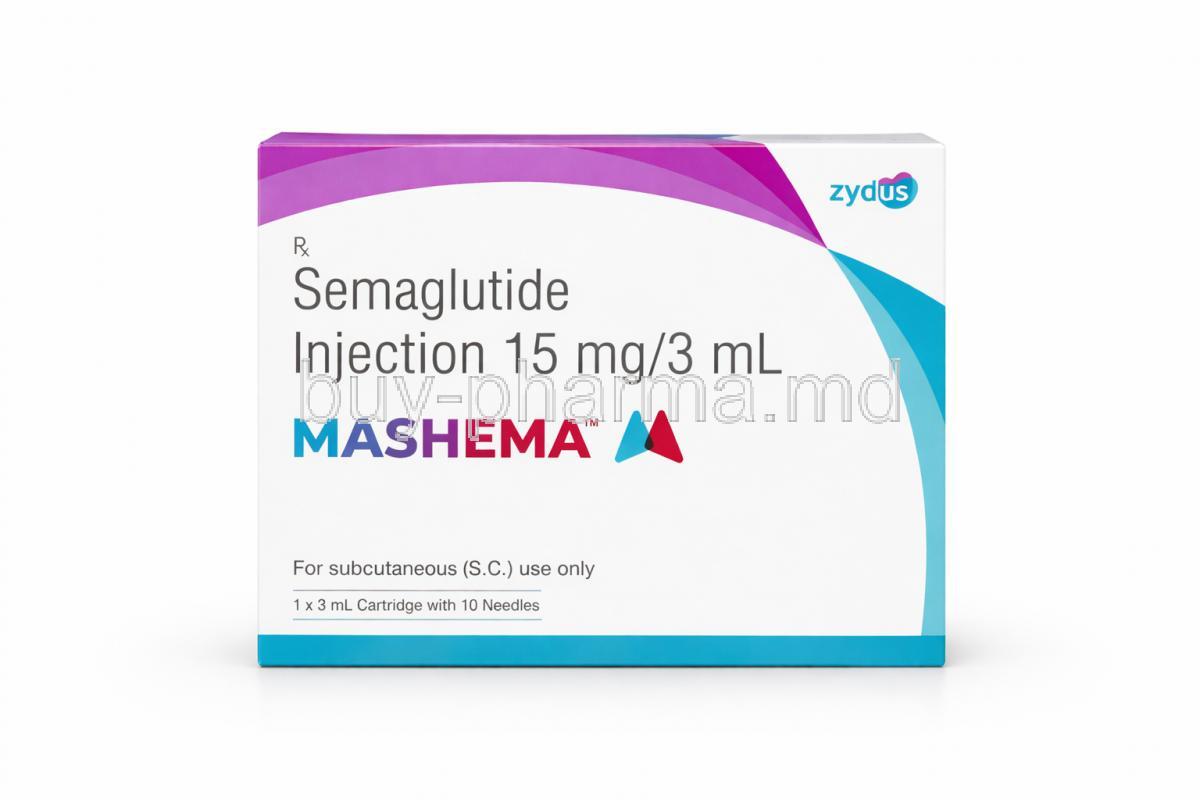
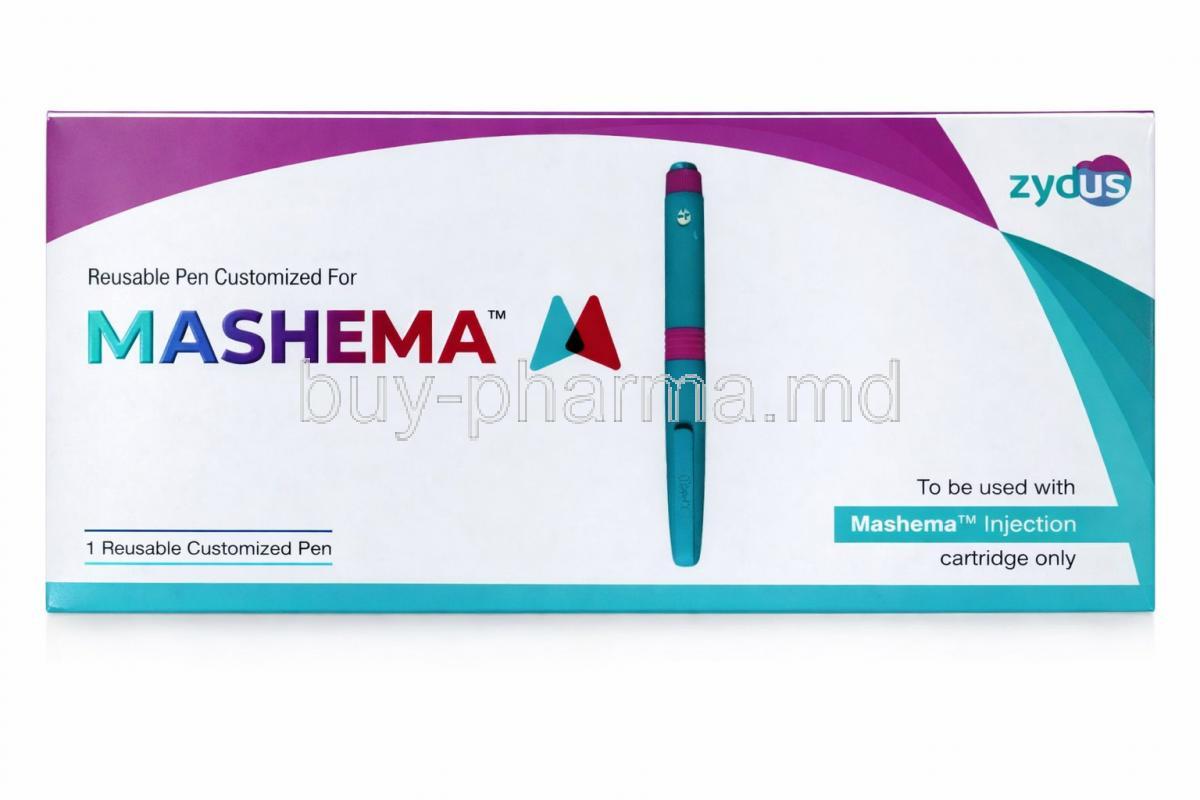
Introduction to Mashema Pen Injection (Semaglutide)
Mashema Pen Injection is a contemporary pharmacotherapeutic agent containing semaglutide, a potent glucagon-like peptide-1 (GLP-1) receptor agonist. It is widely utilized in the management of metabolic disorders, particularly those associated with impaired glycemic regulation and excessive adiposity. Designed as a prefilled injectable device, it offers convenience, precision, and consistent dosing.
Overview of Mashema Pen Injection as a GLP-1 Receptor Agonist
Semaglutide mimics endogenous incretin hormones. These hormones are released postprandially and play a crucial role in glucose homeostasis. By activating GLP-1 receptors, Mashema facilitates physiological glucose control mechanisms while minimizing the risk of hypoglycemia.
Therapeutic Classification and Drug Class
- Class: GLP-1 receptor agonist
- Category: Antidiabetic and anti-obesity agent
- Mechanism-driven therapy targeting incretin pathways
Indications in Metabolic and Endocrine Disorders
The medication is primarily indicated for conditions characterized by insulin resistance and dysregulated metabolism, including type 2 diabetes and obesity. Its pleiotropic effects extend to cardiovascular risk mitigation.
Brand vs Generic Semaglutide Formulations
Mashema represents a semaglutide formulation comparable to other branded products. While pharmacodynamically equivalent, variations may exist in device design, excipients, and cost-effectiveness, making it an accessible alternative in various markets.
Increasing Global Use in Diabetes and Weight Management
Adoption has surged globally due to its dual benefit profile:
- Robust glycemic control
- Clinically meaningful weight reduction
- Cardioprotective potential
Composition and Formulation Details
Active Ingredient: Semaglutide and Its Pharmacological Profile
Semaglutide is a long-acting GLP-1 analog with structural modifications that confer resistance to enzymatic degradation. This results in prolonged systemic exposure and sustained therapeutic efficacy.
Available Strengths and Dosage Forms (Prefilled Pen Injector)
The formulation is available as a prefilled pen, enabling once-weekly administration. Various strengths accommodate titration and individualized treatment regimens.
Excipients and Stabilizing Components
Inactive ingredients ensure stability, isotonicity, and compatibility with subcutaneous tissues. These include buffering agents and preservatives that maintain product integrity.
Mechanism of Sustained-Release Formulation
Semaglutide’s prolonged half-life is achieved through albumin binding and structural resistance to dipeptidyl peptidase-4 (DPP-4) degradation. This pharmacokinetic advantage supports weekly dosing.
Packaging and Device-Specific Features
- Prefilled, multi-dose pen system
- Fine-gauge needles for minimal discomfort
- Clear dose calibration for accuracy
How Mashema Pen Injection Works (Mechanism of Action)
Role of GLP-1 Receptor Agonists in Glucose Metabolism
GLP-1 receptor activation enhances glucose-dependent insulin secretion. This ensures insulin release occurs primarily when blood glucose levels are elevated, thereby reducing hypoglycemic risk.
Enhancement of Insulin Secretion in a Glucose-Dependent Manner
Pancreatic beta cells respond selectively to hyperglycemia. This targeted response improves metabolic efficiency and glycemic stability.
Suppression of Glucagon Release
Semaglutide inhibits glucagon secretion from alpha cells, thereby decreasing hepatic glucose output and improving fasting glucose levels.
Delayed Gastric Emptying and Appetite Regulation
The drug slows gastric motility. This prolongs satiety and reduces caloric intake, contributing significantly to weight reduction.
Central Nervous System Effects on Satiety and Weight Reduction
Neurohormonal signaling within the hypothalamus modulates hunger perception, promoting reduced food consumption and sustained weight loss.
Approved Medical Uses of Semaglutide Injection
Management of Type 2 Diabetes Mellitus
Mashema is indicated for improving glycemic control in adults with type 2 diabetes, often as part of a comprehensive treatment plan.
Glycemic Control Improvement
- Reduction in fasting plasma glucose
- Improved postprandial glucose levels
Reduction of HbA1c Levels
Consistent use results in clinically significant reductions in HbA1c, reflecting long-term glycemic improvement.
Cardiovascular Risk Reduction in High-Risk Diabetic Patients
Semaglutide demonstrates cardiovascular benefits, including reduced incidence of major adverse cardiac events.
Chronic Weight Management in Obesity or Overweight Patients
It is utilized for long-term weight management in individuals with elevated BMI.
BMI-Based Indications
- BMI ≥30 kg/m² (obesity)
- BMI ≥27 kg/m² with comorbidities
Use Alongside Lifestyle Modification
Optimal outcomes are achieved when combined with dietary changes and increased physical activity.
Expanded and Off-Label Uses of Mashema (Semaglutide)
- Prediabetes management and insulin sensitization
- Weight control in PCOS
- Adjunct therapy in NAFLD and NASH
- Metabolic syndrome modulation
- Appetite suppression in eating disorders
- Support in bariatric treatment protocols
- Emerging roles in neuroinflammation and cognitive health
Dosage and Administration Guidelines
Initial Dosing Schedule and Titration Protocol
Treatment typically begins with a low dose to mitigate gastrointestinal intolerance, followed by gradual escalation.
Weekly Injection Regimen and Timing Flexibility
Administered once weekly, with flexibility in timing provided doses are spaced appropriately.
Maximum Recommended Dose
The upper dosing threshold depends on clinical indication and patient tolerance.
Injection Technique Using Prefilled Pen Device
- Subcutaneous administration only
- Rotate injection sites to prevent lipodystrophy
Subcutaneous Injection Sites
Common sites include:
- Abdomen
- Thigh
- Upper arm
Missed Dose Management
If a dose is missed, it may be administered within a specified timeframe. Otherwise, resume the regular schedule.
Switching Between Semaglutide Formulations
Transition requires clinical guidance to ensure dose equivalence and safety.
Administration in Special Populations
Administration to Elderly Patients
Older adults generally tolerate semaglutide well, though careful monitoring is advised.
Dose Considerations and Tolerability
- Assess renal function
- Monitor for dehydration
Monitoring for Renal and Gastrointestinal Effects
Renal impairment and persistent gastrointestinal symptoms warrant close observation.
Administration to Pregnant Women and Nursing Mothers
Use is generally not recommended due to insufficient safety data.
Safety Profile and Risk Classification
Potential risks to fetal development necessitate caution.
Recommendations Regarding Discontinuation
Discontinue prior to planned conception where possible.
Potential Fetal Risks and Lactation Considerations
Limited human data; risk-benefit evaluation is essential.
Administration to Pediatric Patients
Use in children is restricted to specific age groups depending on regulatory approval.
Approved Age Groups and Limitations
Clinical evidence in pediatric populations remains evolving.
Safety and Efficacy Considerations in Adolescents
Careful dose adjustment and monitoring are required.
Common Side Effects of Mashema Pen Injection
- Nausea and vomiting
- Diarrhea
- Reduced appetite
- Mild abdominal discomfort
- Fatigue and dizziness
Comprehensive Side Effects Profile
Frequently Reported Adverse Effects
- Constipation and bloating
- Injection site irritation
Serious and Rare Side Effects
- Pancreatitis
- Gallbladder disease
- Thyroid C-cell tumor risk
- Severe hypoglycemia
- Acute kidney injury
Drug Interactions and Influencing Factors
Interaction with Oral Antidiabetic Agents
Concurrent use may enhance glycemic effects, necessitating dose adjustments.
Effects on Drugs Requiring Rapid Gastrointestinal Absorption
Delayed gastric emptying may alter pharmacokinetics of co-administered medications.
Combination with Insulin and Risk of Hypoglycemia
Careful titration is essential to avoid hypoglycemic episodes.
Alcohol Interaction and Metabolic Implications
Alcohol may exacerbate gastrointestinal side effects and glycemic variability.
Impact on Warfarin and Anticoagulant Monitoring
Monitoring is advised when used alongside anticoagulants due to potential interaction effects.
Warnings and Safety Considerations
Boxed Warnings (If Applicable for Semaglutide Class)
Semaglutide-containing products are associated with class-specific safety concerns that necessitate careful clinical evaluation prior to initiation. Although boxed warnings may vary by regulatory authority, they commonly emphasize potential oncogenic risks observed in preclinical studies.
Risk of Thyroid Tumors and Contraindicated Populations
Rodent studies have demonstrated an increased incidence of thyroid C-cell tumors. While the clinical relevance in humans remains uncertain, prudence is warranted. Patients with specific endocrine histories should avoid therapy.
- Contraindicated in individuals with medullary thyroid carcinoma history
- Avoid in patients with familial endocrine tumor syndromes
- Monitor for symptoms such as neck swelling or dysphagia
Monitoring Requirements During Therapy
Ongoing clinical surveillance enhances therapeutic safety. Parameters should be periodically assessed to detect early signs of adverse events.
- Blood glucose and HbA1c levels
- Renal function indicators
- Gastrointestinal tolerance
Importance of Gradual Dose Escalation
A stepwise titration approach minimizes gastrointestinal intolerance and improves patient adherence. Abrupt increases in dosage can precipitate severe adverse reactions.
Recognition of Severe Adverse Reactions
Prompt identification of serious complications is essential. Patients should be educated to recognize warning signs, including:
- Persistent abdominal pain suggestive of pancreatitis
- Severe dehydration or reduced urine output
- Signs of hypersensitivity such as rash or angioedema
Contraindications of Mashema Pen Injection
Known Hypersensitivity to Semaglutide or Components
Individuals with a documented hypersensitivity reaction to semaglutide or formulation excipients must not receive this medication.
Personal or Family History of Medullary Thyroid Carcinoma
Use is contraindicated due to the potential risk of tumor development, despite limited human evidence.
Multiple Endocrine Neoplasia Syndrome Type 2 (MEN 2)
Patients with MEN 2 are at elevated risk for endocrine malignancies and should avoid GLP-1 receptor agonists.
Severe Gastrointestinal Disease (e.g., Gastroparesis)
Delayed gastric emptying induced by semaglutide may exacerbate pre-existing gastrointestinal motility disorders.
Careful Administration (Use with Caution)
Patients with Renal Impairment
Renal function should be evaluated before and during treatment. Dehydration secondary to gastrointestinal side effects may worsen renal status.
Hepatic Dysfunction Considerations
Although semaglutide is not extensively metabolized hepatically, caution is advised in patients with significant liver disease.
History of Pancreatitis
Patients with prior pancreatitis require careful risk-benefit assessment, as GLP-1 receptor agonists have been associated with pancreatic inflammation.
Dehydration-Prone Individuals
Persistent vomiting or diarrhea may lead to fluid depletion. Adequate hydration is critical to prevent complications.
Concurrent Endocrine Disorders
Patients with multiple hormonal imbalances should be closely monitored due to potential interactions affecting metabolic homeostasis.
Important Precautions for Safe Use
Adherence to Prescribed Dosing Schedule
Strict compliance ensures consistent therapeutic effects and reduces variability in glycemic control.
Avoidance of Abrupt Dose Escalation
Rapid dose increases may precipitate intolerance and compromise patient safety.
Monitoring Blood Glucose and Body Weight
Routine monitoring facilitates treatment optimization and early detection of adverse trends.
Hydration Maintenance During Therapy
Patients should maintain adequate fluid intake, particularly during periods of gastrointestinal disturbance.
Lifestyle Modification (Diet and Exercise Integration)
Pharmacotherapy should be complemented by behavioral interventions, including:
- Balanced nutritional intake
- Regular physical activity
- Weight management strategies
Overdosage and Management
Symptoms of Overdose
Excessive dosing may lead to pronounced gastrointestinal and metabolic disturbances.
Severe Nausea, Vomiting, Hypoglycemia
Symptoms may include:
- Persistent nausea and emesis
- Marked reduction in blood glucose levels
- Generalized weakness
Immediate Management Strategies
Discontinue the medication and initiate appropriate supportive care measures without delay.
Supportive and Symptomatic Treatment
Management is primarily symptomatic, focusing on rehydration, electrolyte correction, and glycemic stabilization.
Importance of Medical Supervision
Clinical oversight is essential in all suspected overdose cases to prevent complications.
Storage and Stability Requirements
Recommended Storage Temperature Conditions
Store under refrigerated conditions prior to first use. Avoid exposure to extreme temperatures.
Handling Before and After First Use
After initial use, the pen may be stored at controlled room temperature within specified limits.
Protection from Light and Freezing
Exposure to light and freezing conditions may compromise drug stability and efficacy.
Shelf-Life and Expiration Considerations
Adherence to labeled expiration dates ensures optimal potency and safety.
Handling Precautions for Mashema Pen Device
Proper Use of Prefilled Injection Pen
Patients should be instructed on correct device operation to ensure accurate dosing.
Needle Attachment and Disposal Guidelines
- Use a new sterile needle for each injection
- Do not reuse or share needles
Avoiding Contamination and Cross-Use
Sharing injection devices poses a risk of infection transmission and must be strictly avoided.
Safe Disposal of Sharps and Medical Waste
Used needles should be disposed of in designated sharps containers in accordance with local regulations.
Patient Education for Self-Administration
Comprehensive training enhances confidence and reduces administration errors.
Patient Counseling and Practical Considerations
Expected Onset of Action and Therapeutic Timeline
Glycemic improvements may be observed within weeks, while weight reduction typically evolves gradually over months.
Importance of Adherence and Follow-Up
Regular follow-up appointments facilitate dose adjustments and monitoring of therapeutic outcomes.
Managing Side Effects Proactively
Early intervention strategies may include dietary adjustments and dose modification to mitigate adverse effects.
Long-Term Use Considerations and Treatment Goals
Long-term therapy aims to achieve sustained metabolic control and reduce complication risks.
Integration with Comprehensive Diabetes or Weight Management Plans
Mashema therapy should be incorporated into a holistic management strategy that includes:
- Medical supervision
- Nutritional counseling
- Behavioral modification
Popular Products

Similar Product