
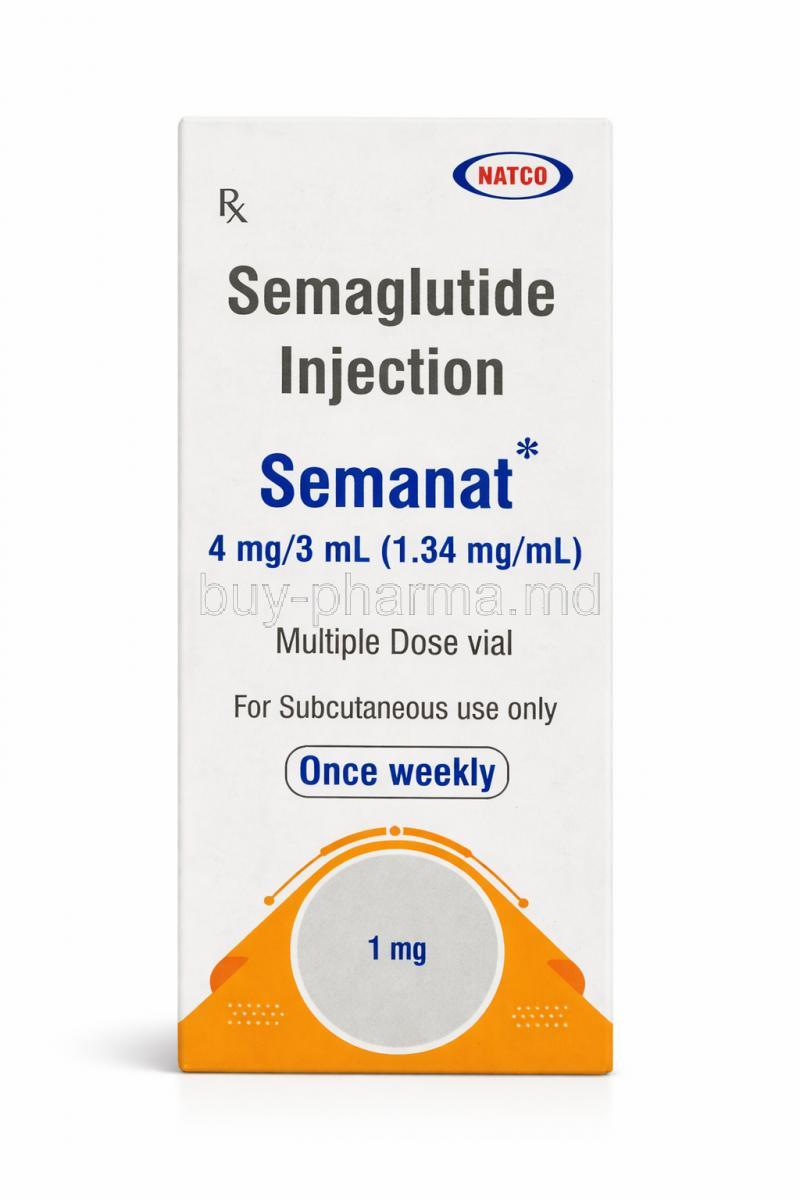
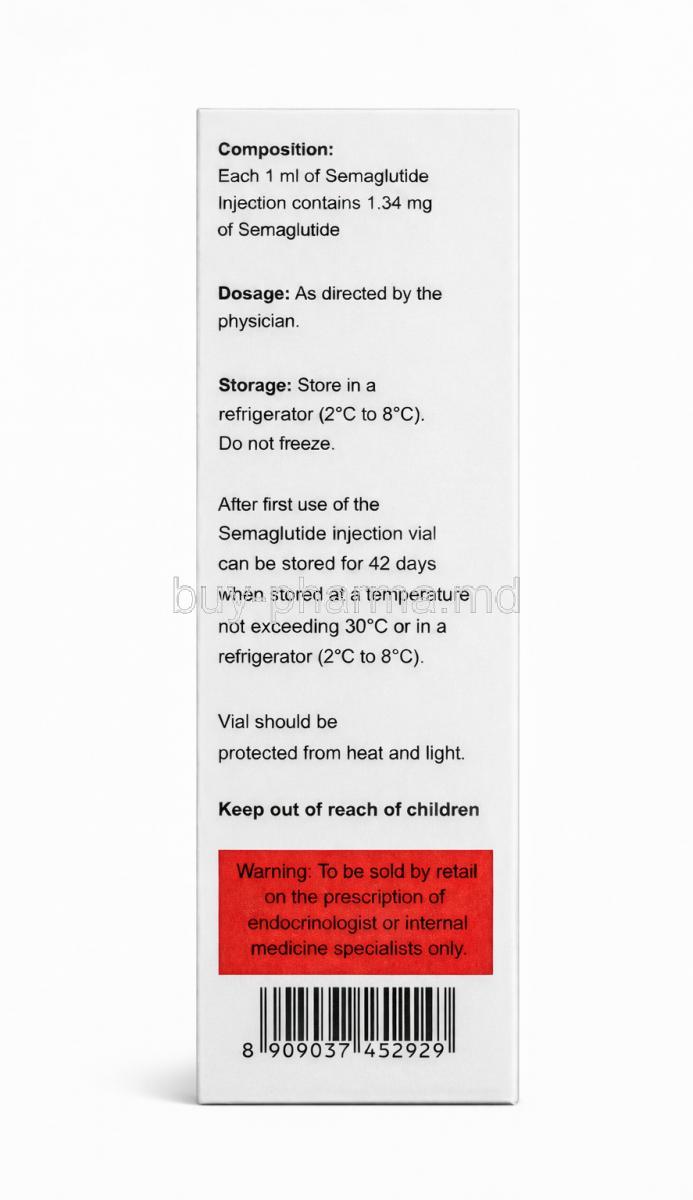
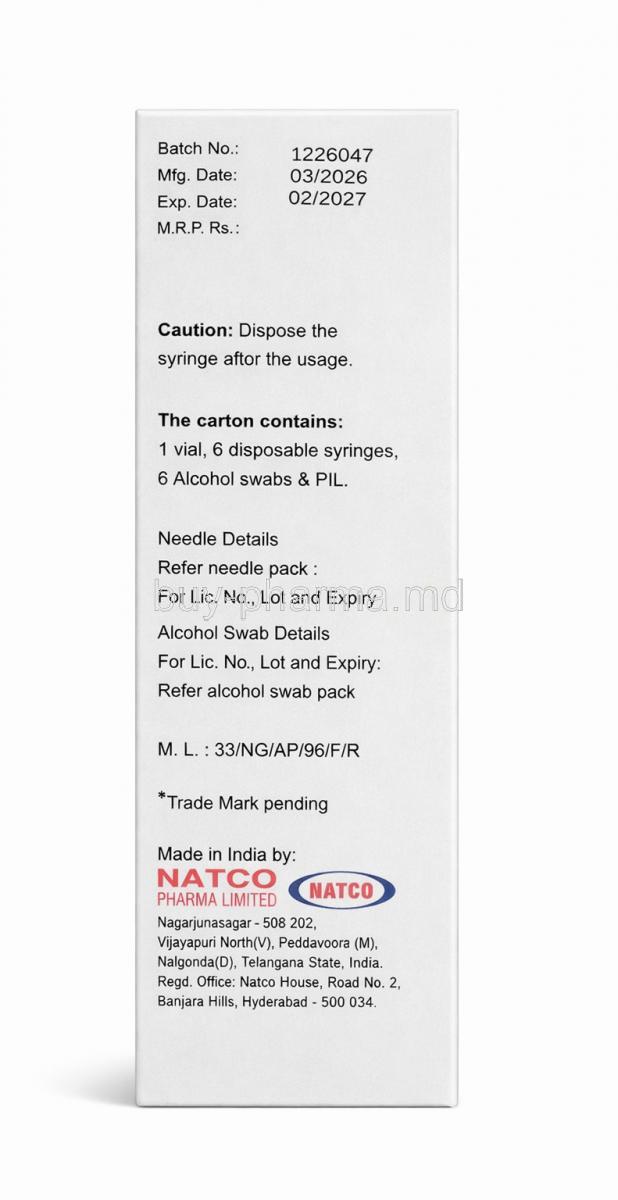
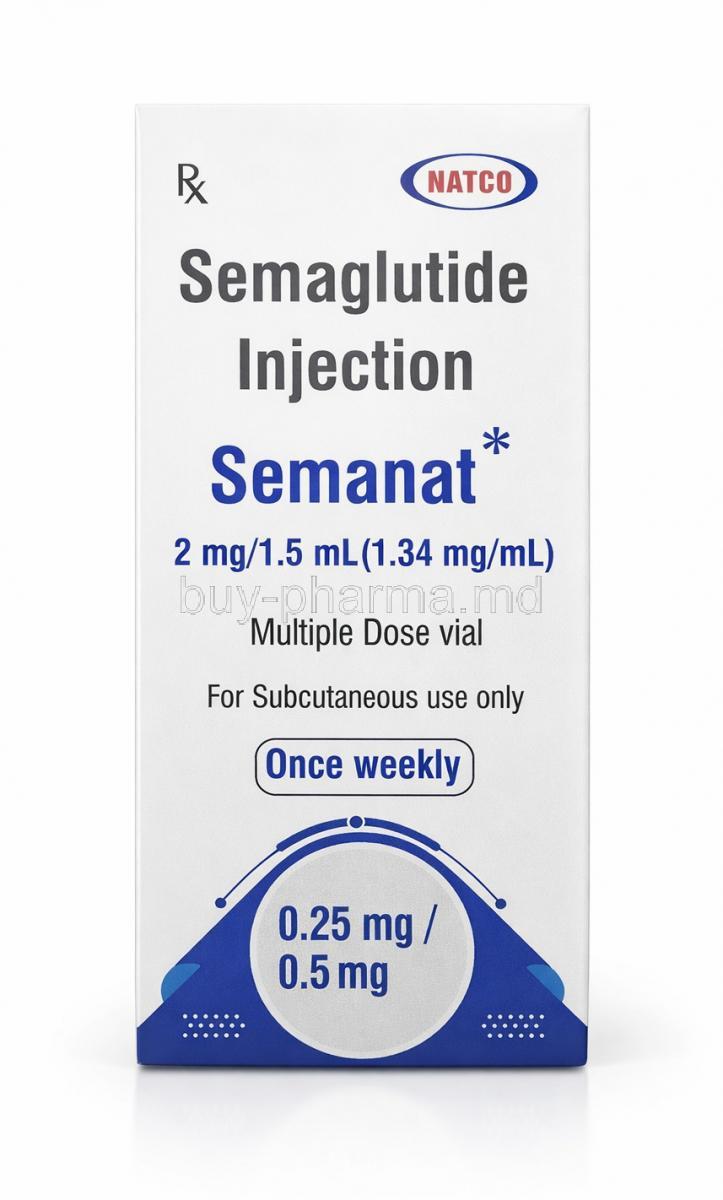
Semanat Injection, Semaglutide
- 1. Introduction to Semanat Injection (Semaglutide)
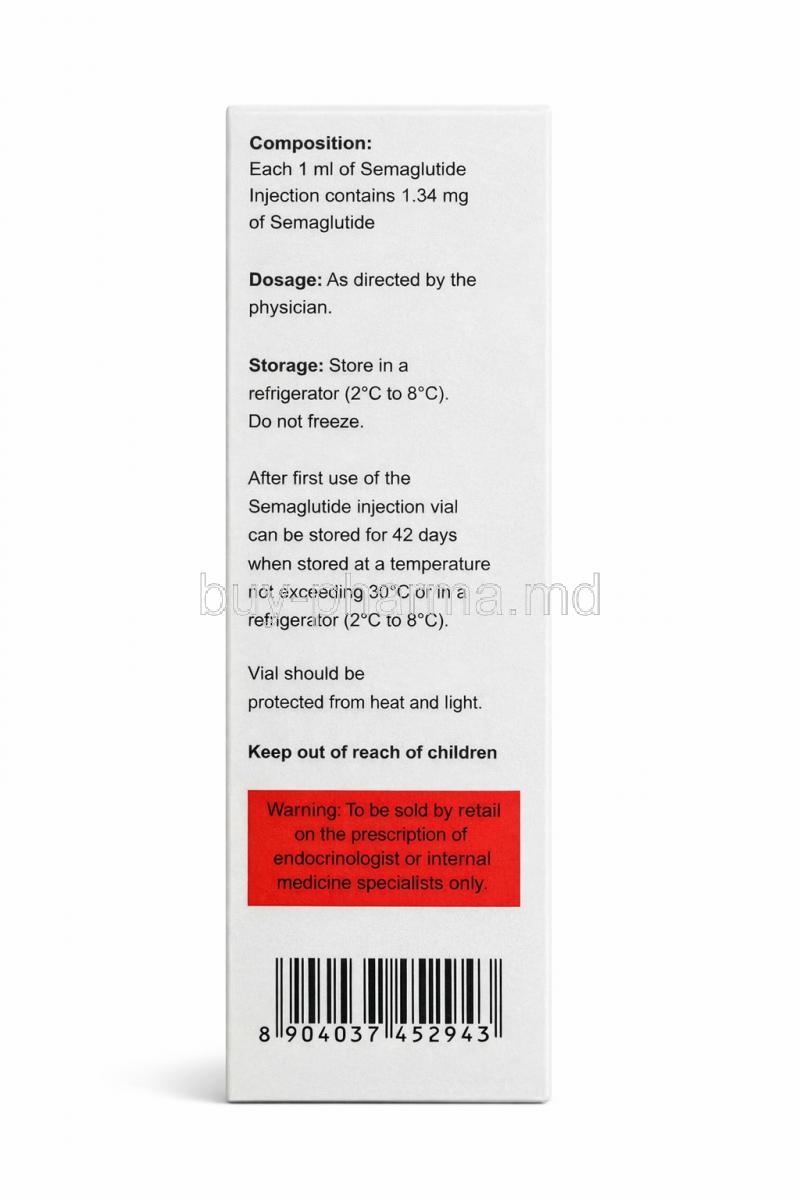
- 2. Composition and Formulation Details
- 3. Mechanism of Action:Â How does Semaglutide Works
- 4. Approved Medical Uses of Semanat Injection
- 5. Expanded and Off-Label Uses of Semaglutide
- 5.1 Obesity and Chronic Weight Management
- 5.2 Prediabetes and Metabolic Syndrome
- 5.3 Semaglutide for PCOS
- 5.4 Non-Alcoholic Fatty Liver Disease (NAFLD/NASH)
- 5.5 Appetite Disorders and Binge Eating
- 5.6 Potential Use in Cardiometabolic Optimization
- 5.7 Emerging Research in Neuroprotection and Cognitive Health
- 6. Dosage and Administration Guidelines
- 7. Common Side Effects of Semaglutide
- 8. Serious and Long-Term Side Effects
- 9. Drug Interactions and Compatibility
- 10. Contraindications of Semanat Injection
- 11. Warnings and Safety Considerations
- 12. Careful Administration (Use with Caution)
- 13. Important Precautions for Safe Use
- 14. Administration in Special Populations
- 14.1 Use in Elderly Patients
- 14.1.1 Dose Adjustments and Tolerability
- 14.1.2 Risk of Dehydration and Frailty
- 14.2 Use in Pregnant Women
- 14.2.1 Potential Risks to Fetus
- 14.2.2 Recommendations for Discontinuation
- 14.3 Use in Nursing Mothers
- 14.3.1 Drug Excretion in Breast Milk
- 14.3.2 Risk-Benefit Assessment
- 14.4 Use in Pediatric Population
- 14.4.1 Safety and Efficacy Data
- 14.4.2 Age Restrictions and Clinical Guidelines
- 15. Overdosage and Emergency Management
- 16. Storage and Stability Requirements
- 17. Handling and Administration Precautions
- 18. Patient Counseling and Practical Guidance
- 19. Clinical Monitoring and Follow-Up
1. Introduction to Semanat Injection (Semaglutide)
1.1 Overview of Semaglutide as a GLP-1 Receptor Agonist
Semanat Injection contains semaglutide, a long-acting glucagon-like peptide-1 (GLP-1) receptor agonist engineered to emulate endogenous incretin hormones. Its pharmacodynamic profile is both elegant and potent. By binding selectively to GLP-1 receptors, it enhances glucose-dependent insulin secretion while attenuating glucagon release.
The result is precise glycemic modulation. Not abrupt. Not erratic. Controlled, physiologically aligned regulation.
- Enhances insulin secretion only when glucose levels are elevated
- Reduces inappropriate glucagon release
- Improves overall metabolic equilibrium
1.2 How much weight can you lose on semaglutide
Semaglutide can lead to significant average weight loss over 68 weeks, with clinical trials indicating an average reduction of approximately 15% to 16% of body weight. Clinical trials show that while using this medication, people often experience consistent weight reduction over time
1.3 Therapeutic Class and Clinical Relevance
Classified under incretin mimetics, semaglutide has redefined therapeutic algorithms in type 2 diabetes management. Its relevance extends beyond glycemic control into weight management and cardiovascular risk mitigation.
Clinicians value its pleiotropic benefits. Patients appreciate its simplicity.
1.4 Historical Development and Regulatory Approval
Semaglutide emerged from extensive peptide engineering aimed at prolonging GLP-1 activity. Structural modifications enhance albumin binding and resistance to enzymatic degradation, enabling once-weekly administration.
Regulatory bodies across multiple regions have approved semaglutide for diabetes and weight management, reflecting robust clinical evidence.
2. Composition and Formulation Details
2.1 Active Ingredient: Semaglutide

2.2 Inactive Ingredients and Excipients
Excipients stabilize the formulation and maintain sterility. These include buffering agents, isotonicity modifiers, and preservatives that ensure product integrity throughout its shelf life.
2.3 Injection Pen Design and Delivery Mechanism
The delivery system is engineered for precision and ease. Each pen is pre-calibrated, reducing dosing errors and facilitating self-administration.
- Pre-filled, single-patient use
- Fine-gauge needle for minimal discomfort
- Dial-based dose selection mechanism

2.4 Strength Variations and Available Dosage Forms
Semanat Injection is available in graduated strengths to support titration protocols. This allows individualized therapy, tailored to patient tolerance and clinical response.
Compound semaglutide
Compounded semaglutide is a custom-mixed version of the active ingredient semaglutide, created by compounding pharmacies to address shortages or specific patient needs, such as a lower dose or different form. While often cheaper and more accessible, it is not FDA-approved and may use different salt forms, posing potential risks regarding safety, purity, and effectiveness compared to branded products.
Sublingual semaglutide
Sublingual semaglutide is a special kind of medicine that you don't have to inject. Instead, it's a liquid that you put under your tongue, and it gets absorbed right into your bloodstream. This is a big deal because it doesn't have to go through your digestive system, so it's not broken down as much. People often use it to help them lose weight. To take it, just hold the liquid under your tongue for about 1.5 to 2 minutes.
Semaglutide with b12
Semaglutide with B12 is a prescription medicine given as an injection. It's a combination of two things: a GLP-1 receptor agonist, which helps reduce hunger, and Vitamin B12, which gives you more energy and helps your body work better. When you use this medicine, it can help you lose weight, and most people lose around 10-11% of their body weight in about 6 months. It works by making you feel less hungry and giving you more energy, so you don't feel as tired.
Zepbound vs semaglutide
Zepbound (tirzepatide) and semaglutide (Wegovy/Ozempic) are highly effective, once-weekly injectable medications for weight loss that work by mimicking satiety hormones. Zepbound is generally more effective, with studies showing up to 21% weight loss, compared to ~15-19% for high-dose semaglutide.
Dulaglutide vs semaglutide
Semaglutide generally shows superior efficacy in reducing HbA1c and promoting weight loss compared to Dulaglutide, though both are highly effective, once-weekly GLP-1 receptor agonists for type 2 diabetes. Semaglutide, particularly at higher doses, has demonstrated greater weight loss results and is often preferred for more intensive glycemic control.
Tirzepatide vs semaglutide
When it comes to weight loss and blood sugar control, two popular options are Tirzepatide and semaglutide. Generally, Tirzepatide seems to have an edge over semaglutide, with people losing up to 22.5% of their weight, compared to an average of 17% with semaglutide. One key difference between the two is how they work: Tirzepatide is a dual agonist, which means it affects two different pathways, GLP-1 and GIP, whereas semaglutide only affects GLP-1. Both are given as weekly injections, but Tirzepatide often produces faster and more significant results. This makes Tirzepatide a promising option for those looking to lose weight and manage their blood sugar levels.
Liraglutide vs semaglutide
Semaglutide is generally more effective than liraglutide for weight loss and blood sugar control, offering the convenience of a once-weekly injection compared to daily injections. Semaglutide leads to greater weight reduction and higher HbA1c reductions, though it may have higher rates of gastrointestinal side effects
Metformin vs semaglutide
Metformin (generic) and semaglutide are effective for Type 2 diabetes and blood sugar control, but differ significantly: Metformin is an affordable daily oral pill usually prescribed first, while semaglutide is a once-weekly injection that generally yields superior weight loss (up to ~11%) and offers cardiovascular benefits.
3. Mechanism of Action: How does Semaglutide Works
3.1 GLP-1 Receptor Activation and Glucose Regulation
Semaglutide activates GLP-1 receptors in pancreatic beta cells, enhancing insulin secretion in a glucose-dependent manner. This reduces the risk of hypoglycemia compared to traditional agents.

3.2 Effects on Insulin Secretion and Glucagon Suppression
3.3 Delayed Gastric Emptying and Appetite Regulation
3.4 Impact on Weight Loss and Energy Balance

3.5 Cardiovascular and Metabolic Effects
Semaglutide demonstrates favorable cardiovascular outcomes. It improves lipid profiles, reduces inflammation markers, and supports vascular health.
4. Approved Medical Uses of Semanat Injection
4.1 Type 2 Diabetes Mellitus Management

4.2 Glycemic Control in Combination Therapy
It can be used alongside other antidiabetic agents, including:
Combination therapy enhances efficacy without excessive risk.
4.3 Reduction of Cardiovascular Risk in High-Risk Patients
In patients with established cardiovascular disease, semaglutide reduces the risk of major adverse cardiac events. This extends its utility beyond glucose control.

5. Expanded and Off-Label Uses of Semaglutide
5.1 Obesity and Chronic Weight Management

5.2 Prediabetes and Metabolic Syndrome
It may delay progression from prediabetes to diabetes by improving insulin sensitivity and reducing body weight.
5.3 Semaglutide for PCOS

5.4 Non-Alcoholic Fatty Liver Disease (NAFLD/NASH)
Emerging evidence suggests benefits in reducing hepatic steatosis and inflammation.

5.5 Appetite Disorders and Binge Eating
By modulating central satiety pathways, semaglutide may help control compulsive eating behaviors.

5.6 Potential Use in Cardiometabolic Optimization
5.7 Emerging Research in Neuroprotection and Cognitive Health
Preliminary studies explore neuroprotective effects, suggesting potential roles in cognitive preservation.
6. Dosage and Administration Guidelines
6.1 Initial Dosing and Titration Schedule
Treatment begins with a low dose to enhance tolerability. Gradual titration minimizes gastrointestinal side effects.
Semaglutide dosage chart
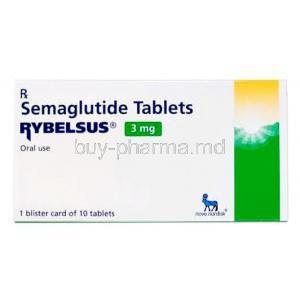
Initial dose: 3 mg orally once a day for 30 days; then 7 mg orally once a day.
Maintenance dose: 7 to 14 mg orally once a day. Maximum dose: 14 mg/day
Semaglutide dosage in units
- 10-15 units each week for the first 4 weeks
- 15-20 units each week for 2 weeks
- 20-25 units each week for 3 weeks
- 30-50 units each week weeks 10 and onward
6.2 Maintenance Dose Recommendations
Maintenance dosing is individualized based on therapeutic response and tolerability.
6.3 Semaglutide Dosing Schedule
Semanat is administered once weekly, on the same day each week. Flexibility of ±2 days is generally acceptable.
6.4 Where to inject Semaglutide
Common injection sites include:
- Abdomen
- Thigh
- Upper arm
Rotation of sites reduces local irritation.

6.5 How to inject semaglutide
Clean the site with alcohol, pinch the skin, and insert the needle at a 90-degree angle, injecting slowly. Common sites are the stomach (2 inches from the belly button), thighs, or back of the arms.
6.6 Missed Dose Management
If a dose is missed, it should be administered as soon as possible within a defined window. Otherwise, the next scheduled dose should be taken.
6.7 Switching from Other GLP-1 Agonists
Transitioning requires careful timing to avoid overlapping effects and adverse reactions.
Microdosing semaglutide
Taking a small amount of semaglutide, less than what's normally prescribed, can be a way to reduce side effects like feeling sick or throwing up. This method, which isn't exactly what the medicine is approved for, might still help with losing weight or keeping blood sugar under control, and it's often used for people who are more sensitive. To do this, some people adjust the settings on their injection pen to give themselves a smaller dose. The idea is to find a balance between getting the benefits of the medicine and avoiding the unpleasant side effects.
7. Common Side Effects of Semaglutide
7.1 Gastrointestinal Symptoms (Nausea, Vomiting, Diarrhea)
7.2 Appetite Suppression and Early Satiety
7.3 Fatigue and Mild Weakness
7.4 Injection Site Reactions
Mild erythema or discomfort at the injection site may occur but is usually self-limiting.
8. Serious and Long-Term Side Effects
8.1 Risk of Pancreatitis

8.2 Gallbladder Disease and Cholelithiasis
Rapid weight loss may predispose patients to gallstone formation.
8.3 Thyroid C-Cell Tumor Risk (Animal Studies)

8.4 Hypoglycemia (Especially with Insulin or Sulfonylureas)
Risk increases when combined with insulin or insulin secretagogues.
8.5 Kidney Function Impairment Due to Dehydration
Severe gastrointestinal symptoms may lead to dehydration, adversely affecting renal function.

8.6 Diabetic Retinopathy Complications
Rapid glycemic improvement may transiently worsen retinopathy in susceptible individuals.
8.7 Semaglutide hair loss
Losing hair can be a problem for some people taking Semaglutide. This hair loss is usually called telogen effluvium. It's not because of the drug itself, but because of other things like losing weight too quickly, not getting enough nutrients, or being stressed. Not many people have this issue - less than 5% of those taking the medication. If it does happen, it often starts a few months after beginning treatment, usually around 3 to 6 months.

Tirzepatide vs. Semaglutide Side Effects
Tirzepatide and semaglutide have a lot of similar side effects, mainly affecting the stomach and intestines. People taking these medicines often get nausea, diarrhea, vomiting, and constipation. These problems usually depend on the dose and happen most when you first start taking the medicine or when the dose is increased. Even though they're really similar, some people say they can tolerate tirzepatide a bit better.
9. Drug Interactions and Compatibility
9.1 Interaction with Insulin and Oral Antidiabetics
Concomitant use may require dose adjustments to prevent hypoglycemia.
9.2 Impact on Drugs Affected by Gastric Emptying
Delayed gastric emptying can influence the absorption kinetics of oral medications.
9.3 Interaction with Antihypertensive and Lipid-Lowering Agents
Synergistic effects may enhance cardiovascular outcomes but require monitoring.
9.4 Alcohol and Its Effects on Glycemic Control
Alcohol consumption may exacerbate glycemic variability and should be approached cautiously.
9.5 Herbal Supplements and OTC Medications
Unregulated supplements may interact unpredictably. Clinical discretion is advised.
10. Contraindications of Semanat Injection
10.1 Hypersensitivity to Semaglutide or Components
Semanat Injection must not be administered to individuals with known hypersensitivity to semaglutide or any excipient within the formulation. Even minimal exposure can provoke immunologic reactions.
- Urticaria, angioedema, or rash
- Respiratory compromise in severe cases
- Potential for anaphylaxis, albeit rare
Absolute avoidance is imperative once hypersensitivity is established.

10.2 Personal or Family History of Medullary Thyroid Carcinoma
Patients with a personal or familial history of medullary thyroid carcinoma (MTC) should not use semaglutide. This restriction is based on preclinical findings indicating a potential association with C-cell proliferation.
Clinical prudence outweighs theoretical benefit in such populations.
10.3 Multiple Endocrine Neoplasia Syndrome Type 2 (MEN2)
Individuals diagnosed with MEN2 are contraindicated for treatment. The syndrome predisposes patients to endocrine tumors, particularly involving the thyroid.
Exposure to GLP-1 receptor agonists may exacerbate oncogenic risk pathways.
10.4 Severe Gastrointestinal Disorders (e.g., Gastroparesis)
Semanat slows gastric emptying. In patients with severe gastrointestinal motility disorders, such as gastroparesis, this pharmacologic effect can intensify symptoms.
- Delayed gastric transit
- Worsening nausea and vomiting
- Increased risk of malnutrition

11. Warnings and Safety Considerations
11.1 Risk of Thyroid Tumors
Animal studies have demonstrated an increased incidence of thyroid C-cell tumors with GLP-1 receptor agonists. While human relevance remains inconclusive, vigilance is warranted.
Patients should be monitored for symptoms such as:
- Neck masses
- Hoarseness
- Dysphagia
11.2 Pancreatitis Warning
Acute pancreatitis has been reported. The presentation may be subtle initially but can escalate rapidly.
Key clinical indicators include:
- Persistent, severe abdominal pain radiating to the back
- Nausea and vomiting
Immediate discontinuation is advised if pancreatitis is suspected.
11.3 Risk of Severe Gastrointestinal Reactions
Gastrointestinal adverse effects are common, but severe manifestations may occur. Persistent vomiting or diarrhea can lead to systemic complications.
These reactions are often dose-dependent. Gradual titration mitigates risk.
11.4 Dehydration and Renal Risk
Fluid depletion secondary to gastrointestinal losses may impair renal perfusion. This is particularly concerning in patients with pre-existing kidney dysfunction.
- Monitor fluid intake closely
- Assess renal parameters periodically
11.5 Monitoring Blood Glucose and HbA1c
Regular monitoring is essential to evaluate therapeutic efficacy and prevent complications. Glycemic trendsânot isolated readingsâshould guide clinical decisions.
12. Careful Administration (Use with Caution)
12.1 Patients with Renal Impairment
Renal impairment necessitates cautious use. Although semaglutide is not primarily renally cleared, dehydration-related renal stress can exacerbate underlying dysfunction.
12.2 Hepatic Dysfunction Considerations
Hepatic impairment does not typically require dose adjustment. However, metabolic variability in these patients warrants closer observation.
12.3 Patients with Cardiovascular Disease
Semanat offers cardiovascular benefits, yet initiation should be individualized. Hemodynamic changes and weight loss may influence existing cardiac conditions.
12.4 Individuals with History of Pancreatitis
A prior history of pancreatitis raises concern. Risk recurrence cannot be excluded, necessitating a judicious risk-benefit assessment.
12.5 Patients on Polypharmacy Regimens
Complex medication regimens increase the potential for pharmacodynamic and pharmacokinetic interactions.
- Delayed gastric emptying may alter drug absorption
- Close medication review is recommended
13. Important Precautions for Safe Use
13.1 Gradual Dose Escalation to Minimize Side Effects
Titration is not optional, it is essential. Incremental dose increases allow physiological adaptation, reducing gastrointestinal intolerance.
13.2 Hydration and Electrolyte Balance
Adequate hydration supports renal function and mitigates adverse effects. Electrolyte balance must be maintained, particularly during episodes of vomiting or diarrhea.

13.3 Monitoring Weight Loss Rate
Weight reduction should be steady, not precipitous. Excessively rapid loss may indicate intolerance or underlying complications.
13.4 Avoiding Rapid Glycemic Fluctuations
Gradual glycemic improvement is preferable. Abrupt reductions in glucose levels may precipitate complications such as retinopathy.
13.5 Regular Medical Follow-Up and Lab Monitoring
Routine evaluations ensure therapeutic efficacy and safety. Laboratory assessments provide objective insight into metabolic changes.
13.6 What to eat on semaglutide
focus on high-protein, nutrient-dense, and fiber-rich foods to maximize weight loss and minimize side effects like nausea. Prioritize lean meats, vegetables, and complex carbohydrates, while eating smaller, slower, and more frequent meals to manage reduced appetite and delayed digestion.
14. Administration in Special Populations
14.1 Use in Elderly Patients
14.1.1 Dose Adjustments and Tolerability
Elderly patients often exhibit increased sensitivity to pharmacologic agents. Lower initial doses and cautious titration enhance tolerability.
14.1.2 Risk of Dehydration and Frailty
Frailty and reduced physiological reserves heighten vulnerability to dehydration and weight loss. Monitoring should be proactive.
14.2 Use in Pregnant Women
14.2.1 Potential Risks to Fetus
Limited data exist regarding fetal safety. Animal studies suggest potential risk, necessitating avoidance during pregnancy.

14.2.2 Recommendations for Discontinuation
Discontinuation is recommended prior to conception. Alternative therapies with established safety profiles should be considered.
14.3 Use in Nursing Mothers
14.3.1 Drug Excretion in Breast Milk
It is unclear whether semaglutide is excreted in human milk. The absence of definitive data necessitates caution.
14.3.2 Risk-Benefit Assessment
A careful evaluation of maternal benefit versus potential infant risk should guide clinical decisions.
14.4 Use in Pediatric Population
14.4.1 Safety and Efficacy Data
Clinical data in pediatric populations are evolving. Use is generally restricted to approved age groups where evidence supports safety.
14.4.2 Age Restrictions and Clinical Guidelines
Adherence to regulatory guidelines is essential. Off-label pediatric use should be approached with caution.
15. Overdosage and Emergency Management
15.1 Symptoms of Semaglutide Overdose
Overdose may manifest primarily as exaggerated pharmacologic effects. Gastrointestinal distress is common.
- Severe nausea
- Persistent vomiting
- Marked fatigue
15.2 Severe Gastrointestinal Effects
Profound gastrointestinal symptoms can lead to dehydration and electrolyte imbalance, requiring medical intervention.
15.3 Hypoglycemia Risk in Combination Therapy
While semaglutide alone rarely causes hypoglycemia, co-administration with insulin or sulfonylureas increases risk significantly.
15.4 Supportive Care and Medical Intervention
No specific antidote exists. Management is supportive and symptom-driven, with emphasis on hydration and monitoring.
16. Storage and Stability Requirements
16.1 Recommended Storage Temperature
Semanat Injection should be stored under refrigerated conditions prior to use. Temperature stability preserves pharmacologic integrity.
16.2 Refrigeration and Shelf Life
Maintain within recommended temperature ranges. Deviations may compromise efficacy.
16.3 Handling After First Use
Once in use, the pen may be stored at controlled room temperature for a limited duration, as specified by product guidelines.
16.4 Protection from Light and Freezing
Exposure to extreme conditions must be avoided:
- Do not freeze
- Protect from direct light
17. Handling and Administration Precautions
17.1 Proper Storage of Injection Pens
Storage conditions directly influence drug stability. Pens should be kept in their original packaging when not in use.
17.2 Safe Needle Disposal
Used needles must be discarded in appropriate sharps containers to prevent injury and contamination.
17.3 Avoiding Cross-Contamination
Injection devices are intended for single-patient use only. Sharing is strictly contraindicated.
17.4 Travel and Portability Considerations
During travel, temperature control remains critical. Insulated carriers may be utilized to maintain appropriate conditions.
18. Patient Counseling and Practical Guidance
18.1 Lifestyle Modifications (Diet and Exercise)
Pharmacotherapy is most effective when combined with lifestyle interventions. Nutritional optimization and physical activity amplify therapeutic outcomes.
18.2 Managing Side Effects at Home
Patients can mitigate mild side effects through practical measures:
- Consume smaller, frequent meals
- Avoid high-fat foods
- Maintain hydration
18.3 Adherence to Weekly Injection Schedule
Consistency is paramount. Establishing a fixed weekly routine enhances adherence and therapeutic stability.
18.4 When to Seek Medical Attention
Prompt medical consultation is necessary if severe or persistent symptoms occur, including abdominal pain or signs of dehydration.
19. Clinical Monitoring and Follow-Up
19.1 Blood Glucose and HbA1c Monitoring
Regular assessment of glycemic parameters provides insight into treatment effectiveness and guides adjustments.
19.2 Weight and BMI Tracking
Tracking anthropometric changes allows evaluation of metabolic improvement and therapy success.
19.3 Renal and Hepatic Function Tests
Periodic laboratory monitoring ensures organ function remains stable throughout treatment.
19.4 Cardiovascular Risk Assessment
Ongoing evaluation of cardiovascular status is essential, particularly in high-risk populations. Semaglutideâs benefits extend beyond glucose control, but vigilance remains necessary.
Semanat Injection, Semaglutide FAQ
- How much semaglutide should you inject weekly?
- What is the biggest side effect of semaglutide?
- When is the best time of day to inject semaglutide?
- Who cannot take semaglutide for weight loss?
- How much weight can you lose on semaglutide in 1 month?
- Can I inject semaglutide daily?
- Can semaglutide damage my kidneys?
- Can I lose belly fat with semaglutide?
- What not to mix with semaglutide?
- Can you lose weight on 0.25 mg of semaglutide?
- What are the results of semaglutide 4 weeks?
- How much weight will I lose in 3 months on semaglutide?
- How to speed up weight loss on semaglutide?
- What should I avoid while taking semaglutide?
- Which is better for weight loss, semaglutide or Ozempic?
- Will semaglutide get rid of belly fat?
- What's the best diet while on semaglutide?
- Why am I not losing weight on semaglutide after 3 weeks?
- Where is the best place to inject semaglutide?
- Will I gain weight after stopping semaglutide?
- Can I lose weight on semaglutide without dieting?
- How much water should I drink on semaglutide?
- Can I eat eggs on semaglutide?
- What are the dangers of semaglutide drugs?
- Who isn't a good candidate for semaglutide?
- What not to mix with semaglutide?
- How many kg can I lose with semaglutide?
- What should I eat while taking semaglutide?
- What happens if a non-diabetic takes semaglutide?
- Why am I still hungry on semaglutide?
- What kind of exercise is best while on semaglutide?
- What happens when you stop semaglutide?
- What happens if you don't eat enough on semaglutide?
- Can you lose weight on semaglutide without exercise?
- Does semaglutide affect urination?
- Can I inject semaglutide wrong?
- Can you lose 30 lbs in 3 months on semaglutide?
- How much semaglutide should you inject weekly?
- What is the biggest side effect of semaglutide?
- When is the best time of day to inject semaglutide?
- Who cannot take semaglutide for weight loss?
- How much weight can you lose on semaglutide in 1 month?
How much semaglutide should you inject weekly?
To start taking Semaglutide for weight loss, begin with a dose of 0.25 mg once a week, injected under the skin, and you can do this with or without a meal. After four weeks, your doctor will likely increase your dose to help you reach the best level for you. The doses will go up to 0.5 mg, then 1 mg, and 1.7 mg, until you get to the dose that you'll stay on, which is 2.4 mg. This gradual increase helps your body get used to the medicine.
What is the biggest side effect of semaglutide?
nausea, vomiting, diarrhea, constipation, and abdominal cramps
When is the best time of day to inject semaglutide?
At night
Who cannot take semaglutide for weight loss?
- History of medullary thyroid cancer
- History of gallbladder disease
- History of pancreatitis.
How much weight can you lose on semaglutide in 1 month?
5 – 10 pounds
Can I inject semaglutide daily?
No
Can semaglutide damage my kidneys?
Yes
Can I lose belly fat with semaglutide?
Yes
What not to mix with semaglutide?
- Aspirin
- Medicines for appetite
- Asthma medicines
Can you lose weight on 0.25 mg of semaglutide?
Yes
What are the results of semaglutide 4 weeks?
Decrease of 3.8% of their body weight
How much weight will I lose in 3 months on semaglutide?
5.9% to 9.6%
How to speed up weight loss on semaglutide?
Balanced diet and regular exercise
What should I avoid while taking semaglutide?
Greasy and fatty food, alcohol
Which is better for weight loss, semaglutide or Ozempic?
It is the same ingredient
Will semaglutide get rid of belly fat?
semaglutide can reduce belly fat levels by 16% after 26 weeks of treatment.
What's the best diet while on semaglutide?
non-starchy vegetables, whole grains, lean proteins, nuts, legumes, and fruits
Why am I not losing weight on semaglutide after 3 weeks?
Consuming high-calorie, processed foods, or overeating even healthy foods can hinder your weight loss progress
Where is the best place to inject semaglutide?
Thigh and abdomen
Will I gain weight after stopping semaglutide?
Yes
Can I lose weight on semaglutide without dieting?
Yes
How much water should I drink on semaglutide?
Half of the body weight
Can I eat eggs on semaglutide?
Yes
What are the dangers of semaglutide drugs?
This medicine may increase the risk of having thyroid tumors
Who isn't a good candidate for semaglutide?
People with certain health issues like thyroid cancer, gastroparesis, or a history of pancreatitis, and some other specific conditions.
What not to mix with semaglutide?
- Adderall (amphetamine / dextroamphetamine)
- Adderall XR (amphetamine / dextroamphetamine)
- Aspirin Low Strength (aspirin)
- Benadryl (diphenhydramine)
- Claritin (loratadine)
- CoQ10 (ubiquinone)
- Cymbalta (duloxetine)
- Eliquis (apixaban)
How many kg can I lose with semaglutide?
16-17kg
What should I eat while taking semaglutide?
non-starchy vegetables, fruits, lean proteins, whole grains, and healthy fat sources
What happens if a non-diabetic takes semaglutide?
It is generally safe
Why am I still hungry on semaglutide?
Low dose semaglutide
What kind of exercise is best while on semaglutide?
Pilates or Barre
What happens when you stop semaglutide?
stopping may affect your glucose control
What happens if you don't eat enough on semaglutide?
- Tiredness
- Mood swings
- Muscle loss
Can you lose weight on semaglutide without exercise?
Yes
Does semaglutide affect urination?
Yes
Can I inject semaglutide wrong?
Yes
Can you lose 30 lbs in 3 months on semaglutide?
No
How much semaglutide should you inject weekly?
To start taking Semaglutide for weight loss, you should begin with a dose of 0.25 mg once a week, injected under your skin. You can do this with or without a meal; it doesn't matter. After four weeks, your doctor will likely want to increase your dose. They'll start by raising it to 0.5 mg, then to 1 mg, and finally to 1.7 mg, before settling on a maintenance dose of 2.4 mg. This gradual increase helps your body get used to the medication.
What is the biggest side effect of semaglutide?
- Nasuea
- Vomiting
- Headache
- Stomachache
When is the best time of day to inject semaglutide?
Night
Who cannot take semaglutide for weight loss?
- History of medullary thyroid cancer
- History of gallbladder disease
- History of pancreatitis.
How much weight can you lose on semaglutide in 1 month?
5-10lbs
Customers also bought



Popular Products
Similar Product