1. Introduction to Digusil MPS
1.1 What is Digusil MPS?
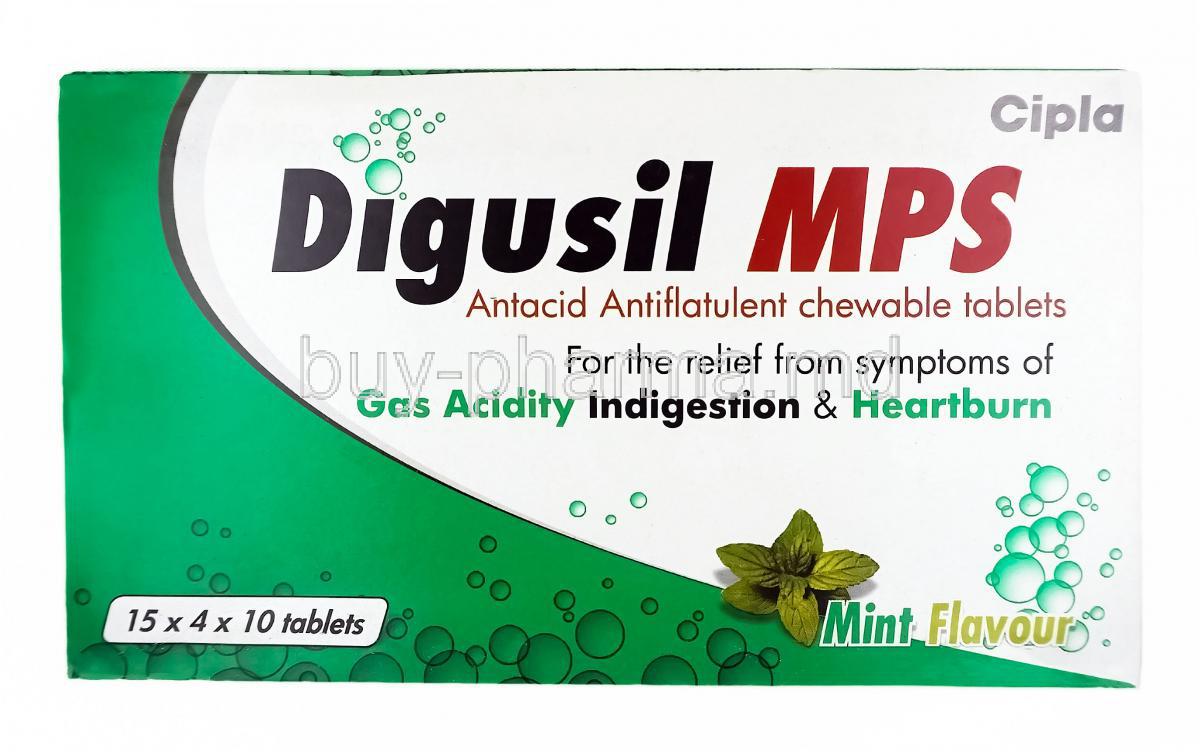
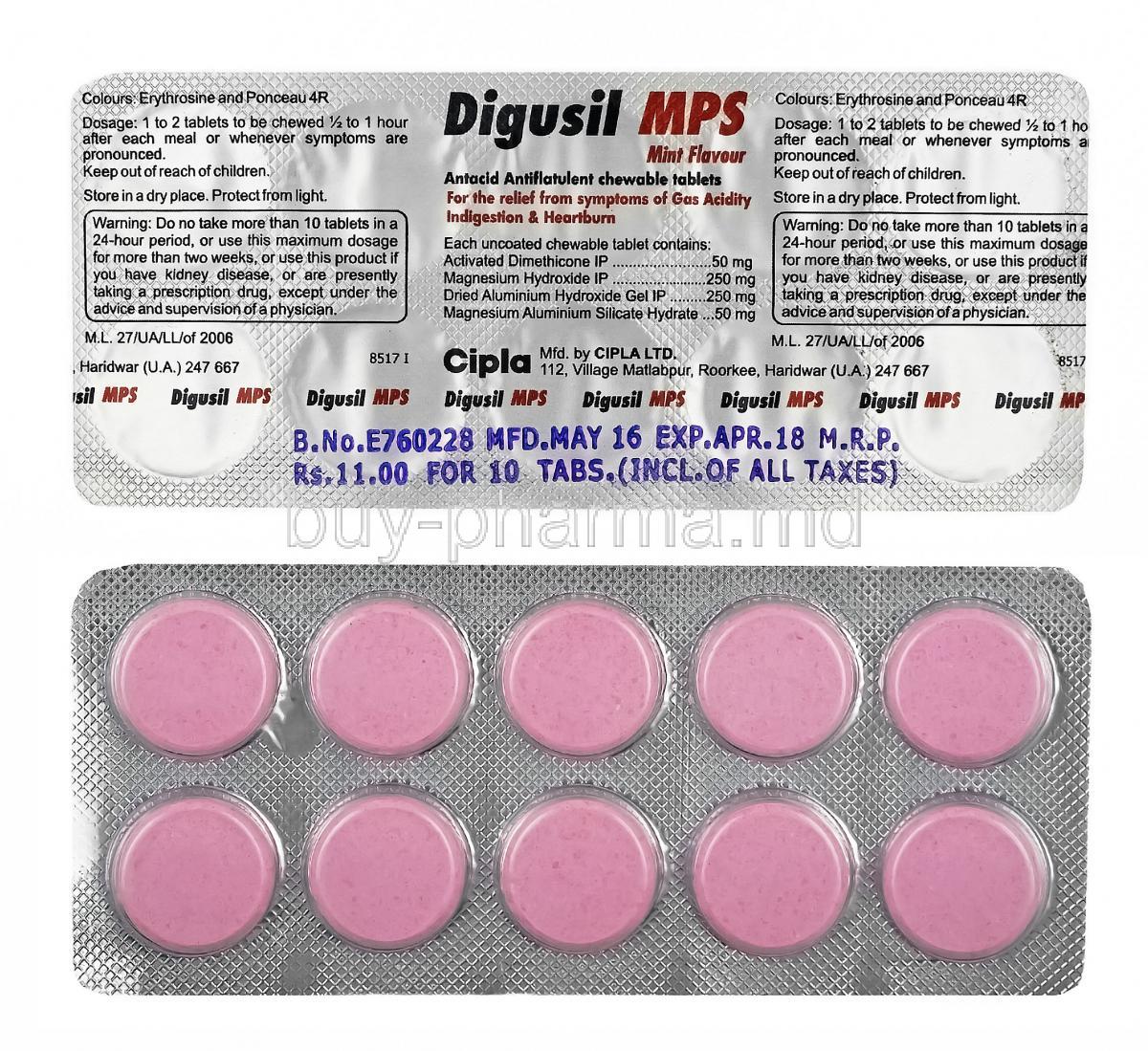
Digusil MPS is a combination gastrointestinal formulation designed to alleviate symptoms associated with excessive gastric acidity and intestinal gas accumulation. It integrates antacid and antiflatulent properties to provide rapid, multi-dimensional relief. The formulation is widely utilized for symptomatic management of digestive discomfort, particularly in individuals experiencing postprandial distress.
1.2 Therapeutic Classification and Drug Category
This preparation belongs to a dual pharmacological class:
- Antacids – agents that neutralize gastric acid
- Antiflatulents – compounds that reduce gas-related discomfort
Such a combination enhances therapeutic breadth, making it suitable for multifactorial gastrointestinal disturbances.
1.3 Overview of Gastrointestinal Disorders Treated
Digusil MPS is frequently indicated in conditions characterized by acid dysregulation and gaseous distention. These include:
- Hyperacidity and acid-peptic disorders
- Functional dyspepsia
- Gastritis and gastric irritation
- Flatulence and abdominal bloating
- Reflux-related discomfort
The formulation provides symptomatic palliation rather than curative intervention.
1.4 Key Benefits and Clinical Relevance
Its clinical utility lies in its rapid onset and dual-action mechanism. Benefits include:
- Prompt neutralization of excess acid
- Reduction of gas bubbles within the gastrointestinal tract
- Improved digestive comfort after meals
- Enhanced patient compliance due to tolerability
2. Composition and Active Ingredients
2.1 Simethicone: Anti-foaming Agent
Simethicone acts by decreasing surface tension of gas bubbles, causing their coalescence and facilitating expulsion. This inert compound is not systemically absorbed, ensuring localized gastrointestinal action.
2.2 Aluminium Hydroxide: Antacid Component
Aluminium hydroxide functions as a slow-acting antacid, providing sustained acid-neutralizing capacity. It also exhibits mild mucosal protective effects but may contribute to constipation in certain individuals.
2.3 Magnesium Hydroxide: Acid Neutralizer
Magnesium hydroxide offers rapid neutralization of gastric acid. Its osmotic activity can promote bowel motility, often counterbalancing the constipating effect of aluminium salts.
2.4 Synergistic Effect of Combined Ingredients
The integration of aluminium and magnesium salts produces a harmonized pharmacodynamic profile:
- Balanced gastrointestinal motility
- Optimized acid neutralization kinetics
- Minimized adverse gastrointestinal effects
Simethicone complements this by addressing gaseous distention.
2.5 Inactive Ingredients and Formulation Excipients
Excipients such as flavoring agents, stabilizers, and suspending agents contribute to palatability and formulation stability without exerting therapeutic effects.
3. Mechanism of Action (How It Works)
3.1 Neutralization of Gastric Acid
The antacid components react chemically with hydrochloric acid in the stomach, forming water and neutral salts. This reduces gastric acidity and alleviates mucosal irritation.
3.2 Reduction of Gas and Bloating via Simethicone
Simethicone disperses gas bubbles within the gastrointestinal lumen, facilitating their elimination. This leads to a reduction in abdominal pressure and discomfort.
3.3 Protective Effect on Gastric Mucosa
By decreasing acid concentration, the formulation indirectly protects the gastric lining from erosive damage, promoting symptomatic relief in inflammatory conditions.
3.4 Onset of Action and Duration of Relief
Relief is typically rapid, often occurring within minutes. However, duration may vary depending on gastric emptying and individual metabolic factors.
4. Approved Uses of Digusil MPS
4.1 Management of Hyperacidity
Effective in neutralizing excessive gastric acid secretion, thereby reducing burning sensations and discomfort.
4.2 Treatment of Indigestion (Dyspepsia)
Provides symptomatic relief from fullness, belching, and upper abdominal discomfort.
4.3 Relief of Heartburn and Acid Reflux
Mitigates retrosternal burning caused by acid reflux into the esophagus.
4.4 Alleviation of Gastritis Symptoms
Helps soothe inflamed gastric mucosa and reduce irritation-related symptoms.
4.5 Management of Flatulence and Abdominal Bloating
Addresses excessive intestinal gas accumulation, improving abdominal comfort.
4.6 Supportive Therapy in Peptic Ulcer Disease
Used adjunctively to reduce acid burden and promote mucosal healing.
5. Expanded and Off-Label Uses
5.1 Symptomatic Relief in Gastroesophageal Reflux Disease (GERD)
May be used as adjunctive therapy to alleviate mild reflux symptoms.
5.2 Adjunctive Use in Functional Dyspepsia
Improves nonspecific upper gastrointestinal discomfort without identifiable pathology.
5.3 Relief of Postprandial Fullness and Discomfort
Particularly beneficial after heavy or fatty meals.
5.4 Use in Irritable Bowel Syndrome (IBS) with Gas Predominance
Helps reduce bloating and gaseous distention associated with IBS.
5.5 Management of Medication-Induced Gastric Irritation (e.g., NSAIDs)
Provides symptomatic protection against drug-induced mucosal irritation.
5.6 Temporary Relief of Acid-related Chest Discomfort
Can alleviate non-cardiac chest discomfort linked to acid reflux.
5.7 Use in Pregnancy-related Heartburn (under supervision)
May be considered in controlled settings, balancing safety and efficacy.
6. Dosage and Administration Guidelines
6.1 Recommended Adult Dosage
Dosage typically depends on formulation and severity of symptoms, often administered after meals and at bedtime.
6.2 Pediatric Dosage Considerations
Requires careful adjustment based on age and weight, under medical supervision.
6.3 Dosage Adjustments Based on Severity
Severe symptoms may necessitate more frequent dosing within recommended limits.
6.4 Administration Timing (Before or After Meals)
Generally taken after meals to maximize acid-neutralizing effect during peak secretion.
6.5 Duration of Use and Treatment Limits
Short-term use is preferred. Persistent symptoms warrant medical evaluation.
6.6 Instructions for Suspension vs Tablet Forms
- Suspensions should be shaken well before use
- Tablets should be chewed thoroughly before swallowing
7. Common Side Effects
7.1 Mild Gastrointestinal Disturbances
- Constipation (associated with aluminium salts)
- Diarrhea (associated with magnesium salts)
7.2 Nausea and Altered Taste Sensation
Some individuals may experience transient nausea or changes in taste perception.
7.3 Abdominal Discomfort
Occasional mild discomfort may occur, usually self-limiting.
8. Serious and Rare Side Effects
8.1 Electrolyte Imbalance (Hypermagnesemia, Hypophosphatemia)
Prolonged use may disrupt electrolyte homeostasis, particularly in vulnerable populations.
8.2 Renal Complications in Susceptible Patients
Accumulation of magnesium or aluminium may occur in renal impairment.
8.3 Allergic Reactions and Hypersensitivity
Rare hypersensitivity reactions may manifest as rash, itching, or swelling.
8.4 Long-term Use Risks (Bone Demineralization)
Chronic use may interfere with mineral absorption, affecting bone integrity.
9. Drug Interactions and Product Interactions
9.1 Interaction with Antibiotics (e.g., Tetracyclines, Fluoroquinolones)
Antacids may reduce absorption of certain antibiotics, diminishing therapeutic efficacy.
9.2 Interaction with Iron Supplements
Iron absorption may be impaired when taken concurrently.
9.3 Reduced Absorption of Thyroid Medications
Levothyroxine absorption may be compromised, necessitating dosing separation.
9.4 Interaction with Other Antacids or Acid Suppressants
Concurrent use may lead to excessive alkalization or therapeutic redundancy.
9.5 Food and Beverage Interactions
Certain foods may influence gastric pH and drug effectiveness.
9.6 Timing Separation to Avoid Reduced Drug Efficacy
A minimum interval of 2–4 hours is generally recommended between interacting medications.
10. Contraindications
10.1 Hypersensitivity to Any Component
Use is contraindicated in individuals with known allergies to formulation ingredients.
10.2 Severe Renal Impairment
Risk of accumulation and toxicity necessitates avoidance in severe cases.
10.3 Hypermagnesemia or Aluminium Toxicity Risk
Pre-existing electrolyte abnormalities contraindicate use.
11. Warnings and Safety Considerations
11.1 Risk of Masking Serious Gastrointestinal Conditions
While Digusil MPS offers prompt symptomatic relief, it may inadvertently obscure underlying pathologies. Persistent suppression of symptoms can delay diagnosis of serious gastrointestinal disorders such as peptic ulcers, malignancies, or chronic inflammatory conditions. Vigilance is essential when symptoms recur or intensify.
11.2 Use in Patients with Kidney Disease
Patients with impaired renal function require meticulous caution. Aluminium and magnesium ions may accumulate due to reduced excretory capacity, potentially leading to toxicity. Clinical oversight is strongly recommended in this population.
11.3 Risk of Electrolyte Imbalance with Prolonged Use
Extended use may perturb electrolyte equilibrium. Notable risks include:
- Hypermagnesemia, particularly in renal impairment
- Hypophosphatemia due to phosphate binding by aluminium salts
Such disturbances may manifest insidiously and necessitate periodic monitoring.
11.4 Caution in Chronic Antacid Use
Chronic reliance on antacids can lead to metabolic complications and reduced gastrointestinal adaptability. It is prudent to limit usage duration and seek medical evaluation for ongoing symptoms.
11.5 Monitoring for Persistent Symptoms
Symptoms that persist beyond a short duration, or those accompanied by alarming features such as weight loss, anemia, or gastrointestinal bleeding, warrant immediate medical attention. Symptomatic relief should not replace diagnostic scrutiny.
12. Careful Administration (Use with Caution)
12.1 Patients with Renal Dysfunction
Renal compromise necessitates cautious dosing and monitoring. Reduced clearance of active components increases the risk of systemic accumulation and adverse effects.
12.2 Individuals on Multiple Medications (Polypharmacy)
Patients receiving multiple pharmacotherapies are susceptible to drug interactions. Antacids may alter the absorption kinetics of co-administered drugs, necessitating strategic dosing intervals.
12.3 Patients with Electrolyte Disorders
Pre-existing electrolyte imbalances may be exacerbated. Careful assessment and monitoring are required to prevent further metabolic derangement.
12.4 Patients with Chronic Gastrointestinal Diseases
Individuals with chronic gastrointestinal disorders should use Digusil MPS under supervision. Symptomatic management must be integrated with disease-specific treatment strategies.
13. Important Precautions Before and During Use
13.1 Avoiding Overuse or Self-medication
Indiscriminate or excessive use may lead to unintended complications. Self-medication without proper guidance should be avoided, particularly for prolonged periods.
13.2 Adhering to Recommended Dosage
Strict adherence to prescribed or recommended dosing regimens is essential. Deviations may compromise safety and efficacy.
13.3 Monitoring Symptom Progression
Continuous evaluation of symptom trajectory is advisable. Any escalation or persistence should prompt clinical reassessment.
13.4 Lifestyle and Dietary Modifications
Adjunctive measures can significantly enhance therapeutic outcomes. Recommended practices include:
- Reducing intake of acidic and spicy foods
- Avoiding large, heavy meals
- Maintaining upright posture after eating
13.5 Avoiding Simultaneous Intake with Interacting Drugs
To prevent reduced drug absorption, it is advisable to maintain appropriate intervals between Digusil MPS and other medications.
14. Administration in Special Populations
14.1 Use in Elderly Patients
Elderly individuals may exhibit heightened sensitivity to electrolyte disturbances and renal function decline. Key considerations include:
- Increased susceptibility to hypermagnesemia or hypophosphatemia
- Regular monitoring of renal parameters
14.2 Use in Pregnant Women
Use during pregnancy should be guided by a healthcare professional. Although systemic absorption is minimal, a careful risk-benefit assessment remains essential.
14.3 Use in Nursing Mothers
Potential transfer of components into breast milk is generally limited. Nevertheless, clinical discretion is advised to ensure infant safety.
14.4 Use in Pediatric Patients
Administration in children requires age-appropriate dosing and close supervision. Safety profiles should be carefully evaluated prior to use.
15. Overdosage and Emergency Management
15.1 Symptoms of Overdose
Excessive intake may result in pronounced gastrointestinal and systemic symptoms, including:
- Severe constipation or diarrhea
- Muscle weakness or lethargy
15.2 Electrolyte Disturbances and Toxicity
Overdose can precipitate significant electrolyte imbalances, potentially leading to neuromuscular or cardiovascular complications.
15.3 Recommended Management and Supportive Care
Management is primarily supportive and may include correction of electrolyte abnormalities, hydration, and symptomatic treatment under medical supervision.
15.4 When to Seek Immediate Medical Attention
Urgent care is required if symptoms such as confusion, severe weakness, or persistent vomiting occur. Early intervention mitigates complications.
16. Storage and Stability
16.1 Recommended Storage Conditions
Store in a cool, dry environment at controlled room temperature, away from direct sunlight and excessive humidity.
16.2 Protection from Heat, Light, and Moisture
Exposure to environmental extremes may compromise product stability. Protective storage is essential to maintain efficacy.
16.3 Shelf Life and Expiry Considerations
Use within the indicated shelf life. Expired products may exhibit reduced potency or altered safety profiles.
16.4 Storage Instructions for Liquid vs Tablet Forms
- Liquid formulations should be tightly sealed and shaken before use
- Tablets should be stored in original packaging to prevent moisture exposure
17. Handling and Disposal Precautions
17.1 Safe Handling of Medication
Handle with clean, dry hands to maintain product integrity and prevent contamination.
17.2 Avoiding Contamination (Especially Liquid Forms)
Ensure that dosing devices are clean and avoid direct contact with the bottle opening.
17.3 Proper Disposal of Unused or Expired Product
Dispose of unused medication in accordance with local pharmaceutical disposal regulations. Avoid flushing into water systems unless instructed.
17.4 Keeping Out of Reach of Children
Store securely to prevent accidental ingestion, which may lead to adverse events.
18. Patient Counseling and Practical Guidance
18.1 When to Use Digusil MPS for Symptom Relief
Appropriate for short-term relief of acid-related discomfort, bloating, and indigestion. Use should align with symptom severity and frequency.
18.2 Recognizing When Medical Advice is Needed
Medical consultation is warranted if symptoms persist, worsen, or are accompanied by alarming signs such as difficulty swallowing or unexplained weight loss.
18.3 Dietary Tips to Reduce Acid and Gas Formation
- Avoid carbonated beverages and gas-producing foods
- Limit caffeine and alcohol intake
- Adopt smaller, more frequent meals
18.4 Importance of Compliance and Follow-up
Adherence to recommended usage and follow-up ensures optimal outcomes. Regular evaluation allows timely modification of therapy if needed.
10.4 Intestinal Obstruction or Severe Gastrointestinal Conditions
Use may exacerbate underlying obstructive or severe pathological conditions.
Popular Products
Similar Product