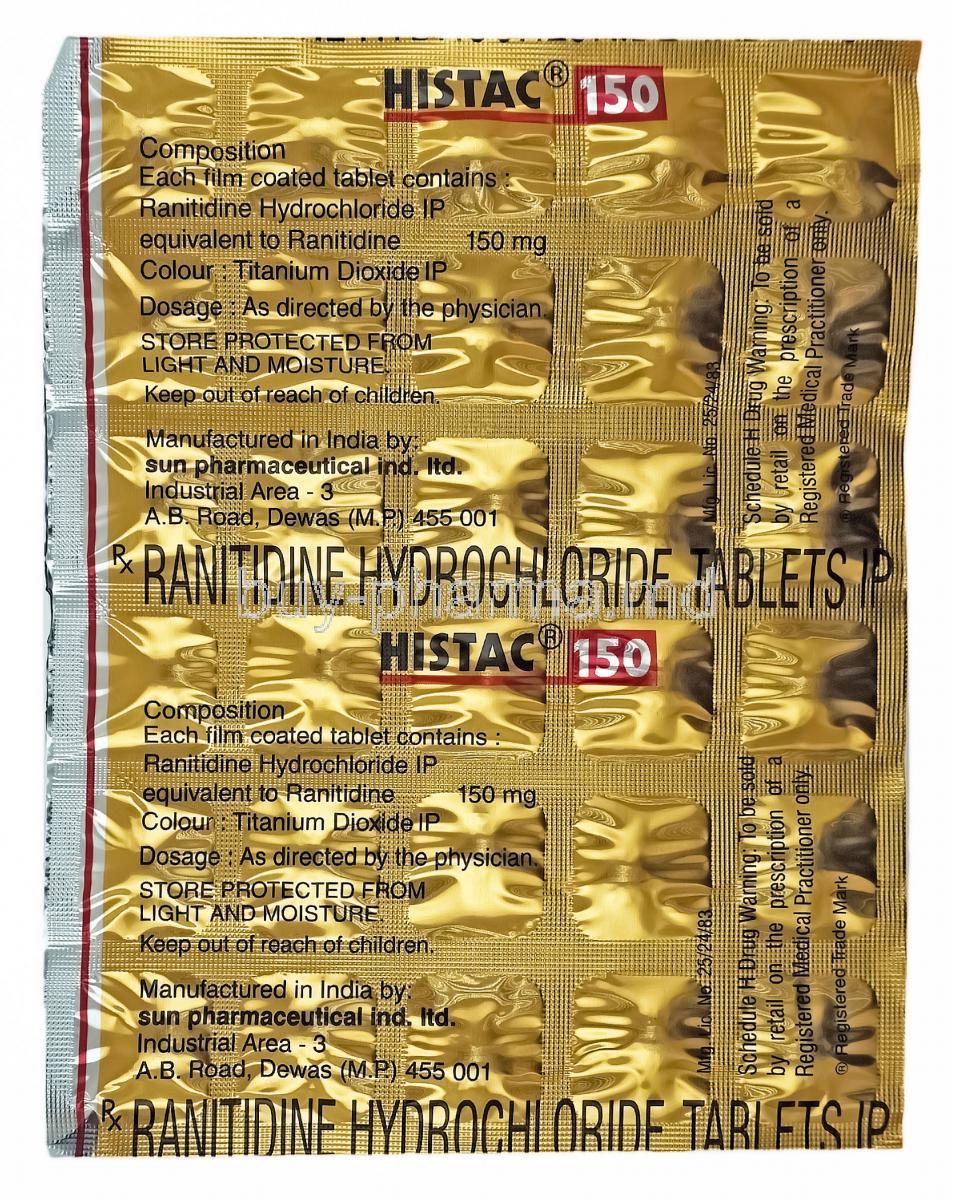

1. Introduction to Histac (Ranitidine)
1.1 Overview of Histac and Its Therapeutic Classification
Histac is a pharmaceutical preparation containing ranitidine, a medication belonging to the class of drugs known as histamine H2-receptor antagonists. These agents are designed to diminish gastric acid production within the stomach, thereby alleviating symptoms associated with acid-related gastrointestinal disorders.
Histac has been widely used in clinical practice to address conditions caused by excessive gastric acid secretion. Its therapeutic objective is straightforward yet essential: to reduce acid exposure within the digestive tract and facilitate mucosal healing.
Histac is commonly utilized for:
- Acid reflux and heartburn
- Peptic ulcer disease
- Gastroesophageal reflux disease (GERD)
- Acid-related stomach irritation
1.2 Active Ingredient: Ranitidine and Its Role in Acid Suppression
The principal active compound in Histac is ranitidine hydrochloride. Ranitidine operates by selectively blocking histamine H2 receptors located on gastric parietal cells. These receptors normally stimulate the production of hydrochloric acid in response to histamine release.
By inhibiting this receptor pathway, ranitidine reduces both basal and stimulated acid secretion. This suppression of gastric acidity contributes to:
- Relief from burning sensations in the chest and stomach
- Healing of ulcerated gastric tissue
- Protection of the esophageal lining from acid exposure
1.3 Historical Background and Clinical Development of Ranitidine
Ranitidine was developed during the late twentieth century as an improvement upon earlier H2-receptor antagonists. Researchers sought a medication capable of effectively reducing stomach acid while producing fewer side effects and offering enhanced potency.
The drug quickly gained prominence worldwide due to its reliability in managing acid-related disorders. For many years it was considered a cornerstone treatment in gastroenterology. Its pharmacological efficiency and predictable therapeutic response made it widely prescribed in both hospital and outpatient environments.
1.4 Importance of Histamine H2-Receptor Antagonists in Gastrointestinal Therapy
Histamine H2-receptor antagonists play a pivotal role in modern gastrointestinal medicine. Excess gastric acid contributes to numerous digestive conditions that cause discomfort, inflammation, and tissue damage.
By targeting the histamine-mediated acid secretion pathway, drugs such as ranitidine help restore equilibrium within the digestive tract. Their clinical benefits include:
- Reduction of acid-related mucosal injury
- Promotion of ulcer healing
- Improved patient comfort and quality of life
- Prevention of recurrent ulcer formation
1.5 Conditions Commonly Treated With Histac
Histac is frequently prescribed to manage a variety of disorders associated with excessive stomach acid production. These conditions range from mild digestive discomfort to more serious ulcerative diseases.
Typical indications include:
- Gastroesophageal reflux disease (GERD)
- Duodenal ulcers
- Gastric ulcers
- Acid indigestion
- Chronic heartburn
- Hypersecretory gastric conditions
2. Composition and Pharmaceutical Formulation
2.1 Active Ingredient: Ranitidine Hydrochloride
The primary pharmacologically active component of Histac is ranitidine hydrochloride. This compound is specifically formulated to deliver acid-suppressive activity after oral or injectable administration.
Once absorbed into the bloodstream, ranitidine reaches gastric parietal cells and inhibits the histamine H2 receptors responsible for stimulating acid secretion. The molecular structure allows the drug to selectively block these receptors without significantly affecting other physiological processes.
2.2 Available Dosage Forms (Tablets, Injections, Syrups)
Histac may be manufactured in several pharmaceutical formulations to accommodate different patient needs and clinical scenarios.
- Oral tablets for routine outpatient therapy
- Liquid syrup formulations for pediatric or swallowing-impaired patients
- Injectable preparations for hospital-based treatment
Each formulation is designed to deliver consistent therapeutic concentrations of ranitidine while maintaining stability and ease of administration.
2.3 Strength Variations and Typical Formulations
Histac is generally produced in multiple dosage strengths to allow individualized therapy. The precise dosage may vary depending on the specific condition being treated and the patient’s medical profile.
Common strengths may include:
- 75 mg tablets
- 150 mg tablets
- 300 mg tablets
Adjustments are often made based on symptom severity, treatment duration, and patient tolerance.
2.4 Inactive Ingredients and Excipients
In addition to the active compound, Histac formulations contain several inactive ingredients known as excipients. These substances serve functional roles in the manufacturing process and contribute to tablet stability, dissolution, and absorption.
Typical excipients may include:
- Binders to maintain tablet structure
- Disintegrants to promote dissolution in the digestive tract
- Stabilizers that preserve the chemical integrity of the medication
- Coating agents to improve swallowability
2.5 Packaging and Product Stability Considerations
Histac is commonly packaged in blister packs or sealed containers designed to protect the medication from environmental degradation. Pharmaceutical packaging ensures protection against:
- Moisture exposure
- Light degradation
- Contamination
Maintaining the integrity of the packaging is essential for preserving the potency and safety of the medication throughout its shelf life.
Famotidine vs ranitidine
Famotidine is roughly 8 times more potent, providing superior, longer-lasting acid control, often at lower doses. Both effectively treat heartburn and ulcers, but Famotidine has a better safety profile with fewer drug interactions.
Ranitidine vs omeprazole
Omeprazole (a proton pump inhibitor) is generally more effective than ranitidine (an H2-receptor antagonist) for treating GERD, ulcers, and severe heartburn, offering faster, longer-lasting, and more complete symptom relief and healing. Ranitidine was recalled in 2020 due to potential NDMA contamination.
3. Ranitidine Mechanism of Action
3.1 Histamine H2-Receptor Blockade in Gastric Parietal Cells
Histac exerts its therapeutic effect by selectively inhibiting histamine H2 receptors located on gastric parietal cells. These specialized cells are responsible for producing hydrochloric acid within the stomach.
When histamine binds to H2 receptors, it stimulates acid secretion. Ranitidine competitively blocks this receptor interaction, thereby attenuating acid production.
3.2 Reduction of Basal and Stimulated Gastric Acid Secretion
The suppression of histamine activity leads to a significant reduction in both basal and stimulated gastric acid secretion. This includes acid production triggered by:
- Food intake
- Hormonal stimulation
- Neural signals
The result is a decrease in gastric acidity, allowing irritated mucosal tissues to recover.
3.3 Effects on Gastric Volume and Hydrogen Ion Concentration
Ranitidine also decreases the volume and acidity of gastric secretions. By lowering hydrogen ion concentration, the medication reduces the corrosive potential of gastric contents.
This mechanism is particularly beneficial in patients experiencing reflux, as less acidic material refluxing into the esophagus causes reduced irritation.
3.4 Impact on Pepsin Secretion and Gastric Mucosal Protection
In addition to suppressing hydrochloric acid production, ranitidine indirectly decreases pepsin activity. Pepsin is a digestive enzyme that becomes highly active in acidic environments and can contribute to mucosal injury.
By reducing acidity, Histac helps diminish pepsin activity and promotes mucosal healing within the gastrointestinal tract.
3.5 Pharmacological Differences Between H2 Blockers and Proton Pump Inhibitors
Although both H2 blockers and proton pump inhibitors (PPIs) reduce gastric acid production, their mechanisms differ significantly.
- H2 blockers inhibit histamine-mediated acid secretion
- PPIs block the final step of acid production within parietal cells
H2-receptor antagonists typically act faster but may produce a less profound acid suppression compared to proton pump inhibitors. Nevertheless, they remain valuable therapeutic options for many patients.
4. Approved Medical Uses of Histac (Ranitidine)
4.1 Treatment of Gastroesophageal Reflux Disease (GERD)
GERD is a chronic digestive condition in which stomach acid repeatedly flows back into the esophagus. This reflux can lead to burning sensations, irritation, and inflammation of the esophageal lining.
Histac helps control GERD symptoms by reducing gastric acid secretion, thereby minimizing the acidity of refluxed stomach contents.
4.2 Management of Peptic Ulcer Disease (Gastric and Duodenal Ulcers)
Peptic ulcers are lesions that develop in the stomach or duodenal lining due to excessive acid exposure. Histac aids ulcer healing by lowering gastric acidity and allowing damaged tissues to regenerate.
Patients with ulcer disease may experience relief from symptoms such as:
- Epigastric pain
- Indigestion
- Nausea
- Stomach discomfort
4.3 Prevention of Ulcer Recurrence
Following successful ulcer healing, maintenance therapy with acid-suppressive medications may be recommended to prevent recurrence. Histac can be prescribed in lower doses to reduce acid secretion and maintain mucosal protection.
4.4 Treatment of Zollinger-Ellison Syndrome
Zollinger-Ellison syndrome is a rare disorder characterized by excessive gastrin production, resulting in profound gastric acid hypersecretion. Histac may be utilized to help control acid output in affected patients.
4.5 Management of Erosive Esophagitis
Erosive esophagitis occurs when prolonged acid reflux damages the esophageal lining. Histac reduces acid exposure, enabling healing of inflamed or eroded tissue within the esophagus.
4.6 Relief of Heartburn and Acid Indigestion
Histac is also used to alleviate episodic heartburn and dyspepsia. By diminishing acid secretion, the medication reduces the burning sensation associated with acid irritation.
4.7 Treatment of Hypersecretory Conditions of the Stomach
Certain medical conditions cause excessive gastric acid production. Histac may be prescribed as part of a therapeutic regimen designed to control these hypersecretory states and mitigate gastrointestinal damage.
5. Off-Label and Additional Uses of Ranitidine
5.1 Stress Ulcer Prophylaxis in Hospitalized Patients
Critically ill patients may develop stress-related mucosal damage due to physiological stress, reduced blood flow to the stomach lining, and other factors. Ranitidine has been used in hospital environments to help prevent the development of stress ulcers.
5.2 Prevention of Aspiration Pneumonitis Before Surgery
Prior to surgical procedures requiring anesthesia, acid-suppressive medications may be administered to reduce the acidity of stomach contents. This precaution helps minimize the risk of aspiration pneumonitis if gastric contents enter the respiratory tract.
5.3 Adjunctive Therapy in Allergic Reactions and Urticaria
Ranitidine may occasionally be used as an adjunctive therapy in the management of allergic reactions. In combination with antihistamines targeting H1 receptors, H2 blockers can contribute to improved symptom control in certain cases of urticaria or severe allergic responses.
5.4 Management of Mast Cell Disorders
Mast cell disorders involve excessive histamine release within the body. Because histamine contributes to gastric acid secretion, ranitidine may be used alongside other medications to manage symptoms associated with these conditions.
5.5 Treatment of Dyspepsia and Non-Ulcer Gastric Irritation
Functional dyspepsia is characterized by upper abdominal discomfort without an identifiable structural cause. Acid suppression therapy may provide symptomatic relief for some patients experiencing chronic indigestion or gastric irritation.
5.6 Acid Suppression in Patients Receiving NSAID Therapy
Nonsteroidal anti-inflammatory drugs (NSAIDs) can irritate the stomach lining and increase the risk of ulcer formation. Acid-reducing medications like ranitidine may be used to help protect the gastric mucosa during prolonged NSAID therapy.
6. Dosage and Administration Guidelines
6.1 Ranitidine Dosage
The dosage of Histac varies according to the medical condition being treated. For many acid-related disorders, typical adult regimens involve one or two doses daily. Physicians determine the most appropriate dosage based on symptom severity and treatment objectives.
6.2 Dosage Adjustments Based on Disease Severity
Patients with severe acid hypersecretion or complicated gastrointestinal disease may require adjusted dosing strategies. In certain cases, higher doses or more frequent administration may be necessary under medical supervision.
6.3 Administration Timing Relative to Meals
Histac can be taken with or without food. However, some patients may find improved symptom control when the medication is taken at specific times of the day, particularly before bedtime when nighttime acid secretion often increases.
6.4 Duration of Therapy for Various Gastrointestinal Conditions
The length of treatment depends on the underlying condition. Short-term therapy may be sufficient for mild reflux symptoms, while ulcer healing or chronic acid disorders may require longer therapeutic courses.
6.5 Dosage Adjustments in Renal Impairment
Because ranitidine is partially eliminated through the kidneys, patients with impaired renal function may require dosage modifications. Medical professionals often adjust dosing intervals to prevent accumulation of the drug in the body.
6.6 Injectable Administration in Clinical Settings
In hospital environments, ranitidine may be administered intravenously or intramuscularly when oral therapy is not feasible. Injectable formulations allow rapid delivery of the medication in acute medical situations.
7. Proper Method of Administration
7.1 Oral Tablet Administration Guidelines
Oral tablets should be swallowed with a sufficient amount of water. Crushing or chewing tablets is generally avoided unless specifically recommended by a healthcare provider.
7.2 Use of Liquid Formulations and Oral Solutions
Liquid preparations are commonly used for pediatric patients or individuals who have difficulty swallowing solid tablets. Accurate dosing using a calibrated measuring device is important for ensuring therapeutic effectiveness.
7.3 Intravenous or Intramuscular Administration Procedures
Injectable ranitidine is administered by trained healthcare professionals in medical facilities. These routes allow direct entry into the systemic circulation, providing prompt acid suppression when required.
7.4 Importance of Adhering to Prescribed Treatment Schedules
Consistent adherence to the prescribed dosing schedule is essential for achieving optimal therapeutic results. Irregular use may reduce treatment effectiveness and delay symptom resolution.
8. Ranitidine Side Effects
8.1 Headache and Mild Neurological Symptoms
Headache is among the most frequently reported side effects associated with ranitidine therapy. These symptoms are generally mild and transient, often resolving without the need for medical intervention.
8.2 Gastrointestinal Disturbances (Constipation or Diarrhea)
Some individuals may experience digestive disturbances during treatment. These effects can include constipation, diarrhea, or mild abdominal discomfort.
8.3 Nausea and Abdominal Discomfort
Occasionally, patients may report nausea or a sensation of gastric fullness. These symptoms are usually temporary and diminish as the body adjusts to the medication.
8.4 Fatigue or Dizziness
A small number of patients may experience fatigue, dizziness, or mild weakness. Monitoring symptoms and consulting a healthcare professional if they persist is advisable.
9. Serious and Less Common Side Effects
9.1 Allergic Reactions and Hypersensitivity
Although uncommon, hypersensitivity reactions may occur. Symptoms can include rash, itching, swelling, or difficulty breathing, requiring immediate medical attention.
9.2 Liver Enzyme Elevation and Hepatic Dysfunction
Rare cases of liver enzyme elevation have been reported during ranitidine therapy. Monitoring may be recommended in patients with preexisting liver conditions.
9.3 Blood Disorders (Leukopenia, Thrombocytopenia)
In rare circumstances, ranitidine has been associated with alterations in blood cell counts. These hematological abnormalities are infrequent but should be evaluated if symptoms such as unusual bruising or infection occur.
9.4 Cardiovascular Effects Such as Bradycardia or Arrhythmia
Very rare cardiovascular reactions, including slow heart rate or irregular cardiac rhythm, have been observed, particularly with intravenous administration.
9.5 Central Nervous System Effects in Vulnerable Patients
Elderly patients or individuals with severe illness may occasionally experience confusion, agitation, or altered mental status during treatment with ranitidine.
10. Ranitidine Interactions
10.1 Interaction With Antacids and Other Acid-Reducing Medications
Histac (ranitidine) may interact with other medications that influence gastric acidity. Antacids and additional acid-reducing agents can alter the pharmacodynamic environment within the stomach, potentially affecting the absorption profile of ranitidine.
When taken simultaneously, antacids may reduce the absorption of ranitidine or modify its onset of action. For this reason, healthcare professionals often recommend spacing administration times between medications.
- Antacids containing aluminum or magnesium may alter drug absorption
- Concurrent use with other H2-receptor antagonists is generally unnecessary
- Combination therapy with proton pump inhibitors may require medical supervision
Careful timing of doses can help preserve therapeutic efficacy and minimize unwanted interactions.
10.2 Interaction With Drugs Dependent on Gastric pH for Absorption
Certain medications rely on the acidic environment of the stomach to dissolve and become bioavailable. By reducing gastric acidity, ranitidine may influence the absorption of drugs that require a lower pH level.
This interaction can modify the pharmacokinetic behavior of several medications, potentially reducing their therapeutic effectiveness.
- Antifungal agents that require acidic conditions for absorption
- Certain antiviral medications
- Specific anticancer therapies
Patients receiving medications with pH-dependent absorption should consult healthcare providers to ensure appropriate dosing strategies.
10.3 Interaction With Warfarin and Anticoagulants
Ranitidine may interact with anticoagulant medications such as warfarin. Although the interaction is not always clinically significant, alterations in coagulation parameters have been reported in some cases.
Because anticoagulants possess a narrow therapeutic index, careful monitoring is essential. Adjustments may be necessary when these medications are used concurrently.
- Possible changes in prothrombin time
- Need for periodic blood coagulation monitoring
- Increased vigilance for signs of bleeding
10.4 Interaction With Theophylline and Other Metabolized Drugs
Ranitidine may influence the metabolism of certain drugs processed through hepatic enzymatic pathways. Although the interaction is generally mild compared with earlier H2 blockers, vigilance remains advisable.
Theophylline, a bronchodilator commonly used in respiratory disorders, may exhibit altered serum concentrations when administered with ranitidine in some patients.
Clinical monitoring is recommended when combining ranitidine with medications metabolized through hepatic pathways.
10.5 Interaction With Alcohol and Gastrointestinal Irritants
Alcohol and other gastric irritants may exacerbate gastrointestinal symptoms, potentially counteracting the therapeutic benefits of ranitidine.
Alcohol consumption can:
- Increase gastric irritation
- Delay mucosal healing
- Aggravate acid reflux symptoms
Patients undergoing treatment for acid-related disorders are typically advised to moderate or avoid substances that irritate the gastrointestinal mucosa.
11. Warnings and Safety Considerations
11.1 Masking of Gastric Cancer Symptoms
One important clinical consideration when using ranitidine is the potential masking of symptoms associated with gastric malignancies. Acid suppression may temporarily alleviate pain or discomfort caused by stomach cancer, delaying diagnosis.
Persistent or unexplained gastrointestinal symptoms require thorough medical evaluation before initiating long-term acid suppression therapy.
11.2 Risk of Vitamin B12 Deficiency During Long-Term Use
Long-term suppression of gastric acid may interfere with the absorption of vitamin B12. Gastric acid plays a role in releasing vitamin B12 from dietary proteins, allowing its subsequent absorption in the intestine.
Chronic therapy with acid-suppressive medications may therefore contribute to reduced vitamin B12 levels over extended periods.
- Fatigue or weakness
- Neurological symptoms
- Megaloblastic anemia
Periodic evaluation may be recommended in patients receiving prolonged treatment.
11.3 Risk of Pneumonia in Certain Patients
Reduced gastric acidity may alter microbial defense mechanisms in the digestive tract. Some studies have suggested that acid suppression may increase susceptibility to respiratory infections such as pneumonia in vulnerable populations.
The potential risk appears greater among hospitalized individuals, elderly patients, and those with compromised immune systems.
11.4 Monitoring During Long-Term Acid Suppression Therapy
Patients receiving long-term ranitidine therapy may require periodic clinical evaluation. Monitoring helps ensure therapeutic effectiveness while minimizing the risk of complications.
- Assessment of symptom resolution
- Evaluation of nutritional status
- Monitoring for adverse reactions
Regular medical supervision remains an essential component of responsible treatment.
12. Contraindications
12.1 Known Hypersensitivity to Ranitidine or H2-Receptor Antagonists
Histac should not be administered to individuals with a known hypersensitivity to ranitidine or other histamine H2-receptor antagonists. Allergic reactions may manifest as skin eruptions, swelling, or respiratory distress.
Patients with a documented allergic history should avoid exposure to the medication and consult healthcare professionals for alternative therapies.
12.2 Patients With Acute Porphyria
Ranitidine is contraindicated in individuals diagnosed with acute porphyria, a rare metabolic disorder affecting heme synthesis. Certain medications can precipitate acute porphyric attacks, leading to severe neurological and systemic symptoms.
For patients with this condition, alternative acid-suppressive therapies may be recommended.
12.3 Situations Where Alternative Therapy Is Preferred
In some clinical circumstances, alternative medications may offer superior therapeutic outcomes. These situations may include:
- Severe erosive esophagitis requiring stronger acid suppression
- Conditions better managed with proton pump inhibitors
- Patients with intolerance to H2 receptor antagonists
13. Careful Administration and Important Precautions
13.1 Use in Patients With Renal Impairment
Ranitidine is partially eliminated through renal excretion. Patients with impaired kidney function may experience prolonged drug elimination, potentially increasing systemic exposure.
Dose adjustments are frequently required in individuals with renal insufficiency. Medical supervision ensures appropriate therapeutic levels while minimizing accumulation.
13.2 Use in Patients With Hepatic Dysfunction
Although ranitidine is primarily cleared through renal pathways, hepatic metabolism also contributes to its elimination. Patients with compromised liver function may require careful monitoring during therapy.
Clinical evaluation may include periodic liver function testing to detect potential abnormalities.
13.3 Monitoring for Gastrointestinal Bleeding
Patients presenting with symptoms suggestive of gastrointestinal bleeding should undergo appropriate diagnostic evaluation. Acid-suppressive therapy alone may not address the underlying cause.
Warning signs may include:
- Black or tarry stools
- Persistent vomiting
- Unexplained anemia
13.4 Considerations for Long-Term Therapy
Extended use of acid-reducing medications should be periodically reassessed. Long-term therapy may be necessary for certain chronic conditions; however, treatment plans should be regularly reviewed.
Medical professionals evaluate both therapeutic benefits and potential risks when determining the appropriate duration of treatment.
13.5 Avoiding Self-Medication for Persistent Symptoms
Persistent digestive symptoms should not be managed solely through self-medication. Chronic heartburn or abdominal discomfort may indicate underlying pathology requiring professional evaluation.
Consultation with a qualified healthcare provider ensures accurate diagnosis and appropriate treatment.
14. Administration in Special Populations
14.1 Administration to Elderly Patients
Elderly individuals may exhibit increased sensitivity to certain medications, including ranitidine. Age-related physiological changes can influence drug metabolism and elimination.
Increased Sensitivity to Central Nervous System Effects
Older adults may occasionally experience neurological symptoms such as confusion or agitation during treatment. Careful observation and dose adjustments may help reduce these effects.
Monitoring Renal Function
Renal function tends to decline with age. Since ranitidine elimination relies partly on renal clearance, periodic monitoring may be advisable in elderly patients.
14.2 Administration to Pregnant Women and Nursing Mothers
Placental Transfer and Fetal Exposure
Ranitidine is capable of crossing the placental barrier. Consequently, fetal exposure may occur when the medication is administered during pregnancy.
Safety Considerations During Pregnancy
The decision to use ranitidine during pregnancy typically involves a careful assessment of potential benefits and risks. Medical professionals consider the severity of maternal symptoms and available treatment alternatives.
Presence of Ranitidine in Breast Milk
Ranitidine has been detected in breast milk. Nursing mothers should consult healthcare professionals before initiating therapy to determine whether treatment is appropriate.
14.3 Administration to Children and Pediatric Patients
Pediatric Dosage Recommendations
Pediatric dosing is usually calculated according to body weight. Physicians determine the most appropriate dosage regimen based on the child’s age, weight, and clinical condition.
Safety and Effectiveness in Infants and Children
Clinical studies have evaluated the use of ranitidine in pediatric populations. While the medication may be used in children under medical supervision, appropriate dosing and monitoring remain essential.
Clinical Monitoring in Pediatric Use
Children receiving ranitidine therapy should undergo regular clinical assessment to ensure both safety and effectiveness. Monitoring helps detect potential adverse reactions and evaluate treatment progress.
15. Overdosage and Emergency Management
15.1 Symptoms of Ranitidine Overdose
Although serious toxicity from ranitidine overdose is uncommon, excessive ingestion may produce several symptoms. These may include:
- Dizziness or confusion
- Nausea and vomiting
- Abnormal heart rhythms
15.2 Immediate Medical Management and Supportive Care
Treatment of overdose generally involves supportive care and symptomatic management. Healthcare professionals evaluate vital signs and ensure stabilization of the patient.
15.3 Role of Gastric Decontamination
In certain cases, medical personnel may consider gastrointestinal decontamination procedures. Activated charcoal or other interventions may be used depending on the timing and severity of ingestion.
15.4 Monitoring Cardiovascular and Neurological Status
Continuous monitoring of cardiovascular and neurological function may be necessary in significant overdose cases. Prompt intervention helps prevent complications.
16. Storage and Stability Guidelines
16.1 Recommended Storage Temperature
Histac should be stored at controlled room temperature unless otherwise specified on the product label. Maintaining appropriate temperature conditions helps preserve drug stability.
16.2 Protection From Moisture and Light
Exposure to excessive moisture or light may degrade pharmaceutical compounds. Packaging materials are designed to shield the medication from environmental factors that could compromise potency.
16.3 Storage of Injectable Formulations
Injectable ranitidine preparations may require specific storage conditions. Medical facilities follow strict guidelines to ensure sterility and chemical stability.
16.4 Shelf Life and Expiration Considerations
All pharmaceutical products carry expiration dates indicating the period during which the medication retains full potency and safety. Medications should not be used beyond the stated expiration date.
17. Handling Precautions and Patient Safety Guidance
17.1 Safe Handling of Tablets and Liquid Preparations
Patients should handle medications carefully to prevent contamination or accidental misuse. Tablets should remain in their original packaging until use, and liquid preparations should be measured accurately.
17.2 Proper Disposal of Unused Medication
Unused or expired medication should be disposed of responsibly. Local pharmaceutical disposal programs or medical guidance may provide instructions for safe disposal practices.
17.3 Preventing Accidental Ingestion by Children
All medications should be stored out of reach of children. Child-resistant packaging offers an additional layer of protection, but vigilant storage practices remain essential.
17.4 Importance of Following Medical Advice and Package Instructions
Adherence to professional medical advice and product labeling ensures safe and effective treatment. Patients should carefully review package instructions and consult healthcare providers if questions arise.
Histac, Ranitidine FAQ
- What is Histac, Ranitidine used for?
- Is ranitidine back on the market?
- What is ranitidine used for?
- How ranitidine works?
- Why take ranitidine at night?
- Is ranitidine safe?
- Which is safer, ranitidine or omeprazole?
- How does ranitidine work?
- Is famotidine safer than ranitidine?
- What kind of cancer does ranitidine cause?
- How much ranitidine is safe to take?
What is Histac, Ranitidine used for?
It is used to treat and prevent stomach ulcers, gastroesophageal reflux disease (GERD), and other acidity-related disorders.
Is ranitidine back on the market?
A new version of ranitidine, which used to be called Zantac, is coming back to the US market. This happened after the FDA said it was okay in November 2025.
What is ranitidine used for?
. It treats gastroesophageal reflux disease (GERD), heartburn, sour stomach, peptic ulcers, and conditions with excess stomach acid like Zollinger-Ellison syndrome. It also helps heal erosive esophagitis.
How ranitidine works?
Ranitidine reduces stomach acid production by reversibly binding to receptors on gastric parietal cells. By blocking histamine from stimulating these receptors, it decreases acid secretion, treating conditions like heartburn, GERD, and ulcers
Why take ranitidine at night?
Ranitidine helps control nocturnal gastric secretion.
Is ranitidine safe?
Yes
Which is safer, ranitidine or omeprazole?
How does ranitidine work?
Ranitidine works as a histamine receptor antagonist, reducing stomach acid production by reversibly binding to receptors on gastric parietal cells. By blocking histamine from stimulating these receptors, it decreases acid secretion, treating conditions like heartburn, GERD, and ulcers.
Is famotidine safer than ranitidine?
Yes
What kind of cancer does ranitidine cause?
- Stomach cancer
- Liver Cancer
- Colon cancer
- Pancreatic cancer
How much ranitidine is safe to take?
Up to 300mg per day
Popular Products

Similar Product