1. Introduction
1.1 Overview of Oxcarb (Oxcarbazepine)
Oxcarb, known generically as Oxcarbazepine, is an anticonvulsant and mood-stabilizing medication primarily used to control seizures in patients with epilepsy. It functions as a voltage-gated sodium channel blocker, effectively reducing abnormal electrical activity in the brain. Oxcarbazepine belongs to a newer generation of antiepileptic drugs that offer improved tolerability and fewer interactions compared to older agents.
1.2 Historical Background and Development
Developed as a derivative of Carbamazepine in the late 20th century, Oxcarbazepine was introduced to address the limitations of its predecessor—namely hepatic enzyme induction and dermatologic reactions. Since its clinical approval in the 1990s, Oxcarbazepine has become a cornerstone in epilepsy management across multiple age groups. It continues to be investigated for various neuropsychiatric and neuropathic conditions.
1.3 Therapeutic Classification and Pharmacological Group
Oxcarbazepine belongs to the dibenzoazepine class of anticonvulsants. It acts primarily as a voltage-gated sodium channel inhibitor, modulating neuronal excitability. Therapeutically, it is classified as an antiepileptic and mood stabilizer, frequently prescribed in neurology and psychiatry.
1.4 Key Differences between Oxcarbazepine and Carbamazepine
- Metabolism: Oxcarbazepine is converted to its active metabolite (MHD) without producing toxic epoxide intermediates.
- Drug Interactions: Fewer enzyme induction effects and less hepatic burden.
- Safety: Lower risk of rash, liver enzyme elevation, and hematologic toxicity.
- Tolerability: Better suited for long-term therapy and polypharmacy cases.
2. Composition and Formulation
2.1 Active Ingredient: Oxcarbazepine
The active compound is 10,11-dihydro-10-oxo-carbamazepine, a structural analog of Carbamazepine designed to maintain antiepileptic efficacy while minimizing adverse reactions.
2.2 Available Strengths and Dosage Forms
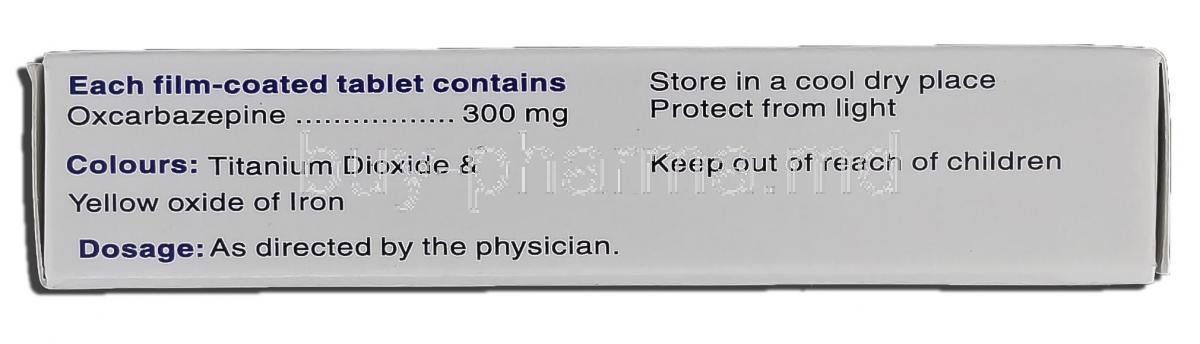
- Tablets: 150 mg, 300 mg, and 600 mg
- Oral suspension: typically 60 mg/mL concentration
- Extended-release formulations: for once-daily administration
2.3 Inactive Ingredients and Excipients
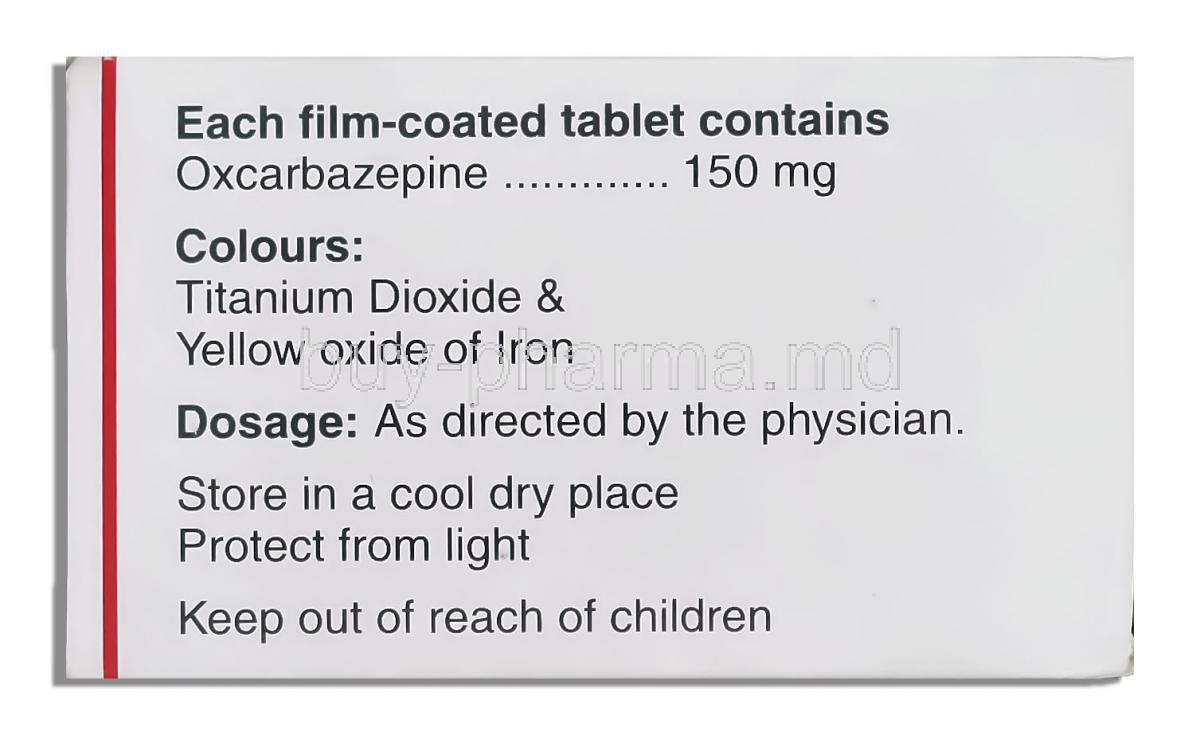
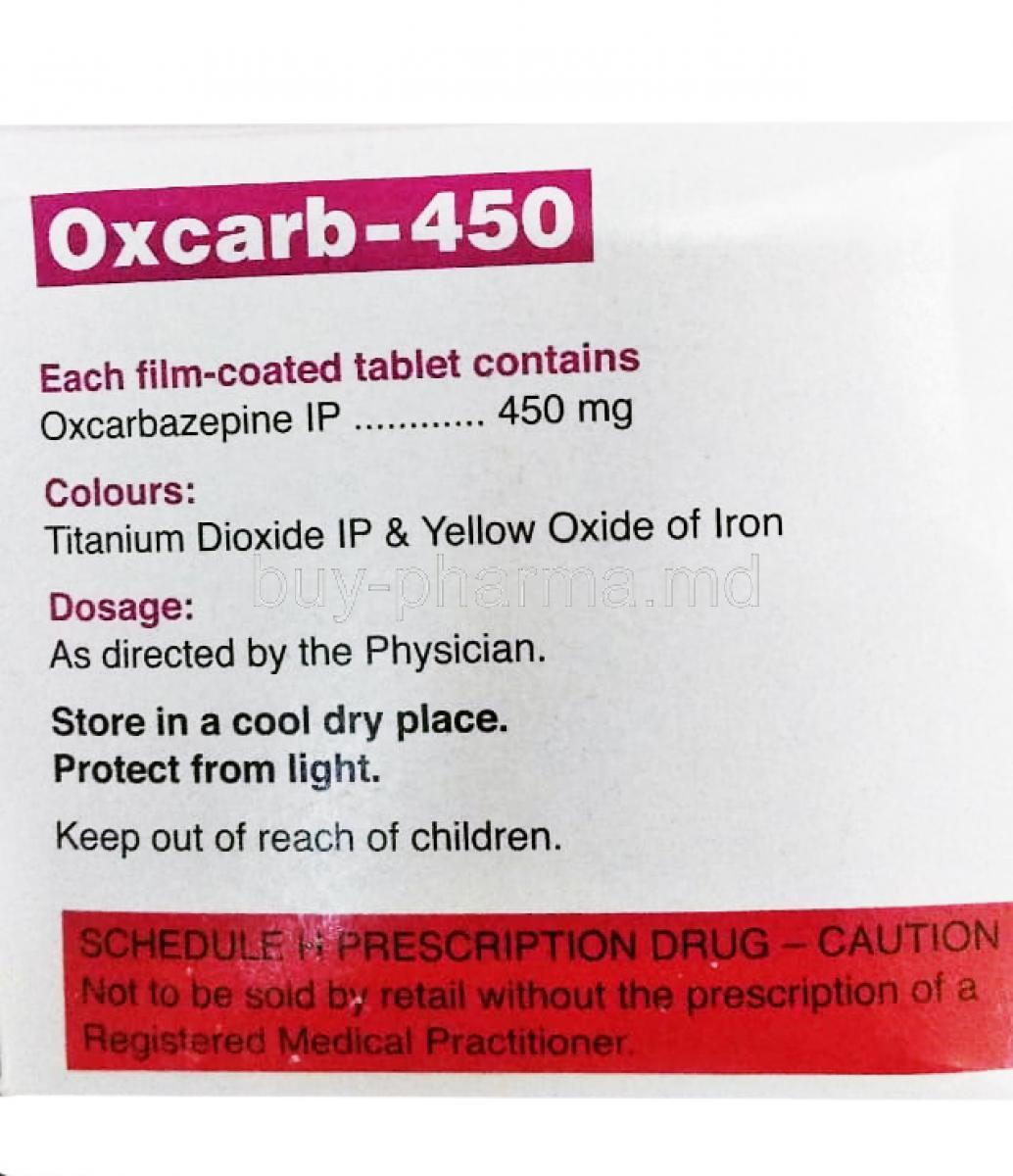
Common excipients include cellulose compounds, magnesium stearate, povidone, and sodium starch glycolate, which assist in tablet stability and disintegration. The suspension form contains flavoring agents and stabilizers for pediatric use.
2.4 Manufacturer and Brand Variations
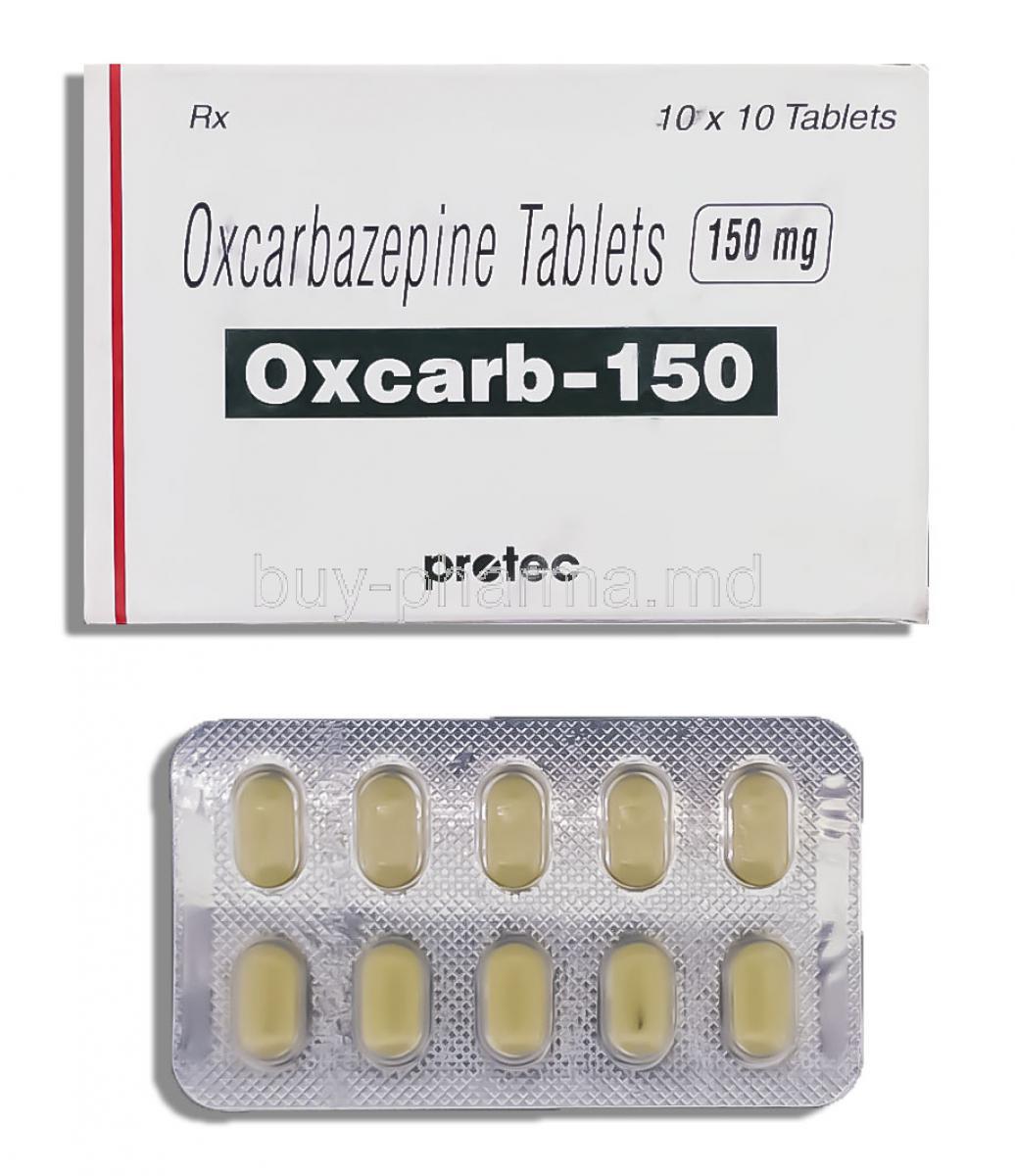
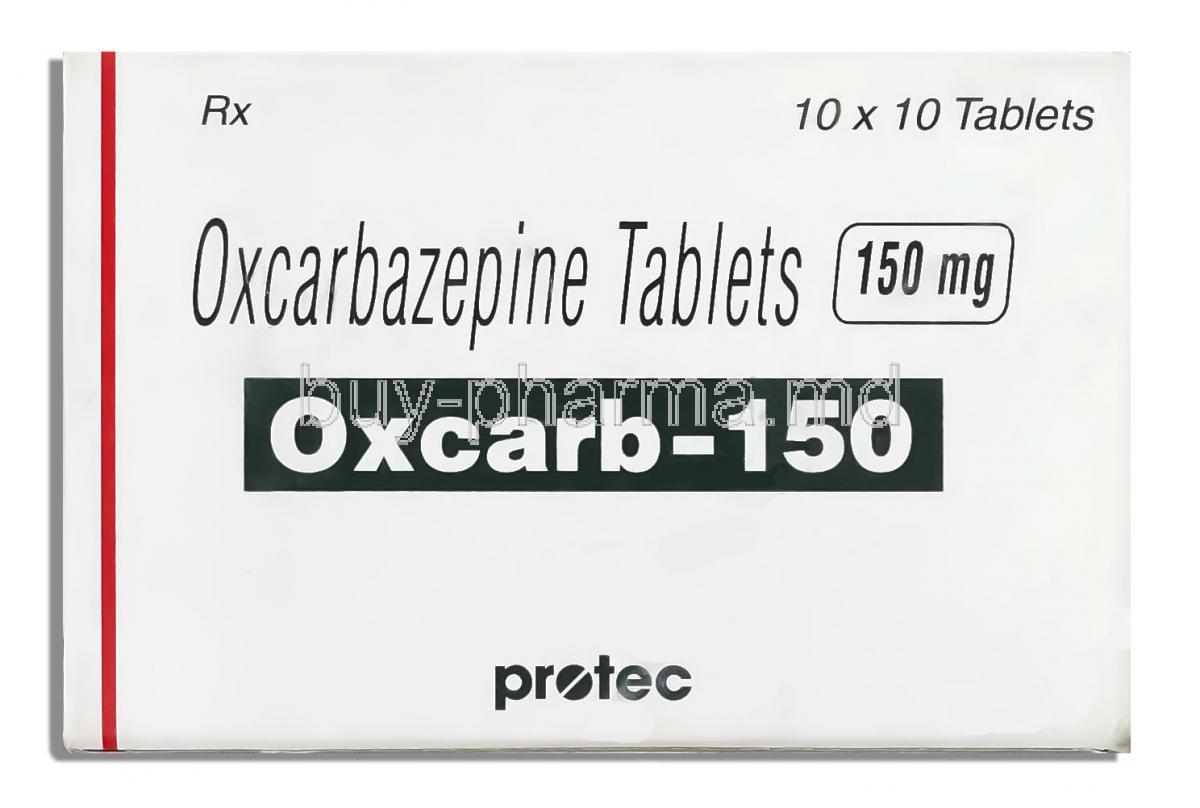
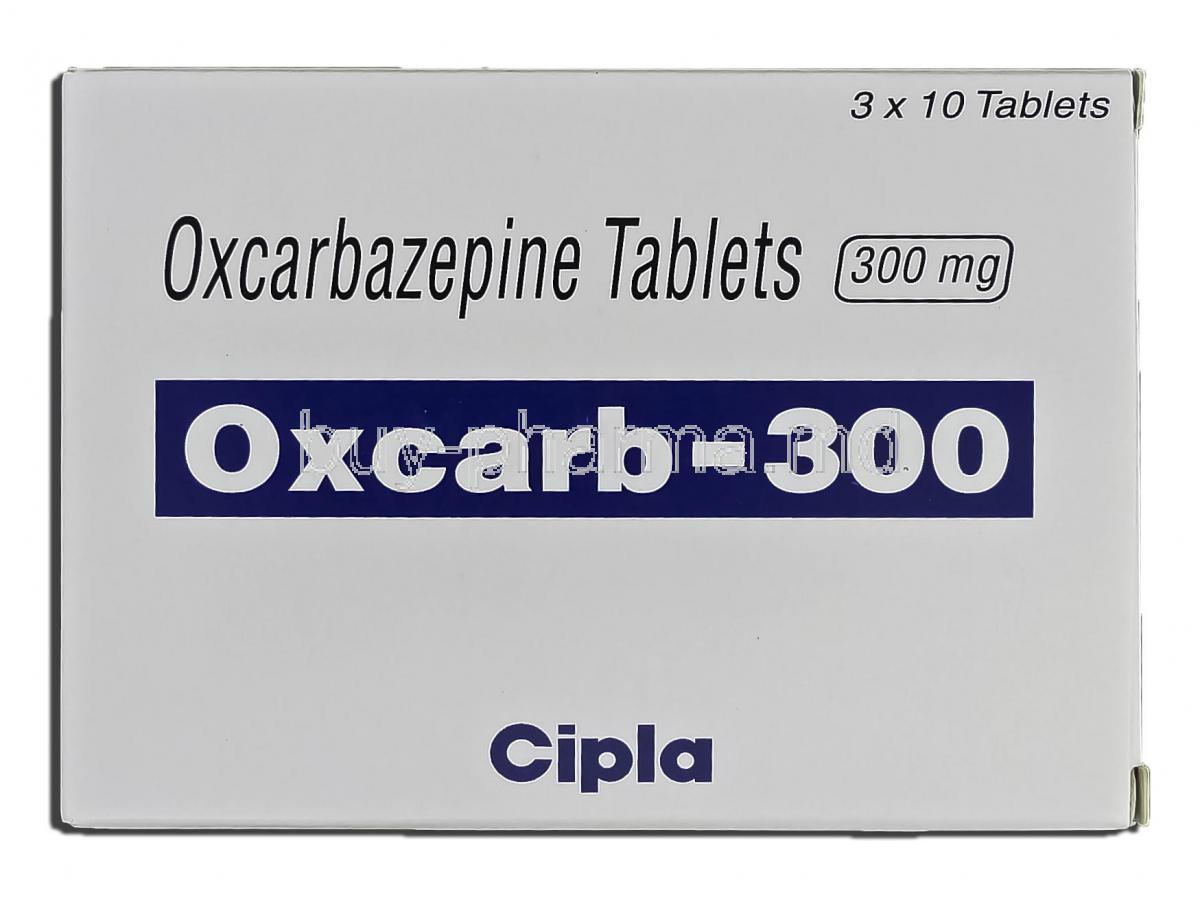
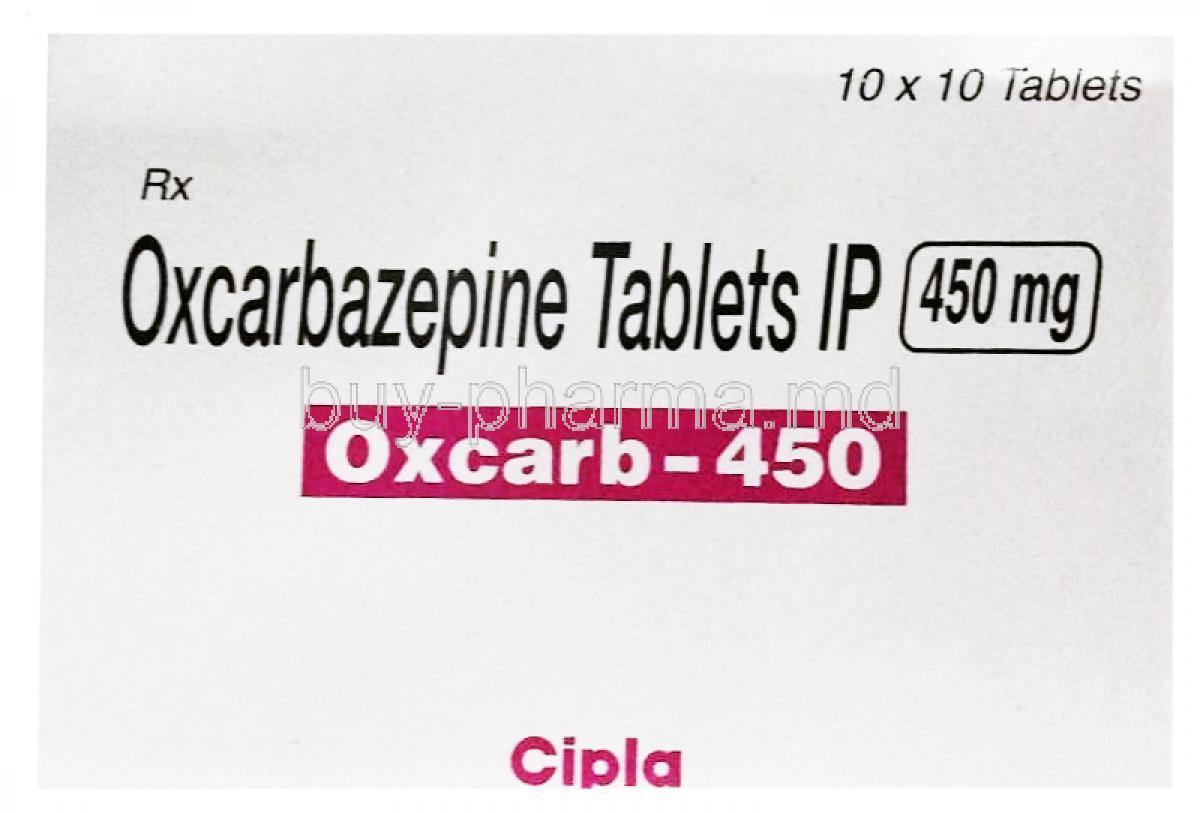
Oxcarbazepine is marketed globally under brand names such as Trileptal and Oxcarb. Generic formulations are widely available, maintaining equivalent therapeutic efficacy and bioavailability.
3. Mechanism of Action – How Oxcarbazepine Works
3.1 Modulation of Voltage-Gated Sodium Channels
Oxcarbazepine stabilizes hyperexcited neuronal membranes by selectively inhibiting voltage-gated sodium channels. This reduces repetitive neuronal firing and propagation of abnormal electrical discharges associated with seizures.
3.2 Reduction of Neuronal Hyperexcitability
By diminishing excessive neuronal activity, Oxcarbazepine prevents seizure spread and contributes to improved neuroelectrical stability. This mechanism is fundamental in partial and generalized seizure control.
3.3 Influence on Neurotransmitter Systems
Oxcarbazepine indirectly modulates neurotransmitters such as GABA and glutamate, contributing to mood stabilization and neuroprotection. These effects underlie its off-label psychiatric applications.
3.4 Pharmacodynamics and Onset of Action
Therapeutic effects emerge within days to weeks of treatment initiation. Steady-state plasma concentrations of its active metabolite (MHD) are typically reached within 2–3 days of consistent dosing.
4. Approved Uses and Indications
4.1 Monotherapy and Adjunctive Therapy for Partial Seizures
Oxcarbazepine is indicated as both monotherapy and adjunctive therapy for partial-onset seizures in adults and children over four years of age.
4.2 Generalized Tonic-Clonic Seizures
It is also prescribed for the management of generalized tonic-clonic seizures, either as first-line therapy or in combination with other antiepileptic drugs.
4.3 Use in Adults and Pediatric Epilepsy
Oxcarbazepine is well-studied across age demographics. Pediatric populations benefit from its oral suspension form, while adults often receive tablet or extended-release formulations.
4.4 Role in Treatment-Resistant Seizure Disorders
For patients unresponsive to conventional antiepileptics, Oxcarbazepine provides an alternative with fewer interactions and superior tolerability, particularly in refractory epilepsy cases.
5. Off-Label Uses and Emerging Applications
5.1 Bipolar Disorder Management
Oxcarbazepine exhibits mood-stabilizing properties, making it useful in managing acute mania and bipolar maintenance, especially in patients intolerant to lithium or valproate.
5.2 Neuropathic Pain and Trigeminal Neuralgia
Due to its sodium channel blockade, it is occasionally used off-label to alleviate neuropathic pain syndromes such as trigeminal neuralgia and diabetic neuropathy.
5.3 Schizoaffective and Mood Stabilization Adjunct
Clinical experience supports adjunctive use in schizoaffective disorders and treatment-resistant depression where mood instability and irritability are predominant.
5.4 Alcohol Withdrawal and Impulse Control Disorders
In some studies, Oxcarbazepine demonstrates efficacy in managing alcohol withdrawal symptoms and behavioral dysregulation linked to impulse control disturbances.
5.5 Clinical Evidence Supporting Off-Label Applications
Clinical trials and case reports continue to expand its therapeutic potential beyond epilepsy, reinforcing its reputation as a versatile neurotropic agent.
6. Dosage and Administration
6.1 Recommended Starting Dose and Titration Schedule
For adults, the initial dose is typically 300 mg twice daily, with gradual titration every few days based on response. Pediatric dosing is adjusted per kilogram of body weight.
6.2 Maintenance Dose and Individualized Adjustment
Maintenance doses usually range from 600–2400 mg/day, divided into two doses. Dose individualization depends on seizure control, side effects, and concurrent medications.
6.3 Conversion from Carbamazepine or Other Antiepileptics
When transitioning from Carbamazepine, Oxcarbazepine is introduced gradually while tapering the previous agent to avoid breakthrough seizures or additive toxicity.
6.4 Administration Guidelines with Food or Without
Oxcarbazepine can be taken with or without food. Adequate hydration is recommended to minimize the risk of hyponatremia.
6.5 Missed Dose Instructions and Duration of Therapy
- If a dose is missed, it should be taken as soon as remembered unless it is close to the next scheduled dose.
- Do not double doses to compensate for missed ones.
- Therapy duration is determined by seizure frequency and clinical evaluation.
7. Pharmacokinetics
7.1 Absorption, Distribution, Metabolism, and Elimination
Oxcarbazepine is rapidly absorbed from the gastrointestinal tract and extensively metabolized to its active form, 10-monohydroxy derivative (MHD). The elimination half-life averages 8–10 hours for MHD, excreted primarily via renal pathways.
7.2 Role of Active Metabolite (MHD)
MHD is responsible for most therapeutic actions, exhibiting stable plasma levels and consistent pharmacologic activity, which contribute to Oxcarbazepine’s efficacy and lower toxicity profile.
7.3 Impact of Hepatic and Renal Impairment
Patients with renal impairment require dosage adjustments due to reduced drug clearance. Hepatic metabolism is minimal; thus, mild hepatic dysfunction has limited impact on pharmacokinetics.
8. Side Effects and Adverse Reactions
8.1 Overview of Tolerability and Safety Profile
Oxcarbazepine is generally well-tolerated, with adverse effects being dose-dependent and reversible upon dosage reduction or discontinuation.
8.2 Neurological Adverse Reactions
Common neurological side effects include dizziness, drowsiness, fatigue, and somnolence. These are often transient and subside with continued therapy.
8.3 Dermatological Reactions
Skin rashes, including maculopapular eruptions or hypersensitivity reactions, may occur in rare cases. Severe reactions such as Stevens-Johnson syndrome are exceedingly uncommon but warrant immediate discontinuation.
8.4 Hematologic and Electrolyte Abnormalities
Oxcarbazepine may induce hyponatremia due to increased antidiuretic hormone activity. Monitoring serum sodium is advised, particularly in elderly patients or those on diuretics.
8.5 Endocrine and Metabolic Effects
Mild alterations in thyroid or sex hormone levels may be observed, although clinical impact is minimal compared to other enzyme-inducing antiepileptics.
8.6 Psychiatric or Behavioral Changes
Occasionally, patients may experience irritability, anxiety, mood fluctuations, or suicidal ideation, necessitating close observation during treatment initiation.
9. Common Side Effects
9.1 Drowsiness and Dizziness
These effects are among the most frequently reported, particularly during dose titration. Patients are advised to avoid operating heavy machinery until acclimatized.
9.2 Headache and Nausea
Transient headaches or gastrointestinal discomfort may occur, often alleviated by food intake or gradual dose escalation.
9.3 Visual Disturbances
Temporary diplopia or blurred vision may result from dose-related central nervous system effects.
9.4 Ataxia and Coordination Issues
Unsteadiness or mild motor incoordination can appear during early therapy but typically diminishes as tolerance develops.
9.5 Gastrointestinal Discomfort
Nausea, dyspepsia, or mild abdominal pain may arise, manageable through divided dosing or concurrent meals.
10. Serious Side Effects and Warnings
10.1 Risk of Severe Dermatologic Reactions (SJS/TEN)
Oxcarbazepine may provoke rare but grave dermatologic conditions such as Stevens–Johnson Syndrome (SJS) and Toxic Epidermal Necrolysis (TEN). These immune-mediated skin reactions typically appear within the initial weeks of therapy. Symptoms include extensive blistering, mucosal ulceration, erythematous rash, and systemic malaise. Immediate discontinuation and emergency medical care are imperative when such manifestations arise. Genetic screening for the HLA-B*1502 allele is recommended in populations of Asian descent to mitigate this risk.
10.2 Hyponatremia and Monitoring Recommendations
Oxcarbazepine can induce hyponatremia, a condition marked by reduced sodium concentration in the bloodstream. This phenomenon arises from the drug’s impact on antidiuretic hormone regulation, leading to water retention and dilutional sodium loss. Clinical manifestations include confusion, nausea, seizures, and severe fatigue. Regular serum sodium assessments are advised, particularly for elderly patients, those on diuretics, or individuals exhibiting neurological symptoms.
10.3 Risk of Suicidal Ideation and Mood Changes
Like many antiepileptic medications, Oxcarbazepine carries an inherent risk of suicidal thoughts or behavioral changes. Patients and caregivers should vigilantly monitor for emerging symptoms of depression, anxiety, or unusual agitation. Prompt intervention and psychiatric evaluation are essential if mood alterations are detected during therapy.
10.4 Cross-Hypersensitivity with Carbamazepine
Due to chemical similarity, individuals with prior hypersensitivity to Carbamazepine may develop allergic reactions to Oxcarbazepine. These can range from mild skin eruptions to life-threatening systemic reactions. Substitution should occur under strict medical supervision, and patients should be educated on recognizing hypersensitivity indicators such as rash or fever.
10.5 Hepatic and Hematologic Dysfunction Risks
Rarely, Oxcarbazepine may affect hepatic enzyme activity or hematologic function. Elevations in liver transaminases or reductions in blood cell counts have been observed. Routine monitoring of hepatic and hematologic parameters ensures early detection and prevents progression to organ impairment.
11. Contraindications
11.1 Known Hypersensitivity to Oxcarbazepine or Related Compounds
Oxcarbazepine is contraindicated in individuals with a known hypersensitivity to the drug or its active metabolites. Allergic responses may involve rash, angioedema, or anaphylaxis.
11.2 History of Severe Dermatologic Reactions
Patients who have experienced severe cutaneous reactions such as SJS or TEN in response to Oxcarbazepine or structurally similar compounds should not be rechallenged with the medication.
11.3 Hepatic Failure or Severe Renal Impairment
Severe hepatic dysfunction or advanced renal disease significantly impairs Oxcarbazepine metabolism and excretion, increasing toxicity risk. Alternative therapies should be considered for such patients.
11.4 Cardiovascular Conduction Abnormalities
Individuals with existing conduction disturbances, such as atrioventricular block, should use Oxcarbazepine cautiously due to its mild sodium channel–blocking effects, which may exacerbate arrhythmic tendencies.
12. Drug Interactions
12.1 Interactions with Other Antiepileptic Drugs
Co-administration with other anticonvulsants such as phenytoin, carbamazepine, or valproate may alter serum concentrations of both agents. Monitoring plasma levels and adjusting dosages can prevent breakthrough seizures or toxicity.
12.2 Effect on Hormonal Contraceptives (Reduced Efficacy)
Oxcarbazepine accelerates the metabolism of estrogen and progesterone in oral contraceptives through enzyme induction, potentially reducing contraceptive effectiveness. Alternative or backup methods of birth control are strongly recommended.
12.3 Alcohol and CNS Depressant Interactions
Concurrent use of alcohol or central nervous system depressants enhances sedation, dizziness, and cognitive impairment. Patients should abstain from or minimize consumption of these substances during therapy.
12.4 Enzyme-Inducing and Inhibiting Interactions (CYP3A4, CYP2C19)
Oxcarbazepine modulates CYP3A4 and CYP2C19 pathways, influencing the metabolism of drugs such as warfarin, cyclosporine, and diazepam. Careful titration and periodic therapeutic drug monitoring are warranted.
12.5 Recommendations for Therapeutic Drug Monitoring
- Assess plasma sodium levels and MHD concentrations in polytherapy regimens.
- Regularly evaluate hepatic and renal function in patients receiving long-term treatment.
- Adjust dosage based on seizure frequency, tolerability, and serum drug exposure.
13. Careful Administration and Important Precautions
13.1 Monitoring Serum Sodium and Renal Function
Frequent laboratory testing ensures early identification of hyponatremia and renal impairment. Persistent low sodium may necessitate dose adjustment or discontinuation.
13.2 Gradual Titration to Minimize Side Effects
Initiating therapy with low doses and progressively increasing intervals reduces the likelihood of dizziness, somnolence, or gastrointestinal upset. This conservative titration approach optimizes tolerability.
13.3 Discontinuation Protocol to Prevent Rebound Seizures
Rapid withdrawal of Oxcarbazepine can precipitate rebound seizures or status epilepticus. A gradual taper over several weeks is the standard discontinuation strategy.
13.4 Precaution in Psychiatric Comorbidities and Suicidal Ideation
Individuals with pre-existing depression or mood instability require careful psychiatric monitoring. Behavioral therapy or adjunct psychotropic medications may be necessary to stabilize mood during treatment.
13.5 Avoiding Abrupt Withdrawal and Managing Transitions
Transitioning between antiepileptic drugs must be supervised medically. Overlapping therapy and dosage adjustment prevent seizure recurrence or pharmacodynamic conflicts.
14. Administration in Special Populations
14.1 Administration to Elderly
- Dose Adjustments: Reduced renal clearance in older adults necessitates lower maintenance doses and cautious titration.
- Monitoring: Frequent serum sodium testing mitigates hyponatremia risk.
- Polypharmacy: Due to multiple comorbid conditions, drug–drug interactions should be anticipated and managed proactively.
14.2 Administration to Pregnant Women and Nursing Mothers
- Pregnancy Category: Oxcarbazepine carries potential teratogenic risks, including craniofacial or neural tube defects, though generally lower than Carbamazepine.
- Seizure Control vs. Fetal Risk: Uncontrolled epilepsy poses maternal and fetal danger; thus, treatment continuation at minimal effective dosage is preferred.
- Breastfeeding: The active metabolite passes into breast milk in small quantities; monitor infants for sedation or feeding difficulties.
14.3 Administration to Children
- Pediatric Dosing: Doses are weight-based, typically starting at 8–10 mg/kg/day, divided into two doses.
- Long-Term Safety: No evidence suggests adverse neurodevelopmental outcomes with appropriate use.
- Behavioral Monitoring: Parents should observe for mood or cognitive fluctuations, particularly during titration phases.
15. Overdosage and Toxicity Management
15.1 Signs and Symptoms of Overdose (Ataxia, Nausea, Somnolence)
Acute overdose can produce ataxia, drowsiness, vomiting, nystagmus, and bradycardia. Severe intoxication may lead to hypotension or respiratory depression.
15.2 Emergency Treatment and Supportive Care
Treatment focuses on symptomatic management and hemodynamic stabilization. Intravenous fluids, airway protection, and continuous ECG monitoring are vital.
15.3 Activated Charcoal and Gastric Lavage Protocols
Activated charcoal may reduce absorption if administered promptly after ingestion. Gastric lavage is reserved for significant ingestion within one hour of exposure.
15.4 Prognosis After Overdose Recovery
With timely intervention, recovery is typically complete. No chronic sequelae have been reported following isolated overdose episodes of Oxcarbazepine.
16. Storage and Handling Precautions
16.1 Recommended Storage Temperature and Conditions
Store Oxcarbazepine at room temperature (15°C–30°C) in a dry location, away from excessive heat and humidity.
16.2 Protection from Moisture and Light
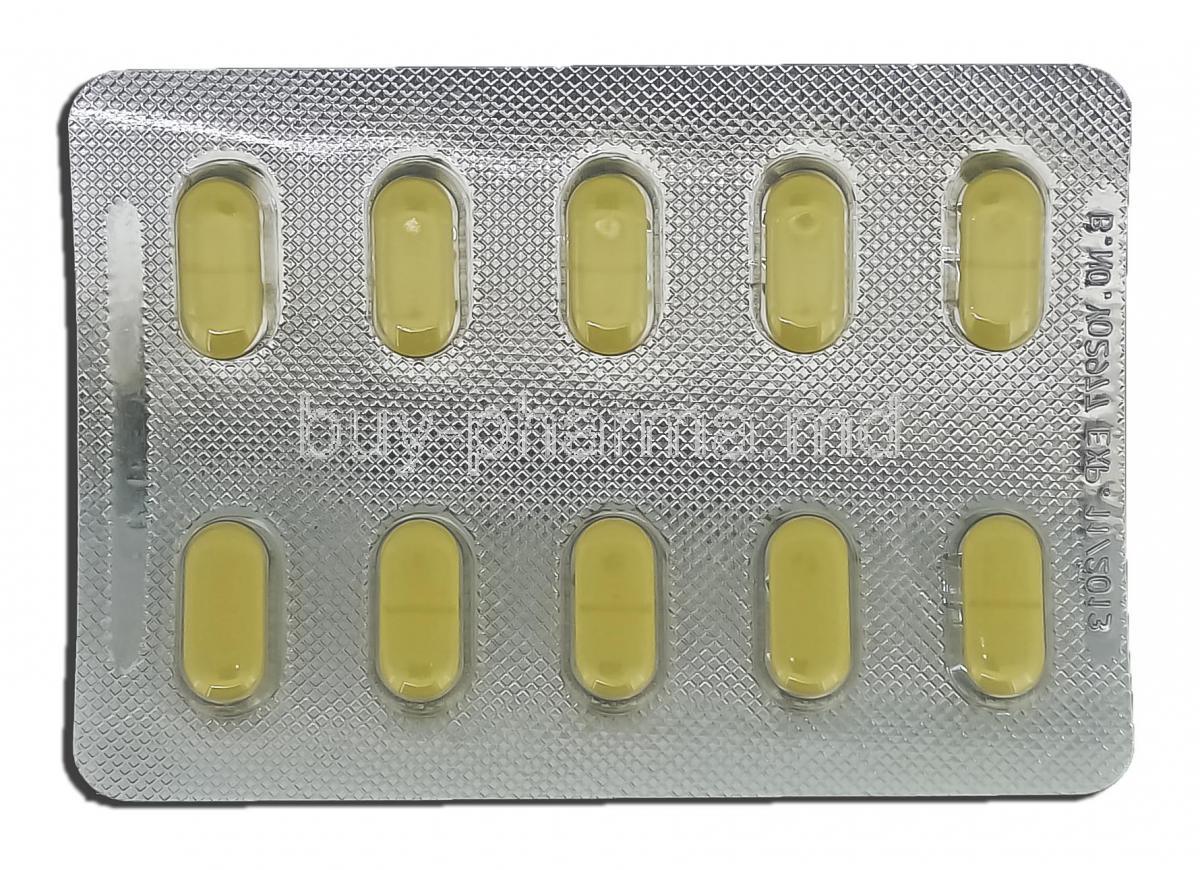
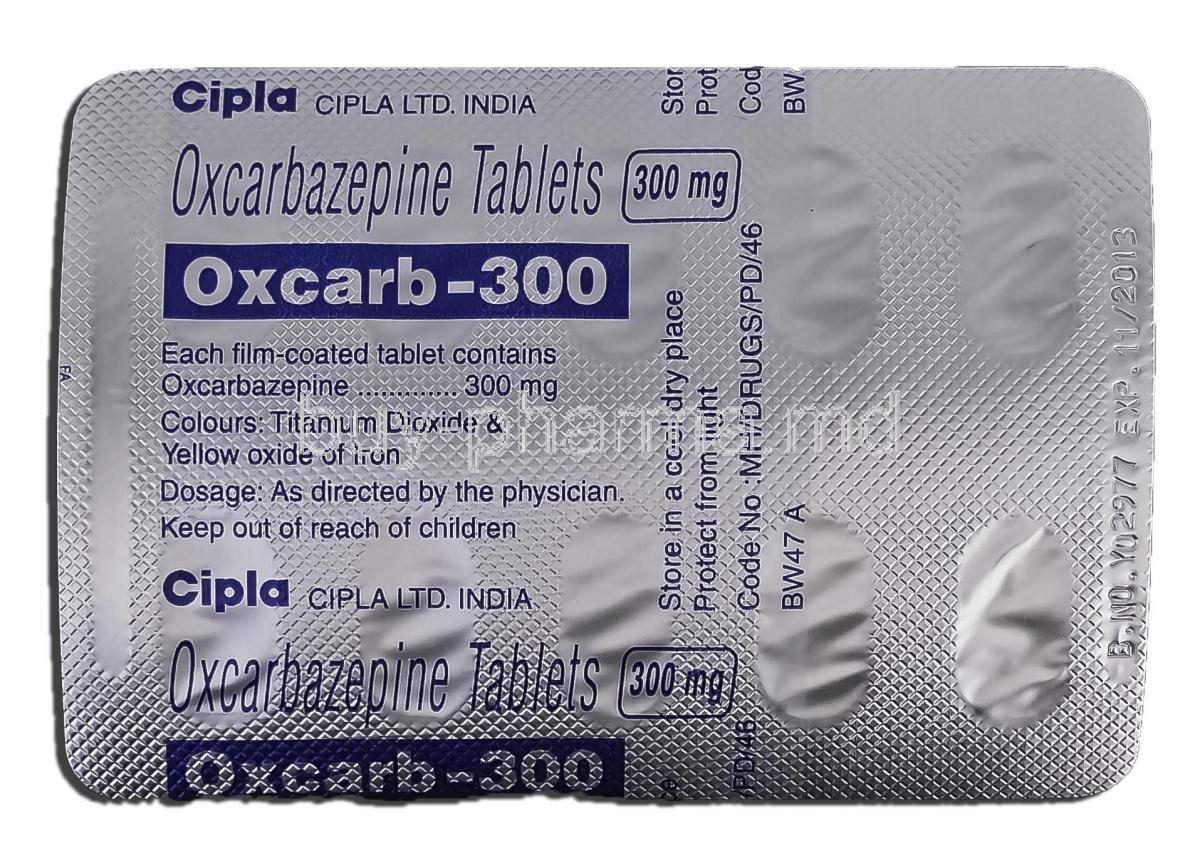
Exposure to moisture or direct sunlight may degrade potency. Tablets should remain sealed in their original blister packs until use.
16.3 Shelf Life and Stability After Opening (Suspension Form)
Oral suspension remains stable for up to 7 weeks after opening. Shake vigorously before each use to ensure uniform dosing.
16.4 Safe Disposal of Expired or Unused Medication
Expired medication should be discarded according to local pharmaceutical waste protocols to prevent environmental contamination.
17. Patient Counseling Information
17.1 Importance of Adherence and Regular Dosing Schedule
Maintaining consistent plasma levels is critical for seizure control. Patients should adhere strictly to prescribed schedules without omission.
17.2 Avoiding Abrupt Discontinuation
Sudden cessation may precipitate rebound seizures. Gradual tapering under supervision is mandatory.
17.3 Recognizing Early Warning Signs of Adverse Effects
- Rash, swelling, or mucosal lesions
- Persistent fatigue or confusion
- Signs of depression or behavioral change
17.4 Precautions While Driving or Operating Machinery
Dizziness and somnolence can impair psychomotor function. Patients should refrain from driving or engaging in hazardous tasks until stable response to therapy is confirmed.
18. Clinical Research and Efficacy Evidence
18.1 Key Clinical Trials and Efficacy Outcomes
Randomized controlled trials have demonstrated Oxcarbazepine’s efficacy in partial and generalized seizures comparable to Carbamazepine, with improved tolerability. Studies report seizure reduction rates exceeding 60% in treatment-naïve patients.
18.2 Comparative Studies versus Carbamazepine
Head-to-head analyses reveal equivalent seizure suppression with fewer dermatologic reactions and reduced hepatic enzyme induction. The lower drug–drug interaction profile enhances its clinical utility.
18.3 Long-Term Safety Evaluations
Longitudinal data confirm Oxcarbazepine’s stability and safety over multi-year therapy. Sustained seizure control and minimal cognitive impairment have reinforced its reputation as a preferred modern antiepileptic agent.
Oxcarb, Oxcarbazepine FAQ
Popular Products

Similar Product