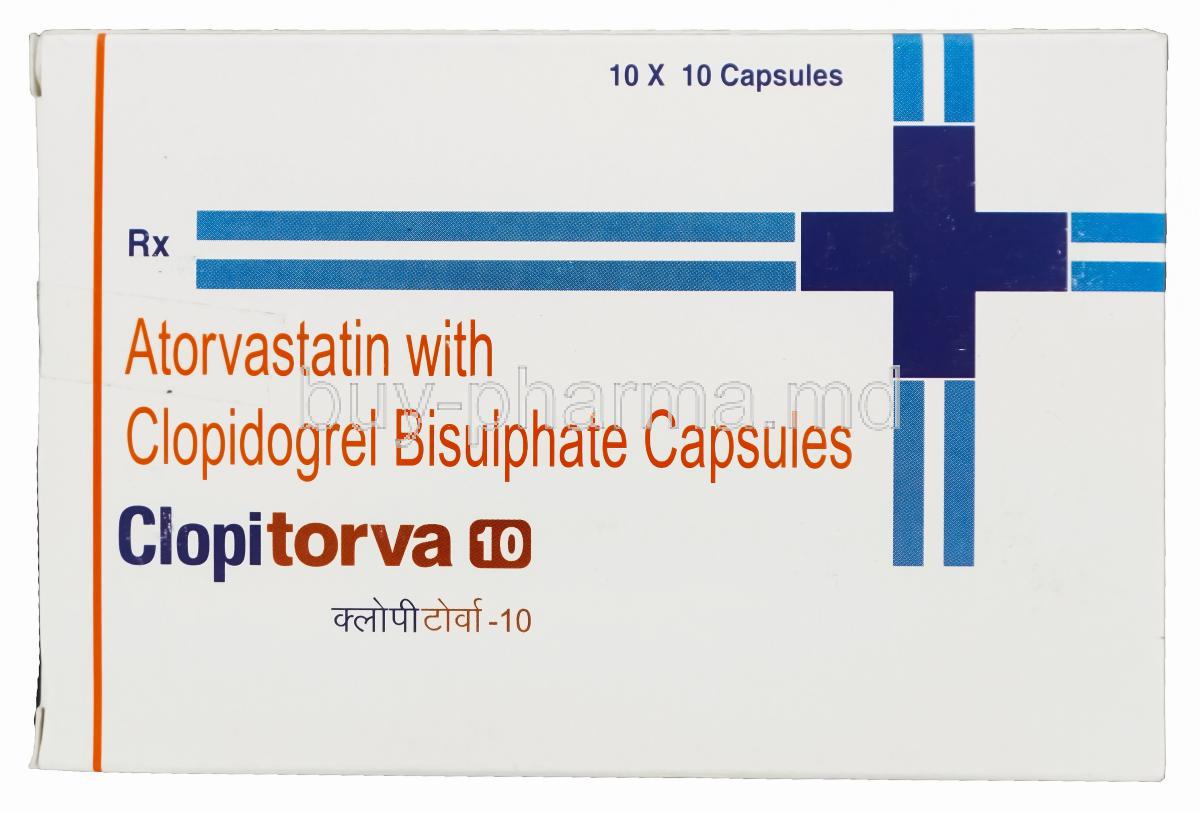

1. Introduction to Atorvastatin / Clopidogrel Combination Therapy
Atorvastatin and clopidogrel are frequently prescribed together in modern cardiovascular medicine. This combination reflects a strategic approach to reducing both lipid-driven atherosclerosis and platelet-mediated thrombosis. In clinical practice, these agents may be provided as a fixed-dose combination or as separately administered tablets, depending on regional availability and patient needs.
The rationale behind combining a lipid-lowering statin with an antiplatelet agent lies in their complementary mechanisms. Atherosclerotic cardiovascular disease is multifactorial. Cholesterol accumulation, vascular inflammation, endothelial dysfunction, and platelet activation all contribute to disease progression and acute events.
- Reduction of circulating atherogenic lipoproteins
- Suppression of platelet aggregation
- Lower incidence of myocardial infarction and ischemic stroke
Together, atorvastatin and clopidogrel play a critical role in both primary and secondary prevention strategies for patients at elevated cardiovascular risk.
2. Composition and Pharmaceutical Profile
This combination therapy contains two pharmacologically distinct active ingredients: atorvastatin calcium and clopidogrel bisulfate. Each component is well-established in cardiovascular therapeutics and has an extensive clinical evidence base.
Atorvastatin is available in multiple strengths, commonly ranging from low to high potency doses, while clopidogrel is typically administered at a standard antiplatelet dose. The medications may be formulated as:
- Fixed-dose combination tablets for simplified regimens
- Separate tablets allowing individualized dose titration
Excipients vary by manufacturer and may include binders, stabilizers, and film-coating agents designed to ensure chemical stability, bioavailability, and patient acceptability.
Choosing between a fixed-dose combination and separate administration often depends on clinical flexibility, adherence considerations, and patient-specific dosing requirements.
3. How Atorvastatin / Clopidogrel Works (Mechanism of Action)
3.1 Mechanism of Action of Atorvastatin
Atorvastatin belongs to the statin class of medications and acts primarily by inhibiting 3-hydroxy-3-methylglutaryl-coenzyme A (HMG-CoA) reductase. This enzyme is a key regulator of hepatic cholesterol biosynthesis.
By suppressing endogenous cholesterol production, atorvastatin leads to:
- Upregulation of LDL receptors in the liver
- Enhanced clearance of low-density lipoprotein cholesterol
- Reduction in circulating LDL-C levels
Beyond lipid lowering, atorvastatin exhibits pleiotropic effects. These include improved endothelial function, attenuation of vascular inflammation, and stabilization of atherosclerotic plaques, all of which contribute to reduced cardiovascular event rates.
3.2 Mechanism of Action of Clopidogrel
Clopidogrel is an antiplatelet agent that irreversibly inhibits the P2Y12 adenosine diphosphate (ADP) receptor on platelet surfaces. This receptor blockade interferes with platelet activation and aggregation.
The antithrombotic effects of clopidogrel result in:
- Decreased platelet cross-linking
- Reduced formation of arterial thrombi
- Lower risk of ischemic complications
Clopidogrel is particularly important in secondary prevention settings, where preventing recurrent myocardial infarction or stroke is a primary therapeutic objective.
3.3 Synergistic Cardiovascular Protection
When used together, atorvastatin and clopidogrel provide synergistic cardiovascular protection. One agent addresses lipid accumulation and vascular inflammation, while the other mitigates platelet-driven clot formation.
This dual-action strategy is especially beneficial for high-risk populations, including patients with established atherosclerotic disease, prior ischemic events, or multiple cardiometabolic risk factors.
4. Approved Uses of Atorvastatin / Clopidogrel
The combination of atorvastatin and clopidogrel is widely used in evidence-based cardiovascular care. Approved indications typically include:
- Secondary prevention following myocardial infarction
- Prevention of ischemic stroke and transient ischemic attack
- Management of coronary artery disease
- Treatment of peripheral arterial disease
In patients undergoing percutaneous coronary intervention, clopidogrel reduces stent-related thrombosis, while atorvastatin supports long-term plaque stabilization and lipid control.
5. Off-Label and Expanded Clinical Uses
In addition to approved indications, this combination is sometimes utilized in expanded clinical contexts based on physician judgment and patient risk profiles.
- Primary prevention in patients with multiple cardiovascular risk factors
- Management of metabolic syndrome with elevated atherothrombotic risk
- Post-coronary artery bypass graft care
- Use in individuals with diabetes mellitus and dyslipidemia
These off-label applications reflect the broad pathophysiological overlap between lipid disorders, platelet activation, and vascular disease.
6. Dosage and Administration Guidelines
Dosage regimens are tailored to individual patient characteristics and therapeutic goals. Standard adult dosing typically involves once-daily administration of atorvastatin alongside daily clopidogrel.
Key administration considerations include:
- Consistent daily timing to maintain steady drug exposure
- Adherence to prescribed doses to optimize outcomes
- Adjustment based on lipid targets or bleeding risk
In the event of a missed dose, the medication should be taken as soon as remembered unless it is close to the next scheduled dose. Doubling doses is generally discouraged.
7. Administration in Special Populations
7.1 Administration to Elderly Patients
Elderly patients often exhibit altered pharmacokinetics due to age-related changes in hepatic metabolism and renal clearance. Careful monitoring is warranted.
- Increased susceptibility to bleeding complications
- Higher risk of statin-associated myopathy
Dose adjustments and periodic laboratory assessments may be necessary to maintain safety.
7.2 Administration to Pregnant Women and Nursing Mothers
Atorvastatin is contraindicated during pregnancy due to its potential effects on fetal cholesterol synthesis. Clopidogrel use during pregnancy is generally avoided unless the clinical benefit outweighs potential risks.
Breastfeeding considerations require careful evaluation, as data on excretion into breast milk are limited.
7.3 Administration to Children and Adolescents
The safety and efficacy of this combination in pediatric populations are not well established. Use is typically restricted to specialist-supervised scenarios where benefits clearly outweigh risks.
8. Drug Interactions and Food Interactions
Atorvastatin and clopidogrel are subject to clinically relevant interactions. Caution is required when co-administered with:
- Other anticoagulants or antiplatelet agents
- CYP3A4 inhibitors or inducers affecting atorvastatin metabolism
- Proton pump inhibitors that may alter clopidogrel activation
Dietary factors also play a role. Grapefruit juice may increase atorvastatin plasma levels, potentially elevating the risk of adverse effects.
9. Side Effects and Adverse Reactions
9.1 Common Side Effects
Most patients tolerate this combination well. Commonly reported effects include:
- Headache or transient dizziness
- Gastrointestinal discomfort
- Mild muscle pain or fatigue
- Easy bruising or minor bleeding
9.2 Less Common and Serious Side Effects
Although infrequent, serious adverse reactions may occur and require prompt medical evaluation.
- Myopathy or rhabdomyolysis
- Elevation of hepatic transaminases
- Clinically significant gastrointestinal bleeding
- Thrombotic thrombocytopenic purpura, a rare but severe condition
Regular monitoring and patient education are essential to minimize risks and ensure timely intervention.
10. Warnings and Safety Alerts
The use of atorvastatin and clopidogrel requires heightened clinical vigilance due to their systemic effects on hemostasis and metabolism. Safety alerts are centered on preventing avoidable complications while maintaining therapeutic efficacy.
Bleeding risk is a primary concern, particularly with clopidogrel. Patients scheduled for invasive procedures or surgery may require temporary discontinuation under medical supervision. Even minor trauma can precipitate prolonged bleeding.
- Increased risk during surgical or dental procedures
- Potential for occult gastrointestinal bleeding
Liver function monitoring is essential, especially during the initial phases of atorvastatin therapy. Elevations in hepatic transaminases may occur silently and warrant periodic biochemical surveillance.
Muscle toxicity represents another critical warning. Unexplained myalgia, muscle tenderness, or weakness—particularly when accompanied by malaise or dark-colored urine—may signal serious myopathic processes.
Drug-induced interactions can amplify adverse outcomes. Concomitant use with certain antimicrobials, antifungals, or cardiovascular agents may alter plasma concentrations and increase toxicity risk.
11. Contraindications
Atorvastatin and clopidogrel are contraindicated in specific clinical contexts where risks outweigh potential benefits. Thorough patient evaluation is imperative prior to initiation.
- Known hypersensitivity to atorvastatin, clopidogrel, or formulation excipients
- Active pathological bleeding, including intracranial or gastrointestinal hemorrhage
- Severe hepatic impairment or active liver disease
Pregnancy represents an absolute contraindication for atorvastatin due to its interference with cholesterol synthesis, a critical process for fetal development. Lactation is similarly discouraged, as safety data remain insufficient.
12. Careful Administration and Monitoring
Certain patient populations require individualized administration strategies and intensified monitoring. A history of bleeding disorders necessitates cautious dosing and regular clinical review.
Renal or hepatic impairment may alter drug metabolism and clearance. In such cases, dose modification and closer laboratory surveillance are often indicated.
- Baseline and periodic liver function tests
- Assessment of renal parameters in susceptible individuals
Alcohol consumption should be limited. Chronic or excessive intake can potentiate hepatotoxic effects and compromise treatment safety.
Long-term therapy demands structured monitoring strategies, integrating laboratory assessments, symptom review, and cardiovascular outcome evaluation.
13. Important Precautions Before and During Treatment
Before initiating therapy, comprehensive baseline assessments provide a foundation for safe treatment. Lipid profiles and liver enzyme measurements establish reference values.
During treatment, ongoing cardiovascular risk assessment remains essential. Therapy should be periodically re-evaluated in the context of evolving clinical status.
- Education on recognizing signs of abnormal bleeding
- Prompt reporting of muscle pain or weakness
Lifestyle modification is a critical adjunct to pharmacotherapy. Dietary optimization, physical activity, smoking cessation, and weight management enhance therapeutic outcomes and reduce long-term risk.
14. Overdosage and Emergency Management
Overdosage with atorvastatin or clopidogrel is uncommon but may result in clinically significant complications. Symptoms vary depending on the agent and dose involved.
- Severe muscle pain or weakness
- Marked bleeding or bruising
- Gastrointestinal distress
Immediate medical intervention is advised in suspected overdose scenarios. There is no specific antidote; management focuses on rapid clinical assessment and stabilization.
Supportive and symptomatic treatment may include monitoring of vital signs, laboratory evaluation, and management of bleeding or muscle-related complications.
15. Storage and Stability Information
Proper storage conditions are essential to preserve medication potency and stability. Atorvastatin and clopidogrel should be stored at controlled room temperature.
- Keep away from excessive heat
- Protect from moisture and direct light
Shelf life is determined by manufacturer specifications. Expired medication may exhibit reduced efficacy and should not be used.
16. Handling Precautions and Patient Safety
Safe handling and dispensing practices minimize contamination and dosing errors. Tablets should remain in their original packaging until use.
Patient counseling plays a vital role in safety. Clear guidance on adherence, missed doses, and warning signs enhances treatment success.
- Do not crush or alter tablets unless instructed
- Store out of reach of children
Unused or expired medication should be disposed of according to local pharmaceutical waste regulations to prevent accidental exposure or environmental contamination.
Popular Products


Similar Product