

1. Introduction to Brufen (Ibuprofen)
1.1 Overview of Brufen as a Nonsteroidal Anti-Inflammatory Drug (NSAID)
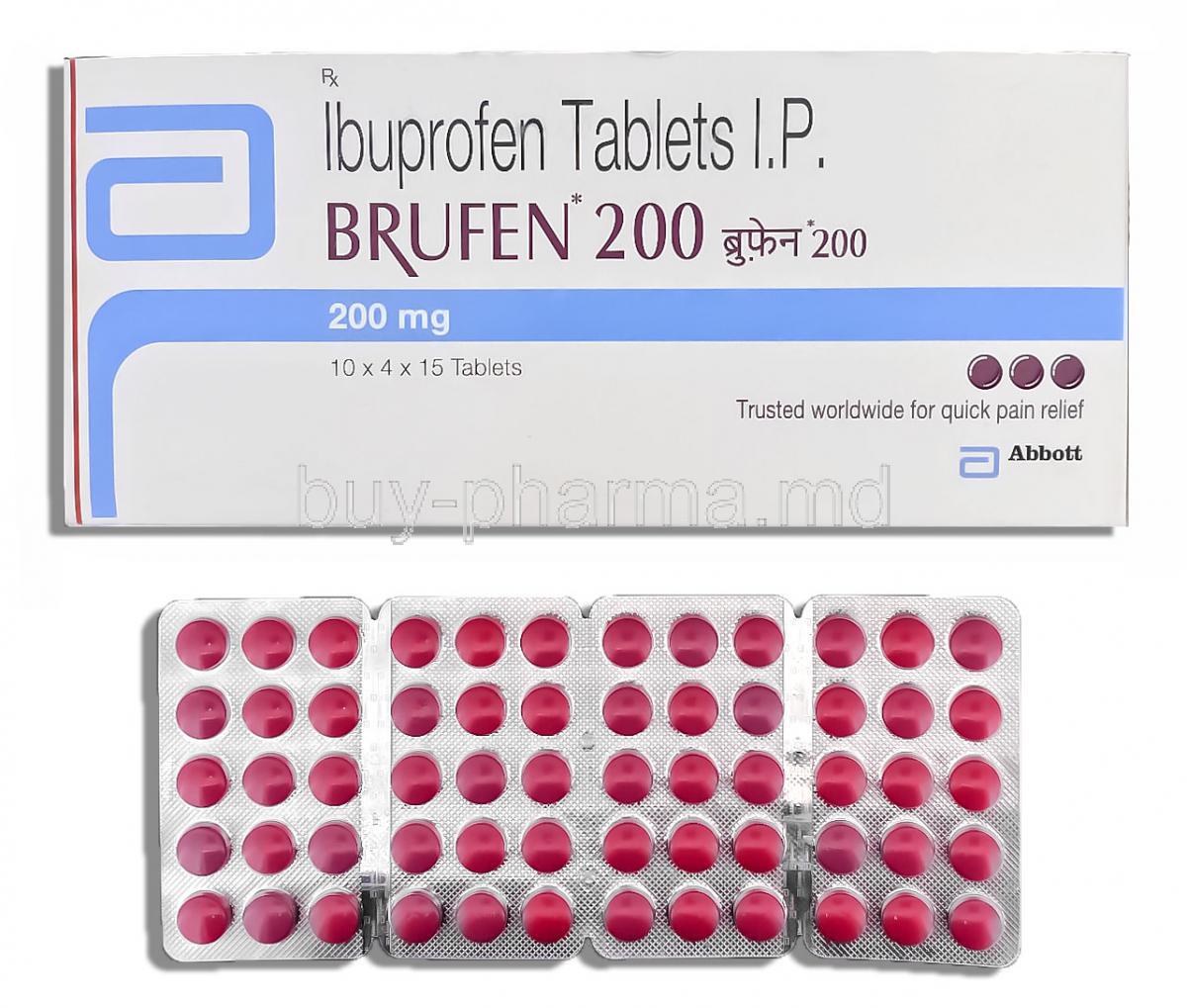
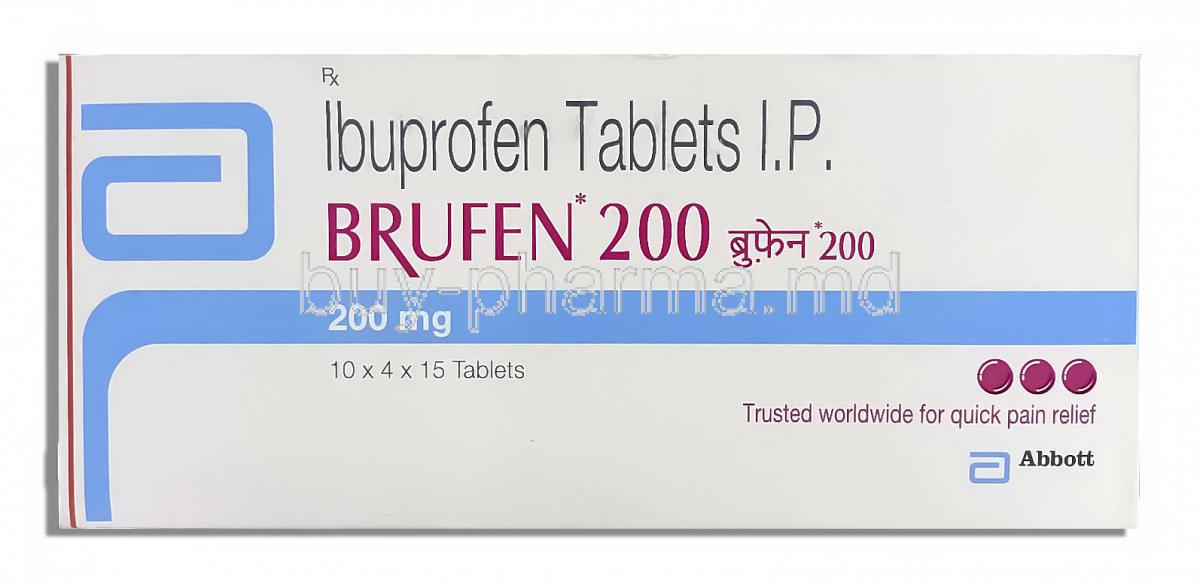
Brufen, known globally as ibuprofen, is a widely utilized nonsteroidal anti-inflammatory drug (NSAID) that offers potent analgesic, antipyretic, and anti-inflammatory properties. It is frequently chosen for the relief of mild to moderate pain and the mitigation of inflammatory conditions. Clinicians value its versatility, predictable efficacy, and extensive safety data when used appropriately.
1.2 Historical Development and Clinical Adoption
The introduction of ibuprofen in the 1960s marked a significant advancement in pain management. Originally developed as an alternative to aspirin with fewer gastrointestinal complications, the medication rapidly gained global acceptance. Over subsequent decades, ibuprofen became a cornerstone therapy for acute and chronic inflammatory disorders, fever reduction, and general analgesia.
1.3 Therapeutic Class and Pharmacological Profile
Ibuprofen belongs to the propionic acid class of NSAIDs. Its pharmacological profile includes:
- Inhibition of cyclooxygenase (COX) pathways
- Reduction of prostaglandin-mediated inflammation
- Antipyretic activity through hypothalamic heat regulation
- Analgesic modulation of pain signaling pathways
1.4 Global Availability and Brand/Generic Equivalents
The medication is available under multiple brand names worldwide, with Brufen being one of the most recognized. Additionally, a wide range of generic ibuprofen formulations allows broad accessibility in both prescription and over-the-counter settings. Its global availability underscores its long-standing clinical relevance.
2. Composition and Formulations
2.1 Active Ingredient: Ibuprofen
The active pharmaceutical ingredient is ibuprofen, a synthetic NSAID designed to alleviate inflammation and discomfort by modulating prostaglandin synthesis.
2.2 Available Strengths (200mg, 400mg, 600mg, 800mg)
Tablets and capsules commonly come in 200 mg, 400 mg, 600 mg, and 800 mg strengths. The dosing strength selected depends on patient age, severity of symptoms, and clinical indication.
2.3 Pharmaceutical Forms
Brufen is manufactured in multiple forms to ensure dosing flexibility:
- Tablets and film-coated tablets
- Soft gelatin capsules
- Oral syrups and suspensions for pediatric use
- Topical gels and creams
- Extended-release preparations for prolonged symptom control
2.4 Inactive Ingredients and Excipients
Excipients may include lactose monohydrate, starch, cellulose derivatives, and stabilizing agents. The composition varies by manufacturer but is designed to enhance stability, dissolution, and bioavailability.
2.5 Immediate-Release vs Extended-Release Products
Immediate-release formulations act quickly, making them suitable for acute pain. In contrast, extended-release preparations provide prolonged pain relief and may reduce dosing frequency, particularly useful for chronic inflammatory diseases.
3. How Brufen (Ibuprofen) Works
3.1 Mechanism of Action: COX-1 and COX-2 Inhibition
Ibuprofen exerts its effects by blocking COX-1 and COX-2 enzymes. These enzymes catalyze the formation of prostaglandins responsible for mediating inflammation, pain, and fever.
3.2 Anti-Inflammatory, Antipyretic, and Analgesic Effects
Through COX inhibition, ibuprofen decreases inflammatory signaling, reduces elevated body temperature, and helps alleviate pain of various origins, including musculoskeletal, dental, and gynecological discomfort.
3.3 Impact on Prostaglandin Synthesis
Prostaglandins amplify inflammation and sensitize pain receptors. By reducing their production, ibuprofen mitigates swelling, suppresses inflammatory cascades, and provides analgesic relief.
3.4 Onset of Action and Duration of Effect
Ibuprofen typically begins working within 20–40 minutes, with analgesic effects lasting up to 6–8 hours depending on dose and formulation.
4. Approved Medical Uses
4.1 Pain Relief (Mild to Moderate Pain)
Brufen is highly effective for various pain conditions, including muscle aches, joint pain, dental discomfort, and postoperative pain.
4.2 Treatment of Fever and Febrile Conditions
Ibuprofen reduces fever by resetting the hypothalamic thermostat, making it a preferred choice for both adults and children.
4.3 Management of Inflammatory Disorders
4.3.1 Rheumatoid Arthritis
Brufen decreases joint swelling, stiffness, and pain in patients with rheumatoid arthritis, improving mobility and quality of life.
4.3.2 Osteoarthritis
The medication provides symptomatic relief for degenerative joint pain, often used alongside lifestyle modifications and physiotherapy.
4.3.3 Juvenile Idiopathic Arthritis
Oral suspension formulations cater to pediatric patients requiring reliable anti-inflammatory therapy.
4.4 Musculoskeletal Pain
4.4.1 Back Pain
Ibuprofen alleviates lower back pain caused by strain, postural imbalance, or soft-tissue inflammation.
4.4.2 Sprains, Strains, Sports Injuries
Short-term use reduces swelling and promotes functional recovery in minor athletic injuries.
4.4.3 Postoperative Pain
Brufen is frequently integrated into multimodal pain management regimens following minor surgical procedures.
4.5 Menstrual Pain (Dysmenorrhea)
Ibuprofen is a first-line therapy for menstrual cramps because it reduces prostaglandin-driven uterine contractions.
4.6 Dental Pain and Post-Dental Surgery Pain
The medication provides rapid relief from toothache and post-extraction discomfort.
4.7 Headache and Migraine Relief
It helps mitigate headache intensity by modulating pain pathways and reducing inflammation.
4.8 ENT-related Pain (Earache, Sinus Pain, Sore Throat)
Ibuprofen relieves pain stemming from ear, sinus, and throat inflammation associated with viral or bacterial infections.
5. Off-Label Uses
5.1 Gout-Related Pain Management
Although not the first-line therapy, ibuprofen is sometimes used to reduce acute gout pain and inflammation.
5.2 Soft Tissue Inflammation
Off-label use includes tendonitis, bursitis, and other soft-tissue inflammatory disorders.
5.3 Fever and Pain Relief in Viral Illnesses
It is frequently used to alleviate viral symptoms, though supportive care remains the primary treatment.
5.4 Dysmenorrhea Beyond Standard Dosing Protocols
Some clinicians adjust timing or dosing to optimize relief in severe menstrual pain.
5.5 Pain Management in Certain Neuropathic Conditions
Ibuprofen may provide partial relief in select neuropathic disorders when combined with other agents.
5.6 Use in Minor Post-Vaccination Pain and Fever
It may help reduce mild fever and injection-site soreness after vaccination.
6. Dosage and Administration
6.1 Standard Adult Dosage
The typical adult dose ranges from 200 mg to 400 mg every 4–6 hours as needed.
6.2 Dosage for Children and Adolescents
Dosing is weight-based for pediatric patients. Oral suspensions provide precise measurement for infants and children.
6.3 Maximum Daily Dose Guidelines
- Adults: Do not exceed 3200 mg per day.
- OTC use: Maximum 1200 mg per day unless directed by a physician.
6.4 Dosing Frequency and Timing
Administer at evenly spaced intervals to maintain therapeutic plasma levels.
6.5 Administration With or Without Food
While ibuprofen can be taken without food, ingestion with meals may reduce gastrointestinal discomfort.
6.6 Adjustments for Pain vs Inflammation Treatment
Higher or prolonged doses are often necessary for chronic inflammatory conditions compared to simple analgesia.
6.7 Special Instructions for Liquid Formulations
Shake suspensions well before use and measure with an appropriate dosing device to ensure accuracy.
6.8 Missed Dose Guidance
If a dose is missed, it should be taken promptly unless the next scheduled dose is nearing. Doubling doses is discouraged.
7. Side Effects
7.1 Common Side Effects
7.1.1 Nausea, Vomiting, Abdominal Pain
Mild gastrointestinal distress is frequent but typically transient.
7.1.2 Heartburn, Gastric Discomfort
Gastric irritation may occur due to reduced protective prostaglandins.
7.1.3 Dizziness or Headache
Neurological symptoms are usually mild and self-limiting.
7.1.4 Mild Skin Reactions
Skin irritation, rash, or itching may occasionally develop.
7.2 Less Common Side Effects
These may include fluid retention, mood changes, blurred vision, or tinnitus.
7.3 Serious Side Effects
7.3.1 Gastrointestinal Ulcers and Bleeding
Long-term use increases risks of ulceration, perforation, and GI hemorrhage.
7.3.2 Kidney Impairment
Ibuprofen may compromise renal perfusion, especially in dehydrated or elderly patients.
7.3.3 Liver Function Abnormalities
Rarely, hepatic enzymes elevate, indicating possible liver irritation.
7.3.4 Severe Allergic Reactions and Anaphylaxis
Anaphylactic responses demand urgent medical attention.
7.3.5 Cardiovascular Risks (Heart Attack, Stroke)
High doses or prolonged therapy may elevate cardiovascular risks.
7.4 Long-Term Risks of Chronic Use
Long-term administration increases risks of renal, gastrointestinal, and cardiovascular complications.
8. Drug Interactions
8.1 Interactions With Anticoagulants
Ibuprofen may potentiate bleeding risks when used with warfarin or DOACs.
8.2 Interactions With Antihypertensives
8.2.1 ACE Inhibitors
Reduced antihypertensive efficacy may occur.
8.2.2 ARBs
Combined use may impair renal function in high-risk patients.
8.2.3 Beta-Blockers
Possible attenuation of therapeutic effect.
8.3 Interactions With Diuretics
Volume depletion and reduced diuretic efficacy may occur.
8.4 Interactions With Other NSAIDs and Aspirin
Combining NSAIDs heightens the risk of GI and renal toxicity.
8.5 Corticosteroids and Increased GI Bleeding Risk
Concomitant use significantly elevates bleeding risk.
8.6 Alcohol and Gastric Toxicity
Alcohol intensifies gastric irritation and bleeding tendencies.
8.7 Lithium and Increased Serum Levels
Ibuprofen may raise serum lithium concentrations, risking toxicity.
8.8 Methotrexate Toxicity Risk
Reduced clearance can cause methotrexate accumulation.
8.9 Antidepressants (SSRIs/SNRIs)
Combined use may increase bleeding due to platelet inhibition.
9. Warnings and Important Precautions
9.1 Risks of Gastrointestinal Bleeding and Ulceration
Particularly relevant in older adults or those with prior ulcers.
9.2 Cardiovascular Warning
High doses or long-term use are linked to increased risk of cardiac events.
9.3 Renal Function Impairment
Ibuprofen may exacerbate pre-existing renal disease.
9.4 Liver Toxicity Considerations
Periodic monitoring is advisable for chronic therapy.
9.5 Fluid Retention and Edema
Patients with heart failure require cautious use.
9.6 Asthma and NSAID Sensitivity
Bronchospasm may occur in aspirin-sensitive individuals.
9.7 Avoidance in Dehydration or Severe Illness
Dehydration significantly increases renal toxicity risk.
9.8 Risks Associated With High Dosage or Long-Term Use
Prolonged use increases gastrointestinal, renal, and cardiovascular risks.
10. Contraindications
10.1 Known Hypersensitivity to Ibuprofen or NSAIDs
Allergic responses range from rash to life-threatening anaphylaxis.
10.2 Aspirin-Induced Asthma or NSAID Allergy
Patients with NSAID-sensitive asthma must avoid ibuprofen.
10.3 Active GI Bleeding or Ulcer Disease
Ibuprofen may worsen or reactivate GI bleeding.
10.4 Severe Heart Failure
Fluid retention may destabilize cardiac function.
10.5 Severe Renal Impairment
NSAIDs may precipitate renal failure in compromised kidneys.
10.6 Severe Hepatic Disease
Ibuprofen metabolism may become impaired.
10.7 Pregnancy (Third Trimester)
Contraindicated due to risk of fetal ductus arteriosus closure and labor complications.
11. Careful Administration
11.1 Patients With Renal Dysfunction
Monitor kidney function regularly and avoid dehydration.
11.2 Patients With Hepatic Impairment
Use lower doses and monitor liver enzymes periodically.
11.3 Patients With Hypertension or Cardiovascular Risk
Blood pressure monitoring is essential.
11.4 Patients on Long-Term Medication
Assess drug–drug interaction risks.
11.5 Patients With Gastrointestinal Sensitivity
Consider gastroprotective agents if prolonged NSAID use is required.
12. Administration to Elderly Patients
12.1 Dose Adjustments
Lower initial doses are often recommended to minimize adverse effects.
12.2 Increased Cardiovascular Monitoring
Elderly patients have higher cardiovascular susceptibility.
12.3 Enhanced Sensitivity to Side Effects
Falls, dizziness, and renal impairment occur more frequently in older adults.
13. Administration to Pregnant Women and Nursing Mothers
13.1 Use During Pregnancy
Generally avoided during pregnancy, particularly in the third trimester.
13.2 Potential Fetal Risks
Risks include premature closure of ductus arteriosus and renal dysfunction.
13.3 Administration to Nursing Mothers
Ibuprofen passes into breast milk in minimal amounts and is considered compatible with breastfeeding.
14. Administration to Children
14.1 Pediatric Dosing
Weight-based dosing ensures safe and effective administration.
14.2 Use in Infants
Appropriate for infants over six months unless otherwise instructed by a clinician.
14.3 Risks in Children
Overdose risk is higher if suspensions are incorrectly measured.
15. Overdosage
15.1 Symptoms of Overdose
Symptoms include severe abdominal pain, vomiting, drowsiness, metabolic acidosis, and rarely, seizures.
15.2 Emergency Management
Activated charcoal, gastric lavage, and supportive care may be required.
15.3 Long-Term Effects of Toxicity
Acute renal injury and gastrointestinal bleeding are possible in severe cases.
16. Handling Precautions
16.1 Safe Handling
Ensure tablets remain in original packaging until use.
16.2 Measuring Pediatric Suspensions
Always use calibrated dosing devices rather than household spoons.
16.3 Disposal
Dispose of expired products in accordance with pharmacy guidelines.
17. Storage
17.1 Storage Temperature
Store at room temperature, typically below 25°C.
17.2 Protection From Moisture and Light
Keep containers tightly closed and away from direct sunlight.
17.3 Storage of Liquid Formulations
Once opened, suspensions should be used within the recommended timeframe indicated by the manufacturer.

Brufen, Ibuprofen FAQ
Customers also bought





Popular Products




Similar Product