1. Introduction to Busulphan Injection
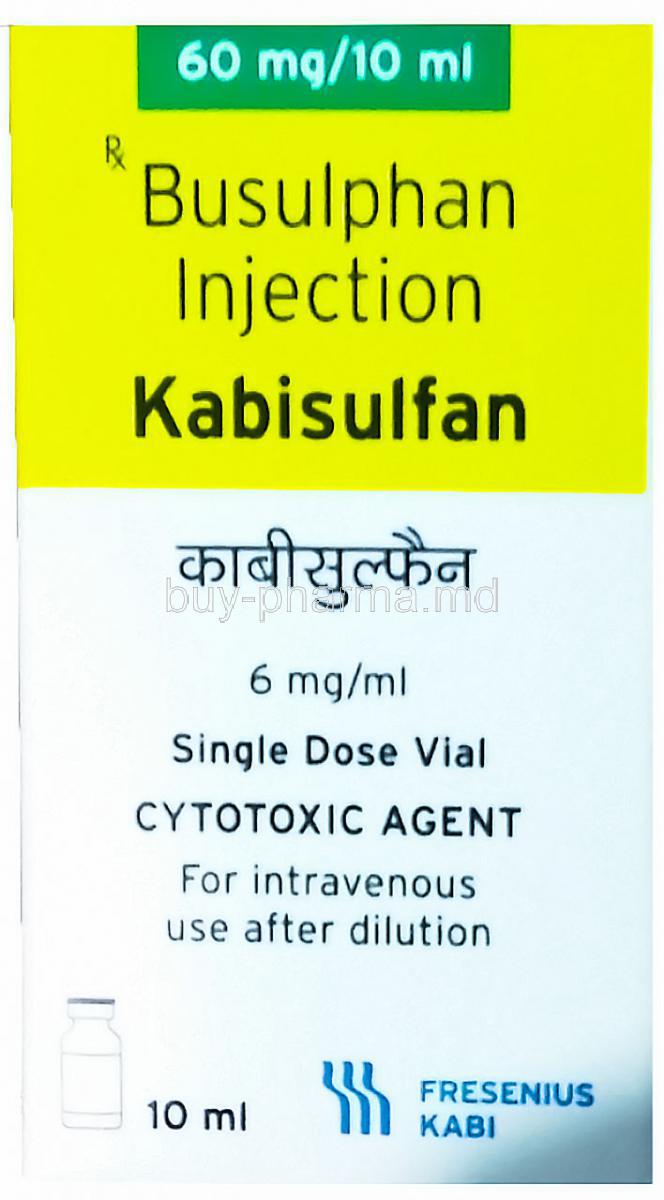
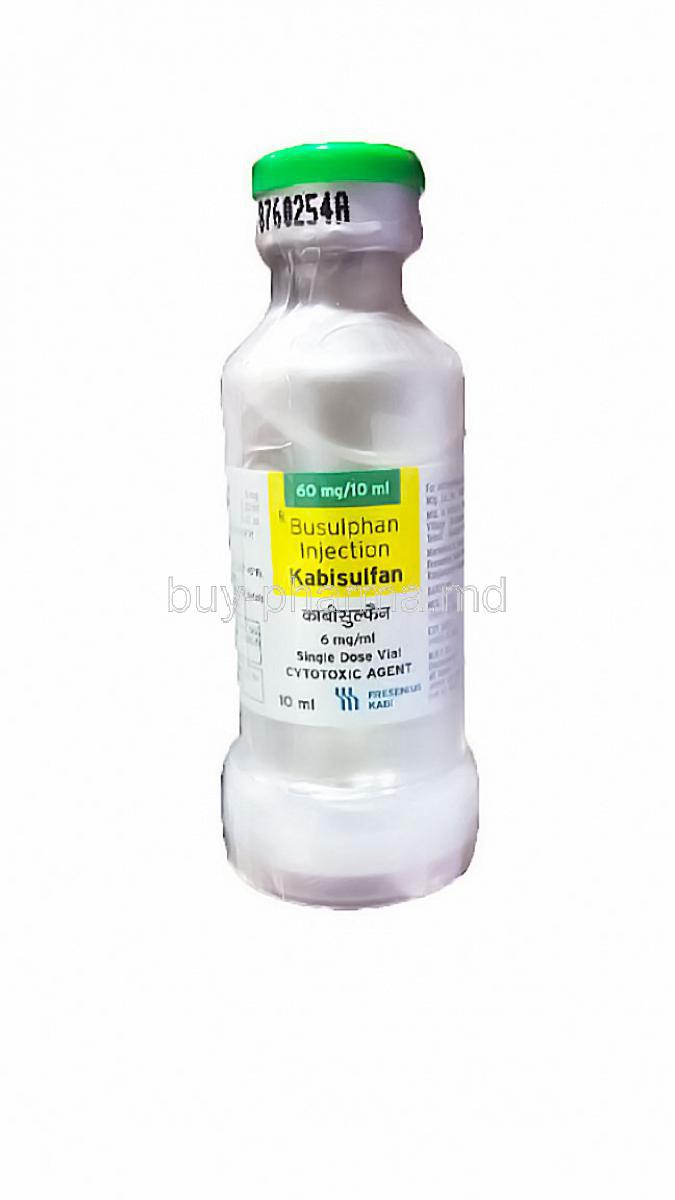
Busulphan Injection is a potent chemotherapeutic preparation extensively utilized in specialized oncology and hematology settings. It is primarily administered as part of intensive treatment protocols where precise cytotoxic control is required. Its injectable form allows for predictable systemic exposure, a critical feature in high-risk therapeutic regimens.
Classified pharmacologically as an alkylating antineoplastic agent, busulfan exerts profound effects on cellular DNA. This classification places it among drugs designed to interrupt malignant cell proliferation at a fundamental molecular level. The injectable formulation enhances clinical reliability, particularly when oral absorption may be inconsistent or contraindicated.
In modern clinical practice, Busulphan Injection plays a pivotal role in:
- Preparative conditioning prior to stem cell transplantation
- Myeloablative treatment strategies
- Selected hematologic malignancies requiring deep marrow suppression
2. Composition and Pharmaceutical Characteristics
The primary active ingredient in Busulphan Injection is busulfan, a bifunctional alkyl sulfonate compound. It is formulated in a sterile injectable solution to ensure controlled intravenous delivery and consistent pharmacokinetics.
The formulation typically contains:
- Busulfan at a defined concentration suitable for infusion
- Specialized excipients to enhance solubility
- A solvent system designed to maintain chemical stability
From a physicochemical perspective, busulfan demonstrates limited aqueous solubility and chemical reactivity that necessitate careful handling. Temperature, light exposure, and dilution practices directly influence its stability and clinical performance.
Treosulfan vs busulfan
Treosulfan is a water-soluble prodrug, a derivative of busulfan, used in stem cell transplants, often showing similar effectiveness but with potentially lower toxicity, fewer treatment-related deaths, and better survival rates, especially in pediatric patients and those with MDS/AML; it avoids liver metabolism issues of busulfan but may require strategies to reduce graft failure.
3. Busulfan Mechanism of Action (How Busulphan Injection Works)
Busulphan exerts its cytotoxic activity through DNA alkylation, forming covalent bonds with nucleophilic sites on DNA strands. This process disrupts DNA replication and transcription, leading to irreversible cell cycle arrest.
Rapidly dividing cells, particularly hematopoietic progenitor cells within the bone marrow, are highly susceptible. This selective vulnerability explains the drug’s pronounced myelosuppressive effects.
Key pharmacodynamic effects include:
- Suppression of bone marrow activity
- Reduction of malignant cell populations
- Creation of marrow space for donor stem cell engraftment
These properties make Busulphan Injection indispensable in conditioning regimens prior to transplantation.
4. Approved Medical Uses of Busulphan Injection
Busulphan Injection is approved for use in several critical clinical scenarios. Its most established role is as a conditioning agent before hematopoietic stem cell transplantation (HSCT), where complete marrow ablation is required.
Additional approved uses include:
- Treatment of chronic myelogenous leukemia (CML)
- Inclusion in myeloablative chemotherapy protocols
- Combination regimens with other cytotoxic agents
In these settings, busulfan contributes to disease control while facilitating subsequent therapeutic interventions.
5. Off-Label and Investigational Uses
Beyond approved indications, Busulphan Injection is utilized off-label in carefully selected cases. These uses are generally supported by clinical experience and emerging research rather than formal regulatory approval.
Off-label and investigational applications include:
- Conditioning regimens for non-malignant hematologic disorders
- Pediatric stem cell transplantation protocols
- Reduced-intensity conditioning strategies
- Research in rare myeloproliferative diseases
Such applications require individualized risk–benefit assessment and specialist oversight.
6. Busulfan Dosage and Administration Guidelines
Dosage of Busulphan Injection is highly individualized and protocol-dependent. Standard adult dosing is typically calculated based on body weight or body surface area to achieve target systemic exposure.
Administration considerations include:
- Intravenous infusion over a controlled duration
- Strict adherence to scheduled dosing intervals
- Integration into multi-day conditioning regimens
Therapeutic drug monitoring is often employed to fine-tune dosing. Adjustments may be necessary to optimize efficacy while minimizing toxicity.
7. Careful Administration and Monitoring Requirements
Busulphan Injection requires meticulous clinical oversight. Prior to initiation, comprehensive baseline assessments are essential to identify potential risk factors.
Monitoring during therapy typically includes:
- Serial complete blood counts
- Therapeutic drug monitoring (TDM)
- Liver function testing
- Pulmonary evaluation
Because busulfan lowers seizure threshold, prophylactic anticonvulsant therapy is commonly implemented during administration.
8. Administration in Special Populations
8.1 Administration to Elderly Patients
Elderly patients may exhibit altered pharmacokinetics due to reduced organ reserve. Increased susceptibility to myelosuppression and organ toxicity is common.
Dose adjustments and intensified monitoring are often necessary to ensure tolerability without compromising therapeutic intent.
8.2 Administration to Pregnant Women and Nursing Mothers
Busulphan Injection carries significant reproductive risk. It is associated with teratogenic and fetotoxic effects when administered during pregnancy.
Key considerations include:
- Use only in life-threatening situations
- Careful risk–benefit evaluation
- Avoidance of breastfeeding during therapy
8.3 Administration to Pediatric Patients
In pediatric populations, dosing strategies are adjusted to account for developmental differences in metabolism and clearance.
Close monitoring is essential, as children may experience variable exposure levels. When properly managed, Busulphan Injection has demonstrated effectiveness in pediatric transplant conditioning.
9. Busulfan Side Effects
9.1 Common Side Effects
The most frequently observed adverse effects reflect busulfan’s impact on rapidly dividing cells. Common reactions include:
- Myelosuppression, including anemia, leukopenia, and thrombocytopenia
- Nausea and vomiting
- Generalized fatigue and weakness
- Transient elevation of hepatic enzymes
9.2 Serious and Less Common Adverse Effects
Although less frequent, serious toxicities can occur and require immediate medical attention.
- Veno-occlusive disease of the liver
- Pulmonary fibrosis, sometimes referred to as busulfan lung
- Seizure activity
- Secondary malignancies
- Severe, life-threatening infections
10. Drug Interactions
Busulphan Injection is subject to clinically significant drug interactions that may alter efficacy or toxicity.
Important interaction considerations include:
- Reduced clearance when combined with certain antifungal agents
- Altered plasma levels with hepatic enzyme inducers or inhibitors
- Pharmacodynamic interactions with other chemotherapeutic drugs
- Modified seizure risk when used with anticonvulsants
A thorough medication review is essential prior to initiating therapy.
11. Warnings and Safety Information
Busulphan Injection is associated with significant safety considerations that demand heightened clinical vigilance. The most critical risk is profound bone marrow suppression, which may result in severe pancytopenia and prolonged immunocompromise. This effect is dose-dependent, cumulative, and potentially life-threatening if not appropriately managed.
Additional safety warnings include:
- Hepatic toxicity, including the risk of sinusoidal obstruction syndrome and hepatic failure
- Busulfan lung toxicity, such as interstitial fibrosis and delayed-onset respiratory insufficiency
- Long-term risks, including secondary malignancies following exposure
Due to the narrow therapeutic index and complexity of management, Busulphan Injection must be administered under the supervision of clinicians experienced in oncology or transplantation medicine. The drug may also impair fertility in both males and females, and this risk should be clearly communicated prior to initiation of therapy.
12. Contraindications
Busulphan Injection is contraindicated in patients with specific clinical conditions where the risks clearly outweigh any potential benefit. Absolute contraindications must be carefully reviewed before treatment initiation.
These include:
- Known hypersensitivity to busulfan or any excipients within the formulation
- Severe, uncontrolled infections where immunosuppression would exacerbate morbidity
- History of severe or irreversible busulfan-induced toxicity
Relative contraindications may arise in the presence of significant organ dysfunction, particularly advanced hepatic or pulmonary impairment. In such cases, therapy should be avoided or undertaken only after rigorous multidisciplinary evaluation.
13. Important Precautions Before and During Treatment
A comprehensive precautionary framework is essential to mitigate the risks associated with Busulphan Injection. Preventive strategies should be implemented before therapy begins and maintained throughout the treatment course.
Key precautions include:
- Strict infection prevention measures, including protective isolation when indicated
- Careful review of vaccination status prior to therapy
- Fertility preservation counseling for patients of reproductive potential
- Avoidance of live vaccines during and after treatment until immune recovery is confirmed
Patient education plays a central role in safe administration. Clear guidance on adherence, symptom reporting, and follow-up requirements helps reduce preventable complications and improves overall treatment outcomes.
14. Overdosage and Emergency Management
Overdosage of Busulphan Injection constitutes a medical emergency. Excessive exposure may lead to catastrophic toxicity affecting multiple organ systems.
Clinical manifestations of overdose may include:
- Severe and prolonged myelosuppression
- Acute hepatic injury
- Pulmonary toxicity
- Neurological complications, including seizures
There is no specific antidote for busulfan overdose. Management is primarily supportive and requires immediate hospitalization, intensive monitoring, and symptomatic treatment. Hematologic support, infection control, and organ function surveillance are critical components of emergency care.
15. Storage and Stability
Proper storage of Busulphan Injection is essential to preserve its chemical integrity and therapeutic efficacy. The product should be stored according to manufacturer recommendations, typically under controlled temperature conditions.
Storage considerations include:
- Maintaining recommended refrigeration or room temperature limits
- Protection from direct light exposure
- Avoidance of excessive moisture
Shelf life is finite and strictly defined. Once diluted or reconstituted, the solution must be used within the specified time frame to prevent degradation and loss of potency.
16. Handling and Occupational Safety Precautions
Busulphan Injection is classified as a cytotoxic agent and requires specialized handling procedures to protect healthcare personnel from accidental exposure.
Essential occupational safety measures include:
- Use of appropriate personal protective equipment, such as gloves, gowns, and eye protection
- Preparation in designated controlled environments, including biological safety cabinets
- Strict adherence to institutional cytotoxic handling protocols
In the event of spills or accidental exposure, established spill management and disposal procedures must be followed immediately. Proper waste segregation and disposal reduce environmental contamination and occupational risk.
Busulphan Injection FAQ
- What is a Busulfan Injection used for?
- How is busulfan administered?
- Is busulfan a chemotherapy drug?
- How to give busulfan?
- What are the side effects of busulfan?
- What are the long-term effects of busulfan?
- How long does it take for busulfan to work?
- What should I tell my doctor before taking busulfan?
- How effective is busulfan?
- Does busulfan cause hair loss?
- How long does busulfan stay in your system?
- What type of chemo is busulfan?
- What kind of monitoring is needed while taking busulfan?
- What are the late effects of busulfan?
- Is busulfan chemotherapy or immunotherapy?
- What are the alternatives to busulfan?
- Is busulfan FDA approved?
- What drugs interact with busulfan?
- What is a Busulfan injection used for?
- Which drugs should be avoided for patients receiving busulfan?
- What are the common side effects of busulfan?
What is a Busulfan Injection used for?
Busulfan injection is used to treat a certain type of chronic myelogenous leukemia (CML; a type of cancer of the white blood cells) in combination with other medications to destroy bone marrow and cancer cells in preparation for a bone marrow transplant.
How is busulfan administered?
Intravenously
Is busulfan a chemotherapy drug?
Yes
How to give busulfan?
Through IV
What are the side effects of busulfan?
- Vomitng
- Bone marrow depression
- Loss of appetite
- Diarrhea
- Alopecia
What are the long-term effects of busulfan?
It can cause infertility in both men and women, which may be temporary or permanent. Women may experience menstrual irregularities or premature menopause, while men may have reduced sperm count and motility.
How long does it take for busulfan to work?
Few Weeks
What should I tell my doctor before taking busulfan?
- Prescription and non-prescription medicines
- Vitamins
- Supplements
- Herbal medicines
How effective is busulfan?
75%
Does busulfan cause hair loss?
Yes
How long does busulfan stay in your system?
48 hours
What type of chemo is busulfan?
Alkylating agents
What kind of monitoring is needed while taking busulfan?
Blood levels and organ function
What are the late effects of busulfan?
- Heart problems
- Lung problems (pulmonary fibrosis)
- Secondary cancers
Is busulfan chemotherapy or immunotherapy?
Chemotherapy
What are the alternatives to busulfan?
Treosulfan
Is busulfan FDA approved?
Yes
What drugs interact with busulfan?
Cisapride
What is a Busulfan injection used for?
Busulfan injection is used to treat a certain type of chronic myelogenous leukemia (CML; a type of cancer of the white blood cells) in combination with other medications to destroy bone marrow and cancer cells in preparation for a bone marrow transplant.
Which drugs should be avoided for patients receiving busulfan?
What are the common side effects of busulfan?
- Muscle ache
- Cough
- Shivering
- Pain
- UTI
Popular Products
Similar Product