
1. Introduction to Cetrizet (Cetirizine)
1.1 Overview of Cetrizet and Its Active Ingredient Cetirizine
Cetrizet is a pharmaceutical preparation containing cetirizine hydrochloride, a widely recognized antihistamine used for the management of allergic disorders. The medication is formulated to mitigate the physiological manifestations associated with hypersensitivity reactions. These reactions commonly include nasal congestion, pruritus, sneezing, and watery eyes.
Cetirizine acts by selectively inhibiting histamine-mediated responses in the body. Histamine is a pivotal mediator in allergic inflammation. When released, it binds to specific receptors, triggering a cascade of symptoms characteristic of allergic reactions. By attenuating this response, Cetrizet provides symptomatic relief and enhances patient comfort.
1.2 Drug Classification: Second-Generation Antihistamine
Cetrizet belongs to the category of second-generation antihistamines. These medications are specifically engineered to provide effective antiallergic activity while minimizing central nervous system sedation.
- Selective peripheral H1 receptor antagonism
- Reduced penetration across the blood-brain barrier
- Lower sedative potential compared to earlier antihistamines
- Prolonged duration of action enabling once-daily dosing
This pharmacological refinement makes cetirizine particularly suitable for individuals who require daytime symptom control without excessive drowsiness.
1.3 Development and Clinical Importance in Allergy Management
Cetirizine was developed as an advancement over first-generation antihistamines that frequently caused sedation and anticholinergic adverse effects. Through structural modification of hydroxyzine, researchers created a compound with potent antihistaminic activity and improved tolerability.
Today, cetirizine remains a cornerstone therapy in allergy management. It is commonly prescribed for both acute allergic episodes and chronic allergic conditions. The medication is valued for its predictable efficacy and favorable safety profile.
1.4 Key Therapeutic Benefits Compared with First-Generation Antihistamines
Compared with older antihistamines, Cetrizet offers several clinical advantages. These improvements contribute to better patient adherence and therapeutic outcomes.
- Lower incidence of sedation and cognitive impairment
- Minimal anticholinergic side effects
- Longer duration of action
- Improved safety profile for prolonged use
These attributes make cetirizine suitable for individuals who require sustained allergy control throughout the day.
1.5 Availability, Formulations, and Global Use
Cetrizet is distributed worldwide and is available in multiple pharmaceutical forms to accommodate different patient populations. Its accessibility has made it a widely utilized medication for allergy management.
- Tablets
- Oral solutions
- Syrups
- Chewable tablets
The medication is frequently prescribed by healthcare professionals and is also available over the counter in many regions.
2. Composition and Pharmaceutical Formulation
2.1 Active Ingredient: Cetirizine Hydrochloride
The principal active component of Cetrizet is cetirizine hydrochloride. This compound exerts antihistaminic activity by blocking peripheral H1 receptors involved in allergic reactions. It effectively reduces symptoms such as itching, sneezing, and nasal discharge.
2.2 Inactive Ingredients and Excipients
In addition to the active pharmaceutical ingredient, Cetrizet formulations contain several excipients that stabilize the medication and enhance its bioavailability. These inactive substances may include:
- Lactose monohydrate
- Magnesium stearate
- Microcrystalline cellulose
- Flavoring agents in liquid preparations
Excipients play an essential role in maintaining tablet integrity and ensuring consistent dosing.
2.3 Available Dosage Forms
Cetrizet is formulated in diverse dosage forms designed to accommodate both adult and pediatric patients.
- Film-coated tablets
- Oral syrup formulations
- Liquid oral solutions
- Chewable tablets for children
Each formulation allows flexible administration depending on age, swallowing ability, and clinical requirements.
2.4 Strength Variations and Packaging Formats
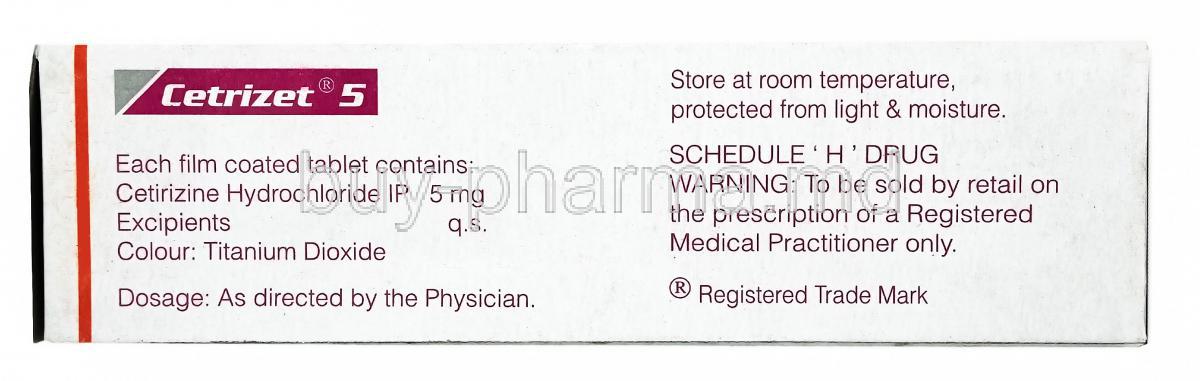
Different strength options are available to facilitate precise dosing. Tablets commonly contain 5 mg or 10 mg of cetirizine hydrochloride. Packaging formats may include blister packs or bottles designed to protect the medication from environmental exposure.
2.5 Pharmacological Properties of Cetirizine
Cetirizine demonstrates potent antihistaminic properties along with mild anti-inflammatory effects. Its pharmacological activity involves selective receptor binding that limits histamine-mediated responses without significantly affecting other receptor systems.
3. How Cetrizet (Cetirizine) Works – Mechanism of Action
3.1 Role of Histamine in Allergic Reactions
Histamine is a chemical mediator released from mast cells during allergic responses. Once liberated, histamine binds to receptors located in various tissues including the nasal mucosa, skin, and respiratory tract.
This binding leads to hallmark allergic symptoms such as:
- Vasodilation and nasal congestion
- Increased vascular permeability
- Itching and skin irritation
- Sneezing and watery eyes
3.2 Selective H1 Histamine Receptor Antagonism
Cetirizine functions by selectively antagonizing peripheral H1 receptors. By occupying these receptors, the medication prevents histamine from triggering inflammatory responses. This blockade effectively diminishes allergy symptoms while preserving normal physiological processes.
3.3 Reduction of Inflammatory Mediators and Allergic Symptoms
In addition to receptor antagonism, cetirizine exhibits secondary anti-inflammatory properties. It reduces the migration of eosinophils and other inflammatory cells to affected tissues. As a result, tissue irritation and swelling are significantly reduced.
3.4 Effects on Early-Phase and Late-Phase Allergic Responses
Allergic reactions occur in two primary stages. The early phase involves rapid histamine release immediately following allergen exposure. The late phase occurs hours later and is characterized by sustained inflammation.
Cetirizine demonstrates activity in both phases, thereby providing prolonged symptomatic relief.
3.5 Pharmacokinetics: Absorption, Distribution, Metabolism, and Excretion
Following oral administration, cetirizine is rapidly absorbed from the gastrointestinal tract. Peak plasma concentrations typically occur within one hour.
- Absorption: rapid and consistent
- Distribution: minimal penetration into the central nervous system
- Metabolism: limited hepatic metabolism
- Excretion: primarily via renal elimination
This pharmacokinetic profile contributes to the drug's once-daily dosing schedule and sustained efficacy.
4. Medical Uses of Cetrizet (Cetirizine)
4.1 Treatment of Seasonal Allergic Rhinitis (Hay Fever)
Cetrizet is frequently prescribed for seasonal allergic rhinitis, a condition triggered by airborne allergens such as pollen. Symptoms commonly include nasal congestion, sneezing, and watery eyes. Cetirizine alleviates these manifestations by inhibiting histamine-mediated responses.
4.2 Management of Perennial Allergic Rhinitis
Perennial allergic rhinitis occurs year-round due to allergens such as dust mites, pet dander, or mold spores. Regular administration of cetirizine can substantially reduce chronic nasal symptoms and improve daily functioning.
4.3 Relief of Chronic Idiopathic Urticaria (Chronic Hives)
Chronic idiopathic urticaria is characterized by persistent hives and itching without a clearly identifiable cause. Cetirizine reduces histamine activity in the skin, providing relief from itching and wheal formation.
4.4 Treatment of Acute Allergic Reactions
Cetrizet may be utilized to alleviate symptoms associated with acute allergic reactions. While it is not a substitute for emergency treatments such as epinephrine, it can reduce itching, swelling, and discomfort.
4.5 Symptomatic Relief of Sneezing, Runny Nose, and Itchy Eyes
Common allergic symptoms include persistent sneezing, rhinorrhea, and ocular irritation. Cetirizine diminishes these symptoms, allowing individuals to maintain normal daily activities.
4.6 Management of Skin Allergy Symptoms such as Pruritus
Pruritus, or severe itching, often accompanies allergic skin conditions. Cetirizine alleviates this discomfort by inhibiting histamine-induced nerve stimulation within the skin.
5. Off-Label Uses of Cetirizine
5.1 Management of Atopic Dermatitis-Related Itching
Atopic dermatitis frequently involves intense itching that disrupts sleep and daily life. Cetirizine is sometimes used as adjunct therapy to help reduce itch severity and improve patient comfort.
5.2 Adjunct Therapy for Allergic Asthma Symptoms
Although not a primary asthma treatment, cetirizine may reduce allergic triggers that contribute to airway inflammation. This supportive role may help improve symptom control in some patients.
5.3 Treatment of Cold-Induced Urticaria
Cold urticaria is a rare condition in which exposure to cold temperatures triggers hives. Antihistamines such as cetirizine are frequently employed to minimize histamine-mediated reactions.
5.4 Use in Chronic Pruritus Associated with Dermatological Conditions
Certain dermatological disorders produce persistent itching unrelated to classic allergies. Cetirizine may offer symptomatic relief when histamine contributes to the pruritic sensation.
5.5 Supportive Treatment for Allergic Reactions to Insect Bites
Insect bites and stings can provoke localized allergic reactions including swelling, redness, and itching. Cetirizine can help alleviate these symptoms and reduce irritation.
5.6 Off-Label Use in Drug-Induced Allergic Skin Reactions
Drug hypersensitivity reactions occasionally manifest as rash or pruritus. Cetirizine may be used as supportive therapy to relieve these dermatologic symptoms while the underlying cause is addressed.
6. Dosage and Administration
6.1 Standard Adult Dosage Recommendations
The typical adult dosage of cetirizine is 10 mg once daily. This regimen provides sustained antihistaminic activity for approximately 24 hours. In some individuals, a reduced dose of 5 mg may be sufficient.
6.2 Pediatric Dosage Guidelines by Age Group
Dosage recommendations for children vary according to age and body weight. Pediatric formulations such as syrups or chewable tablets allow accurate dosing.
6.3 Dosage Adjustments in Renal Impairment
Because cetirizine is primarily eliminated through the kidneys, dosage adjustments may be necessary for individuals with renal dysfunction. Healthcare providers typically recommend reduced dosing intervals.
6.4 Administration with or without Food
Cetrizet can be taken with or without food. Food does not significantly alter its absorption, making administration convenient for most patients.
6.5 Recommended Duration of Therapy
Treatment duration depends on the nature of the allergic condition. Seasonal allergies may require short-term therapy, while chronic conditions such as urticaria may necessitate longer use under medical supervision.
6.6 Missed Dose Instructions
If a dose is missed, it should be taken as soon as remembered unless the next scheduled dose is approaching. Doubling doses to compensate for missed medication should be avoided.
7. Common Side Effects of Cetrizet
7.1 Mild Drowsiness or Fatigue
Although cetirizine causes less sedation than earlier antihistamines, some individuals may still experience mild drowsiness.
7.2 Dry Mouth and Throat Irritation
A reduction in salivary secretion may occur, producing dryness in the mouth or throat.
7.3 Headache and Mild Gastrointestinal Discomfort
Occasionally, patients report headaches or minor gastrointestinal disturbances during therapy.
7.4 Dizziness and Reduced Alertness
Some individuals may experience transient dizziness. Activities requiring mental alertness should be approached cautiously if this occurs.
7.5 Nasal or Throat Dryness
Dryness in nasal passages or throat tissues may occur due to the medication's antihistaminic effects.
8. Serious and Less Common Side Effects
8.1 Severe Allergic Reactions (Anaphylaxis or Angioedema)
Rarely, hypersensitivity reactions such as angioedema or anaphylaxis may occur. Immediate medical attention is required if symptoms such as swelling or breathing difficulty develop.
8.2 Palpitations or Cardiovascular Effects
Although uncommon, palpitations or irregular heartbeat may occur in susceptible individuals.
8.3 Liver Function Abnormalities
Alterations in liver enzyme levels have been reported in rare cases during antihistamine therapy.
8.4 Severe Skin Reactions
Serious dermatological reactions are uncommon but possible. Any unusual rash or blistering should be evaluated promptly.
8.5 Neurological Reactions such as Agitation or Confusion
Very rarely, neurological symptoms such as agitation or confusion may occur, particularly in sensitive individuals.
9. Drug Interactions
9.1 Interaction with Alcohol and Central Nervous System Depressants
Alcohol and other central nervous system depressants may potentiate sedative effects when taken with cetirizine.
9.2 Interaction with Sedatives and Hypnotic Medications
Concurrent use with sedative medications may increase drowsiness or impair cognitive function.
9.3 Interaction with Theophylline and Other Respiratory Drugs
Certain respiratory medications may influence the pharmacokinetics of cetirizine, although clinically significant interactions are uncommon.
9.4 Interaction with Anticholinergic Medications
Combined use with anticholinergic drugs may amplify dryness-related side effects.
9.5 Potential Effects When Combined with Other Antihistamines
Simultaneous use of multiple antihistamines may increase adverse reactions without providing additional therapeutic benefit.
10. Warnings and Safety Considerations
10.1 Risk of Drowsiness and Impaired Alertness
Although cetirizine is categorized as a second-generation antihistamine with a relatively low sedative profile, mild central nervous system depression may still occur in some individuals. Drowsiness is generally less pronounced than with first-generation antihistamines, yet sensitivity varies between patients.
Symptoms may include:
- Mild somnolence
- Fatigue or lethargy
- Decreased mental sharpness
- Slower reaction time
These effects are usually transient. However, individuals should remain attentive to how the medication influences their level of alertness, particularly during the early stages of treatment.
10.2 Precautions When Operating Machinery or Driving
Because cetirizine may occasionally impair vigilance, caution is advised when performing tasks requiring sustained attention. This includes driving motor vehicles, operating heavy machinery, or performing activities where cognitive acuity is essential.
Healthcare providers often recommend that patients initially observe how their body reacts to the medication before engaging in activities that require high levels of concentration.
10.3 Use in Patients with Kidney Disease
Cetirizine is primarily eliminated through renal excretion. Consequently, patients with compromised kidney function may experience increased plasma concentrations of the medication.
- Reduced renal clearance may prolong drug exposure
- Dose adjustments may be necessary
- Clinical monitoring may be recommended in moderate to severe renal impairment
Appropriate dosing guidance should be followed in individuals with reduced kidney function to minimize the risk of accumulation.
10.4 Hypersensitivity Reactions to Cetirizine or Similar Drugs
Although uncommon, hypersensitivity reactions may occur in susceptible individuals. These reactions are typically associated with immune responses to the active ingredient or related compounds.
Potential manifestations include:
- Skin rash
- Angioedema
- Severe itching
- Difficulty breathing
Immediate medical attention should be sought if signs of a severe allergic reaction develop.
10.5 Monitoring for Unusual Neurological Symptoms
Rare neurological effects have been reported with antihistamines. Although cetirizine generally demonstrates minimal central nervous system penetration, unusual symptoms may occasionally occur.
- Agitation
- Restlessness
- Confusion
- Sleep disturbances
Patients experiencing unexpected neurological changes should consult a healthcare professional for evaluation.
11. Contraindications
11.1 Known Allergy to Cetirizine or Hydroxyzine
Cetrizet is contraindicated in individuals who have demonstrated hypersensitivity to cetirizine, hydroxyzine, or any component of the formulation. Because cetirizine is a metabolite of hydroxyzine, cross-reactivity may occur in susceptible individuals.
11.2 Severe Renal Impairment without Medical Supervision
Patients with severe renal dysfunction should not use cetirizine without appropriate medical guidance. Impaired renal clearance can significantly increase systemic drug exposure, potentially leading to heightened adverse effects.
11.3 History of Hypersensitivity to Antihistamines
Individuals who have previously experienced severe allergic reactions to antihistamines should exercise caution. A history of hypersensitivity may increase the likelihood of similar reactions when using cetirizine.
11.4 Patients with Rare Hereditary Galactose Intolerance
Certain tablet formulations contain lactose as an excipient. Patients with rare hereditary conditions such as galactose intolerance, lactase deficiency, or glucose-galactose malabsorption should avoid such formulations unless advised otherwise by a healthcare professional.
12. Careful Administration and Clinical Monitoring
12.1 Use in Patients with Moderate Renal Dysfunction
Patients with moderate kidney impairment may require dose adjustments. Careful administration helps prevent excessive drug accumulation and ensures safe therapeutic use.
Monitoring strategies may include:
- Assessment of renal function
- Adjustment of dosing intervals
- Observation for signs of increased sedation
12.2 Monitoring in Individuals with Liver Disease
Although cetirizine undergoes minimal hepatic metabolism, individuals with liver disorders may still require clinical monitoring. Liver disease can alter the pharmacokinetics of many medications, potentially affecting drug tolerance.
12.3 Considerations in Patients with Epilepsy or Seizure Disorders
Antihistamines have occasionally been associated with neurological excitability in susceptible individuals. Patients with epilepsy or a history of seizure disorders should use cetirizine under medical supervision to ensure safe treatment.
12.4 Monitoring for Sedative Effects in Sensitive Individuals
Certain individuals display heightened sensitivity to sedative effects. This group may include older adults or those concurrently using central nervous system depressants. Monitoring ensures that excessive sedation or cognitive impairment does not develop during treatment.
13. Important Precautions Before Using Cetrizet
13.1 Avoiding Alcohol During Treatment
Alcohol consumption may potentiate sedative effects when combined with antihistamines. Although cetirizine produces minimal sedation in most patients, concurrent alcohol intake may amplify drowsiness and impair coordination.
13.2 Identifying Early Signs of Severe Allergic Reactions
Patients should be familiar with the early manifestations of serious allergic reactions. Rapid recognition allows prompt medical intervention and reduces the risk of complications.
- Sudden swelling of the face or throat
- Difficulty breathing
- Severe rash or itching
- Dizziness or fainting
13.3 Adjusting Dose in Elderly Patients
Older adults may exhibit altered pharmacokinetics due to age-related changes in renal function. In such cases, reduced dosages or extended dosing intervals may be recommended to ensure safe therapy.
13.4 Monitoring Allergic Symptoms During Long-Term Use
Patients using cetirizine for prolonged periods should monitor symptom progression. If allergic symptoms persist or worsen despite therapy, medical evaluation may be necessary to reassess the treatment strategy.
13.5 Informing Healthcare Providers About All Current Medications
Patients should inform healthcare providers about all medications, supplements, and herbal products they are currently using. This information helps identify potential interactions and supports safe medication management.
14. Administration in Special Populations
14.1 Administration to Elderly Patients
14.1.1 Increased Sensitivity to Antihistamines
Older individuals may demonstrate increased pharmacodynamic sensitivity to antihistamines. Even medications with low sedative potential can occasionally produce noticeable drowsiness or confusion in this population.
14.1.2 Dose Adjustments and Monitoring
Dose adjustments may be appropriate in elderly patients, particularly when renal function declines with age. Regular monitoring can help ensure both efficacy and safety during therapy.
14.2 Administration to Pregnant Women and Nursing Mothers
14.2.1 Safety Profile During Pregnancy
Cetirizine has been studied in pregnant populations, and available evidence suggests a relatively favorable safety profile when used under medical supervision. Nevertheless, medications during pregnancy should only be used when clearly needed.
14.2.2 Potential Transfer into Breast Milk
Small amounts of cetirizine may pass into breast milk. While the risk to nursing infants is generally considered low, caution is recommended when administering antihistamines to breastfeeding mothers.
14.2.3 Medical Consultation Before Use
Pregnant or breastfeeding individuals should consult a healthcare professional before initiating treatment. Personalized medical advice ensures appropriate risk-benefit evaluation.
14.3 Administration to Children
14.3.1 Approved Age Groups for Cetirizine Use
Cetirizine is approved for use in pediatric populations above specific age thresholds depending on the formulation. Pediatric dosing guidelines are designed to ensure safe and effective treatment of allergic conditions.
14.3.2 Pediatric Dosage Recommendations
Children often receive lower doses compared with adults. Liquid formulations facilitate accurate dosing and ease of administration.
14.3.3 Safety and Effectiveness in Infants and Young Children
Clinical data support the use of cetirizine in certain pediatric age groups. Nevertheless, administration in infants or very young children should always be conducted under medical supervision.
15. Overdose and Emergency Management
15.1 Symptoms of Cetirizine Overdose
An overdose of cetirizine may produce exaggerated pharmacological effects. Symptoms can vary depending on the amount ingested and individual sensitivity.
- Severe drowsiness
- Restlessness
- Rapid heartbeat
- Confusion
15.2 Possible Central Nervous System Effects
Excessive antihistamine exposure may affect the central nervous system. Patients may experience agitation, somnolence, or altered consciousness.
15.3 Immediate Steps in Case of Suspected Overdose
If an overdose is suspected, prompt medical evaluation is recommended. Emergency healthcare providers may assess symptoms, vital signs, and the timing of ingestion to determine appropriate management.
15.4 Medical Treatment and Supportive Care
Treatment for overdose is generally supportive. Healthcare professionals may provide symptomatic care and monitoring until the medication is adequately eliminated from the body.
16. Storage Instructions
16.1 Recommended Storage Temperature
Cetrizet should typically be stored at controlled room temperature. Maintaining appropriate storage conditions preserves the stability and potency of the medication.
16.2 Protecting the Medication from Moisture and Light
Exposure to excessive moisture or direct sunlight may degrade pharmaceutical compounds. Tablets should remain in their original packaging until use.
16.3 Proper Storage of Syrup and Liquid Formulations
Liquid preparations should be tightly sealed after each use. Some formulations may require refrigeration or storage in a cool environment depending on manufacturer guidelines.
16.4 Safe Storage Away from Children and Pets
All medications should be stored in a secure location beyond the reach of children and pets. This precaution reduces the risk of accidental ingestion.
17. Handling Precautions
17.1 Proper Handling of Tablets and Liquid Forms
Medications should be handled with clean hands to avoid contamination. Tablets should not be crushed or altered unless specifically directed by a healthcare provider.
17.2 Avoiding Contamination of Oral Solutions
Oral liquid formulations should be administered using appropriate measuring devices. This practice ensures dosing accuracy and prevents microbial contamination.
17.3 Disposal of Expired or Unused Medication
Expired medications should not be consumed. Unused products should be disposed of according to local pharmaceutical disposal guidelines or returned to designated collection programs when available.
17.4 Safe Medication Practices in Household Settings
Responsible medication practices within the household help prevent misuse. Patients should avoid sharing prescription or over-the-counter medications with others, even if symptoms appear similar.


Cetrizet, Cetirizine FAQ
Popular Products


Similar Product