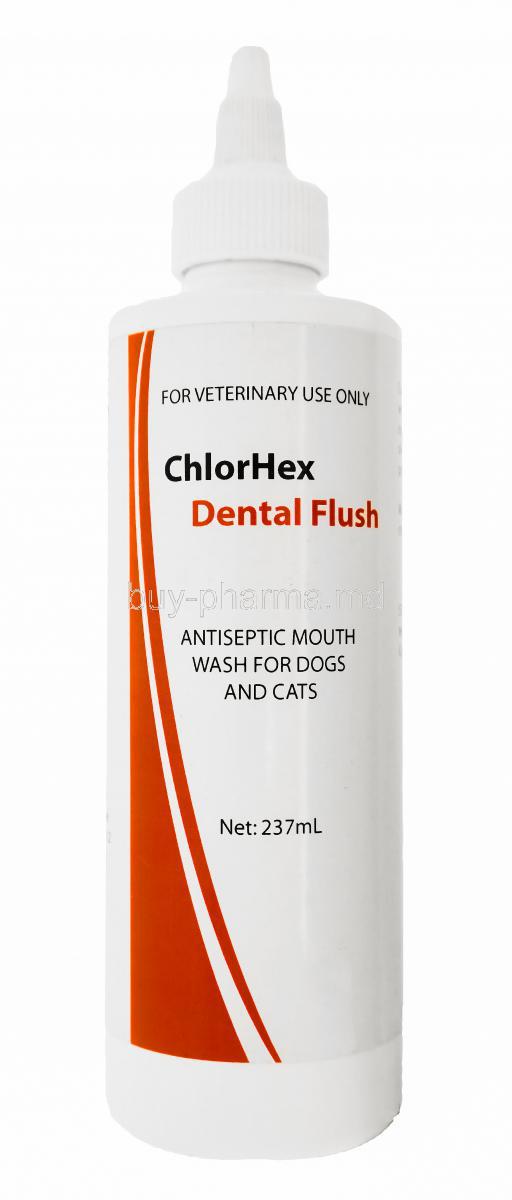
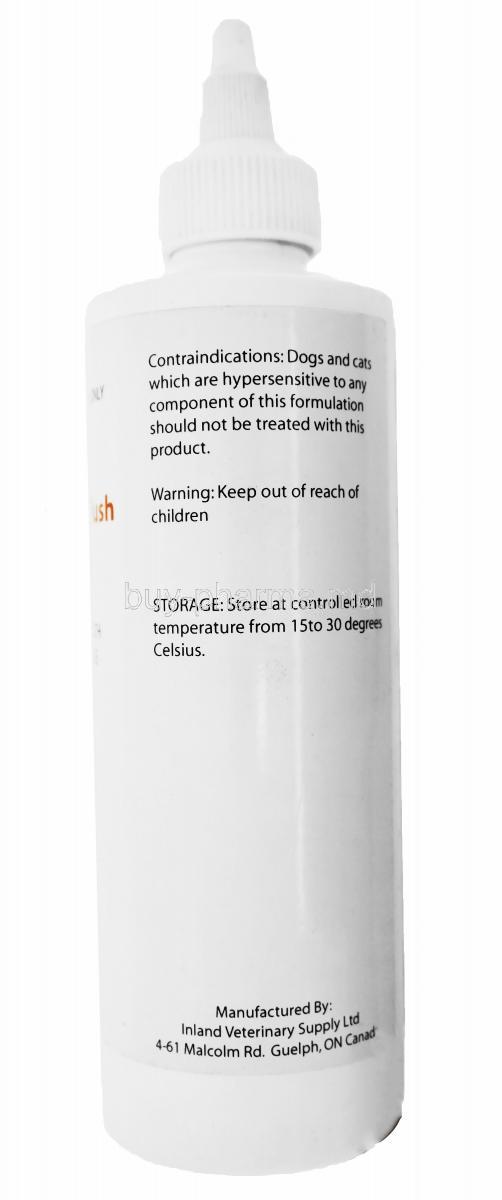
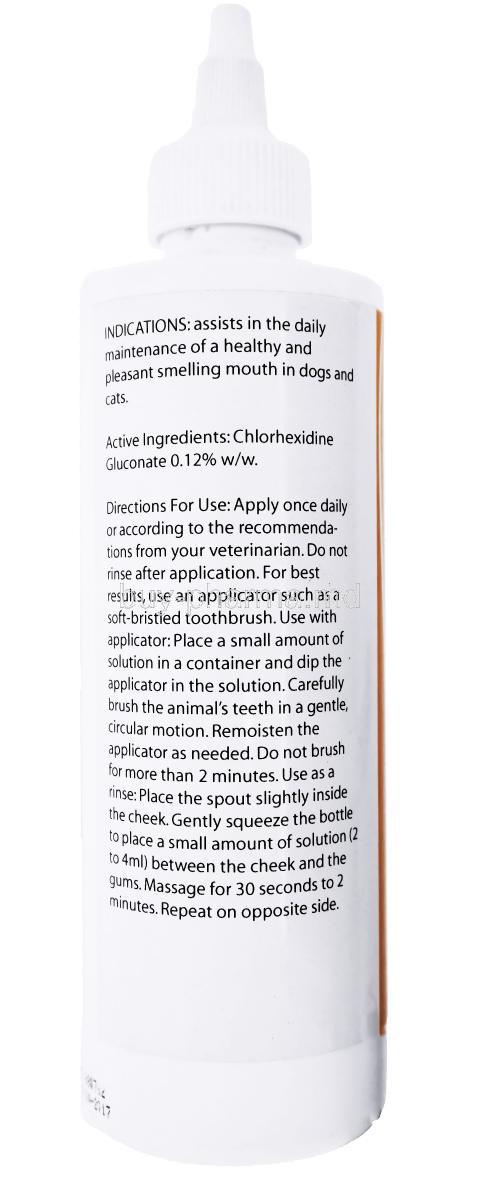
1. Introduction to Chlorhex Dental Wash for Dogs
Oral health is a critical yet frequently underestimated component of canine well-being. Plaque accumulation, gingival inflammation, and progressive periodontal disease are highly prevalent in dogs, particularly as they age. Without appropriate intervention, oral infections can extend beyond the mouth, influencing systemic health and overall quality of life.
Antimicrobial dental rinses play an important adjunctive role in veterinary dentistry. They are designed to suppress pathogenic microorganisms, reduce biofilm formation, and support daily oral hygiene when mechanical brushing is inadequate or impractical.
Among these agents, chlorhexidine has become a cornerstone in canine oral care due to its broad-spectrum antimicrobial properties, prolonged activity within the oral cavity, and well-established safety profile when used appropriately.
2. What Is Chlorhex Dental Wash?
Chlorhex Dental Wash is an antiseptic oral solution formulated specifically for veterinary use. It is intended for topical application within the oral cavity to control microbial growth and support periodontal health.
Veterinary dental products are available in several formats, each serving a slightly different purpose:
- Dental washes and rinses for broad oral coverage
- Gels for targeted application along the gumline
- Sprays for rapid, low-contact administration
- Wipes for localized cleaning and antimicrobial support
Unlike human chlorhexidine products, veterinary formulations are designed with canine physiology and behavior in mind. They typically use lower concentrations, avoid unnecessary flavoring agents, and minimize ingredients that may be harmful if ingested.
3. Composition and Active Ingredients
The primary active component of Chlorhex Dental Wash is chlorhexidine gluconate, a bisbiguanide antiseptic recognized for its potent antimicrobial efficacy.
In dogs, dental formulations generally contain chlorhexidine at low concentrations suitable for routine oral exposure, balancing effectiveness with tolerability.
Inactive ingredients may include stabilizers, purified water, buffering agents, and palatability enhancers. These excipients are selected to maintain solution stability and improve acceptance without interfering with antimicrobial activity.
Both alcohol-free and alcohol-containing formulations exist. Alcohol-free variants are typically preferred in dogs, as they reduce the risk of mucosal irritation and discomfort, particularly with repeated use.
4. How Chlorhex Dental Wash Works (Mechanism of Action)
Chlorhexidine exerts its effects by binding to bacterial cell walls and altering membrane permeability. This interaction leads to leakage of intracellular components and eventual microbial death.
Its antimicrobial spectrum includes:
- Gram-positive bacteria commonly associated with plaque formation
- Gram-negative bacteria implicated in periodontal disease
- Certain fungi and yeasts
- Limited activity against some enveloped viruses
Beyond direct microbial killing, chlorhexidine interferes with plaque maturation and reduces the formation of oral biofilm. A unique property known as substantivity allows the compound to adhere to oral tissues and tooth surfaces, providing prolonged antimicrobial action long after application.
5. Approved Uses in Dogs
Chlorhex Dental Wash is widely used in dogs for the management and prevention of common oral health conditions.
- Control of gingivitis and early-stage periodontal disease
- Reduction of plaque and calculus accumulation
- Supportive care following professional dental scaling and polishing
- Management of halitosis caused by bacterial overgrowth
- Maintenance of oral hygiene in dogs that resist or cannot tolerate tooth brushing
When integrated into a broader dental care routine, chlorhexidine-based rinses contribute to improved oral comfort and reduced inflammatory burden.
6. Off-Label and Extended Uses
In addition to established indications, Chlorhex Dental Wash is sometimes used as supportive care in a variety of off-label scenarios under veterinary guidance.
- Adjunctive management of minor oral ulcers or superficial mucosal injuries
- Supportive therapy for stomatitis and diffuse oral inflammation
- Post-operative oral antisepsis following dental or oral surgery
- Temporary microbial control in immunocompromised dogs
- Short-term antiseptic use in dogs with fractured or mobile teeth awaiting definitive treatment
These uses do not replace definitive veterinary intervention but may help stabilize the oral environment during recovery or monitoring periods.
7. Dosage and Administration Guidelines
Dosage recommendations for Chlorhex Dental Wash depend on formulation strength, frequency of use, and the dog’s overall oral condition.
General principles include:
- Topical application only, without forceful rinsing
- Once-daily use for routine hygiene, unless otherwise directed
- Short-term, more frequent use for acute conditions under supervision
Application methods may include gentle rinsing, swabbing along the gum margins, or spraying directly into the oral cavity. Duration of use should be periodically reassessed, particularly for long-term administration, to minimize unwanted effects and ensure continued benefit.
8. Administration in Special Populations
8.1 Administration to Elderly Dogs
Senior dogs often present with advanced dental disease and increased mucosal sensitivity. Careful monitoring is recommended to detect irritation, discomfort, or changes in feeding behavior. Lower-frequency application may be appropriate in some cases.
8.2 Administration to Pregnant Dogs and Nursing Mothers
Topical chlorhexidine use is generally considered low risk during pregnancy and lactation when used as directed. However, unnecessary ingestion should be minimized, and use should be limited to clear clinical indications.
8.3 Administration to Puppies and Young Dogs
Use in puppies should follow veterinary advice, particularly in very young animals. Reduced frequency and careful attention to formulation concentration are advisable to prevent mucosal irritation and excessive swallowing.
9. Common Side Effects
Most dogs tolerate Chlorhex Dental Wash well when used correctly. Nonetheless, mild and transient adverse effects may occur.
- Temporary alteration in taste perception, occasionally leading to reduced appetite
- Mild redness or irritation of the oral mucosa
- Increased salivation immediately after application
These effects are typically self-limiting. Persistent or severe reactions warrant discontinuation and veterinary evaluation.
10. Less Common and Potential Side Effects
While Chlorhex Dental Wash is generally well tolerated, less common adverse effects may emerge, particularly with prolonged or improper use. These reactions are usually localized and reversible, yet they warrant attentive observation.
- Tooth or tongue discoloration: Extended exposure may lead to superficial staining of enamel or the dorsal surface of the tongue. This cosmetic change does not typically indicate tissue damage but may require professional cleaning.
- Mucosal sensitivity or ulceration: In susceptible dogs, repeated contact can provoke irritation, erythema, or focal ulceration of the oral mucosa.
- Gastrointestinal upset: Accidental ingestion of excessive amounts may result in drooling, nausea, or transient digestive discomfort.
11. Warnings and Safety Information
Chlorhex Dental Wash serves as a supportive oral hygiene measure and should not be misconstrued as definitive therapy for advanced dental disease. Structural pathology, abscesses, or severe periodontal infection require professional veterinary intervention.
Improper dosing or excessive frequency may increase the risk of mucosal irritation. Use should remain within recommended parameters.
Dogs with a known history of hypersensitivity to chlorhexidine should not be exposed to the product. Additionally, persistent halitosis, bleeding gums, or oral pain necessitate diagnostic evaluation to identify underlying disease rather than symptomatic suppression.
12. Contraindications
Certain conditions preclude the safe use of chlorhexidine-based dental products.
- Documented allergy or sensitivity to chlorhexidine or formulation excipients
- Extensive oral ulceration or open wounds unless specifically directed by a veterinarian
- Concurrent use with oral products known to be chemically incompatible
In these situations, alternative dental management strategies should be considered.
13. Drug and Product Interactions
Chlorhexidine activity can be influenced by other oral care products. Some combinations may reduce efficacy or increase irritation.
- Toothpastes and enzymatic cleaners containing anionic compounds may inactivate chlorhexidine
- Surfactants in certain gels or rinses can diminish antimicrobial performance
- Veterinary dental products may require temporal separation to preserve individual effectiveness
Spacing applications by several hours is often sufficient to minimize interaction risk.
14. Careful Administration and Monitoring
Ongoing assessment is advisable during extended use. The oral cavity should be inspected periodically for changes in color, texture, or integrity of the mucosa.
Use should be discontinued and veterinary review sought if any of the following occur:
- Persistent redness or ulceration
- Behavioral signs of oral discomfort
- Reduced food intake associated with application
Dosage and frequency may be adjusted based on clinical response and individual tolerance.
15. Important Precautions Before and During Use
Several practical precautions enhance safety and effectiveness.
- Avoid allowing the dog to ingest large volumes of solution
- Prevent accidental contact with the eyes or auditory canals
- Ensure gentle restraint to avoid aspiration or injury during application
- Maintain hand hygiene and avoid cross-contamination during handling
Calm, consistent application improves compliance and reduces stress.
16. Overdosage and Accidental Ingestion
Overexposure typically results from ingestion rather than topical contact. Clinical signs may include excessive salivation, vomiting, or lethargy.
If overdose is suspected:
- Discontinue further administration immediately
- Rinse the oral cavity gently with clean water if feasible
- Observe closely for worsening symptoms
Veterinary assistance should be sought promptly if signs persist or escalate.
17. Handling and Application Precautions
Correct handling preserves product integrity and minimizes risk.
- Use clean applicators or dispensing tips for each application
- Avoid touching the bottle opening to oral tissues
- Securely close the container after use to prevent contamination
Expired or unused product should be discarded according to local waste guidelines.
18. Storage and Shelf-Life Information
Proper storage ensures stability and antimicrobial potency.
- Store at controlled room temperature, away from direct sunlight
- Protect from excessive heat and moisture
- Observe manufacturer-recommended shelf life after opening
Routine verification of expiration dates is essential to avoid reduced efficacy.
19. Role of Chlorhex Dental Wash in a Complete Oral Care Plan
Chlorhex Dental Wash functions most effectively as part of a comprehensive oral health regimen. Alone, it cannot remove established calculus or correct structural dental disease.
- Daily or regular tooth brushing for mechanical plaque removal
- Dental chews and diets formulated to reduce tartar accumulation
- Periodic professional dental examinations and cleanings
When integrated thoughtfully, these strategies support long-term oral health, comfort, and systemic well-being in dogs.
Popular Products
Similar Product