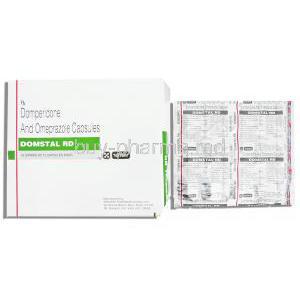

Introduction to DomRab (Domperidone + Rabeprazole Combination)
DomRab is a fixed-dose gastrointestinal formulation designed to address two fundamental contributors to upper digestive tract disorders: excessive gastric acid secretion and impaired gastrointestinal motility. By integrating a prokinetic agent with a proton pump inhibitor, this combination targets both symptom generation and symptom perpetuation.
The therapeutic rationale is grounded in clinical practicality. Acid suppression alone may be insufficient when delayed gastric emptying or reflux-induced nausea persists. Conversely, improving motility without controlling acidity often yields incomplete relief. DomRab bridges this gap.
- Commonly positioned for reflux-dominant dyspeptic disorders
- Widely used in outpatient gastroenterology practice
- Relevant for conditions involving acid reflux and motility dysfunction
Composition and Pharmaceutical Profile
DomRab contains two pharmacologically distinct yet complementary agents: domperidone and rabeprazole. Each component contributes a specific therapeutic function, resulting in a balanced formulation optimized for gastrointestinal symptom control.
- Domperidone: a peripheral dopamine D2 receptor antagonist
- Rabeprazole: a benzimidazole-derived proton pump inhibitor
The medication is typically available as oral capsules or tablets in fixed strengths, engineered to ensure predictable absorption and sustained pharmacodynamic activity. Excipients are selected to preserve drug stability, facilitate dissolution, and maintain uniform bioavailability.
How DomRab Works (Mechanism of Action)
Mechanism of Action of Domperidone
Domperidone exerts its effects primarily through antagonism of peripheral dopamine D2 receptors located in the gastrointestinal tract. Unlike centrally acting agents, its limited penetration across the blood–brain barrier reduces neurological adverse effects.
- Enhances coordinated gastric and duodenal motility
- Facilitates faster gastric emptying
- Suppresses nausea and vomiting via peripheral pathways
Mechanism of Action of Rabeprazole
Rabeprazole selectively inhibits the H+/K+-ATPase enzyme system in gastric parietal cells. This terminal step in acid production is irreversibly blocked, leading to profound suppression of gastric acid secretion.
Acid inhibition begins relatively rapidly and persists well beyond plasma elimination, allowing effective control of both basal and meal-stimulated acid output.
Synergistic Effect of the Combination
When combined, domperidone and rabeprazole provide dual-action therapy. Acid reduction minimizes mucosal irritation, while improved motility decreases reflux episodes and gastric stasis.
- Improved symptom resolution in reflux-related disorders
- Reduced postprandial fullness and nausea
- Enhanced patient comfort and treatment adherence
Uses and Approved Indications of DomRab
DomRab is prescribed for a spectrum of acid-related and motility-associated gastrointestinal conditions. Its combined mechanism makes it particularly suitable for multifactorial digestive complaints.
- Gastroesophageal reflux disease (GERD)
- Functional dyspepsia
- Acid-related epigastric pain
- Reflux-associated nausea and vomiting
- Delayed gastric emptying with hyperacidity
Off-Label and Extended Uses
Beyond approved indications, DomRab may be utilized in selected clinical scenarios under professional supervision. These applications are typically symptom-driven and individualized.
- Adjunctive therapy in refractory GERD
- Management of gastritis-associated bloating
- Protection against NSAID-related gastric irritation
- Supportive treatment in functional motility disorders
Dosage and Administration Guidelines
Standard adult dosing generally involves once-daily administration, though specific regimens may vary depending on symptom severity and clinical response.
- Usually taken before meals for optimal effect
- Consistent timing enhances therapeutic predictability
- Short courses for acute symptoms, extended use only when indicated
Missed doses should be taken as soon as remembered unless close to the next scheduled dose. Gradual step-down or discontinuation is recommended when long-term therapy is no longer required.
Side Effects of DomRab
Common Side Effects
Most adverse effects are mild and transient, often resolving as the body adapts to therapy.
- Dry mouth
- Headache
- Abdominal discomfort
- Diarrhea or constipation
- Dizziness
Less Common and Serious Side Effects
Although infrequent, certain reactions warrant closer monitoring, particularly during prolonged use.
- Cardiac rhythm disturbances related to domperidone
- Elevation of prolactin levels
- Electrolyte imbalance with extended proton pump inhibition
- Hypersensitivity reactions
Warnings and Safety Information
DomRab should be used judiciously, especially in patients with predisposing risk factors. Domperidone has been associated with QT interval prolongation, necessitating caution in susceptible individuals.
- Potential impact on vitamin and mineral absorption with long-term use
- Restricted use in patients with underlying cardiac conditions
- Avoidance of unsupervised prolonged therapy
Contraindications
DomRab is contraindicated in certain clinical situations where risks outweigh potential benefits.
- Known hypersensitivity to domperidone or rabeprazole
- Prolactin-secreting pituitary tumors
- Moderate to severe hepatic impairment
- Gastrointestinal hemorrhage, obstruction, or perforation
- Concomitant use with QT-prolonging medications
Drug and Food Interactions
Drug–drug interactions may alter the safety or efficacy of DomRab, particularly those affecting hepatic metabolism.
- CYP-mediated interactions influencing domperidone levels
- Interactions with macrolide antibiotics, antifungals, and antiarrhythmics
- Reduced absorption of medications requiring an acidic gastric environment
Alcohol consumption may exacerbate gastrointestinal irritation and is generally discouraged during therapy.
Careful Administration and Important Precautions
Careful administration of DomRab requires a methodical approach that balances therapeutic benefit with patient safety. Particular attention should be paid to pre-existing conditions and concurrent therapies, as these factors may influence treatment outcomes.
- Baseline cardiac risk assessment is recommended prior to initiation, especially in individuals with known cardiovascular disease or electrolyte abnormalities.
- Monitoring during long-term use should include periodic evaluation of cardiac status, gastrointestinal response, and overall tolerability.
- Avoidance of unnecessary dose escalation is essential, as higher doses do not always correlate with improved efficacy and may increase adverse effects.
Patient education plays a pivotal role. Individuals should be counseled to observe and report new or worsening symptoms such as palpitations, persistent dizziness, or unexplained gastrointestinal discomfort. Early recognition facilitates timely intervention.
Administration in Special Populations
Administration to Elderly Patients
Elderly patients often exhibit altered pharmacokinetics and heightened sensitivity to certain drug effects. DomRab should therefore be prescribed with increased vigilance in this population.
- Greater susceptibility to cardiac conduction disturbances
- Potential accumulation due to reduced hepatic or renal reserve
- Need for conservative dosing strategies
Dose adjustment may be necessary, accompanied by closer clinical monitoring to detect early signs of intolerance or adverse reactions.
Administration to Pregnant Women and Nursing Mothers
Use during pregnancy requires careful consideration. While acid-related symptoms are common during gestation, pharmacologic intervention should be guided by a thorough risk–benefit analysis.
- Pregnancy safety data are limited and should be interpreted cautiously
- Treatment is generally reserved for cases where non-pharmacological measures are insufficient
During lactation, domperidone and rabeprazole may be excreted into breast milk in small amounts. The potential impact on the nursing infant should be weighed against maternal benefit, with ongoing observation for any adverse effects.
Administration to Children
Pediatric use of DomRab is restricted and should be approached conservatively. The developing gastrointestinal and cardiac systems necessitate heightened prudence.
- Limited indications supported by clinical evidence
- Strict adherence to age- and weight-based dosing parameters
- Mandatory supervision by a qualified healthcare specialist
Off-label pediatric use, when considered, should be supported by clear clinical justification and close follow-up.
Overdosage Information
Overdosage may lead to amplified pharmacological effects and requires prompt recognition. The clinical presentation can vary depending on the quantity ingested and individual susceptibility.
- Domperidone overdose may manifest as cardiac rhythm disturbances, dizziness, or extrapyramidal symptoms.
- Rabeprazole overdose is generally associated with gastrointestinal discomfort, headache, or altered mental status.
Immediate management focuses on supportive care. Vital signs should be monitored, and symptomatic treatment instituted as needed. Emergency medical attention is warranted if severe symptoms, loss of consciousness, or cardiac irregularities occur.
Handling and Storage Precautions
Proper handling and storage are integral to maintaining the stability and effectiveness of DomRab. Inappropriate conditions may compromise product integrity.
- Store at room temperature in a dry environment
- Protect from excessive heat, moisture, and direct sunlight
- Keep in original packaging until use
Unused or expired medication should be disposed of in accordance with local regulations. To prevent accidental ingestion, DomRab must be kept securely out of reach of children at all times.
DomRab, Domperidone,Rabeprazole FAQ
Popular Products





Similar Product