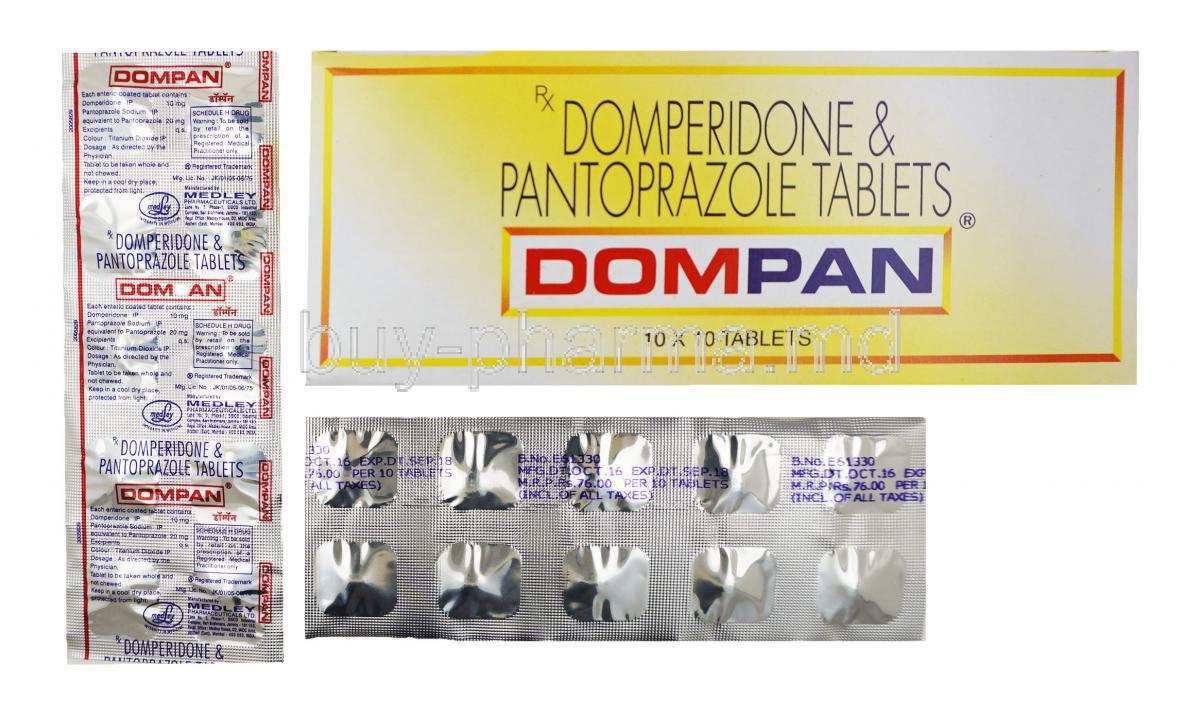
1. Introduction to Dompan (Domperidone / Pantoprazole)
Dompan is a fixed-dose combination therapy formulated to address complex upper gastrointestinal disorders where acid suppression and enhanced gastric motility are both clinically desirable. By uniting two pharmacologically distinct agents in a single regimen, it offers a streamlined therapeutic approach for symptom control and mucosal protection.
From a therapeutic classification standpoint, Dompan combines a dopamine receptor antagonist with a proton pump inhibitor. This duality confers clinical relevance in routine gastroenterology practice, particularly for patients experiencing persistent reflux symptoms accompanied by nausea, bloating, or delayed gastric emptying.
It is commonly prescribed in conditions characterized by excessive gastric acid production, impaired gastrointestinal motility, or a combination of both, where monotherapy may be insufficient.
2. Composition and Formulation Details
2.1 Active Ingredients
Domperidone belongs to the class of peripheral dopamine D2 receptor antagonists. Its primary role is to enhance gastrointestinal motility while exerting antiemetic effects without significant central nervous system penetration.
Pantoprazole is a benzimidazole-derived proton pump inhibitor. It is designed to suppress gastric acid secretion at its source, providing sustained acid control and promoting mucosal healing.
2.2 Dosage Forms and Strengths
Dompan is typically available in oral tablet or capsule formulations to accommodate varied prescribing preferences and patient needs.
- Immediate-release components allow rapid onset of prokinetic action.
- Delayed-release elements protect acid-labile pantoprazole until it reaches the intestine.
This formulation strategy ensures both prompt symptom relief and prolonged acid suppression.
2.3 Role of Excipients
Inactive ingredients serve essential pharmaceutical functions, including tablet cohesion, controlled dissolution, and protection from environmental degradation.
Carefully selected excipients enhance stability, preserve bioavailability, and support predictable absorption across varied gastric conditions.
3. How Dompan Works (Mechanism of Action)
3.1 Mechanism of Action of Domperidone
Domperidone exerts its effect through selective antagonism of peripheral dopamine D2 receptors located in the gastrointestinal tract.
- Enhances gastric emptying and intestinal transit
- Reduces nausea by inhibiting dopaminergic signaling in the chemoreceptor trigger zone
This results in improved coordination of gastric contractions and symptomatic relief from bloating and early satiety.
3.2 Mechanism of Action of Pantoprazole
Pantoprazole irreversibly inhibits the H+/K+-ATPase enzyme system within gastric parietal cells.
By blocking the final step of acid production, it achieves profound and sustained reduction of gastric acidity, independent of stimulus type.
3.3 Combined Therapeutic Effect
The concurrent use of domperidone and pantoprazole produces a synergistic effect:
- Reduced gastric acid exposure to the esophagus
- Improved gastric motility and symptom clearance
This integrated mechanism is particularly advantageous in acid-related disorders complicated by motility dysfunction.
4. Uses of Dompan
4.1 Approved Therapeutic Uses
Dompan is commonly utilized in the management of several upper gastrointestinal conditions, including:
- Gastroesophageal reflux disease (GERD)
- Acid-related dyspepsia
- Nausea and vomiting associated with hyperacidity
Its dual-action profile addresses both the causative acid burden and associated functional symptoms.
4.2 Symptom-Based Indications
In clinical practice, Dompan is frequently prescribed to alleviate distressing symptoms such as:
- Heartburn and acid regurgitation
- Upper abdominal discomfort and bloating
- Postprandial fullness and early satiety
5. Off-Label Uses of Dompan
Beyond standard indications, Dompan may be employed in selected off-label scenarios where clinical judgment supports its use.
- Supportive management of functional dyspepsia
- Adjunctive therapy in gastroparesis
- Refractory reflux symptoms unresponsive to single-agent therapy
- Prevention of nausea in specific medical or pharmacological contexts
6. Dosage and Administration
6.1 Standard Adult Dosage
Dosage regimens are individualized based on symptom severity and therapeutic response.
Dompan is generally administered once daily, with timing optimized to maximize acid suppression and motility enhancement.
6.2 Duration of Treatment
Short-term therapy is often sufficient for acute symptom control, while extended use may be considered in chronic conditions.
Continuation or discontinuation is guided by symptom resolution, clinical reassessment, and risk–benefit evaluation.
6.3 Administration Guidelines
Dompan is intended for oral administration and should be taken as prescribed.
- Consistency in dosing time enhances therapeutic predictability
- Adherence is critical for sustained symptom control
7. Common Side Effects
Most adverse effects associated with Dompan are mild and transient.
- Dry mouth
- Headache
- Mild gastrointestinal disturbances
- Dizziness or fatigue
8. Side Effects and Adverse Reactions
8.1 Gastrointestinal Side Effects
Alterations in bowel habits may occur, including diarrhea or constipation.
Occasional abdominal discomfort has also been reported.
8.2 Neurological and Systemic Effects
Some individuals may experience drowsiness or restlessness, particularly during initial therapy.
8.3 Hormonal and Cardiac Considerations
Domperidone may influence prolactin levels, leading to endocrine-related effects in susceptible individuals.
Attention is also warranted regarding potential cardiac rhythm disturbances, especially in high-risk populations.
9. Drug Interactions
9.1 Drug–Drug Interactions
Interactions may occur with medications that modulate cytochrome P450 enzymes.
Concomitant use with drugs known to prolong the QT interval requires particular caution.
9.2 Food and Beverage Interactions
Meals can influence the absorption profile of the formulation.
Alcohol consumption may exacerbate gastrointestinal irritation and is generally discouraged.
9.3 Disease-Related Interactions
Patients with hepatic or renal impairment may require careful monitoring.
Altered drug metabolism or clearance can impact both efficacy and safety.
10. Warnings and Safety Information
Dompan therapy requires judicious use, particularly when administered beyond short-term treatment. Prolonged exposure may increase the likelihood of cumulative adverse effects, making periodic clinical reassessment essential.
- Long-term use should be reserved for clearly defined indications
- Ongoing evaluation of symptom control versus risk is recommended
Cardiac safety is a critical consideration, primarily due to the domperidone component. Domperidone has been associated with alterations in cardiac electrophysiology, including QT interval prolongation, which may predispose susceptible individuals to arrhythmias.
Chronic acid suppression with pantoprazole also carries inherent risks. Sustained reduction of gastric acidity can alter gastrointestinal flora, impair mineral absorption, and mask underlying pathology if symptoms persist without investigation.
11. Contraindications
Dompan is contraindicated in patients with known hypersensitivity to domperidone, pantoprazole, or any formulation component, as allergic reactions may range from mild cutaneous manifestations to severe systemic responses.
Use is strictly contraindicated in individuals with prolactin-secreting pituitary tumors, as domperidone may exacerbate prolactin release and worsen disease progression.
Severe hepatic impairment represents another absolute contraindication. Impaired hepatic metabolism can lead to drug accumulation and heightened toxicity.
Conditions in which increased gastrointestinal motility could be detrimental—such as mechanical bowel obstruction, gastrointestinal perforation, or active gastrointestinal bleeding—also preclude the use of this combination therapy.
12. Careful Administration and Important Precautions
Careful administration is warranted during long-term therapy. Regular monitoring allows early detection of adverse trends and supports timely intervention.
- Assessment of symptom persistence or recurrence
- Periodic evaluation of cardiac and metabolic parameters
Patients with existing cardiac risk factors, including ischemic heart disease or a history of arrhythmias, require heightened vigilance. In such cases, benefit–risk stratification should guide therapeutic decisions.
Electrolyte imbalances, particularly hypokalemia and hypomagnesemia, may potentiate cardiac risks. Correction of electrolyte disturbances prior to initiation and during treatment is strongly advised.
13. Administration in Special Populations
13.1 Administration to Elderly Patients
Elderly patients often exhibit increased sensitivity to pharmacological effects due to age-related physiological changes. Reduced hepatic clearance and altered cardiac conduction can amplify adverse reactions.
Dose adjustments, conservative initiation, and close monitoring are recommended to minimize the risk of complications.
13.2 Administration to Pregnant Women and Nursing Mothers
The use of Dompan during pregnancy should be approached with caution. Therapy should be considered only when the anticipated benefit justifies potential fetal risk.
During lactation, domperidone may be excreted into breast milk in small quantities. Careful consideration is required to balance maternal benefit against possible exposure to the nursing infant.
13.3 Administration to Children
Pediatric use of Dompan is limited and should only occur under specialist supervision. Safety data in children are not as robust as in adult populations.
- Dosing must be individualized based on age and body weight
- Close observation for adverse effects is essential
14. Overdosage Information
Overdose involving domperidone and pantoprazole may manifest with a spectrum of symptoms, including:
- Pronounced drowsiness or agitation
- Gastrointestinal disturbances
- Cardiac rhythm abnormalities in severe cases
Immediate management focuses on supportive care and symptom-directed treatment. There is no specific antidote, underscoring the importance of prompt medical evaluation.
Medical supervision is essential to ensure appropriate monitoring and to mitigate potential complications.
15. Handling and Storage Precautions
15.1 Storage Conditions
Dompan should be stored under recommended conditions to preserve stability and efficacy.
- Store at controlled room temperature
- Avoid excessive humidity
Protection from direct light and moisture is necessary to prevent degradation of active ingredients.
15.2 Handling Precautions
Tablets or capsules should be handled with clean, dry hands and dispensed according to standard pharmaceutical practices.
Unused or expired medication should be disposed of in accordance with local regulations, avoiding environmental contamination.
16. Patient Counseling and Compliance Considerations
Patient education plays a pivotal role in therapeutic success. Correct timing of administration and adherence to prescribed dosing schedules optimize clinical outcomes.
Patients should be advised to seek medical attention if symptoms persist, worsen, or if new adverse effects emerge.
Lifestyle measures can complement pharmacotherapy and enhance symptom control, including:
- Dietary modifications to reduce acid exposure
- Weight management where appropriate
- Avoidance of known symptom triggers
Such integrative strategies support sustained therapeutic benefit and improved quality of life.
Dompan, Domperidone/Pantoprazole FAQ
- What is Dompan Tablet used for?
- Can we take Dompan daily?
- Is Dompan an antacid?
- Why is Dompan Tablet used?
- How long should I spend at Tab Dompan?
- How does dompan work in the body?
- What are the rules of Dompan?
- Is Dompan good for gas?
- What is the age limit for Dompan Tablet?
- Is Dompan safe?
- Can I take Dompan twice a day?
- What are the benefits of Dompan?
- Can I take Dompan at night?
- What is pantoprazole and domperidone used for?
- When is the best time to take pantoprazole domperidone?
- Can you take pantoprazole domperidone once a day?
- What are the worst side effects of pantoprazole?
What is Dompan Tablet used for?
Dompan Tablet is a medicine that is used to treat conditions like acid reflux disease (GERD), erosive esophagitis, gastritis, gastric and duodenal ulcers, and indigestion with symptoms like heartburn, bloating, and regurgitation. It works by lowering acid production and helping the stomach empty faster.
Can we take Dompan daily?
Yes
Is Dompan an antacid?
No
Why is Dompan Tablet used?
It is used to treat GERD and relieve symptoms of heartburn, indigestion, chest pain and discomfort.
How long should I spend at Tab Dompan?
As prescribed
How does dompan work in the body?
Domperidone works by increasing the movements of the stomach and intestines
What are the rules of Dompan?
1 hour before meal
Is Dompan good for gas?
Yes
What is the age limit for Dompan Tablet?
Children above 12 years of age
Is Dompan safe?
Yes
Can I take Dompan twice a day?
Yes
What are the benefits of Dompan?
It relieves symptoms of acid reflux and reduces acid production in the stomach.
Can I take Dompan at night?
No
What is pantoprazole and domperidone used for?
The combination of pantoprazole and domperidone is used to teat acid reflux and its symptoms.
When is the best time to take pantoprazole domperidone?
Once daily
Can you take pantoprazole domperidone once a day?
Yes
What are the worst side effects of pantoprazole?
- Stomachache
- Dark pee
- Yellowing of eyes
Popular Products



Similar Product