
Hycamin, Topotecan
- 1. Introduction to Hycamin (Topotecan)
- 2. Composition and Pharmaceutical Profile
- 3. Topotecan Mechanism of Action
- 4. Approved Therapeutic Uses
- 5. Expanded Uses and Off-Label Applications
- 6. Dosage and Administration
- 7. Administration in Special Populations
- 8. Topotecan Side Effects
- 9. Drug Interactions
- 10. Warnings and Safety Information
- 11. Contraindications
- 12. Careful Administration and Important Precautions
- 13. Overdosage
- 14. Storage and Stability
- 15. Handling Precautions
1. Introduction to Hycamin (Topotecan)
Hycamin contains the compound topotecan. Hycamin is a cancer‑fighting drug that doctors use for cancers. Hycamin belongs to a class of cell‑killing drugs that stop cancer cells from growing at the cellular level. Hycamin disrupts DNA steps and helps control tumor growth in patients. In terms of medicine, topotecan is a topoisomerase I blocker, in the group of cancer medicines. Its development stemmed from advances in understanding DNA topology and enzyme-mediated replication, leading to clinical approval after demonstrating efficacy in refractory solid tumors. In contemporary oncology practice, topotecan is positioned as a second-line or salvage therapy, particularly where resistance to first-line regimens has emerged.

2. Composition and Pharmaceutical Profile
The principal active ingredient in Hycamin is topotecan hydrochloride, a semi-synthetic derivative of camptothecin. This compound exhibits potent antitumor activity through precise enzymatic inhibition.
- Chemical structure optimized for aqueous solubility
- Formulated to ensure predictable bioavailability
- Designed for systemic cytotoxic exposure
Hycamin is available in both oral capsule formulations and intravenous injectable preparations, allowing flexibility in treatment planning. Inactive excipients are carefully selected to maintain chemical stability, control degradation, and ensure consistent dosing across treatment cycles.
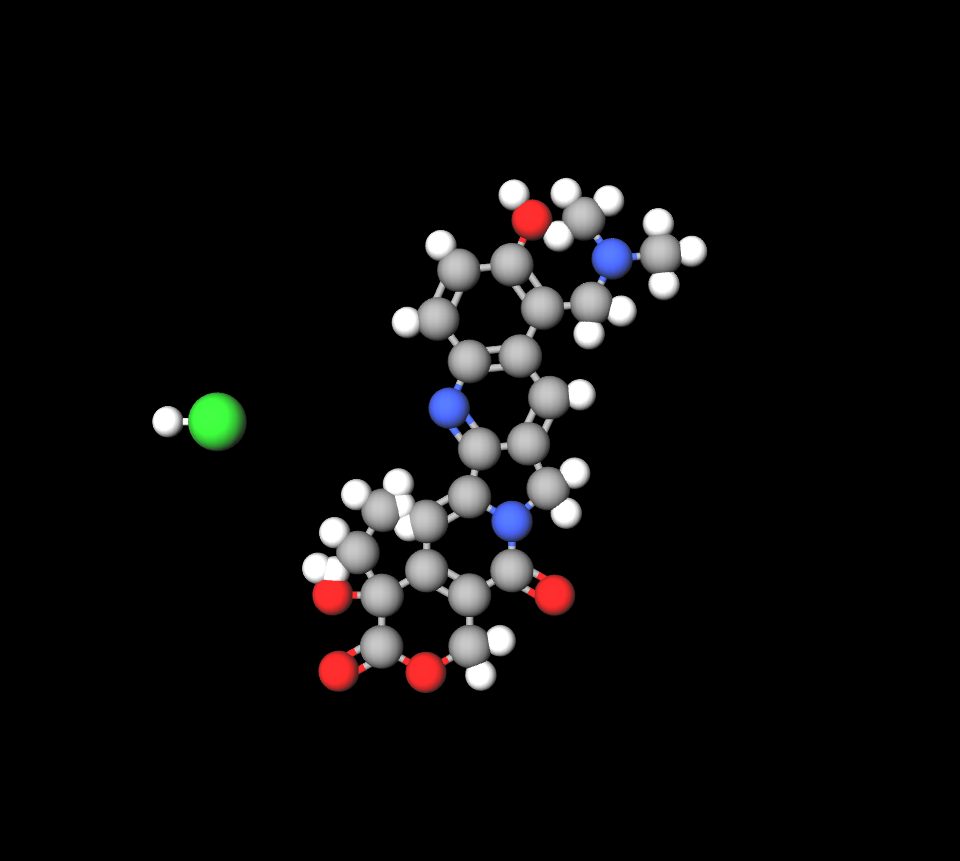
Topotecan vs irinotecan
Topotecan is active per se, whereas irinotecan is postulated to act, at least partly, through its active metabolite SN-38
3. Topotecan Mechanism of Action
Topotecan exerts its antineoplastic effect by selectively inhibiting topoisomerase I, an enzyme essential for relieving torsional strain during DNA replication and transcription. By stabilizing the transient DNA-enzyme cleavage complex, Hycamin prevents re-ligation of single-strand DNA breaks. This interruption leads to replication fork collapse, accumulation of DNA damage, and eventual apoptosis. Rapidly dividing cancer cells are particularly susceptible, while non-proliferating cells are relatively spared. The drug demonstrates cell cycle specificity, with maximal activity during the S-phase.
4. Approved Therapeutic Uses
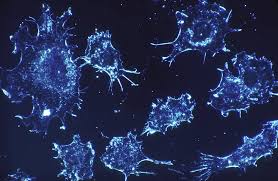
Hycamin is approved for the treatment of several malignancies with documented clinical benefit:
- Topotecan ovarian cancer following failure of platinum-based chemotherapy
- Small cell lung cancer (SCLC) in patients with disease relapse after first-line therapy
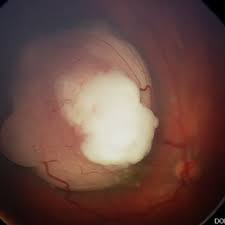
- Topotecan retinoblastoma
It is also indicated in select relapsed or refractory solid tumors where alternative therapeutic options are limited. These approvals are supported by randomized clinical trials demonstrating measurable response rates and progression-free survival benefits.
5. Expanded Uses and Off-Label Applications
Beyond its approved indications, topotecan has been explored in a variety of off-label and investigational settings. In cervical cancer, it has been used as part of combination regimens, particularly in advanced or recurrent disease.
Pediatric solid tumors represent another area of investigational use, although application remains largely confined to controlled clinical trials. Ongoing research has also examined topotecan in hematologic malignancies, aiming to exploit its DNA-damaging properties in rapidly proliferating cell populations.
Clinical limitations include cumulative toxicity, narrow therapeutic index, and the need for rigorous hematologic monitoring when used outside approved settings.

6. Dosage and Administration
Standard dosing regimens vary by formulation and indication. Oral topotecan is typically administered once daily for a defined number of consecutive days within a treatment cycle. Intravenous administration follows structured infusion schedules repeated every three to four weeks. Dose adjustments are essential in patients with renal impairment, as reduced clearance can significantly increase systemic exposure. Treatment duration depends on clinical response, tolerability, and disease progression. When used in combination therapy, administration timing is carefully coordinated to minimize overlapping toxicities.

7. Administration in Special Populations
7.1 Administration to Elderly Patients
In older adults, age-related changes in renal function and bone marrow reserve may influence drug tolerance. Careful dose titration and close monitoring are recommended, particularly during initial treatment cycles.

7.2 Administration to Pregnant Women and Nursing Mothers
Topotecan is classified as high risk during pregnancy due to its mechanism of action and demonstrated embryotoxicity. Exposure may result in fetal harm. Breastfeeding is contraindicated, as drug excretion into breast milk may pose serious risks to nursing infants.

7.3 Administration to Children and Adolescents
Pediatric use requires individualized dosing strategies and is generally restricted to specialized oncology centers. Long-term safety data remain limited, reinforcing the importance of clinical trial oversight.
8. Topotecan Side Effects
Hycamin is associated with a predictable spectrum of adverse drug reactions, most of which are dose-dependent and reversible with appropriate management. Side effects are commonly classified by frequency and severity.
8.1 Common Side Effects
- Myelosuppression, including anemia, neutropenia, and thrombocytopenia
- Gastrointestinal disturbances such as nausea, vomiting, and diarrhea
- Persistent fatigue and generalized weakness
- Alopecia and reduced appetite

8.2 Topotecan Adverse Effects
Severe neutropenia may predispose patients to life-threatening infections, including febrile neutropenia. Less frequently, pulmonary toxicity and elevated hepatic enzymes have been observed, necessitating prompt clinical evaluation.
9. Drug Interactions
Topotecan may interact with other cytotoxic agents, particularly those with overlapping myelosuppressive effects. While it is not extensively metabolized by cytochrome P450 enzymes, transporter-mediated interactions can influence systemic exposure.
Concomitant use with supportive medications, such as growth factors or antiemetics, should be carefully coordinated to optimize efficacy while reducing treatment-related complications.
10. Warnings and Safety Information
Hycamin (topotecan) carries significant safety considerations inherent to cytotoxic chemotherapy.
Topotecan toxicity
Prominent warnings emphasize the potential for profound hematologic toxicity, which may be dose-limiting and clinically consequential. These risks necessitate vigilant oversight throughout the course of therapy.
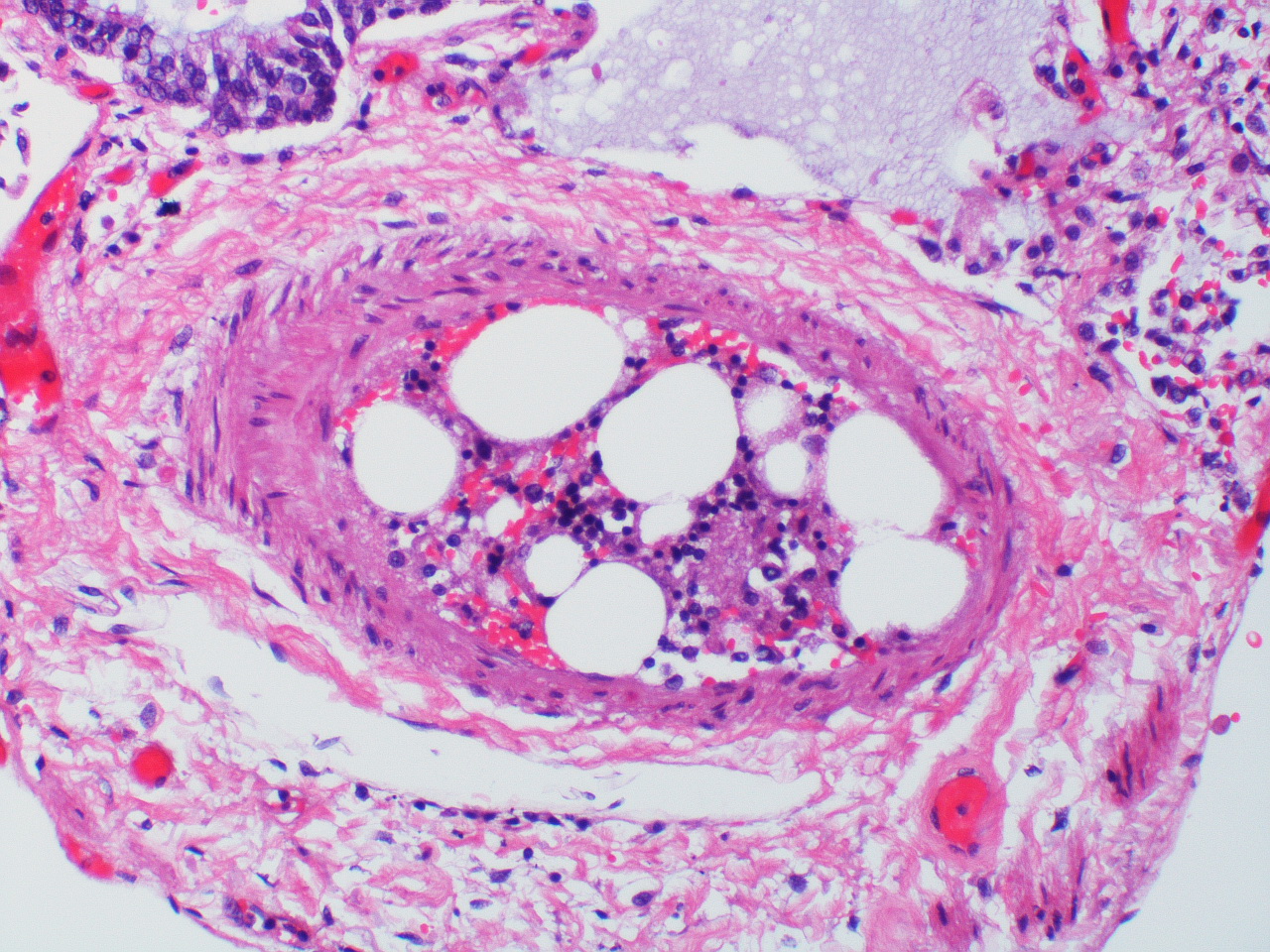
Severe bone marrow suppression represents a central safety concern. Marked reductions in neutrophils, platelets, and erythrocytes may occur, sometimes abruptly, increasing susceptibility to infection and hemorrhage. Even minor mucosal trauma may precipitate clinically relevant bleeding in affected patients.
To mitigate these risks, structured monitoring protocols are essential:
- Regular complete blood count (CBC) assessments prior to and during each treatment cycle
- Prompt evaluation of febrile episodes or unexplained fatigue
- Temporary treatment interruption or dose modification when critical thresholds are breached
11. Contraindications
Topotecan is contraindicated in individuals with a known hypersensitivity to the active compound or any formulation component. Such reactions may manifest as severe cutaneous eruptions, bronchospasm, or anaphylactoid responses.
Patients presenting with severe baseline bone marrow suppression should not initiate therapy, as further cytopenias may lead to life-threatening complications. Pregnancy constitutes a strict contraindication due to the drug's genotoxic mechanism and documented embryofetal toxicity.
Absolute avoidance is required in scenarios where:
- Bone marrow reserve is critically compromised
- Active, uncontrolled infections are present
- The risk benefit ratio is clearly unfavorable
12. Careful Administration and Important Precautions
Before initiating treatment, comprehensive baseline laboratory evaluations are mandatory. These typically include hematologic indices, renal markers, and hepatic enzymes to establish a reference point for ongoing assessment.
During therapy, continuous hematologic monitoring is crucial. Declining cell counts should trigger timely clinical intervention. Infection prevention strategies play a pivotal role and may include patient education on hygiene, avoidance of crowded environments, and early reporting of symptoms.
Renal and hepatic function monitoring is equally important, as impaired clearance may exacerbate systemic exposure. Patient counseling should address adherence, recognition of warning signs, and the importance of maintaining scheduled follow-up appointments.
13. Overdosage
Overdosage with topotecan typically presents as an intensification of its pharmacologic effects. Profound myelosuppression is the most characteristic feature, often accompanied by severe gastrointestinal toxicity.
Expected manifestations include:
- Extreme neutropenia with high infection risk
- Thrombocytopenia leading to spontaneous bleeding
- Persistent nausea, vomiting, and mucositis
Management is primarily supportive and requires close monitoring in a controlled clinical setting. There is no specific antidote for topotecan overdose; therefore, early detection and symptomatic treatment are critical.
14. Storage and Stability
Hycamin should be stored under conditions that preserve its chemical integrity. Recommended storage typically involves controlled room temperature, away from excessive heat or humidity.
Protection from light and moisture is essential to prevent degradation. Shelf life is determined by formulation and packaging, and expiration dates must be strictly observed. Expired or unused medication should not be retained for future use and must be disposed of according to established protocols.
15. Handling Precautions
As a cytotoxic agent, topotecan requires meticulous handling to minimize occupational exposure. Preparation and administration should occur in designated areas using appropriate containment measures.
- Use of protective gloves, gowns, and eye protection
- Employment of biological safety cabinets during reconstitution
- Strict adherence to disposal guidelines for contaminated materials
In the event of a spill, immediate containment and decontamination procedures should be implemented in accordance with institutional safety policies. These precautions are integral to maintaining a safe environment for healthcare personnel.
Hycamin, Topotecan FAQ
- What is Hycamtin used for?
- Is Hycamtin chemotherapy or immunotherapy?
- What is the drug topotecan used for?
- What is the success rate of topotecan?
- What is the mechanism of action of topotecan?
- What are the common side effects of topotecan?
- How effective is topotecan chemotherapy?
- Do you lose your hair with topotecan?
- Is topotecan a targeted therapy?
- What should I avoid while taking topotecan?
- Is topotecan safe for elderly patients?
- What are the adverse effects of topotecan?
- Is topotecan FDA approved?
- What are two adverse effects of topotecan?
- What cancers does topotecan treat?
- What tests are needed while on topotecan?
- Is topotecan effective?
- What class of drug is topotecan?
- Is topotecan toxic?
- How long can you take topotecan?
- What is another name for topotecan?
- How toxic is topotecan?
- How long is a topotecan infusion?
What is Hycamtin used for?
Hycamtin is used to treat metastatic cancer of the ovary (when the cancer has spread to other parts of the body). It is used after at least one other treatment has failed; small cell lung cancer, when the cancer has relapsed (come back).
Is Hycamtin chemotherapy or immunotherapy?
Chemotherapy
What is the drug topotecan used for?
It is used for the treatment of metastatic cancers of the ovaries.
What is the success rate of topotecan?
15-37%
What is the mechanism of action of topotecan?
It blocks a chemical called topoisomerase 1. This chemical helps to separate and repair the DNA in cells when they divide. Cancer cells need to make and repair DNA in order to grow and multiply.
What are the common side effects of topotecan?
- Tiredness
- Nausea
- Hypotension
How effective is topotecan chemotherapy?
54 %
Do you lose your hair with topotecan?
Yes
Is topotecan a targeted therapy?
Conventional chemotherapy
What should I avoid while taking topotecan?
Avoid sick people.
Is topotecan safe for elderly patients?
No
What are the adverse effects of topotecan?
Allergic Reaction and Infections
Is topotecan FDA approved?
Yes
What are two adverse effects of topotecan?
- Bleeding
- Black stools
What cancers does topotecan treat?
- Ovarian cancer
- Small cell lung cancer
- Cervical cancer
What tests are needed while on topotecan?
Physical examinations
Is topotecan effective?
Yes
What class of drug is topotecan?
Topoisomerase type I inhibitors
Is topotecan toxic?
Yes
How long can you take topotecan?
21 days
What is another name for topotecan?
Hycamin
How toxic is topotecan?
It can cause bone marrow suppression.
How long is a topotecan infusion?
Half an hour
Popular Products
Similar Product