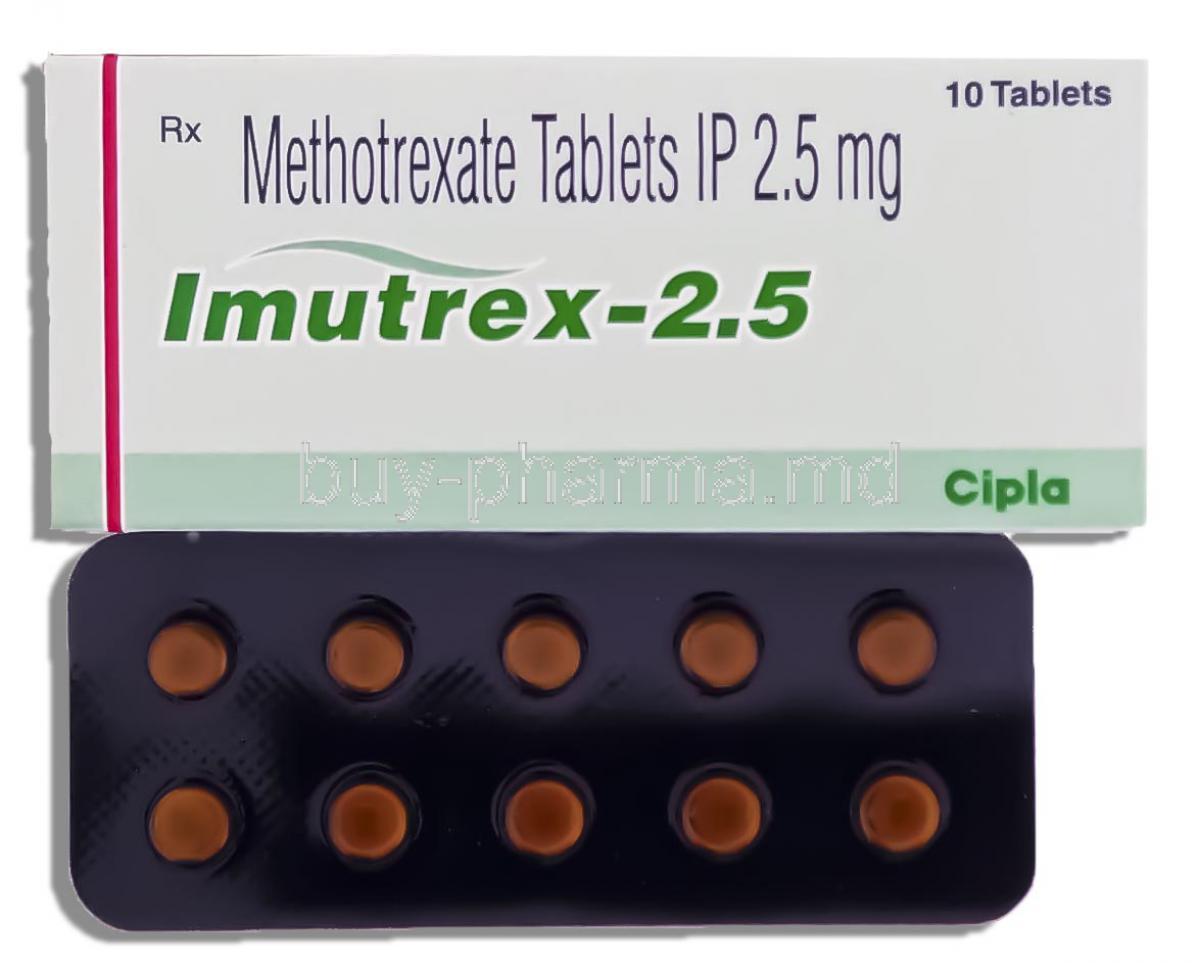

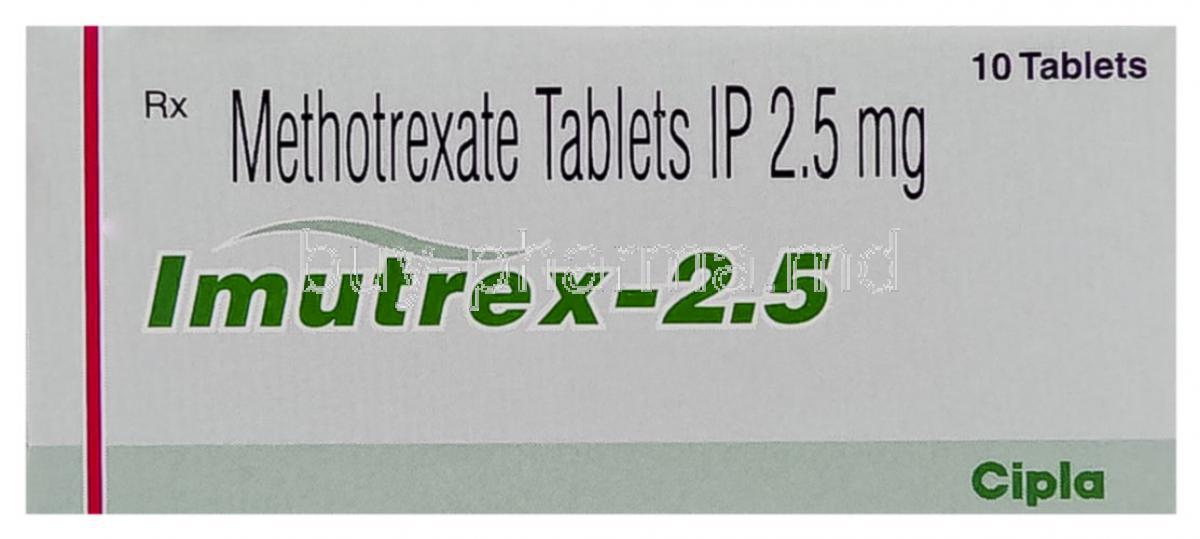

Introduction to Imutrex (Methotrexate)
Overview of therapeutic classification
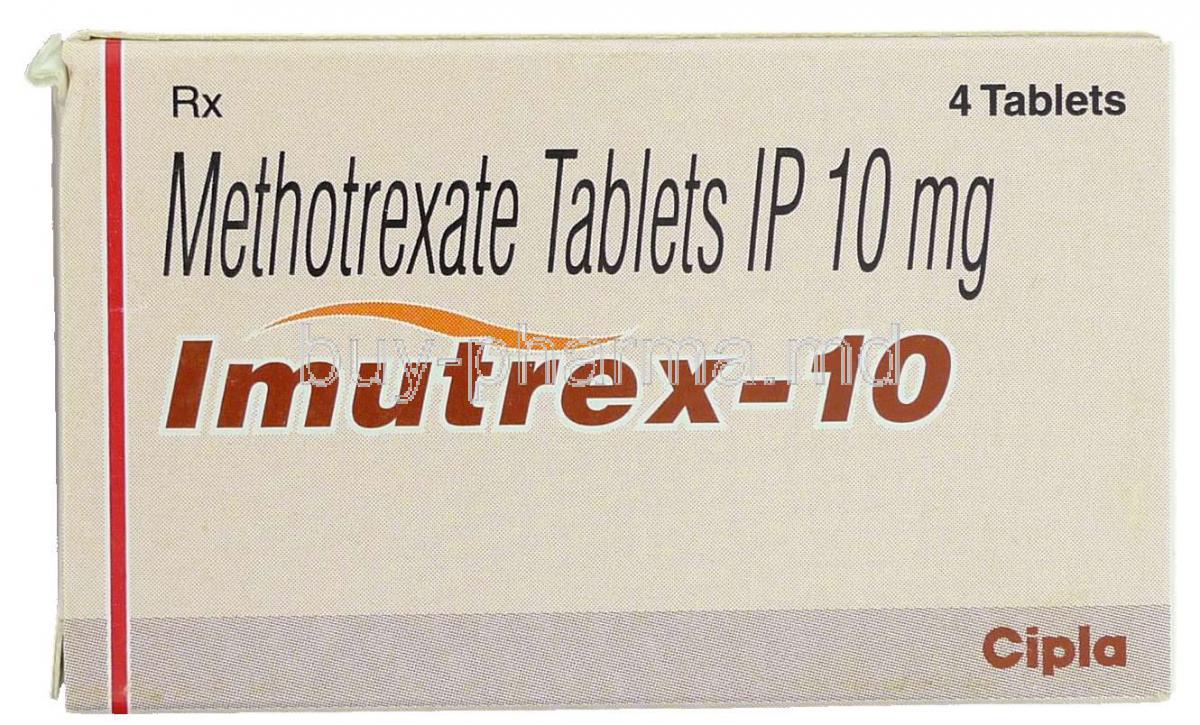
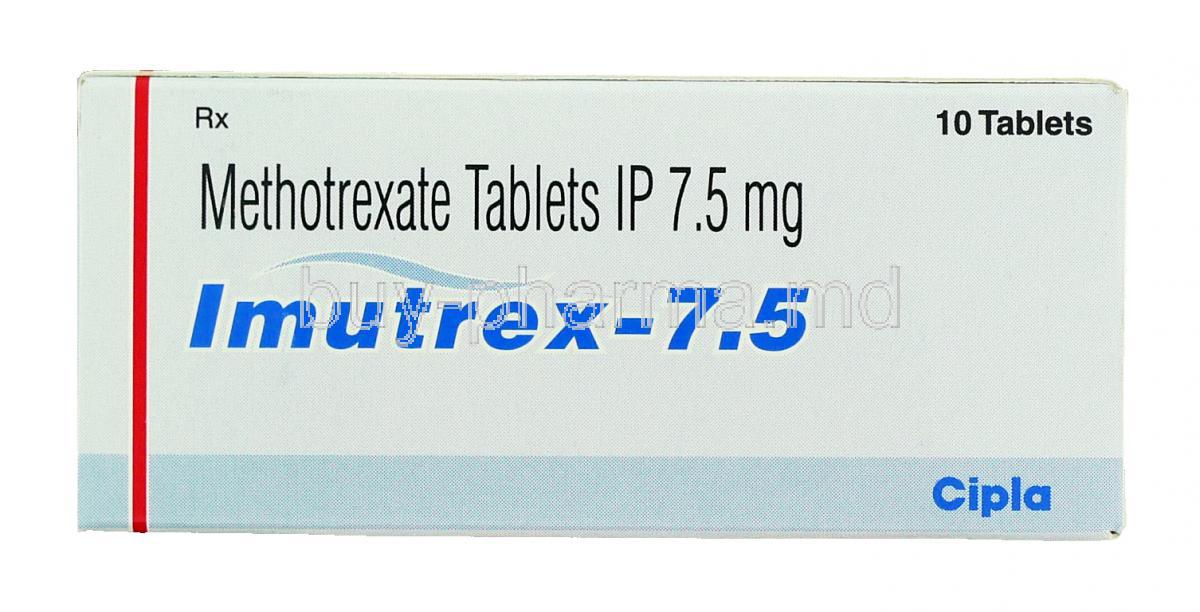
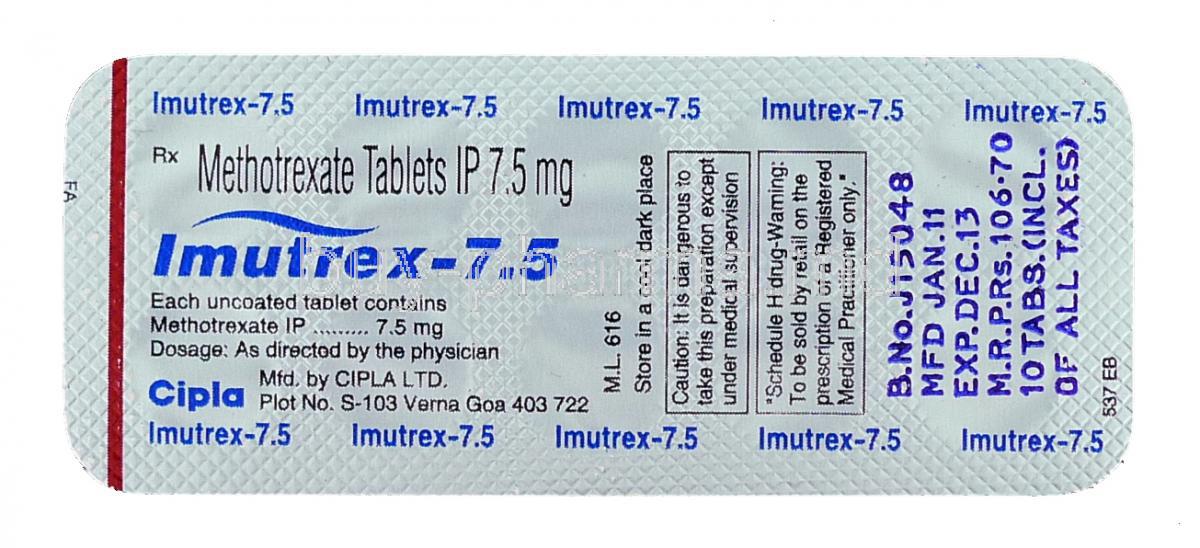
Imutrex contains methotrexate, a folate antimetabolite medicine utilized as a cornerstone therapy in numerous immune-mediated pathologies. It is categorized as a disease-modifying antirheumatic drug (DMARD) and also functions as an antineoplastic agent in specific malignant disease states. Its duality in classification affords clinicians a unique therapeutic spectrum that is uncommon in most small-molecule medications.
Medical relevance in autoimmune and oncologic disorders
Methotrexate has profoundly altered the clinical course of rheumatoid arthritis, complex plaque psoriasis, and psoriatic arthropathy. It is equally utilized in varying malignant conditions including leukemias and lymphomas where cellular proliferation must be radically suppressed. The drug’s influence permeates immunology and oncology simultaneously.
Brand name vs generic considerations in clinical practice
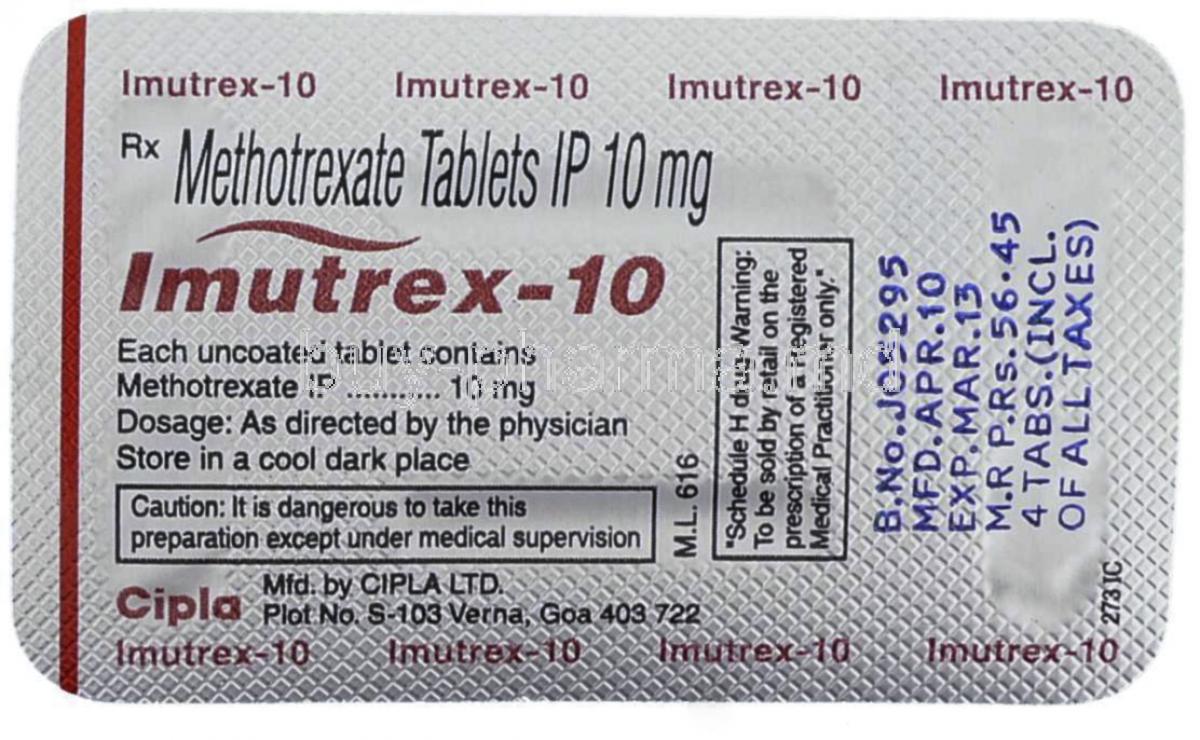
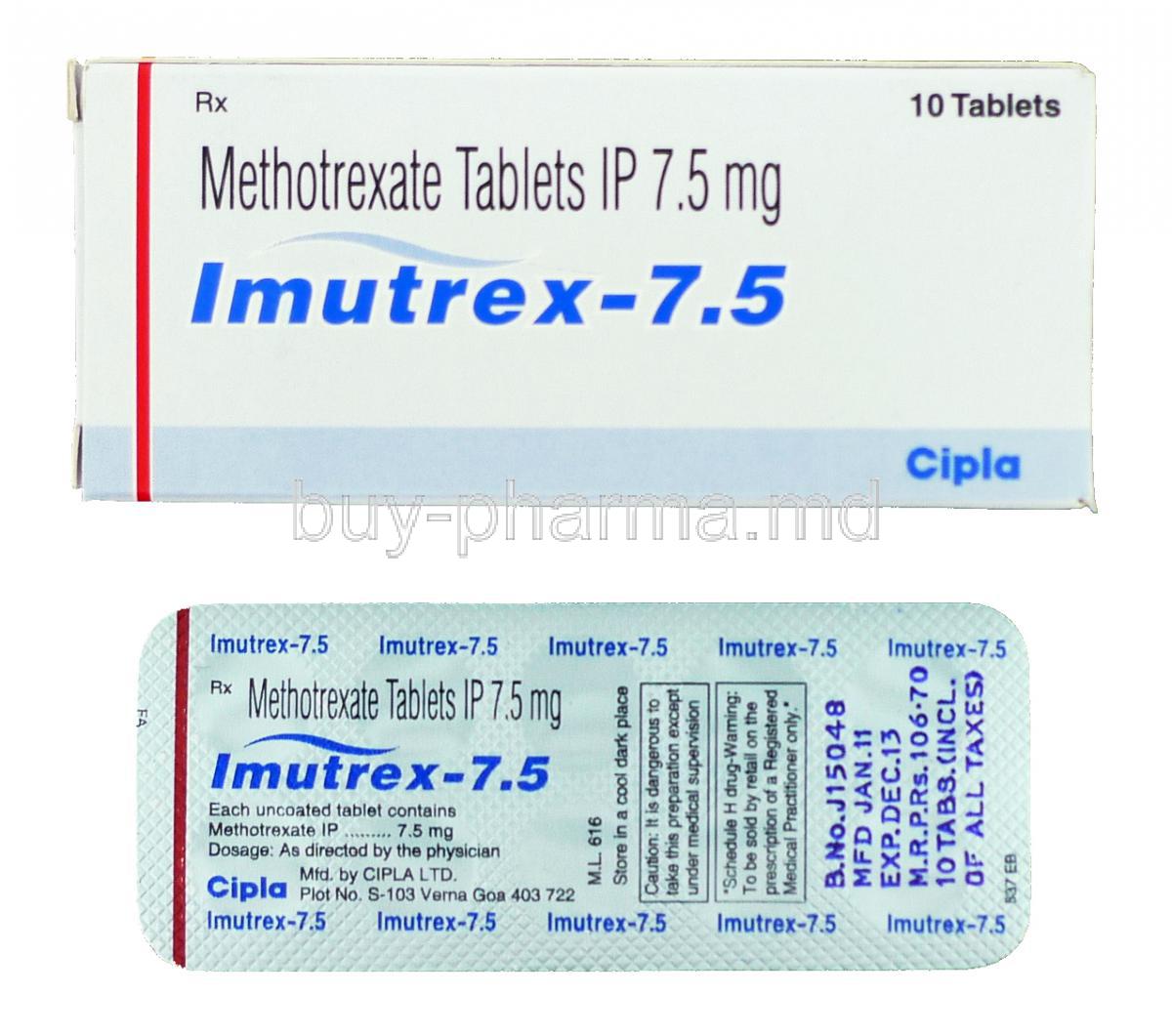
Imutrex is a branded variant of methotrexate, though generic equivalents exist widely. Clinicians often select based on:
- Formulary reimbursement
- Specific strength availability
- Patient affordability
Composition of Imutrex (Methotrexate)
Active ingredient concentration and strength details
Methotrexate is available in a variety of strengths that permit granular titration strategies and flexible dose modulation.
Pharmaceutical excipients and formulation bases
Formulations may include inert carriers for stability enhancement and dissolution consistency. These excipients assist in uniform pharmacokinetics.
Available dosage forms – tablets, injections, oral solution
Clinicians may prescribe tablets, parenteral injectable formats, or oral liquid for individualized delivery to match disease severity and response tolerance.
How Imutrex (Methotrexate) Works
Mechanism of action via dihydrofolate reductase inhibition
Methotrexate blocks dihydrofolate reductase, suspending DNA synthesis at a biochemical level. This reduction in nucleotide formation impedes pathogenic cell turnover.
Anti-inflammatory immunomodulation and disease modification
Long-term rheumatologic control is achieved through modulation of inflammatory cytokine cascades, resulting in structural joint preservation.
Antineoplastic cytotoxic effects in malignant cell suppression
At higher cytotoxic regimens, malignant clones are inhibited, particularly in leukemic cell lineage where rapid replication is characteristic.
Uses of Imutrex (Methotrexate)
Primary approved uses in rheumatoid arthritis
Rheumatoid arthritis remains the most recognized indication for weekly methotrexate therapy.
Approved uses in psoriasis and psoriatic arthritis
Psoriatic disorders respond to methotrexate by reducing epidermal hyperproliferation.
Oncology-related uses for certain cancers such as breast cancer, leukemia, lymphoma
Oncologists utilize methotrexate in specific tumor types where cell cycle arrest is desired.
Comparative efficacy vs biologics in autoimmune disease management
Methotrexate is frequently used first line prior to monoclonal antibody escalation.
Off-Label Uses of Imutrex (Methotrexate)
Off-label use in ectopic pregnancy medical management
Administration in selected tubal gestations preserves fertility and reduces surgical necessity.
Off-label use in Crohn’s disease and inflammatory bowel disease
Methotrexate has been investigated in luminal inflammation where steroid-sparing therapy is necessary.
Off-label use in vasculitis, SLE, and dermatomyositis / polymyositis
Complex connective tissue disorders may benefit from its immunomodulatory properties.
Experimental data in chronic uveitis and ophthalmic inflammatory diseases
Specialized ocular inflammatory segments have demonstrated response in targeted immunology trials.
Dosage and Administration
Initial dosing protocols for rheumatoid arthritis and titration
Initial weekly scheduling is typically low and gradually escalated based on tolerance.
High-dose methotrexate regimens in oncology settings
Oncology doses are markedly higher, requiring intensive monitoring protocols.
Weekly vs daily dosing distinction to prevent toxicity
The weekly format is vital. Daily ingestion of methotrexate erroneously can be toxic.
Concomitant folic acid supplementation recommendations
Folate supplementation reduces mucocutaneous toxicity, nausea, and systemic intolerance.
Side Effects of Imutrex (Methotrexate)
Serious adverse reactions including bone marrow suppression and hepatic injury
Neutropenia, thrombocytopenia, and hepatocellular damage are major safety concerns.
Monitoring liver enzymes, kidney function, CBC parameters
Routine laboratory monitoring helps reduce catastrophic cytopenia.
Drug-induced pneumonitis and pulmonary fibrosis risk profile
Rare but dangerous respiratory complications may occur and require discontinuation.
Common Side Effects
Mild nausea, fatigue, dizziness, headache
Transient discomfort is frequently mild and short-lived.
Gastrointestinal irritation and oral ulcers
Stomatitis and gastric upset are typical dose-related manifestations.
Hair thinning and mild elevated liver markers
Subclinical liver enzyme fluctuations occur in a subset of patients.
Interaction Profile
Interaction with NSAIDs, salicylates, and proton pump inhibitors
Reduced renal clearance may potentiate elevated methotrexate plasma concentrations.
Contraindicated interaction with live vaccines
Live viral immunizations should not be administered during immunosuppressive exposure.
Increased toxicity risk with alcohol consumption and hepatotoxic agents
Ethanol may dramatically amplify hepatocellular injury potential.
Pharmacokinetic interactions with penicillin-type antibiotics
Penicillin derivatives have documented interference in methotrexate elimination kinetics.
Warnings and Important Precautions
Strict avoidance of alcohol and hepatotoxic substances
Methotrexate demands total abstinence from alcohol. Even marginal ethanol exposure may potentiate hepatocellular injury. Hepatotoxic co-agents should likewise be avoided.
- Acetaminophen excess
- Chronic alcohol consumption
- Unregulated herbal liver supplements
Regular laboratory monitoring requirements
Routine pathology assessments are imperative. Periodic liver function tests, renal studies, and hematologic panels help detect toxicity early, sometimes before clinical symptoms emerge.
Avoiding sun exposure due to photosensitivity risk
Photosensitivity may occur. Excessive ultraviolet exposure could precipitate erythema and dermatologic irritability.
Bone marrow suppression and infection susceptibility precautions
Profound myelosuppression is possible. Neutropenia will elevate infection risk significantly and heighten vulnerability to opportunistic pathogens.
Contraindications
Severe hepatic impairment and renal insufficiency contraindication
Substantial hepatic or renal pathology renders methotrexate unsuitable. Accumulation can escalate toxicity exponentially.
Pregnancy and lactation absolute contraindication
This drug is teratogenic. Fetal developmental disruption and miscarriage are documented. Breastfeeding also contraindicated.
Bone marrow aplasia or severe cytopenia contraindication
Patients with existing bone marrow collapse must not receive methotrexate. Baseline hematologic stabilization is required before consideration.
Careful Administration
Caution in patients with preexisting liver disease or hepatitis
Underlying hepatic inflammation increases toxicity probability dramatically.
Caution in patients with pulmonary conditions
Methotrexate may precipitate pneumonitis. Respiratory monitoring is recommended routinely.
Dose reduction considerations in renal impairment
Methotrexate is renally excreted. Impaired filtration requires careful titration and slower dose increments.
Administration to Elderly
Age-related pharmacokinetic challenges
Older adults exhibit altered volume distribution and slower clearance. Toxicity thresholds narrow with age.
Heightened risk of toxicity due to renal clearance decline
An age-related decrease in GFR may elevate systemic exposure with routine dosing.
Adjusted dosing and enhanced lab monitoring approach
Lower initiation doses:
- More frequent CBC review
- More frequent renal profiling
- Slower dose escalation
Administration to Pregnant Women and Nursing Mothers
Teratogenicity warning and reproductive toxicity risk
Methotrexate interferes with fetal cell replication. Multiple organ systems may be affected.
Contraindication during breastfeeding due to excretion in milk
Infant systemic exposure is unsafe. Breast milk transfer is clinically significant.
Contraception recommendations for women and men on therapy
Barrier plus hormonal strategies are encouraged. Both genders should maintain contraception for multiple months post discontinuation.
Administration to Children
Pediatric dosage considerations in juvenile idiopathic arthritis
Dosing in children is weight-based. Titration is slower and incremental.
Safety profile and monitoring requirements in pediatric patients
Pediatric safety monitoring mirrors adult parameters but requires closer frequency due to developmental sensitivity.
Immunization guidance and vaccine precautions
Live vaccines must be avoided. Inactivated vaccines require timing optimization.
Overdosage
Signs and symptoms of methotrexate overdose toxicity
Mucosal ulceration, hematologic collapse, and intractable nausea may appear abruptly.
Emergency management including leucovorin rescue protocol
Leucovorin neutralization is an emergency standard to reestablish folate metabolic pathways rapidly.
Hemodialysis and supportive management measures
Extracorporeal clearance may be necessary at high levels. Intensive supportive care helps stabilize physiologic parameters.
Storage and Handling Precautions
Storage temperature and humidity requirements
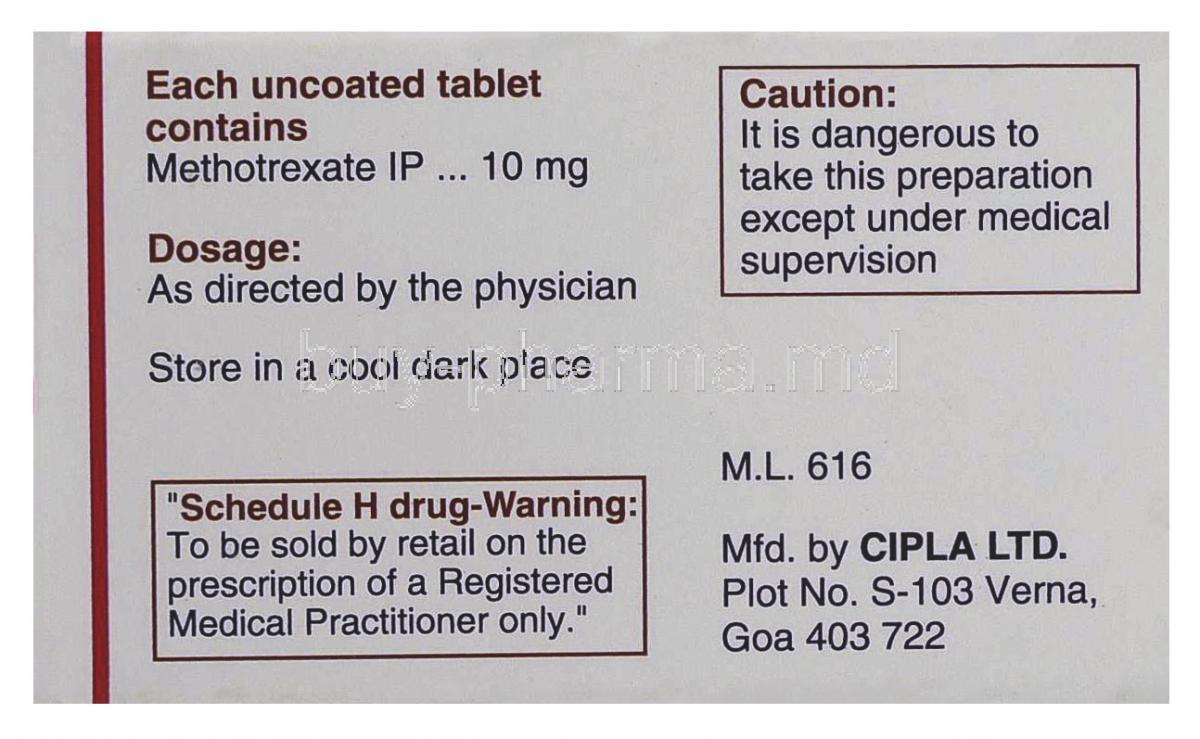
Store in a controlled ambient environment. Avoid high humidity zones.
Safe handling instructions to reduce exposure risks
Cytotoxic medications should be handled with gloves, and contamination surfaces disinfected.
Proper disposal instructions for cytotoxic pharmaceuticals
Medication should not enter regular household waste streams. Utilize licensed cytotoxic disposal pathways.

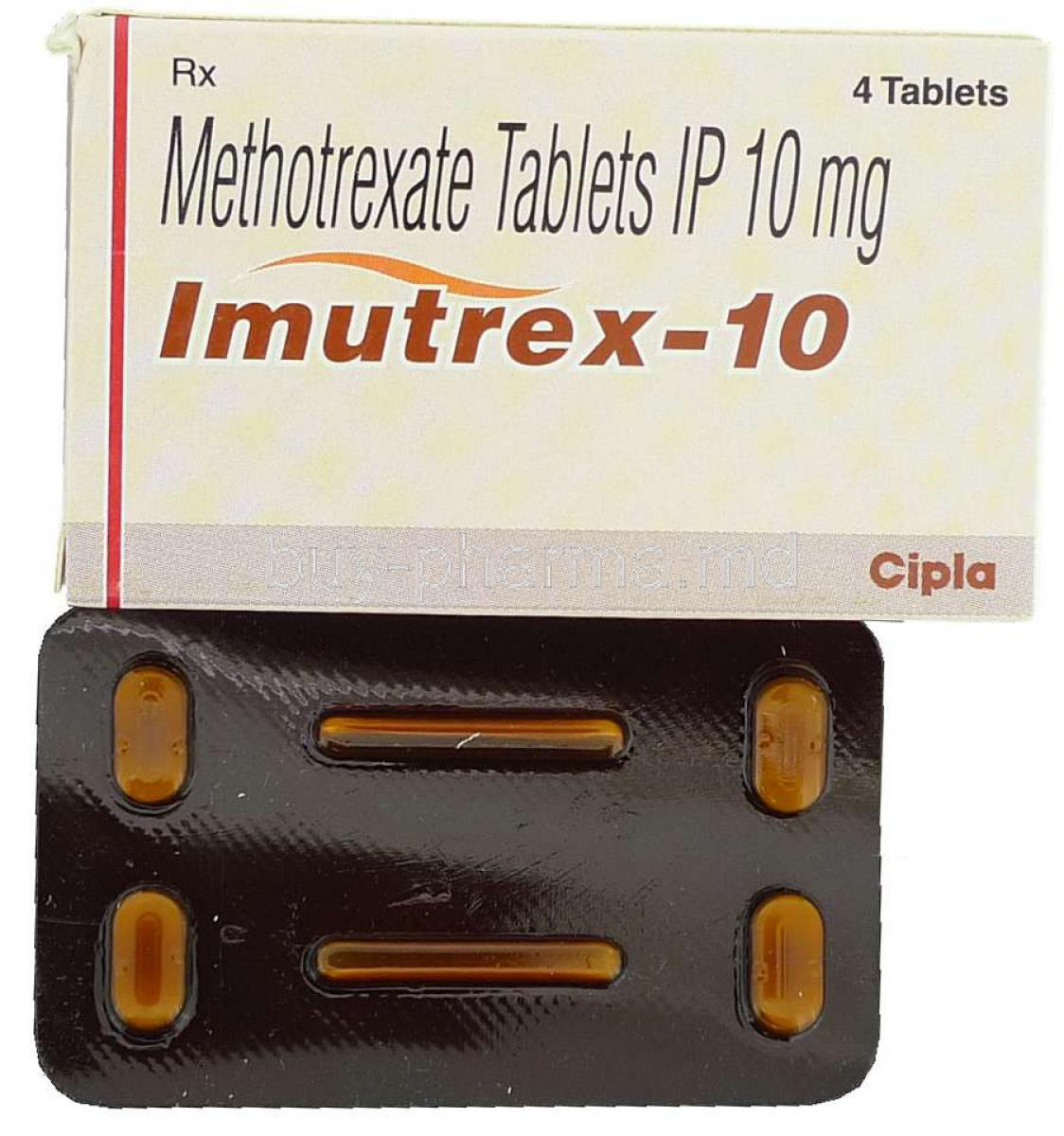



Imutrex, Methotrexate FAQ
Customers also bought

Popular Products

Similar Product