
1. Introduction to Levipil XR (Levetiracetam Extended-Release)
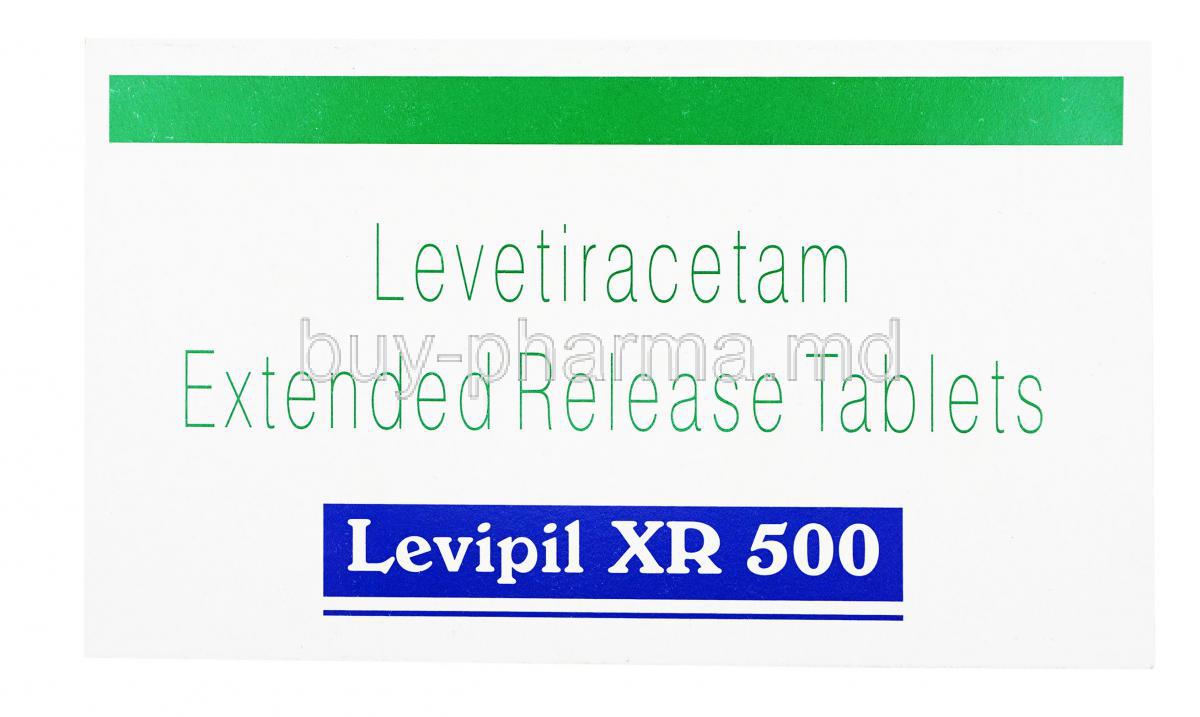
Levipil XR is an antiepileptic medication formulated to support sustained seizure control in individuals with epilepsy. It belongs to a modern generation of anticonvulsants distinguished by a favorable pharmacokinetic profile and broad clinical utility.
The extended-release formulation is designed to deliver levetiracetam gradually over a 24-hour period. This controlled liberation of the active compound promotes stable plasma concentrations, minimizes peak–trough fluctuations, and enhances adherence through simplified dosing.
Unlike immediate-release preparations that often require multiple daily administrations, the XR formulation allows for once-daily dosing. This distinction is clinically meaningful, particularly for patients requiring long-term therapy.
- Therapeutic class: antiepileptic drug (AED)
- Clinical role: maintenance and prevention of seizure recurrence
- Positioning: first-line or adjunctive therapy in epilepsy management
2. Composition and Pharmaceutical Characteristics
The principal active ingredient in Levipil XR is levetiracetam, a pyrrolidone derivative with anticonvulsant properties. It is chemically distinct from older antiepileptic agents, contributing to its unique pharmacological behavior.
The extended-release tablet formulation incorporates a specialized matrix system that governs drug release. This design ensures gradual absorption along the gastrointestinal tract.
In addition to the active component, the formulation contains selected excipients that stabilize the tablet, regulate dissolution, and preserve bioavailability.
- Available as extended-release oral tablets
- Multiple tablet strengths to support individualized dosing
- Intended for oral administration only
Brivaracetam vs levetiracetam
levetiracetam (LEV), both targeting the SV2A protein for seizure control, but BRV has higher affinity, faster brain entry, potentially better efficacy, and notably fewer neuropsychiatric side effects (like anger, irritability) compared to LEV, though both can cause drowsiness; BRV offers flexibility (IV/oral) and a better side effect profile, making it a good alternative for patients struggling with LEV's psychiatric effects.
Levetiracetam alternatives
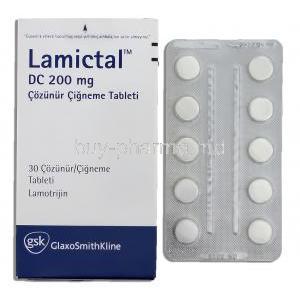
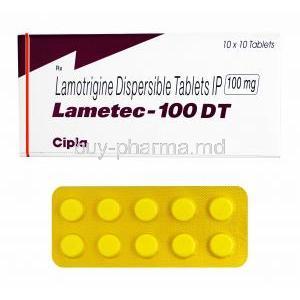
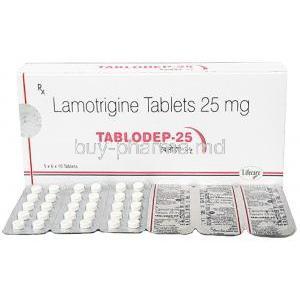
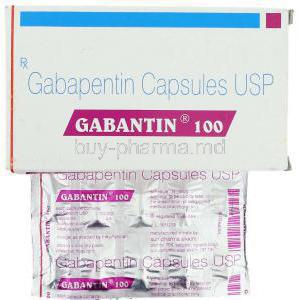
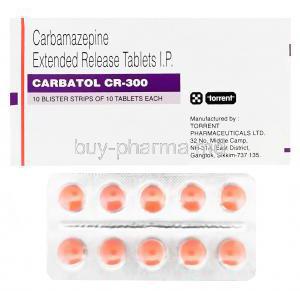
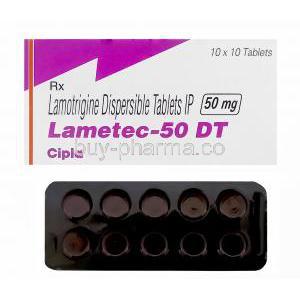
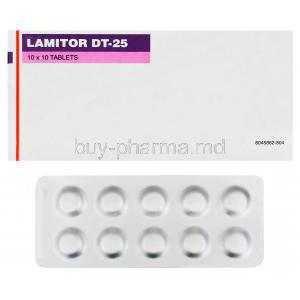
lamotrigine (Lamictal), topiramate (Topamax), carbamazepine (Tegretol), oxcarbazepine (Trileptal), gabapentin (Neurontin), zonisamide (Zonegran), and valproic acid derivatives
3. Levetiracetam MOA
Levipil XR exerts its antiepileptic effects primarily through modulation of synaptic vesicle protein 2A (SV2A). This protein plays a pivotal role in neurotransmitter release within the central nervous system.
By binding selectively to SV2A, levetiracetam alters synaptic transmission and dampens excessive neuronal firing. The net effect is a reduction in neuronal hyperexcitability, a hallmark of epileptic activity.
Notably, this agent does not act directly on sodium channels or calcium channels. This pharmacodynamic independence reduces overlap with other antiepileptic drugs and limits certain systemic adverse effects.
- Selective SV2A modulation
- Stabilization of neuronal signaling
- Distinct mechanism supporting combination therapy
4. Approved Medical Uses of Levipil XR
Levipil XR is approved for the treatment of partial-onset seizures in patients with epilepsy. Its efficacy has been demonstrated across diverse patient populations.
The medication may be used as monotherapy in newly diagnosed cases or as adjunctive therapy in individuals with incomplete seizure control on other agents.
Long-term administration supports sustained seizure suppression and contributes to improved quality of life when used consistently.
- Management of partial-onset seizures
- Monotherapy or add-on therapy
- Maintenance of stable seizure control
5. Levetiracetam Off Label use
Beyond its approved indications, levetiracetam has been explored in various off-label contexts. These applications are typically guided by specialist judgment and emerging clinical evidence.
Adjunctive use in generalized tonic-clonic seizures and myoclonic seizures has been reported in selected patients. In addition, investigational interest extends to certain neuropsychiatric and behavioral conditions.
Ongoing research continues to evaluate its broader neurological utility.
- Adjunctive therapy in generalized seizure types
- Myoclonic seizure management
- Exploratory neuropsychiatric applications
6. Levetiracetam dosage and Administration Guidelines
Standard adult dosing of Levipil XR typically begins with a conservative initiation dose, followed by gradual titration based on clinical response and tolerability.
The once-daily dosing schedule is a defining advantage of the XR formulation. It reduces pill burden and supports consistent therapeutic exposure.
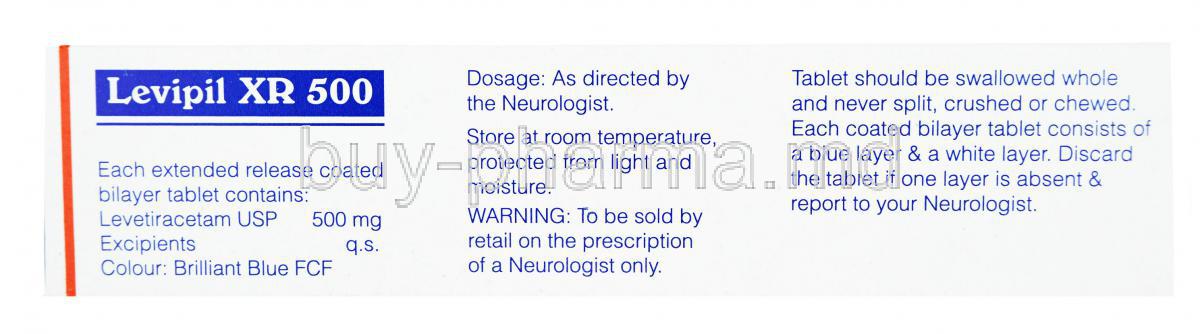
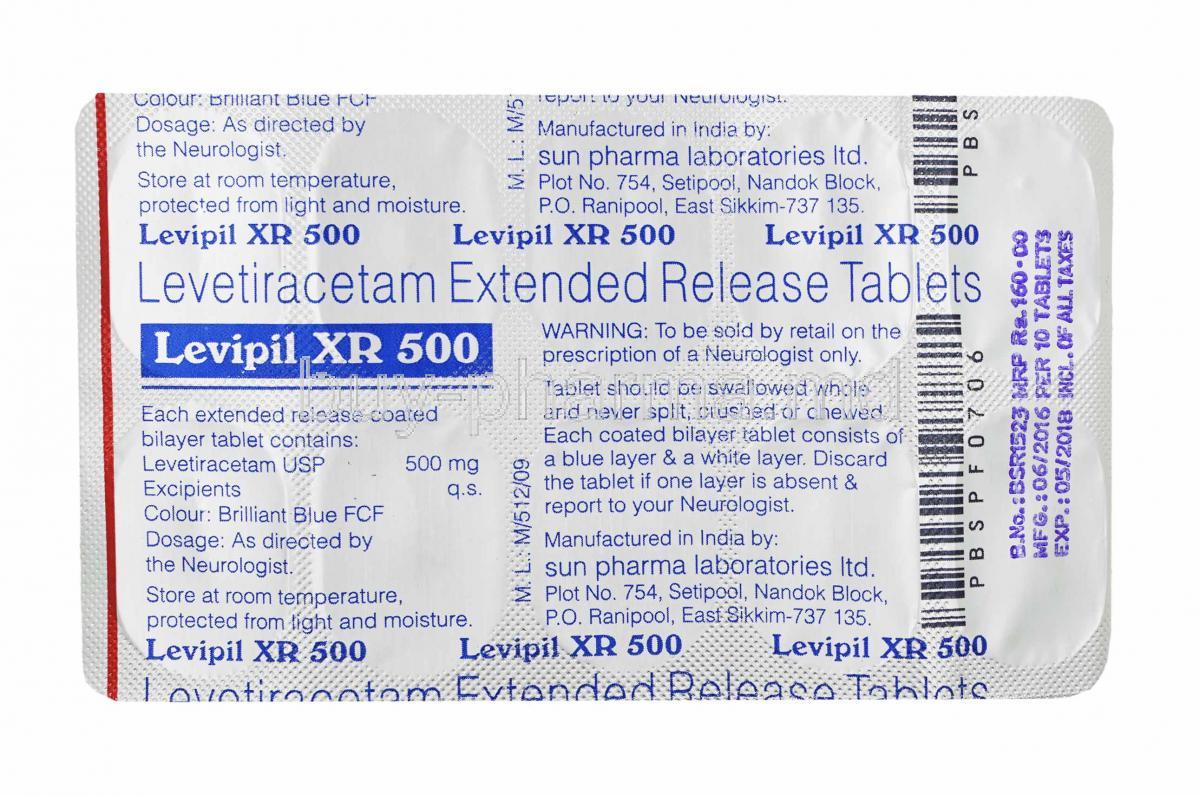
Tablets may be taken with or without food. However, they must be swallowed whole to preserve the integrity of the extended-release mechanism.
Levetiracetam dose:
- Once-daily oral administration
- Gradual dose escalation when required
- Do not crush, split, or chew tablets
7. Administration in Special Populations
7.1 Administration to Elderly Patients
Elderly individuals may exhibit altered pharmacokinetics due to age-related physiological changes. Renal clearance, in particular, can be reduced.
Routine monitoring of renal function is recommended, with dose adjustments implemented as necessary. Increased sensitivity to central nervous system effects may also be observed.
7.2 Administration to Pregnant Women and Nursing Mothers
Available data suggest that levetiracetam crosses the placenta. Therefore, use during pregnancy requires a careful evaluation of seizure control needs versus potential fetal risk.
The drug is excreted into breast milk. Clinical decision-making during lactation should balance maternal benefit with infant exposure.
7.3 Administration to Children and Adolescents
Pediatric use is subject to approved age indications and weight-based dosing protocols. Younger patients generally tolerate levetiracetam well when appropriately dosed.
Specialist supervision is essential to ensure safety and optimal therapeutic outcomes.
8. Levetiracetam Side Effects
The adverse reaction profile of Levipil XR is generally predictable and dose-dependent. Most side effects emerge during initiation or titration phases.
Some reactions are transient, while others may persist with continued therapy. Individual susceptibility varies.
9. Levetiracetam Common Side Effects
Frequently reported side effects are typically mild to moderate in intensity and often resolve with continued use.
- Somnolence and persistent fatigue
- Dizziness and headache
- Behavioral changes, including irritability
- Nausea and other gastrointestinal disturbances
10. Levetiracetam Adverse Effects
Although uncommon, serious adverse effects have been reported and warrant prompt medical evaluation.
Neuropsychiatric manifestations such as aggression, mood destabilization, or depressive symptoms may occur. Suicidal ideation has been observed in rare cases, necessitating vigilant monitoring.
Hypersensitivity reactions and rare hematologic abnormalities have also been documented.
- Severe behavioral or mood changes
- Depression and suicidal thoughts
- Allergic reactions and blood disorders
Levetiracetam Side Effects in Adults
Levetiracetam's common side effects in adults often involve the central nervous system (CNS), including drowsiness, dizziness, fatigue, irritability, mood swings, and headaches, while more serious, less frequent effects can include psychosis, hallucinations, severe allergic reactions (DRESS, Stevens-Johnson Syndrome), and increased suicidal thoughts or behaviors.
11. Levetiracetam Interactions
Levetiracetam extended-release is characterized by a comparatively low interaction burden. Its pharmacokinetic profile minimizes interference with hepatic enzyme systems, an attribute that distinguishes it from many legacy antiepileptic agents.
The compound exhibits a low propensity for cytochrome P450 (CYP)-mediated drug interactions. Consequently, clinically significant alterations in plasma concentrations of co-administered medications are uncommon.
- Minimal CYP enzyme induction or inhibition
- Predictable exposure across diverse patient populations
- Favorable compatibility with polypharmacy
When used alongside other antiepileptic medications, levetiracetam is often well tolerated. Synergistic seizure control may be achieved without disproportionate toxicity.
Concomitant administration with central nervous system depressants can potentiate sedative effects. Alcohol consumption may further exacerbate somnolence, dizziness, or impaired psychomotor performance.
12. Levetiracetam Warnings and Safety Information
Behavioral and mood-related adverse effects have been reported in a subset of patients. These manifestations may include irritability, agitation, or emotional lability.
Rarely, suicidal thoughts or behaviors have been observed. Vigilant monitoring is advised, particularly during treatment initiation or dosage adjustments.
- Monitor for emergent depression or behavioral changes
- Prompt evaluation of concerning psychological symptoms
Abrupt discontinuation of therapy may precipitate seizure exacerbation. Gradual dose reduction is recommended to mitigate withdrawal-related complications.
Due to potential effects on alertness, caution is advised when driving or operating machinery, especially during early treatment phases.
Levetiracetam alcohol
Drinking alcohol with levetiracetam (Keppra) is strongly discouraged as it worsens side effects like drowsiness, dizziness, and concentration issues, increases the risk of accidents due to impaired judgment, and can make the anti-seizure medication less effective.
Levetiracetam withdrawal symptoms
Sudden levetiracetam (Keppra) withdrawal can trigger worsened seizures, even status epilepticus, so it must be tapered slowly under a doctor's guidance. Common withdrawal effects mirror side effects and include anxiety, irritability, mood changes, dizziness, fatigue, insomnia, nausea, headache, and potentially serious psychiatric symptoms like aggression or hallucinations, requiring immediate medical attention if severe.
13. Levetiracetam Contraindications
Levetiracetam is contraindicated in individuals with known hypersensitivity to the active substance or any component of the formulation.
Severe allergic reactions, including anaphylaxis or angioedema, necessitate immediate cessation and alternative therapeutic strategies.
- Documented levetiracetam hypersensitivity
- History of severe formulation-related allergic reactions
- Clinical scenarios requiring non–levetiracetam-based therapy
14. Careful Administration and Important Precautions
Prudent administration emphasizes gradual dose titration and cautious tapering when therapy modification is required. This approach supports neurologic stability and reduces adverse sequelae.
Long-term therapy warrants periodic clinical review. Monitoring parameters often include seizure frequency, neurobehavioral status, and renal function.
- Baseline and ongoing renal function assessment
- Adjustment in patients with impaired clearance
- Reinforcement of adherence and dosing consistency
Patient counseling is integral. Clear communication regarding dosing schedules, potential adverse effects, and the importance of uninterrupted therapy enhances therapeutic outcomes.
Levetiracetam Nursing Considerations
Levetiracetam nursing considerations focus on monitoring for mood/behavior changes (suicidality, aggression), assessing for severe rashes (SJS, DRESS), watching for CNS effects like dizziness/somnolence, preventing abrupt discontinuation (seizure risk), cautiously using in renal impairment, and monitoring pregnant/breastfeeding individuals for infant sedation/poor weight gain, alongside ensuring safe IV administration and fall prevention.
15. Overdosage Information
Overdose with levetiracetam may result in central nervous system depression and related symptoms. The severity is influenced by dose magnitude and patient-specific factors.
Reported manifestations include somnolence, agitation, respiratory depression, and, in extreme cases, coma.
- Marked sedation or confusion
- Altered consciousness
- Respiratory compromise in severe exposure
Management is primarily supportive, emphasizing airway protection and vital sign monitoring. Hemodialysis may be considered in severe cases, as levetiracetam is dialyzable.
16. Storage and Stability
Levipil XR should be stored at controlled room temperature in accordance with labeling recommendations. Environmental stability preserves pharmacologic integrity.
Protection from excessive moisture and direct light is advised. Exposure to adverse conditions may compromise tablet performance.
- Observe labeled shelf life and expiration dates
- Do not use beyond the stated expiry
- Store securely, away from children
17. Handling Precautions
Extended-release tablets must be handled with care to maintain their controlled-release properties. Mechanical alteration can disrupt drug delivery kinetics.
Tablets should not be crushed, split, or chewed. Intact ingestion ensures predictable absorption and therapeutic consistency.
- Avoid tablet manipulation
- Dispose of unused or expired medication responsibly
- Caregivers should observe basic handling hygiene
Appropriate disposal reduces accidental exposure and environmental contamination, reinforcing overall medication safety.
Levipil XR, Levetiracetam FAQ
- What is Levipil XR used for?
- What does XR mean in medication?
- Does Levipil have side effects?
- What are the side effects of Levipil XR 750?
- Is Levipil safe for long-term use?
- How long should Levipil be taken?
- What should I avoid while taking Levipil?
- Does Levipil cause hair loss?
- Does Levipil cause anger issues?
- Is Levipil a high risk medicine?
- What is Levipil XR used for?
- What are the disadvantages of LEvipil?
- How many years should I take Levipil?
- Does Levipil affect the kidneys?
- Does Levipil increase creatinine?
- How does Levipil work?
- What is levetiracetam used to treat?
- How long should I take levetiracetam?
- What should you avoid while taking levetiracetam?
- Does levetiracetam calm you down?
- What are the disadvantages of levetiracetam?
- Can levetiracetam affect memory?
- Is levetiracetam a high risk med?
- Can levetiracetam make you sleepy?
- Can I drink coffee with levetiracetam?
- How quickly does levetiracetam start working?
What is Levipil XR used for?
Levipil XR is used as an anti-epileptic medicine to treat epilepsy.
What does XR mean in medication?
Extended-release medications
Does Levipil have side effects?
- Less appetite
- Behavior changes
- Aggressiveness
- Drowsiness
What are the side effects of Levipil XR 750?
- Less appetite
- Behavior changes
- Aggressiveness
- Drowsiness
Is Levipil safe for long-term use?
Yes
How long should Levipil be taken?
As long as tolerated
What should I avoid while taking Levipil?
- macrogol, a laxative
- other epilepsy medicines, such as carbamazepine, lamotrigine, oxcarbazepine, phenobarbital or phenytoin.
- methotrexate, a medicine that can be used to treat arthritis and other conditions.
Does Levipil cause hair loss?
No
Does Levipil cause anger issues?
Yes
Is Levipil a high risk medicine?
Yes
What is Levipil XR used for?
Levipil XR is used as an anti-epileptic medicine to treat epilepsy.
What are the disadvantages of LEvipil?
Levipil is not recommended for patients suffering from kidney failure, blood disorders, and depression.
How many years should I take Levipil?
As long as tolerated
Does Levipil affect the kidneys?
It can cause renal failure.
Does Levipil increase creatinine?
Rarely
How does Levipil work?
It works by attaching to specific sites (SV2A) on the surfaces of nerve cells. This suppresses the abnormal activity of the nerve cells in the brain and prevents the spread of electrical signals that cause seizures.
What is levetiracetam used to treat?
Levetiracetam is a novel antiepileptic drug used to treat partial, myoclonic, and tonic-clonic seizures
How long should I take levetiracetam?
Many years
What should you avoid while taking levetiracetam?
Avoid drinking alcohol.
Does levetiracetam calm you down?
Yes
What are the disadvantages of levetiracetam?
- Aggressiveness
- Headache
- Appetite loss
- Dizziness
Can levetiracetam affect memory?
It can improve memory.
Is levetiracetam a high risk med?
Yes
Can levetiracetam make you sleepy?
Yes
Can I drink coffee with levetiracetam?
Coffee increases the risk of seizure.
How quickly does levetiracetam start working?
Few weeks
Popular Products

Similar Product