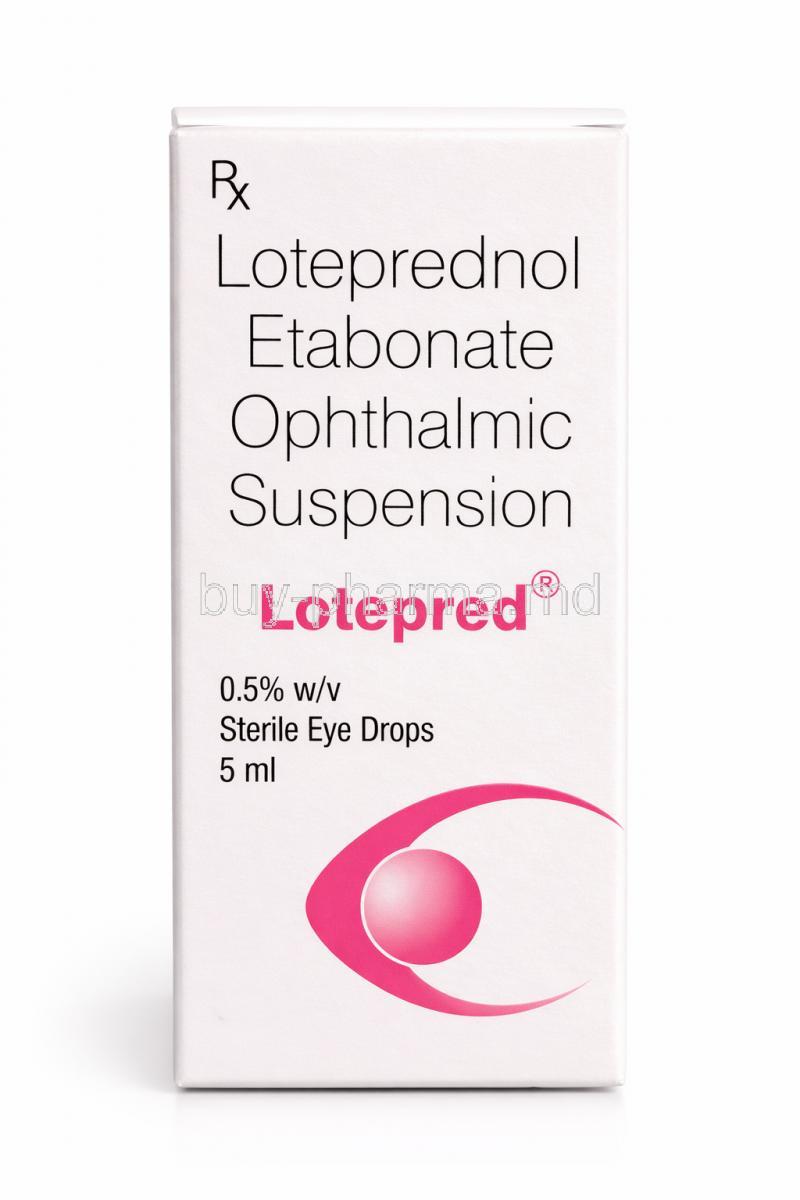
Introduction to Lotepred Eye Drop (Loteprednol Etabonate)
Lotepred Eye Drop contains loteprednol etabonate, a topical ophthalmic corticosteroid widely prescribed for inflammatory eye conditions. It is frequently utilized in ophthalmology to alleviate redness, swelling, ocular discomfort, and post-surgical inflammation. The medication was developed with a specialized ester-based molecular configuration intended to reduce steroid-related adverse effects while maintaining potent anti-inflammatory activity.
Inflammatory ocular disorders can significantly impair visual comfort and corneal integrity. Conditions such as allergic conjunctivitis, postoperative irritation, episcleritis, and dry eye inflammation often require targeted anti-inflammatory intervention. Lotepred Eye Drop serves this therapeutic niche with remarkable efficacy and improved tolerability compared to older corticosteroid formulations.
Overview of Lotepred Eye Drops
Lotepred Eye Drops are sterile ophthalmic preparations designed for topical administration into the eye. The medication is available in several pharmaceutical formats, including:
- Ophthalmic suspension
- Ophthalmic gel
- Ointment formulations
- Preservative-containing and preservative-free variants
These formulations are engineered to provide sustained ocular surface exposure while minimizing systemic absorption. The drug acts locally within ocular tissues, thereby reducing inflammatory cascades associated with various eye disorders.
What Is Loteprednol Etabonate?
Loteprednol etabonate is a synthetic corticosteroid specifically designed for ophthalmic use. Unlike traditional ketone-based corticosteroids, loteprednol possesses an ester-based structure that undergoes rapid metabolic inactivation after exerting its therapeutic effect.
This pharmacological characteristic is often referred to as “soft drug” technology. The molecule becomes metabolized into inactive metabolites once it enters systemic circulation, theoretically decreasing the risk of prolonged steroid exposure.
Loteprednol etabonate demonstrates potent anti-inflammatory activity by:
- Suppressing inflammatory mediators
- Reducing leukocyte migration
- Inhibiting prostaglandin synthesis
- Decreasing vascular permeability
Therapeutic Classification of Lotepred Eye Drops
Lotepred Eye Drop belongs to the following therapeutic categories:
- Ophthalmic corticosteroid
- Anti-inflammatory eye medication
- Topical ocular glucocorticoid
It is considered a corticosteroid with relatively lower propensity for increasing intraocular pressure compared with some older ophthalmic steroids, though monitoring remains essential during prolonged therapy.
Brand Variations and Ophthalmic Formulations
Loteprednol etabonate is marketed globally under multiple brand names and concentrations. Different formulations are tailored for specific ocular conditions and treatment durations.
Common pharmaceutical presentations include:
- 0.2% ophthalmic suspension
- 0.5% ophthalmic suspension
- Gel-based ophthalmic preparations
- Ophthalmic ointments
Certain advanced formulations utilize submicron particle technology to improve ocular penetration and enhance bioavailability.
Role of Corticosteroid Eye Drops in Ocular Care
Corticosteroid eye drops occupy a pivotal role in ophthalmic therapeutics. Ocular inflammation can rapidly compromise visual acuity, corneal transparency, and patient comfort if left untreated.
Lotepred Eye Drop is commonly prescribed to:
- Control postoperative inflammation
- Reduce allergic eye symptoms
- Suppress immune-mediated ocular reactions
- Prevent inflammatory tissue damage
When used judiciously under ophthalmic supervision, corticosteroid eye drops can dramatically improve patient outcomes and expedite recovery.
Composition and Pharmaceutical Information
Active Ingredient: Loteprednol Etabonate
The principal active ingredient is loteprednol etabonate, a lipophilic corticosteroid specifically optimized for ocular administration. The molecule exhibits high affinity for glucocorticoid receptors within ocular tissues.
This receptor interaction results in suppression of inflammatory cytokines and reduction of inflammatory edema.
Available Strengths and Ophthalmic Preparations
Lotepred Eye Drops are commonly available in several concentrations depending on the intended therapeutic indication.
- 0.2% suspension for allergic conjunctivitis
- 0.5% suspension for postoperative inflammation
- Gel formulations for enhanced retention time
- Ointments for nighttime ocular protection
Different dosage forms may exhibit varying viscosity and ocular residence time.
Preservatives and Inactive Ingredients
Inactive ingredients may include:
- Benzalkonium chloride
- Edetate disodium
- Purified water
- Glycerin
- Povidone
- Sodium chloride
Preservatives help maintain sterility but may occasionally contribute to ocular irritation in sensitive individuals.
Sterile Ophthalmic Suspension Characteristics
Lotepred Eye Drop suspension contains micronized drug particles uniformly dispersed in liquid medium. Because the medication is a suspension rather than a true solution, shaking before administration is essential.
Proper mixing ensures accurate dosing and homogeneous drug delivery.
pH, Solubility, and Formulation Stability
The formulation is designed to maintain physiological compatibility with ocular tissues. Controlled pH and osmolarity minimize irritation upon instillation.
Loteprednol exhibits limited aqueous solubility, necessitating specialized suspension technology to preserve pharmaceutical stability and therapeutic effectiveness.
How Lotepred Eye Drop Works
Mechanism of Action of Loteprednol Etabonate
Loteprednol binds intracellular glucocorticoid receptors within ocular tissues. The drug-receptor complex subsequently alters gene transcription and suppresses inflammatory protein synthesis.
This genomic modulation reduces multiple inflammatory pathways simultaneously.
Anti-Inflammatory Effects on Ocular Tissues
The medication decreases inflammatory edema, erythema, cellular infiltration, and vascular dilation. These actions contribute to reduced discomfort and improved ocular function.
Inflammation involving the conjunctiva, cornea, and anterior chamber may respond favorably to treatment.
Inhibition of Cytokines and Inflammatory Mediators
Loteprednol inhibits the release of several pro-inflammatory substances, including:
- Prostaglandins
- Histamine-related mediators
- Interleukins
- Tumor necrosis factor
This broad-spectrum anti-inflammatory effect helps mitigate tissue irritation and immune-mediated ocular damage.
Reduction of Redness, Swelling, and Irritation
Patients frequently experience symptomatic relief from:
- Conjunctival redness
- Ocular swelling
- Foreign body sensation
- Burning discomfort
- Photophobia
Symptom improvement may occur within several days, though treatment duration varies depending on the underlying disorder.
Ester-Based Corticosteroid Design and Safety Advantages
Loteprednol’s ester-based structure distinguishes it from traditional corticosteroids such as dexamethasone or prednisolone.
After exerting its therapeutic action, the molecule is rapidly converted into inactive metabolites. This specialized metabolic profile may reduce the incidence of steroid-induced ocular complications, although caution remains necessary with prolonged use.
Uses of Lotepred Eye Drop
Treatment of Post-Operative Ocular Inflammation
Lotepred Eye Drop is extensively used following ophthalmic surgeries, particularly:
- Cataract extraction
- LASIK procedures
- Corneal surgeries
- Retinal procedures
Postoperative inflammation can cause pain, photophobia, and delayed healing. Lotepred helps attenuate these inflammatory responses and improves postoperative comfort.
Management of Allergic Conjunctivitis
Seasonal and perennial allergic conjunctivitis frequently produce intense itching, redness, tearing, and ocular irritation.
Lotepred Eye Drop reduces inflammatory hypersensitivity reactions associated with airborne allergens such as pollen, dust mites, and pet dander.
Relief of Seasonal Eye Allergy Symptoms
Patients with seasonal ocular allergies may experience:
- Watery eyes
- Conjunctival hyperemia
- Swollen eyelids
- Persistent itching
Short-term corticosteroid therapy may provide substantial symptomatic improvement during acute exacerbations.
Treatment of Steroid-Responsive Inflammatory Eye Conditions
Numerous ocular disorders demonstrate responsiveness to corticosteroid therapy, including:
- Keratitis
- Conjunctivitis
- Episcleritis
- Anterior segment inflammation
Therapy should always be individualized according to disease severity and ophthalmic findings.
Use in Anterior Uveitis and Episcleritis
Anterior uveitis and episcleritis are inflammatory conditions affecting deeper ocular structures. Untreated inflammation may lead to serious visual complications.
Lotepred Eye Drop may be prescribed in carefully selected cases to reduce inflammatory infiltration and ocular pain.
Management of Dry Eye Disease with Inflammation
Chronic dry eye disease frequently contains an inflammatory component involving the ocular surface and lacrimal glands.
Short-term use of loteprednol may help:
- Reduce ocular surface inflammation
- Improve tear film stability
- Decrease burning sensation
- Enhance comfort
Use After Cataract and LASIK Surgery
Inflammatory control after refractive or cataract surgery is essential for optimal healing and visual rehabilitation.
Lotepred Eye Drop helps minimize:
- Corneal inflammation
- Postoperative discomfort
- Anterior chamber inflammatory reactions
- Photophobia
Treatment of Blepharitis-Associated Eye Inflammation
Blepharitis can provoke secondary ocular surface irritation and inflammation. In selected cases, short-duration corticosteroid therapy may be beneficial when conservative measures alone prove insufficient.
Use in Corneal and Conjunctival Inflammatory Disorders
Various inflammatory disorders affecting corneal and conjunctival tissues may respond to topical corticosteroid treatment.
Examples include:
- Immune-mediated keratitis
- Chemical irritation
- Post-traumatic inflammation
- Severe allergic ocular disease
Adjunctive Therapy in Ocular Surface Diseases
Lotepred Eye Drop is sometimes incorporated into multimodal ocular surface treatment regimens alongside:
- Lubricating eye drops
- Cyclosporine
- Lifitegrast
- Warm compress therapy
Combination therapy may improve symptom control in refractory inflammatory ocular conditions.
Off-Label Uses of Lotepred Eye Drop
Off-Label Use for Chronic Dry Eye Syndrome
Chronic dry eye syndrome frequently involves persistent low-grade inflammation of the ocular surface. Short intermittent courses of loteprednol may help interrupt inflammatory cycles and improve patient comfort.
Patients with severe evaporative dry eye may experience reduced irritation, burning, and fluctuating vision during therapy.
Use in Meibomian Gland Dysfunction
Meibomian gland dysfunction contributes to tear film instability and ocular surface inflammation. In selected patients, Lotepred Eye Drop may be prescribed alongside eyelid hygiene and lubricants.
The anti-inflammatory effect may help decrease glandular inflammation and improve tear quality.
Management of Contact Lens-Related Inflammation
Extended contact lens wear can occasionally provoke inflammatory ocular reactions characterized by redness, irritation, and foreign body sensation.
Short-term supervised use of loteprednol may assist in controlling inflammation while discontinuing lens use temporarily.
Use in Viral Keratitis-Associated Inflammation (Carefully Supervised)
Corticosteroids may sometimes be cautiously utilized in specific viral keratitis cases under strict ophthalmic supervision. Improper use can worsen viral replication and corneal damage.
Careful monitoring is indispensable during treatment.
Treatment of Ocular Rosacea Symptoms
Ocular rosacea can produce chronic eyelid inflammation, conjunctival irritation, and tear film abnormalities. Lotepred Eye Drop may help reduce inflammatory exacerbations when combined with lid hygiene and systemic therapies.
Off-Label Use in Autoimmune Ocular Conditions
Certain autoimmune ocular disorders may require corticosteroid therapy to suppress inflammatory activity.
These conditions may include:
- Immune-mediated conjunctivitis
- Peripheral corneal inflammation
- Inflammatory ocular surface disease
Use Following Corneal Transplant Procedures
Corneal transplantation involves risk of inflammatory rejection reactions. Ophthalmologists may occasionally prescribe loteprednol during postoperative recovery to minimize immune-mediated inflammation.
Management of Refractory Ocular Irritation
Patients with persistent ocular irritation unresponsive to standard lubricants may sometimes benefit from short-term anti-inflammatory therapy.
Treatment must remain individualized and medically supervised.
Combination Use with Cyclosporine Eye Drops
Lotepred Eye Drop is occasionally used concomitantly with cyclosporine ophthalmic solutions in chronic inflammatory dry eye disease.
This combination may:
- Reduce ocular surface inflammation rapidly
- Improve tolerance to cyclosporine
- Decrease stinging associated with immunomodulator therapy
Dosage and Administration
Recommended Dosage for Adults
Dosage depends upon the severity and nature of the ocular condition being treated. Typical dosing regimens involve instillation of one to two drops into the affected eye several times daily.
Exact dosing should always follow ophthalmologist instructions.
Dosage Frequency Based on Eye Condition Severity
Mild inflammatory conditions may require less frequent dosing, whereas severe postoperative inflammation may necessitate more intensive administration schedules initially.
Treatment frequency is usually tapered gradually as inflammation improves.
Administration After Eye Surgery
After ocular surgery, Lotepred Eye Drop is commonly initiated shortly after the procedure to control postoperative inflammation and discomfort.
Therapy duration may vary depending on surgical complexity and healing response.
Proper Technique for Applying Eye Drops
Correct administration improves therapeutic effectiveness and reduces contamination risk.
- Wash hands thoroughly before use
- Tilt the head backward
- Pull down the lower eyelid gently
- Instill the prescribed number of drops
- Avoid touching the bottle tip to the eye
Shaking the Suspension Before Use
Because Lotepred Eye Drop is commonly formulated as a suspension, vigorous shaking before each application is essential to disperse medication particles evenly.
Avoiding Contamination of the Dropper Tip
The dropper tip must remain sterile. Contact with fingers, eyelashes, or ocular surfaces can introduce microbial contamination and increase infection risk.
Missed Dose Instructions
If a dose is missed, it should generally be administered as soon as remembered unless the next scheduled dose is approaching.
Double dosing is typically discouraged.
Duration of Therapy and Tapering Requirements
Prolonged corticosteroid use may require gradual tapering rather than abrupt discontinuation.
Sudden cessation in certain inflammatory conditions can precipitate rebound inflammation.
Use with Other Ophthalmic Medications
When multiple ophthalmic products are prescribed, administration should usually be separated by several minutes to avoid dilution or washout effects.
Contact Lens Use During Treatment
Contact lenses are generally avoided during active ocular inflammation and while using preserved corticosteroid eye drops.
Preservatives such as benzalkonium chloride may adsorb onto soft contact lenses and cause irritation.
Common Side Effects of Lotepred Eye Drop
Temporary Burning or Stinging Sensation
Mild transient burning immediately after instillation is among the most frequently reported adverse effects.
This sensation usually resolves quickly.
Eye Irritation and Discomfort
Some individuals may experience mild ocular irritation, dryness, or discomfort during treatment.
Blurred Vision Immediately After Application
Temporary blurred vision may occur briefly after administration, particularly with gel or ointment formulations.
Dry Eyes or Watery Eyes
Alterations in tear film dynamics may occasionally produce excessive tearing or subjective dryness.
Foreign Body Sensation in the Eye
Patients sometimes describe a gritty or foreign body sensation following instillation.
Mild Eye Redness
Localized conjunctival redness may occur transiently during treatment.
Headache and Mild Ocular Pressure Sensation
Some patients report mild headache or ocular fullness, especially during extended therapy.
Serious and Rare Side Effects
Increased Intraocular Pressure and Glaucoma Risk
Prolonged corticosteroid therapy may elevate intraocular pressure and increase the risk of steroid-induced glaucoma.
Regular ophthalmic monitoring is essential during extended use.
Cataract Formation with Prolonged Use
Long-term corticosteroid exposure may contribute to posterior subcapsular cataract development.
Delayed Corneal Healing
Corticosteroids can impair epithelial regeneration and delay wound healing following ocular injury or surgery.
Secondary Eye Infections
Immunosuppressive effects may predispose patients to secondary bacterial, fungal, or viral infections.
Fungal and Viral Ocular Infection Risk
Undiagnosed fungal keratitis or herpetic eye disease may worsen during corticosteroid therapy.
Corneal Thinning and Perforation
Patients with preexisting corneal thinning disorders face increased risk of corneal perforation during prolonged corticosteroid treatment.
Severe Allergic Reactions and Hypersensitivity
Although uncommon, severe hypersensitivity reactions may include:
- Swelling
- Severe redness
- Rash
- Intense itching
Vision Changes Requiring Immediate Medical Attention
Urgent ophthalmic evaluation is warranted if patients develop:
- Sudden vision loss
- Severe eye pain
- Halos around lights
- Persistent blurred vision
Drug Interactions and Ophthalmic Compatibility
Interaction with Other Corticosteroids
Concurrent use of multiple corticosteroid products may amplify the risk of steroid-related adverse effects, including elevated intraocular pressure.
Use with NSAID Eye Drops
Combined use with ophthalmic NSAIDs may increase susceptibility to delayed corneal healing in certain patients.
Interaction with Glaucoma Medications
Patients receiving glaucoma therapy require careful monitoring because corticosteroids may counteract intraocular pressure control.
Combination Therapy with Antibiotic Eye Drops
Lotepred Eye Drop is frequently combined with antibiotic ophthalmic agents in postoperative or inflammatory settings involving infection risk.
Effects of Concurrent Immunosuppressive Therapy
Use alongside systemic immunosuppressive medications may enhance susceptibility to infections.
Interaction with Artificial Tears and Lubricants
Artificial tears are commonly used concurrently with loteprednol. Administration intervals help prevent washout of medications.
Systemic Drug Interaction Considerations
Systemic absorption from ophthalmic administration is typically minimal, though caution remains prudent in patients receiving extensive corticosteroid therapy.
Warnings and Safety Information
Long-Term Steroid Use Risks
Extended corticosteroid use may increase the likelihood of:
- Glaucoma
- Cataracts
- Corneal thinning
- Secondary infections
Monitoring Intraocular Pressure During Therapy
Routine intraocular pressure assessment is recommended during prolonged therapy, especially in susceptible individuals.
Risk of Masking Eye Infections
Corticosteroids may suppress visible inflammatory signs while underlying infection progresses unnoticed.
Avoidance in Untreated Ocular Infections
Active untreated bacterial, fungal, or viral eye infections generally contraindicate corticosteroid use unless specifically directed by an ophthalmologist.
Risk of Steroid-Induced Glaucoma
Certain individuals exhibit heightened sensitivity to steroid-induced intraocular pressure elevation.
These “steroid responders” require close ophthalmic supervision.
Vision Impairment and Driving Precautions
Temporary blurred vision following administration may impair activities requiring sharp visual acuity.
Patients should avoid driving or operating machinery until vision clears.
Importance of Regular Ophthalmic Examination
Periodic ophthalmic evaluation helps detect early complications and ensures therapeutic effectiveness.
Steroid Withdrawal and Rebound Inflammation
Abrupt discontinuation following prolonged use may precipitate rebound inflammatory activity. Gradual tapering is often recommended to minimize recurrence.
Contraindications
Although Lotepred Eye Drop is considered a relatively safer ophthalmic corticosteroid compared with some traditional steroid formulations, certain medical conditions and ocular infections contraindicate its use. Administration in inappropriate circumstances may aggravate underlying disease processes, delay healing, or precipitate severe ophthalmic complications.
Hypersensitivity to Loteprednol Etabonate
Patients with known hypersensitivity or allergic reactions to loteprednol etabonate or any formulation component should avoid using the medication.
Hypersensitivity reactions may include:
- Intense ocular redness
- Swelling of the eyelids
- Pruritus and burning sensation
- Conjunctival irritation
- Periocular rash
Severe allergic reactions are uncommon but may necessitate immediate discontinuation and ophthalmic evaluation.
Active Viral Eye Infections Including Herpes Simplex
Corticosteroids may exacerbate active viral eye infections by suppressing local immune defenses. Particular caution is warranted in patients with herpes simplex keratitis.
Improper use during viral infection may lead to:
- Corneal ulceration
- Delayed epithelial healing
- Corneal scarring
- Potential vision loss
Lotepred Eye Drop should generally not be used in untreated active viral ocular disease unless specifically directed by an ophthalmologist.
Fungal Diseases of Ocular Structures
Fungal eye infections represent a significant contraindication to corticosteroid therapy. Steroids can mask progressive fungal keratitis while allowing microbial proliferation to continue unchecked.
Fungal ocular infections often require intensive antifungal treatment rather than anti-inflammatory steroid therapy.
Mycobacterial Eye Infections
Ocular infections caused by mycobacteria may worsen during corticosteroid administration. Immunosuppressive effects can diminish host defense mechanisms and obscure clinical progression.
Accurate diagnosis is essential before initiating corticosteroid eye drops in persistent inflammatory eye conditions.
Untreated Purulent Ocular Conditions
Purulent bacterial eye infections characterized by thick discharge, marked redness, and pain generally require antimicrobial therapy prior to corticosteroid consideration.
Using steroids in untreated purulent infections may:
- Delay bacterial clearance
- Worsen infection severity
- Increase corneal damage risk
- Mask clinical symptoms
Contraindicated Use in Certain Corneal Disorders
Patients with severe corneal thinning disorders or active corneal ulceration may face increased risk of perforation during corticosteroid treatment.
Conditions requiring heightened caution include:
- Keratoconus with corneal compromise
- Neurotrophic keratopathy
- Persistent epithelial defects
- Advanced corneal degeneration
Careful Administration and Use with Caution
Patients with Glaucoma or Elevated Eye Pressure
Corticosteroids can elevate intraocular pressure, particularly in individuals predisposed to glaucoma. Even ester-based steroids such as loteprednol may increase pressure in susceptible patients.
Regular tonometric monitoring is recommended during prolonged therapy.
Corneal Thinning Disorders
Patients with compromised corneal integrity require vigilant ophthalmic supervision during treatment.
Long-term steroid exposure may contribute to:
- Further corneal thinning
- Delayed epithelial regeneration
- Corneal perforation in severe cases
History of Herpes Simplex Keratitis
Individuals with prior herpes simplex ocular infections may experience viral reactivation during corticosteroid therapy.
Careful risk-benefit assessment and close monitoring are essential in these patients.
Diabetic Patients with Ocular Complications
Patients with diabetes mellitus frequently exhibit delayed wound healing and increased susceptibility to infection.
Ocular corticosteroid therapy in diabetic individuals may require enhanced surveillance for:
- Elevated intraocular pressure
- Secondary infections
- Delayed postoperative recovery
- Visual fluctuations
Patients with Recent Eye Trauma
Recent ocular injury may compromise corneal and conjunctival healing. Corticosteroids can potentially delay tissue repair if administered prematurely or inappropriately.
Thorough ophthalmic examination is necessary before initiating therapy following trauma.
Use in Immunocompromised Individuals
Immunocompromised patients possess reduced resistance to microbial infections. Corticosteroid-induced immunosuppression may further increase susceptibility to ocular pathogens.
These patients require careful clinical supervision throughout treatment.
Monitoring in Long-Term Therapy
Extended use of Lotepred Eye Drop necessitates periodic ophthalmic evaluation.
Monitoring may include:
- Intraocular pressure assessment
- Corneal examination
- Visual acuity testing
- Lens evaluation for cataracts
- Assessment for secondary infections
Important Precautions While Using Lotepred Eye Drop
Hand Hygiene Before Administration
Proper hand hygiene helps minimize contamination and reduces infection risk during ophthalmic administration.
Hands should be washed thoroughly before touching the bottle or ocular region.
Avoiding Shared Use of Eye Drops
Eye drop bottles should never be shared between individuals, even among family members.
Sharing ophthalmic medications may transmit infectious organisms and compromise sterility.
Preventing Contamination of the Bottle
The applicator tip should never contact:
- Fingers
- Eyelashes
- Skin surfaces
- Ocular tissues
Contamination may introduce bacteria into the bottle and increase the likelihood of serious ocular infection.
Proper Storage Between Uses
The bottle should remain tightly closed when not in use. Proper storage conditions help preserve medication stability and sterility.
Importance of Adhering to Prescribed Duration
Excessive or prolonged corticosteroid use may increase the risk of ocular complications. Patients should not extend treatment duration without medical supervision.
Improper long-term use may contribute to:
- Glaucoma
- Cataract formation
- Secondary infections
- Corneal thinning
Recognizing Signs of Eye Infection
Patients should promptly seek medical evaluation if symptoms worsen or if signs of infection develop.
Warning signs may include:
- Severe eye pain
- Purulent discharge
- Increasing redness
- Vision deterioration
- Marked light sensitivity
Avoiding Self-Medication with Steroid Eye Drops
Unsupervised use of corticosteroid eye drops can be hazardous. Many ocular conditions require precise diagnosis before steroid therapy is appropriate.
Improper self-treatment may mask serious disease and delay necessary intervention.
Administration to Elderly Patients
Safety Profile in Older Adults
Elderly individuals generally tolerate Lotepred Eye Drop well when used appropriately. However, age-related ocular changes may increase susceptibility to adverse effects.
Comorbid ophthalmic conditions are more prevalent in older adults and may complicate therapy.
Monitoring for Glaucoma and Cataracts
Older patients face increased baseline risk of glaucoma and cataract formation. Corticosteroid exposure may further elevate these risks during prolonged treatment.
Routine ophthalmic monitoring is particularly important in geriatric populations.
Dosage Adjustments in Elderly Individuals
Specific dosage adjustments are not universally required solely on the basis of age. Nevertheless, clinicians may individualize treatment frequency according to therapeutic response and tolerability.
Increased Susceptibility to Ocular Side Effects
Age-related ocular surface fragility may predispose elderly patients to:
- Dry eye exacerbation
- Corneal irritation
- Delayed healing
- Elevated intraocular pressure
Importance of Routine Eye Pressure Checks
Regular intraocular pressure monitoring helps identify steroid responders early and reduces the risk of progressive glaucomatous damage.
Administration to Pregnant Women and Nursing Mothers
Pregnancy Safety Considerations
Limited data exist regarding the safety of loteprednol etabonate during pregnancy. Corticosteroid exposure should therefore be approached cautiously.
Potential benefits must be weighed against possible fetal risks.
Use During Pregnancy Only When Clearly Needed
Lotepred Eye Drop should generally be used during pregnancy only when the anticipated therapeutic benefit justifies potential risk.
Medical supervision is essential throughout treatment.
Potential Risks to the Developing Fetus
Although systemic absorption following ophthalmic administration is relatively low, corticosteroids theoretically possess potential to affect fetal development if absorbed in significant amounts.
Risk is generally considered lower with topical ophthalmic therapy than with systemic corticosteroids.
Breastfeeding and Drug Transfer Concerns
It remains uncertain whether ophthalmically administered loteprednol is excreted in breast milk in clinically significant quantities.
Caution is advised when administering corticosteroid eye drops to nursing mothers.
Medical Supervision During Pregnancy and Lactation
Pregnant or breastfeeding patients should use the medication strictly under healthcare supervision.
Clinicians may recommend the shortest effective treatment duration to minimize systemic exposure.
Administration to Children
Pediatric Safety and Efficacy
Lotepred Eye Drop may be prescribed in pediatric populations for selected inflammatory ocular conditions under specialist supervision.
Safety and efficacy depend upon the child’s age, diagnosis, and duration of therapy.
Use in Children After Eye Surgery
Pediatric ophthalmic surgery may necessitate postoperative anti-inflammatory management.
Loteprednol may help reduce:
- Postoperative swelling
- Ocular redness
- Inflammatory discomfort
Monitoring for Steroid-Related Side Effects
Children may be more vulnerable to certain corticosteroid-related adverse effects during extended therapy.
Monitoring may include:
- Eye pressure measurements
- Visual assessment
- Corneal examination
Dosage Considerations in Pediatric Patients
Dosage regimens in children are individualized according to disease severity and ophthalmologist recommendations.
Parents and caregivers should carefully follow administration instructions.
Precautions in Infants and Young Children
Very young children may be unable to communicate visual disturbances or ocular discomfort effectively.
Close caregiver observation is therefore important during therapy.
Overdose and Emergency Management
Symptoms of Ophthalmic Overdose
Accidental overuse of Lotepred Eye Drop rarely produces life-threatening toxicity, though excessive administration may increase local adverse effects.
Potential symptoms include:
- Persistent irritation
- Excessive tearing
- Blurred vision
- Ocular discomfort
Excessive Use and Ocular Toxicity
Chronic overuse may heighten the risk of steroid-induced complications such as glaucoma, cataracts, and delayed corneal healing.
Accidental Oral Ingestion Management
Small accidental oral ingestion of ophthalmic solution is unlikely to cause severe systemic toxicity because of the relatively low drug quantity present in the bottle.
Nevertheless, medical consultation may be appropriate in children or large ingestions.
Immediate Steps After Overuse
If excessive amounts are instilled, the eye may be gently rinsed with sterile saline or clean water if irritation occurs.
Patients should avoid repeated excessive dosing.
Medical Treatment and Supportive Care
Management of overdose is generally supportive and symptom-directed.
Persistent symptoms or visual changes warrant prompt ophthalmic evaluation.
Storage Instructions
Recommended Storage Temperature
Lotepred Eye Drop should generally be stored at controlled room temperature unless otherwise specified by the manufacturer.
Extreme heat and freezing temperatures should be avoided.
Protecting the Bottle from Light and Moisture
Excessive light and moisture exposure may compromise pharmaceutical stability.
The bottle should be stored in a dry environment away from direct sunlight.
Keeping the Bottle Tightly Closed
The cap should remain securely closed when not in use to preserve sterility and prevent contamination.
Shelf Life and Expiration Information
Expired ophthalmic products may lose potency or sterility. Patients should routinely check expiration dates before administration.
Disposal of Expired Eye Drops
Unused or expired eye drops should be discarded appropriately according to local pharmaceutical disposal recommendations.
Safe Storage Away from Children and Pets
All medications should remain inaccessible to children and household animals to reduce accidental exposure risk.
Handling Precautions
Safe Handling of Sterile Ophthalmic Products
Maintaining sterility is fundamental during ophthalmic medication handling.
Improper handling may introduce pathogenic microorganisms directly onto ocular tissues.
Avoiding Touching the Applicator Tip
The dropper tip should remain untouched at all times to minimize microbial contamination.
Preventing Cross-Contamination Between Eyes
If infection is present in one eye, care should be taken to avoid spreading pathogens to the opposite eye.
Separate hygiene practices may be advisable in infectious conditions.
Handling Suspensions Correctly Before Use
Suspension formulations require thorough shaking before each administration to ensure uniform distribution of medication particles.
Travel and Transport Precautions
During travel, the medication should remain properly capped and protected from excessive heat or freezing temperatures.
Patients should avoid storing ophthalmic products in hot vehicles for prolonged periods.
Safe Disposal of Used Ophthalmic Containers
Empty containers should be discarded responsibly. Reusing ophthalmic bottles is generally discouraged because sterility cannot be guaranteed after depletion.
Popular Products
Similar Product