1. Introduction to Nocold Plus (Paracetamol / Pseudoephedrine / Triprolidine)
1.1 Overview of Combination Cold and Flu Medications
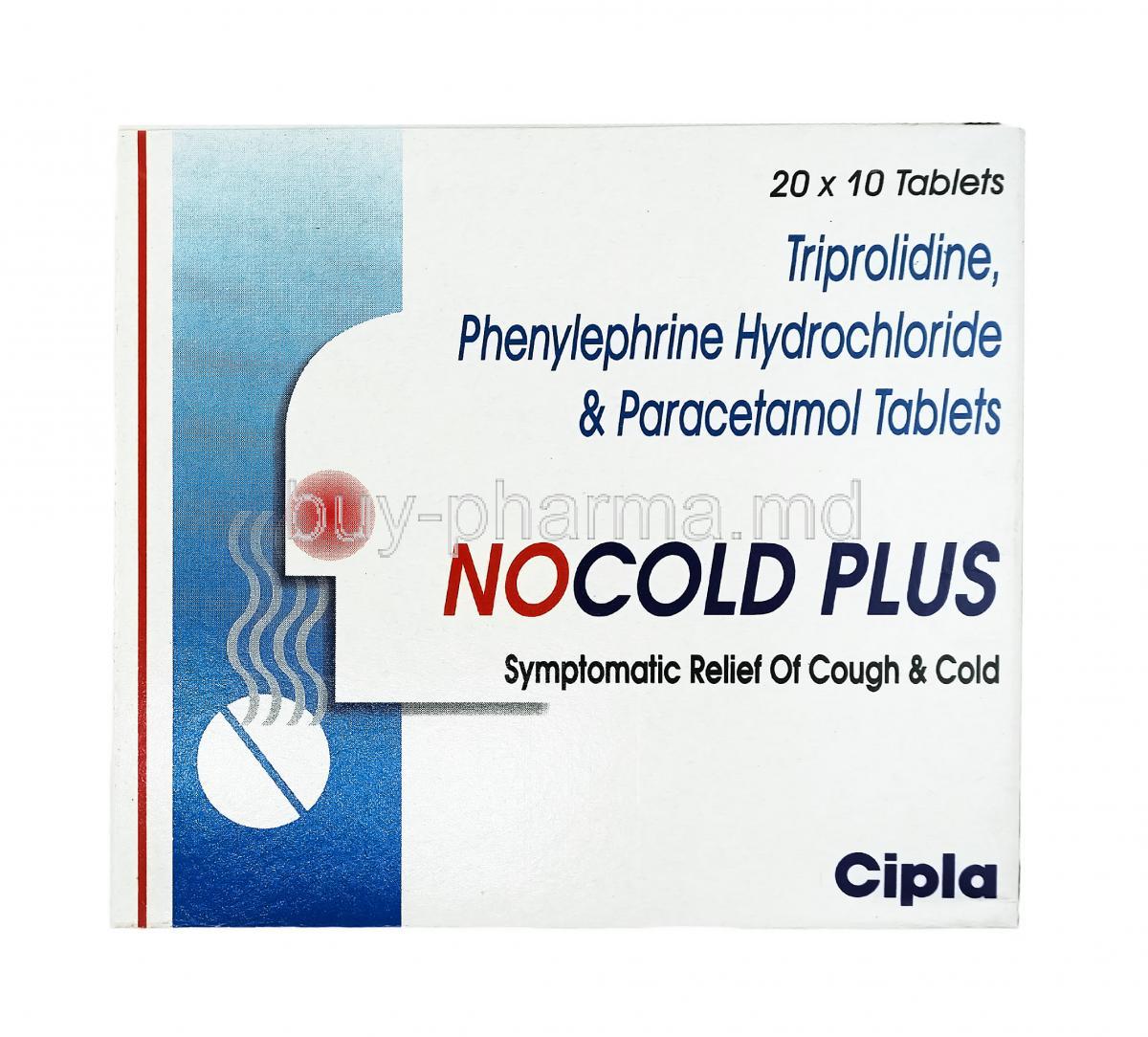
Combination cold remedies are formulated to address the multifaceted symptomatology of upper respiratory illnesses. Rather than targeting a single manifestation, these preparations deliver a broad-spectrum approach—simultaneously mitigating fever, nasal congestion, and allergic responses. Nocold Plus exemplifies this therapeutic paradigm by integrating three pharmacologically distinct agents into a unified regimen.
1.2 Therapeutic Classification and Drug Category
Nocold Plus is categorized as a multi-symptom cold and flu preparation. It encompasses:
- An analgesic and antipyretic (paracetamol)
- A sympathomimetic decongestant (pseudoephedrine)
- A first-generation antihistamine (triprolidine)
This triad situates the medication within both respiratory therapeutics and symptomatic relief pharmacology.
1.3 Indications for Symptomatic Relief of Upper Respiratory Conditions
The formulation is indicated for alleviating discomfort associated with viral and allergic conditions affecting the upper respiratory tract. It does not eradicate causative pathogens. Instead, it attenuates symptom burden, enhancing patient comfort and functional capacity during illness.
1.4 Key Benefits of Multi-Ingredient Formulation
The principal advantage lies in therapeutic consolidation. Patients benefit from:
- Reduced pill burden
- Simultaneous symptom control
- Improved adherence to treatment
- Rapid and comprehensive relief
2. Composition and Active Ingredients
2.1 Paracetamol: Analgesic and Antipyretic Component
Paracetamol acts centrally to alleviate pain and reduce pyrexia. It is widely recognized for its favorable gastrointestinal tolerability compared to nonsteroidal anti-inflammatory drugs. Its inclusion ensures effective control of fever and somatic discomfort.
2.2 Pseudoephedrine: Nasal Decongestant Mechanism
Pseudoephedrine exerts sympathomimetic activity by stimulating adrenergic receptors. This leads to vasoconstriction within nasal mucosa, thereby reducing edema and facilitating unobstructed airflow.
2.3 Triprolidine: Antihistamine Properties and Role
Triprolidine, a first-generation H1 receptor antagonist, mitigates histamine-mediated symptoms such as sneezing, rhinorrhea, and lacrimation. Its sedative profile also contributes to symptomatic comfort, particularly during nocturnal use.
2.4 Synergistic Effects of Combined Ingredients
The interplay between these agents produces a synergistic therapeutic effect. While paracetamol addresses systemic symptoms, pseudoephedrine and triprolidine target nasal and allergic manifestations. The result is a harmonized, multi-axis intervention.
2.5 Inactive Ingredients and Excipients (if applicable)
Excipients vary by formulation and may include binding agents, preservatives, and flavoring components. These substances facilitate drug stability and palatability but are pharmacologically inert.
3. Mechanism of Action (How It Works)
3.1 Central Prostaglandin Inhibition by Paracetamol
Paracetamol inhibits prostaglandin synthesis within the central nervous system. This modulation reduces hypothalamic temperature set-point elevation and diminishes nociceptive signaling.
3.2 Vasoconstriction and Decongestion via Pseudoephedrine
Pseudoephedrine induces vasoconstriction in the nasal vasculature. The consequent reduction in mucosal swelling alleviates congestion, restoring patency of the nasal passages.
3.3 Histamine H1 Receptor Blockade by Triprolidine
Triprolidine competitively antagonizes H1 receptors, curtailing the physiological cascade triggered by histamine release. This leads to decreased secretions and reduced mucosal irritation.
3.4 Combined Pharmacodynamic Effects on Cold Symptoms
The integrated pharmacodynamics yield comprehensive relief:
- Reduction of fever and pain
- Decongestion of nasal passages
- Suppression of allergic symptoms
3.5 Onset of Action and Duration of Therapeutic Effects
Symptom relief typically begins within 30–60 minutes of administration. Duration varies but often extends several hours, necessitating periodic dosing for sustained efficacy.
4. Uses of Nocold Plus
4.1 Relief of Common Cold Symptoms
Nocold Plus is extensively utilized for managing hallmark cold symptoms, including:
- Nasal congestion
- Runny nose (rhinorrhea)
- Sneezing and watery eyes
- Headache and body aches
- Fever associated with viral infections
4.2 Management of Influenza (Flu) Symptoms
In influenza, the medication alleviates systemic and respiratory manifestations. It enhances patient comfort during the acute phase, though antiviral therapy may be required in severe cases.
4.3 Symptomatic Treatment of Allergic Rhinitis
Triprolidine’s antihistaminic action makes the formulation effective in attenuating allergic rhinitis symptoms, particularly during seasonal allergen exposure.
4.4 Relief of Sinus Congestion and Sinusitis-Related Symptoms
Pseudoephedrine aids in relieving sinus pressure by reducing mucosal edema. This facilitates drainage and diminishes discomfort associated with sinusitis.
4.5 Supportive Treatment for Upper Respiratory Tract Infections (URTIs)
As an adjunctive therapy, Nocold Plus provides symptomatic relief in URTIs, allowing patients to maintain daily activities while the underlying condition resolves.
5. Off-Label Uses
5.1 Symptomatic Relief in Mild COVID-19 (Supportive Care)
In mild viral infections, including COVID-19, the formulation may be used to manage fever, congestion, and malaise as part of supportive care.
5.2 Management of Non-Allergic Rhinitis
The decongestant and antihistamine combination can alleviate symptoms even in the absence of an allergic trigger.
5.3 Relief of Eustachian Tube Dysfunction Symptoms
By reducing nasal and sinus congestion, the medication may improve pressure equilibration in the middle ear.
5.4 Adjunct Therapy in Seasonal Allergies Beyond First-Line Antihistamines
In refractory cases, the combination may complement other antihistamines, providing broader symptom control.
5.5 Temporary Relief of Ear Pressure Due to Congestion
Decongestant action assists in relieving ear fullness and discomfort associated with upper respiratory congestion.
6. Dosage and Administration
6.1 Standard Adult Dosage Guidelines
Dosage should be individualized based on symptom severity and product formulation. Adherence to labeled instructions is imperative.
6.2 Pediatric Dosage Recommendations (Age-Specific Considerations)
Use in children requires careful dose adjustment. Certain formulations may not be suitable for younger age groups.
6.3 Frequency and Maximum Daily Dose Limits
Exceeding recommended limits, particularly for paracetamol, can result in toxicity. Strict compliance is essential.
6.4 Administration with or without Food
The medication may be taken with or without meals. Food intake may reduce gastrointestinal discomfort in sensitive individuals.
6.5 Duration of Use and When to Discontinue
Short-term use is advised. Persistent symptoms warrant medical evaluation.
6.6 Missed Dose Instructions
If a dose is missed, it should be taken promptly unless the next scheduled dose is imminent.
6.7 Dosage Adjustments in Special Populations
Patients with hepatic, renal, or cardiovascular conditions may require modified dosing regimens.
7. Side Effects of Nocold Plus
7.1 Overview of Potential Adverse Reactions
Adverse effects are generally mild but may vary depending on individual sensitivity and dosage.
7.2 Common Side Effects
- Drowsiness or sedation
- Dry mouth, nose, or throat
- Dizziness or lightheadedness
- Mild gastrointestinal discomfort
- Nervousness or restlessness
7.3 Less Common Side Effects
- Palpitations or increased heart rate
- Urinary retention
- Blurred vision
- Skin rash or mild hypersensitivity
7.4 Serious Adverse Effects
- Severe allergic reactions (anaphylaxis)
- Liver toxicity associated with overdose
- Hypertensive episodes
7.5 When to Seek Medical Attention
Immediate medical care is required if severe reactions occur, particularly signs of hypersensitivity or hepatic dysfunction.
8. Drug Interactions
8.1 Interaction with Monoamine Oxidase Inhibitors (MAOIs)
Concurrent use is contraindicated due to the risk of hypertensive crisis.
8.2 Concomitant Use with Other Antihistamines or Sedatives
Additive sedation may impair cognitive and motor functions.
8.3 Interaction with Alcohol and CNS Depressants
Alcohol potentiates sedative effects and increases hepatotoxic risk.
8.4 Paracetamol Interactions with Hepatotoxic Drugs
Co-administration with hepatotoxic agents heightens the risk of liver injury.
8.5 Interaction with Antihypertensive Medications
Pseudoephedrine may attenuate the efficacy of antihypertensive therapy.
8.6 Decongestant Interactions with Sympathomimetic Agents
Concurrent use can amplify cardiovascular stimulation.
9. Warnings and Safety Considerations
9.1 Risk of Liver Damage with Excess Paracetamol Intake
Exceeding recommended doses may result in severe hepatotoxicity. Vigilance is critical.
9.2 Cardiovascular Risks (Hypertension, Tachycardia)
Pseudoephedrine may elevate blood pressure and heart rate, necessitating caution in predisposed individuals.
9.3 Sedation and Impairment of Mental Alertness
Triprolidine may induce sedation. Activities requiring alertness should be approached cautiously.
9.4 Risk of Dependency or Misuse of Decongestants
Prolonged or excessive use may lead to misuse or rebound symptoms.
9.5 Use in Patients with Chronic Medical Conditions
Patients with comorbidities should consult healthcare professionals prior to use to ensure safety and appropriateness.
10. Contraindications
10.1 Hypersensitivity to Any Component
Nocold Plus is contraindicated in individuals with known hypersensitivity to paracetamol, pseudoephedrine, triprolidine, or any excipient within the formulation. Even minimal exposure may precipitate adverse immunologic responses. These reactions can range from mild cutaneous eruptions to severe anaphylaxis.
10.2 Severe Hepatic Impairment or Active Liver Disease
Patients with compromised hepatic function face a heightened risk of toxicity, particularly due to paracetamol metabolism. Accumulation of hepatotoxic metabolites may occur. Consequently, use in severe liver disease or active hepatic inflammation is strictly contraindicated.
10.3 Uncontrolled Hypertension or Severe Cardiovascular Disease
Pseudoephedrine may elevate blood pressure and induce tachycardia through adrenergic stimulation. In patients with unstable cardiovascular conditions, this effect may exacerbate underlying pathology. Use is therefore contraindicated in:
- Uncontrolled hypertension
- Severe coronary artery disease
- Significant arrhythmias
10.4 Concurrent Use with MAO Inhibitors
The concomitant administration of monoamine oxidase inhibitors (MAOIs) and pseudoephedrine can result in excessive sympathetic stimulation. This interaction may provoke hypertensive crises, necessitating absolute avoidance within 14 days of MAOI therapy.
10.5 Narrow-Angle Glaucoma
Antihistamines such as triprolidine may increase intraocular pressure. In patients with narrow-angle glaucoma, this can precipitate acute ocular complications, making use inadvisable.
10.6 Severe Renal Dysfunction (Relative Contraindication)
Renal impairment may alter drug clearance, leading to accumulation and prolonged pharmacologic effects. Although not always absolute, severe renal dysfunction warrants avoidance or strict medical supervision.
11. Careful Administration (Use with Caution)
11.1 Patients with Mild to Moderate Liver Impairment
Reduced hepatic reserve necessitates cautious dosing. Even therapeutic levels of paracetamol may pose risks in susceptible individuals. Regular monitoring is recommended.
11.2 Individuals with Renal Dysfunction
Impaired renal clearance can extend the half-life of active compounds. Dose adjustments or extended dosing intervals may be required to prevent accumulation.
11.3 Patients with Thyroid Disorders (Hyperthyroidism)
Pseudoephedrine may exacerbate symptoms such as tachycardia and nervousness. Careful evaluation is essential in hyperthyroid patients.
11.4 Patients with Prostatic Hypertrophy
Anticholinergic effects of antihistamines can contribute to urinary retention. This is particularly relevant in individuals with benign prostatic enlargement.
11.5 Individuals with Diabetes Mellitus
Sympathomimetic agents may influence glycemic control. Patients with diabetes should monitor blood glucose levels closely during use.
11.6 Patients with Respiratory Conditions (e.g., Asthma)
Although antihistamines may provide symptomatic relief, they can also thicken bronchial secretions. Clinical judgment is required when administering to patients with reactive airway disease.
12. Important Precautions for Use
12.1 Avoiding Duplication of Paracetamol-Containing Products
Unintentional overdose is a common risk. Patients should carefully review all concurrent medications to avoid exceeding safe paracetamol limits.
12.2 Limiting Duration of Self-Medication
Short-term use is advised. Prolonged administration without medical guidance may obscure underlying conditions or increase adverse effects.
12.3 Monitoring Blood Pressure During Use
Regular monitoring is prudent, particularly in individuals with pre-existing hypertension. Even transient elevations may have clinical significance.
12.4 Avoiding Alcohol Consumption
Alcohol potentiates central nervous system depression and increases hepatic burden. Concurrent use should be strictly avoided.
12.5 Operating Machinery and Driving Precautions
Sedative effects of triprolidine may impair alertness. Activities requiring concentration, such as driving or operating machinery, should be approached cautiously.
12.6 Hydration and Supportive Care Measures
Adequate hydration supports mucosal clearance and overall recovery. Additional supportive measures include:
- Rest and sleep optimization
- Balanced nutrition
- Humidified air exposure
13. Administration to Special Populations
13.1 Administration to Elderly Patients
Elderly individuals exhibit increased sensitivity to antihistamines. The risk profile includes:
- Enhanced sedation
- Cognitive impairment
- Increased likelihood of falls
Dose minimization and vigilant monitoring are advisable.
13.2 Administration to Pregnant Women
Use during pregnancy requires a meticulous risk-benefit assessment. While paracetamol is generally considered safer, pseudoephedrine and antihistamines necessitate caution. Considerations include:
- Trimester-specific safety data
- Potential effects on fetal development
- Alternative therapeutic options
13.3 Administration to Nursing Mothers
Active components may be excreted into breast milk. This raises concerns regarding:
- Infant sedation or irritability
- Feeding disturbances
- Potential pharmacologic exposure
Clinical discretion is required when prescribing to lactating individuals.
13.4 Administration to Pediatric Patients
Pediatric use demands careful consideration due to variable pharmacodynamics. Risks include:
- Age-specific dosing limitations
- Heightened sensitivity to antihistamines
- Paradoxical excitation instead of sedation
14. Overdosage and Management
14.1 Symptoms of Paracetamol Overdose
Early symptoms may be nonspecific, including nausea, vomiting, and malaise. Delayed manifestations can involve severe hepatic injury, potentially progressing to liver failure.
14.2 Signs of Pseudoephedrine Toxicity
Excessive sympathetic stimulation may result in:
- Hypertension
- Palpitations
- Agitation or insomnia
14.3 Antihistamine Overdose Effects
Overdose of triprolidine may produce central nervous system disturbances. These may include sedation, confusion, or, paradoxically, excitation—particularly in children.
14.4 Immediate Management and Antidotes (e.g., N-acetylcysteine)
Prompt intervention is critical. N-acetylcysteine serves as a specific antidote for paracetamol toxicity when administered early. Supportive care and monitoring of vital parameters are essential.
14.5 Importance of Early Medical Intervention
Timely medical attention significantly improves outcomes. Delayed treatment increases the risk of irreversible organ damage.
15. Storage Instructions
15.1 Recommended Storage Temperature
Store at controlled room temperature, typically between 20°C and 25°C. Avoid exposure to excessive heat.
15.2 Protection from Light and Moisture
Moisture and light may degrade active ingredients. Products should be kept in their original packaging to preserve stability.
15.3 Safe Storage Away from Children
Medications must be stored securely, out of reach and sight of children, to prevent accidental ingestion.
15.4 Shelf Life and Expiry Considerations
Adherence to expiration dates is essential. Degraded products may exhibit reduced efficacy or altered safety profiles.
16. Handling and Disposal Precautions
16.1 Proper Handling of Tablets or Syrup Forms
Handling should be hygienic. Tablets should not be crushed unless indicated, and syrups should be measured accurately using appropriate devices.
16.2 Disposal of Unused or Expired Medication
Unused medication should be disposed of responsibly. Do not discard in household waste or wastewater unless instructed.
16.3 Environmental Considerations
Improper disposal may contribute to environmental contamination. Pharmaceutical waste management guidelines should be followed.
16.4 Avoiding Accidental Ingestion
Secure storage and proper labeling reduce the risk of accidental consumption by unintended individuals.
17. Patient Counseling and Practical Guidance
17.1 Key Instructions for Safe Use
Patients should adhere strictly to dosing instructions and avoid combining with similar medications. Clear understanding enhances therapeutic outcomes.
17.2 Recognizing Early Signs of Adverse Effects
Awareness of early warning signs enables timely intervention. Patients should be educated on symptoms warranting medical attention.
17.3 Importance of Adhering to Recommended Dosage
Deviation from prescribed doses may compromise safety. Both underdosing and overdosing carry clinical consequences.
17.4 When to Consult a Healthcare Professional
Medical advice should be sought if:
- Symptoms persist beyond a few days
- Severe reactions occur
- Underlying conditions complicate treatment
17.5 Lifestyle and Supportive Measures During Illness
Recovery is optimized through supportive care. Recommended measures include:
- Maintaining hydration
- Ensuring adequate rest
- Using humidified air to ease respiratory discomfort
Such adjunctive strategies complement pharmacologic therapy, promoting holistic recovery.
Nocold Plus, Paracetamol/ Pseudoephedrine/ Triprolidine FAQ
Popular Products