
1. Introduction to Liofen XL (Baclofen Extended Release)
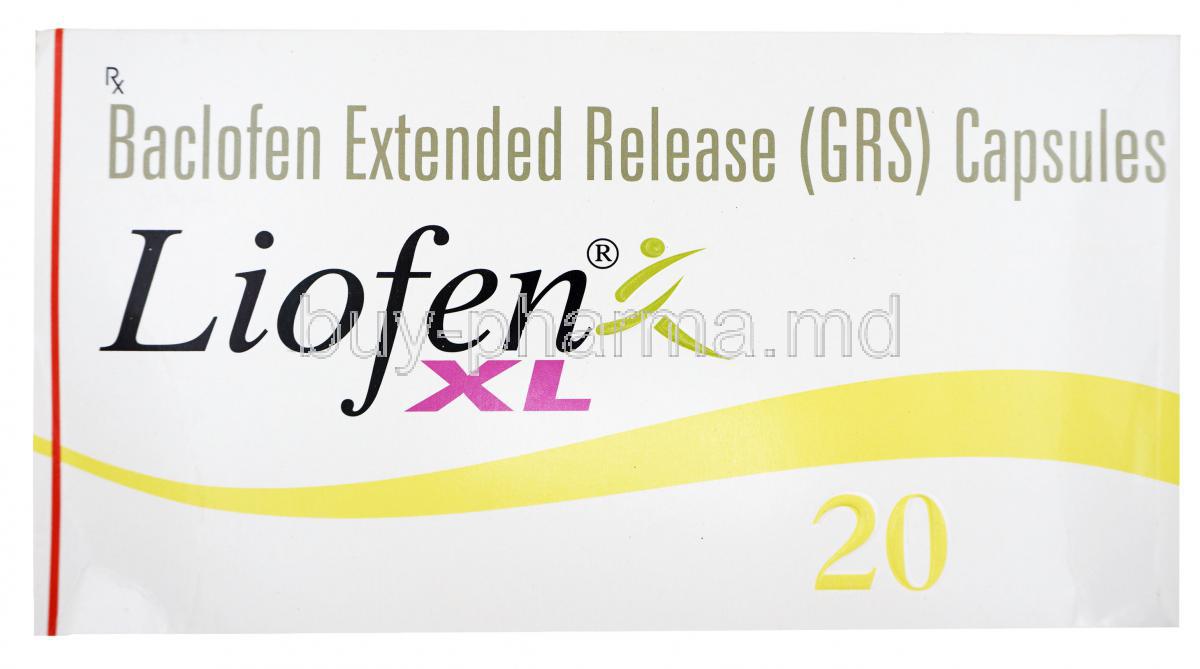
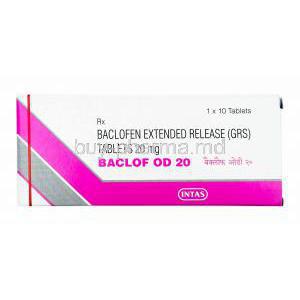
Liofen XL is an extended-release formulation of baclofen, a centrally acting muscle relaxant widely used in the management of chronic spasticity. Baclofen exerts its effects primarily within the central nervous system, where it modulates abnormal muscle tone and excessive reflex activity.
Unlike immediate-release baclofen, which requires multiple daily doses, the extended-release formulation is designed to provide a controlled and sustained release of the active ingredient over an extended period. This pharmacological refinement allows for more stable plasma concentrations and smoother symptom control throughout the day.
- Designed for long-term neuromuscular conditions
- Reduced peak-to-trough fluctuations
- Improved convenience and adherence
Liofen XL plays a significant therapeutic role in chronic neurological disorders where persistent muscle stiffness, rigidity, or spasms impair daily functioning and quality of life.
2. Therapeutic Uses of Liofen XL
Liofen XL is primarily indicated for the treatment of spasticity associated with upper motor neuron disorders. These conditions are often progressive, requiring consistent and sustained symptom management.
In patients with multiple sclerosis, Liofen XL helps alleviate involuntary muscle contractions that interfere with mobility, sleep, and self-care. Similarly, individuals with spinal cord injury or spinal cord disease may experience meaningful reductions in muscle tone and spasm frequency.
- Reduction of muscle rigidity and stiffness
- Relief from painful muscle spasms
- Improved gait, posture, and functional independence
By moderating excessive muscle activity, Liofen XL supports rehabilitation efforts and enhances overall physical performance in affected individuals.
3. Expanded Off-Label Uses of Baclofen Extended Release
Beyond its primary indications, baclofen extended release has been utilized in a range of off-label clinical scenarios where central inhibition of muscle or reflex activity is beneficial.
Spasticity associated with cerebral palsy, post-stroke syndromes, or traumatic brain injury may respond favorably to baclofen therapy, particularly when symptoms are chronic and refractory to other interventions.
- Refractory chronic hiccups (singultus)
- Adjunctive treatment for neuropathic pain
- Reduction of alcohol craving and withdrawal severity
Investigational and emerging uses include modulation of lower esophageal sphincter tone in gastroesophageal reflux disease and symptomatic management of select movement disorders. These applications remain off-label and require careful clinical judgment.
4. Baclofen Mechanism of Action: How Liofen XL Works
Baclofen functions as a selective agonist at gamma-aminobutyric acid type B (GABA-B) receptors within the spinal cord and brain. Activation of these receptors inhibits excitatory neurotransmission responsible for excessive muscle contraction.
Through suppression of both monosynaptic and polysynaptic reflex pathways, baclofen reduces hyperexcitability at the spinal level. This leads to a measurable decrease in muscle tone without complete loss of voluntary motor control.
- Inhibition of excitatory neurotransmitter release
- Reduced reflex arc transmission
- Central dampening of spasticity signals
The extended-release formulation provides pharmacodynamic stability, minimizing abrupt concentration changes that may contribute to adverse effects or breakthrough symptoms.
5. Baclofen Dosage and Administration Guidelines
Liofen XL is typically initiated at a low dose to assess individual tolerance, followed by gradual titration to achieve optimal symptom control. This conservative approach reduces the likelihood of dose-related adverse reactions.
Once-daily dosing is a defining feature of the extended-release formulation, simplifying treatment regimens and promoting adherence in long-term therapy.
- Administered once daily
- May be taken with or without food
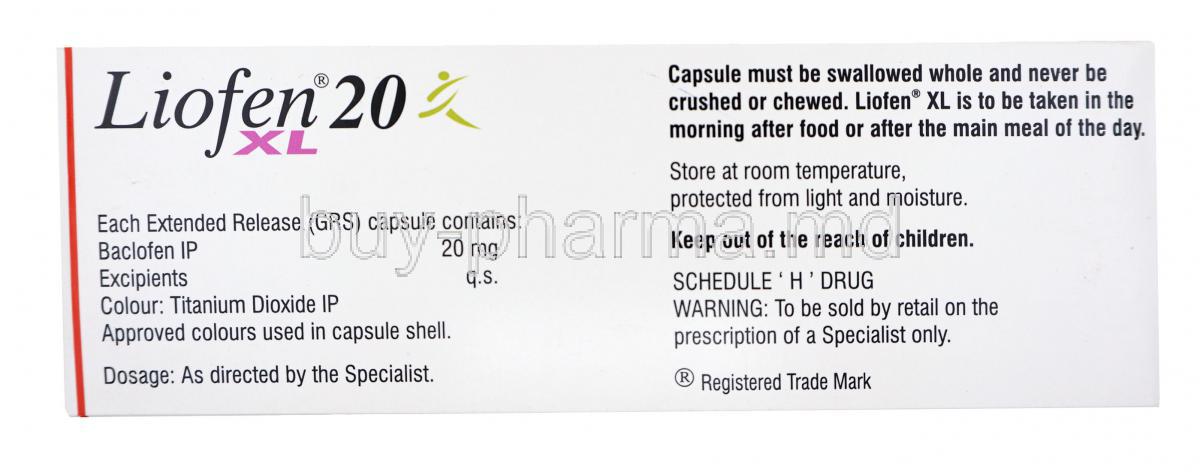
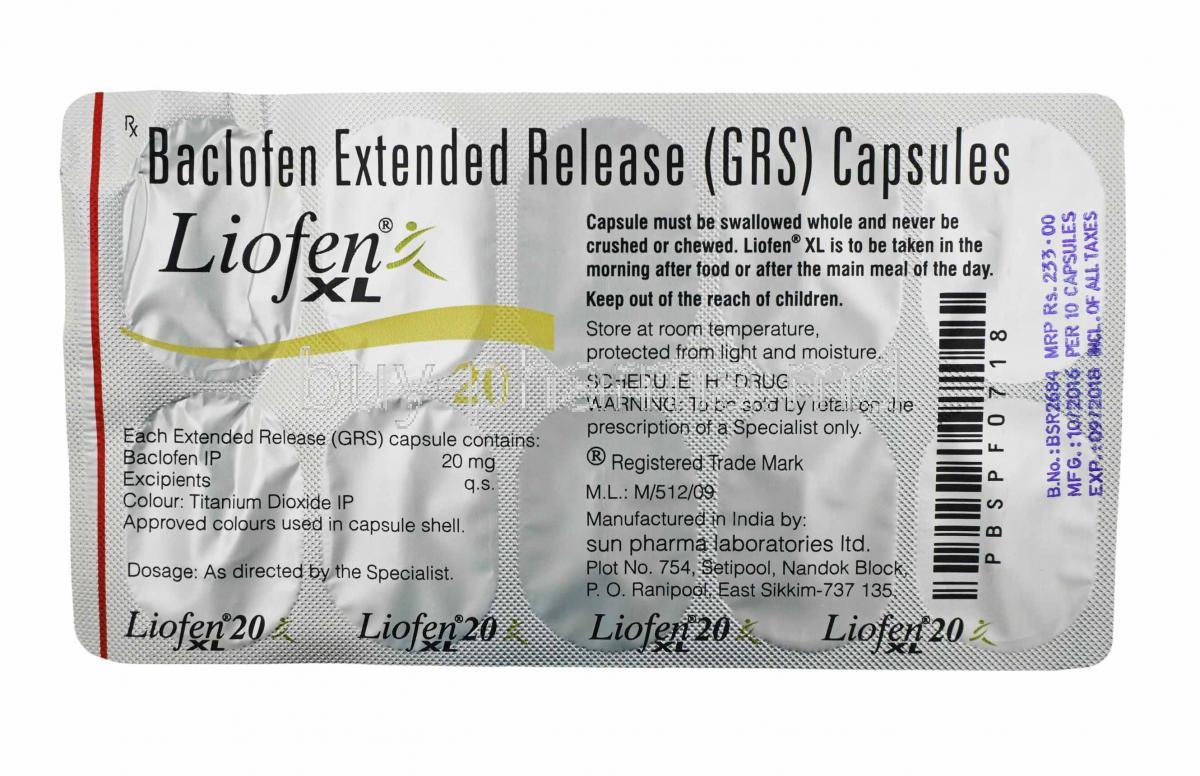
- Tablets must not be crushed or chewed
Treatment duration is often long-term, particularly in progressive neurological conditions. Dose adjustments should be made cautiously and under appropriate clinical supervision.
Baclofen dosage for adults
Adults and teenagers—At first, 5 milligrams (mg) 3 times a day. Your doctor may increase your dose by 5 mg every 3 days until the desired response is reached.
Baclofen dosage for back pain
The usual starting dose for adults is 5mg (half a tablet), taken 3 times a day, 6 to 8 hours apart. Your doctor will then gradually increase your dose to 20mg
6. Composition and Formulation Details
The active pharmaceutical ingredient in Liofen XL is baclofen, a synthetic analog of gamma-aminobutyric acid. Its extended-release properties are achieved through specialized matrix technology.
This formulation allows gradual diffusion of baclofen over time, ensuring consistent therapeutic exposure.
- Active ingredient: baclofen
- Extended-release delivery system
- Formulated with inert excipients for stability
Liofen XL is available in multiple strengths, allowing individualized dosing based on clinical response and tolerability.
Baclofen vs Flexeril
Baclofen is for chronic spasticity (MS, spinal cord injury) by acting on the spinal cord, while Flexeril is for short-term, acute musculoskeletal pain/spasms (like back pain) by acting on the brain.
Baclofen vs cyclobenzaprine
Baclofen and cyclobenzaprine are muscle relaxants, but differ in use: Cyclobenzaprine treats acute muscle spasms (like injury-related), acting centrally in the brain, while baclofen targets chronic spasticity from neurological conditions (like MS, spinal cord injury), working on the spinal cord, sometimes via pump;
Baclofen vs methocarbamol
Baclofen and methocarbamol are muscle relaxants, but they differ in target: methocarbamol (Robaxin) is for general acute spasms from injuries (like back pain) via CNS depression, offering quicker relief, while baclofen (Lioresal) targets chronic spasticity from conditions like MS or spinal cord injury by acting on spinal cord receptors (GABAB), making it better for neurological spasticity
Baclofen vs tizanidine
Baclofen and tizanidine are both muscle relaxants for spasticity, but differ in action: baclofen (GABA-B agonist) targets spinal cord spasms (MS, injury), while tizanidine (alpha-2 agonist) reduces muscle tone/stiffness
7. Baclofen Side Effects
Adverse reactions associated with Liofen XL are generally dose-dependent and predominantly involve the central nervous system. The extended-release formulation may mitigate rapid onset side effects seen with immediate-release products.
Systemic effects may also occur, particularly during initiation or dose escalation phases.
- Neurological effects related to CNS depression
- Gastrointestinal discomfort
- Generalized weakness or lethargy
Careful titration and patient monitoring are essential to maintaining an acceptable tolerability profile.
8. Common Side Effects
The most frequently reported adverse effects of Liofen XL reflect its central inhibitory mechanism. These reactions are often transient and diminish as the body acclimates to therapy.
- Drowsiness and somnolence
- Dizziness and fatigue
- Muscle weakness or hypotonia
- Nausea, constipation, or headache
Persistent or severe symptoms may necessitate dosage adjustment or clinical reassessment.
9. Drug and Substance Interactions
Liofen XL may interact with other medications or substances that exert depressant effects on the central nervous system. These interactions can potentiate sedation and impair cognitive or motor performance.
Concomitant use with alcohol or sedative agents should be approached with caution.
- Enhanced sedation with CNS depressants
- Additive effects with alcohol
- Potential interaction with antihypertensive drugs
Because baclofen is primarily eliminated via the kidneys, medications affecting renal function may influence systemic exposure.
Baclofen and ibuprofen
combining them can increase side effects like drowsiness, dizziness, confusion, and potentially kidney issues, with rare cases of severe brain issues reported;
Baclofen and alcohol
Mixing baclofen and alcohol is generally discouraged because both are central nervous system depressants, increasing risks of severe drowsiness, dizziness, impaired judgment, confusion, and potentially dangerous respiratory issues or overdose, even though some research explores baclofen's use to treat alcohol dependence under strict medical supervision.
10. Warnings and Safety Information
Liofen XL carries important safety considerations related to its central nervous system effects. Excessive sedation, impaired alertness, and reduced psychomotor coordination may occur, particularly during treatment initiation.
Abrupt discontinuation is strongly discouraged, as sudden withdrawal may precipitate severe neurological symptoms, including seizures.
- Avoid sudden cessation of therapy
- Monitor during dose escalation
- Assess impact on driving or machinery operation
Ongoing clinical monitoring is recommended to ensure therapeutic benefit while minimizing potential risks.
Baclofen withdrawal
Baclofen withdrawal is a potentially severe, even life-threatening, syndrome from stopping the muscle relaxant suddenly, causing symptoms like rebound spasticity, fever, confusion, hallucinations, seizures, and autonomic instability (tachycardia, blood pressure changes), mimicking sepsis or neuroleptic malignant syndrome, especially with intrathecal pumps; treatment involves prompt medical care, often restarting baclofen (sometimes orally) and supportive measures like benzodiazepines.
Baclofen overdose
A baclofen overdose causes profound central nervous system depression, leading to extreme drowsiness, confusion, respiratory depression, loss of muscle tone (hypotonia), seizures, coma, and cardiovascular issues like slow heart rate (bradycardia) or low blood pressure (hypotension), with severe cases mimicking brain death; treatment focuses on supportive care, often involving intubation and mechanical ventilation, as there's no specific antidote, though hemodialysis might help in severe cases.
11. Contraindications
Liofen XL is contraindicated in individuals with a known hypersensitivity to baclofen or any component of the extended-release formulation. Allergic reactions may manifest as dermatologic eruptions, bronchospasm, or systemic hypersensitivity responses and warrant strict avoidance.
Patients with a documented history of severe or idiosyncratic adverse reactions to baclofen should not be re-exposed, as recurrence may be more intense or clinically hazardous.
- Confirmed allergy to baclofen or excipients
- Prior severe intolerance or adverse neurological reactions
- Clinical scenarios where extended-release pharmacokinetics are unsuitable
Extended-release formulations should also be avoided when rapid dose titration or immediate cessation may be required, as delayed drug release can complicate acute management.
12. Careful Administration and Important Precautions
Careful administration of Liofen XL is essential to optimize therapeutic outcomes while minimizing adverse effects. Initiation and escalation should proceed with deliberate, incremental titration to allow physiological adaptation.
Abrupt discontinuation must be avoided. Sudden withdrawal may precipitate serious neurological sequelae, including rebound spasticity, agitation, or seizures.
- Gradual dose adjustments based on clinical response
- Strict avoidance of sudden treatment interruption
- Close monitoring during initiation and dose escalation
Patients with renal impairment require particular vigilance, as reduced clearance may result in drug accumulation. Psychiatric comorbidities, including mood disorders or psychosis, necessitate cautious use due to potential central nervous system effects. Activities demanding sustained mental alertness, such as driving or operating machinery, should be approached conservatively until individual tolerance is established.
13. Administration in Special Populations
13.1 Administration to Elderly Patients
Elderly individuals often exhibit heightened sensitivity to central nervous system depressants. Age-related pharmacokinetic changes may amplify sedative or hypotensive effects of baclofen.
- Lower initial dosing may be appropriate
- Frequent reassessment of neurological status
- Enhanced monitoring for dizziness or somnolence
Fall risk is a significant concern in this population. Muscle weakness, impaired balance, and delayed reaction times necessitate proactive fall-prevention strategies.
13.2 Administration to Pregnant Women and Nursing Mothers
Use of Liofen XL during pregnancy requires careful risk–benefit evaluation. While baclofen may be clinically justified in certain circumstances, potential fetal exposure must be considered.
Baclofen is known to cross into breast milk in small amounts. Although adverse effects in nursing infants are not well characterized, vigilance is advised.
- Individualized risk–benefit assessment during pregnancy
- Monitoring for neonatal sedation if breastfeeding
- Clinical guidance tailored to maternal needs
13.3 Administration to Children
Clinical data supporting the use of extended-release baclofen in pediatric populations remain limited. Consequently, therapy in children should be undertaken only when clearly indicated.
- Age- and weight-based dosing considerations
- Preference for specialist oversight
- Regular monitoring for developmental or neurological effects
Specialist supervision is strongly recommended to ensure safe and effective use.
14. Overdosage Information
Baclofen overdose may produce a spectrum of clinical manifestations, ranging from mild sedation to profound central nervous system depression.
Severe cases may involve respiratory compromise, bradycardia, hypotension, or altered levels of consciousness.
- Marked drowsiness or coma
- Respiratory depression
- Cardiovascular instability in extreme cases
Management is primarily supportive, with emphasis on airway protection, respiratory support, and close hemodynamic monitoring. Prompt medical evaluation is essential in suspected overdose situations.
15. Storage Requirements
Liofen XL should be stored under recommended temperature conditions to preserve formulation integrity and therapeutic potency.
- Store at controlled room temperature
- Protect from excessive moisture and direct light
- Keep securely out of reach of children and pets
Adherence to proper storage conditions supports product stability throughout its shelf life.
16. Handling Precautions
Extended-release tablets or capsules must be handled with care to avoid compromising their controlled-release properties. Crushing, chewing, or splitting is contraindicated.
Missed doses should be managed according to prescribed guidance, without doubling subsequent doses.
- Handle tablets intact
- Dispose of unused medication responsibly
- Educate patients on safe medication practices
Patient education remains a cornerstone of safe therapy, reinforcing adherence, proper handling, and appropriate disposal.
Liofen XL, Baclofen Extended Release FAQ
- What is Liofen XL used for?
- Does Liofen XL make you sleepy?
- What are the side effects of the drug Liofen?
- Is Liofen XL 20 safe?
- What class of drug is Liofen XL?
- How does Liofen XL 10 affect sleep?
- What is the use of baclofen extended release?
- What is baclofen used for?
- Does baclofen cause hives?
- Can baclofen cause diarrhea?
- Is baclofen a sleeping pill?
- What to avoid when taking baclofen?
- Is baclofen good for anxiety?
- Does baclofen make you sleepy?
- How long can you take baclofen?
- What happens if you stop baclofen suddenly?
- Can baclofen mess you up?
- Can baclofen affect urination?
- Will baclofen keep me awake?
- Can baclofen relax you?
- What foods should you avoid while taking baclofen?
- Is baclofen as strong as diazepam?
What is Liofen XL used for?
Liofen XL 20 is used to treat muscular symptoms such as rigidity, tension, and stiffness that may occur due to various conditions such as cerebral palsy, multiple sclerosis, motor neuron disease, or injury to the head, brain, or spine.
Does Liofen XL make you sleepy?
Yes
What are the side effects of the drug Liofen?
- frequent urination
- weakness
- diarrhea
- dry mouth
- vision changes
- Nausea
- vomiting
- drowsiness
Is Liofen XL 20 safe?
- It may cause some side effects.
What class of drug is Liofen XL?
Skeletal muscle relaxants
How does Liofen XL 10 affect sleep?
Sedative
What is the use of baclofen extended release?
Baclofen is used to help relax certain muscles in your body.
What is baclofen used for?
Baclofen is used to treat pain and certain types of spasticity (muscle stiffness and tightness) from multiple sclerosis, spinal cord injuries, or other spinal cord diseases.
Does baclofen cause hives?
Allergic reaction
Can baclofen cause diarrhea?
Yes
Is baclofen a sleeping pill?
No
What to avoid when taking baclofen?
- Tizanide
- Lithium
- Antidepressants
- High blood pressure medications
- NSAIDS
Is baclofen good for anxiety?
It helps to reduce anxiety in alcoholics, which in turn can help to reduce cravings.
Does baclofen make you sleepy?
Yes
How long can you take baclofen?
As the doctor recommends
What happens if you stop baclofen suddenly?
- High fever
- Muscle stiffness
Can baclofen mess you up?
Yes
Can baclofen affect urination?
Frequent urination
Will baclofen keep me awake?
No
Can baclofen relax you?
Yes
What foods should you avoid while taking baclofen?
Rich or spicy food
Is baclofen as strong as diazepam?
No, diazepam is better.
Customers also bought

Popular Products