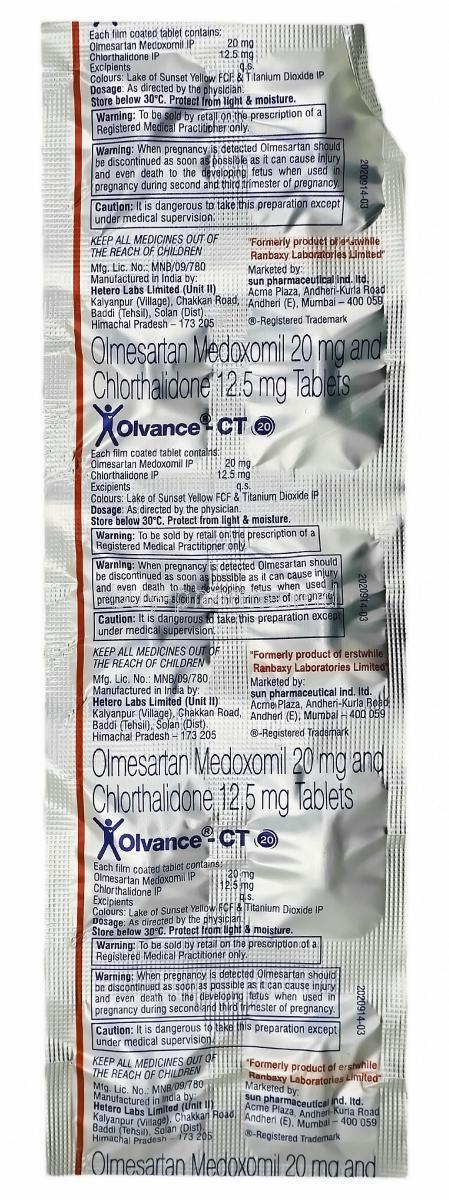
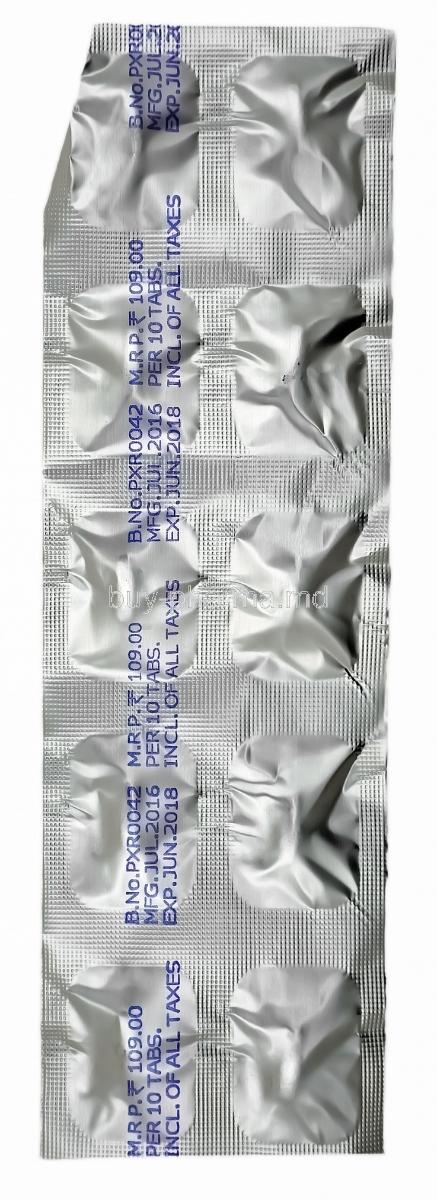
1. Introduction to Olvance-CT (Olmesartan/Chlorthalidone)
1.1 What is Olvance-CT?
Olvance-CT is a fixed-dose combination medicine that pairs olmesartan medoxomil with chlorthalidone. Together, these agents target elevated blood pressure through complementary pathways—one modulates hormonal vasoconstriction signals, the other reduces fluid overload by enhancing renal excretion. The formulation is designed for patients who require more robust blood pressure control than a single medicine can reliably provide.
- Core purpose: sustained reduction of blood pressure in hypertension
- Combination rationale: dual-mechanism therapy for additive antihypertensive effects
- Clinical goal: improved control with simplified dosing (one tablet rather than two)
1.2 Therapeutic Classification: ARB and Thiazide-like Diuretic Combination
Olvance-CT belongs to the class of combination antihypertensives that unite an angiotensin II receptor blocker (ARB) with a thiazide-like diuretic. Olmesartan is an ARB that attenuates the vasopressor actions of angiotensin II, while chlorthalidone—often categorized as thiazide-like rather than “classic” thiazide—promotes natriuresis and reduces plasma volume. This pairing is pharmacologically pragmatic: it targets both vascular tone and volume status.
In clinical practice, such combinations may reduce the need for multiple separate prescriptions, while still addressing multifactorial hypertension dynamics—neurohormonal, hemodynamic, and renal.
1.3 Indications for Combination Antihypertensive Therapy
Combination therapy is commonly considered when blood pressure remains above target despite lifestyle measures or monotherapy. In many patients, hypertension is not a single-axis disorder; it may involve increased peripheral resistance, sodium retention, altered vascular compliance, and heightened neurohormonal activation. A combination product can be selected when an incremental, stepwise escalation is clinically appropriate.
- Persistently elevated blood pressure with single-agent therapy
- Initial therapy in selected patients with substantially above-target readings (per clinician judgment)
- Need for improved adherence through simplified dosing
1.4 When Olvance-CT is Prescribed Instead of Monotherapy
Olvance-CT may be prescribed instead of monotherapy when a single medicine does not achieve adequate blood pressure reduction, or when dose escalation of one agent is limited by tolerability. For example, increasing a diuretic may lead to more pronounced electrolyte perturbations, while increasing an ARB alone may not sufficiently address volume-mediated hypertension. In these scenarios, using two lower-to-moderate doses with different mechanisms can deliver a more balanced clinical effect.
Sometimes the decision is also operational: one tablet can reduce regimen complexity. Short sentence. Better adherence can follow.
1.5 Global Brand Availability and Formulations
Olmesartan/chlorthalidone combinations are marketed in various regions under different brand names and may appear in multiple strengths. Availability can vary by country, supplier, and regulatory status. Formulations are typically oral tablets intended for once-daily administration, though exact dosing schedules may differ based on the prescribed strength and patient factors.
2. Composition and Formulation
2.1 Active Ingredients: Olmesartan Medoxomil and Chlorthalidone
The two active components have distinct pharmacologic roles:
- Olmesartan medoxomil: a prodrug converted to olmesartan, which blocks angiotensin II type 1 (AT1) receptors to reduce vasoconstriction and aldosterone-mediated sodium retention.
- Chlorthalidone: a thiazide-like diuretic that increases urinary excretion of sodium and water, thereby reducing extracellular fluid volume and lowering blood pressure.
This dual composition targets both “pipes and pressure”—vascular resistance and circulating volume—without relying on a single physiologic lever.
2.2 Strength Variations and Fixed-Dose Combinations
Fixed-dose combinations commonly come in several strength pairings to accommodate titration. While the exact tablet strengths depend on the manufacturer and market, the concept is consistent: match ARB and diuretic doses to the degree of blood pressure elevation and patient tolerability. Dose individualization matters. A lot.
- Lower-strength options may be used when initiating combination therapy.
- Higher-strength options may be used if blood pressure remains uncontrolled.
- Some patients transition from separate components to an equivalent fixed dose.
2.3 Mechanism-Based Synergy of ARB and Diuretic
Synergy in this combination is not a marketing flourish—it is mechanistic. Diuretics can activate the renin–angiotensin–aldosterone system (RAAS) as the body attempts to restore volume. ARBs blunt that RAAS-driven counter-regulation by blocking angiotensin II signaling at AT1 receptors. The result can be more stable blood pressure reduction with fewer compensatory effects than either component alone.
- Diuretic effect: reduces volume and sodium burden
- ARB effect: reduces vasoconstriction and aldosterone activity
- Combined outcome: additive blood pressure lowering in many patients
2.4 Inactive Ingredients and Excipients
In addition to the active ingredients, tablets contain excipients that support stability, disintegration, and manufacturability. These may include binders, fillers, disintegrants, lubricants, and film-coating agents. Patients with known sensitivities should review product labeling, as excipient profiles vary across manufacturers.
2.5 Tablet Characteristics and Packaging
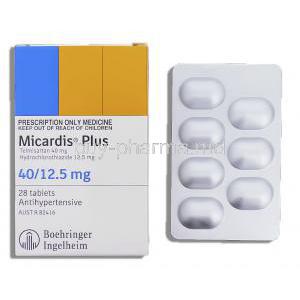
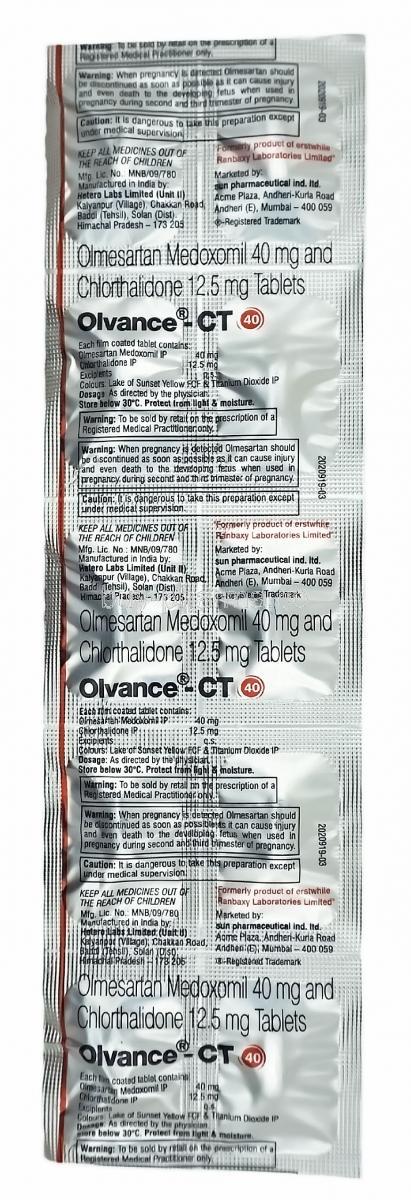
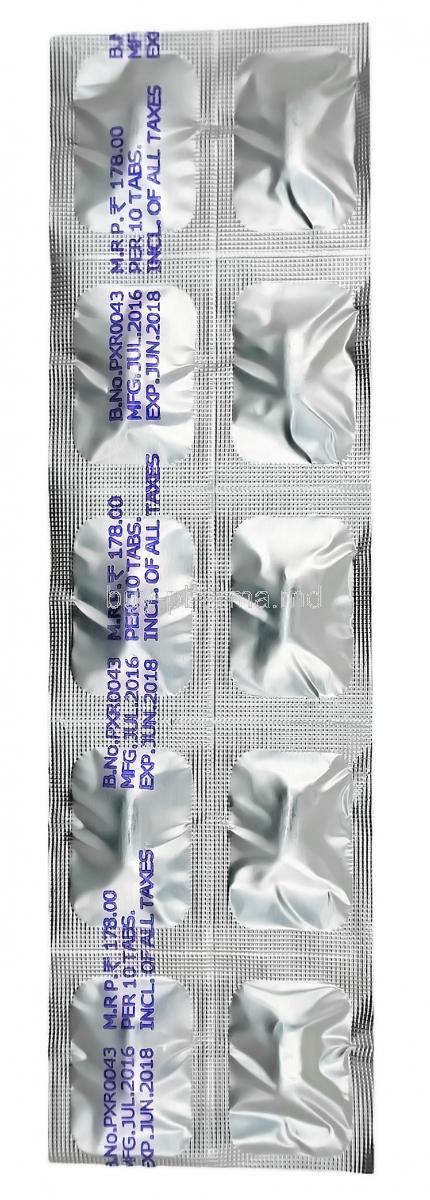
Olvance-CT is typically supplied as oral tablets in blister packs or bottles, depending on market norms. Packaging is designed to protect the product from humidity, light, and mechanical damage. Clear labeling—strength, batch information, and expiry date—is essential for safe dispensing and inventory control.
Olmesartan vs losartan
Olmesartan (Benicar) is generally more potent and effective at lowering blood pressure than losartan (Cozaar), making it a strong choice for treating hypertension. Both are angiotensin II receptor blockers (ARBs) with similar safety profiles. Losartan is often lower in cost, while olmesartan may be better for patients needing more robust BP reduction.
Olmesartan vs lisinopril
Olmesartan (Benicar) and lisinopril (Zestril) are both daily, generic, high-efficiency blood pressure medications, but they operate differently. Lisinopril (an ACE inhibitor) is often used for heart failure and post-heart attack, whereas olmesartan (an ARB) rarely causes the dry cough common with lisinopril.
Olmesartan vs valsartan
Olmesartan generally provides stronger 24-hour blood pressure reduction and higher goal attainment rates compared to valsartan. While both are effective ARBs, olmesartan often shows superior efficacy in reducing systolic and diastolic blood pressure, particularly in the last few hours of a dosing interval.
Chlorthalidone vs hydrochlorothiazide
Chlorthalidone is generally considered more potent, longer-acting (- hours), and better at sustained 24-hour blood pressure control than hydrochlorothiazide (- hours). While chlorthalidone may offer superior cardiovascular risk reduction, it is associated with a higher risk of hypokalemia and electrolyte imbalances compared to hydrochlorothiazide.
3. How Olvance-CT Works (Mechanism of Action)
3.1 Olmesartan: Angiotensin II Receptor Blockade and Blood Pressure Reduction
Olmesartan selectively blocks AT1 receptors, thereby mitigating the effects of angiotensin II—a potent vasoconstrictor. This blockade reduces peripheral vascular resistance and can decrease aldosterone secretion, which may reduce sodium retention. In plain terms: less constriction, less hormonal drive to retain salt and water, lower blood pressure.
3.2 Chlorthalidone: Sodium and Water Excretion Mechanism
Chlorthalidone acts primarily in the distal convoluted tubule of the nephron to reduce sodium reabsorption. Water follows sodium. The consequence is increased urine output and reduced circulating volume, which decreases cardiac output and blood pressure. The pharmacodynamics can be durable, as chlorthalidone has a relatively prolonged effect compared with some other diuretic options.
3.3 Dual Action for Improved Blood Pressure Control
Olvance-CT combines vascular relaxation with volume reduction. This is clinically advantageous because hypertension is frequently a hybrid disorder: resistance and volume both contribute. Short sentence. Dual action can improve control.
- Addresses vasoconstrictive signaling (olmesartan)
- Addresses volume and sodium excess (chlorthalidone)
- May reduce the likelihood of inadequate response to single-mechanism therapy
3.4 Effects on Vascular Resistance and Fluid Volume
By lowering systemic vascular resistance and decreasing intravascular volume, the combination can reduce blood pressure more effectively than either component alone in many patients. The ARB component primarily influences vascular tone and RAAS activity, while the diuretic component influences fluid status and sodium balance—two pillars of blood pressure physiology.
3.5 Onset of Action and Duration of Effect
Blood pressure lowering can begin after initiation, but the full effect may take time to stabilize as the body adapts to new hemodynamic conditions and sodium balance shifts. The duration of effect is typically compatible with once-daily dosing in many regimens, supporting consistent 24-hour blood pressure coverage when taken as prescribed.
4. Olmesartan and Chlorthalidone tablets Uses
4.1 Primary Hypertension (Essential Hypertension)
The principal approved use of olmesartan/chlorthalidone combinations is the treatment of primary (essential) hypertension. Essential hypertension is common, often asymptomatic, and strongly associated with long-term cardiovascular risk. Controlling blood pressure can reduce strain on the heart, brain, kidneys, and vasculature.
4.2 Hypertension Uncontrolled with Single-Agent Therapy
Olvance-CT is commonly used when blood pressure remains inadequately controlled with a single antihypertensive agent. This may occur due to insufficient potency, counter-regulatory physiology, or the multifactorial nature of the patient’s hypertension. Combination therapy can provide a more comprehensive physiologic intervention.
4.3 Reduction of Cardiovascular Risk in Hypertensive Patients
Hypertension is a major modifiable risk factor for cardiovascular events. While the medication’s direct indication is blood pressure reduction, effective control of hypertension is widely recognized as a cornerstone strategy to decrease the risk of complications such as stroke and myocardial infarction over time. Long sentence: the clinical aim is not merely a numeric change on a cuff reading, but a reduction in cumulative vascular injury from chronic pressure load.
4.4 Management of Resistant Hypertension
Resistant hypertension refers to blood pressure that remains above goal despite appropriate use of multiple antihypertensive agents. A combination that includes a diuretic component is often central to management strategies, since volume expansion and sodium retention can be pivotal contributors. In selected cases, olmesartan/chlorthalidone may be part of a broader multi-drug regimen under medical supervision.
4.5 Blood Pressure Control in Patients with High Cardiometabolic Risk
Patients with comorbid conditions—such as obesity, dyslipidemia, insulin resistance, or established cardiovascular disease—often require vigilant blood pressure control. In these contexts, clinicians may favor effective, durable regimens that support adherence and stable day-to-day control, while monitoring metabolic parameters that can be influenced by diuretic therapy.
5. Expanded and Off-Label Uses
5.1 Management of Chronic Kidney Disease with Hypertension
In patients with chronic kidney disease (CKD), hypertension is both a cause and a consequence of renal impairment. ARBs are often used in CKD contexts for blood pressure control and, in certain patients, for renal-protective strategies related to proteinuria management—always individualized. Adding a diuretic can be considered when volume overload contributes to elevated readings, with careful renal function and electrolyte monitoring.
5.2 Hypertension in Patients with Diabetes Mellitus
Hypertension frequently coexists with diabetes. In such patients, blood pressure control is a key element of long-term risk mitigation. However, diuretics can influence glucose tolerance in some individuals, so clinicians typically weigh benefits against metabolic considerations and monitor relevant laboratory markers.
5.3 Edema-Related Hypertension
When edema or subclinical volume expansion contributes to blood pressure elevation, a diuretic-containing regimen can be clinically useful. Chlorthalidone’s natriuretic profile may help reduce fluid burden. Still, volume status and electrolyte balance must be watched carefully to avoid dehydration or symptomatic hypotension.
5.4 Prevention of Left Ventricular Hypertrophy (LVH)
Left ventricular hypertrophy can develop as the heart adapts to chronic pressure overload. Effective blood pressure reduction may help limit progression of LVH in some patients. While not always a labeled indication for specific brands, LVH reduction is often a downstream goal of sustained blood pressure management.
5.5 Cardiovascular Risk Reduction in High-Risk Populations
In high-risk individuals, achieving and maintaining target blood pressure can be a strategic priority to reduce the long-term incidence of cardiovascular events. The combination may be used as part of a broader, clinician-directed risk-reduction plan that also includes lifestyle measures and management of lipids, glucose, and smoking status.
5.6 Hypertension Associated with Metabolic Syndrome
Metabolic syndrome may involve a constellation of hypertension, central adiposity, dyslipidemia, and insulin resistance. Combination therapy can be selected when blood pressure is stubbornly elevated. Because chlorthalidone may affect electrolytes and uric acid, clinical monitoring remains important, particularly in patients prone to gout or metabolic derangements.
5.7 Secondary Hypertension Management (selected cases under specialist care)
Secondary hypertension arises from identifiable causes such as renal artery stenosis, endocrine disorders, or medication effects. In some cases, olmesartan/chlorthalidone may be used to control blood pressure while the underlying cause is evaluated or treated. This use should be guided by a specialist, as underlying etiologies can alter both efficacy and safety considerations.
6. Dosage and Administration
6.1 Recommended Starting Dose
Starting doses are typically chosen based on prior therapy, baseline blood pressure, and patient-specific risk factors such as age, renal function, and volume status. Some patients start the combination after inadequate response to monotherapy; others transition from taking the two components separately. The prescribed starting strength should reflect a clinician’s assessment rather than a one-size-fits-all template.
6.2 Dose Adjustment Based on Blood Pressure Response
Dose titration is generally guided by blood pressure measurements over time, tolerability, and laboratory monitoring (especially electrolytes and renal function). Adjustments may occur if blood pressure remains above target or if adverse effects emerge.
- Up-titration may be considered for persistent hypertension
- Down-titration or regimen change may be needed if hypotension or electrolyte issues occur
6.3 Maximum Daily Dose
Maximum daily dosing depends on the available strength combinations and local prescribing guidance. Exceeding recommended limits may increase risks such as hypotension, electrolyte imbalance, and kidney-related adverse effects. Dosing ceilings exist for a reason. Respect them.
6.4 Administration Timing and Food Considerations
Olvance-CT is commonly taken once daily. Some patients prefer morning dosing due to the diuretic component, which can increase urination. Food does not necessarily negate efficacy, but administration instructions may vary by product label and clinician preference.
6.5 Transitioning from Individual Components to Fixed Combination
Patients taking olmesartan and chlorthalidone as separate tablets may transition to a fixed-dose combination to simplify the regimen. The goal is to maintain an equivalent therapeutic effect while reducing pill burden. A careful match of doses is essential to avoid inadvertent escalation or reduction.
6.6 Missed Dose Instructions
If a dose is missed, general practice is to take it when remembered unless it is close to the next scheduled dose. Doubling doses can be risky, especially with a diuretic-containing medicine. Product labeling and clinician instructions should guide exact actions.
6.7 Duration of Therapy and Long-Term Use
Hypertension is often chronic, and therapy may be long-term. Treatment duration depends on ongoing blood pressure control, presence of comorbidities, response to lifestyle changes, and tolerability. Long sentence: the most effective regimen is frequently the one that a patient can maintain consistently with appropriate monitoring and follow-up.
Best time to take olmesartan
Olmesartan is best taken once daily at the same time each day to maintain consistent blood pressure control, with or without food. While morning is common for consistency, taking it at bedtime may provide superior 24-hour blood pressure control, particularly for nocturnal hypertension.
7. Special Population Dosage Considerations
7.1 Administration to Elderly Patients
Older adults may have increased sensitivity to blood pressure lowering, as well as a higher baseline risk of electrolyte imbalance and kidney function changes. Clinicians may start with lower strengths or titrate more cautiously. Orthostatic symptoms—dizziness when standing—can be more consequential in this population due to fall risk.
7.2 Use in Patients with Renal Impairment
Renal impairment can alter both efficacy and safety. Diuretics can precipitate electrolyte disturbances, while ARBs can affect renal hemodynamics, particularly in patients with certain renal vascular conditions. Monitoring of serum creatinine and electrolytes is commonly emphasized, especially after initiation or dose changes.
7.3 Use in Patients with Hepatic Impairment
Hepatic impairment may influence drug metabolism and fluid balance. While olmesartan is not heavily dependent on hepatic metabolism in the way some medicines are, overall physiologic reserve can be reduced. In hepatic dysfunction, clinicians may use additional caution and monitor for exaggerated hypotensive effects.
7.4 Dose Adjustment in Volume-Depleted Patients
Patients who are volume-depleted—due to dehydration, vomiting/diarrhea, aggressive diuresis, or low-sodium diets—may be more prone to symptomatic hypotension when starting therapy. In such cases, correcting volume depletion and starting at an appropriate dose can reduce risk.
8. Common Side Effects
8.1 Dizziness and Orthostatic Hypotension
Dizziness can occur, particularly at initiation or during dose escalation. Orthostatic hypotension may present as lightheadedness upon standing. It may be transient. It can also be clinically significant in some patients.
- More likely in volume depletion
- More likely when combined with alcohol or other blood pressure-lowering agents
8.2 Increased Urination
Because chlorthalidone promotes diuresis, increased urination is a common effect, especially earlier in treatment. Timing the dose earlier in the day may help reduce nocturia for some patients, depending on clinician guidance.
8.3 Fatigue and Weakness
Fatigue or asthenia can occur and may reflect blood pressure changes, mild dehydration, or electrolyte shifts. Short sentence. Don’t ignore persistent symptoms. Clinicians may evaluate hydration status, electrolytes, and concurrent medicines.
8.4 Electrolyte Imbalance (Hypokalemia, Hyponatremia)
Chlorthalidone can lower potassium and sodium levels in some patients. This can manifest as muscle cramps, weakness, palpitations, or general malaise, though symptoms are not always present. Routine laboratory monitoring helps detect subclinical disturbances.
- Hypokalemia: low potassium, potentially affecting muscle and cardiac function
- Hyponatremia: low sodium, potentially causing confusion or weakness in severe cases
8.5 Headache and Mild Gastrointestinal Symptoms
Headache and mild gastrointestinal complaints (such as nausea or abdominal discomfort) may occur. These effects are often nonspecific and can overlap with other factors, including concurrent medications or dehydration.
9. Serious and Less Common Side Effects
9.1 Severe Hypotension
Severe hypotension is uncommon but may occur, particularly in volume-depleted patients or when combined with other antihypertensives. Symptoms can include fainting, profound dizziness, or weakness. Medical evaluation is warranted if severe symptoms occur.
9.2 Kidney Function Changes and Acute Kidney Injury
Changes in kidney function can occur, especially in susceptible individuals (e.g., renal artery stenosis, dehydration, concomitant NSAID use). Monitoring renal function is often part of routine care. Acute kidney injury is a serious event and requires prompt medical attention if suspected.
9.3 Hyperuricemia and Gout Risk
Chlorthalidone may increase uric acid levels in some patients, which can precipitate gout flares. Patients with a history of gout may require closer monitoring or alternative strategies depending on clinical priorities.
9.4 Electrolyte Disturbances Requiring Monitoring
Beyond potassium and sodium, diuretics can influence magnesium and calcium balance, and ARB therapy can affect potassium in certain contexts. The net effect depends on the patient’s physiology, dose, diet, and interacting medicines. Long sentence: laboratory surveillance can be especially important after therapy initiation, dose escalation, or during intercurrent illness that affects hydration.
9.5 Photosensitivity Reactions
Some diuretics can increase photosensitivity, making sun exposure more likely to provoke skin reactions in susceptible individuals. Practical precautions may include sun protection and monitoring for new or unusual rashes.
9.6 Rare Hypersensitivity or Allergic Reactions
Hypersensitivity reactions are rare but potentially serious. Patients should seek immediate medical attention for symptoms suggestive of severe allergy, such as swelling, breathing difficulty, or widespread rash. Product labeling provides critical guidance on this topic.
10. Drug Interactions
10.1 Interaction with Other Antihypertensive Agents
When combined with other blood pressure-lowering medicines, additive effects can increase the risk of hypotension. This is not inherently problematic—combination regimens are common—but it requires mindful titration and monitoring. Short sentence. Balance is key.
10.2 NSAIDs and Reduced Antihypertensive Effect
Nonsteroidal anti-inflammatory drugs (NSAIDs) can reduce the antihypertensive effect of some agents and may increase kidney-related risk, especially in patients who are dehydrated or have pre-existing renal impairment. Clinicians often advise caution with frequent NSAID use during ARB/diuretic therapy.
10.3 Lithium Toxicity Risk
Diuretics and RAAS-modulating agents can increase lithium levels, raising the risk of lithium toxicity. If lithium is used concurrently, careful monitoring of lithium concentrations and clinical status is essential under medical supervision.
10.4 Potassium Supplements and Potassium-Sparing Diuretics
Although chlorthalidone may lower potassium, ARBs can increase potassium in some patients, particularly those with renal impairment or those using potassium supplements or potassium-sparing diuretics. The combined effect can be unpredictable. Monitoring helps prevent both low and high potassium states.
10.5 Interaction with Antidiabetic Medications
Diuretic therapy may influence glucose tolerance in some individuals, potentially affecting glycemic control. Patients using antidiabetic medications may require periodic monitoring of blood glucose and adjustments as clinically indicated.
10.6 Alcohol and Additive Hypotensive Effects
Alcohol can potentiate blood pressure-lowering effects and worsen dizziness or orthostatic symptoms. Patients who consume alcohol should be aware of additive effects, especially when initiating therapy or changing doses.
11. Warnings and Safety Considerations
11.1 Risk of Hypotension in Volume-Depleted Patients
Patients with reduced intravascular volume are particularly susceptible to pronounced blood pressure reductions after initiating therapy. Volume depletion may occur due to excessive diuretic use, prolonged vomiting, diarrhea, dietary sodium restriction, or dehydration. In such circumstances, even standard doses may precipitate symptomatic hypotension.
- Symptoms may include dizziness, syncope, blurred vision, or generalized weakness
- The risk is highest during treatment initiation or dose escalation
- Correction of fluid or electrolyte imbalance prior to therapy may reduce complications
Clinical prudence dictates gradual titration and vigilant observation during early treatment phases.
11.2 Monitoring Renal Function During Therapy
Renal hemodynamics can be influenced by angiotensin II receptor blockade, particularly in patients with compromised renal perfusion. Periodic assessment of serum creatinine and estimated glomerular filtration rate (eGFR) is therefore advisable. Minor, transient increases may occur. Significant deterioration warrants reassessment.
Patients at elevated risk include:
- Those with pre-existing kidney disease
- Individuals receiving nephrotoxic medications
- Patients with heart failure or reduced effective circulating volume
11.3 Electrolyte Monitoring Requirements
Chlorthalidone alters renal electrolyte handling, potentially leading to disturbances such as hypokalemia, hyponatremia, or hypomagnesemia. Conversely, angiotensin receptor blockade may increase potassium levels in susceptible individuals. The net electrolyte effect varies between patients.
- Baseline electrolyte evaluation is recommended
- Follow-up testing should occur after dose changes or clinical instability
- Symptoms of imbalance may include fatigue, muscle cramps, palpitations, or confusion
11.4 Risk of Dehydration and Heat-Related Illness
The diuretic component increases urinary fluid loss. During periods of high ambient temperature, vigorous exercise, or intercurrent illness, patients may be vulnerable to dehydration and heat exhaustion. This risk is not trivial. It can escalate quickly.
- Adequate fluid intake should be maintained unless otherwise advised
- Temporary medical consultation may be necessary during acute illness
- Symptoms of concern include excessive thirst, reduced urination, or orthostatic dizziness
11.5 Photosensitivity and Skin Protection Advice
Thiazide-like diuretics have been associated with photosensitivity reactions. Cutaneous erythema, exaggerated sunburn, or rash may occur following ultraviolet exposure. Preventive measures are practical and effective.
- Use broad-spectrum sunscreen
- Wear protective clothing during prolonged outdoor activity
- Seek medical evaluation for persistent or severe skin reactions
12. Contraindications
12.1 Hypersensitivity to Olmesartan, Chlorthalidone, or Sulfonamide Derivatives
The medication is contraindicated in patients with known hypersensitivity to any component. Because chlorthalidone is structurally related to sulfonamides, caution is warranted in individuals with severe sulfonamide allergy. Hypersensitivity reactions may range from mild dermatologic manifestations to serious systemic responses.
12.2 Anuria or Severe Renal Failure
In patients with anuria or advanced renal failure, the diuretic component is unlikely to be effective and may exacerbate metabolic instability. Additionally, alterations in renal perfusion from angiotensin blockade may further compromise kidney function. Use in these conditions is contraindicated.
12.3 Pregnancy (Especially Second and Third Trimester)
Drugs that affect the renin–angiotensin system carry a well-documented risk of fetal toxicity when administered during the second and third trimesters. Potential consequences include fetal renal dysfunction, oligohydramnios, skeletal abnormalities, and neonatal complications. Therapy should be discontinued immediately if pregnancy is detected.
12.4 Concomitant Use with Aliskiren in Diabetic Patients
Combined use with aliskiren in patients with diabetes increases the risk of renal impairment, hyperkalemia, and hypotension. This combination is contraindicated due to an unfavorable safety profile.
12.5 Severe Electrolyte Imbalance
Pre-existing severe electrolyte abnormalities—such as profound hyponatremia, hypokalemia, or hyperkalemia—should be corrected before initiating therapy. Untreated imbalances may be aggravated and can precipitate serious complications.
13. Careful Administration (Use with Caution)
13.1 Patients with Renal Artery Stenosis
In individuals with bilateral renal artery stenosis or stenosis in a solitary functioning kidney, angiotensin receptor blockade may reduce glomerular filtration pressure. This can lead to abrupt deterioration in renal function. Careful monitoring is essential if therapy is considered.
13.2 Patients with Hepatic Dysfunction
Hepatic impairment may alter fluid distribution, electrolyte balance, and drug handling. Excessive diuresis in such patients can precipitate hepatic encephalopathy or circulatory instability. Conservative dosing and close observation are advisable.
13.3 Patients with Gout or Hyperuricemia
Chlorthalidone may increase serum uric acid levels. In susceptible individuals, this effect can precipitate gout attacks. Monitoring and clinical judgment are required, particularly in patients with a documented history of gout.
13.4 Patients with Diabetes or Metabolic Disorders
Thiazide-like diuretics may influence glucose tolerance and lipid profiles in some patients. While the clinical significance varies, periodic metabolic assessment may be appropriate. Blood glucose monitoring may be intensified in diabetic individuals.
13.5 Patients at Risk of Electrolyte Imbalance
Individuals with advanced age, chronic illness, low dietary intake, or concomitant diuretic therapy are more prone to electrolyte disturbances. Preventive laboratory surveillance is a cornerstone of safe long-term treatment.
14. Important Precautions for Patients
14.1 Regular Blood Pressure Monitoring
Consistent blood pressure monitoring allows evaluation of therapeutic response and early detection of excessive reductions. Home monitoring devices may provide valuable longitudinal data when used correctly.
14.2 Periodic Laboratory Tests (Electrolytes, Renal Function)
Routine laboratory evaluation is recommended to detect subclinical abnormalities before symptoms develop. Monitoring intervals depend on clinical stability, comorbid conditions, and dose changes.
14.3 Hydration and Lifestyle Considerations
Patients should maintain appropriate hydration and avoid abrupt changes in salt intake unless medically advised. Lifestyle measures enhance therapeutic outcomes:
- Balanced sodium consumption
- Regular physical activity
- Weight management and cardiovascular risk reduction
14.4 Avoiding Excessive Sun Exposure
Given the potential for photosensitivity, prolonged exposure to intense sunlight should be minimized. Protective strategies reduce dermatologic risk and improve treatment tolerability.
14.5 When to Seek Medical Attention
Medical evaluation should be sought if any of the following occur:
- Persistent dizziness or fainting
- Marked reduction in urine output
- Severe muscle weakness or palpitations
- Signs of allergic reaction or severe rash
15. Administration in Special Populations
15.1 Administration to Elderly Patients
Older adults may exhibit heightened pharmacodynamic sensitivity. Age-related reductions in renal reserve and altered fluid homeostasis increase susceptibility to hypotension and electrolyte imbalance. Initiation at lower doses is often prudent.
- Gradual dose titration is recommended
- Monitor for orthostatic symptoms and falls
- Periodic laboratory surveillance is essential
15.2 Administration to Pregnant Women
Angiotensin receptor blockers pose significant fetal risk, particularly after the first trimester. Exposure may result in fetal renal injury, growth restriction, or neonatal complications. Immediate discontinuation is required once pregnancy is confirmed, and alternative therapy should be initiated.
15.3 Administration to Nursing Mothers
The extent of drug excretion into human breast milk is not fully established for all components. A careful risk–benefit evaluation is necessary. Consideration should be given to the importance of therapy for the mother versus potential exposure for the infant.
15.4 Administration to Pediatric Patients
Safety and efficacy data in pediatric populations remain limited. Use in children should be guided by specialist assessment, and alternative therapies with established pediatric evidence may be preferred when appropriate.
16. Overdosage and Management
16.1 Symptoms of Overdose (Severe Hypotension, Electrolyte Disturbances)
Excessive intake may lead to profound hypotension, dehydration, and clinically significant electrolyte abnormalities. Symptoms may include:
- Marked dizziness or collapse
- Confusion or lethargy
- Cardiac rhythm disturbances related to electrolyte imbalance
16.2 Immediate Medical Management
Overdose requires prompt medical evaluation. Early supportive intervention is critical to stabilize cardiovascular status and prevent complications.
16.3 Supportive Treatment and Monitoring
Management focuses on hemodynamic stabilization, continuous vital sign monitoring, and serial laboratory assessment. Clinical judgment determines the intensity of observation.
16.4 Role of Fluid and Electrolyte Replacement
Intravenous fluid administration may be necessary to restore circulatory volume. Electrolyte abnormalities should be corrected carefully to avoid rapid shifts that could provoke cardiac or neurologic complications.
16.5 Dialysis Considerations
The effectiveness of dialysis for removing olmesartan is limited due to protein binding characteristics. Management remains largely supportive rather than extracorporeal.
17. Storage and Stability
17.1 Recommended Storage Temperature
The medication should be stored at controlled room temperature, typically between 20°C and 25°C, unless otherwise specified by the manufacturer. Temperature excursions should be minimized to preserve stability.
17.2 Protection from Moisture and Light
Exposure to excessive humidity or direct light may compromise tablet integrity. Original packaging provides protective barriers and should be retained whenever possible.
17.3 Shelf Life and Expiry Considerations
Use beyond the labeled expiration date is not recommended, as potency and stability cannot be assured. Expired medication should be appropriately discarded.
17.4 Keeping Medication Out of Reach of Children
Accidental ingestion poses a significant safety hazard. Storage in a secure, elevated location or child-resistant container is strongly advised.
18. Handling Precautions
18.1 Safe Handling and Dispensing Practices
Healthcare providers and pharmacists should ensure accurate dispensing, clear labeling, and patient education. Verification of dose strength is essential to prevent therapeutic errors.
18.2 Tablet Integrity and Avoiding Splitting (if not recommended)
Tablets should be swallowed whole unless splitting is specifically permitted by the manufacturer. Altering tablet integrity may affect dose accuracy or release characteristics.
18.3 Disposal of Unused or Expired Medication
Unused medication should be disposed of through approved pharmaceutical take-back programs when available. Improper disposal in household waste or wastewater should be avoided whenever possible.
18.4 Patient Counseling for Safe Home Storage
Patients should be advised to store medication in a cool, dry place away from heat sources, bathrooms, or kitchen humidity. Consistent storage conditions help maintain therapeutic reliability over time.
Olvance-CT, Olmesartan/ Chlorthalidone FAQ
- How long does Olvance 20 take to work?
- What is the use of Olvance tablet?
- What are the side effects of Olvance 20 mg?
- What is olmesartan chlorthalidone used for?
- Can you take olmesartan and chlorthalidone together?
- Can olmesartan cause skin rash?
- What is olmesartan medoxomil 40mg and chlorthalidone 12.5 mg tablets?
- What are the bad side effects of chlorthalidone?
- Is olmesartan safe for kidneys?
- Who cannot take chlorthalidone?
- What vitamins should not be taken with olmesartan?
- When should I stop olmesartan?
- What are the benefits of chlorthalidone tablets?
- Does chlorthalidone cause hair loss?
- Is olmesartan a strong blood pressure medicine?
- What should I avoid while taking olmesartan?
- Should I drink more water when taking chlorthalidone?
- What can I take instead of chlorthalidone?
- What happens if you stop taking chlorthalidone?
- What are the most common side effects of olmesartan?
- Does olmesartan raise creatinine?
- Does olmesartan cause you to pee a lot?
How long does Olvance 20 take to work?
1 day- 1 week
What is the use of Olvance tablet?
Olvance 40 Tablet is a medication that helps treat high blood pressure, also known as hypertension. Lowering blood pressure can prevent future heart attacks and strokes.
What are the side effects of Olvance 20 mg?
- Cough
- Diarrhea
- Dizziness
- Nausea
- Sore throat
- Stomach pain
- Chest pain
What is olmesartan chlorthalidone used for?
Olmesartan and chlorthalidone are used to treat high blood pressure.
Can you take olmesartan and chlorthalidone together?
Yes
Can olmesartan cause skin rash?
Yes
What is olmesartan medoxomil 40mg and chlorthalidone 12.5 mg tablets?
Olmesartan Medoxomil and chlorthalidone are combined to treat high blood pressure. Olmesartan Medoxomil helps by relaxing the blood vessels, making it easier for blood to flow through them. On the other hand, chlorthalidone is a diuretic, which means it helps the kidneys remove excess fluid from the body by increasing urine output.
What are the bad side effects of chlorthalidone?
- Thirstness
- Faintness
- Headache
Is olmesartan safe for kidneys?
Yes
Who cannot take chlorthalidone?
Unable to urinate
What vitamins should not be taken with olmesartan?
- Vitamins containing potassium
When should I stop olmesartan?
Reduce inflammation
What are the benefits of chlorthalidone tablets?
It reduces the amount of water in the body by increasing the flow of urine, which helps to lower blood pressure
Does chlorthalidone cause hair loss?
Yes
Is olmesartan a strong blood pressure medicine?
Yes
What should I avoid while taking olmesartan?
- Potassium supplements
- Potassium containing food
Should I drink more water when taking chlorthalidone?
Yes
What can I take instead of chlorthalidone?
What happens if you stop taking chlorthalidone?
- Increases your risk for heart attack and stroke
What are the most common side effects of olmesartan?
- Tiredness
- Headache
- Dizziness
Does olmesartan raise creatinine?
Yes
Does olmesartan cause you to pee a lot?
Yes
Popular Products
Similar Product