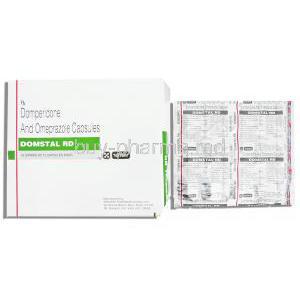


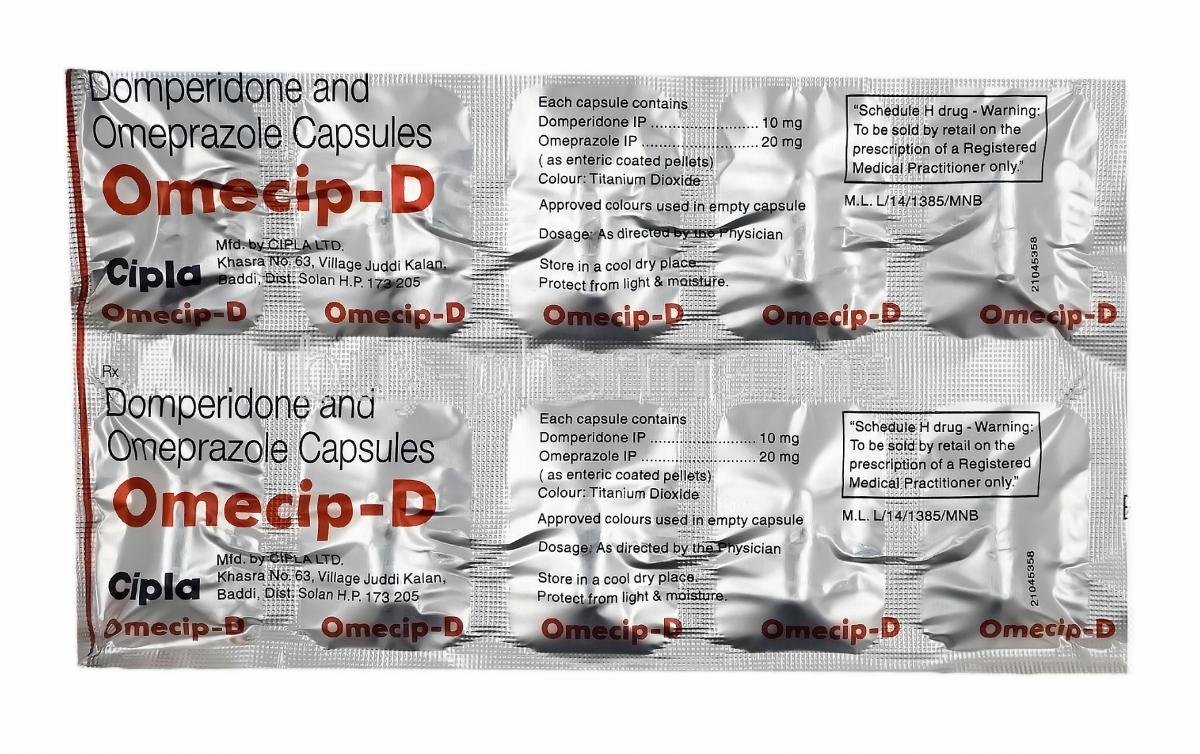

1. Introduction to Omecip-D (Domperidone / Omeprazole)
1.1 Overview of Combination Therapy for Gastrointestinal Disorders
Omecip-D represents a pharmacological amalgamation designed to address multifactorial gastrointestinal disturbances. It integrates acid suppression with enhanced gastric motility, thereby targeting both the etiology and symptomatology of upper gastrointestinal disorders. This dual-action approach is particularly beneficial in conditions where acid hypersecretion and delayed gastric emptying coexist.
1.2 Therapeutic Classification (Proton Pump Inhibitor + Prokinetic Agent)
The formulation belongs to two distinct therapeutic classes:
- Proton Pump Inhibitor (PPI) – Omeprazole
- Prokinetic Agent – Domperidone
This classification underscores its bifunctional mechanism, offering both antisecretory and motility-enhancing properties.
1.3 Indications for Combined Acid Suppression and Motility Enhancement
Clinical scenarios requiring simultaneous control of gastric acidity and motility include:
- Refractory gastroesophageal reflux
- Functional dyspepsia with delayed gastric emptying
- Acid-induced nausea and bloating
The combination ensures symptomatic relief while addressing underlying pathophysiological processes.
1.4 Brand Names, Availability, and Formulations
Omecip-D is available in capsule form, typically as delayed-release formulations. It is marketed under various generic and branded names, depending on regional pharmaceutical manufacturers. Accessibility varies globally, often requiring a prescription.
2. Composition and Formulation Details
2.1 Active Ingredients: Domperidone and Omeprazole
The formulation comprises:
- Omeprazole – a benzimidazole derivative
- Domperidone – a peripheral dopamine antagonist
Each component contributes a distinct pharmacodynamic effect.
2.2 Mechanism-Based Synergy Between Components
The synergy arises from complementary mechanisms. Omeprazole reduces gastric acidity, while domperidone enhances gastric emptying. Together, they mitigate reflux episodes and improve digestive transit.
2.3 Dosage Strength Variants and Capsule Design (Delayed Release)
Capsules are often designed with enteric-coated granules to protect omeprazole from gastric degradation. This ensures optimal bioavailability in the alkaline environment of the small intestine.
2.4 Excipients and Pharmaceutical Characteristics
Excipients may include stabilizers, binders, and coating agents. These components maintain drug integrity, ensure controlled release, and enhance shelf stability.
3. Mechanism of Action: How Omecip-D Works
3.1 Omeprazole: Proton Pump Inhibition and Acid Suppression
Omeprazole irreversibly inhibits the H+/K+-ATPase enzyme system in gastric parietal cells. This leads to profound suppression of gastric acid secretion. The effect is sustained, even after plasma levels decline.
3.2 Domperidone: Dopamine Antagonism and Prokinetic Effect
Domperidone blocks peripheral dopamine D2 receptors. This enhances acetylcholine release in the gastrointestinal tract, promoting motility and accelerating gastric emptying.
3.3 Combined Effect on Gastric Motility and Acid Control
The combination reduces gastric stasis and acid exposure simultaneously. Patients experience decreased reflux episodes and improved digestive comfort.
3.4 Impact on Esophageal and Gastric Physiology
Key physiological benefits include:
- Increased lower esophageal sphincter tone
- Reduced gastric volume and pressure
- Enhanced esophageal clearance
4. Uses of Omecip-D (Approved Indications)
4.1 Gastroesophageal Reflux Disease (GERD) Management
Omecip-D is widely used to alleviate GERD symptoms such as heartburn, regurgitation, and chest discomfort.
4.2 Peptic Ulcer Disease (Gastric and Duodenal Ulcers)
By reducing acid secretion, it facilitates ulcer healing and prevents recurrence.
4.3 Functional Dyspepsia and Indigestion
It provides relief from bloating, early satiety, and postprandial discomfort.
4.4 Gastritis and Acid-Related Disorders
Inflammatory conditions of the gastric mucosa benefit from acid suppression and improved motility.
4.5 Nausea and Vomiting Associated with Acid Disorders
Domperidone’s antiemetic effect complements acid control, reducing nausea.
4.6 Reflux-Associated Upper Gastrointestinal Symptoms
Symptoms such as belching, sour taste, and epigastric discomfort are effectively managed.
5. Off-Label Uses of Omecip-D
5.1 Gastroparesis (Delayed Gastric Emptying)
Domperidone improves gastric motility, making it useful in gastroparesis management.
5.2 Non-Ulcer Dyspepsia with Motility Dysfunction
Patients with functional disorders often benefit from its prokinetic action.
5.3 Refractory GERD with Motility Component
In resistant cases, enhancing motility can improve treatment outcomes.
5.4 Drug-Induced Nausea and Vomiting
It may be used to counteract gastrointestinal side effects of certain medications.
5.5 Postoperative Nausea (Selected Cases)
Carefully selected patients may receive domperidone-containing regimens for postoperative relief.
5.6 Adjunct Therapy in Helicobacter pylori Eradication Regimens
Omeprazole is commonly included in eradication protocols, with domperidone aiding symptom control.
6. Dosage and Administration Guidelines
6.1 Standard Adult Dosage Recommendations
Typical dosing involves once or twice daily administration, depending on severity and indication.
6.2 Timing of Administration (Before Meals)
For optimal efficacy, the medication should be taken before meals, usually in the morning.
6.3 Duration of Therapy Based on Indication
Treatment duration varies:
- Short-term: 2–4 weeks for dyspepsia
- Long-term: GERD maintenance therapy
6.4 Dose Adjustments in Special Populations
Adjustments may be required in patients with hepatic or renal impairment.
6.5 Missed Dose and Compliance Considerations
If a dose is missed, it should be taken as soon as remembered unless it is near the next scheduled dose.
7. Side Effects of Omecip-D
7.1 Overview of Adverse Effects Profile
Omecip-D is generally well tolerated, though adverse reactions may occur.
7.2 Gastrointestinal Side Effects
These may include nausea, abdominal discomfort, and altered bowel habits.
7.3 Neurological and Central Nervous System Effects
Some patients may experience dizziness, headache, or mild sedation.
7.4 Cardiovascular Concerns (QT Prolongation Risk)
Domperidone has been associated with QT interval prolongation, necessitating caution.
7.5 Endocrine and Hormonal Effects (Hyperprolactinemia)
Elevated prolactin levels may lead to galactorrhea or menstrual irregularities.
8. Common Side Effects
8.1 Headache and Dizziness
These are among the most frequently reported symptoms.
8.2 Dry Mouth
A mild but persistent sensation of oral dryness may occur.
8.3 Abdominal Pain and Diarrhea
Digestive disturbances may arise during treatment.
8.4 Constipation
In some cases, bowel movements may become infrequent.
8.5 Fatigue and Mild Weakness
Generalized lethargy may be observed in certain individuals.
9. Drug Interactions
9.1 Interactions with CYP450 Enzyme Modulators
Omeprazole is metabolized via CYP450 pathways, making it susceptible to interactions.
9.2 Interaction with Antifungal Agents and Antibiotics
Co-administration with certain agents may alter drug levels.
9.3 Effects on Absorption of pH-Dependent Drugs
Reduced gastric acidity can impair absorption of drugs requiring acidic environments.
9.4 Interaction with QT-Prolonging Medications
Concurrent use with such drugs increases arrhythmia risk.
9.5 Herbal Supplements and OTC Drug Considerations
Patients should disclose all supplements to avoid unforeseen interactions.
10. Warnings and Safety Considerations
10.1 Risk of Cardiac Arrhythmias with Domperidone
Cardiac monitoring may be necessary in high-risk individuals.
10.2 Long-Term Proton Pump Inhibitor Risks
Prolonged use may be associated with nutrient deficiencies and bone-related complications.
10.3 Risk of Electrolyte Imbalance
Hypomagnesemia and other imbalances may occur with extended therapy.
10.4 Masking of Gastric Malignancy Symptoms
Symptom relief may obscure serious underlying conditions.
10.5 Monitoring Requirements During Prolonged Use
Regular clinical evaluation is recommended to ensure safe and effective therapy.
11. Contraindications
11.1 Known Hypersensitivity to Domperidone or Omeprazole
Patients with a documented hypersensitivity to either domperidone or omeprazole must avoid this medication. Allergic reactions may manifest as:
- Cutaneous eruptions or urticaria
- Angioedema involving the face or airway
- Severe anaphylactic responses in rare cases
Even minimal exposure can precipitate adverse immunological reactions.
11.2 Prolactin-Secreting Pituitary Tumors (Prolactinoma)
Domperidone may elevate serum prolactin levels due to dopamine receptor antagonism. In patients with prolactinomas, this can exacerbate tumor activity and hormonal dysregulation. Such use is contraindicated due to potential disease progression.
11.3 Severe Hepatic Impairment
Severe liver dysfunction significantly alters drug metabolism. Accumulation of active compounds may occur, increasing toxicity risk. Clinical consequences may include:
- Enhanced systemic exposure
- Heightened adverse effects
- Impaired drug clearance
11.4 Patients with Cardiac Arrhythmias or QT Prolongation
Domperidone has been associated with QT interval prolongation. Patients with pre-existing arrhythmias or congenital long QT syndrome are at elevated risk of serious ventricular arrhythmias, including torsades de pointes.
11.5 Concomitant Use with Strong CYP3A4 Inhibitors
Co-administration with potent CYP3A4 inhibitors can increase domperidone plasma levels. This interaction may potentiate cardiotoxic effects. Examples include:
- Azole antifungals
- Macrolide antibiotics
- Protease inhibitors
12. Careful Administration (Use with Caution)
12.1 Patients with Mild to Moderate Liver Dysfunction
In patients with hepatic compromise, cautious dosing is imperative. Liver impairment may reduce metabolic capacity, necessitating close monitoring for adverse effects.
12.2 Renal Impairment Considerations
Although primarily metabolized hepatically, renal dysfunction may still influence drug elimination. Dose adjustments or extended dosing intervals may be warranted in severe cases.
12.3 Elderly Patients with Increased Sensitivity
Older individuals may exhibit heightened pharmacodynamic sensitivity. Factors include reduced physiological reserve and polypharmacy. Careful titration is advised.
12.4 Patients at Risk of Electrolyte Imbalance
Electrolyte disturbances, particularly hypokalemia or hypomagnesemia, can amplify the risk of cardiac arrhythmias. Monitoring electrolyte levels is recommended during therapy.
12.5 Individuals with Underlying Cardiac Conditions
Patients with ischemic heart disease or structural abnormalities require vigilant monitoring. Even subtle electrophysiological changes may have clinical significance.
13. Important Precautions
13.1 Avoid Prolonged Unnecessary Use
Chronic use without clear indication should be avoided. Long-term therapy may predispose patients to complications such as nutrient deficiencies and gastrointestinal alterations.
13.2 Monitoring for Cardiac Symptoms
Patients should be counseled to report symptoms such as palpitations, syncope, or dizziness. These may indicate underlying cardiac disturbances.
13.3 Gradual Discontinuation of PPIs
Sudden cessation of proton pump inhibitors can lead to rebound acid hypersecretion. A tapered discontinuation strategy may mitigate this phenomenon.
13.4 Risk of Vitamin B12 and Magnesium Deficiency
Prolonged acid suppression can impair absorption of essential nutrients. Clinicians should consider periodic assessment of:
- Vitamin B12 levels
- Serum magnesium concentrations
13.5 Avoid Alcohol and Irritating Foods
Alcohol and certain खाद substances may exacerbate gastrointestinal irritation. Patients are advised to limit intake of:
- Spicy or acidic foods
- Caffeinated beverages
- Alcoholic drinks
14. Administration in Special Populations
14.1 Administration to Elderly Patients
Elderly patients often present with comorbidities and polypharmacy, necessitating individualized treatment strategies. Increased susceptibility to adverse effects is notable.
- Higher risk of cardiac arrhythmias
- Potential for central nervous system effects such as confusion
- Requirement for dose adjustments based on tolerance
Regular monitoring is essential to ensure therapeutic safety.
14.2 Administration to Pregnant Women and Nursing Mothers
The safety profile during pregnancy remains cautiously interpreted. Use should be considered only when the potential benefits outweigh risks. During lactation:
- Domperidone may be excreted in breast milk
- Risk to the infant should be evaluated
Clinical discretion is paramount.
14.3 Administration to Children
Pediatric use is limited and should be approached with caution. Safety and efficacy data are not robust. If prescribed:
- Dosing must be weight-based
- Close supervision is required
15. Overdosage and Management
15.1 Symptoms of Overdose
Overdose manifestations may vary but commonly include:
- Severe drowsiness or agitation
- Extrapyramidal symptoms
- Cardiac rhythm disturbances
15.2 Immediate Medical Interventions
Prompt medical evaluation is critical. Initial management may involve gastric decontamination and stabilization of vital functions.
15.3 Supportive and Symptomatic Treatment
No specific antidote exists. Management focuses on symptomatic relief and supportive care, including:
- Monitoring vital signs
- Administration of activated charcoal (if appropriate)
- Correction of electrolyte imbalances
15.4 Monitoring for Cardiac and Neurological Effects
Continuous ECG monitoring may be necessary in severe cases. Neurological status should also be assessed regularly.
16. Storage Instructions
16.1 Recommended Storage Temperature and Conditions
Store the medication at controlled room temperature, typically between 20–25°C. Avoid exposure to extreme heat or cold.
16.2 Protection from Moisture and Light
Capsules should be kept in a dry environment. Excess humidity can compromise stability and efficacy.
16.3 Shelf Life and Expiry Considerations
Use within the specified expiry date. Degraded formulations may lose potency or become unsafe.
16.4 Safe Storage Away from Children
Medication should be stored in a secure location, out of reach of children, to prevent accidental ingestion.
17. Handling Precautions
17.1 Proper Handling of Capsules/Tablets
Capsules should be handled with clean, dry hands. Avoid unnecessary exposure to air and moisture.
17.2 Avoid Crushing or Chewing Delayed-Release Formulations
Delayed-release capsules must be swallowed whole. Altering the formulation may compromise therapeutic efficacy.
17.3 Disposal of Unused or Expired Medication
Unused medication should be disposed of responsibly. Do not discard in household waste or wastewater without guidance.
17.4 Patient Counseling Points for Safe Use
Patients should be educated on:
- Adherence to prescribed dosage
- Recognition of adverse effects
- Importance of follow-up consultations
18. Summary and Clinical Considerations
18.1 Benefits of Combination Therapy
The integration of acid suppression and prokinetic action offers comprehensive management of complex gastrointestinal disorders. This dual modality enhances therapeutic outcomes.
18.2 Risk-Benefit Assessment in Long-Term Use
While effective, long-term use requires careful evaluation. Clinicians must balance symptomatic relief with potential risks such as nutrient deficiencies and cardiac concerns.
18.3 Key Takeaways for Safe and Effective Treatment
Optimal use of Omecip-D involves:
- Appropriate patient selection
- Adherence to dosing guidelines
- Regular monitoring for adverse effects
When used judiciously, it remains a valuable therapeutic option in gastrointestinal care.
Popular Products



Similar Product