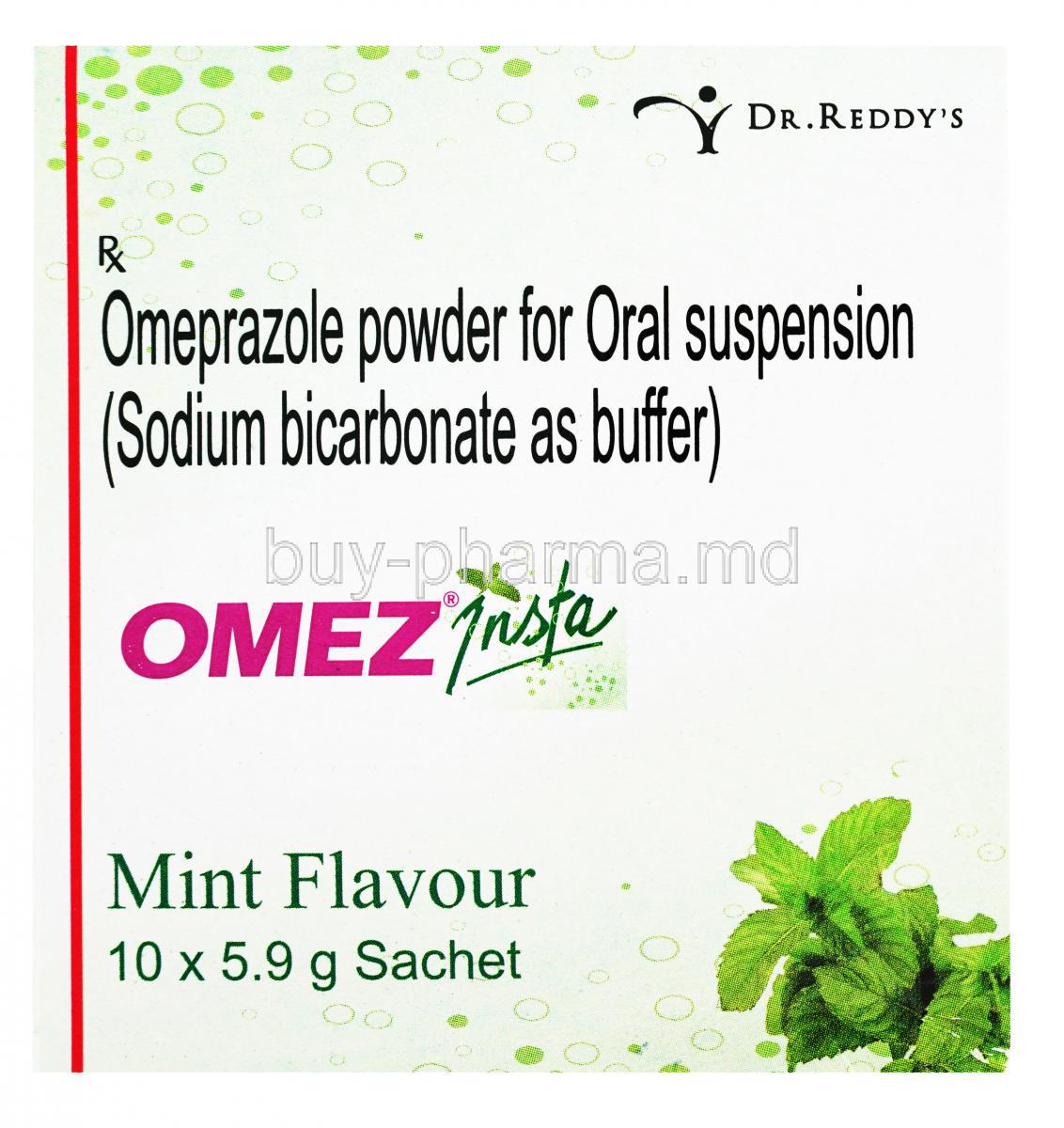

Introduction to Omez Insta Mint Flavour Sachet
Omez Insta Mint Flavour Sachet is an oral, instant-release formulation designed for the prompt management of acid-related gastrointestinal disorders. It is formulated to dissolve rapidly, allowing for quicker pharmacological activity compared with conventional solid dosage forms. The sachet-based format makes it particularly suitable for patients who experience difficulty swallowing capsules or tablets.
By combining rapid acid suppression with a palatable mint flavour, this formulation aims to improve both therapeutic outcomes and treatment adherence in routine clinical use.
Overview of Omez Insta Mint Flavour Sachet
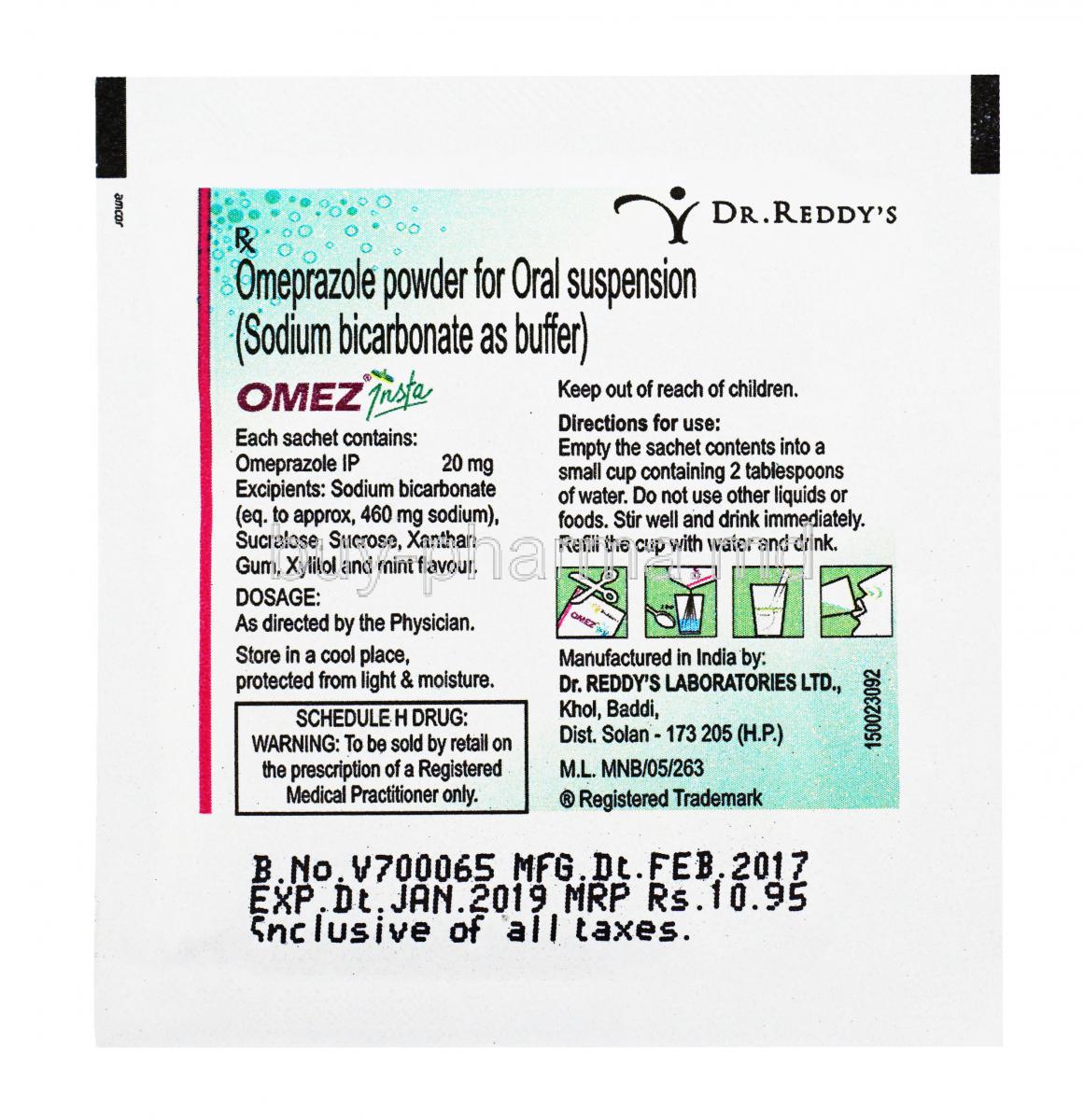
Omez Insta is supplied as a single-dose sachet containing granulated medication intended for oral suspension. Once mixed with water, it forms a smooth dispersion that can be consumed immediately. This design supports rapid gastric absorption while minimizing delays associated with capsule disintegration.
- Convenient single-dose packaging
- Rapid preparation without specialized equipment
- Suitable for acute and maintenance therapy
Therapeutic Classification and Formulation Type
The product belongs to the class of proton pump inhibitors (PPIs), a group of drugs that profoundly suppress gastric acid secretion. Unlike traditional enteric-coated capsules, Omez Insta utilizes an instant-release granule system, enabling earlier pharmacodynamic activity within the stomach.
Role of Instant-Release Proton Pump Inhibitors
Instant-release PPIs are developed to address the lag time associated with delayed-release formulations. By allowing faster availability of the active compound, these formulations can provide more immediate symptom relief, particularly valuable in patients with pronounced or unpredictable acid-related symptoms.
Mint Flavour and Patient Compliance Advantages
Taste plays a nontrivial role in medication adherence. The inclusion of a mint flavour enhances palatability, reduces aversion, and improves the overall patient experience. This is especially beneficial in elderly patients and those requiring repeated or prolonged therapy.
Composition and Active Ingredients
The therapeutic efficacy of Omez Insta Mint Flavour Sachet is derived from its carefully balanced composition, which supports stability, rapid dispersion, and consistent bioavailability.
Omeprazole as the Active Pharmaceutical Ingredient
Omeprazole is a substituted benzimidazole compound that exerts potent acid-suppressive effects. It is widely used in the management of acid-mediated gastrointestinal disorders due to its ability to inhibit the final step of gastric acid production.
Granule-Based Instant Formulation
The sachet contains microgranules engineered to disperse evenly in water. This structure allows for uniform dosing and facilitates rapid absorption following oral administration.
Inactive Ingredients and Flavouring Agents
Excipients are incorporated to enhance stability, taste, and dispersibility. Flavouring agents provide a refreshing sensory profile, while stabilizers protect the active ingredient from premature degradation.
Pharmaceutical Rationale Behind Sachet Formulation
The sachet format is designed to optimize convenience, dosing accuracy, and onset of action. It also offers flexibility for patients who cannot tolerate solid oral dosage forms.
How Omez Insta Works (Mechanism of Action)
Omez Insta exerts its therapeutic effect by directly targeting the physiological process responsible for gastric acid secretion.
Inhibition of Gastric Proton Pumps (H⁺/K⁺-ATPase)
Omeprazole selectively inhibits the H⁺/K⁺-ATPase enzyme system located on gastric parietal cells. This enzyme represents the terminal pathway of acid secretion, making its inhibition highly effective.
Reduction of Basal and Stimulated Gastric Acid Secretion
By blocking proton pump activity, the drug suppresses both basal acid output and acid secretion stimulated by food, histamine, or gastrin. The result is sustained elevation of gastric pH.
Rapid Onset of Action with Instant Formulation
The instant-release design allows omeprazole to become available more quickly after ingestion. This contributes to earlier symptom relief compared with delayed-release preparations.
Comparison with Conventional Delayed-Release Omeprazole
While conventional formulations rely on enteric coatings to protect the drug until intestinal absorption, instant formulations bypass this delay. This difference can be clinically relevant in patients requiring prompt acid suppression.
Uses and Therapeutic Indications
Omez Insta Mint Flavour Sachet is indicated for a wide range of acid-related gastrointestinal conditions.
Treatment of Gastroesophageal Reflux Disease (GERD)
The medication reduces esophageal acid exposure, alleviating symptoms such as heartburn, regurgitation, and chest discomfort associated with GERD.
Management of Acid-Related Dyspepsia
By suppressing excessive gastric acid, Omez Insta helps relieve epigastric pain, bloating, and postprandial discomfort.
Peptic Ulcer Disease (Gastric and Duodenal Ulcers)
Acid suppression promotes mucosal healing and reduces the risk of ulcer recurrence in both gastric and duodenal ulcer disease.
Zollinger–Ellison Syndrome
In hypersecretory states such as Zollinger–Ellison syndrome, higher or prolonged dosing may be required to control extreme acid production.
Acid Suppression in Stress-Related Mucosal Damage
The drug may be used to prevent or treat stress-induced gastric mucosal injury in high-risk clinical settings.
Adjunct Therapy in Helicobacter pylori Eradication Regimens
Omez Insta is commonly combined with antibiotics to enhance eradication rates by creating a less acidic gastric environment.
Off-Label and Extended Uses
Beyond approved indications, Omez Insta is sometimes utilized in additional clinical contexts based on physician discretion.
Functional (Non-Ulcer) Dyspepsia
Patients with dyspeptic symptoms in the absence of structural disease may experience symptomatic improvement with acid suppression.
Acid Suppression in NSAID-Induced Gastritis
Proton pump inhibition can mitigate gastric irritation and ulceration associated with nonsteroidal anti-inflammatory drugs.
Prophylaxis of Upper Gastrointestinal Bleeding in High-Risk Patients
In selected patients, acid suppression may reduce the likelihood of upper gastrointestinal bleeding.
Symptom Control in Laryngopharyngeal Reflux
By reducing gastric acidity, symptoms such as chronic throat irritation and hoarseness may be alleviated.
Empirical Therapy for Unexplained Epigastric Pain
Short-term use may be considered as a diagnostic and therapeutic trial in patients with undifferentiated upper abdominal pain.
Dosage and Administration Guidelines
Appropriate dosing and administration are essential to achieve optimal therapeutic benefit.
Recommended Adult Dosing Schedules
Dosage is determined by the underlying condition, severity of symptoms, and clinical response. Standard regimens are typically administered once daily.
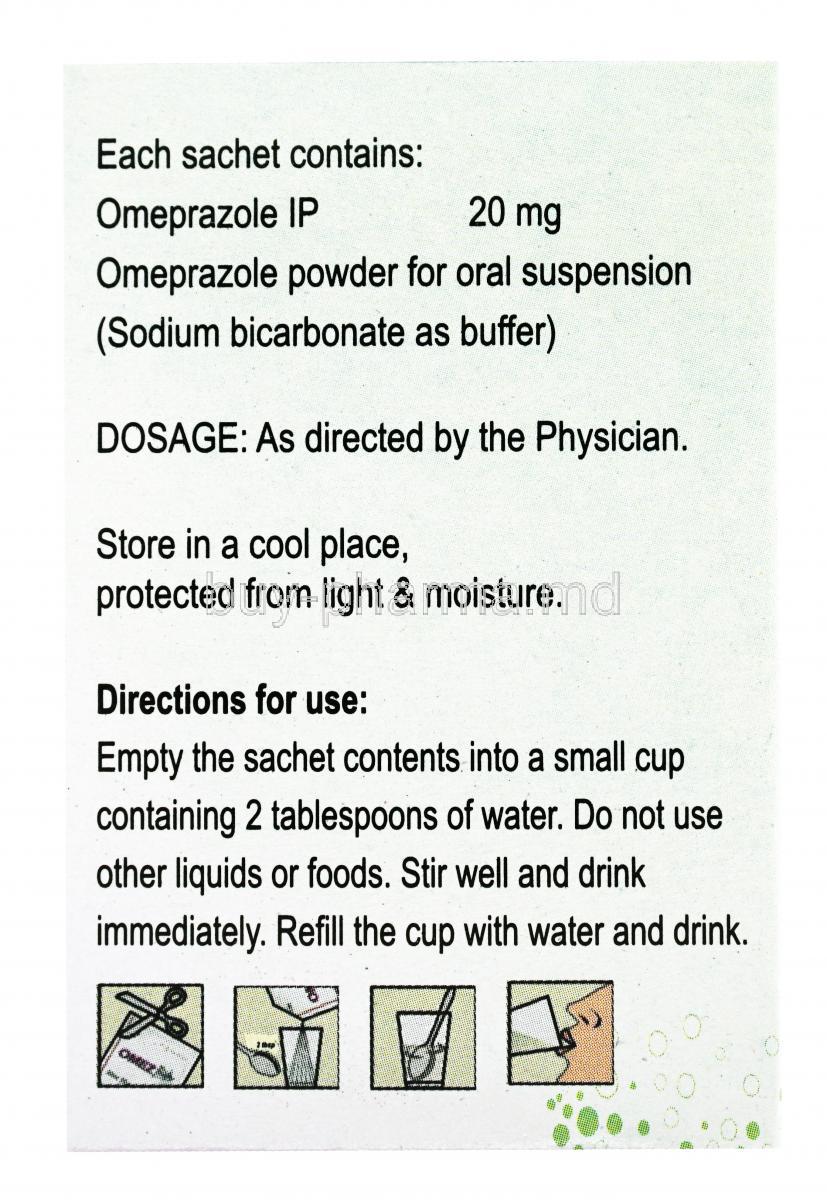
Method of Reconstitution and Oral Administration
The contents of the sachet should be mixed with an adequate volume of water and consumed immediately to ensure uniform dosing.
Timing in Relation to Meals
Administration is generally recommended before meals to maximize acid suppression during periods of peak secretion.
Duration of Therapy Based on Indication
Treatment duration varies from short-term courses for dyspepsia to extended regimens for chronic or recurrent conditions.
Missed Dose Management
If a dose is missed, it should be taken as soon as remembered unless it is close to the time of the next scheduled dose.
Administration in Special Populations
Administration to Elderly Patients
Older adults may require careful monitoring due to increased susceptibility to adverse effects associated with prolonged acid suppression.
- Assessment of bone health
- Monitoring of vitamin and mineral levels
Administration to Pregnant Women and Nursing Mothers
Use during pregnancy should be guided by a thorough risk–benefit evaluation. Limited placental transfer has been observed, and exposure during lactation is generally low.
Administration to Children
Pediatric use requires age-appropriate dosing and careful supervision. Available safety and efficacy data should guide clinical decision-making in this population.
Side Effects and Adverse Reactions
Omez Insta Mint Flavour Sachet is generally well tolerated when used as directed. Nevertheless, like all proton pump inhibitors, it may be associated with a spectrum of adverse reactions. These effects can vary in intensity, frequency, and clinical relevance depending on patient-specific factors.
Overview of Potential Adverse Effects
Most adverse reactions are mild and transient, resolving spontaneously with continued use or dose adjustment. Serious complications are infrequent but may emerge during prolonged therapy or in predisposed individuals.
- Primarily gastrointestinal or neurological in nature
- Often reversible upon discontinuation
- More likely with extended or high-dose use
Dose-Dependent and Duration-Dependent Reactions
The likelihood of adverse effects increases with higher doses and longer treatment durations. Chronic acid suppression can influence nutrient absorption, electrolyte balance, and gastrointestinal microbiota over time.
Common Side Effects
Headache and Dizziness
Neurological symptoms such as headache or transient dizziness have been reported. These effects are usually self-limiting and rarely necessitate cessation of therapy.
Nausea, Vomiting, or Abdominal Discomfort
Upper gastrointestinal discomfort may occur, particularly during the initial phase of treatment. Symptoms often attenuate as gastric acid levels stabilize.
Diarrhea or Constipation
Alterations in bowel habits can result from changes in gastric acidity and intestinal motility. Both diarrhea and constipation have been observed, typically without serious sequelae.
Flatulence and Bloating
Gas accumulation and abdominal distension may arise due to modified digestion and altered gut flora. These symptoms are generally mild and episodic.
Less Common or Serious Side Effects
Vitamin B12 Deficiency with Prolonged Use
Long-term suppression of gastric acid can impair vitamin B12 absorption. Clinically significant deficiency may manifest as anemia, neuropathy, or cognitive changes in susceptible patients.
Hypomagnesemia
Chronic therapy has been associated with reduced serum magnesium levels. This condition may present with muscle cramps, arrhythmias, or neuromuscular excitability.
Increased Fracture Risk with Long-Term Therapy
Sustained acid suppression may interfere with calcium absorption, potentially increasing fracture risk, particularly in elderly patients or those with pre-existing bone disorders.
Clostridioides difficile–Associated Diarrhea
By altering gastric acidity, proton pump inhibitors may predispose patients to enteric infections, including Clostridioides difficile–associated diarrhea, especially during prolonged use.
Drug and Food Interactions
Omez Insta may influence the pharmacokinetics and pharmacodynamics of concomitantly administered medications. Awareness of potential interactions is essential for safe use.
Interaction with Antiplatelet Agents (e.g., Clopidogrel)
Omeprazole may reduce the activation of certain antiplatelet agents by inhibiting hepatic enzymes. This interaction can diminish antiplatelet efficacy in some patients.
Effects on Drugs Requiring Acidic Gastric pH
Medications that depend on an acidic environment for absorption may exhibit reduced bioavailability when coadministered.
- Certain antifungals
- Iron salts
- Specific antivirals
Interaction with Antifungals and Antivirals
Reduced gastric acidity can impair absorption of pH-sensitive antifungal and antiviral agents, potentially compromising therapeutic outcomes.
Alcohol and Dietary Considerations
While no direct interaction with alcohol is established, excessive alcohol intake may exacerbate gastric irritation and counteract therapeutic benefits.
Warnings and Safety Information
Long-Term Use Considerations
Extended therapy should be periodically reassessed to confirm ongoing clinical necessity. Unwarranted prolonged use may increase the risk of systemic effects.
Risk of Masking Serious Gastric Pathology
Symptom relief may obscure underlying malignant or progressive gastrointestinal disease. Persistent or recurrent symptoms warrant further investigation.
Acid Rebound After Abrupt Discontinuation
Sudden cessation following long-term use may precipitate rebound hyperacidity, leading to symptom recurrence or exacerbation.
Monitoring Requirements for Chronic Therapy
Regular monitoring of electrolytes, micronutrient status, and bone health may be advisable in patients receiving extended treatment.
Contraindications
Known Hypersensitivity to Omeprazole or Benzimidazole Derivatives
Patients with documented hypersensitivity reactions should not receive this medication due to the risk of severe allergic responses.
History of Allergic Reactions to Proton Pump Inhibitors
Prior adverse immunologic reactions to any proton pump inhibitor contraindicate use.
Concomitant Use with Contraindicated Medications
Certain drug combinations may pose unacceptable risks and should be avoided under clinical guidance.
Careful Administration and Important Precautions
Gradual Tapering After Prolonged Use
Dose tapering is recommended to minimize rebound acid hypersecretion after long-term therapy.
Avoidance of Unnecessary Long-Term Therapy
Therapy should be limited to the shortest effective duration consistent with therapeutic goals.
Monitoring in Patients with Liver Impairment
Reduced hepatic metabolism may necessitate dose adjustment and closer clinical surveillance.
Awareness of Drug-Induced Electrolyte Imbalance
Electrolyte disturbances, though uncommon, should be promptly recognized and corrected.
Overdosage Information
Clinical Manifestations of Overdose
Symptoms of overdose may include confusion, nausea, dizziness, tachycardia, and visual disturbances.
Supportive and Symptomatic Management
Management is primarily supportive, focusing on symptom relief and physiological stabilization.
Lack of Specific Antidote
No specific antidote exists for omeprazole overdose, emphasizing the importance of preventive dosing accuracy.
Role of Medical Supervision in Suspected Overdose
Immediate medical evaluation is recommended in cases of suspected or confirmed overdose.
Storage and Stability
Recommended Storage Temperature
The sachets should be stored at controlled room temperature in accordance with manufacturer guidance.
Protection from Moisture and Heat
Exposure to moisture or excessive heat may compromise product stability and efficacy.
Shelf-Life Considerations
Use should be restricted to the indicated shelf life to ensure safety and potency.
Proper Handling of Opened Sachets
Once opened, sachets should be used immediately to prevent degradation of the active ingredient.
Handling Precautions
Correct Preparation Before Administration
The contents should be fully dispersed in water to ensure uniform dosing.
Avoidance of Chewing or Crushing Granules
Granules should not be chewed or crushed, as this may affect drug stability and absorption.
Safe Disposal of Unused Sachets
Unused or expired sachets should be disposed of according to local pharmaceutical waste guidelines.
Patient Counseling on Proper Use and Storage
Clear instructions regarding preparation, administration, and storage support safe and effective therapy.
Omez Insta Mint Flavour Sachet FAQ
Popular Products
Similar Product