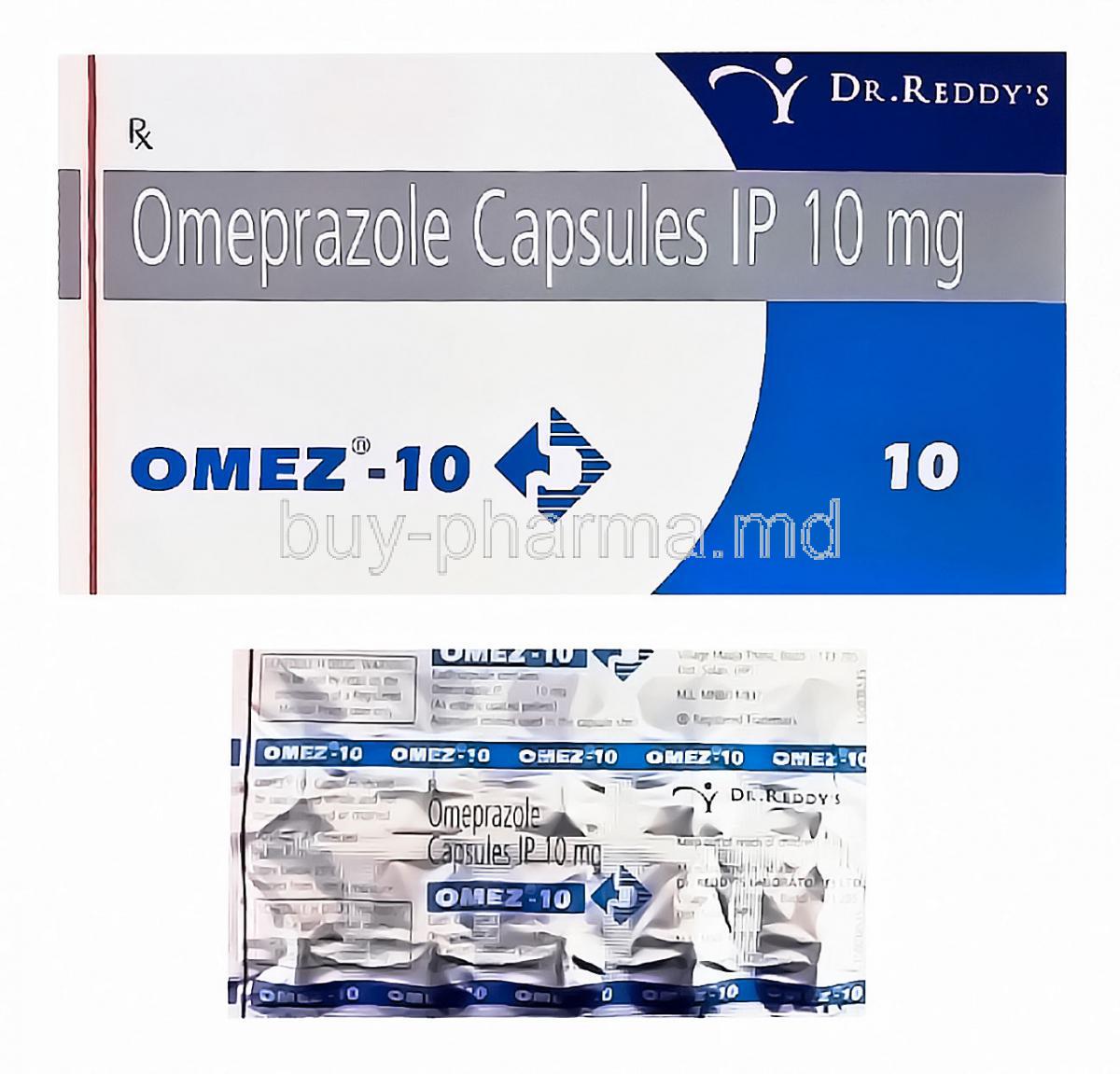
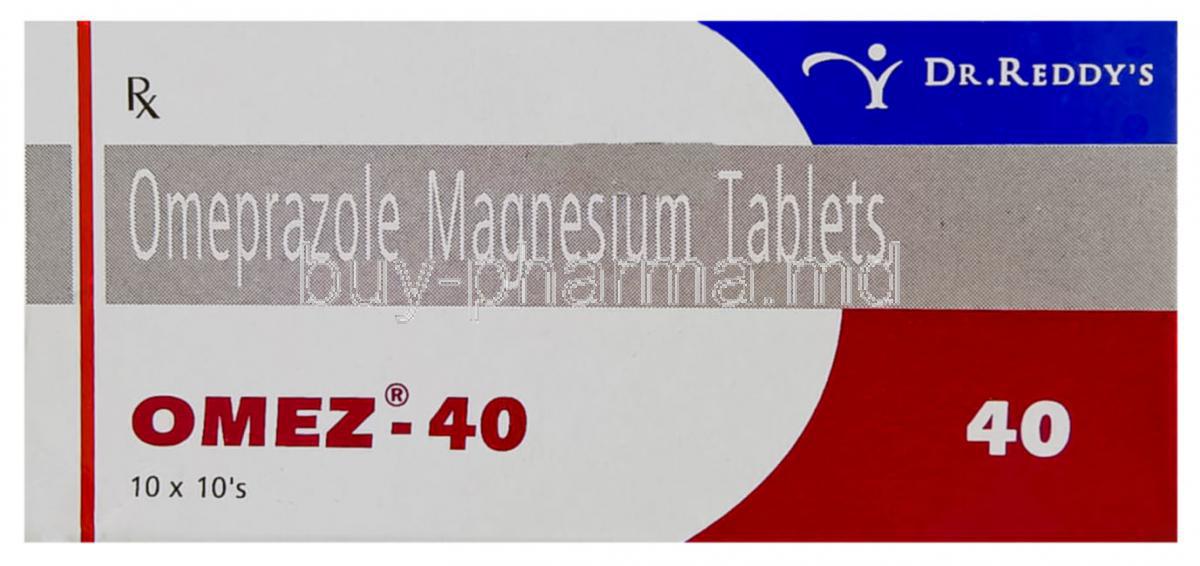
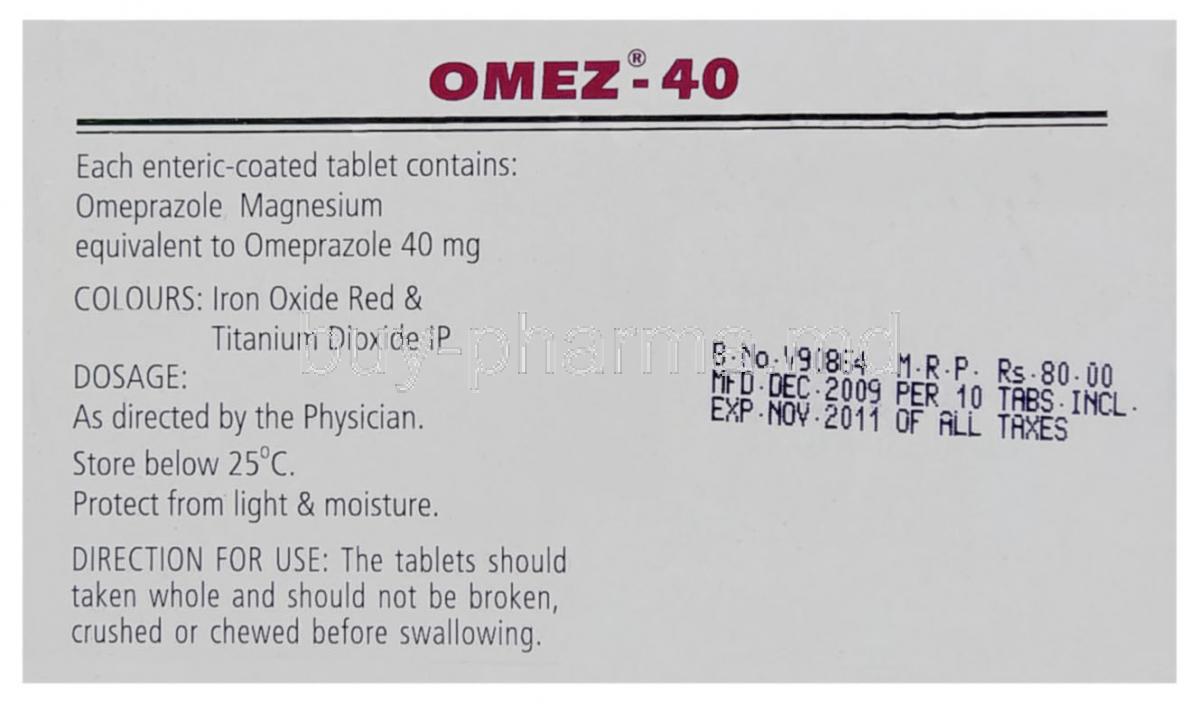



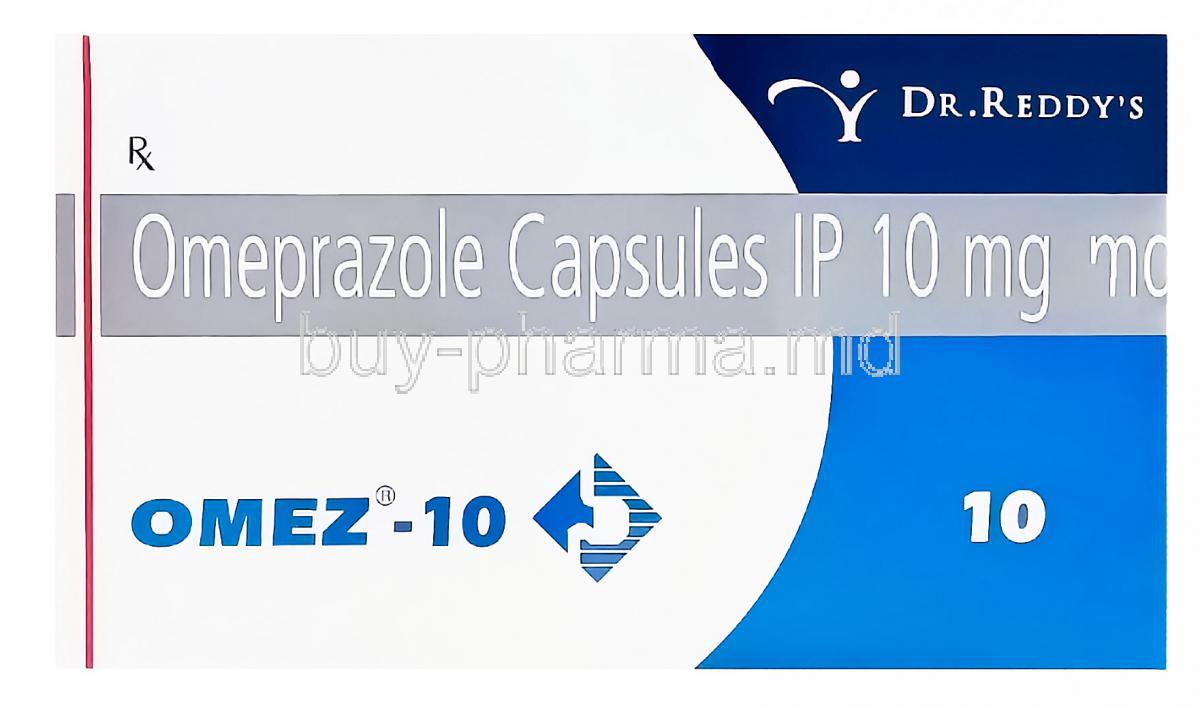
Introduction to Omez (Omeprazole)
Overview and therapeutic classification of Omez Omeprazole
Omez Omeprazole is a proton pump inhibitor crafted to attenuate excessive gastric acid secretion. It belongs to the substituted benzimidazole class, utilized widely in modern gastroenterology. This precision-targeted formulation has become an indispensable cornerstone in the management of numerous acid-associated pathologies.
Clinical relevance in acid suppression and gastric protection
Persistent gastric acidity can damage mucosal architecture, triggering inflammation and erosive injury. Omez prevents such sequelae by sustaining profound intragastric acid control. It protects gastric epithelium from erosive pathways and enhances mucosal recovery.
Indications for short-term and long-term therapy in acid-related disorders
• Acute GERD symptom relief
• Long-term suppression in recurrent ulcer pathology
• Pre-emptive prevention of ulcer recurrence
This dual short-term and maintenance relevance makes Omez a reliable acid-modulating solution.
Detailed Uses of Omez Omeprazole
GERD treatment and erosive esophagitis management
This medicine is widely applied in gastroesophageal reflux disease and healing of erosive esophagitis. Micro-erosive mucosal injury and burning sensations improve substantially with sustained acid reduction.
Peptic ulcer treatment including gastric and duodenal ulcers
Omez supports epithelial restitution and ulcer margin contraction, facilitating faster healing kinetics.
H. pylori eradication therapy adjunctive role in combination regimens
Used alongside antibiotics to elevate eradication rates and normalize gastric pH for optimal bacterial susceptibility.
NSAID-induced ulcer prevention in high-risk patients
Long-term NSAID users benefit from prophylactic gastric protection to avoid ulcerogenesis.
Zollinger-Ellison Syndrome and hypersecretory states
Extreme hypersecretory disorders may demand higher titration strategies. Omez helps maintain pH at protective thresholds.
Off-Label Uses and Real-World Prescribing
Functional dyspepsia symptom control
Some clinicians prescribe Omez for unexplained upper dyspeptic discomfort and meal-related gastric distress.
Laryngopharyngeal reflux-related throat discomfort
Chronic throat clearing, hoarseness and pharyngeal irritation may be associated with occult acid reflux events.
Stress ulcer prophylaxis in critically ill hospitalized patients
ICU patients often receive prophylactic acid suppression to minimize stress ulcer formation, especially during mechanical ventilation.
Chronic cough linked with reflux microaspiration
GERD-mediated cough is said to respond to prolonged acid suppression in a subset of cases.
How Omez Omeprazole Works Mechanistically
Proton pump inhibition and blockade of H+/K+ ATPase enzyme
Omeprazole binds to proton pumps within parietal cells, neutralizing the terminal step in gastric acid generation.
Impact on gastric acid production reduction
The decline in hydrochloric acid synthesis reduces mucosal irritation, while minimizing backflow reflux symptoms.
Duration of acid suppression versus symptom relief window
Even a single dose can yield persistent acid suppression spanning up to 24 hours, while symptomatic improvement may take several days.
Composition and Pharmaceutical Formulation
Active pharmaceutical ingredient Omeprazole per capsule/tablet strength
Omeprazole is typically offered in standardized strengths such as 10 mg, 20 mg or 40 mg.
Excipients and enteric coating formulation considerations
Enteric-coated microgranules prevent acid degradation prior to intestinal absorption, preserving full bioactivity.
Bioavailability and pharmacokinetics profile overview
Peak plasma exposure is often achieved within 3 hours post dose. Food timing may influence absorption kinetics.
Dosage and Administration Guidance
Standard adult dosing for GERD and peptic ulcers
Commonly 20 mg once daily is utilized initially, although some clinical scenarios necessitate 40 mg regimens.
Duration of therapy for short-term and maintenance treatment
Short-term healing may run 2–8 weeks, while chronic maintenance may span months with periodic benefit reassessments.
Step-down tapering strategy for long-term acid suppression
Gradual tapering—rather than abrupt cessation—may prevent rebound hyperacidity.
Timing of administration relative to meals for optimal absorption
Administration before breakfast is generally recommended to synchronize with maximal proton pump activation.
Side Effects Overview
Commonly reported side effects related to GI and CNS
Although generally well-tolerated, mild adverse effects may manifest transiently.
Frequency-based analysis of adverse reactions
• Rare severe allergic symptoms
• Occasional neurological complaints
• Common gastrointestinal irregularities
Long-term therapy risks including malabsorption and fractures
Chronic suppression of gastric acidity can modify mineral uptake, creating vulnerability to hypomagnesemia or skeletal demineralization.
Common Side Effects
Headache, abdominal discomfort, nausea, diarrhea
These frequently subside spontaneously as physiological adaptation occurs.
Bloating, constipation and altered stool frequency
Altered motility and gut flora shifts may contribute to transient bowel pattern changes.
Mild rash, fatigue and dizziness in susceptible patients
Hypersensitive individuals may note episodic fatigue or cutaneous manifestations.
Drug Interaction Profile
Interaction with antiretroviral medicines and antifungals
Agents like atazanavir rely on acidic environments for absorption, making profound pH modulation potentially consequential.
Interaction with warfarin and risk of INR change
INR monitoring may be prudent if warfarin and Omez are used in tandem.
Impact on drugs requiring acidic pH for absorption
Some antiviral and antifungal therapies may exhibit diminished bioavailability when co-administered.
Warnings and Important Precautions
Masking of gastric cancer and diagnostic delay caution
Acid suppression may obscure early signs of malignant gastric disease, which underscores the need for diagnostic vigilance.
Long-term risk of magnesium deficiency and B12 deficiency
Electrolyte derangements and micronutrient malabsorption are recognized risks in prolonged therapy cohorts.
Caution in chronic PPI users with osteoporosis or hip fracture risk
Epidemiologic literature demonstrates correlation between extended PPI exposure and fracture predisposition. Periodic clinical reassessment is advisable.
Contraindications
Known hypersensitivity to Omeprazole or substituted benzimidazoles
Use of this medicinal agent is contraindicated in individuals who have demonstrated a prior hypersensitivity reaction to Omeprazole or related benzimidazole derivatives. Even seemingly mild allergic expression can rapidly progress with repeat exposure.
Severe hypersensitivity reaction history with PPI therapy
Clinicians avoid prescribing this product to patients who experienced anaphylaxis, angioedema or severe dermatologic eruptions following other proton pump inhibitor usage. Cross-reactivity can occur and is often unpredictable.
Contraindication in known severe hepatic impairment cases
Patients with established hepatic decompensation may exhibit diminished drug clearance, leading to accumulation and altered pharmacokinetics. Severe liver impairment constitutes a contraindicated scenario.
Careful Administration Considerations
Need for monitoring in long-term continuous users
Continuous chronic therapy requires intermittent clinical evaluation. Long-term suppression of gastric acid may produce unintended nutritional sequelae.
Patients with hepatic compromise dosing assessment
Moderate hepatic impairment may necessitate dose recalibration. In some cases, lower-dose titration affords adequate control.
Use in individuals on multiple interacting medications
• Polypharmacy patients may have altered drug absorption
• INR shifts in anticoagulant patients require enhanced surveillance
• Antiretroviral dose adequacy may need frequent verification
Administration in Elderly Patients
Increased susceptibility to fractures and infection risk
Epidemiologic data show associations between prolonged PPI exposure and enhanced risk of fragility fractures. Pneumonia risk may also rise slightly, particularly during hospitalization.
Dose adjustment considerations in frail patients
Frailty syndromes require careful titration, particularly in low body mass or comorbid polypharmacy landscapes.
Monitoring electrolyte balance and nutritional deficiency risk
Serum magnesium and B12 levels should be periodically reviewed in elderly cohorts receiving extended therapy.
Administration to Pregnant Women and Nursing Mothers
Fetal risk data and safety categorization
Current data suggest no compelling teratogenic signal in typical dosing exposures. Nonetheless, pregnancy risk assessment remains a structured clinical requirement.
Placental transfer considerations
The active compound may traverse placental layers, albeit at pharmacologically moderate concentrations.
Excretion in breast milk and breastfeeding risk assessment
Trace excretion into lactational fluids is plausible. Most guidance recommends risk-benefit evaluation and short-term usage if required.
Administration to Children
Approved pediatric age ranges for GERD therapy
Omez Omeprazole is approved for specific pediatric age thresholds — particularly for children and adolescents diagnosed with GERD.
Dose recommendations by weight and severity
Pediatric dosing is frequently based on mg/kg calculations, tailored to symptom intensity and clinical response.
Safety concerns in prolonged pediatric exposure
Long-term suppression of gastric acid in developing physiology may influence micronutrient processing and gut microbiota dynamics.
Overdose Information
Symptoms of Omeprazole overdose and toxicity markers
Symptoms can include confusion, nausea, diaphoresis, blurred vision, tachycardia and severe dizziness.
Supportive management strategy and clinical stabilisation
There is no dedicated antidote. Supportive stabilisation remains the primary therapeutic method.
Emergency care guidance and monitoring requirements
Observation of vital markers, electrolyte surveillance and ECG monitoring may be required in acute overdose presentations.
Storage Requirements and Handling Precautions
Temperature guidelines and moisture protection
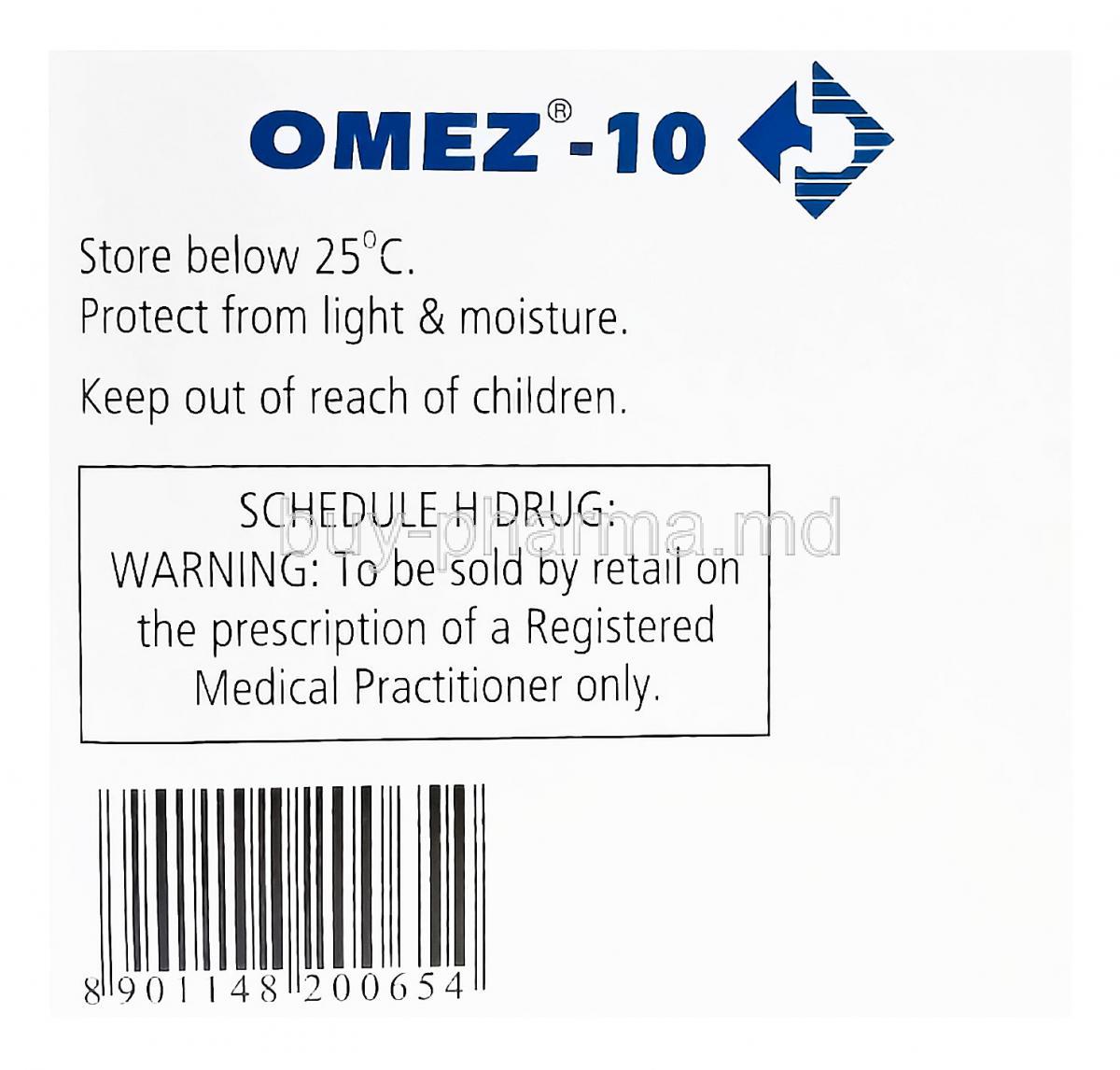
Store capsules in a dry, cool environment. Moisture and heat can degrade enteric-coated granules.
Shelf life and safe handling of capsules and strips
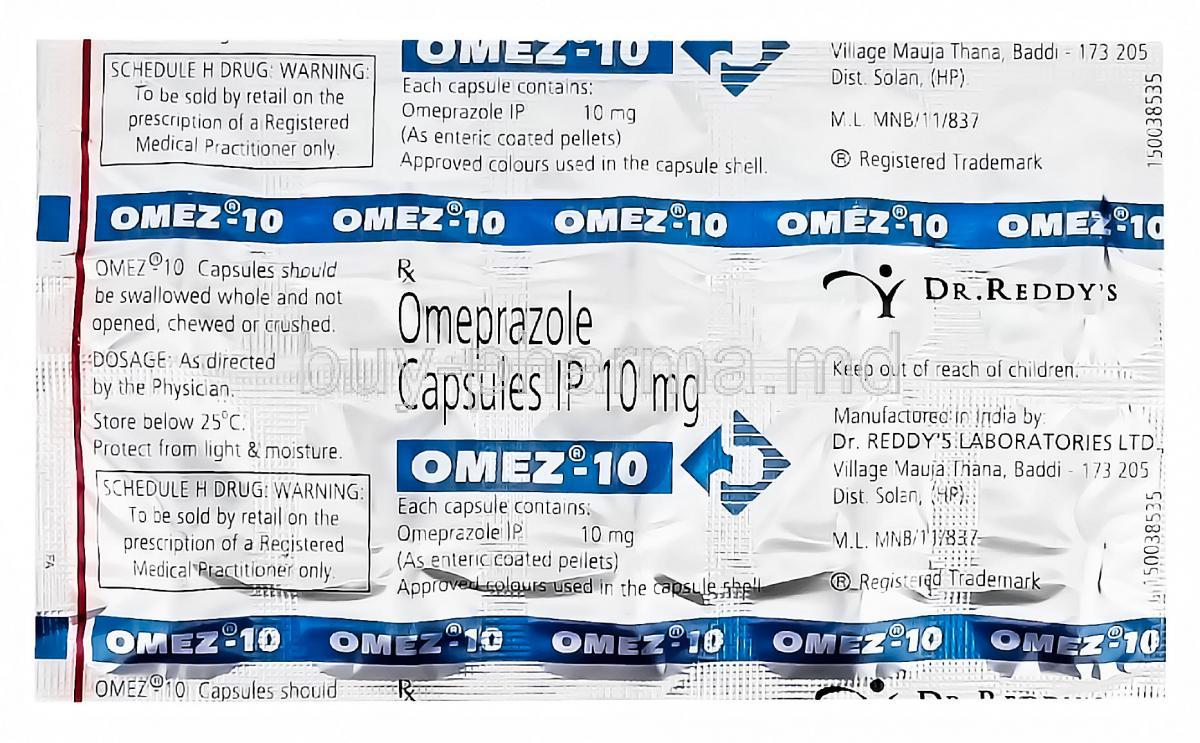
Do not open blister strips prematurely. Retain original packaging until ingestion to preserve integrity.
Disposal methods for unused or expired medication
Expired or unused units should be discarded via pharmaceutical waste pathways. Avoid flushing into water systems.

Customers also bought
Popular Products
Similar Product