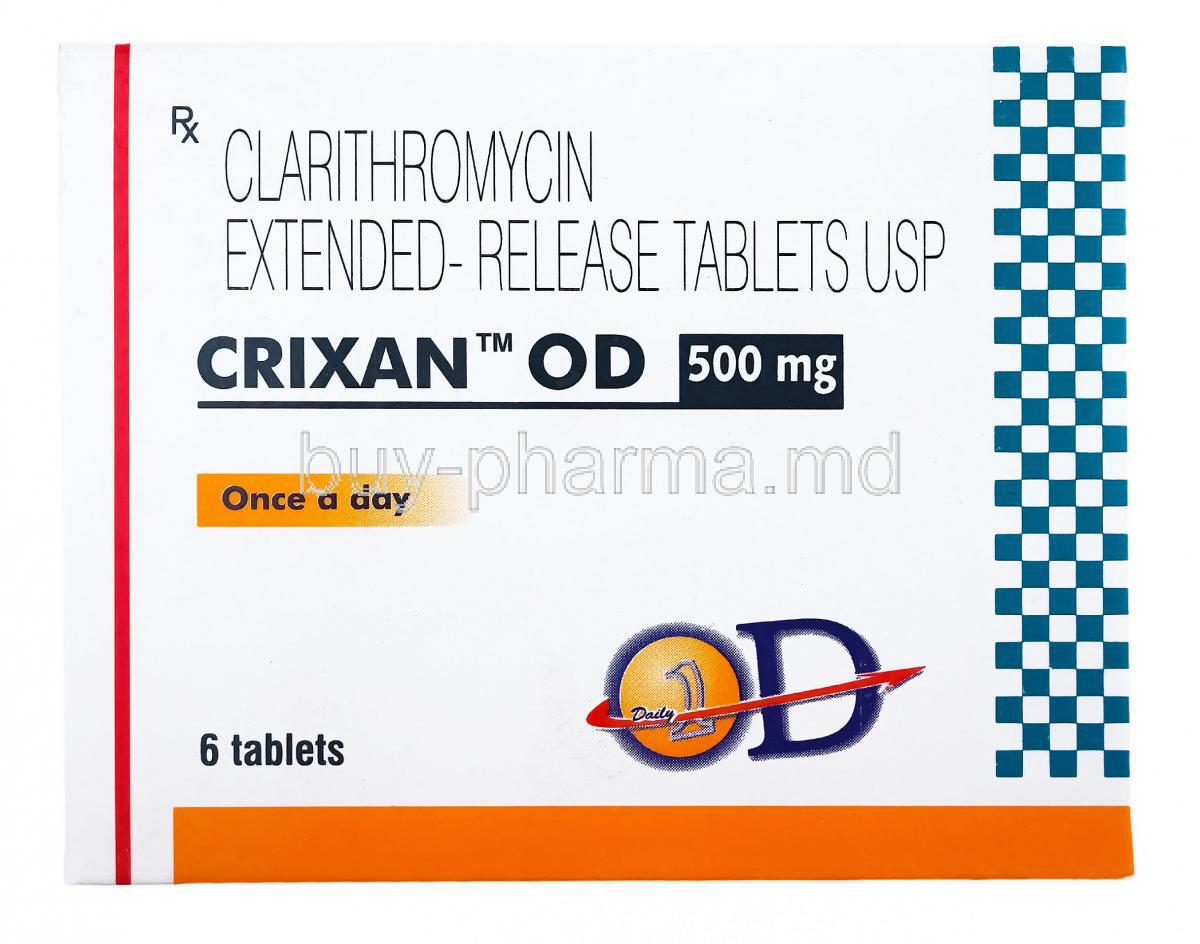
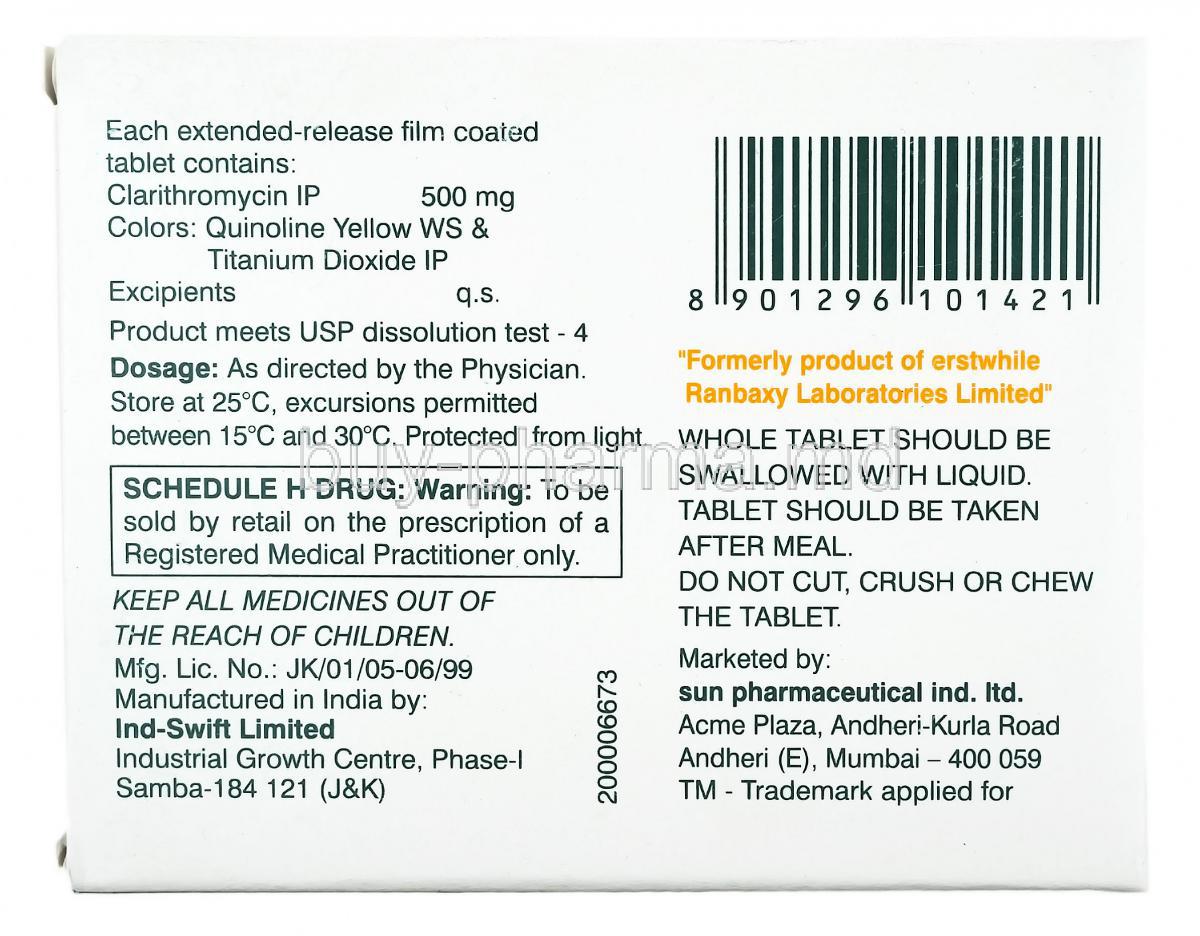
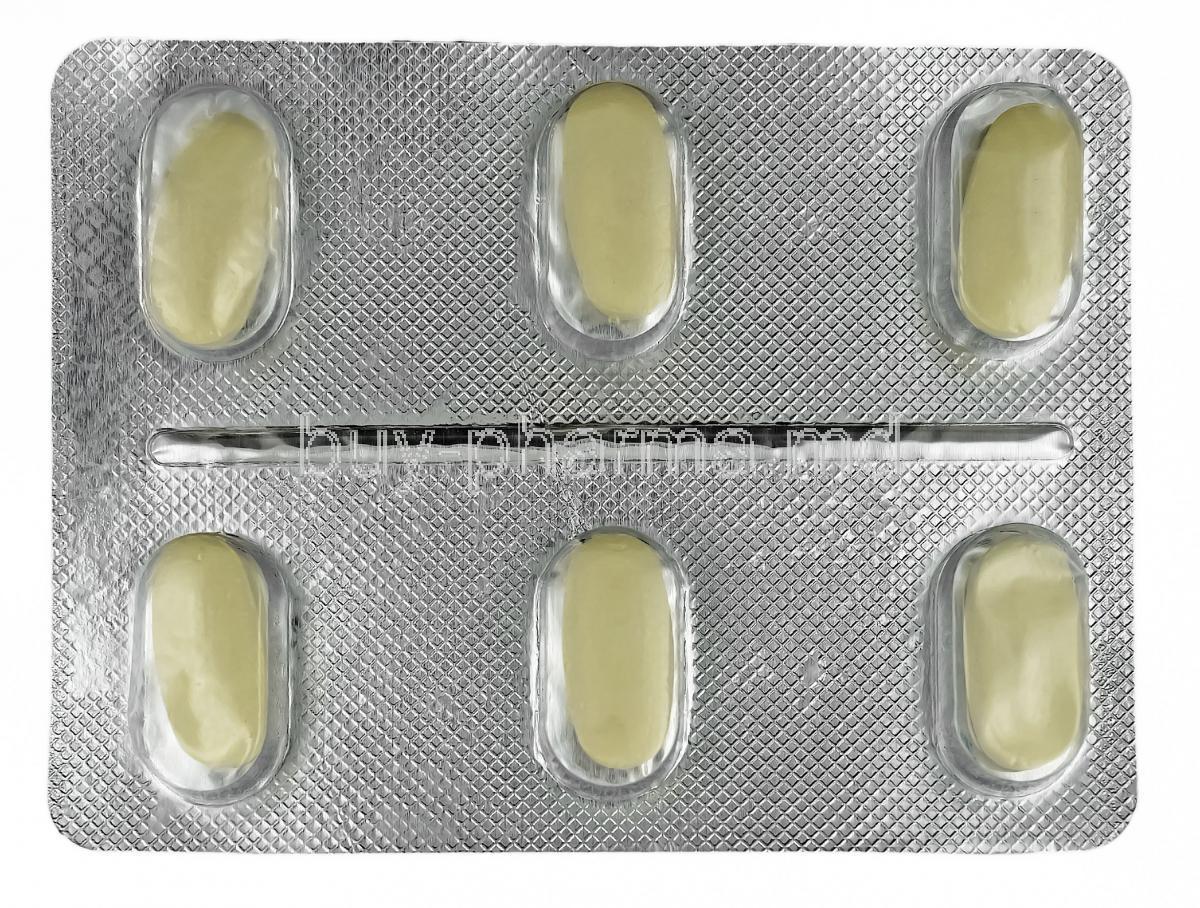
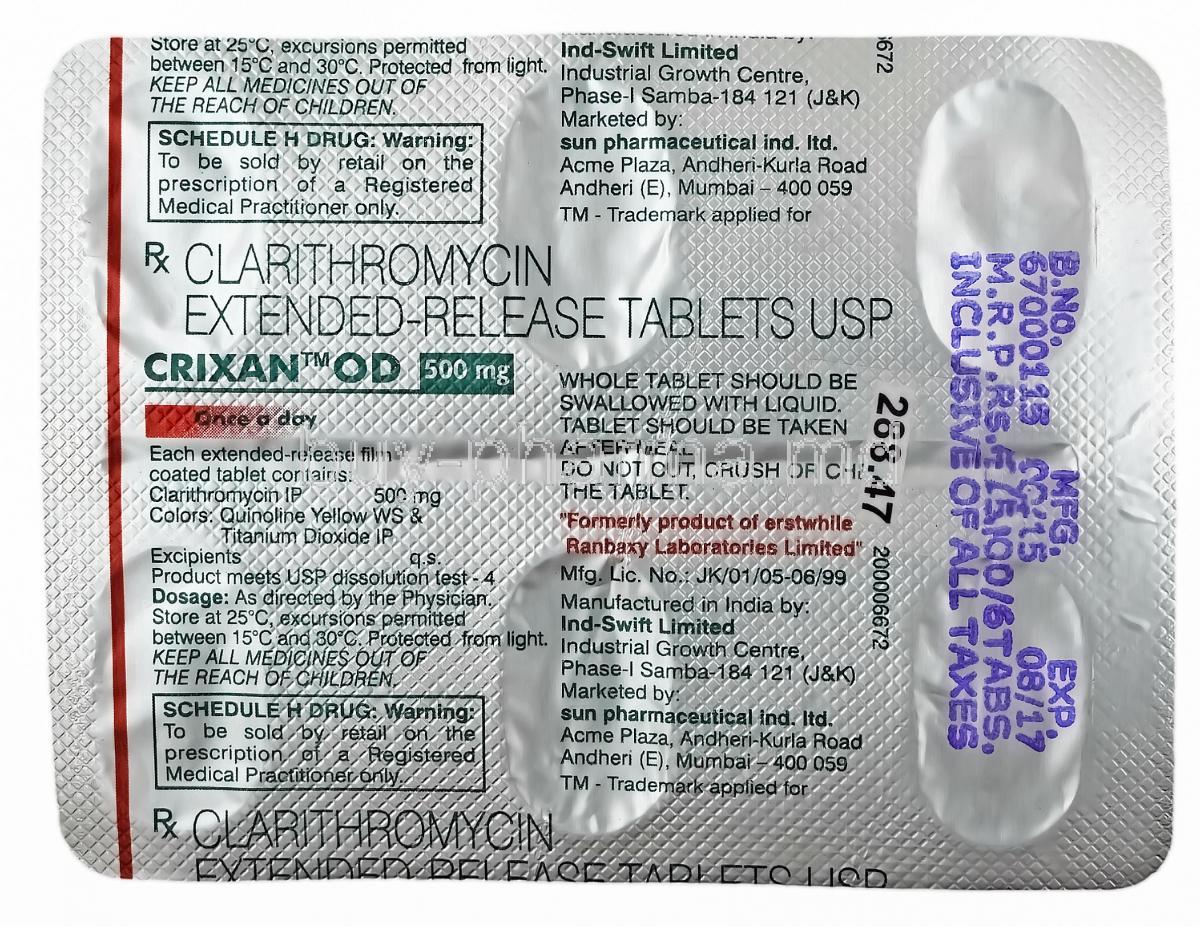
Introduction to Crixan (Clarithromycin)
Crixan is a pharmaceutical preparation containing clarithromycin, a widely utilized macrolide antibiotic designed to treat a broad spectrum of bacterial infections. It is frequently prescribed in clinical medicine due to its efficacy against respiratory, dermatological, and gastrointestinal pathogens. Its pharmacological reliability and favorable oral bioavailability make it an essential agent in antimicrobial therapy.
Clarithromycin belongs to the macrolide class of antibiotics. These compounds are characterized by a macrocyclic lactone ring structure and possess strong activity against numerous Gram-positive bacteria and certain Gram-negative organisms. Crixan demonstrates potent antimicrobial properties, making it valuable in both community and hospital settings.
The development of clarithromycin emerged as an advancement from erythromycin, an earlier macrolide antibiotic. Structural modifications enhanced its stability in gastric acid, improved tissue penetration, and expanded antimicrobial coverage. These innovations transformed clarithromycin into one of the most widely used macrolide antibiotics worldwide.
- Effective against respiratory pathogens
- Improved pharmacokinetic profile compared with earlier macrolides
- Extensive global clinical application
- Important role in combination therapies for gastrointestinal infections
Today, clarithromycin remains a cornerstone therapy in infectious disease management. Physicians rely on it for the treatment of respiratory infections, Helicobacter pylori eradication, and atypical bacterial diseases.
Composition and Pharmaceutical Formulation
Crixan tablets primarily contain clarithromycin as the active pharmaceutical ingredient. This compound is available in multiple strengths to accommodate varying therapeutic requirements and patient populations.
Typical formulations may include clarithromycin in strengths such as:
- 250 mg tablets
- 500 mg tablets
- Extended-release formulations
- Oral suspension for pediatric use
Besides the active ingredient, several excipients are incorporated to ensure stability, bioavailability, and manufacturing consistency. These inactive ingredients may include binders, fillers, disintegrants, and coating materials that help preserve the medication's structural integrity and facilitate proper dissolution.
Modern pharmaceutical manufacturing adheres to strict quality control standards. Production facilities must comply with Good Manufacturing Practice (GMP) guidelines to ensure product safety, purity, and consistency. Rigorous testing procedures verify that each batch meets regulatory specifications before distribution.
Mechanism of Action: How Clarithromycin Works
Clarithromycin functions by inhibiting bacterial protein synthesis. This antimicrobial mechanism disrupts the production of essential proteins required for bacterial growth and replication.
Specifically, clarithromycin binds to the 50S subunit of bacterial ribosomes. By attaching to this critical cellular structure, the antibiotic interferes with peptide chain elongation during translation. As a result, bacterial cells are unable to synthesize functional proteins, ultimately halting their proliferation.
Depending on the drug concentration and the susceptibility of the organism, clarithromycin may exert either bacteriostatic or bactericidal effects. Lower concentrations generally inhibit bacterial growth, while higher concentrations may lead to bacterial cell death.
Clarithromycin demonstrates antimicrobial activity against numerous pathogens, including:
- Gram-positive bacteria such as Streptococcus and Staphylococcus species
- Certain Gram-negative organisms
- Atypical pathogens including Mycoplasma pneumoniae and Chlamydia pneumoniae
- Mycobacterium avium complex organisms
In addition to its antibacterial action, clarithromycin exhibits mild anti-inflammatory and immunomodulatory effects. These properties may contribute to its therapeutic value in certain chronic inflammatory respiratory conditions.
Approved Medical Uses of Crixan (Clarithromycin)
Crixan is prescribed for the treatment of a wide array of bacterial infections. Its versatility makes it particularly valuable in respiratory medicine and gastrointestinal therapy.
Common approved indications include respiratory tract infections such as acute bacterial sinusitis, community-acquired pneumonia, and exacerbations of chronic bronchitis. The antibiotic effectively targets pathogens responsible for upper and lower respiratory illnesses.
The medication is also indicated for infections affecting the throat and tonsils. Pharyngitis and tonsillitis caused by susceptible bacteria often respond well to clarithromycin therapy.
Additional therapeutic applications include:
- Skin and soft tissue infections caused by susceptible bacteria
- Eradication of Helicobacter pylori as part of combination therapy
- Treatment and prevention of Mycobacterium avium complex infections
- Management of acute otitis media and related ear infections
In combination regimens for Helicobacter pylori, clarithromycin plays a critical role in reducing gastric bacterial colonization. This therapy helps treat peptic ulcer disease and prevents recurrence associated with persistent infection.
Off-Label Uses of Clarithromycin
In clinical practice, clarithromycin is sometimes used for conditions beyond its formally approved indications. These off-label applications are typically supported by emerging clinical evidence or specialist guidance.
One important off-label use involves the treatment of atypical mycobacterial infections beyond Mycobacterium avium complex. Infectious disease specialists may incorporate clarithromycin into multidrug regimens targeting difficult-to-treat mycobacterial pathogens.
Other potential off-label applications include:
- Adjunct therapy for chronic inflammatory airway diseases
- Management of certain gastrointestinal bacterial infections
- Combination therapy for toxoplasmosis
- Treatment of acne or bacterial dermatological conditions
- Management of dental and periodontal infections
Some investigations also explore clarithromycin’s immunomodulatory effects in inflammatory and autoimmune disorders. These potential applications remain an area of ongoing clinical research.
Dosage and Administration Guidelines
The dosage of Crixan varies depending on the infection being treated, the patient's age, and overall medical condition. Physicians typically determine the appropriate regimen based on clinical severity and microbial susceptibility.
For adults, common dosing schedules often include:
- 250 mg to 500 mg taken twice daily
- Extended-release tablets taken once daily
- Combination regimens for Helicobacter pylori eradication
Pediatric dosing is generally calculated based on body weight. Oral suspension formulations allow accurate dosing for children who may have difficulty swallowing tablets.
Dose adjustments may be necessary for patients with impaired renal function. Careful monitoring is recommended for individuals with significant hepatic dysfunction.
Treatment duration varies depending on the infection. Some conditions require therapy for 7 to 14 days, while others may require extended treatment periods.
Proper Administration and Handling Instructions
Crixan should be taken exactly as prescribed by a healthcare professional. Adherence to the recommended dosing schedule is crucial to ensure therapeutic success and prevent antibiotic resistance.
Patients are advised to complete the entire course of treatment, even if symptoms improve before the medication is finished. Premature discontinuation may allow bacteria to survive and cause recurrence of infection.
Administration guidelines may include:
- Taking tablets with or without food depending on formulation
- Swallowing tablets whole without crushing
- Shaking oral suspensions thoroughly before use
- Using a calibrated measuring device for liquid formulations
If a dose is missed, it should be taken as soon as remembered unless the next scheduled dose is approaching. Double dosing should generally be avoided.
Drug Interactions and Pharmacological Interactions
Clarithromycin is metabolized by the cytochrome P450 enzyme system, particularly CYP3A4. As a result, numerous pharmacological interactions may occur when it is combined with other medications.
Significant interactions include those with statins, which may increase the risk of muscle toxicity or rhabdomyolysis. Patients receiving lipid-lowering agents should be monitored carefully.
Other notable interactions involve:
- Anticoagulants such as warfarin
- Antiarrhythmic medications associated with QT prolongation
- Benzodiazepines and certain sedatives
- Other antibiotics or antimicrobial agents
These interactions may alter drug metabolism or increase the risk of adverse effects. Clinical monitoring and dosage adjustments are often required.
Important Warnings Associated with Clarithromycin
Clarithromycin therapy carries several important safety warnings. Healthcare professionals must carefully evaluate individual patient risk factors before prescribing the medication.
One major concern involves QT interval prolongation, which may predispose susceptible individuals to potentially serious cardiac arrhythmias.
Additional warnings include:
- Potential hepatotoxicity requiring liver function monitoring
- Antibiotic-associated diarrhea including Clostridioides difficile infection
- Hypersensitivity reactions ranging from mild rash to severe allergic responses
- Risk of antimicrobial resistance if the medication is misused
Prompt medical attention is recommended if severe adverse symptoms occur during treatment.
Contraindications
Crixan should not be administered to patients with known hypersensitivity to clarithromycin or other macrolide antibiotics. Allergic reactions may include rash, swelling, or severe anaphylactic responses.
The medication is also contraindicated in combination with certain drugs due to the risk of serious interactions. Examples include cisapride, pimozide, and ergot derivatives, which may lead to dangerous cardiac or neurological complications.
Patients with severe liver disease accompanied by renal impairment should generally avoid clarithromycin therapy unless specifically directed by a healthcare professional.
Additionally, individuals who previously developed cholestatic jaundice or hepatic dysfunction associated with clarithromycin should not receive the medication again.
Careful Administration and Clinical Monitoring
The administration of Crixan (clarithromycin) requires judicious clinical oversight, particularly in patients with underlying health conditions or those receiving multiple medications. Although clarithromycin is generally well tolerated, vigilant monitoring helps mitigate potential complications and ensures optimal therapeutic outcomes.
Patients with cardiovascular disease should be evaluated carefully prior to initiating therapy. Clarithromycin has been associated with QT interval prolongation, which may predispose certain individuals to cardiac arrhythmias. Those with pre-existing arrhythmias, electrolyte imbalances, or ischemic heart disease require heightened clinical attention.
- Review patient cardiac history before prescribing
- Assess concurrent medications affecting cardiac conduction
- Monitor electrocardiographic changes when clinically indicated
Monitoring liver function is equally important in patients with hepatic dysfunction. Clarithromycin undergoes extensive hepatic metabolism; therefore, impaired liver function may alter drug clearance and increase the likelihood of adverse reactions.
Renal function should also be assessed throughout treatment. In individuals with compromised kidney function, dose modification may be necessary to prevent excessive accumulation of the drug.
Another crucial aspect involves evaluating the potential for pharmacological interactions. Many patients—especially those with chronic diseases—take multiple medications simultaneously. Polypharmacy increases the probability of interactions involving cytochrome P450 enzymes, necessitating careful medication reconciliation before and during therapy.
Important Precautions During Treatment
Responsible antibiotic use is fundamental in preventing antimicrobial resistance. Clarithromycin should only be used when bacterial infection is strongly suspected or confirmed through appropriate clinical assessment.
Excessive or inappropriate antibiotic usage may contribute to the emergence of resistant bacterial strains. Physicians therefore emphasize prudent prescribing practices and patient adherence to recommended treatment durations.
Gastrointestinal intolerance may occur during therapy. Patients should be observed for symptoms such as nausea, abdominal discomfort, or persistent diarrhea, which may indicate antibiotic-associated complications.
- Report persistent gastrointestinal symptoms promptly
- Maintain adequate hydration during treatment
- Avoid abrupt discontinuation without medical guidance
Early identification of allergic reactions is also essential. Warning signs may include rash, swelling, itching, or respiratory difficulty. Immediate medical attention is warranted if hypersensitivity symptoms arise.
Another consideration involves the intestinal microbiome. Antibiotics can disrupt beneficial gut flora, occasionally resulting in digestive disturbances. Some clinicians recommend probiotic supplementation to help maintain microbial balance during antibiotic therapy.
Administration in Elderly Patients
Older adults often require specialized consideration when receiving clarithromycin therapy. Age-related physiological changes may alter drug absorption, distribution, metabolism, and elimination.
Pharmacokinetic variations in elderly populations can increase susceptibility to medication-related complications. Reduced hepatic metabolism and diminished renal clearance may lead to elevated systemic drug concentrations.
- Assess baseline kidney and liver function
- Evaluate concurrent medications carefully
- Monitor for signs of drug accumulation
Elderly patients frequently receive multiple prescriptions, increasing the risk of drug interactions. Particular caution should be exercised when clarithromycin is combined with cardiovascular medications, sedatives, or lipid-lowering agents.
Dose adjustments may be necessary depending on renal function and overall health status. Close clinical supervision ensures safe and effective antibiotic therapy in geriatric populations.
Administration in Pregnant Women and Nursing Mothers
The use of clarithromycin during pregnancy requires careful evaluation. Although animal studies have demonstrated certain reproductive effects, human data remain limited. Consequently, clinicians generally prescribe clarithromycin during pregnancy only when the anticipated benefits outweigh potential risks.
Clarithromycin can cross the placental barrier, exposing the developing fetus to the medication. Healthcare providers must therefore assess maternal infection severity, available alternative therapies, and fetal safety considerations before initiating treatment.
Key considerations include:
- Severity of maternal infection
- Availability of safer antibiotic alternatives
- Gestational age and fetal development stage
Clarithromycin may also be excreted into breast milk in small quantities. Nursing mothers should consult healthcare professionals before using the medication. Clinical monitoring of the infant may be recommended if breastfeeding continues during treatment.
A thorough risk–benefit assessment ensures that maternal health needs are balanced with fetal and neonatal safety.
Administration in Children and Pediatric Patients
Clarithromycin is widely used in pediatric medicine for the treatment of various bacterial infections. Its effectiveness against respiratory pathogens and atypical bacteria makes it a valuable option for childhood infections.
Approved pediatric indications include respiratory tract infections, skin infections, and certain ear infections. Physicians typically prescribe clarithromycin when alternative antibiotics are unsuitable or when pathogens demonstrate susceptibility to macrolides.
Pediatric dosing is generally calculated according to body weight. This individualized approach helps achieve therapeutic drug concentrations while minimizing adverse effects.
- Weight-based dosing ensures accuracy
- Oral suspension formulations facilitate administration
- Monitoring for gastrointestinal tolerance is recommended
Oral suspension forms are particularly useful for younger children who cannot swallow tablets. Proper shaking and accurate measurement using a dosing syringe or calibrated cup are essential for safe administration.
Side Effects of Crixan (Clarithromycin)
Like all medications, Crixan may cause adverse reactions. Most side effects are mild and transient, although more severe reactions may occur in rare cases.
The overall safety profile of clarithromycin is well established through extensive clinical experience. However, healthcare professionals must remain attentive to individual variability in drug tolerance.
Side effects can generally be categorized into three groups:
- Mild reactions that resolve spontaneously
- Moderate reactions requiring medical attention
- Severe reactions necessitating immediate discontinuation
Recognizing early symptoms allows prompt intervention and helps prevent complications during antibiotic therapy.
Common Side Effects
The most frequently reported adverse effects of clarithromycin involve the gastrointestinal system. These reactions typically occur due to irritation of the digestive tract or disruption of normal intestinal flora.
Common side effects include:
- Nausea and occasional vomiting
- Diarrhea or loose stools
- Abdominal pain and indigestion
- Altered taste sensation known as dysgeusia
- Headache or mild dizziness
- Transient skin rash or itching
These symptoms are generally temporary and resolve once treatment is completed. Patients experiencing persistent or worsening symptoms should consult a healthcare professional.
Serious and Rare Adverse Reactions
Although uncommon, serious adverse reactions may occur during clarithromycin therapy. These reactions require immediate medical attention and discontinuation of the medication.
Severe allergic reactions may manifest as anaphylaxis, a life-threatening condition characterized by rapid swelling, breathing difficulty, and circulatory collapse.
Other rare but serious complications include:
- Severe liver injury or hepatitis
- Cardiac arrhythmias associated with QT interval prolongation
- Severe skin reactions such as Stevens-Johnson syndrome
- Neuropsychiatric symptoms including confusion or hallucinations
Prompt recognition of these reactions allows rapid medical intervention and improves patient safety.
Overdose and Emergency Management
Accidental or intentional overdose of clarithromycin may lead to pronounced gastrointestinal symptoms and systemic toxicity. Patients may experience nausea, vomiting, abdominal pain, or neurological disturbances.
Immediate medical evaluation is essential when overdose is suspected. Supportive care remains the primary approach to treatment.
- Stabilization of vital signs
- Monitoring of cardiac rhythm
- Assessment of liver and kidney function
In certain situations, gastric lavage or administration of activated charcoal may be considered to reduce drug absorption if ingestion occurred recently.
Continuous monitoring of cardiac and hepatic parameters is recommended until the patient stabilizes.
Storage Conditions and Shelf Life
Proper storage of Crixan ensures the stability and therapeutic effectiveness of the medication. The product should be stored according to manufacturer recommendations.
General storage guidelines include:
- Maintaining room temperature conditions
- Avoiding excessive humidity or heat
- Protecting the medication from direct sunlight
Tablets should remain in their original packaging until use to prevent moisture exposure. Oral suspension preparations may require refrigeration after reconstitution, depending on formulation instructions.
The shelf life of clarithromycin products varies by manufacturer but typically ranges from two to three years when stored properly. Expired medications should not be used.
Handling Precautions and Safety Considerations
Healthcare professionals and patients should observe proper handling practices when using clarithromycin. Maintaining medication integrity reduces the risk of contamination and ensures accurate dosing.
Key handling recommendations include:
- Store medications in a secure location away from children
- Use clean measuring devices for liquid formulations
- Avoid transferring tablets to unlabelled containers
Patient education plays an important role in medication safety. Individuals should understand proper dosing schedules, storage requirements, and signs of adverse reactions.
Unused or expired medications should be disposed of responsibly. Many pharmacies offer medication take-back programs that allow safe and environmentally responsible disposal of pharmaceutical products.
 Verified Purchase
Excellent product!!!
Been a customer for a while not and willl continue. Very quick service and top quality peoducts. Thanks so much for providing this valuable service.
Crixan , Clarithromycin FAQ
Customers also bought



Popular Products
Similar Product