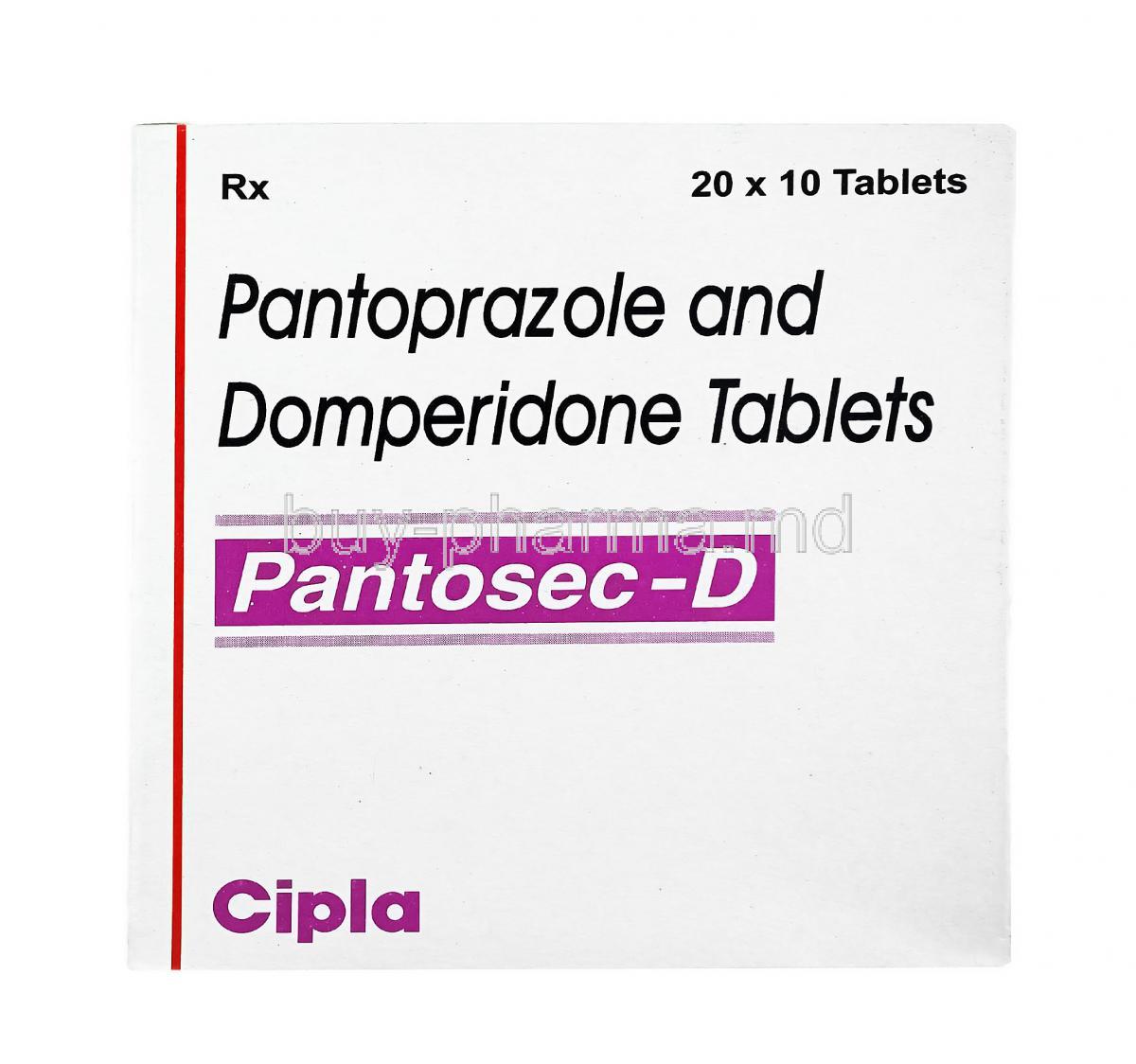
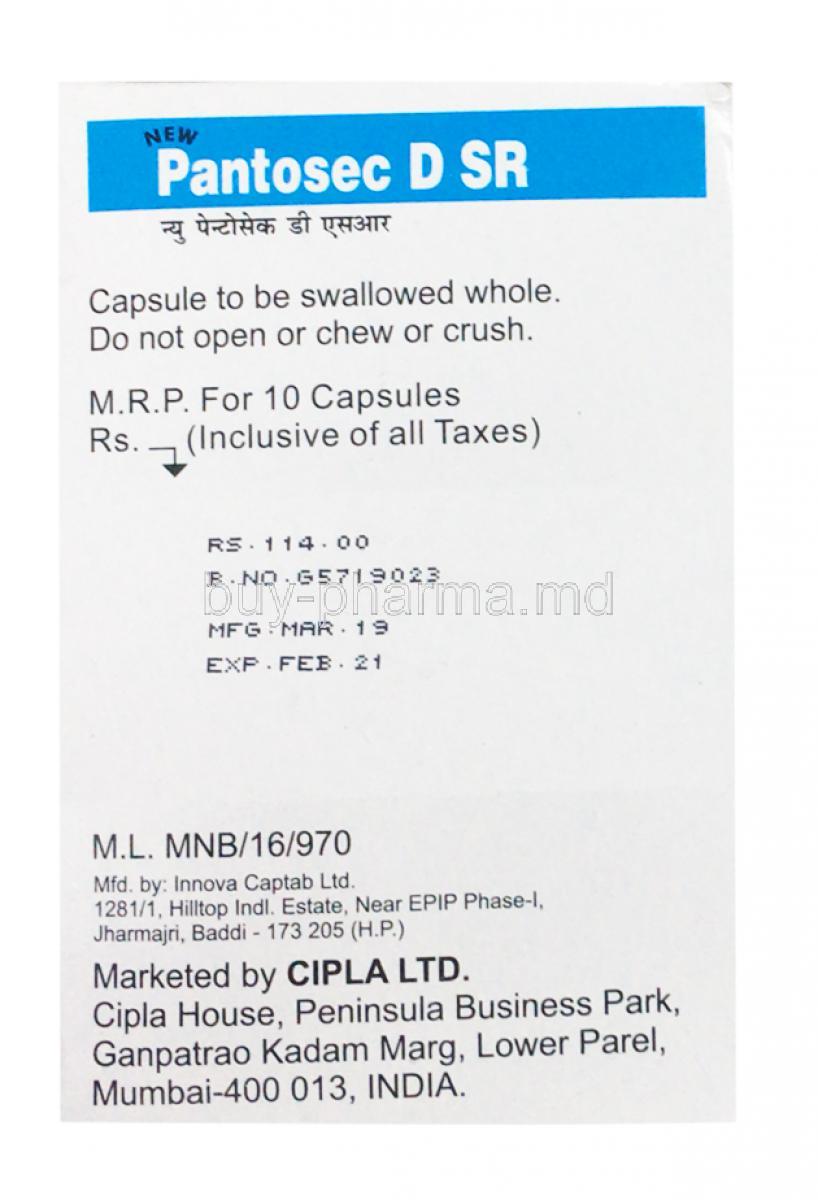
1. Introduction to Pantosec-D (Domperidone / Pantoprazole)
Pantosec-D represents a dual-action gastrointestinal formulation designed to address complex acid-related disorders. It combines a proton pump inhibitor with a prokinetic agent, delivering a multifaceted therapeutic response. The formulation is particularly valuable in patients who present with overlapping symptoms such as acid reflux, delayed gastric emptying, and nausea.
Clinically, this combination is categorized as:
- Proton Pump Inhibitor (Pantoprazole)
- Prokinetic and Antiemetic Agent (Domperidone)
The rationale for this pairing is pragmatic and evidence-driven. Acid suppression alone may not resolve symptoms when gastric motility is impaired. By concurrently reducing gastric acid secretion and enhancing gastrointestinal transit, Pantosec-D provides comprehensive symptomatic relief in a wide spectrum of gastrointestinal conditions.
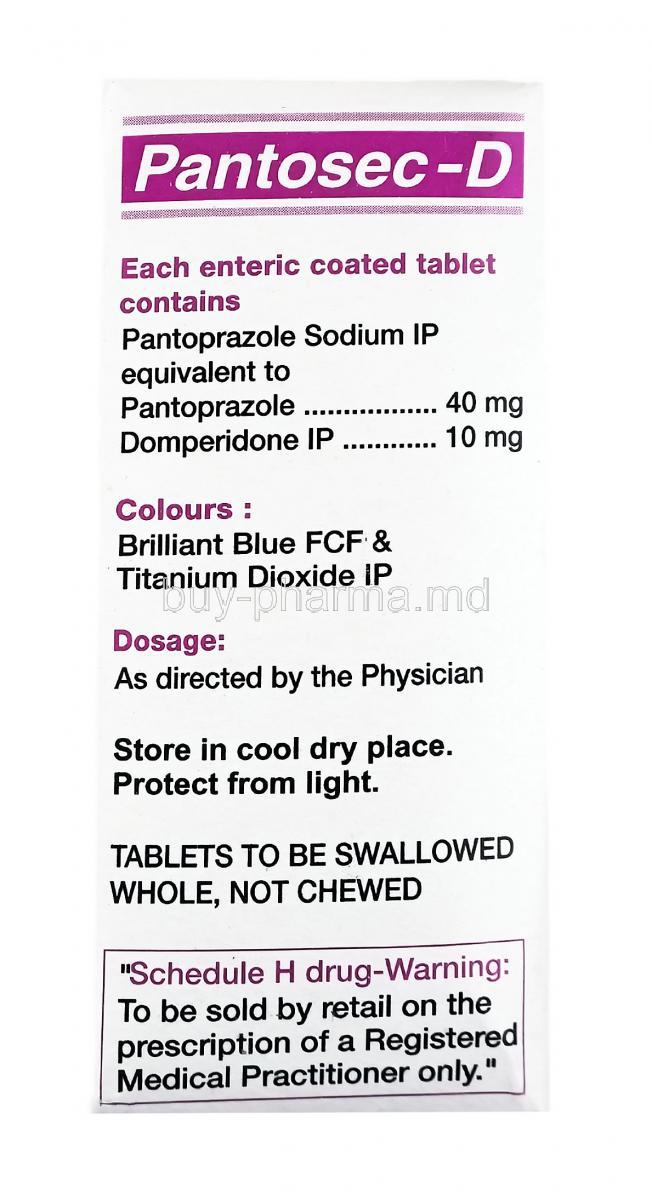
2. Composition and Formulation Details
Pantosec-D contains two pharmacologically distinct active ingredients that function synergistically:
- Pantoprazole: A substituted benzimidazole that suppresses gastric acid production
- Domperidone: A peripheral dopamine antagonist that enhances gastric motility
This combination is typically available in various pharmaceutical forms, including:
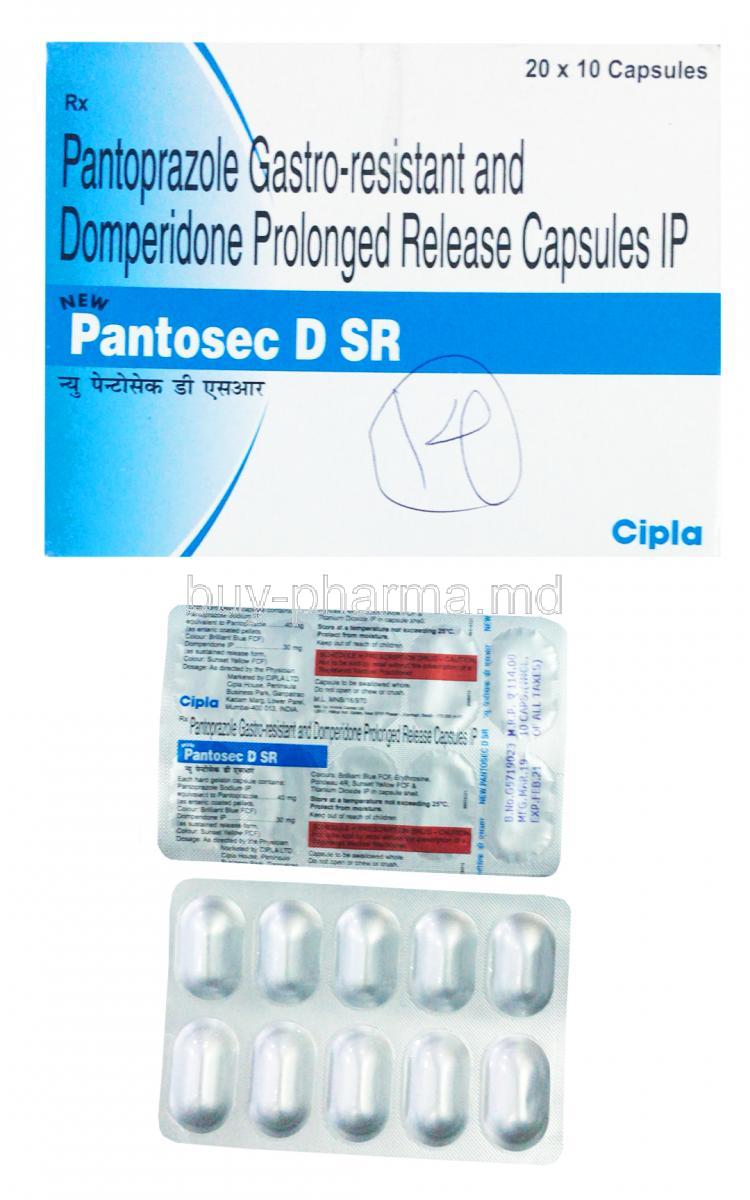
- Capsules (often delayed-release or enteric-coated)
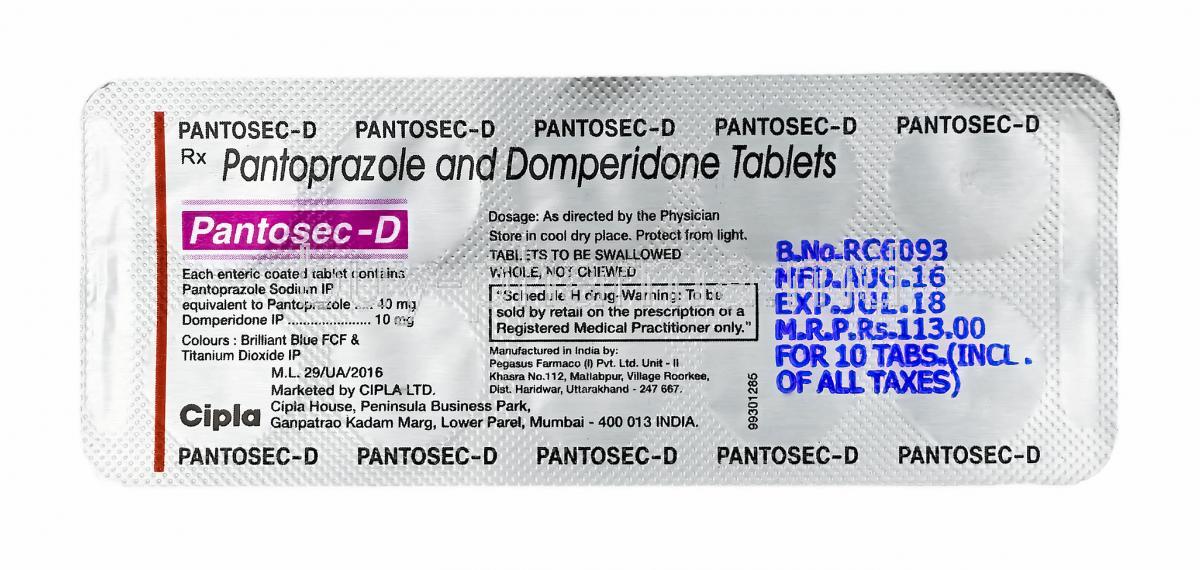
- Tablets
- Sustained-release formulations for prolonged effect
Excipients are carefully selected to stabilize the active compounds, protect pantoprazole from gastric degradation, and ensure controlled release. The formulation design reflects a balance between pharmacokinetics and patient convenience.
3. Mechanism of Action (How Pantosec-D Works)
3.1 Pantoprazole Mechanism
Pantoprazole exerts its effect by irreversibly inhibiting the gastric H+/K+-ATPase enzyme system, commonly referred to as the proton pump. This enzyme is located in the parietal cells of the stomach and is responsible for the final step of acid secretion.
- Reduces both basal and stimulated acid production
- Provides prolonged acid suppression
- Promotes mucosal healing in acid-mediated injury
3.2 Domperidone Mechanism
Domperidone functions as a dopamine D2 receptor antagonist, primarily acting on the gastrointestinal tract. Unlike central dopamine antagonists, it has limited penetration across the blood-brain barrier, minimizing central nervous system effects.
- Enhances gastric emptying
- Increases lower esophageal sphincter tone
- Exerts antiemetic effects via the chemoreceptor trigger zone
3.3 Combined Therapeutic Effect
The combined pharmacodynamic action produces a complementary effect:
- Efficient acid suppression
- Improved gastric motility
- Reduction in reflux episodes
- Relief from nausea and bloating
This dual mechanism makes Pantosec-D particularly effective in patients with multifactorial gastrointestinal symptoms.
4. Primary Uses of Pantosec-D
4.1 Gastroesophageal Reflux Disease (GERD)
Pantosec-D is widely used in GERD management, alleviating hallmark symptoms such as heartburn and acid regurgitation. It also mitigates mucosal irritation in the esophagus.
4.2 Peptic Ulcer Disease (Gastric and Duodenal Ulcers)
By suppressing gastric acid and improving gastric clearance, the formulation supports ulcer healing and reduces recurrence risk.
4.3 Functional Dyspepsia
Patients experiencing postprandial fullness, bloating, or early satiety benefit from its prokinetic and acid-reducing properties.
4.4 Gastritis and Acid-Related Disorders
Both acute and chronic gastritis can be managed effectively, particularly when symptoms include discomfort and acid irritation.
4.5 Nausea and Vomiting Associated with Acid Disorders
Domperidone’s antiemetic activity provides symptomatic relief in patients experiencing nausea linked to gastric stasis.
5. Off-Label Uses of Pantosec-D
5.1 Diabetic Gastroparesis
Improves gastric motility in patients with delayed gastric emptying due to autonomic neuropathy.
5.2 Drug-Induced Dyspepsia
Useful in mitigating gastrointestinal irritation caused by medications such as NSAIDs.
5.3 Postoperative Nausea and Vomiting (Adjunct Use)
Acts as a supportive antiemetic in perioperative care settings.
5.4 Irritable Bowel Syndrome (IBS) with Dyspeptic Symptoms
Provides symptomatic relief in patients with overlapping functional gastrointestinal disorders.
5.5 Reflux-Associated Laryngitis and Chronic Cough
Reduces extra-esophageal manifestations of acid reflux.
5.6 Helicobacter pylori Eradication Regimens (Adjunct)
Pantoprazole enhances the efficacy of antibiotic regimens by maintaining a less acidic gastric environment.
6. Dosage and Administration Guidelines
6.1 Standard Adult Dosage
Typically administered once daily, although dosing may vary depending on clinical severity and physician guidance.
6.2 Timing of Administration
Best taken before meals to optimize proton pump inhibition and enhance drug absorption.
6.3 Duration of Therapy
Short-term use is common; however, chronic conditions may require extended therapy under supervision.
6.4 Dose Adjustments
- Hepatic impairment: Dose modification may be necessary
- Renal impairment: Generally safe, but caution is advised
6.5 Missed Dose and Compliance Guidance
Missed doses should be taken as soon as remembered unless close to the next scheduled dose. Consistent adherence is critical for therapeutic success.
7. Side Effects of Pantosec-D
7.1 Common Side Effects
- Headache
- Dry mouth
- Abdominal discomfort
- Diarrhea or constipation
7.2 Gastrointestinal Adverse Effects
Flatulence, nausea, and altered bowel habits may occur, typically transient in nature.
7.3 Neurological Effects
Dizziness and fatigue are occasionally reported, particularly during initial therapy.
7.4 Endocrine and Hormonal Effects (Domperidone-Related)
- Elevated prolactin levels
- Galactorrhea in rare cases
7.5 Serious but Rare Side Effects
Although uncommon, serious adverse reactions may include:
- Cardiac arrhythmias
- Severe hypersensitivity reactions
- Hepatic enzyme abnormalities
8. Drug Interactions
8.1 Interactions with CYP450 Enzyme System
Pantoprazole may influence hepatic metabolism of concomitant medications.
8.2 Interaction with Antifungals and Antivirals
Reduced gastric acidity can impair absorption of pH-dependent drugs.
8.3 Interaction with Cardiac Medications
Co-administration with QT-prolonging agents increases arrhythmia risk.
8.4 Interaction with Antibiotics and Antacids
Timing adjustments may be necessary to avoid reduced efficacy.
8.5 Food and Alcohol Interactions
Alcohol may exacerbate gastric irritation and reduce therapeutic benefit.
9. Warnings and Safety Considerations
9.1 Risk of Cardiac Arrhythmias with Domperidone
QT interval prolongation is a clinically significant concern, especially in high-risk patients.
9.2 Long-Term Proton Pump Inhibitor Risks
- Vitamin B12 deficiency
- Hypomagnesemia
- Increased fracture susceptibility
9.3 Masking of Gastric Malignancy Symptoms
Persistent symptoms should be evaluated to exclude serious underlying conditions.
9.4 Risk of Clostridium difficile Infection
Altered gastric pH may predispose to gastrointestinal infections.
10. Contraindications
- Known hypersensitivity to pantoprazole, domperidone, or formulation components
- Pre-existing QT prolongation or cardiac conduction abnormalities
- Severe hepatic impairment
- Gastrointestinal obstruction or active bleeding
- Prolactin-secreting pituitary tumors (prolactinoma)
11. Careful Administration (Use with Caution)
While Pantosec-D is generally well tolerated, certain patient populations require judicious administration. Clinical discretion is paramount. Even seemingly benign therapy can pose risks when underlying vulnerabilities are present.
Patients with Mild to Moderate Liver Dysfunction
Both active components undergo hepatic metabolism. Impaired liver function may alter pharmacokinetics, leading to increased systemic exposure. Dose adjustment or enhanced monitoring may be warranted to mitigate cumulative toxicity.
Elderly Patients with Cardiac Risk Factors
Advanced age often coincides with diminished physiological reserves and pre-existing cardiovascular conditions. Domperidone, in particular, has been associated with QT interval prolongation. This necessitates cautious prescribing in elderly individuals, especially those with arrhythmogenic predispositions.
Individuals with Electrolyte Imbalance
Electrolyte disturbances—such as hypokalemia or hypomagnesemia—can potentiate cardiac conduction abnormalities. Prior correction of these imbalances is advisable before initiating therapy.
Patients on Multiple QT-Prolonging Drugs
Polypharmacy increases the probability of pharmacodynamic interactions. Co-administration with other QT-prolonging agents may amplify the risk of serious arrhythmias. A comprehensive medication review is essential.
12. Important Precautions for Safe Use
Monitoring for Cardiac Symptoms
Patients should be observed for palpitations, syncope, or irregular heartbeat. Early detection of cardiac anomalies can prevent adverse outcomes.
Avoiding Prolonged Unnecessary Use
Extended use without clear clinical indication should be discouraged. Chronic proton pump inhibitor exposure may lead to metabolic disturbances and micronutrient deficiencies.
Regular Evaluation of Symptom Persistence
Persistent or worsening symptoms necessitate reevaluation. Underlying conditions—ranging from refractory GERD to more serious pathologies—must be excluded.
Gradual Discontinuation When Required
Abrupt cessation may lead to rebound acid hypersecretion. Gradual tapering is recommended in long-term users to maintain physiological equilibrium.
13. Administration in Special Populations
13.1 Use in Elderly Patients
Elderly patients often exhibit increased pharmacodynamic sensitivity. Careful dose titration is essential.
- Higher susceptibility to dizziness and fatigue
- Elevated risk of cardiac adverse effects
- Need for periodic cardiac monitoring
13.2 Use in Pregnant Women
The use of Pantosec-D during pregnancy should be guided by a thorough risk-benefit assessment. Available data are limited, and safety cannot be unequivocally established.
- Use only if clearly needed
- Consider alternative therapies when appropriate
- Close medical supervision is advised
13.3 Use in Nursing Mothers
Both pantoprazole and domperidone may be excreted in breast milk. The potential impact on the nursing infant should be carefully evaluated.
- Monitor infants for adverse effects
- Weigh benefits of breastfeeding against potential risks
13.4 Use in Pediatric Patients
Safety and efficacy in pediatric populations are not fully established. Age-specific pharmacological responses must be considered.
- Limited clinical data available
- Dosing adjustments may be necessary
- Use under specialist supervision
14. Overdosage and Management
Overdose of Pantosec-D may present with a constellation of symptoms affecting multiple systems. Prompt recognition and intervention are critical.
Symptoms of Overdose
- Cardiac: Arrhythmias, QT prolongation
- Neurological: Drowsiness, confusion, agitation
- Gastrointestinal: Nausea, abdominal discomfort
Immediate Management Strategies
There is no specific antidote. Management is largely supportive and symptomatic.
- Discontinue the medication immediately
- Initiate cardiac monitoring
- Administer activated charcoal if appropriate
Supportive Care and Monitoring
Continuous monitoring of vital signs and electrolyte levels is essential. Hospitalization may be required in severe cases.
When to Seek Emergency Medical Attention
Immediate medical evaluation is necessary if symptoms such as severe palpitations, syncope, or altered consciousness occur.
15. Storage and Handling Precautions
15.1 Proper Storage Conditions
Store the medication in a controlled environment to preserve stability.
- Keep at room temperature
- Avoid excessive heat and moisture
15.2 Shelf Life and Stability
Adherence to the expiration date is crucial. Degraded compounds may lose efficacy or pose safety risks.
15.3 Handling Instructions
- Retain in original packaging
- Protect from direct light exposure
- Keep away from humidity-prone areas
15.4 Safe Disposal Guidelines
Improper disposal can lead to environmental contamination. Follow recommended pharmaceutical disposal protocols.
16. Patient Counseling and Practical Tips
Lifestyle Modifications for GERD Management
Adjunctive lifestyle changes significantly enhance therapeutic outcomes.
- Elevate head during sleep
- Avoid lying down immediately after meals
Dietary Recommendations
Nutritional habits play a pivotal role in symptom control.
- Consume smaller, frequent meals
- Limit fatty and spicy foods
Avoidance of Trigger Foods
Certain foods exacerbate reflux symptoms and should be minimized.
- Caffeine and carbonated beverages
- Chocolate and citrus products
- Alcohol and fried foods
Importance of Adherence and Follow-Up
Consistent medication use, combined with regular medical follow-up, ensures optimal therapeutic efficacy and early detection of potential complications.
Popular Products

Similar Product