
1. Introduction to Rabesec LS (Levosulpiride / Rabeprazole)
1.1 Overview of Combination Therapy for Gastrointestinal Disorders
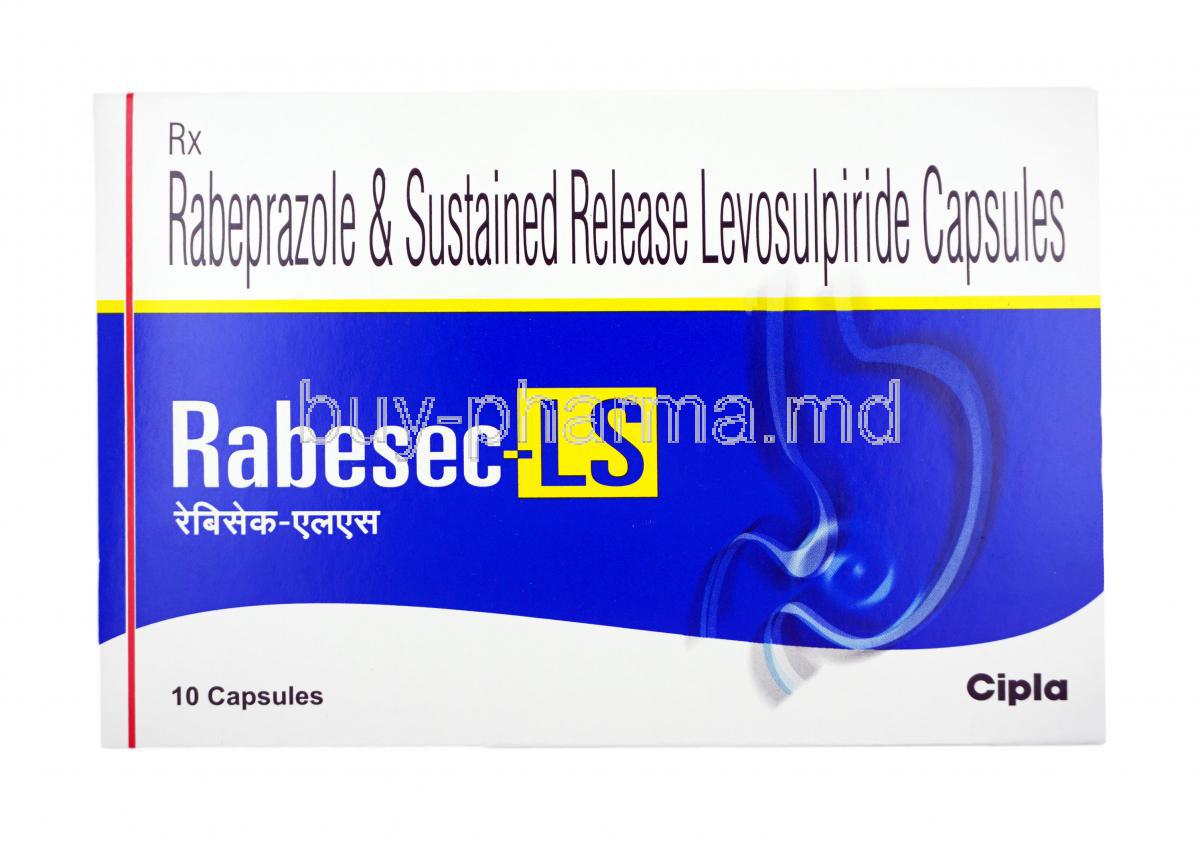
Rabesec LS represents a sophisticated dual-action formulation designed to address multifactorial gastrointestinal disturbances. It integrates acid suppression with prokinetic enhancement. This duality is crucial. Many digestive disorders arise not only from excess acid but also from impaired motility.
- Reduces gastric acidity
- Improves gastric emptying
- Relieves reflux-related discomfort
Such combination therapy offers a more comprehensive therapeutic paradigm than monotherapy, particularly in patients with refractory or overlapping symptoms.
1.2 Therapeutic Class and Clinical Significance
This formulation belongs to two distinct pharmacological classes:
- Proton Pump Inhibitors (PPIs) – Rabeprazole
- Prokinetic Dopamine Antagonists – Levosulpiride
The clinical significance lies in its ability to concurrently modulate gastric acid secretion and gastrointestinal motility, thereby addressing both causative and symptomatic dimensions of digestive pathology.
1.3 Indications for Proton Pump Inhibitor–Prokinetic Combinations
Such combinations are particularly indicated when monotherapy fails or when symptoms are multifactorial. Typical clinical scenarios include:
- Persistent gastroesophageal reflux disease
- Functional dyspepsia with bloating
- Delayed gastric emptying
This approach mitigates acid-mediated mucosal damage while enhancing gastrointestinal transit.
1.4 Brand Variants and Global Availability
Rabesec LS is marketed in various regions under similar formulations. Availability may vary depending on regulatory approvals and prescribing practices. Despite geographical differences, its pharmacological rationale remains universally applicable.
2. Composition and Formulation
2.1 Active Ingredients: Levosulpiride and Rabeprazole
The formulation combines:
- Rabeprazole – a potent gastric acid suppressor
- Levosulpiride – a selective dopamine D2 receptor antagonist
Together, they provide both symptomatic relief and functional restoration.
2.2 Mechanism-Based Synergistic Composition
The synergy arises from complementary mechanisms. Rabeprazole attenuates acid secretion at the cellular level, while levosulpiride enhances gastric motility. The result is not merely additive—it is synergistic.
2.3 Available Strengths and Dosage Forms
Typically available in capsule or tablet form, the formulation often includes fixed-dose combinations designed for once-daily administration. Modified-release forms may also exist to optimize pharmacokinetics.
2.4 Excipients and Pharmaceutical Characteristics
Excipients ensure stability, bioavailability, and controlled release. These include binders, stabilizers, and enteric coatings that protect rabeprazole from gastric degradation.
3. Mechanism of Action (How It Works)
3.1 Rabeprazole: Proton Pump Inhibition and Acid Suppression
Rabeprazole irreversibly inhibits the H+/K+ ATPase enzyme system. This enzyme, located in gastric parietal cells, is responsible for acid secretion. Its inhibition leads to profound and sustained acid suppression.
3.2 Levosulpiride: Dopamine D2 Receptor Antagonism and Prokinetic Effects
Levosulpiride exerts its effect by blocking dopamine D2 receptors in the gastrointestinal tract. This action enhances:
- Gastric emptying
- Esophageal motility
- Lower esophageal sphincter tone
3.3 Combined Effect on Gastric Motility and Acid Secretion
The combination addresses two critical pathological axes. Acid is reduced. Motility is restored. Symptoms improve more efficiently than with single-agent therapy.
3.4 Impact on Gastroesophageal Reflux and Gastric Emptying
By decreasing acid load and accelerating gastric clearance, the formulation reduces reflux episodes and esophageal irritation.
3.5 Pharmacodynamic Synergy in Functional Dyspepsia
Functional dyspepsia often involves visceral hypersensitivity and delayed gastric emptying. This combination provides targeted intervention, improving symptom clusters such as:
- Early satiety
- Bloating
- Epigastric discomfort
4. Approved Medical Uses
4.1 Gastroesophageal Reflux Disease (GERD)
Rabesec LS is widely used for GERD. It alleviates heartburn, regurgitation, and esophageal irritation by reducing acid exposure and improving motility.
4.2 Peptic Ulcer Disease (Gastric and Duodenal Ulcers)
The acid-suppressive action promotes mucosal healing. It also prevents recurrence when used appropriately.
4.3 Functional Dyspepsia and Indigestion
Particularly effective in dyspepsia with motility dysfunction, this formulation reduces discomfort and improves digestive efficiency.
4.4 Gastritis and Acid-Related Disorders
Inflammatory conditions of the gastric mucosa benefit from acid suppression and improved gastric dynamics.
4.5 Helicobacter pylori Eradication Regimens (Adjunct Use)
Used alongside antibiotics, rabeprazole enhances eradication rates by maintaining optimal gastric pH.
4.6 Gastrointestinal Motility Disorders
Levosulpiride’s prokinetic effect is particularly beneficial in conditions characterized by delayed gastric transit.
5. Expanded and Off-Label Uses
5.1 Non-Ulcer Dyspepsia with Delayed Gastric Emptying
Patients with idiopathic dyspepsia often benefit from improved motility and reduced acid exposure.
5.2 Irritable Bowel Syndrome (IBS) with Upper GI Symptoms
Though IBS primarily affects the lower GI tract, upper GI symptoms such as bloating may improve with this combination.
5.3 Chronic Nausea and Vomiting (Functional Causes)
Levosulpiride’s central and peripheral actions help mitigate nausea in selected cases.
5.4 Diabetic Gastroparesis
Delayed gastric emptying in diabetic patients can be partially corrected, improving symptom burden.
5.5 Refractory Acid Reflux and PPI-Resistant GERD
In patients unresponsive to PPIs alone, the addition of a prokinetic offers enhanced therapeutic outcomes.
5.6 Postprandial Fullness and Early Satiety
Improved gastric motility reduces post-meal discomfort and enhances appetite regulation.
5.7 Gastrointestinal Symptoms Associated with Anxiety or Stress
Functional GI disturbances linked to stress may benefit from modulation of gut-brain signaling pathways.
5.8 Adjunct Therapy in Gastrointestinal Disorders with Motility Dysfunction
Used alongside primary therapies, it enhances overall gastrointestinal function.
6. Dosage and Administration
6.1 Standard Adult Dosage Guidelines
Typically administered once daily before meals. Dosage may vary depending on clinical condition and physician guidance.
6.2 Timing of Administration (Before Meals vs After Meals)
Administration before meals enhances efficacy. This ensures optimal proton pump inhibition and motility stimulation.
6.3 Duration of Therapy for Acute vs Chronic Conditions
Short-term therapy may suffice for acute symptoms, while chronic conditions may require extended use under supervision.
6.4 Dose Adjustments in Special Populations
Dose modifications may be necessary in:
- Elderly patients
- Renal impairment
- Hepatic dysfunction
6.5 Missed Dose and Compliance Considerations
Missed doses should be taken promptly unless close to the next scheduled dose. Consistency is essential for therapeutic success.
7. Side Effects Overview
7.1 General Safety Profile of Rabesec LS
Generally well tolerated. However, side effects may occur depending on individual susceptibility and duration of therapy.
7.2 Frequency and Severity Classification of Adverse Effects
Adverse effects can be categorized as:
- Common and mild
- Uncommon but notable
- Rare and serious
7.3 Mechanism-Related Side Effects (PPI vs Prokinetic)
PPI-related effects differ from those caused by dopamine antagonism. Understanding this distinction aids in clinical management.
8. Common Side Effects
8.1 Gastrointestinal Symptoms (Diarrhea, Constipation, Abdominal Pain)
These symptoms are typically transient and self-limiting.
8.2 Central Nervous System Effects (Headache, Dizziness, Drowsiness)
Mild neurological effects may occur, particularly during initial therapy.
8.3 Hormonal Effects (Hyperprolactinemia-Related Symptoms)
Levosulpiride may elevate prolactin levels, leading to:
- Galactorrhea
- Menstrual irregularities
8.4 Fatigue and General Weakness
Occasionally reported. Usually resolves without intervention.
8.5 Mild Allergic Reactions
Includes rash or pruritus. Discontinuation may be required if symptoms persist.
9. Serious and Rare Adverse Effects
9.1 Extrapyramidal Symptoms and Movement Disorders
Rare but significant. Includes tremors, rigidity, and dystonia.
9.2 Cardiac Effects (QT Prolongation Risk)
Monitoring is advised in high-risk individuals.
9.3 Severe Allergic Reactions (Anaphylaxis, Angioedema)
Immediate medical attention is required in such cases.
9.4 Long-Term PPI Risks (Vitamin Deficiency, Bone Fractures)
Prolonged acid suppression may impair nutrient absorption.
9.5 Neuroendocrine Effects Due to Dopamine Blockade
Long-term use may influence endocrine function and neurotransmitter balance.
10. Drug Interactions
10.1 Interactions with Antacids and Other Acid-Suppressing Agents
Concurrent use may alter absorption dynamics and therapeutic efficacy.
10.2 CYP450-Mediated Drug Interactions (Rabeprazole Component)
Rabeprazole is metabolized via hepatic pathways, potentially interacting with drugs processed through similar enzymes.
10.3 Interaction with CNS-Acting Medications
Additive effects may occur with sedatives or antipsychotics.
10.4 Drugs Affecting Cardiac Rhythm (QT-Prolonging Agents)
Caution is warranted when co-administered with QT-prolonging medications.
10.5 Interaction with Antibiotics and Antifungals
Altered gastric pH may affect the bioavailability of certain antimicrobial agents.
10.6 Food and Alcohol Interactions
Alcohol may exacerbate gastrointestinal irritation. Food timing influences drug absorption and effectiveness.
11. Warnings and Safety Considerations
11.1 Risk of Long-Term Acid Suppression
Prolonged suppression of gastric acid may lead to unintended physiological consequences. Gastric acid is not merely corrosive—it is essential. It facilitates digestion, nutrient absorption, and microbial control.
- Reduced absorption of vitamin B12 and magnesium
- Increased susceptibility to gastrointestinal infections
- Potential alteration of gut microbiota
Chronic therapy should therefore be periodically reassessed. Indefinite use without clinical justification is discouraged.
11.2 Neurological Effects from Levosulpiride
Levosulpiride, as a dopamine antagonist, may exert central nervous system effects. These effects are typically dose-dependent. However, even therapeutic doses may occasionally provoke neurological manifestations.
- Drowsiness or sedation
- Restlessness or agitation
- Extrapyramidal symptoms in rare cases
Careful monitoring is advised, particularly in patients with pre-existing neurological vulnerabilities.
11.3 Risk in Patients with Cardiac Disorders
Patients with underlying cardiac conditions require heightened vigilance. Levosulpiride may influence cardiac electrophysiology. This includes the potential for QT interval prolongation.
- Risk of arrhythmias in susceptible individuals
- Potential interaction with other cardiotropic drugs
Electrocardiographic monitoring may be warranted in high-risk populations.
11.4 Masking of Gastric Malignancy Symptoms
Acid-suppressive therapy can obscure symptoms of serious underlying conditions. Gastric malignancies, in particular, may present with dyspeptic symptoms that are temporarily alleviated by PPIs.
This symptomatic relief may delay diagnosis. Persistent or atypical symptoms should prompt further investigation.
11.5 Risk of Hormonal Imbalance (Prolactin Elevation)
Levosulpiride may elevate serum prolactin levels due to dopamine receptor blockade. This endocrine perturbation can manifest clinically.
- Galactorrhea
- Gynecomastia
- Menstrual irregularities
Long-term monitoring is advisable in patients receiving extended therapy.
12. Contraindications
12.1 Hypersensitivity to Rabeprazole, Levosulpiride, or Substituted Benzamides
Patients with known hypersensitivity to any component of the formulation should avoid its use. Allergic reactions may range from mild cutaneous eruptions to severe anaphylaxis.
12.2 Patients with Prolactin-Dependent Tumors
Levosulpiride-induced prolactin elevation may exacerbate prolactin-dependent neoplasms. Use in such patients is contraindicated.
12.3 Gastrointestinal Hemorrhage, Obstruction, or Perforation
Prokinetic agents may aggravate mechanical gastrointestinal conditions. In such cases, stimulation of motility may worsen clinical outcomes.
12.4 Epilepsy and Seizure Disorders
Dopamine antagonists may lower seizure threshold. Patients with epilepsy require alternative therapeutic strategies.
12.5 Severe Hepatic Impairment
Impaired hepatic metabolism may lead to drug accumulation. This increases the risk of adverse effects and toxicity.
12.6 Known QT Prolongation or Arrhythmias
Patients with pre-existing QT prolongation or arrhythmic conditions should avoid this medication due to potential exacerbation.
13. Careful Administration (Use with Caution)
13.1 Patients with Renal Impairment
Renal dysfunction may alter drug clearance. Dose adjustment may be required to prevent accumulation and toxicity.
13.2 Individuals with Mild to Moderate Liver Dysfunction
Although not absolutely contraindicated, hepatic impairment necessitates cautious use. Monitoring of liver function is advisable.
13.3 Elderly Patients with Increased Sensitivity
Older adults often exhibit heightened pharmacodynamic sensitivity. Even standard doses may elicit exaggerated responses.
- Increased risk of CNS effects
- Greater susceptibility to electrolyte imbalance
13.4 Patients on Long-Term Therapy
Extended use requires periodic evaluation. Risks associated with chronic acid suppression and dopamine blockade should be carefully balanced against therapeutic benefits.
13.5 Individuals with Psychiatric or Neurological Conditions
Patients with underlying psychiatric disorders may experience exacerbation of symptoms due to dopaminergic modulation.
14. Important Precautions for Use
14.1 Monitoring for Adverse Neurological Effects
Regular assessment for neurological symptoms is essential. Early detection allows prompt intervention.
14.2 Avoiding Abrupt Discontinuation
Sudden cessation may lead to rebound acid hypersecretion. Gradual tapering is recommended in long-term users.
14.3 Monitoring Electrolyte Levels During Prolonged Use
Chronic PPI therapy may disrupt electrolyte homeostasis. Particular attention should be paid to magnesium levels.
14.4 Awareness of Drug Dependency or Tolerance Issues
While not addictive, prolonged reliance on acid suppression may lead to perceived dependency. Clinical reassessment is important.
14.5 Regular Clinical Evaluation for Long-Term Users
Periodic review ensures continued appropriateness of therapy. It also facilitates early detection of adverse effects.
15. Administration to Special Populations
15.1 Administration to Elderly Patients
15.1.1 Dose Adjustments and Increased Sensitivity
Lower initial doses may be appropriate. Age-related physiological changes can influence drug metabolism and sensitivity.
15.1.2 Risk of CNS and Cardiac Side Effects
Elderly patients are more susceptible to:
- Dizziness and sedation
- Cardiac conduction abnormalities
15.2 Administration to Pregnant Women and Nursing Mothers
15.2.1 Safety Profile in Pregnancy
Use during pregnancy should be considered only if clearly necessary. Available data may be limited.
15.2.2 Risk-Benefit Assessment
Clinical judgment is essential. The potential benefit must outweigh any potential fetal risk.
15.2.3 Excretion in Breast Milk and Infant Risk
Components may be excreted in breast milk. Monitoring of the infant for adverse effects is recommended if therapy is unavoidable.
15.3 Administration to Children
15.3.1 Safety and Efficacy in Pediatric Use
Limited data exist regarding pediatric use. Routine administration is generally not recommended without specialist supervision.
15.3.2 Age Restrictions and Clinical Guidelines
Use should adhere strictly to established clinical guidelines. Off-label pediatric use requires caution.
16. Overdosage and Management
16.1 Symptoms of Overdose
Overdose may present with exaggerated pharmacological effects.
- Severe drowsiness or confusion
- Extrapyramidal symptoms
- Cardiac irregularities
16.2 Emergency Management and Supportive Care
Management is primarily supportive. Stabilization of vital functions is paramount.
16.3 Role of Gastric Lavage and Activated Charcoal
Early intervention may include gastric decontamination. Activated charcoal may reduce systemic absorption if administered promptly.
16.4 Monitoring and Follow-Up Care
Continuous monitoring is essential until clinical stability is achieved. Follow-up ensures resolution of delayed effects.
17. Storage and Stability
17.1 Recommended Storage Conditions
Store in a cool, dry environment. Temperature control is important to maintain drug stability.
17.2 Protection from Moisture, Heat, and Light
Exposure to environmental factors may degrade active ingredients. Packaging should remain intact until use.
17.3 Shelf Life and Expiry Considerations
Expired medication should not be used. Potency and safety cannot be guaranteed beyond the indicated shelf life.
17.4 Safe Disposal Practices
Unused or expired medication should be disposed of responsibly. Avoid flushing into water systems unless specifically advised.
18. Handling Precautions
18.1 Safe Handling and Packaging Integrity
Ensure packaging is undamaged prior to use. Compromised packaging may affect drug efficacy and safety.
18.2 Avoiding Contamination and Improper Storage
Tablets or capsules should be handled with clean, dry hands. Contamination may compromise quality.
18.3 Patient Instructions for Handling Medication
Patients should follow prescribed instructions carefully. Improper handling may reduce therapeutic effectiveness.
18.4 Travel and Portability Considerations
Medication should be transported in original packaging. Extreme temperatures should be avoided during travel.
Popular Products

Similar Product