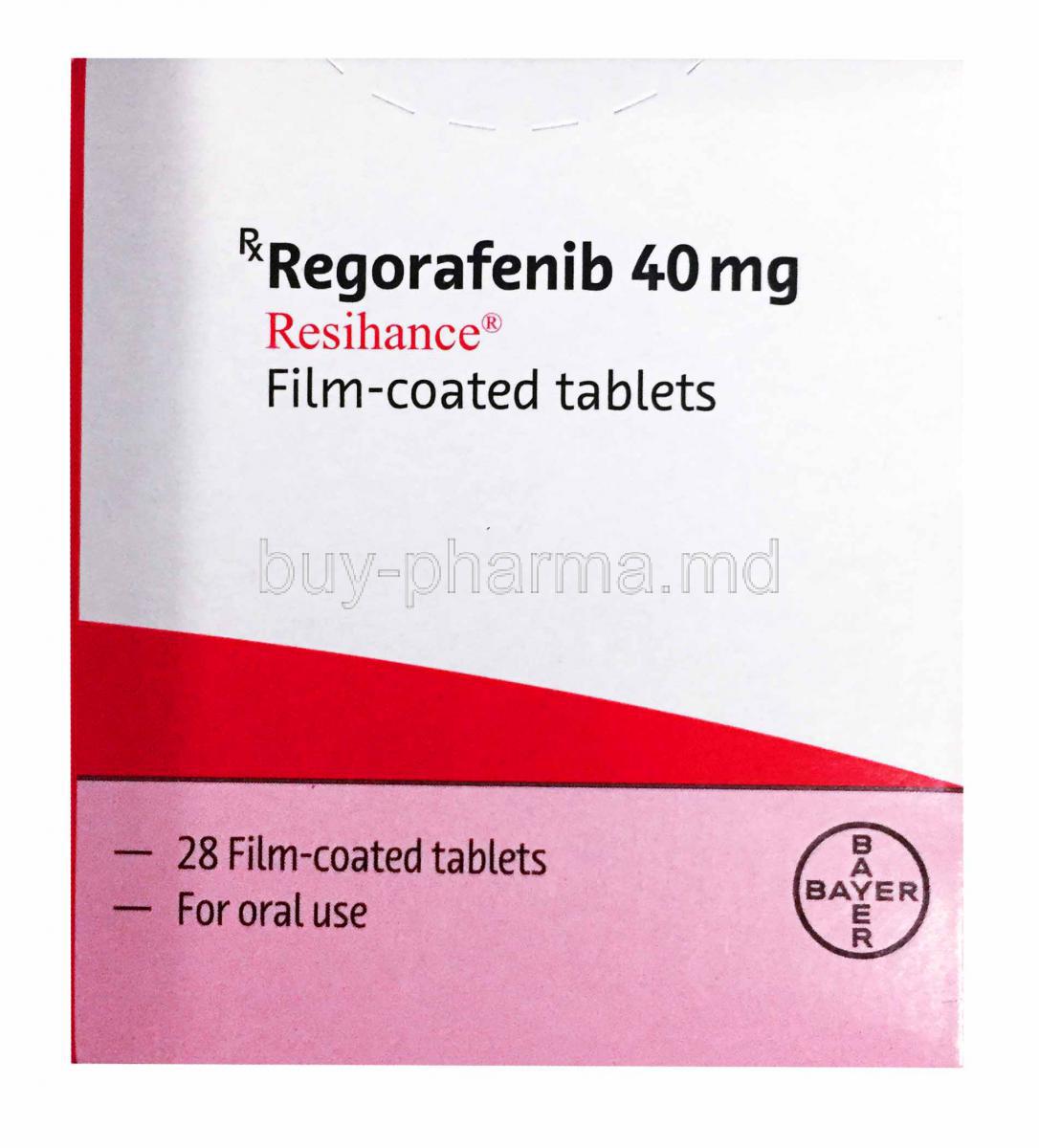
1. Introduction to Resihance (Regorafenib)
Resihance is an orally administered multikinase inhibitor designed for the management of advanced malignancies. It is formulated to interfere with multiple signaling pathways that are essential for tumor growth, angiogenesis, and metastatic progression. Its oral route offers practical convenience in long-term oncologic care, particularly in refractory disease settings.
Within the therapeutic landscape of oncology, regorafenib is classified as a targeted anticancer agent. Unlike traditional cytotoxic chemotherapy, it exerts its effects through selective inhibition of intracellular and cell-surface kinases, enabling a broader yet mechanistically refined antitumor action.
Regorafenib was developed following extensive research into tumor angiogenesis and kinase-driven proliferation. Its clinical relevance has been established through pivotal trials demonstrating survival benefits in patients with cancers resistant to standard therapies.
2. Composition and Pharmaceutical Characteristics
The active pharmaceutical ingredient in Resihance is regorafenib, a small-molecule kinase inhibitor with a complex molecular structure optimized for oral absorption and systemic activity.
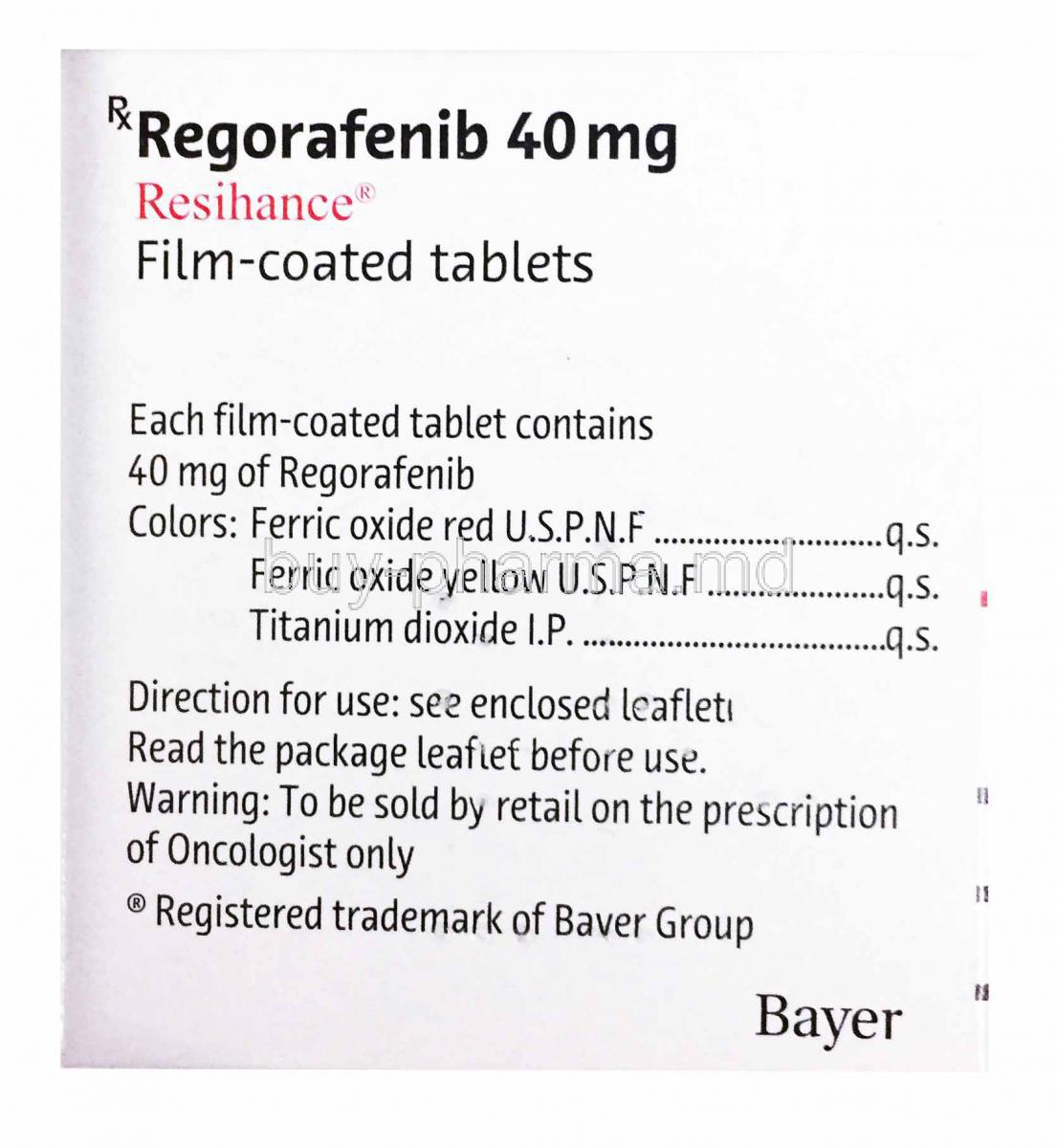
- Dosage form: Oral film-coated tablet
- Available strengths: Commonly supplied in fixed-dose tablets for cyclic therapy
The formulation includes carefully selected excipients that enhance stability, dissolution, and gastrointestinal tolerability. These non-active components are critical in maintaining consistent drug exposure.
Regorafenib demonstrates moderate oral bioavailability and exhibits extensive plasma protein binding. It undergoes hepatic metabolism, contributing to its sustained pharmacological activity across dosing intervals.
3. Mechanism of Action: How Regorafenib Works
Regorafenib functions through multikinase inhibition, targeting a diverse array of kinases involved in oncogenic signaling. This broad-spectrum activity distinguishes it from more narrowly focused targeted therapies.
A key component of its mechanism is anti-angiogenic activity. By inhibiting vascular endothelial growth factor receptors (VEGFR) and TIE2 pathways, regorafenib disrupts tumor-associated blood vessel formation, depriving malignant tissues of oxygen and nutrients.
In addition to angiogenesis suppression, regorafenib exerts antiproliferative effects directly on tumor cells. It interferes with signaling cascades that regulate cell cycle progression and survival.
Collectively, these actions alter the tumor microenvironment, attenuating pro-tumorigenic signaling and promoting conditions unfavorable for cancer persistence.
4. Approved Uses of Resihance (Regorafenib)
Resihance is approved for the treatment of metastatic colorectal cancer in patients who have progressed after standard chemotherapeutic regimens. In this setting, it serves as a later-line therapeutic option.
It is also indicated for gastrointestinal stromal tumors following failure of prior targeted therapies. In such cases, regorafenib offers disease control where alternative treatments are limited.
Another established indication is hepatocellular carcinoma in patients previously treated with sorafenib. Regorafenib has demonstrated efficacy in extending survival in this difficult-to-treat population.
Clinically, Resihance is positioned as a therapy for advanced or refractory cancers, where disease biology necessitates multi-pathway inhibition.
5. Off-Label and Investigational Uses
Beyond approved indications, regorafenib has been explored in various other solid tumors. Its broad kinase inhibition profile makes it a candidate for malignancies characterized by complex signaling networks.
Investigational use has extended to sarcomas and rare cancers, where conventional treatment options are scarce. Early-phase studies continue to evaluate its therapeutic potential.
Ongoing clinical trials are assessing novel combinations and emerging indications. These studies aim to refine patient selection and optimize clinical outcomes.
Off-label use remains constrained by limited evidence, underscoring the importance of rigorous clinical evaluation before broader application.
6. Dosage and Administration Guidelines
The standard dosing regimen for Resihance follows a cyclic schedule, typically involving daily administration for a defined treatment period followed by a rest phase.
Tablets are taken orally, preferably at the same time each day, and are usually administered with a low-fat meal to ensure consistent absorption.
- Dose reductions may be required in response to adverse effects
- Temporary interruptions are recommended for severe toxicity
If a dose is missed, it should not be replaced if the next scheduled dose is imminent. Treatment interruptions and resumptions should follow clinical guidance.
7. Administration in Special Populations
7.1 Administration to Elderly Patients
Elderly patients may exhibit altered pharmacokinetics due to age-related physiological changes. While standard dosing is often feasible, enhanced monitoring is advisable.
Careful assessment of hepatic function, cardiovascular status, and overall tolerability is recommended throughout therapy.
7.2 Administration to Pregnant Women and Nursing Mothers
Regorafenib poses significant risks during pregnancy due to its mechanism of action and potential for fetal toxicity. Use during pregnancy is generally contraindicated.
Effective contraception is strongly recommended for individuals of reproductive potential during treatment and for a defined period afterward.
Breastfeeding should be avoided, as the potential for drug excretion into breast milk and subsequent infant exposure cannot be excluded.
7.3 Administration to Children and Adolescents
Clinical data on pediatric use are limited. Safety and efficacy have not been firmly established in children and adolescents.
Current recommendations restrict use to clinical trial settings, where careful monitoring and ethical oversight are ensured.
8. Safety Profile and Side Effects
Regorafenib therapy is associated with a distinct safety profile that reflects its multi-targeted mechanism. Adverse reactions range from mild to severe and may necessitate dose adjustments.
The frequency and intensity of side effects vary among individuals, emphasizing the need for individualized management strategies.
8.1 Common Side Effects
- Hand-foot skin reaction characterized by erythema and discomfort
- Fatigue and generalized asthenia
- Gastrointestinal disturbances such as diarrhea and mucositis
- Hypertension and voice alterations
8.2 Less Common and Serious Adverse Effects
More serious toxicities may occur, albeit less frequently. Hepatotoxicity is of particular concern and may manifest as elevated liver enzymes or clinical liver injury.
Hemorrhagic events, cardiac ischemia, and thromboembolic complications have also been reported, necessitating vigilant clinical monitoring.
9. Warnings and Contraindications
9.1 Warnings and Safety Information
Severe liver injury represents a critical risk associated with regorafenib therapy. Regular liver function testing is essential before and during treatment.
Additional warnings include cardiovascular complications, bleeding risks, and pronounced dermatologic reactions, all of which require proactive management.
9.2 Contraindications
Resihance is contraindicated in individuals with known hypersensitivity to regorafenib or any formulation component.
Therapy should also be avoided in clinical situations where the anticipated risks outweigh potential therapeutic benefits.
10. Careful Administration and Important Precautions
Careful administration of Resihance requires a structured and anticipatory clinical approach. Prior to initiation, comprehensive baseline evaluations are essential to establish patient suitability and to mitigate foreseeable risks.
- Baseline clinical assessment, including performance status
- Laboratory evaluations such as liver function tests and complete blood counts
Liver function monitoring is particularly critical during therapy. Regorafenib is associated with hepatocellular injury, and periodic testing allows early detection of abnormalities. Elevations in transaminases or bilirubin warrant prompt clinical reassessment.
Blood pressure should be monitored regularly, as treatment-related hypertension may emerge early and progress insidiously. Antihypertensive management may be required to maintain cardiovascular stability without interrupting oncologic benefit.
In advanced disease settings, ongoing risk–benefit evaluation is indispensable. Clinical decisions should balance therapeutic efficacy against cumulative toxicity, patient tolerance, and overall treatment goals.
11. Drug Interactions
Regorafenib is metabolized predominantly via hepatic pathways, rendering it susceptible to pharmacokinetic interactions. Agents that influence CYP3A4 activity can significantly alter systemic exposure.
Strong CYP3A4 inhibitors may increase regorafenib concentrations, heightening toxicity risk, while inducers may reduce efficacy through accelerated metabolism.
Concomitant anticancer therapies require careful coordination. Overlapping toxicities, particularly hepatotoxic or hematologic effects, may compound adverse outcomes.
- Potential interaction with anticoagulants, increasing bleeding risk
- Altered response to antihypertensive agents
Clinical management of interaction risks involves medication reconciliation, dose adjustments when necessary, and close monitoring for unexpected adverse reactions.
12. Overdosage Information
Overdose with regorafenib may result in an intensification of its known adverse effect profile. Symptoms often reflect exaggerated pharmacologic activity rather than novel toxicity.
Potential manifestations include severe fatigue, gastrointestinal distress, marked hypertension, and significant hepatic enzyme elevations. In extreme cases, systemic complications may ensue.
There is no specific antidote for regorafenib overdose. Management is supportive and symptomatic, focusing on stabilization of vital functions and mitigation of complications.
Immediate medical supervision is imperative in suspected overdose scenarios, as early intervention can substantially influence clinical outcomes.
13. Storage and Stability
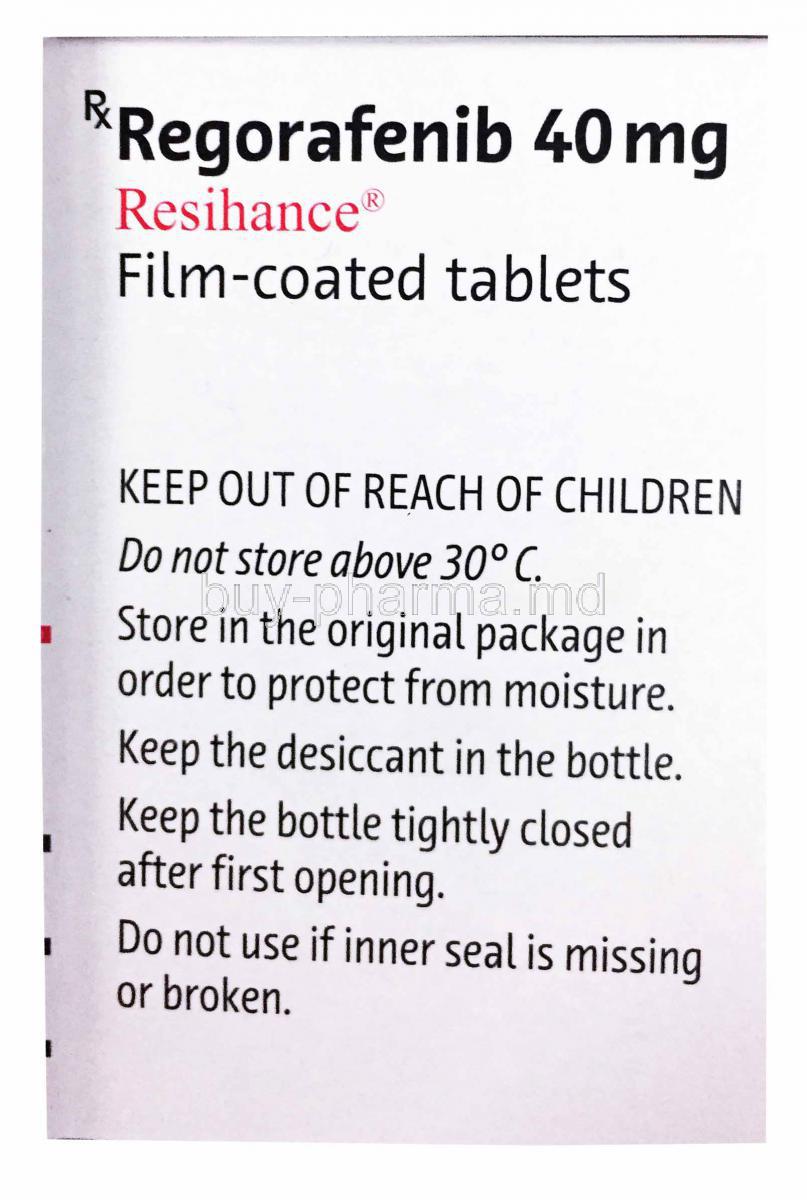
Resihance should be stored under controlled conditions to preserve its chemical integrity and therapeutic efficacy.
- Store at room temperature in a dry environment
- Avoid exposure to excessive heat or direct light
Protection from moisture is particularly important, as humidity may compromise tablet stability. Original packaging should be retained until use.
Shelf-life considerations should be observed strictly. Tablets should not be used beyond the indicated expiration date, as potency and safety cannot be assured thereafter.
14. Handling Precautions
Safe handling practices are recommended due to the cytotoxic nature of regorafenib. Tablets should be handled minimally and swallowed whole, without crushing or splitting.
Caregivers and healthcare professionals should exercise caution during dispensing and administration, particularly when assisting vulnerable patients.
Unused or expired tablets should be disposed of in accordance with local regulations for hazardous pharmaceutical waste, preventing environmental contamination or accidental exposure.
15. Summary and Clinical Considerations
Resihance offers meaningful therapeutic benefit in selected patients with advanced malignancies, particularly where standard options have been exhausted. Its multikinase inhibition confers broad antitumor activity, yet also necessitates vigilant safety oversight.
Individualized treatment planning is paramount. Patient-specific factors, comorbidities, and tolerance profiles should guide dosing and duration decisions.
Within modern oncology care, Resihance occupies a strategic role as a targeted therapy for refractory disease, exemplifying the evolving balance between precision treatment and comprehensive risk management.
Resihance, Regorafenib FAQ
Popular Products
Similar Product