
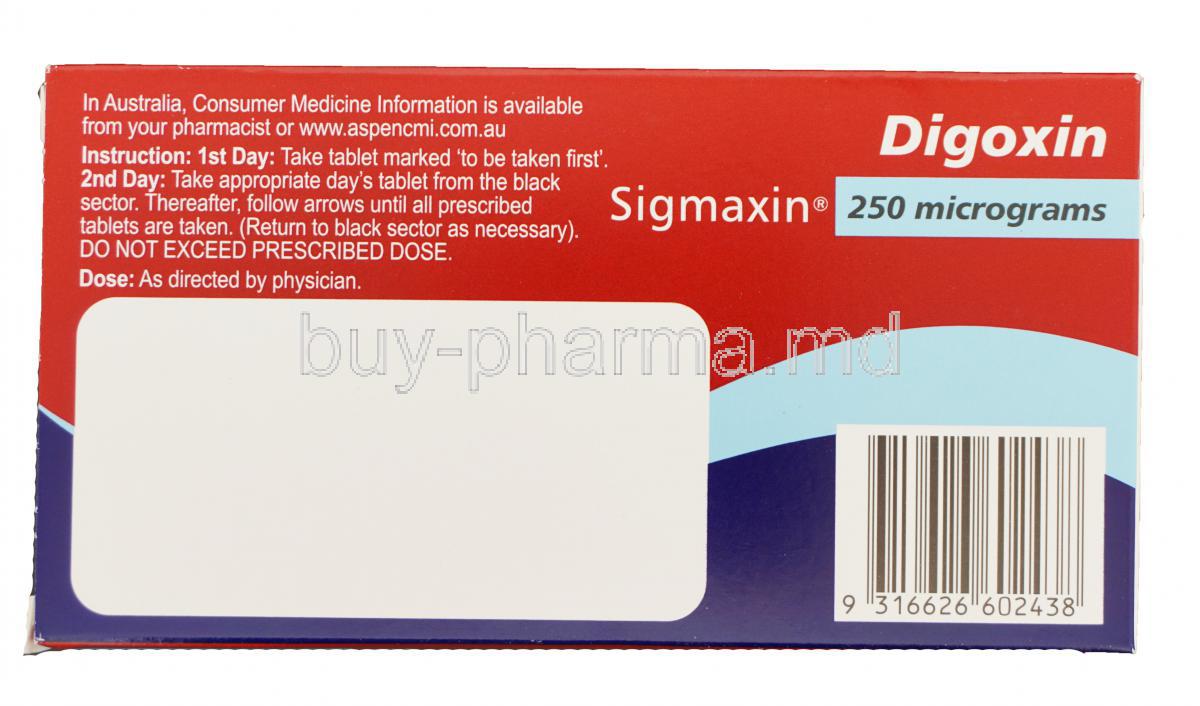


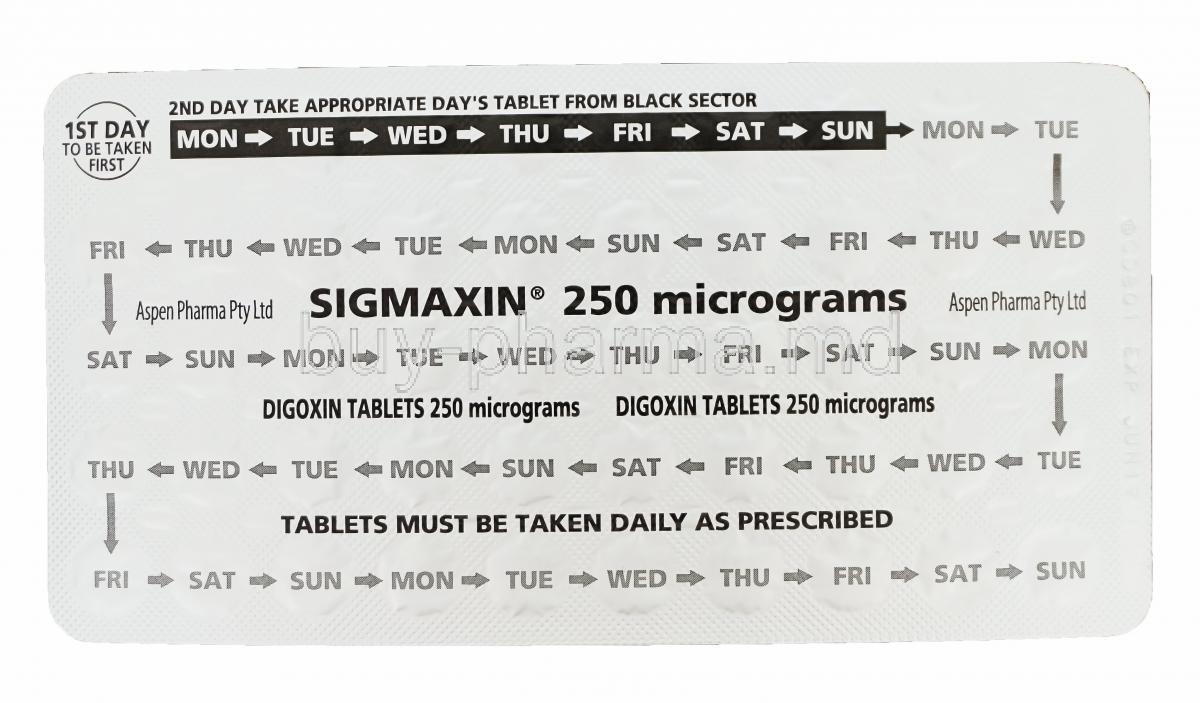
Introduction to Sigmaxin (Digoxin)
Sigmaxin, containing the active compound digoxin, is a well-established cardiac glycoside used in the management of specific cardiovascular disorders. Its clinical relevance spans decades, supported by extensive pharmacological research and real-world therapeutic application.
- Recognized for its potent effects on myocardial contractility
- Characterized by a narrow therapeutic index
- Requires precise dosing and vigilant monitoring
Overview of Sigmaxin as a Cardiac Glycoside
Digoxin belongs to the digitalis family of cardiac glycosides, a class of agents derived from plant sources that exert profound effects on cardiac electrophysiology and contractile performance. Sigmaxin is formulated to deliver predictable bioavailability and consistent pharmacodynamic outcomes.
Therapeutic Classification and Clinical Significance
Therapeutically, digoxin is classified as a positive inotrope and atrioventricular nodal modulator. Its significance lies in its ability to improve symptomatic control in select heart failure patients while simultaneously regulating ventricular response in atrial arrhythmias.
Historical Background and Development of Digoxin
The origins of digoxin trace back to the medicinal use of Digitalis purpurea in the 18th century. Over time, crude botanical extracts evolved into purified compounds, culminating in modern pharmaceutical-grade digoxin with standardized potency and safety parameters.
Role of Digoxin in Modern Cardiovascular Therapy
In contemporary practice, digoxin occupies a niche role. While newer agents dominate first-line therapy, digoxin remains indispensable in carefully selected patients where alternative treatments are insufficient or contraindicated.
Composition and Pharmaceutical Profile
Active Ingredient: Digoxin
Sigmaxin contains digoxin as its sole active pharmacological ingredient, responsible for all therapeutic and adverse effects observed during treatment.
Chemical Structure and Origin (Digitalis Species)
Digoxin is a steroidal glycoside composed of a steroid nucleus, a lactone ring, and sugar moieties. It is semisynthetically derived from Digitalis lanata, ensuring high purity and consistent molecular configuration.
Available Dosage Forms and Strengths
Sigmaxin is available in multiple formulations to accommodate diverse clinical needs:
- Oral tablets in varying microgram strengths
- Oral solutions for flexible dosing
- Injectable formulations for intravenous administration
Excipients and Formulation Considerations
Inactive ingredients are carefully selected to enhance stability, absorption, and shelf life, without interfering with digoxin’s pharmacological activity.
How Sigmaxin (Digoxin) Works
Mechanism of Action on Cardiac Myocytes
Digoxin acts directly on cardiac myocytes, altering intracellular ion dynamics and enhancing myocardial contractile force. This cellular-level modulation translates into clinically meaningful hemodynamic improvements.
Inhibition of Na⁺/K⁺-ATPase Pump
The primary molecular target of digoxin is the sodium–potassium ATPase pump. Inhibition of this enzyme disrupts transmembrane sodium gradients, initiating downstream ionic effects.
Effects on Intracellular Calcium Levels
Elevated intracellular sodium reduces calcium extrusion via the sodium–calcium exchanger, leading to increased intracellular calcium stores. This augmentation strengthens myocardial contraction with each cardiac cycle.
Positive Inotropic Effect on the Heart
The net effect is a positive inotropic response, enhancing stroke volume and improving cardiac efficiency without proportionally increasing myocardial oxygen demand.
Modulation of Atrioventricular (AV) Nodal Conduction
Digoxin also exerts parasympathomimetic effects, slowing AV nodal conduction. This property is particularly valuable in controlling ventricular response during atrial fibrillation or flutter.
Impact on Heart Rate and Cardiac Output
By reducing excessive heart rates while improving contractility, digoxin can optimize cardiac output, especially in patients with systolic dysfunction.
Uses of Sigmaxin (Digoxin)
Management of Chronic Heart Failure with Reduced Ejection Fraction
Digoxin is utilized to alleviate symptoms in patients with heart failure characterized by impaired systolic function, particularly when standard therapies do not achieve adequate symptom control.
Control of Ventricular Rate in Atrial Fibrillation
Sigmaxin is effective in reducing ventricular rate at rest in atrial fibrillation, contributing to symptomatic relief and improved functional capacity.
Treatment of Atrial Flutter
In atrial flutter, digoxin assists in moderating ventricular response, often as part of a combination regimen.
Use in Selected Cases of Supraventricular Tachyarrhythmias
Certain supraventricular tachyarrhythmias may respond favorably to digoxin under specialist supervision.
Symptomatic Improvement in Patients with Systolic Dysfunction
Patients with reduced cardiac output may experience improved exercise tolerance and reduced fatigue with appropriate digoxin therapy.
Off-Label Uses of Digoxin
Adjunctive Therapy in Refractory Heart Failure
In advanced or refractory cases, digoxin may be employed as an adjunct when conventional regimens fail to provide adequate symptom relief.
Rate Control When Other Agents Are Unsuitable
Digoxin may serve as an alternative for rate control in atrial fibrillation when beta-blockers or calcium channel blockers are contraindicated or poorly tolerated.
Use in Specific Pediatric Cardiac Conditions
Under specialist care, digoxin may be used in select pediatric cardiac disorders requiring inotropic support or rate modulation.
Investigational and Historical Off-Label Applications
Historically, digoxin has been explored in various cardiovascular contexts, though many such applications have been superseded by newer therapies.
Dosage and Administration
Initial Loading Dose Considerations
Loading doses may be employed to rapidly achieve therapeutic serum concentrations, particularly in acute clinical settings.
Maintenance Dosing Strategies
Maintenance dosing is tailored to maintain stable plasma levels while minimizing toxicity risk.
Individualized Dosing Based on Patient Factors
Age, body mass, renal function, and concomitant medications significantly influence digoxin dosing requirements.
Oral Versus Intravenous Administration
Oral administration is preferred for chronic therapy, while intravenous routes are reserved for acute or hospitalized patients.
Therapeutic Drug Monitoring
Serum digoxin levels are routinely monitored to ensure efficacy while avoiding toxic concentrations.
Dose Adjustments in Renal Impairment
Given renal elimination, dose reductions are essential in patients with compromised kidney function.
Administration to Special Populations
Administration to Elderly Patients
Elderly patients exhibit altered pharmacokinetics, necessitating lower initial doses and gradual titration to reduce toxicity risk.
Administration to Pregnant Women and Nursing Mothers
Digoxin crosses the placenta and is excreted into breast milk in small amounts. Use during pregnancy or lactation is reserved for situations where clinical benefit outweighs potential risk.
Administration to Children
Pediatric dosing requires meticulous calculation and close monitoring, particularly in neonates and infants with immature renal function.
Side Effects of Sigmaxin (Digoxin)
Overview of Adverse Effect Profile
Adverse effects are often dose-dependent and closely linked to serum digoxin concentrations.
Dose-Related Toxicity Risks
Even modest increases above therapeutic levels may precipitate toxicity due to digoxin’s narrow safety margin.
Narrow Therapeutic Index Considerations
The small gap between effective and toxic doses underscores the necessity for precise dosing and monitoring.
Common Side Effects
- Gastrointestinal disturbances such as nausea and anorexia
- Neurological symptoms including dizziness and fatigue
- Visual changes, including blurred or altered color perception
- Mild alterations in cardiac rhythm
Serious and Less Common Adverse Effects
- Potentially life-threatening arrhythmias
- Severe bradycardia or tachyarrhythmias
- Neuropsychiatric manifestations such as confusion or delirium
- Rare hypersensitivity reactions
Drug Interactions
Interactions with Antiarrhythmic Agents
Certain antiarrhythmics may potentiate digoxin’s effects or alter its clearance, increasing toxicity risk.
Effects of Diuretics and Electrolyte Imbalance
Diuretic-induced hypokalemia significantly heightens susceptibility to digoxin toxicity.
Interactions with Calcium Channel Blockers and Beta-Blockers
Concomitant use may exacerbate bradycardia or conduction abnormalities.
Impact of Antibiotics and Antifungal Agents
Some antimicrobials increase digoxin bioavailability by altering gut flora or hepatic metabolism.
Herbal and Dietary Supplement Interactions
Herbal products may unpredictably influence digoxin levels and should be used cautiously.
Warnings and Safety Alerts
Risk of Digoxin Toxicity
Toxicity can manifest with subtle early symptoms before progressing to severe cardiac complications.
Importance of Therapeutic Drug Monitoring
Regular serum level assessments are essential for long-term safety.
Electrolyte Imbalance Warnings
Abnormal potassium or calcium levels substantially increase adverse effect risk.
Renal Function Monitoring Requirements
Ongoing renal assessment is critical, particularly during prolonged therapy or intercurrent illness.
Contraindications
Known Hypersensitivity to Digoxin or Cardiac Glycosides
Sigmaxin (digoxin) is contraindicated in individuals with a documented hypersensitivity to digoxin or other cardiac glycosides. Allergic reactions, although uncommon, may manifest as cutaneous eruptions, pruritus, or more severe systemic responses. Re-exposure in sensitized patients can provoke rapid and unpredictable adverse effects.
Ventricular Fibrillation
Digoxin must not be used in patients with ventricular fibrillation. In this setting, its electrophysiological effects may exacerbate chaotic ventricular activity rather than restore organized cardiac rhythm, potentially worsening hemodynamic instability.
Hypertrophic Obstructive Cardiomyopathy
In hypertrophic obstructive cardiomyopathy, digoxin may intensify left ventricular outflow tract obstruction by increasing contractility. This can lead to:
- Worsening syncope
- Increased myocardial oxygen demand
- Heightened risk of arrhythmias
Certain Conduction Disorders Without Pacemaker Support
Patients with advanced atrioventricular block, sick sinus syndrome, or other significant conduction abnormalities should not receive digoxin unless protected by a functioning pacemaker. Further suppression of nodal conduction may result in profound bradycardia or asystole.
Careful Administration and Monitoring
Use in Patients with Renal Impairment
Digoxin is predominantly eliminated via the kidneys. Reduced renal clearance leads to accumulation and heightened toxicity risk. Dose reductions, extended dosing intervals, and frequent serum level assessments are essential in patients with compromised renal function.
Considerations in Patients with Thyroid Disorders
Thyroid status significantly influences digoxin pharmacodynamics. Hypothyroid patients may exhibit increased sensitivity, whereas hyperthyroid states may necessitate higher doses. Careful titration is required as thyroid function normalizes.
Monitoring Heart Rate, Rhythm, and Serum Levels
Ongoing monitoring is fundamental to safe therapy. Clinical surveillance typically includes:
- Resting and exertional heart rate assessment
- Electrocardiographic rhythm evaluation
- Periodic measurement of serum digoxin concentrations
Long-Term Therapy Surveillance Strategies
For patients receiving prolonged treatment, structured follow-up protocols are recommended. These encompass regular laboratory testing, medication reviews, and reassessment of therapeutic necessity to minimize cumulative toxicity.
Important Precautions Before and During Treatment
Baseline Cardiac and Renal Assessment
Before initiating therapy, a comprehensive evaluation of cardiac rhythm, ventricular function, and renal status is required. This establishes a reference point for future monitoring and dose adjustments.
Regular Monitoring of Electrolytes
Electrolyte disturbances profoundly affect digoxin safety. Particular attention should be given to:
- Potassium levels, as hypokalemia amplifies toxicity
- Calcium levels, which may potentiate arrhythmogenic effects
- Magnesium status, especially in patients on diuretics
Avoidance of Abrupt Dose Changes
Sudden alterations in digoxin dosing can destabilize serum concentrations. Gradual titration and cautious discontinuation are advised to prevent rebound symptoms or toxicity.
Patient Education on Symptom Recognition
Patients should be instructed to recognize early warning signs of digoxin toxicity, such as unexplained nausea, visual disturbances, or palpitations, and to seek medical attention promptly.
Overdosage and Digoxin Toxicity
Signs and Symptoms of Acute and Chronic Overdose
Digoxin toxicity may arise acutely or insidiously. Symptoms vary in severity and often involve multiple organ systems.
Cardiac and Non-Cardiac Manifestations
Clinical manifestations may include:
- Life-threatening arrhythmias
- Marked bradycardia or tachyarrhythmias
- Gastrointestinal distress
- Neurological symptoms such as confusion or delirium
Emergency Management Principles
Management focuses on immediate cessation of digoxin, correction of electrolyte abnormalities, continuous cardiac monitoring, and supportive care. Prompt intervention is critical in severe cases.
Role of Digoxin-Specific Antibody Fragments
Digoxin-specific antibody fragments represent definitive therapy for severe or life-threatening toxicity. These agents bind circulating digoxin, facilitating rapid neutralization and elimination.
Handling and Storage Precautions
Recommended Storage Conditions
Sigmaxin should be stored at controlled room temperature, in accordance with manufacturer recommendations, to preserve chemical stability and potency.
Protection from Light and Moisture
Exposure to excessive light or moisture may degrade the active ingredient. Original packaging should be maintained until use to ensure product integrity.
Safe Handling and Dispensing Practices
Accurate dispensing is imperative due to digoxin’s narrow therapeutic margin. Verification of dose strength and formulation is essential at every stage of handling.
Disposal Considerations for Unused Medication
Unused or expired digoxin should be disposed of in accordance with local pharmaceutical waste regulations. Improper disposal may pose risks to both individuals and the environment.
Customers also bought

Popular Products

Similar Product