
1. Introduction
Overview of Tilstigmin and its Therapeutic Classification
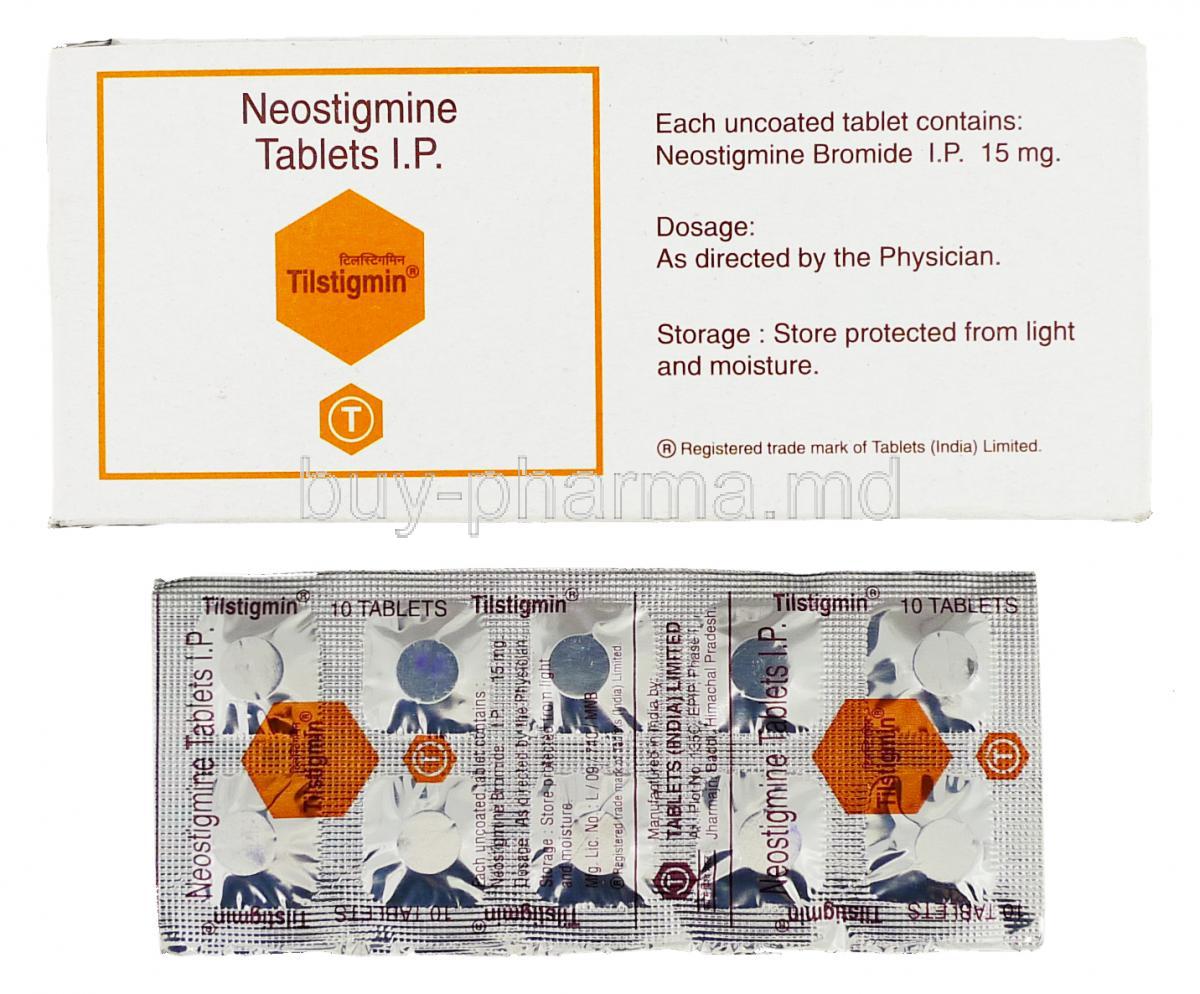
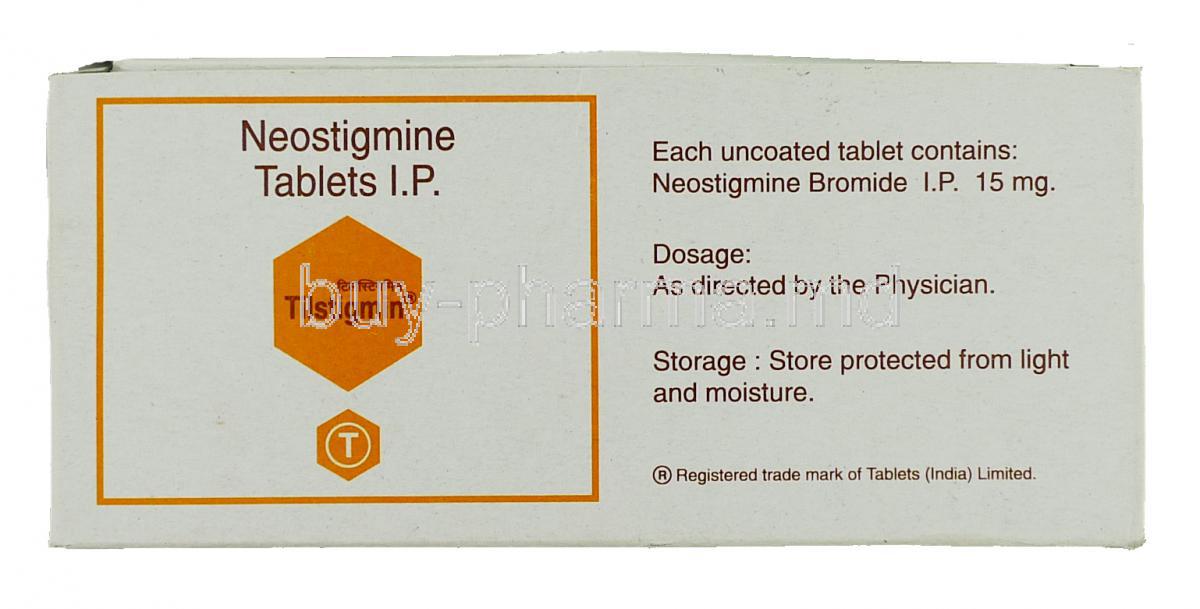
Tilstigmin, containing the active compound Neostigmine, is a reversible acetylcholinesterase inhibitor widely recognized for its role in neuromuscular medicine. Classified as a parasympathomimetic agent, it amplifies the actions of acetylcholine at neuromuscular junctions, restoring muscular contractility where nerve-to-muscle communication has weakened. It stands as a cornerstone in the treatment of disorders characterized by compromised neuromuscular transmission, particularly myasthenia gravis.
Historical Development and Clinical Relevance
Since its discovery in the early 20th century, Neostigmine has revolutionized perioperative and neurological care. Initially synthesized as a synthetic analog of physostigmine, it was designed to provide similar cholinergic activity without central nervous system penetration. Its dependable efficacy in reversing anesthesia-induced muscle paralysis has made it a critical drug in both surgery and chronic disease management.
Chemical Identity and Relationship to Other Cholinesterase Inhibitors
Chemically, Neostigmine is a quaternary ammonium compound belonging to the carbamate group of cholinesterase inhibitors. Its structure confers polarity, preventing it from crossing the blood-brain barrier. This differentiates it from tertiary analogs like physostigmine, which exhibit central nervous system activity.
Mechanistic Class: Reversible Acetylcholinesterase Inhibitor
As a reversible inhibitor, Tilstigmin temporarily binds to acetylcholinesterase, obstructing the breakdown of acetylcholine. This transient inhibition enhances cholinergic signaling at synaptic clefts, leading to improved neuromuscular function without permanent enzyme alteration. ---
2. Composition and Formulation
Active Ingredient
Each formulation of Tilstigmin contains Neostigmine methylsulfate as the primary pharmacologically active ingredient.
Available Dosage Forms
It is available in:
- Oral tablets for maintenance therapy
- Injectable solutions and ampoules for rapid parenteral use
Inactive Ingredients and Excipients
Typical excipients include sodium chloride, benzyl alcohol, water for injection, and stabilizing agents ensuring isotonicity and chemical stability.
Manufacturer and Trade Names
Marketed globally under names such as Tilstigmin, Prostigmin, and Neostigmine Injection, it is produced by multiple pharmaceutical manufacturers specializing in neuromuscular and anesthetic agents. ---
3. Mechanism of Action (How It Works)
Role of Acetylcholinesterase Inhibition
Neostigmine impedes the enzymatic hydrolysis of acetylcholine by reversibly blocking acetylcholinesterase, thereby elevating the neurotransmitter concentration at synaptic junctions.
Restoration of Neuromuscular Transmission
In patients with myasthenia gravis, it counteracts the antibody-mediated destruction of acetylcholine receptors by maximizing the available neurotransmitter, enabling more effective muscle contraction.
Effect on Smooth Muscle Tone and Glandular Secretions
Beyond skeletal muscle activity, it enhances peristalsis, augments urinary bladder tone, and increases glandular secretions—effects mediated through parasympathetic stimulation.
Pharmacodynamic Profile and Duration
The onset is rapid, typically within 5–15 minutes when injected, with an action duration of 2–4 hours depending on the administration route.
Central vs Peripheral Activity
Due to its quaternary ammonium structure, Neostigmine acts peripherally without notable central nervous system penetration, minimizing cognitive or behavioral side effects. ---
4. Therapeutic Uses
Primary Indications
- Myasthenia Gravis: Long-term symptomatic control to improve muscle strength.
- Reversal of Non-Depolarizing Neuromuscular Blockade: Used postoperatively to counteract agents such as vecuronium or rocuronium.
- Postoperative Paralytic Ileus and Urinary Retention: Stimulates smooth muscle activity to restore physiological motility.
Adjunctive Uses
In anesthesia and intensive care, it serves as an auxiliary to reestablish neuromuscular activity, ensuring respiratory adequacy following surgical interventions. ---
5. Off-Label Uses
- Treatment of congenital myasthenic syndromes in pediatric neurology
- Alternative diagnostic tool for suspected myasthenia gravis when edrophonium is unavailable
- Adjunctive therapy in intestinal pseudo-obstruction and bladder hypotonia
- Investigational use in neurocognitive enhancement through cholinergic pathway modulation
---
6. Dosage and Administration
Recommended Doses
Typical oral doses for adults range from 15 mg to 375 mg daily, divided into multiple administrations. Parenteral doses for blockade reversal vary from 0.03 to 0.07 mg/kg intravenously.
Adjustment by Indication
Dosage differs significantly based on whether it is used for chronic myasthenia management or acute reversal of anesthesia-induced paralysis.
Frequency and Titration
Therapy should begin with low doses, gradually titrated to achieve optimal muscular response without inducing cholinergic side effects.
Conversion and Postoperative Use
Oral forms may replace injections during long-term therapy. In surgical recovery, it is often co-administered with atropine or glycopyrrolate to counteract muscarinic effects.
Continuous vs Intermittent Therapy
Chronic conditions benefit from regular administration, while acute settings require single, closely monitored injections. ---
7. Side Effects
Overview
Most adverse effects are extensions of the drug’s cholinergic activity, affecting both the muscarinic and nicotinic systems.
Common Side Effects
- Gastrointestinal disturbances – nausea, vomiting, diarrhea
- Excess salivation and abdominal cramping
- Bradycardia and hypotension
- Muscle twitching or weakness from overstimulation
- Increased sweating, miosis, and bronchial secretions
Serious Adverse Effects
- Respiratory depression or bronchospasm due to excessive cholinergic tone
- Severe cardiac arrhythmias or asystole
- Seizures and loss of consciousness
- Cholinergic crisis, a life-threatening overdose manifestation requiring atropine treatment
---
8. Drug Interactions
- Anticholinergic drugs (e.g., atropine) counterbalance adverse muscarinic effects but may mask overdose symptoms.
- Concurrent use with corticosteroids or other cholinesterase inhibitors can modify efficacy and toxicity.
- Non-depolarizing muscle relaxants show pharmacodynamic antagonism, necessitating precise titration.
- Depolarizing agents like succinylcholine should be avoided due to unpredictable interactions.
---
9. Contraindications
- Known hypersensitivity to Neostigmine or formulation components
- Mechanical obstruction of intestinal or urinary tracts
- Severe peritonitis or inflammatory bowel conditions
- Bradyarrhythmias and preexisting cardiac conduction defects
---
10. Warnings and Important Precautions
- Differentiate between cholinergic crisis (overdose) and myasthenic crisis (underdose) as symptoms can overlap.
- Exercise caution in patients with asthma, COPD, or peptic ulcers, where parasympathetic activation may worsen the condition.
- Continuous monitoring of heart rate, respiratory function, and blood pressure during administration.
- Atropine should always be readily available to reverse severe muscarinic effects.
---
11. Careful Administration
- Use with caution in individuals with seizure disorders due to potential CNS stimulation at high doses.
- Adjust dosage in renal insufficiency as Neostigmine is primarily excreted unchanged through the kidneys.
- Monitor hepatic function in long-term therapy, especially in patients with liver disease.
- Evaluate neuromuscular and respiratory performance periodically to prevent subclinical toxicity or overdose.
12. Administration in Special Populations
a. Elderly Patients
Elderly patients exhibit increased pharmacodynamic sensitivity to cholinergic agents such as Neostigmine. Age-related physiological decline—including reduced hepatic metabolism and renal clearance—can potentiate systemic exposure, heightening the risk of adverse cholinergic manifestations. Close titration is crucial. Dosage should commence at the lower therapeutic threshold and adjusted gradually according to neuromuscular response and cardiovascular tolerance. Continuous cardiac monitoring is recommended during initiation and dose escalation. Potential complications include:
- Bradycardia: Slow cardiac conduction may result from excessive parasympathetic stimulation.
- Hypotension: Vascular tone reduction can occur secondary to increased acetylcholine activity.
- Syncope or dizziness: Resulting from transient circulatory compromise.
A judicious, individualized approach minimizes toxicity while maintaining therapeutic efficacy.
b. Pregnant Women and Nursing Mothers
Animal and human data indicate that Neostigmine does not exhibit overt teratogenic potential; however, its use during pregnancy requires a rigorous risk–benefit evaluation. Enhanced uterine contractility mediated by cholinergic stimulation may theoretically influence labor dynamics. During gestation, dosage modification may be necessary to maintain disease control, particularly in myasthenic gravis, where under-treatment can endanger maternal respiration. The clinician should prioritize the minimal effective dose while avoiding maternal cholinergic toxicity. Neostigmine is known to be excreted in breast milk in small quantities. Though clinically significant neonatal effects are rare, infants should be observed for signs of excessive salivation, muscle weakness, or feeding difficulties. When feasible, dosing should be timed immediately after breastfeeding to minimize neonatal exposure.
c. Pediatric Administration
In pediatric populations, Neostigmine is administered under specialist supervision due to variable pharmacokinetics and heightened sensitivity. Recommended doses:
- For infants: 0.01–0.04 mg/kg intravenously every 2–4 hours, depending on response.
- For children: 0.02–0.07 mg/kg orally or parenterally, adjusted to clinical needs.
It has demonstrated efficacy in congenital myasthenic syndromes, where restoration of acetylcholine-mediated signaling significantly improves motor performance. Vigilant monitoring is mandatory for hypersensitivity, excessive secretions, bronchospasm, or bradycardia. Early recognition of overdose symptoms—such as increased salivation, fasciculations, and respiratory difficulty—ensures timely intervention and safety. ---
13. Overdosage and Toxicity Management
Excessive Neostigmine administration induces a state of cholinergic crisis, characterized by overwhelming stimulation of both muscarinic and nicotinic receptors.
Symptoms of Overdose
- Profuse sweating, tearing, and salivation
- Severe muscle weakness and fasciculation
- Bradycardia, hypotension, and respiratory distress
- Miosis and abdominal cramping with diarrhea
Differentiation from Disease Exacerbation
It is critical to distinguish cholinergic crisis (overdose) from myasthenic crisis (underdose), as both present with muscular weakness. Edrophonium or similar diagnostic tests may assist in differentiation, guiding appropriate management.
Treatment and Emergency Measures
Immediate discontinuation of Neostigmine is mandatory. Administration of anticholinergic agents—most notably atropine sulfate—reverses life-threatening muscarinic symptoms. Respiratory support through mechanical ventilation may be required until spontaneous breathing resumes. Continuous cardiac and respiratory monitoring should be maintained until stabilization is achieved. ---
14. Handling and Storage Precautions
Storage Conditions
Neostigmine formulations should be stored at controlled room temperature, typically between 20°C and 25°C (68°F to 77°F). Protection from light and moisture is essential, as the compound is photosensitive and hydrolytically unstable.
Shelf Life and Stability
Ampoules and vials retain stability until the manufacturer’s indicated expiration date, provided they remain sealed and properly stored. Discard any discolored or precipitated solutions.
Handling of Injectables
Parenteral preparations should be inspected visually for particulates prior to administration. Single-use ampoules must be used immediately after opening to prevent microbial contamination.
Disposal
Unused or expired medication must be discarded following biomedical waste regulations. Healthcare institutions should utilize sealed sharps containers for ampoules and ensure chemical neutralization procedures are followed.
Guidance for Healthcare Professionals
Clinicians and nursing staff should wear protective gloves and avoid direct contact with liquid formulations. In outpatient settings, patient education on safe storage away from children and pets is imperative. ---
15. Clinical Monitoring and Laboratory Parameters
Regular evaluation ensures therapeutic success and safety throughout treatment.
Muscle Strength and Respiratory Function
Periodic clinical assessments measure limb strength, fatigue resistance, and respiratory effort. Pulmonary function testing may be warranted in chronic myasthenic therapy.
Cardiovascular Monitoring
Due to parasympathetic stimulation, continuous heart rate and blood pressure tracking—especially in perioperative or elderly patients—is recommended.
Laboratory Evaluation
Serum electrolytes, renal function markers, and hepatic enzyme levels should be checked periodically to detect metabolic disturbances affecting drug elimination.
Cholinesterase Activity Assays
Plasma or erythrocyte cholinesterase assays can help confirm suspected overdose or subtherapeutic exposure, facilitating precise dose adjustment. ---
16. Patient Counseling Information
Symptom Recognition
Patients and caregivers should be educated to recognize early indicators of overdose (excess salivation, muscle weakness) and underdose (fatigue, ptosis). Immediate medical consultation is essential in either scenario.
Timing and Administration
The medication should be taken consistently at prescribed intervals, ideally before meals when oral formulations are used. Parenteral doses must be administered under professional supervision.
Adherence and Consistency
Skipping or doubling doses can lead to severe fluctuations in muscle strength and autonomic stability. Patients should maintain precise timing and never self-adjust therapy.
Activity and Safety Considerations
Transient dizziness or blurred vision may occur; caution is advised when operating machinery or driving. Adequate hydration and moderate physical activity support therapeutic outcomes. ---
17. Summary and Key Takeaways
Neostigmine remains a vital pharmacologic tool in neuromuscular medicine, bridging the gap between paralysis and restored movement. Its reversible inhibition of acetylcholinesterase provides controlled enhancement of cholinergic transmission. When administered with precision, it restores muscular strength in myasthenia gravis, reverses anesthesia-induced blockade, and aids postoperative recovery. Key principles include:
- Initiate treatment cautiously, titrating to minimal effective dose.
- Maintain vigilant monitoring to prevent cholinergic toxicity.
- Provide individualized care across special populations—elderly, pregnant, and pediatric patients.
Balancing efficacy and safety defines Neostigmine’s enduring clinical significance in both chronic and perioperative medicine.
Popular Products


Similar Product