1. Introduction to Ketanov (Ketorolac)
1.1 What Is Ketanov (Ketorolac)?
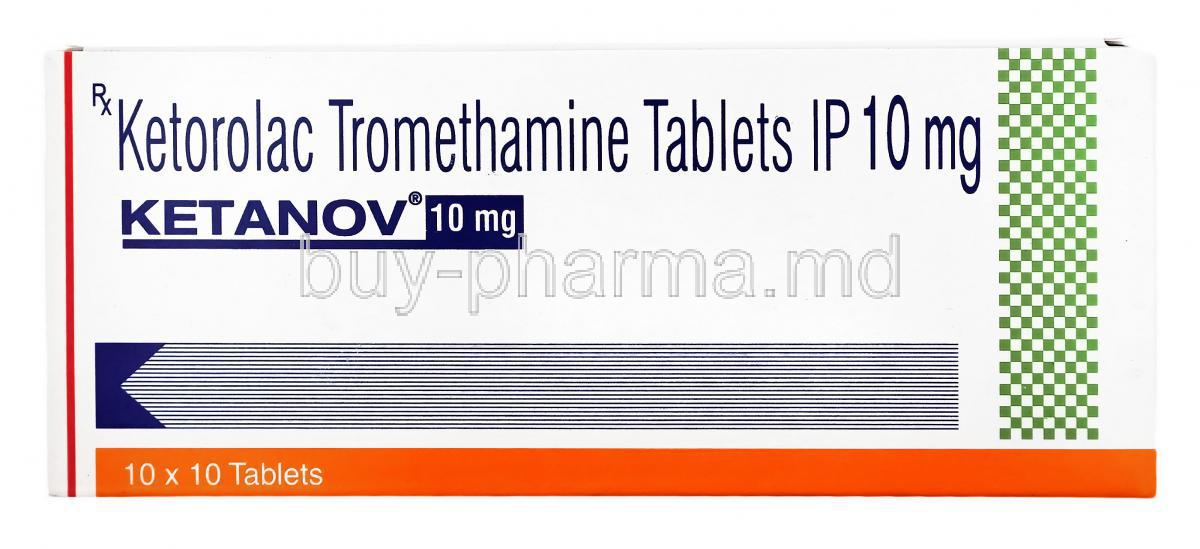
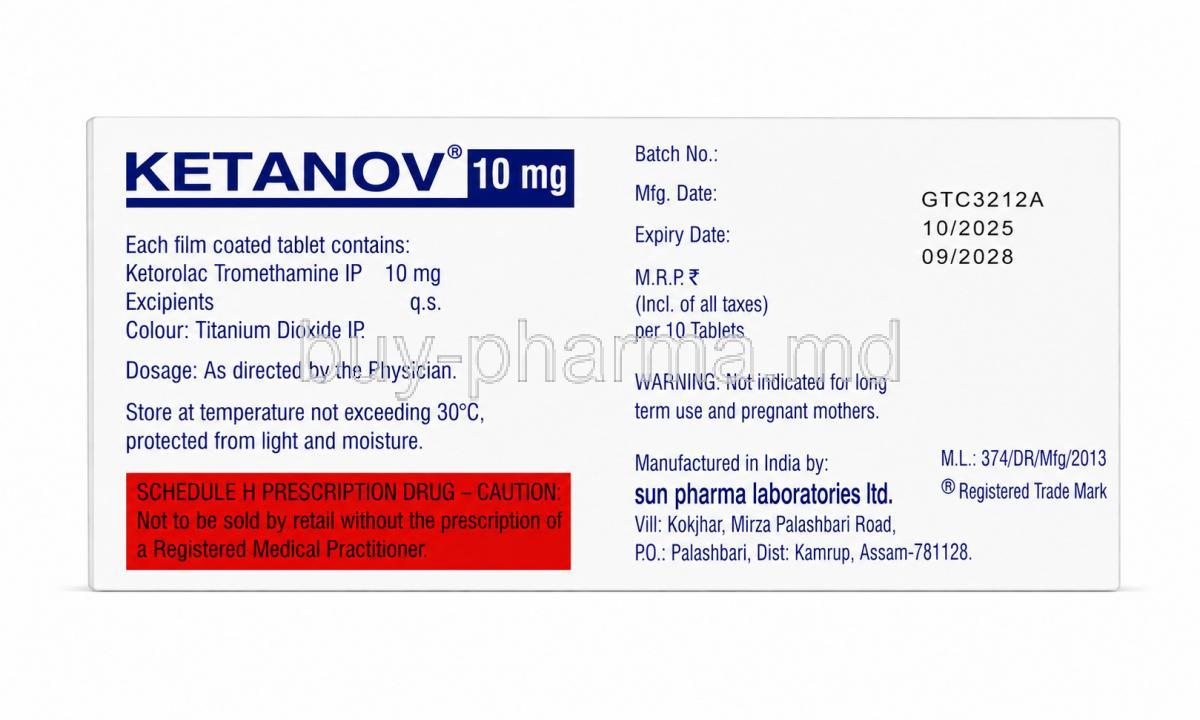
Ketanov is a pharmaceutical preparation containing ketorolac tromethamine, a potent nonsteroidal anti-inflammatory drug designed primarily for short-term analgesia. It is recognized for delivering opioid-level pain relief without engaging opioid receptors. The compound exerts robust antinociceptive activity. It is not intended for chronic administration.
Clinically, Ketanov is utilized in acute pain scenarios where swift and substantial relief is imperative. It is particularly valued in perioperative environments and emergency settings due to its rapid onset and dependable pharmacodynamic profile.
1.2 Therapeutic Classification: Nonsteroidal Anti-Inflammatory Drug (NSAID)
Ketorolac belongs to the NSAID class, characterized by inhibition of prostaglandin biosynthesis through cyclooxygenase blockade. Unlike many NSAIDs commonly employed for chronic inflammatory disorders, ketorolac is distinguished by its high analgesic potency and limited duration of use.
- Analgesic effect: pronounced
- Anti-inflammatory effect: moderate
- Antipyretic activity: present but secondary
Its therapeutic positioning is unique. It is frequently regarded as a parenteral alternative when oral analgesics are insufficient or contraindicated.
1.3 Prescription Status and Regulatory Considerations
Ketanov is a prescription-only medication in most jurisdictions. Regulatory agencies impose stringent duration limits, typically not exceeding five consecutive days, due to the elevated risk of gastrointestinal and renal adverse events.
Institutional protocols often restrict cumulative dosing and mandate careful documentation. These measures are designed to mitigate complications associated with prolonged prostaglandin suppression.
1.4 Available Brand Names and Global Market Presence
Ketanov is marketed internationally under various brand denominations, including formulations labeled simply as ketorolac. Its global distribution spans hospital formularies and outpatient surgical centers. Availability varies according to regional regulatory frameworks and pharmacovigilance standards.
2. Composition and Pharmaceutical Forms
2.1 Active Ingredient: Ketorolac Tromethamine
The principal active moiety is ketorolac tromethamine, a pyrrolizine carboxylic acid derivative. This salt form enhances aqueous solubility, facilitating both oral and parenteral administration. The molecule demonstrates high protein binding and predictable systemic absorption.
2.2 Inactive Ingredients and Excipients
Formulations contain excipients that ensure physicochemical stability and bioavailability. These may include:
- Microcrystalline cellulose
- Lactose monohydrate
- Sodium chloride (injectable preparations)
- Buffering agents to maintain optimal pH
Although pharmacologically inert, excipients contribute to tablet integrity, solution sterility, and patient tolerability.
2.3 Available Dosage Forms
Oral Tablets
Designed for short-term continuation therapy following parenteral administration. Tablets provide systemic analgesia with convenient outpatient dosing.
Intramuscular Injection
Administered for rapid analgesic effect. Particularly useful in postoperative or emergency department settings.
Intravenous Injection
Permits controlled delivery in hospitalized patients. Onset is rapid, often within minutes.
Ophthalmic Solution
Topical ocular formulation employed to reduce inflammation and pain after ophthalmic surgery.
2.4 Strength Variations and Packaging Options
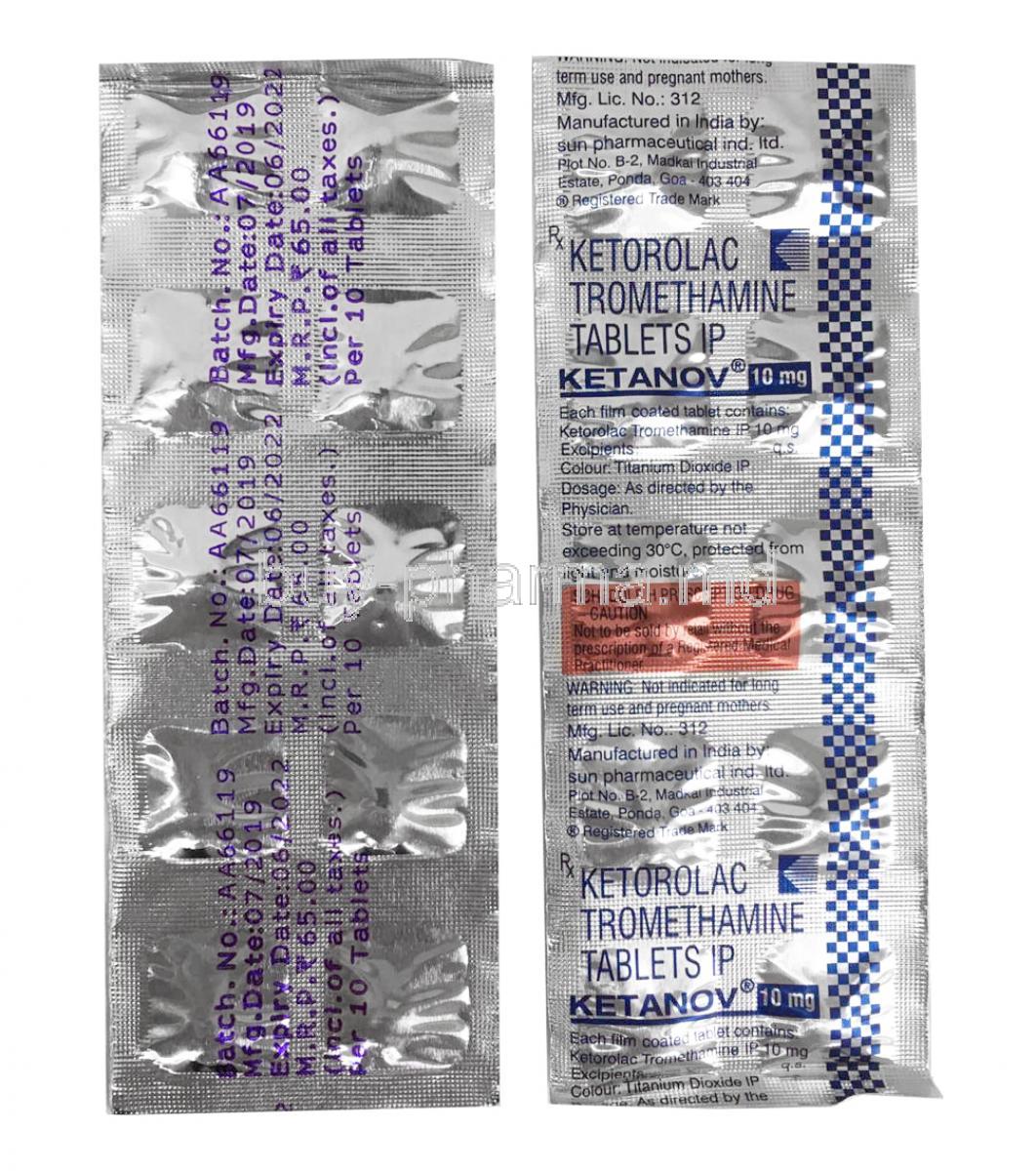
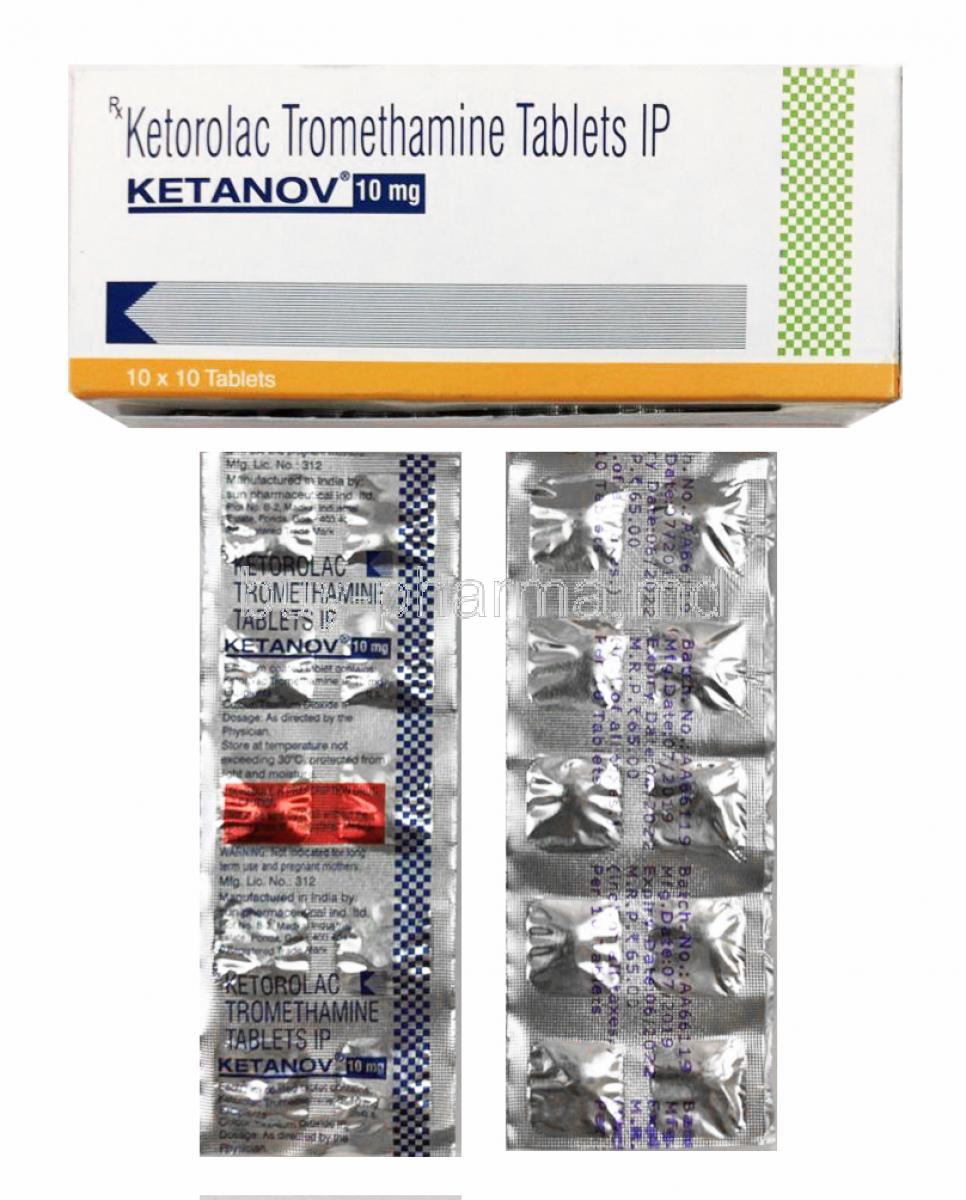
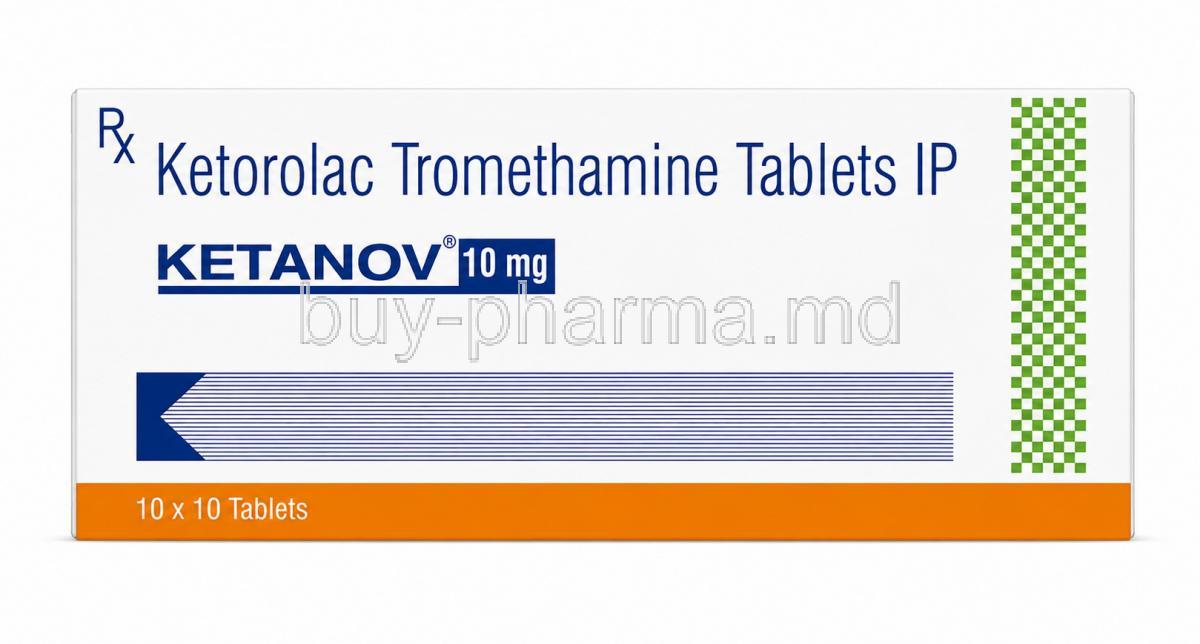
Strengths vary depending on dosage form. Injectable solutions commonly contain 30 mg/mL, while oral tablets often contain 10 mg. Packaging is typically configured to align with the five-day therapeutic limitation, discouraging extended use.
3. Mechanism of Action: How Ketorolac Works
3.1 Inhibition of Cyclooxygenase (COX-1 and COX-2)
Ketorolac non-selectively inhibits COX-1 and COX-2 enzymes. These isoenzymes catalyze the conversion of arachidonic acid into prostaglandins. By attenuating this enzymatic cascade, ketorolac suppresses inflammatory mediators at their source.
3.2 Reduction of Prostaglandin Synthesis
Prostaglandins sensitize peripheral nociceptors and amplify pain transmission. Their diminution leads to decreased hyperalgesia and edema. The result is tangible symptomatic relief. Swift. Potent.
3.3 Analgesic vs Anti-Inflammatory Effects
While ketorolac exerts anti-inflammatory activity, its principal clinical value resides in analgesia. Compared with traditional NSAIDs used for rheumatologic conditions, its anti-inflammatory role is secondary but clinically relevant in acute injury states.
3.4 Comparison with Opioid Analgesics
Ketorolac provides substantial pain control without causing respiratory depression or euphoria. It does not induce dependence. However, unlike opioids, it carries significant gastrointestinal and renal risks, particularly with extended exposure.
3.5 Onset of Action and Duration of Effect
Onset after intravenous administration may occur within 10 minutes. Intramuscular administration typically produces relief within 30 minutes. Duration extends 4–6 hours, permitting scheduled dosing in acute settings.
4. Approved Uses of Ketanov (Ketorolac)
4.1 Short-Term Management of Moderate to Severe Acute Pain
Indicated for acute pain requiring analgesia at the opioid level. It is not intended for minor discomfort or chronic pain syndromes.
4.2 Postoperative Pain Control
Frequently administered following orthopedic, abdominal, or gynecological surgery. It reduces postoperative opioid consumption, thereby diminishing opioid-related adverse effects.
4.3 Musculoskeletal Pain and Injury-Related Pain
Effective in sprains, strains, and acute soft tissue trauma. Inflammation and nociceptive amplification are attenuated simultaneously.
4.4 Renal Colic and Acute Flank Pain
Ketorolac is particularly efficacious in renal colic. It alleviates ureteral smooth muscle spasm and prostaglandin-mediated inflammation.
4.5 Dental Pain Management
Used after dental extraction or oral surgery. Provides robust analgesia without sedative sequelae.
4.6 Pain Associated with Trauma
In emergency medicine, ketorolac serves as a valuable non-opioid alternative in acute traumatic injuries.
4.7 Ophthalmic Use After Eye Surgery
Topical ketorolac reduces postoperative ocular inflammation and discomfort. It may also limit cystoid macular edema in certain cases.
5. Off-Label Uses of Ketorolac
5.1 Migraine and Acute Headache Management
Administered parenterally in emergency settings for severe migraine attacks. It mitigates neurogenic inflammation implicated in migraine pathophysiology.
5.2 Cancer-Related Pain (Adjunctive Therapy)
Utilized adjunctively for acute exacerbations of malignancy-associated pain. Not a substitute for comprehensive oncologic analgesic regimens.
5.3 Dysmenorrhea (Severe Menstrual Pain)
By reducing uterine prostaglandin synthesis, ketorolac alleviates cramping and pelvic discomfort.
5.4 Acute Gout Flares
Occasionally employed to manage inflammatory arthropathy during acute gout episodes.
5.5 Emergency Department Pain Protocols
Incorporated into multimodal analgesic algorithms. Particularly useful where opioid minimization strategies are prioritized.
5.6 Prevention of Postoperative Opioid Requirement
Prophylactic administration may reduce cumulative opioid exposure in surgical patients.
5.7 Biliary Colic and Other Visceral Pain
May alleviate smooth muscle spasm-related pain in hepatobiliary conditions, though use remains clinician-dependent.
6. Dosage and Administration Guidelines
6.1 Recommended Adult Dosage (Oral and Parenteral)
Typical adult dosing includes 30 mg intramuscularly every 6 hours, not exceeding maximum daily limits. Oral dosing often follows parenteral therapy at 10 mg every 4–6 hours as needed.
6.2 Maximum Duration of Therapy (5-Day Limit)
Total combined duration of injectable and oral therapy must not exceed five days. Prolonged administration markedly increases adverse event risk.
6.3 Transition from Injectable to Oral Therapy
Patients may transition once clinically stable and capable of oral intake. Cumulative dosing must be calculated meticulously.
6.4 Dose Adjustments in Renal Impairment
Reduced dosing is mandated in patients with compromised renal function. Severe renal insufficiency constitutes a contraindication.
6.5 Weight-Based Dosing Considerations
Lower body weight and advanced age necessitate dosage reduction to mitigate toxicity.
6.6 Administration Instructions for Ophthalmic Formulations
Instill one drop into the affected eye as prescribed. Avoid contamination of the dropper tip. Contact lenses should generally be removed prior to administration.
7. Common Side Effects of Ketanov
7.1 Gastrointestinal Symptoms (Nausea, Dyspepsia, Abdominal Pain)
The most frequently reported adverse events involve the gastrointestinal tract. Patients may experience epigastric discomfort or transient nausea.
7.2 Headache and Dizziness
Central nervous system manifestations are typically mild and self-limited.
7.3 Drowsiness and Fatigue
Although less sedating than opioids, mild somnolence can occur.
7.4 Injection Site Reactions
Localized pain or induration may follow intramuscular injection.
7.5 Mild Edema and Fluid Retention
Fluid retention may be observed, particularly in susceptible individuals.
8. Serious Side Effects and Safety Risks
8.1 Gastrointestinal Bleeding and Ulceration
Ketorolac carries a significant risk of gastrointestinal hemorrhage. Ulceration may occur without prodromal symptoms. Vigilance is essential.
8.2 Cardiovascular Events (Myocardial Infarction and Stroke)
NSAID therapy may elevate thrombotic risk, particularly in individuals with preexisting cardiovascular disease.
8.3 Renal Impairment and Acute Kidney Injury
Prostaglandin inhibition reduces renal perfusion. In susceptible patients, this may precipitate acute kidney injury.
8.4 Hypersensitivity Reactions and Anaphylaxis
Hypersensitivity, including bronchospasm and anaphylaxis, may occur in NSAID-sensitive individuals.
8.5 Hematologic Effects and Bleeding Risk
Ketorolac inhibits platelet aggregation. Consequently, bleeding time may be prolonged.
8.6 Hepatic Dysfunction
Although less common, elevations in hepatic transaminases and rare hepatic injury have been reported. Clinical monitoring is recommended when indicated.
9. Drug Interactions
9.1 Interaction with Other NSAIDs
Concurrent administration of ketorolac with other nonsteroidal anti-inflammatory drugs is strongly discouraged. The cumulative inhibition of cyclooxygenase pathways amplifies the risk of gastrointestinal mucosal erosion and renal hypoperfusion. The effect is not merely additive. It can be synergistic and clinically deleterious.
- Increased risk of peptic ulceration
- Heightened probability of gastrointestinal hemorrhage
- Augmented renal adverse events
Simultaneous use offers negligible incremental analgesic benefit while substantially magnifying toxicity. Prudent prescribing avoids therapeutic redundancy.
9.2 Concomitant Use with Anticoagulants and Antiplatelet Agents
Ketorolac inhibits platelet aggregation through reversible suppression of thromboxane synthesis. When combined with anticoagulants such as warfarin or direct oral anticoagulants, the hemorrhagic propensity escalates considerably.
Similarly, coadministration with antiplatelet agents—such as aspirin or clopidogrel—exacerbates bleeding risk. Even minor mucosal lesions may precipitate clinically significant blood loss. Vigilance is imperative.
9.3 Interaction with Corticosteroids
The concomitant use of systemic corticosteroids and ketorolac potentiates gastrointestinal toxicity. Corticosteroids compromise mucosal defenses; ketorolac diminishes protective prostaglandins. The result may be catastrophic ulceration.
Combined therapy should be undertaken only with meticulous risk stratification and gastroprotective strategies where appropriate.
9.4 ACE Inhibitors and Diuretics
Ketorolac may attenuate the antihypertensive efficacy of ACE inhibitors. Additionally, prostaglandin inhibition can impair renal autoregulation, particularly in volume-depleted individuals receiving diuretics.
- Reduced glomerular filtration rate
- Potential for acute kidney injury
- Electrolyte imbalance
The “triple whammy” combination—NSAID, ACE inhibitor, and diuretic—requires extreme caution.
9.5 Selective Serotonin Reuptake Inhibitors (SSRIs)
Selective serotonin reuptake inhibitors interfere with platelet serotonin uptake, impairing hemostasis. When combined with ketorolac, the risk of gastrointestinal bleeding intensifies. This interaction is often underestimated. It should not be.
9.6 Alcohol and Gastrointestinal Risk
Alcohol consumption exacerbates gastric mucosal vulnerability. In combination with ketorolac, even moderate alcohol intake may precipitate dyspepsia, gastritis, or hemorrhage. Abstinence during therapy is advisable.
9.7 Methotrexate and Lithium Interaction
Ketorolac may reduce renal clearance of methotrexate and lithium, resulting in elevated serum concentrations and potential toxicity. Clinical manifestations may include nephrotoxicity, neurotoxicity, or hematologic suppression.
Therapeutic drug monitoring is essential when these agents are coadministered.
10. Warnings and Boxed Warnings
10.1 Risk of Serious Gastrointestinal Events
Ketorolac carries a prominent warning regarding gastrointestinal bleeding, ulceration, and perforation. These events may occur without antecedent symptoms. They may be fatal.
Risk factors include advanced age, prior ulcer disease, and concurrent anticoagulant use.
10.2 Cardiovascular Thrombotic Risk
Nonsteroidal anti-inflammatory drugs, including ketorolac, may elevate the risk of myocardial infarction and stroke. The hazard may increase with duration of use and in patients with preexisting cardiovascular disease.
10.3 Limitation to Short-Term Use Only
Total duration of therapy must not exceed five days. This limitation reflects the exponential increase in adverse events observed with prolonged exposure.
Short-term use. Defined limits. No exceptions without compelling justification.
10.4 Bleeding Risk and Platelet Inhibition
By inhibiting platelet aggregation, ketorolac prolongs bleeding time. This effect is reversible but clinically relevant, particularly in surgical or trauma settings.
10.5 Post-Coronary Artery Bypass Graft (CABG) Surgery Contraindication
Ketorolac is contraindicated in the perioperative setting of coronary artery bypass graft surgery. The incidence of cardiovascular complications in this context is unacceptably high.
11. Contraindications
11.1 Active Peptic Ulcer Disease
Active gastrointestinal ulceration constitutes an absolute contraindication. Prostaglandin suppression compromises mucosal integrity and impedes healing.
11.2 History of Gastrointestinal Bleeding
Patients with prior gastrointestinal hemorrhage face elevated recurrence risk. Alternative analgesics should be considered.
11.3 Advanced Renal Impairment
Severe renal dysfunction precludes ketorolac use. Reduced renal perfusion may precipitate acute decompensation.
11.4 Hypersensitivity to Ketorolac or Other NSAIDs
Individuals with prior hypersensitivity reactions—including bronchospasm or anaphylaxis—should not receive ketorolac.
11.5 Hemorrhagic Disorders
Underlying coagulopathies increase susceptibility to bleeding complications. Ketorolac is contraindicated in such contexts.
11.6 Third Trimester of Pregnancy
Use during the third trimester may induce premature closure of the ductus arteriosus and impair fetal renal function.
11.7 Concurrent Use with Probenecid
Probenecid significantly reduces ketorolac clearance, increasing systemic exposure. Combined use is contraindicated.
12. Careful Administration and Important Precautions
12.1 Patients with Cardiovascular Disease
Individuals with ischemic heart disease, hypertension, or heart failure require cautious evaluation. NSAID-induced fluid retention and thrombotic risk may exacerbate underlying pathology.
12.2 Patients with Gastrointestinal Risk Factors
Advanced age, Helicobacter pylori infection, and concomitant anticoagulant therapy heighten gastrointestinal vulnerability. Gastroprotective measures may be warranted.
12.3 Renal and Hepatic Impairment Considerations
Renal and hepatic function should be assessed prior to initiation. Even mild impairment may necessitate dosage modification or avoidance.
12.4 Monitoring Parameters During Treatment
Clinical monitoring may include:
- Serum creatinine and renal function indices
- Liver transaminases
- Signs of gastrointestinal bleeding
Early detection of adverse effects mitigates morbidity.
12.5 Risk-Benefit Assessment Before Initiation
Every prescription should follow a judicious evaluation of anticipated benefit versus potential harm. Analgesic potency must be weighed against systemic risk.
13. Administration to Special Populations
13.1 Administration to Elderly Patients
Elderly individuals exhibit increased sensitivity to NSAID-induced toxicity. Age-related physiological changes amplify risk.
Increased Risk of Gastrointestinal and Renal Complications
Reduced mucosal resilience and diminished renal reserve predispose older patients to serious complications.
Dose Reduction Recommendations
Lower maximum daily doses are recommended. Careful titration minimizes harm while preserving analgesia.
13.2 Administration to Pregnant Women
NSAID exposure during pregnancy requires circumspection.
Risks in First and Second Trimesters
Potential associations with miscarriage and fetal renal impairment have been described.
Contraindication in Third Trimester
Use is contraindicated due to risk of premature ductus arteriosus closure and fetal pulmonary hypertension.
Effects on Fetal Circulation
Prostaglandin inhibition alters fetal hemodynamics, potentially compromising circulatory adaptation.
13.3 Administration to Nursing Mothers
Ketorolac is excreted in small quantities into breast milk.
Drug Excretion in Breast Milk
Although concentrations are generally low, infant exposure cannot be excluded.
Clinical Considerations for Lactation
Short-term use with caution may be permissible; prolonged therapy is discouraged.
13.4 Administration to Children
Pediatric use is restricted and typically confined to specific clinical circumstances.
Age Restrictions and Approved Indications
Approval varies by jurisdiction. Neonates are generally excluded.
Pediatric Dosing Considerations
Weight-based dosing is essential to avoid toxicity.
Safety Data Limitations
Long-term pediatric safety data remain limited. Caution prevails.
14. Overdose and Toxicity Management
14.1 Symptoms of Ketorolac Overdose
Manifestations may include abdominal pain, nausea, vomiting, drowsiness, and gastrointestinal bleeding. Severe cases may involve renal failure or metabolic acidosis.
14.2 Gastrointestinal and Renal Complications
Ulceration and acute kidney injury represent principal complications. Early recognition is vital.
14.3 Emergency Management and Supportive Care
There is no specific antidote. Management is supportive, focusing on hemodynamic stabilization and symptomatic treatment.
14.4 Role of Activated Charcoal
Activated charcoal may be considered shortly after ingestion to reduce systemic absorption.
14.5 Monitoring After Overdose
Continuous monitoring of renal function, hemoglobin levels, and vital signs is recommended until clinical stability is achieved.
15. Storage and Stability
15.1 Recommended Storage Temperature
Store at controlled room temperature, typically between 20°C and 25°C, unless otherwise specified.
15.2 Protection from Light and Moisture
Injectable solutions should be shielded from excessive light exposure. Tablets must be kept in a dry environment.
15.3 Shelf Life and Expiry Considerations
Use beyond the stated expiration date is contraindicated. Chemical degradation may compromise efficacy and safety.
15.4 Safe Disposal Guidelines
Unused medication should be disposed of according to local pharmaceutical waste regulations. Environmental contamination must be avoided.
16. Handling Precautions
16.1 Safe Handling of Injectable Formulations
Healthcare professionals should inspect vials for particulate matter or discoloration before administration.
16.2 Aseptic Technique for Parenteral Administration
Strict aseptic technique reduces infection risk. Sterility is paramount.
16.3 Avoiding Contamination of Ophthalmic Solutions
The dropper tip must not contact ocular surfaces or external contaminants.
16.4 Disposal of Unused or Expired Medication
Expired vials and tablets should be discarded in compliance with institutional pharmaceutical waste protocols.
16.5 Institutional Safety Protocols for Healthcare Settings
Hospitals should implement standardized procedures governing storage, administration, and disposal. Structured protocols reduce medication errors and enhance patient safety.
 Verified Purchase
back pain
easy to use verses injections
Ketanov, Ketorolac FAQ
- What is Ketanov used for?
- Is Ketanov the same as ibuprofen?
- Is Ketanov strong?
- Is Ketanov good for toothache?
- Who should not take Ketanov?
- How long does Ketanov work?
- What is the other name for Ketanov?
- Is Ketanov a prescription drug?
- Can I take ibuprofen with ketanov?
- What are the common side effects of Ketanov?
- Is ketanov anti-inflammatory?
- Is Ketanov a narcotic?
- Is ketanov good for migraines?
- Is ketanov safe?
- Is ketanov good for toothache?
- How long does ketanov work?
- What should I avoid while taking Ketanov?
- What is ketorolac drug used for?
- Is ketorolac the same as tramadol?
- Is ketorolac 10 mg a strong painkiller?
- Why is ketorolac limited to 5 days?
- What is a stronger painkiller than ketorolac?
- Can ketorolaco affect your kidneys?
- Who cannot take ketorolac?
- What is Ketanov used for?
- Is Ketanov the same as ibuprofen?
- Is Ketanov strong?
- Is Ketanov good for toothache?
- Who should not take Ketanov?
- How long does Ketanov work?
- What is the other name for Ketanov?
- Is Ketanov a prescription drug?
- Can I take ibuprofen with ketanov?
- What are the common side effects of Ketanov?
- Is ketanov anti-inflammatory?
- Is Ketanov a narcotic?
- Is ketanov good for migraines?
- Is ketanov safe?
- Is ketanov good for toothache?
- How long does ketanov work?
- Is ketorolac the same as tramadol?
- Is ketorolac 10 mg a strong painkiller?
- Can ketorolaco affect your kidneys?
What is Ketanov used for?
Ketanov 10mg Tablet is a medication that helps with moderate to severe pain for a short period of time. It works well to relieve pain, reduce inflammation, and lower fever.
Is Ketanov the same as ibuprofen?
Ketorolac is a medication that helps with short-term pain relief, typically for up to five days, for pain that's moderate to severe and would usually need stronger painkillers. On the other hand, ibuprofen is used to treat a range of conditions that cause mild to moderate pain, inflammation, and fever - it's a versatile medication that can help with many different types of diseases.
Is Ketanov strong?
Ketanov is a potent nonsteroidal antiinflammatory drug (NSAID)
Is Ketanov good for toothache?
Ketanov DT Tablet 10 mg is used to manage moderate to severe pain, including postoperative pain, acute musculoskeletal pain, menstrual cramps, migraine attacks, and dental pain.
Who should not take Ketanov?
Patients with kidney injury
How long does Ketanov work?
5 days
What is the other name for Ketanov?
Ketorolac tromethamine
Is Ketanov a prescription drug?
No
Can I take ibuprofen with ketanov?
No
What are the common side effects of Ketanov?
- Nausea
- Stomachache
- Vomiting
Is ketanov anti-inflammatory?
Yes
Is Ketanov a narcotic?
No
Is ketanov good for migraines?
Yes
Is ketanov safe?
Yes
Is ketanov good for toothache?
Ketanov DT Tablet 10 mg is used to manage moderate to severe pain, including postoperative pain, acute musculoskeletal pain, menstrual cramps, migraine attacks, and dental pain
How long does ketanov work?
5 days
What should I avoid while taking Ketanov?
- Alcohol
- Corticosteroids
- Warfarin
- Patients with asthma, skin rash, and edema
What is ketorolac drug used for?
- Moderate to severe pain
- Post surgery
- Fractures
Is ketorolac the same as tramadol?
Ketorolac (NSAID) reduces pain by blocking inflammation, ideal for acute tissue injury, while Tramadol (opioid/serotonin-norepinephrine reuptake inhibitor) targets central pain pathways but carries addiction risk and more CNS side effects like drowsiness
Is ketorolac 10 mg a strong painkiller?
Yes
Why is ketorolac limited to 5 days?
- Reduce cardiac events
- Reduce Ulcers
- Reduce bleeding
What is a stronger painkiller than ketorolac?
Tramadol
Can ketorolaco affect your kidneys?
Yes
Who cannot take ketorolac?
- Patients with renal disease or kidney failure
What is Ketanov used for?
Ketanov 10mg Tablet is a medication that helps with moderate to severe pain for a short period of time. It works well to relieve pain, reduce inflammation, and lower fever.
Is Ketanov the same as ibuprofen?
Ketorolac is a medication that helps with short-term pain relief, typically for up to five days, for pain that's moderate to severe and would usually need stronger painkillers. On the other hand, ibuprofen is used to treat a range of conditions that cause mild to moderate pain, swelling, and fever. It's a versatile medication that can help with various types of pain and inflammation.
Is Ketanov strong?
Yes
Is Ketanov good for toothache?
Ketanov DT Tablet is a medication that helps with pain. It's used for a lot of different types of pain, like after surgery, muscle and bone pain, menstrual cramps, migraines, and toothaches.
Who should not take Ketanov?
Patients with kidney injury
How long does Ketanov work?
5 days
What is the other name for Ketanov?
Ketorolac tromethamine
Is Ketanov a prescription drug?
No
Can I take ibuprofen with ketanov?
No
What are the common side effects of Ketanov?
- Constipation
- Stomachache
- Vomiting
Is ketanov anti-inflammatory?
Yes
Is Ketanov a narcotic?
No
Is ketanov good for migraines?
Yes
Is ketanov safe?
Yes
Is ketanov good for toothache?
Yes
How long does ketanov work?
5 days
Is ketorolac the same as tramadol?
Ketorolac (NSAID) reduces pain by blocking inflammation, ideal for acute tissue injury, while Tramadol (opioid/serotonin-norepinephrine reuptake inhibitor) targets central pain pathways but carries addiction risk and more CNS side effects like drowsiness
Is ketorolac 10 mg a strong painkiller?
Yes
Can ketorolaco affect your kidneys?
Yes
Customers also bought
Popular Products
Similar Product