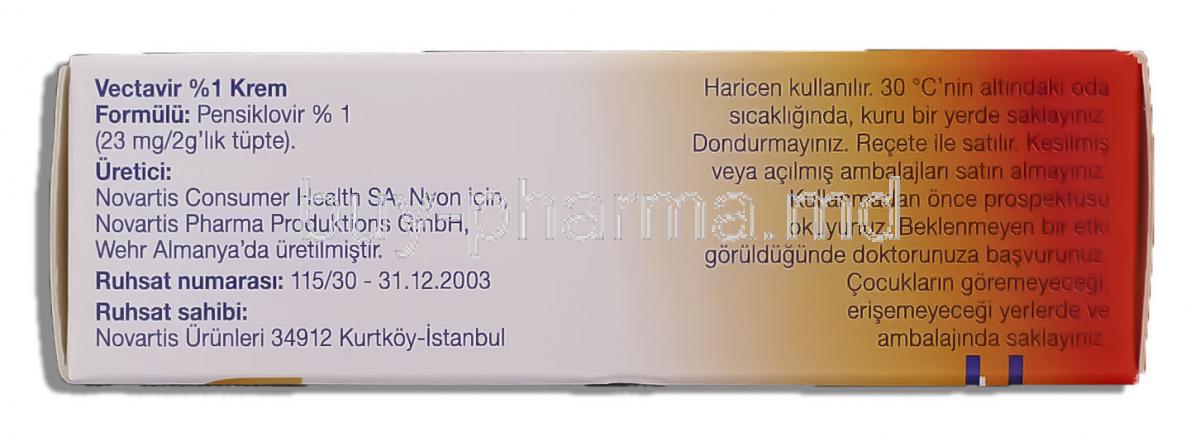
Introduction to Vectavir Penciclovir Cream
Overview of Vectavir brand and generic penciclovir topical formulation
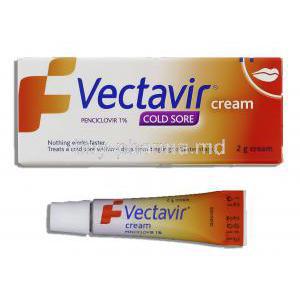
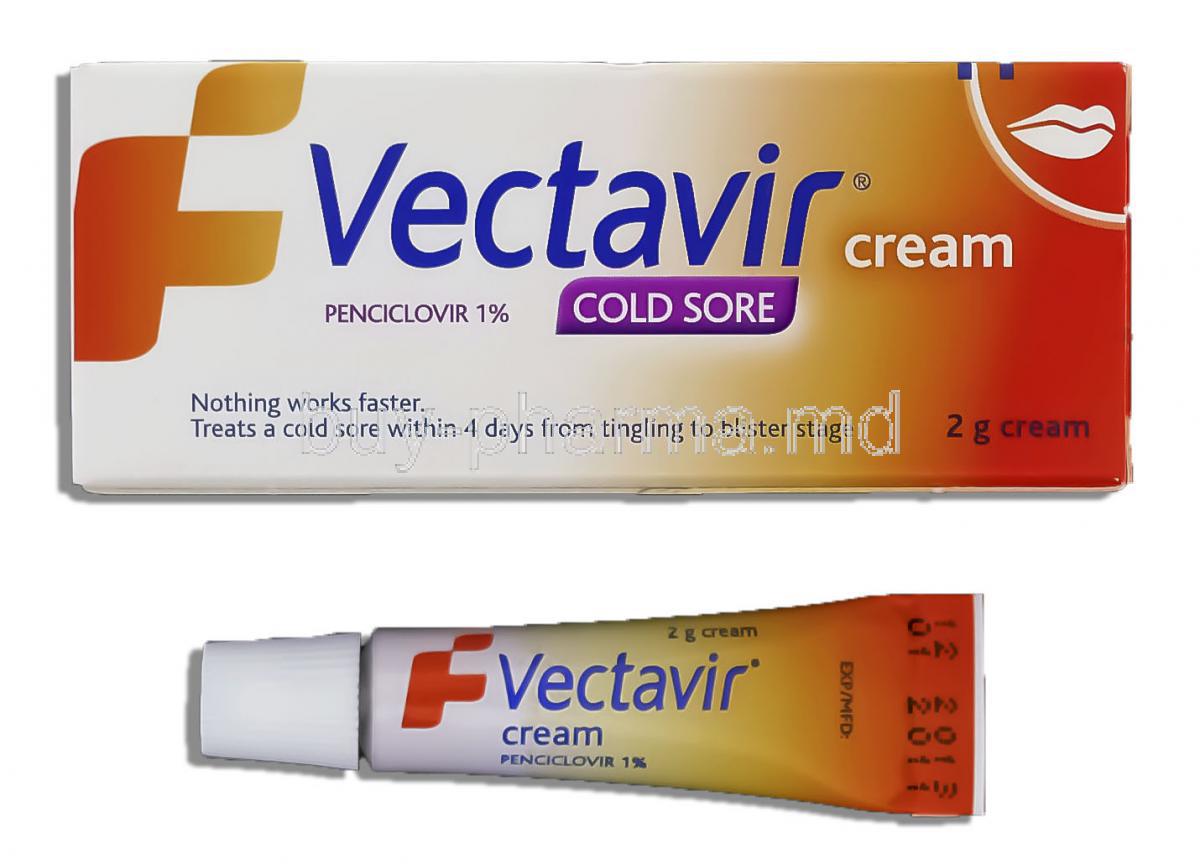
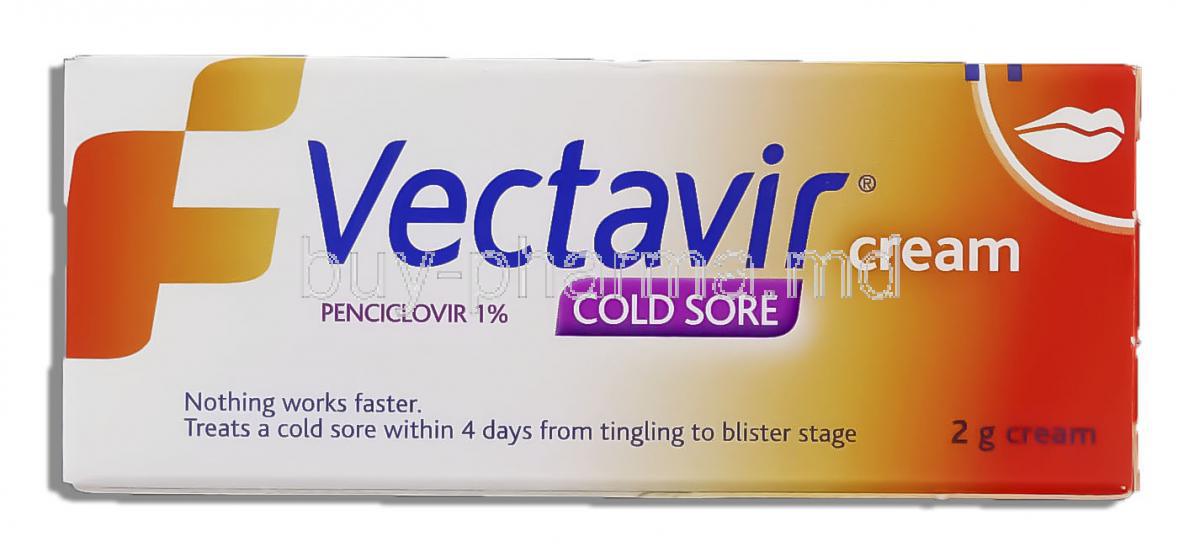
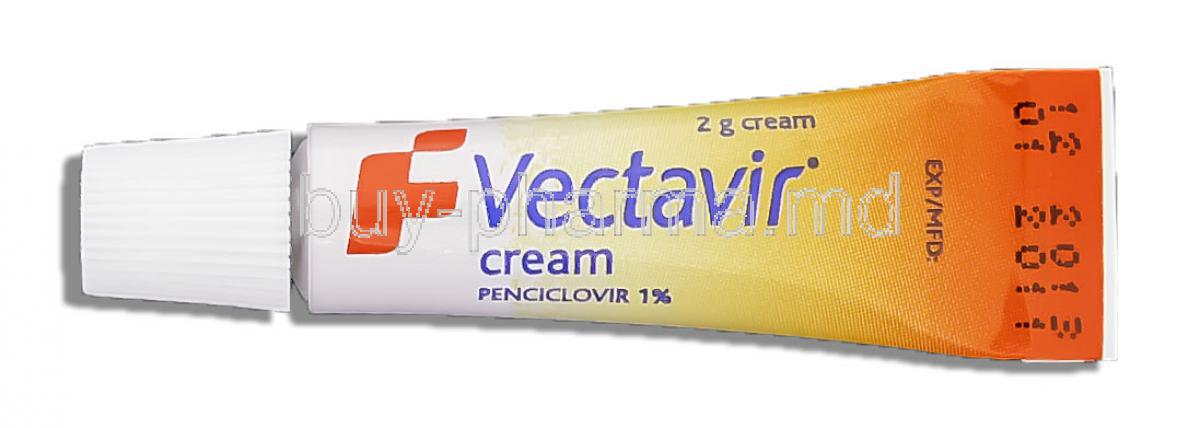
Vectavir is a topical antiviral cream containing the active agent penciclovir. It is formulated for direct dermal application, delivering the pharmacological effect directly to the replicating viral particles in superficial epidermal strata. Many generic equivalents exist, but the branded formulation remains well-recognized in dermatological care.
- Topical route allows enhanced concentration at viral replication sites
- Non-systemic exposure minimizes systemic adverse events
Regulatory status and therapeutic classification of topical antiviral creams
This cream exists under the pharmacotherapeutic category of topical nucleoside analogue antivirals. It is approved in multiple jurisdictions as a non-systemic intervention for cold sores. Regulatory frameworks classify penciclovir cream as pharmacist-dispensed in many markets, with some countries requiring prescription oversight.
Differences between penciclovir cream and oral systemic antivirals
Oral antivirals circulate throughout the bloodstream, while penciclovir cream exerts activity only where applied. The localized methodology reduces plasma concentration exposure, yet achieves high micro-environmental antiviral pressure.
- High topical concentration at lesion site
- Minimal hepatic metabolism burden
- Preferable for mild to moderate episodic lesions
Approved Uses of Vectavir Penciclovir Cream
Treatment of recurrent cold sores (herpes labialis)
Penciclovir cream is clinically utilized for recurrent herpes labialis episodes. It is particularly suitable when prodromal sensations such as tingling, burning or tightness are detected early.
Symptom reduction and shortened healing duration in HSV-1 outbreaks
Clinical research demonstrates shortening of lesion evolution timeframes. The duration of crusting, edema, exudation and vesicular rupture phases may be meaningfully diminished.
Off-Label Uses and Emerging Clinical Interest
Use in immunocompromised patients under specialist direction
In immunocompromised populations, lesion severity is often heightened. Sometimes penciclovir cream is deployed as adjunctive surface therapy under expert supervision.
Possible use in recurrent genital herpes lesions when oral therapy not tolerated
Occasionally penciclovir may be considered when oral antivirals precipitate intolerances or digestive disruption. Benefits are targeted and localized — yet limited by anatomical moisture levels.
Consideration in herpes zoster lesions as adjunctive therapy
Some practitioners utilize penciclovir in combination approaches for cutaneous shingles eruptions. This is not mainstream, yet anecdotal support persists.
How Vectavir Penciclovir Cream Works
Antiviral mechanism of action against Herpes Simplex Virus
Penciclovir is phosphorylated intracellularly after entry into infected cells and selectively acts where viral thymidine kinase is present. This yields sophisticated selectivity for virally-infected keratinocytes.
Inhibition of viral DNA polymerase and suppression of viral replication
It inhibits viral DNA polymerase — thereby quenching nucleoside incorporation and halting replication. Progression from vesicle to ulcer to crust is disrupted.
Difference between penciclovir and acyclovir pharmacodynamics
Penciclovir exhibits prolonged intracellular retention compared to acyclovir, resulting in sustained antiviral activity. The intracellular half-life confers enduring suppression of viral polymerase.
Composition and Formulation Details
Active ingredient concentration of penciclovir
Typical concentration is 1% penciclovir – standardized and applied in most global formulations. This concentration is validated for cutaneous stability and dermatological compatibility.
Topical excipients, base materials, and dermal absorption characteristics
Emollients, stabilisers and humectants are used to enhance viscosity, spreadability and percutaneous absorption. These improve dermal bioavailability and aesthetic feel.
Dosage and Administration Guidelines
Frequency and application timing throughout the day
It is commonly applied every two hours while awake. Micro-dosing intervals enhance viral suppression.
Optimal initiation window at tingling or prodromal stage
Application ideally begins at the earliest prodromal signals. This mitigates lesion maturation before vesicular eruption.
Duration of treatment and expected timeline for symptomatic reduction
Course duration is typically four days. Most individuals experience perceptible symptomatic attenuation within 24–48 hours.
Administration in Special Populations
Administration to elderly – safety profile and skin considerations
Elderly individuals often have thinner dermal barriers. Mechanical gentle application is recommended, though adverse events remain minimal.
Administration to pregnant women and nursing mothers – fetal exposure risk and safety data
Systemic absorption is negligible. Nonetheless, pregnancy administration should follow physician directive.
Administration to children – age restrictions and pediatric caution
Use in pediatric populations may require tailored supervision. Formal safety data is available mainly for adolescent cohorts.
```html
Side Effects Profile of Vectavir Penciclovir Cream
Common side effects including local skin irritation and erythema
Most adverse reactions, if noted at all, remain mild and transient. Some individuals may observe ephemeral erythema, itching, tingling or burning at the applied region. These manifestations usually subside spontaneously with continued usage.
- Transient pruritus
- Localized burning sensation
- Erythematous discoloration
Potential allergic or hypersensitivity reactions
In seldom cases, hypersensitive individuals may experience more conspicuous inflammatory responses. This may include exaggerated redness, urticarial patching or vesicular reactivity. These reactions reflect cutaneous immune provocation — rather than the antiviral itself exerting cytotoxicity.
Escalating symptoms requiring medical review
Escalation of symptoms warrants immediate evaluation. If blistering, spreading dermatitis, severe pain or atypical growth in lesion diameter occurs, clinician guidance becomes essential.
Drug Interactions and Concomitant Product Use
Interactions with other topical antivirals, steroids, or OTC creams
Concurrent use with other topical antivirals or corticosteroids may lead to cumulative irritation. Many OTC analgesic or drying creams contain irritant adjuncts like camphor or menthol — which may potentiate discomfort when layered atop penciclovir.
Why combining multiple topical agents can worsen irritation
Excessive product layering increases occlusive load and destabilizes the stratum corneum barrier. Result: amplified irritation, delayed lesion resolution and heightened susceptibility to epidermal disruption.
Contraindications and Situations Where Use Is Not Recommended
Known hypersensitivity to penciclovir or formulation excipients
Individuals with known allergies to penciclovir or auxiliary excipients should abstain from therapy. Reaction risk supersedes therapeutic benefit.
Active second-degree skin infection at application site
If the lesion appears infected, purulent or suspiciously deep, topical antiviral monotherapy is insufficient. Such lesions require differential evaluation and antimicrobial decisions from a medical professional.
Important Warnings and Precautions
Avoid contact with mucosal surfaces and ocular tissues
The cream is not designed for mucosal absorption. Avoid entry into eyes, nostrils or oral cavity.
Avoid excessive application beyond prescribed frequency
More is not better. Excessive dosing can paradoxically elevate irritation.
Maintaining good hygiene to prevent spread of HSV
Cold sores are contagious. Proper hygiene minimizes viral propagation.
- Use dedicated towels
- Avoid lip-to-skin contact during outbreaks
- Refrain from sharing cutlery or lip-care objects
Careful Administration Considerations
Patients with severely damaged skin or dermatological disorders
Atopic skin, eczema or actively compromised epithelium may exhibit accentuated reaction thresholds. Dermatologist instruction becomes vital in such cases.
Use with caution in patients who experience frequent recurrences
Penciclovir is not intended to replace virologic suppression therapy. Individuals with high-frequency relapses may require systemic prophylaxis assessment.
Overdosage and Accidental Misuse
Expected outcome and toxicity risk from topical overdose
Topical overdose rarely induces systemic toxicity. Instead, the main risk includes local inflammation amplification.
Steps to take in case of accidental ingestion of cream
Accidental ingestion should be managed with oral rinsing and monitoring for gastrointestinal upset. Medical assistance is advisable where a substantial volume has been consumed.
Handling Precautions and Safe Use Practices
Hand hygiene before and after application
Meticulous hand sanitation reduces inadvertent viral translocation to other facial zones.
Avoid sharing the tube with other people to reduce transmission risk
Herpes Simplex Virus can spread via fomites. Shared containers magnify that risk.
Storage and Shelf Stability of Vectavir
Recommended storage temperature and light exposure considerations
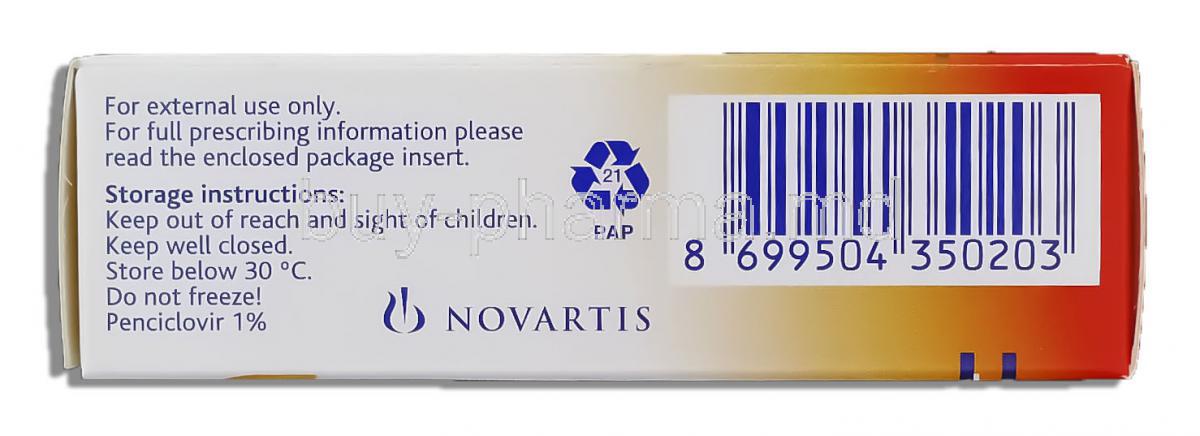
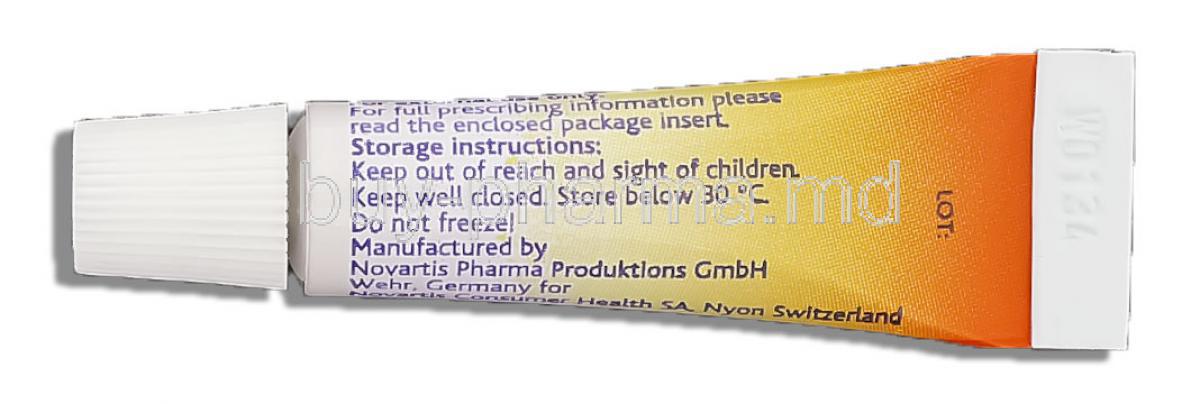
Store at controlled room temperature — preferably in a cool, light-shielded environment. Heat and UV exposure degrade molecular potency.
How to properly discard expired antiviral cream
Dispose of expired product via normal household waste unless local pharmaceutical disposal protocol suggests otherwise. Do not flush into water systems.
```
Customers also bought
Similar Product