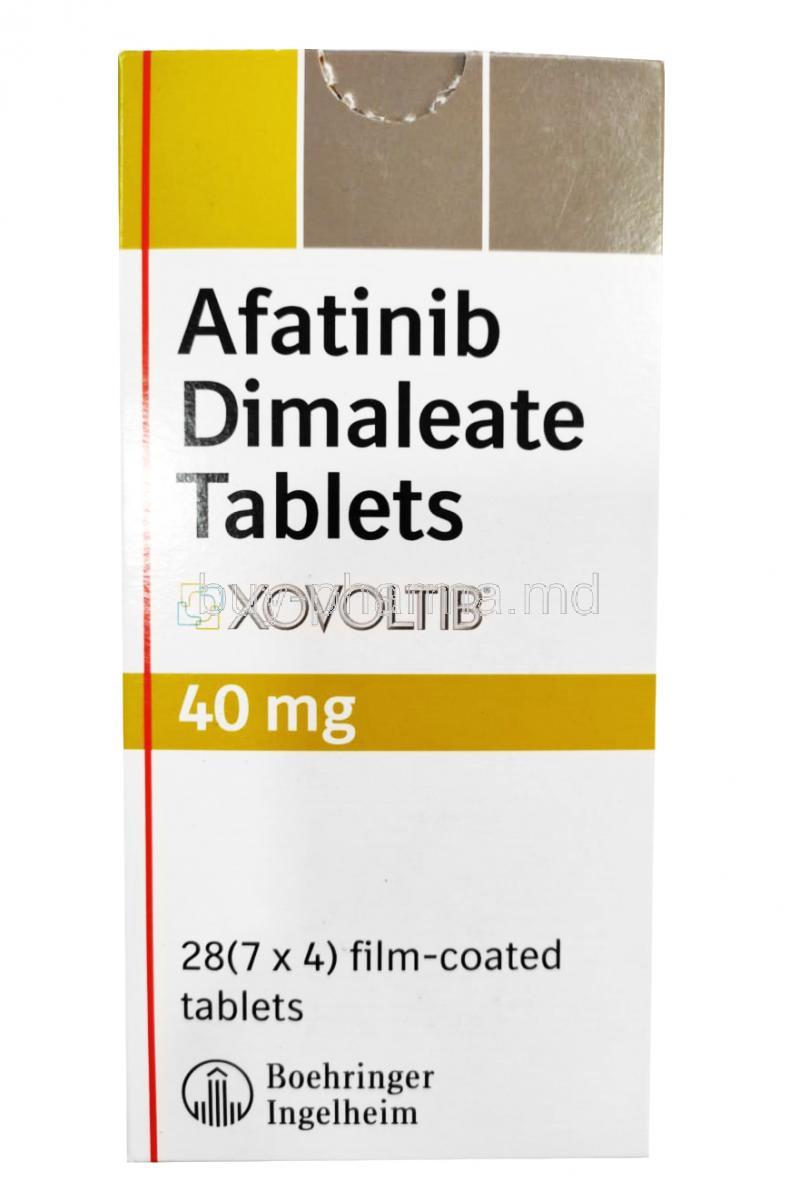
Introduction to Xovoltib (Afatinib)
Xovoltib, containing the active compound afatinib, is a molecularly targeted anticancer therapy developed for precision oncology. It is primarily utilized in tumors driven by aberrant epidermal growth factor receptor (EGFR) signaling, a hallmark of certain lung cancers. Rather than broadly attacking dividing cells, Xovoltib intervenes at a specific oncogenic pathway, offering a more tailored therapeutic approach.
Pharmacologically, afatinib is classified as an irreversible EGFR tyrosine kinase inhibitor (TKI). This irreversible binding distinguishes it from earlier agents and contributes to sustained receptor blockade. Within modern oncology treatment paradigms, afatinib occupies a critical role, particularly in first-line and sequential treatment strategies for EGFR mutation–positive malignancies.
Composition and Pharmaceutical Characteristics
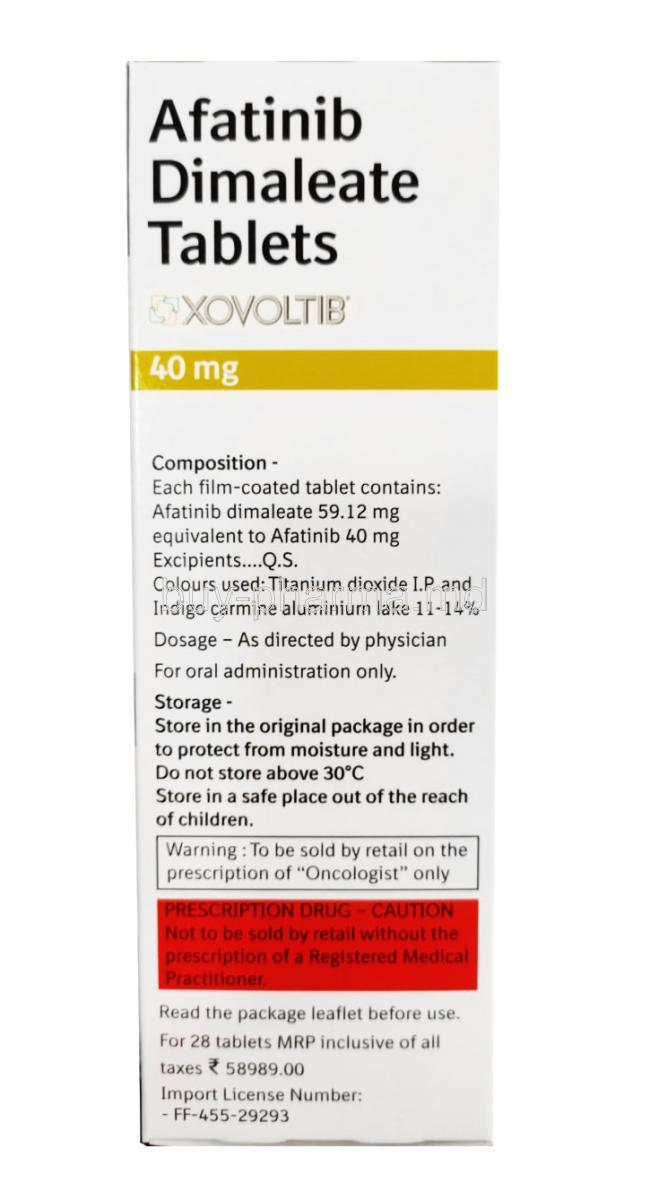
The active pharmaceutical ingredient in Xovoltib is afatinib dimaleate, a small-molecule kinase inhibitor designed for oral administration. It is formulated to achieve consistent systemic exposure while maintaining chemical stability.
- Available in multiple dosage strengths to allow individualized therapy
- Oral tablet formulation for once-daily administration
In addition to the active compound, the formulation contains inactive excipients that support tablet integrity, dissolution, and bioavailability. These excipients do not exert pharmacological effects but are essential for consistent drug delivery.
From a physicochemical standpoint, afatinib exhibits properties that favor gastrointestinal absorption while requiring protection from excessive moisture and heat to maintain stability throughout its shelf life.
How Xovoltib (Afatinib) Works – Mechanism of Action
Cancer progression in many epithelial tumors is driven by dysregulated signaling within the ErbB receptor family, particularly EGFR. Activation of these receptors initiates intracellular cascades that promote uncontrolled proliferation, survival, and metastasis.
Afatinib exerts its therapeutic effect through irreversible inhibition of:
- EGFR (ErbB1)
- ErbB2 (HER2)
By covalently binding to the kinase domain, afatinib permanently suppresses receptor signaling until new receptors are synthesized. This mechanism provides prolonged pathway inhibition and enhanced efficacy in tumors harboring activating EGFR mutations.
Unlike first-generation EGFR inhibitors, which bind reversibly, afatinib maintains activity in certain resistant tumor clones, thereby extending its clinical utility.
Approved Therapeutic Uses of Xovoltib
Treatment of EGFR Mutation–Positive Non-Small Cell Lung Cancer (NSCLC)
Xovoltib is approved for the treatment of metastatic non-small cell lung cancer in patients whose tumors harbor activating EGFR mutations. It is commonly prescribed as a first-line therapy, particularly in advanced disease.
Clinical efficacy has been demonstrated in tumors characterized by:
- EGFR exon 19 deletions
- EGFR exon 21 (L858R) substitution mutations
In these molecular subtypes, afatinib has shown the ability to delay disease progression and improve tumor control.
Treatment After Progression on Other EGFR TKIs
Xovoltib may also be utilized in patients who have experienced disease progression after treatment with reversible EGFR inhibitors. Its irreversible binding profile allows activity against certain resistant cancer cells.
The rationale for switching therapy lies in targeting persistent EGFR-driven signaling that remains active despite prior treatment, thereby restoring clinical response in select cases.
Off-Label and Investigational Uses
Beyond its approved indications, afatinib has been explored in several off-label and investigational settings. These uses are based on biological plausibility and emerging clinical evidence rather than formal regulatory approval.
- Squamous cell carcinoma of the lung following platinum-based chemotherapy
- EGFR-overexpressing solid tumors in experimental protocols
- Head and neck squamous cell carcinoma in research-driven applications
It is important to note that off-label use is constrained by limited evidence, variable response rates, and the need for careful clinical judgment.
Dosage and Administration Guidelines
Xovoltib is administered orally, typically once daily, at a standardized starting dose determined by clinical guidelines. Tablets should be taken at the same time each day to maintain steady plasma concentrations.
- Dose adjustments may be required based on tolerability
- Temporary interruption or dose reduction is recommended for severe adverse reactions
If a dose is missed, it should not be replaced if the next scheduled dose is imminent. Treatment duration generally continues until disease progression or unacceptable toxicity occurs.
Administration in Special Populations
Administration to Elderly Patients
Elderly patients may exhibit altered pharmacokinetics due to age-related physiological changes. While no routine dose reduction is mandated solely based on age, closer monitoring is advised.
Careful observation for gastrointestinal and dermatologic toxicity is particularly important in this population.
Administration to Pregnant Women and Nursing Mothers
Afatinib carries a significant risk during pregnancy due to its mechanism of action, which interferes with cellular growth pathways. Fetal harm is a potential concern, and use during pregnancy is generally contraindicated.
Breastfeeding is not recommended during therapy, as the potential for drug excretion into breast milk and subsequent infant exposure cannot be excluded.
Administration to Children and Adolescents
The safety and efficacy of Xovoltib in pediatric populations have not been established. As such, its use in children and adolescents is not recommended outside of controlled clinical trials.
Side Effects of Xovoltib (Afatinib)
The adverse effect profile of Xovoltib is closely linked to its inhibition of EGFR signaling in both malignant and normal epithelial tissues. Most side effects are predictable, dose-dependent, and manageable with appropriate intervention.
Common Side Effects
- Diarrhea and other gastrointestinal disturbances
- Stomatitis and oral mucositis
- Skin rash, acneiform eruptions, and inflammatory dermatitis
- Nail disorders, including paronychia
These reactions often appear early in treatment and may require supportive care or dose modification.
Less Common but Serious Side Effects
Although infrequent, serious adverse reactions have been reported and warrant immediate medical evaluation.
- Interstitial lung disease with respiratory compromise
- Hepatic dysfunction with elevated liver enzymes
- Severe cutaneous reactions affecting large body surface areas
- Ocular complications such as keratitis
Prompt recognition and management of these events are essential to minimize long-term morbidity.
Drug Interactions
Afatinib is subject to clinically relevant drug interactions that may alter its absorption, systemic exposure, or tolerability. Understanding these interactions is essential to maintain therapeutic efficacy while minimizing preventable toxicity.
Interactions Affecting Afatinib Absorption
Afatinib is administered orally and absorbed through the gastrointestinal tract. Factors that alter intestinal transit time or transporter activity can influence systemic drug exposure.
- Agents that accelerate gastrointestinal motility may reduce absorption
- Severe diarrhea can secondarily impair bioavailability
Consistent dosing conditions help reduce interpatient variability and support stable plasma concentrations.
P-glycoprotein (P-gp) Inhibitors and Inducers
Afatinib is a substrate of P-glycoprotein, an efflux transporter involved in drug disposition. Co-administration with P-gp modulators can significantly affect drug levels.
- P-gp inhibitors may increase afatinib exposure and toxicity risk
- P-gp inducers may reduce therapeutic concentrations
Clinical vigilance is required when initiating or discontinuing such agents, particularly during early treatment phases.
Interactions with Acid-Reducing Agents
Unlike some other tyrosine kinase inhibitors, afatinib absorption is not highly dependent on gastric pH. Nevertheless, extensive or chronic use of acid-reducing therapies may indirectly affect gastrointestinal physiology.
Judicious use of proton pump inhibitors, H2 antagonists, or antacids is advised, especially in patients experiencing gastrointestinal adverse effects.
Concomitant Anticancer Therapies
The combined use of afatinib with other anticancer agents may amplify toxicity without proportionate benefit unless supported by clinical evidence.
- Overlapping dermatologic or gastrointestinal toxicity is common
- Sequential rather than concurrent therapy is often preferred
Combination regimens should be reserved for controlled clinical settings or specialist-directed care.
Clinical Management of Interaction Risks
Effective interaction management relies on proactive medication review and patient education.
- Comprehensive assessment of prescription and non-prescription drugs
- Close monitoring following therapy changes
- Dose adjustment when clinically indicated
Warnings and Safety Information
Xovoltib therapy is associated with class-specific toxicities that require early recognition and timely intervention. Many adverse events are predictable and reversible when addressed promptly.
Risk of Severe Diarrhea and Dehydration
Diarrhea is one of the most frequently reported adverse reactions and may become severe if untreated.
- Early-onset diarrhea can occur within days of initiation
- Prolonged episodes increase the risk of dehydration and electrolyte imbalance
Immediate supportive management is essential to prevent secondary complications.
Pulmonary Toxicity Warnings
Interstitial lung disease–like events, though uncommon, represent a serious safety concern.
New or worsening respiratory symptoms such as dyspnea or persistent cough should prompt immediate clinical evaluation and treatment interruption.
Hepatotoxicity Considerations
Elevations in liver enzymes have been observed during therapy.
- Baseline and periodic hepatic monitoring is recommended
- Clinically significant abnormalities may necessitate dose modification
Dermatologic Toxicity Warnings
Cutaneous reactions reflect EGFR inhibition in normal epithelial tissue.
- Acneiform rash and dermatitis are common
- Severe skin reactions may require treatment interruption
Cardiac and Ocular Safety Considerations
Although less frequent, cardiac events and ocular complications such as keratitis have been reported. Persistent visual symptoms or cardiac complaints warrant specialist assessment.
Contraindications
Xovoltib is contraindicated in patients with known hypersensitivity to afatinib or any formulation component.
Use is not recommended in clinical scenarios where the risk profile outweighs potential benefit, including:
- History of severe drug-induced pulmonary toxicity
- Uncontrolled hepatic impairment
Alternative therapeutic strategies should be considered in such cases.
Careful Administration and Important Precautions
Appropriate patient selection and structured monitoring underpin safe and effective therapy.
Baseline Assessment Prior to Initiation
Before starting treatment, a comprehensive baseline evaluation is advised.
- Confirmation of EGFR mutation status
- Assessment of hepatic and pulmonary function
Monitoring During Long-Term Therapy
Continuous monitoring enables early detection of adverse effects.
- Regular clinical review
- Laboratory testing as clinically indicated
Dose Modification Strategies
Dose reductions or temporary interruptions are effective tools for managing toxicity without abandoning therapy.
Most adverse reactions improve following appropriate dose adjustment.
Patient Education and Adherence Considerations
Informed patients are better equipped to recognize early warning signs and maintain adherence.
- Clear guidance on symptom reporting
- Emphasis on consistent daily dosing
Overdosage Information
Data on afatinib overdose are limited, but excessive exposure is expected to intensify known toxicities.
Expected Symptoms of Afatinib Overdose
- Severe diarrhea
- Pronounced dermatologic reactions
Gastrointestinal and Dermatologic Manifestations
Overdose-related effects predominantly involve the gastrointestinal tract and skin, reflecting exaggerated pharmacologic activity.
Supportive and Symptomatic Management
There is no specific antidote. Management focuses on supportive care, fluid replacement, and symptomatic treatment.
Importance of Medical Supervision
All suspected overdoses require immediate medical evaluation and ongoing monitoring until resolution.
Storage and Stability
Proper storage preserves the chemical integrity and therapeutic effectiveness of Xovoltib.
Recommended Storage Conditions
Store at controlled room temperature in the original packaging.
Protection from Heat, Moisture, and Light
Exposure to excessive heat or humidity may compromise tablet stability and should be avoided.
Shelf-Life Considerations
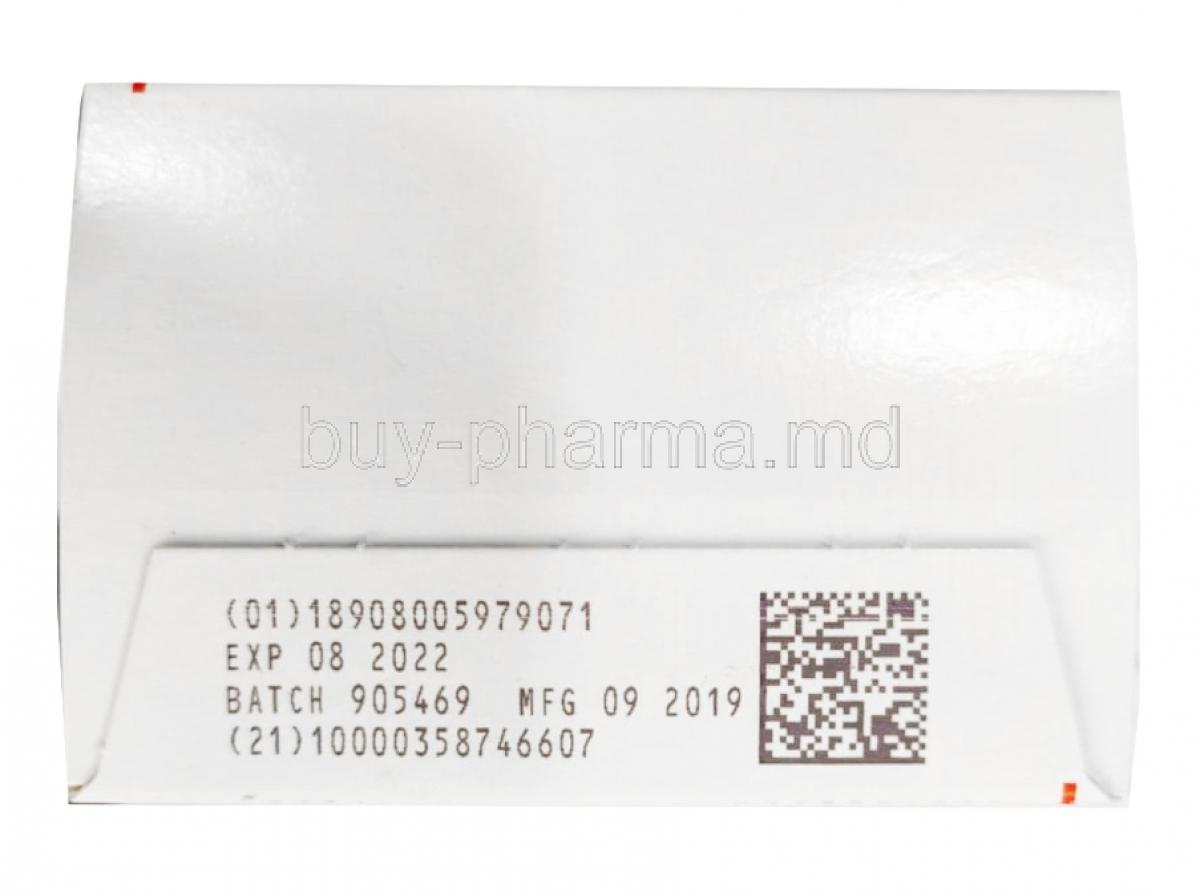
The product should not be used beyond its labeled expiration date.
Packaging and Labeling Guidance
Original packaging provides essential protection and includes critical safety information.
Handling Precautions
Although not classified as a hazardous cytotoxic agent, afatinib should be handled with care.
Safe Handling and Dispensing Practices
- Tablets should not be crushed or split
- Direct contact should be minimized
Recommendations for Caregivers and Healthcare Professionals
Caregivers assisting with administration should wash hands thoroughly after handling tablets.
Disposal of Unused or Expired Medication
Unused tablets should be disposed of in accordance with local pharmaceutical waste regulations.
Occupational Exposure Precautions
Routine handling does not require specialized protective equipment, but standard hygiene practices are advised to reduce incidental exposure.
Popular Products
Similar Product