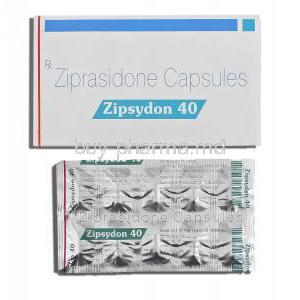
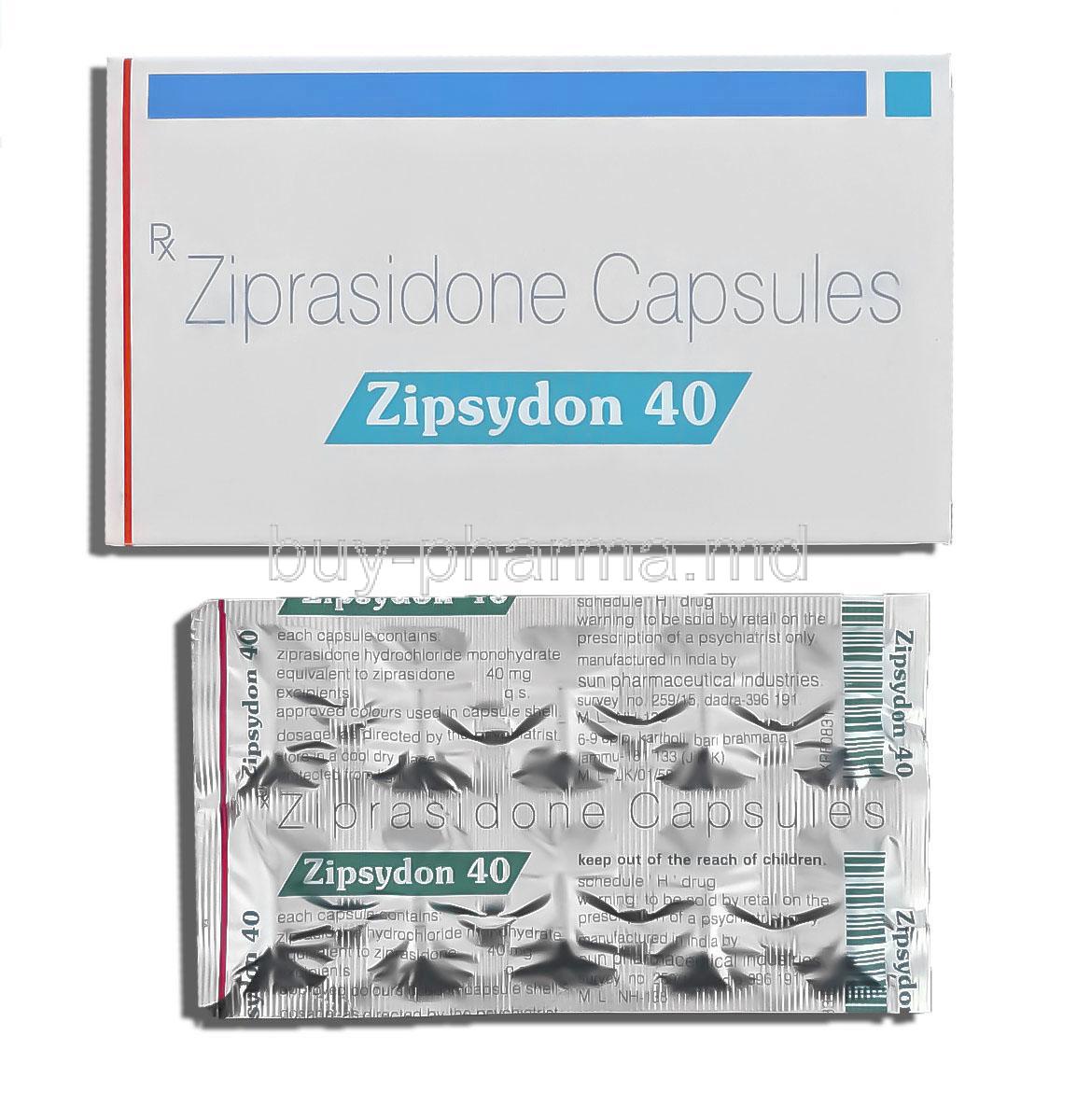
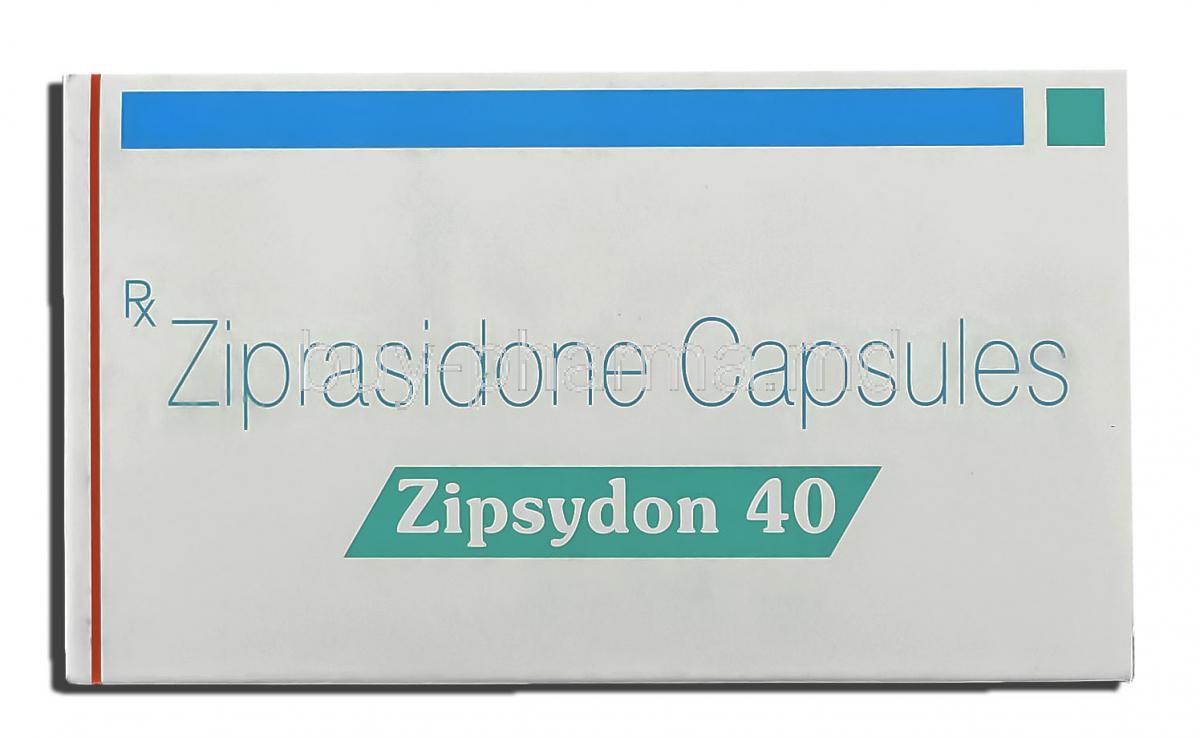
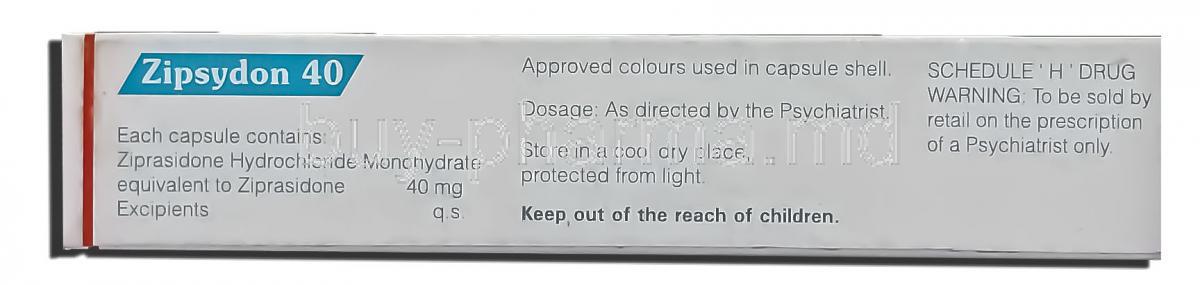
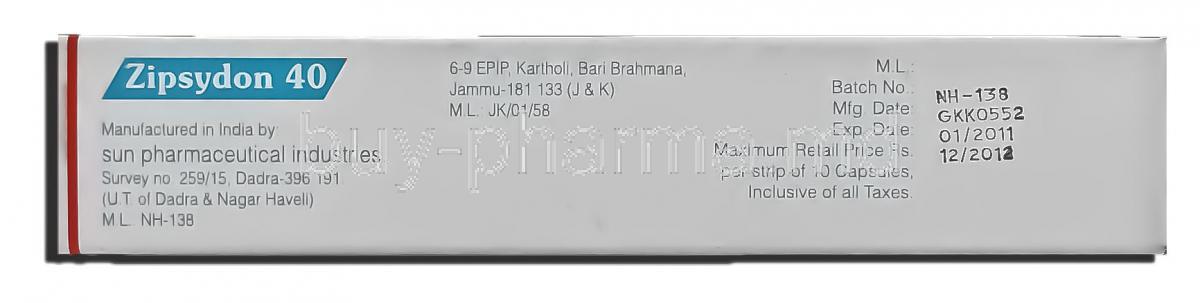
Introduction to Zipsydon (Ziprasidone)
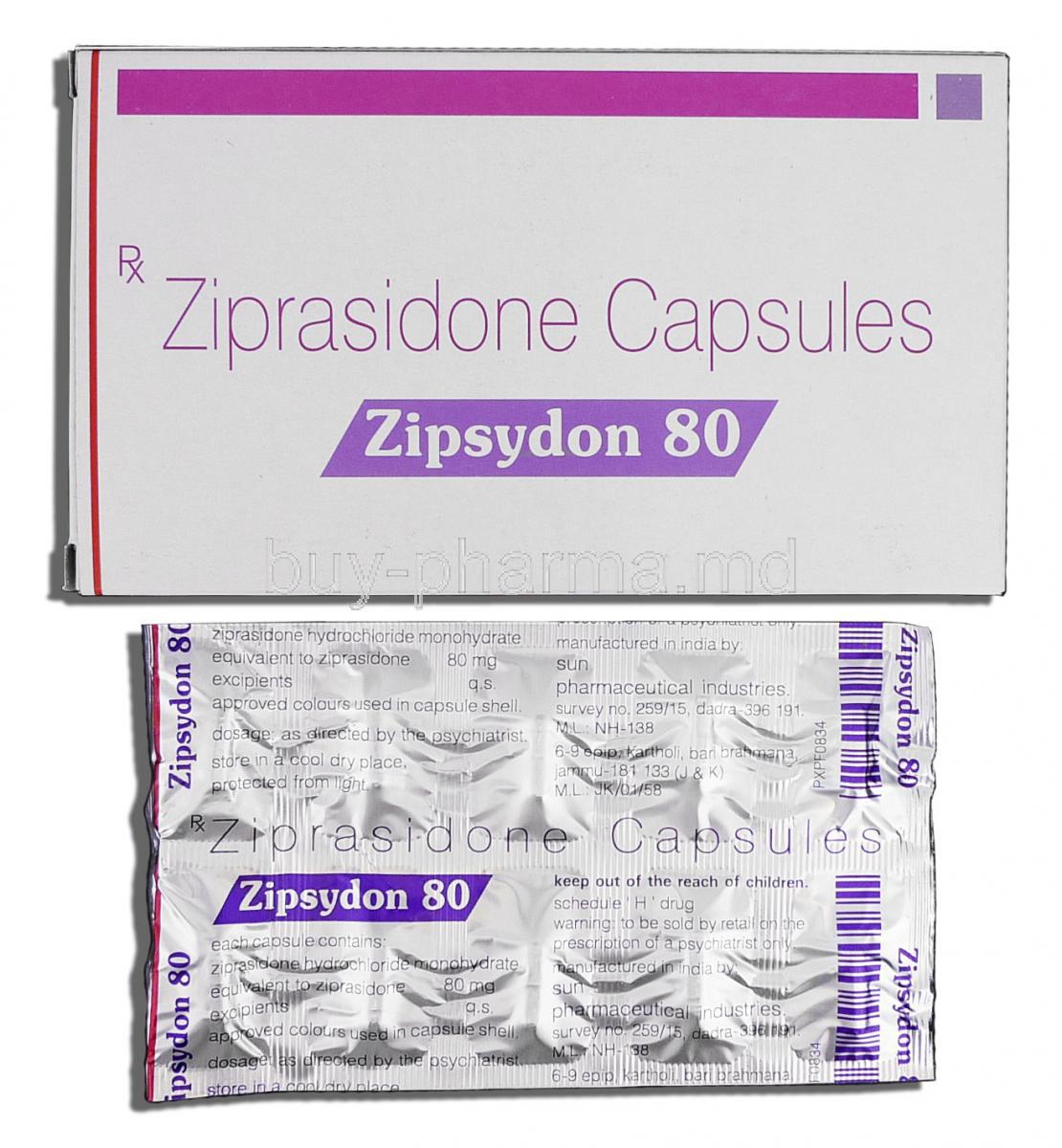
Zipsydon, known generically as ziprasidone, is a potent atypical antipsychotic prescribed for the management of severe psychiatric disorders. It exerts its effects through a complex modulation of neurotransmitter activity, offering relief from debilitating psychotic symptoms. Since its approval in multiple global markets, Zipsydon has become an integral option in psychiatric care.
The medication received regulatory clearance in the late 1990s, with the U.S. Food and Drug Administration and other authorities granting approval for schizophrenia and bipolar disorder indications. It is marketed under various brand names worldwide, with pharmaceutical manufacturing adhering to stringent quality protocols to ensure therapeutic consistency.
Composition and Pharmaceutical Formulations
The active pharmaceutical ingredient in Zipsydon is ziprasidone hydrochloride. It is formulated to optimize bioavailability and therapeutic action. Dosage forms include:
- Oral capsules – designed for daily maintenance therapy
- Intramuscular (IM) injections – intended for short-term, rapid control of acute agitation
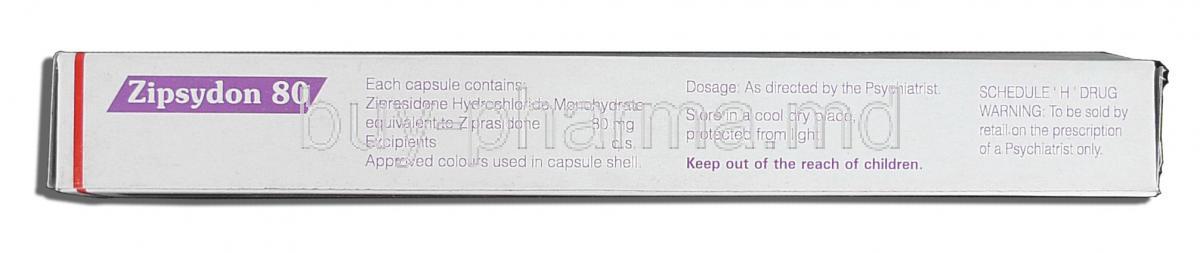
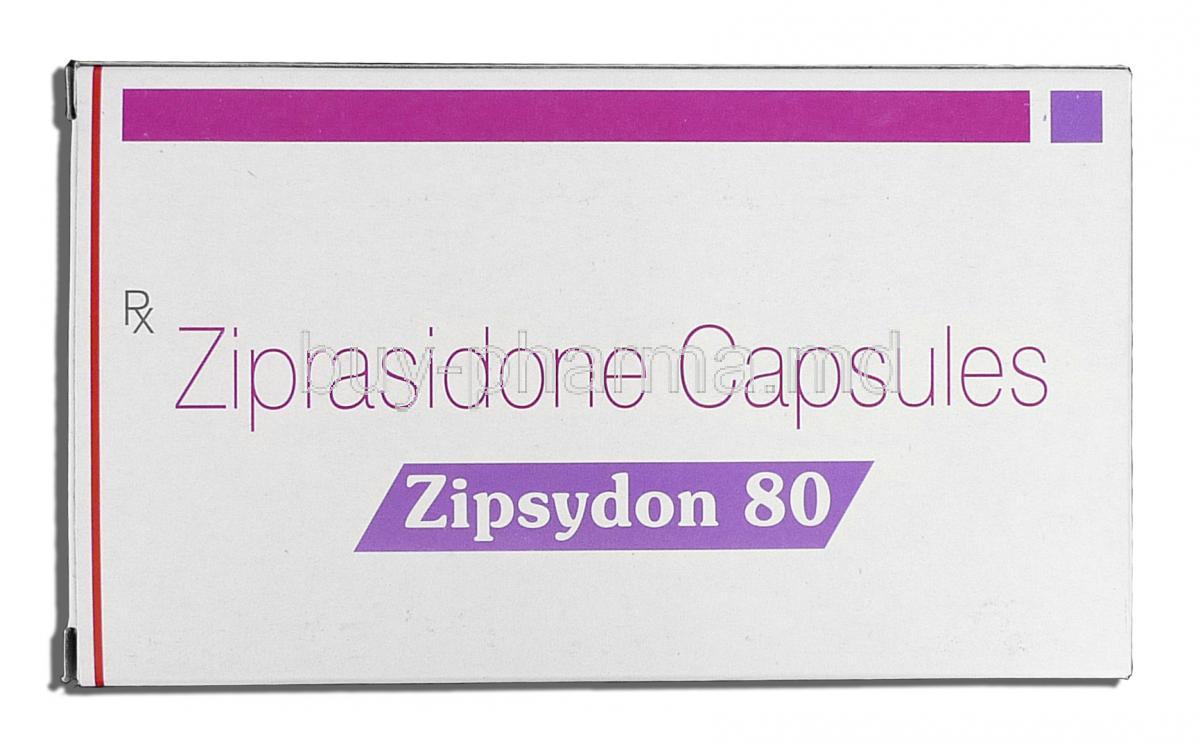
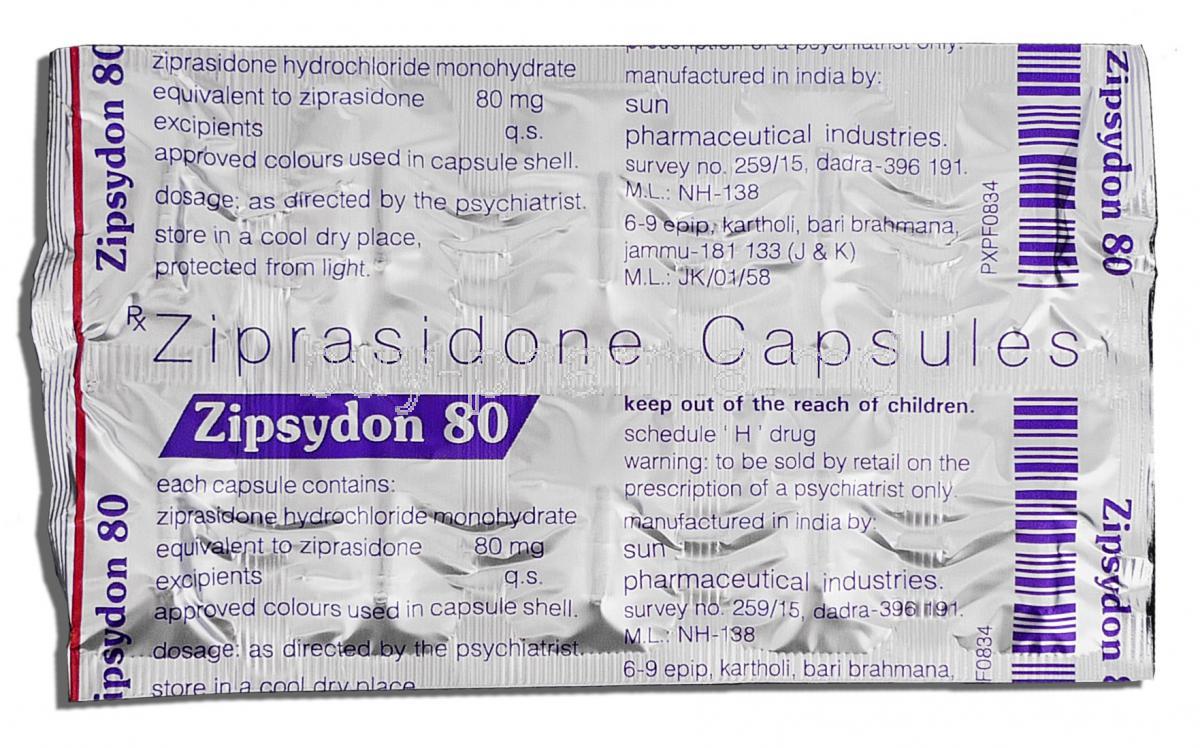
Available strengths vary, with capsules commonly offered in 20 mg, 40 mg, 60 mg, and 80 mg doses. Each formulation contains excipients that aid in stability, dissolution, and patient tolerability.
Mechanism of Action: How Zipsydon Works
Zipsydon functions as a dual antagonist at dopamine D2 and serotonin 5-HT2A receptors. This dual modulation rebalances dopaminergic and serotonergic pathways, addressing both positive and negative symptoms of psychotic illness. By mitigating excessive dopamine activity, hallucinations and delusions are reduced, while serotonin modulation helps improve mood and cognitive function.
This neurochemical rebalancing influences thought clarity, emotional regulation, and behavioral stability, leading to enhanced patient functioning over time.
Approved Medical Uses of Zipsydon
Treatment of Schizophrenia
In acute phases, Zipsydon rapidly diminishes psychotic manifestations such as disorganized speech, paranoia, and sensory distortions. Long-term maintenance helps reduce relapse frequency and maintains remission stability.
Treatment of Bipolar Disorder
For bipolar disorder, Zipsydon addresses acute manic or mixed episodes, alleviating agitation, elevated mood, and rapid thought processes. In combination with mood stabilizers, it can be employed for long-term relapse prevention.
Off-Label Uses of Zipsydon
Beyond its primary indications, clinicians may consider Zipsydon for other challenging psychiatric presentations, including:
- Adjunctive therapy in major depressive disorder
- Symptom alleviation in post-traumatic stress disorder (PTSD)
- Behavioral regulation in borderline personality disorder
- Management of agitation in dementia-related psychosis (with risk–benefit assessment)
- Treatment-resistant anxiety disorders
- Control of aggression and impulsivity across various psychiatric diagnoses
Dosage and Administration Guidelines
Oral Dosage Recommendations
For schizophrenia, initial dosing typically begins at 20 mg twice daily, with adjustments based on clinical response. In bipolar disorder, the starting dose may be higher, titrated rapidly to achieve symptom control. Maintenance dosing is individualized, balancing efficacy with tolerability.
Intramuscular Injection Dosage
IM injections are reserved for short-term use in acute agitation. Typical administration involves 10–20 mg doses, given no more frequently than every two hours, with a maximum daily limit to prevent cardiac complications.
Dosage Adjustments
Patients with renal or hepatic impairment require careful dose titration. Concomitant medications that influence cytochrome P450 metabolism may necessitate modification of the dosage regimen.
Important Precautions and Careful Administration
- Monitor for QT interval prolongation via ECG, especially in patients with cardiac history
- Remain vigilant for neuroleptic malignant syndrome (NMS), a potentially fatal reaction
- Track metabolic parameters, including weight, fasting glucose, and lipid profiles
- Use caution in patients with seizure disorders
- Advise patients to rise slowly from sitting or lying positions to minimize orthostatic hypotension
- Taper gradually to avoid withdrawal or rebound symptoms
Administration in Special Populations
Elderly Patients
Older adults are more susceptible to orthostatic hypotension, sedation, and cardiac effects. In dementia-related psychosis, use is generally avoided due to increased mortality risk.
Pregnant Women
Animal studies suggest potential risks; use only when the anticipated benefit outweighs potential fetal harm. Prenatal monitoring is recommended if exposure occurs.
Nursing Mothers
Ziprasidone may be excreted in breast milk. Breastfeeding should be discontinued or the medication withheld, depending on clinical necessity.
Pediatric Use
Evidence in children and adolescents is limited. Prescribing should follow specialist evaluation, considering potential benefits against developmental risks.
Side Effects of Zipsydon
Common Side Effects
- Drowsiness and dizziness
- Headache and mild gastrointestinal discomfort
- Agitation, anxiety, or restlessness
- Appetite and weight fluctuations
Serious Adverse Reactions
- QT prolongation, predisposing to arrhythmias
- Extrapyramidal symptoms, including rigidity and tremor
- Neuroleptic malignant syndrome, requiring emergency care
- Severe hypersensitivity reactions
- Seizures in predisposed individuals
Immediate medical attention is imperative for severe or sudden adverse events.
Drug Interactions
Zipsydon (ziprasidone) has a complex interaction profile that requires vigilant oversight. Certain drug combinations are strictly contraindicated due to the heightened risk of serious adverse events.
- Contraindicated combinations: Co-administration with specific antiarrhythmic agents such as quinidine, dofetilide, sotalol, or other potent QT-prolonging drugs may precipitate life-threatening arrhythmias.
- CYP3A4 and CYP1A2 metabolism considerations: While ziprasidone is primarily metabolized through alternative pathways, strong inhibitors or inducers of these enzymes may influence plasma concentrations indirectly, necessitating clinical monitoring.
- Additive CNS depression: Concurrent use with sedatives, hypnotics, or alcohol can amplify central nervous system depression, leading to excessive sedation or impaired cognitive function.
- Interactions with antihypertensive drugs: The combination may potentiate hypotensive effects, particularly orthostatic hypotension, requiring dose adjustments or enhanced monitoring.
- Potential interactions with QT-prolonging agents: Combining with macrolide antibiotics, certain antimalarials, or antipsychotics of similar effect can elevate the risk of ventricular arrhythmias.
Contraindications
There are specific clinical scenarios in which Zipsydon must not be prescribed, as the potential for harm outweighs therapeutic benefits.
- Known hypersensitivity: Any prior allergic reaction to ziprasidone or its excipients precludes its use.
- History of QT prolongation or recent myocardial infarction: These cardiac conditions significantly heighten the risk of dangerous arrhythmias.
- Uncompensated heart failure: The cardiovascular stress imposed by the drug may exacerbate hemodynamic instability.
- Concomitant use of other QT-prolonging medications: This combination amplifies the risk of torsades de pointes and sudden cardiac death.
Warnings and Safety Alerts
Clinical vigilance is paramount during therapy with Zipsydon due to several safety concerns:
- Increased mortality risk in elderly patients with dementia-related psychosis: Antipsychotics, including ziprasidone, carry an FDA black box warning for this population.
- Risk of suicidal thoughts: Particularly in younger adults and during initial treatment phases, mood and behavioral changes should be closely monitored.
- Caution in patients with electrolyte disturbances: Hypokalemia and hypomagnesemia heighten the risk of cardiac arrhythmias and must be corrected before initiation.
- Heatstroke risk: Impaired thermoregulation may occur, especially during hot weather or strenuous activity, necessitating patient education on hydration and heat avoidance.
Overdose Management
Overdose with ziprasidone requires immediate medical attention due to its potential for severe cardiac and neurological complications.
- Clinical signs: Marked sedation, dizziness, fainting, palpitations, extrapyramidal symptoms, or seizures may occur. Cardiac arrhythmias, particularly QT prolongation, are a significant concern.
- Supportive measures: Airway protection, oxygenation, and intravenous access are critical first steps.
- Gastric lavage and activated charcoal: These may be considered if presentation is within a short time frame post-ingestion, to reduce absorption.
- Cardiac monitoring: Continuous ECG surveillance is recommended to detect and manage arrhythmias promptly.
Storage and Handling Precautions
Proper storage and handling are essential to maintain the integrity and efficacy of Zipsydon.
- Recommended storage: Keep at controlled room temperature (20°C to 25°C / 68°F to 77°F), protected from light and moisture.
- Safe handling: Capsules should be kept in their original packaging until use. Injection vials must be handled under aseptic conditions and used promptly after reconstitution.
- Disposal: Expired or unused medication should be discarded in accordance with local pharmaceutical waste guidelines, avoiding environmental contamination.
- Healthcare facility guidelines: Injectable forms should be stored securely, with access limited to trained medical personnel, ensuring proper chain-of-custody documentation.
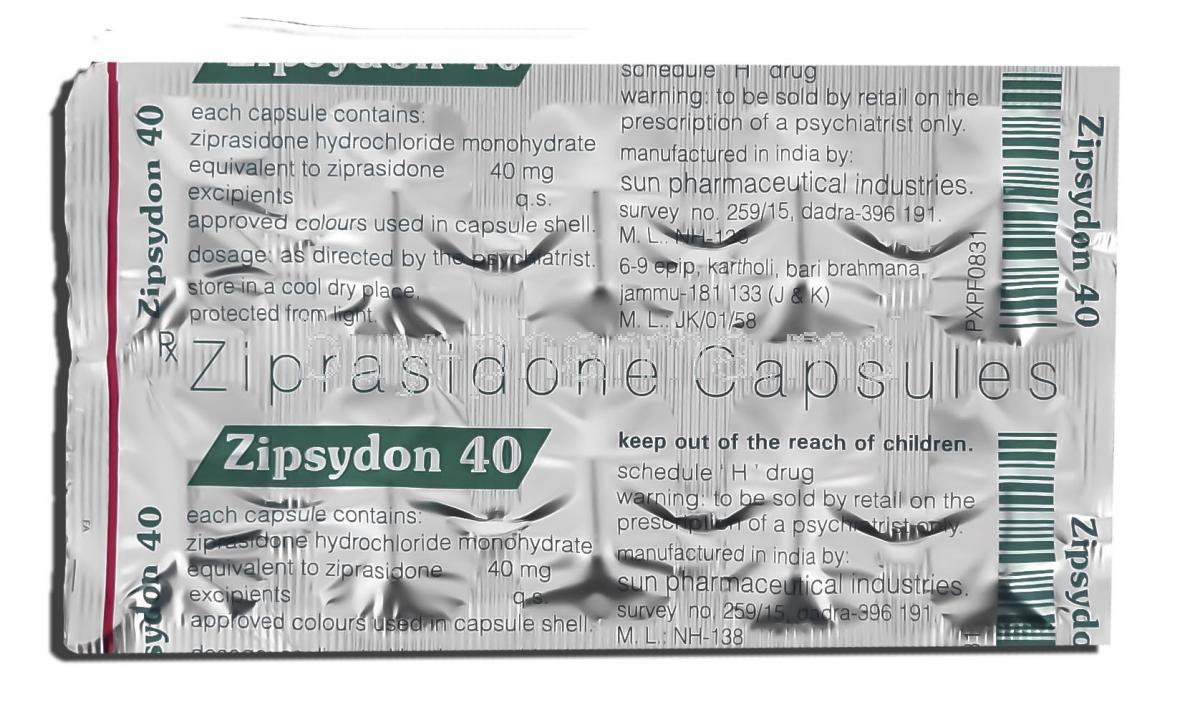

Zipsydon, Ziprasidone FAQ
- What is the medicine ziprasidone used for?
- What is the drug zipsydon used for?
- Is ziprasidone used for sleep?
- What does ziprasidone do to the brain?
- What are the positive effects of ziprasidone?
- How long can you be on ziprasidone?
- Is ziprasidone good for anxiety?
- What are the negative symptoms of ziprasidone?
- When is the best time to take ziprasidone?
- How quickly does ziprasidone work?
- Do you gain weight on ziprasidone?
- Does ziprasidone help with ADHD?
- What happens if you take too much ziprasidone?
- Does ziprasidone affect sleep?
- What are the side effects of ziprasidone?
- What are the benefits of ziprasidone?
- Can you lose weight on ziprasidone?
- Can you take ziprasidone at night?
- How do I know if ziprasidone is working?
- How safe is ziprasidone?
- What is the most serious side effect of antipsychotics?
- How long can you be on ziprasidone?
- What does ziprasidone do to the brain?
- Does ziprasidone make you tired?
- What not to take with ziprasidone?
- Does ziprasidone get you high?
- What to check before starting ziprasidone?
- Does ziprasidone increase dopamine?
- How many calories do you need to eat with ziprasidone?
- Can you stop ziprasidone cold turkey?
- Can you take ziprasidone and risperidone together?
What is the medicine ziprasidone used for?
Ziprasidone is a medication that helps with symptoms of health issues, like schizophrenia, mania and bipolar disorder.
What is the drug zipsydon used for?
The Zipsydon 40 Capsule is basically a treatment for schizophrenia, where people can experience hallucinations and delusions.
Is ziprasidone used for sleep?
Yes
What does ziprasidone do to the brain?
Ziprasidone basically helps get your dopamine and serotonin levels back in check.
What are the positive effects of ziprasidone?
Ziprasidone is a drug that's used to treat some conditions like schizophrenia and bipolar disorder.
How long can you be on ziprasidone?
At least 6 months
Is ziprasidone good for anxiety?
Adding ziprasidone to escitalopram seems to work well for anxiety and non-anxiety depression. Both types of depression show results when it comes to improvement in mood symptoms.
What are the negative symptoms of ziprasidone?
- headache
- restlessness
- anxiety
- lack of energy
- constipation
- diarrhea
- loss of appetite
- muscle pain
When is the best time to take ziprasidone?
Twice daily
How quickly does ziprasidone work?
1 to 2 weeks
Do you gain weight on ziprasidone?
Slightly
Does ziprasidone help with ADHD?
Yes
What happens if you take too much ziprasidone?
- Drowsiness
- Palpitations
- Anxiety
Does ziprasidone affect sleep?
Yes
What are the side effects of ziprasidone?
Common side effects include sleepiness, movement problems, and dizziness.
What are the benefits of ziprasidone?
Ziprasidone is part of a class of medications known as antipsychotics. It balances dopamine and serotonin in the brain.
Can you lose weight on ziprasidone?
Yes
Can you take ziprasidone at night?
If this medication makes you feel drowsy, taking it at night before bed might be an good idea.
How do I know if ziprasidone is working?
Hallucinations may stop and thoughts are clearer.
How safe is ziprasidone?
Some people may experience agitation, irritability or suicidal tendencies.
What is the most serious side effect of antipsychotics?
Increased heart rate and heart palpitations
How long can you be on ziprasidone?
at least 6 months
What does ziprasidone do to the brain?
Ziprasidone helps get your brain chemistry on track by adjusting the levels of two chemicals: dopamine and serotonin.
Does ziprasidone make you tired?
No
What not to take with ziprasidone?
alcohol, oxycodone (Roxicodone, OxyContin), Xanax (alprazolam), amlodipine, lisinopril
Does ziprasidone get you high?
No
What to check before starting ziprasidone?
height, weight, pulse, and blood pressure
Does ziprasidone increase dopamine?
Yes
How many calories do you need to eat with ziprasidone?
500 calories
Can you stop ziprasidone cold turkey?
No
Can you take ziprasidone and risperidone together?
No
Customers also bought
Similar Product