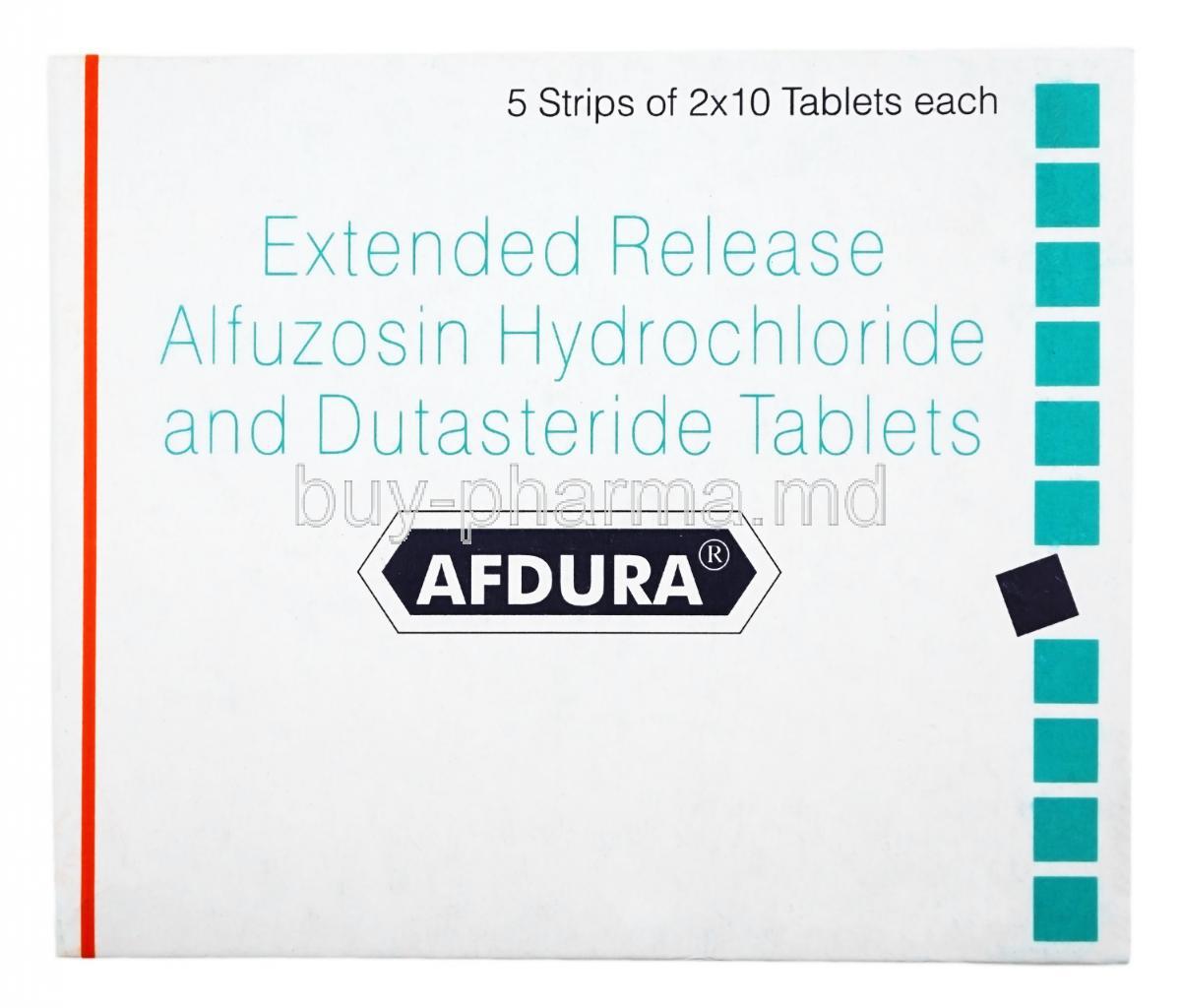
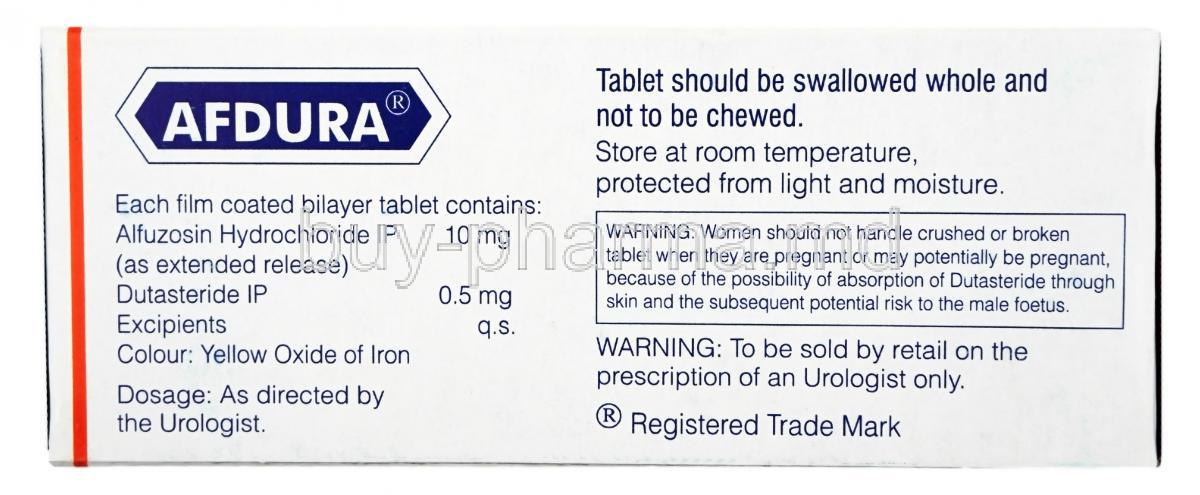

1. Introduction to Afdura (Alfuzosin / Dutasteride)
1.1 Overview of Afdura Combination Therapy
Afdura is a pharmacological combination designed for the management of prostate enlargement and associated urinary complications. It integrates two therapeutically complementary agents: alfuzosin and dutasteride. Together, these compounds address both the mechanical obstruction and the hormonal drivers of benign prostatic hyperplasia (BPH).
Combination therapy represents an advanced therapeutic strategy. Rather than focusing on a single pathological pathway, it simultaneously targets multiple mechanisms that contribute to urinary dysfunction. The result is a more comprehensive management approach that aims to relieve symptoms while slowing disease progression.
- Improves urinary flow dynamics
- Reduces prostate enlargement over time
- Minimizes the likelihood of urinary retention
- Supports long-term prostate health
1.2 Therapeutic Class and Pharmacological Category
Afdura belongs to two pharmacological classes. The first component, alfuzosin, is categorized as a selective alpha-1 adrenergic receptor antagonist. The second component, dutasteride, functions as a dual 5-alpha-reductase inhibitor that modifies androgen metabolism.
This dual pharmacological classification allows the medication to exert both immediate and progressive therapeutic effects. Alpha-blockers primarily relieve urinary obstruction rapidly. In contrast, 5-alpha-reductase inhibitors gradually reduce prostate size by altering hormonal pathways responsible for glandular growth.
1.3 Role of Combination Therapy in Prostate Disorders
Prostate disorders frequently involve multiple physiological mechanisms. Enlargement of the prostate gland compresses the urethra, impairing urinary flow and producing symptoms collectively known as lower urinary tract symptoms (LUTS).
Combination therapy addresses two fundamental contributors to these symptoms:
- Smooth muscle constriction within the prostate and bladder neck
- Hormonal stimulation that drives prostate tissue growth
By alleviating both mechanical tension and hormonal proliferation, Afdura delivers a multidimensional therapeutic effect that improves quality of life for patients experiencing urinary difficulties.
1.4 Regulatory Status and Clinical Approval of Alfuzosin and Dutasteride
Both alfuzosin and dutasteride have been extensively studied in clinical trials and have received regulatory approval in numerous healthcare systems worldwide for the treatment of benign prostatic hyperplasia.
Their long-standing clinical use has established a substantial body of evidence supporting efficacy and safety. The combination approach reflects evolving therapeutic paradigms that emphasize disease modification alongside symptom relief.
1.5 Clinical Rationale for Combining an Alpha-Blocker with a 5-Alpha-Reductase Inhibitor
The rationale behind combining alfuzosin with dutasteride lies in their complementary mechanisms. Alfuzosin provides relatively rapid symptomatic improvement by relaxing smooth muscle in the prostate and bladder neck. Dutasteride, however, reduces circulating levels of dihydrotestosterone (DHT), the hormone responsible for prostate growth.
This dual strategy offers several clinical advantages:
- Rapid symptom relief
- Long-term reduction in prostate size
- Lower probability of disease progression
- Reduced need for surgical intervention
2. Composition and Active Ingredients of Afdura
2.1 Alfuzosin: Alpha-1 Adrenergic Receptor Blocker
Alfuzosin functions by selectively blocking alpha-1 adrenergic receptors located in smooth muscle tissues of the prostate and bladder neck. These receptors regulate muscular contraction within the urinary tract.
When alfuzosin binds to these receptors, it diminishes muscle tone. The urethral channel becomes less constricted, facilitating improved urinary flow and reducing resistance during voiding.
2.2 Dutasteride: Dual 5-Alpha-Reductase Inhibitor
Dutasteride inhibits both type I and type II isoenzymes of 5-alpha-reductase. These enzymes convert testosterone into dihydrotestosterone, a potent androgen responsible for stimulating prostate tissue proliferation.
By suppressing DHT production, dutasteride gradually reduces prostate gland volume. This hormonal modulation contributes to sustained improvement in urinary symptoms and prevents further enlargement.
2.3 Mechanism-Based Synergy Between Alfuzosin and Dutasteride
The therapeutic synergy between the two agents arises from their distinct yet complementary modes of action. Alfuzosin provides rapid symptomatic relief, while dutasteride modifies the underlying pathophysiology responsible for prostate enlargement.
Together they create a balanced therapeutic profile:
- Immediate improvement in urinary flow
- Progressive shrinkage of prostate tissue
- Reduced likelihood of symptom recurrence
2.4 Excipients and Pharmaceutical Formulation Components
In addition to the active ingredients, Afdura contains pharmaceutical excipients that stabilize the formulation and facilitate proper drug absorption. These may include binding agents, coating materials, and inert fillers.
Such excipients ensure that the medication maintains consistent bioavailability and structural integrity throughout its shelf life.
2.5 Strength Variations and Dosage Forms Available
Afdura is generally available in oral capsule or tablet form. The formulation is designed to deliver controlled and predictable systemic exposure to both active ingredients.
Dosage strengths may vary depending on manufacturer specifications, but each formulation is calibrated to achieve therapeutic plasma concentrations necessary for effective prostate management.
3. Mechanism of Action: How Afdura Works
3.1 Mechanism of Alfuzosin in Relaxing Prostatic and Bladder Neck Smooth Muscle
Alfuzosin targets alpha-1 adrenergic receptors embedded in smooth muscle fibers of the prostate gland and bladder outlet. By inhibiting receptor activation, the medication reduces muscle contraction.
The relaxation of these tissues alleviates urethral compression. Urine can flow more freely, diminishing urinary hesitancy and incomplete bladder emptying.
3.2 Mechanism of Dutasteride in Reducing Dihydrotestosterone (DHT) Levels
Dutasteride exerts its effect at the endocrine level. It inhibits the enzymatic conversion of testosterone into dihydrotestosterone, which plays a pivotal role in prostate cell proliferation.
Lower DHT concentrations result in gradual involution of prostate tissue. This process unfolds over several months and contributes to long-term symptom control.
3.3 Reduction of Prostate Volume Through Hormonal Modulation
Chronic exposure to elevated DHT stimulates continuous growth of prostate cells. Dutasteride disrupts this hormonal stimulus, leading to progressive reduction in prostate volume.
This anatomical change reduces urethral compression and improves urinary tract function.
3.4 Improvement of Urinary Flow and Reduction of Lower Urinary Tract Symptoms
Patients experiencing BPH often report several distressing symptoms, including nocturia, weak urinary stream, and urgency. Afdura addresses these issues through muscular relaxation and hormonal regulation.
- Enhanced urine flow rate
- Reduced nighttime urination
- Improved bladder emptying
- Lower urinary urgency
3.5 Long-Term Disease Progression Prevention in Benign Prostatic Hyperplasia
Beyond symptomatic improvement, Afdura contributes to disease modification. Long-term therapy reduces the likelihood of complications such as acute urinary retention or the need for surgical intervention.
This preventative aspect distinguishes combination therapy from symptomatic treatment alone.
4. Medical Uses of Afdura (Alfuzosin / Dutasteride)
4.1 Primary Use in Benign Prostatic Hyperplasia (BPH)
The principal indication for Afdura is the treatment of benign prostatic hyperplasia. This condition involves non-malignant enlargement of the prostate gland, typically affecting aging men.
The medication helps alleviate urinary obstruction while reducing glandular growth that contributes to symptom progression.
4.2 Management of Lower Urinary Tract Symptoms (LUTS) Associated with Prostate Enlargement
Lower urinary tract symptoms represent the clinical manifestation of prostate enlargement. These symptoms often include urinary frequency, urgency, nocturia, and weak urinary stream.
Afdura improves these symptoms through smooth muscle relaxation and hormonal regulation.
4.3 Improvement of Urinary Flow Rate and Bladder Emptying
Urinary flow obstruction can significantly impair quality of life. By reducing urethral resistance and decreasing prostate volume, Afdura restores more efficient bladder emptying.
4.4 Prevention of Acute Urinary Retention in Patients with Enlarged Prostate
Acute urinary retention is a painful condition requiring immediate medical attention. Long-term use of Afdura reduces the probability of this complication by maintaining adequate urinary tract patency.
4.5 Reduction in Risk of Surgical Intervention for BPH
In advanced cases of prostate enlargement, surgical procedures such as transurethral resection of the prostate (TURP) may be required. Pharmacological therapy with Afdura helps reduce the likelihood of such invasive treatments.
5. Off-Label Uses of Alfuzosin / Dutasteride Combination
5.1 Management of Chronic Prostatitis and Chronic Pelvic Pain Syndrome
Some clinicians utilize alpha-blockers in the management of chronic prostatitis and chronic pelvic pain syndrome. By relaxing pelvic musculature, alfuzosin may help alleviate urinary discomfort and pelvic pressure.
5.2 Treatment of Male Pattern Hair Loss (Androgenetic Alopecia) Due to Dutasteride Component
Dutasteride has demonstrated efficacy in reducing scalp DHT levels. As a result, it is occasionally used in research or specialized clinical contexts for androgenetic alopecia.
5.3 Adjunctive Therapy for Bladder Outlet Obstruction
Bladder outlet obstruction can arise from multiple causes. Alpha-blockers such as alfuzosin are sometimes used as adjunct therapy to facilitate urinary flow in selected cases.
5.4 Management of Refractory Lower Urinary Tract Symptoms
Patients who fail to respond adequately to single-agent therapy may benefit from combination treatment. The addition of dutasteride addresses hormonal factors contributing to persistent symptoms.
5.5 Potential Role in Prostate Cancer Risk Reduction Research
Some research investigations have explored whether suppression of DHT could influence prostate cancer risk. While results remain inconclusive, this area continues to attract clinical interest.
6. Dosage and Administration Guidelines
6.1 Recommended Dosage for Benign Prostatic Hyperplasia
The recommended dosage is determined by healthcare professionals based on clinical evaluation. Standard regimens typically involve once-daily administration of the combination therapy.
6.2 Timing of Administration and Food Considerations
Afdura is commonly taken after meals to optimize absorption and minimize gastrointestinal discomfort. Consistency in dosing time helps maintain stable therapeutic levels.
6.3 Dose Adjustment in Special Populations
Patients with hepatic impairment or cardiovascular conditions may require careful dose evaluation. Medical supervision is essential to ensure safety.
6.4 Duration of Therapy for Long-Term Prostate Management
Therapy may continue for extended periods. Dutasteride requires several months to exert full therapeutic benefits, while alfuzosin provides earlier symptom relief.
6.5 Instructions for Missed Dose and Treatment Continuity
If a dose is missed, it should generally be taken as soon as remembered unless the next scheduled dose is imminent. Doubling doses should be avoided.
7. Side Effects of Afdura
7.1 Overview of Potential Adverse Effects
Like many medications affecting hormonal and cardiovascular systems, Afdura may produce adverse reactions. Most are mild, but some require medical attention.
7.2 Frequency and Severity of Side Effects
Side effects vary among individuals. Some patients experience minimal discomfort, while others may develop transient symptoms during therapy initiation.
7.3 Cardiovascular-Related Side Effects
Alpha-blockers can influence blood pressure regulation. Possible cardiovascular reactions include dizziness or episodes of postural hypotension.
7.4 Hormonal and Sexual Function-Related Effects
Dutasteride may influence androgen pathways. Some individuals report changes in libido, erectile function, or ejaculation patterns.
7.5 Gastrointestinal and Neurological Side Effects
Occasionally, patients may experience mild gastrointestinal disturbances, headache, or general fatigue during treatment.
8. Common Side Effects of Alfuzosin / Dutasteride
8.1 Dizziness and Orthostatic Hypotension
Dizziness may occur when standing quickly. This effect results from temporary blood pressure changes associated with alpha-blockade.
8.2 Fatigue and Weakness
Some individuals report mild lethargy or generalized weakness during early stages of treatment.
8.3 Headache and Lightheadedness
Headache is another commonly reported symptom, often transient and self-limiting.
8.4 Reduced Libido and Erectile Dysfunction
Hormonal modulation by dutasteride may contribute to reduced sexual desire or erectile difficulties in some patients.
8.5 Ejaculatory Disorders
Alterations in ejaculatory function may occur due to changes in prostate physiology.
8.6 Breast Tenderness or Enlargement (Gynecomastia)
Rarely, hormonal effects may lead to breast tissue sensitivity or enlargement.
9. Drug Interactions with Afdura
9.1 Interaction with CYP3A4 Inhibitors and Inducers
Certain medications influence liver enzymes responsible for metabolizing alfuzosin and dutasteride. Strong inhibitors may increase systemic drug exposure.
9.2 Interaction with Antihypertensive Medications
Concurrent use with blood pressure-lowering agents may enhance hypotensive effects.
9.3 Interaction with Phosphodiesterase-5 Inhibitors (e.g., Sildenafil)
Medications used for erectile dysfunction may interact with alpha-blockers, potentially increasing the risk of dizziness or hypotension.
9.4 Interaction with Other Alpha-Blockers
Combining multiple alpha-blockers is generally avoided due to additive blood pressure effects.
9.5 Interaction with Hormonal or Anti-Androgen Therapies
Concurrent hormonal treatments may alter endocrine balance and should be monitored carefully.
10. Warnings Associated with Afdura Use
10.1 Risk of Orthostatic Hypotension and Syncope
Patients should exercise caution when rising from sitting or lying positions. Sudden posture changes may trigger dizziness or fainting.
10.2 Potential Risk of Intraoperative Floppy Iris Syndrome (IFIS) During Cataract Surgery
Alpha-blockers have been associated with intraoperative floppy iris syndrome during cataract surgery. Surgeons should be informed if the patient is using or has previously used such medications.
10.3 Risk of Sexual Dysfunction and Hormonal Effects
Hormonal alterations resulting from dutasteride may lead to sexual side effects. These effects are usually reversible after discontinuation.
10.4 Impact on Prostate-Specific Antigen (PSA) Levels and Cancer Screening
Dutasteride can lower PSA levels, potentially masking indicators of prostate cancer. Physicians often adjust interpretation of PSA tests accordingly.
10.5 Risk of Hypersensitivity Reactions
Although uncommon, allergic reactions may occur. Symptoms may include rash, swelling, or difficulty breathing and require immediate medical attention.
11. Contraindications
11.1 Known Hypersensitivity to Alfuzosin, Dutasteride, or Related Compounds
Afdura must not be administered to individuals with a documented hypersensitivity to alfuzosin, dutasteride, or structurally related pharmacological agents. Allergic responses may range from mild dermatological manifestations to more severe systemic reactions.
Symptoms suggestive of hypersensitivity may include:
- Cutaneous rash or urticaria
- Angioedema involving the face, lips, or throat
- Respiratory distress or bronchospasm
- Severe pruritus or flushing
Immediate discontinuation of the medication is required if an allergic reaction is suspected. Medical evaluation should be sought promptly to prevent complications.
11.2 Severe Hepatic Impairment
Severe hepatic dysfunction represents a significant contraindication for Afdura therapy. Both alfuzosin and dutasteride undergo hepatic metabolism, primarily through enzymatic pathways located in the liver.
When hepatic clearance mechanisms are compromised, systemic drug accumulation may occur. This can lead to exaggerated pharmacodynamic effects, including profound hypotension or prolonged hormonal suppression.
Individuals with advanced liver disease should therefore avoid the medication unless explicitly advised by a specialist with careful monitoring protocols in place.
11.3 Concomitant Use with Potent CYP3A4 Inhibitors
Strong inhibitors of the CYP3A4 enzyme system can significantly increase plasma concentrations of alfuzosin. Elevated levels may heighten the risk of adverse cardiovascular reactions.
Examples of potent CYP3A4 inhibitors include certain antifungal agents, macrolide antibiotics, and protease inhibitors. When these medications are administered concurrently, pharmacokinetic interactions may become clinically significant.
- Increased drug exposure
- Heightened risk of hypotension
- Possible cardiac conduction abnormalities
For this reason, concurrent administration should generally be avoided.
11.4 History of Severe Orthostatic Hypotension
Patients with a known history of severe orthostatic hypotension should not receive Afdura. Alfuzosin exerts vasodilatory effects that can further destabilize blood pressure regulation.
Individuals predisposed to orthostatic intolerance may experience:
- Sudden dizziness upon standing
- Transient visual disturbances
- Loss of consciousness
In susceptible patients, these symptoms may lead to injury or falls, particularly in environments where balance is compromised.
11.5 Contraindication in Women and Children
Afdura is specifically indicated for male patients with benign prostatic hyperplasia. Because dutasteride affects androgen metabolism, exposure in women—particularly during pregnancy—poses potential developmental risks.
Children and adolescents should not receive this medication, as prostate disorders requiring such therapy are not present in pediatric populations.
12. Careful Administration and Clinical Monitoring
12.1 Use in Patients with Cardiovascular Disease
Patients with underlying cardiovascular pathology require cautious therapeutic management when receiving alpha-adrenergic blockers. Alfuzosin may induce vasodilation that influences systemic vascular resistance.
Careful monitoring is recommended in individuals with:
- Coronary artery disease
- Cardiac arrhythmias
- Congestive heart failure
- Hypotensive disorders
Regular cardiovascular assessment ensures that therapy remains safe and effective.
12.2 Monitoring in Individuals with Liver Dysfunction
Patients presenting with mild or moderate hepatic impairment should undergo periodic clinical monitoring. Liver function tests may be evaluated intermittently to detect metabolic abnormalities during treatment.
Subtle alterations in hepatic metabolism may influence drug bioavailability, necessitating dose reassessment in some cases.
12.3 Caution in Patients with Renal Impairment
Although renal excretion plays a less prominent role in the elimination of these medications, renal impairment can still affect overall pharmacokinetic balance.
Individuals with compromised kidney function may require:
- Clinical evaluation prior to treatment initiation
- Periodic renal function monitoring
- Adjustment of dosing schedules if necessary
12.4 Monitoring PSA Levels During Treatment
Dutasteride reduces circulating prostate-specific antigen (PSA) concentrations. This effect must be considered when interpreting PSA results used for prostate cancer screening.
Clinicians typically adjust PSA interpretation by accounting for dutasteride-induced reductions. Continuous monitoring helps maintain accurate diagnostic assessment.
12.5 Evaluation of Sexual and Hormonal Adverse Effects
Because dutasteride modulates androgen pathways, patients should be observed for changes in sexual function or hormonal balance.
Possible manifestations include:
- Altered libido
- Erectile dysfunction
- Ejaculatory disturbances
Although many symptoms are reversible, ongoing clinical dialogue between patient and physician is essential.
13. Important Precautions During Treatment
13.1 Monitoring Blood Pressure During Therapy Initiation
Initial administration of alpha-blockers may produce transient blood pressure fluctuations. Monitoring during the early stages of therapy helps identify individuals who may be particularly sensitive to these effects.
Blood pressure assessments are often recommended during the first weeks of treatment.
13.2 Avoiding Sudden Postural Changes to Prevent Dizziness
Patients are encouraged to transition slowly between sitting, lying, and standing positions. Rapid postural changes can precipitate dizziness or transient hypotension.
Simple behavioral precautions significantly reduce the likelihood of symptomatic episodes.
13.3 Long-Term Monitoring of Prostate Size and Urinary Symptoms
Chronic management of benign prostatic hyperplasia requires periodic clinical evaluation. Physicians may assess prostate size using imaging techniques or digital examination.
Symptom scoring systems are also commonly employed to monitor therapeutic progress.
13.4 Importance of Regular Medical Checkups
Routine medical consultations allow healthcare professionals to evaluate therapeutic outcomes and detect potential complications early.
Follow-up visits may include:
- Urinary symptom assessment
- Blood pressure monitoring
- Laboratory investigations
13.5 Counseling Patients on Sexual Side Effects
Clear communication regarding potential sexual side effects is important. Patients should understand that such effects, though possible, are not experienced by everyone.
Informed counseling fosters adherence and reduces anxiety associated with treatment.
14. Administration to Elderly Patients
14.1 Increased Sensitivity to Alpha-Blockers in Older Adults
Elderly individuals may exhibit heightened pharmacodynamic sensitivity to alpha-adrenergic blockade. Age-related physiological changes influence vascular responsiveness and autonomic regulation.
This increased sensitivity may manifest as exaggerated blood pressure reductions.
14.2 Risk of Falls Due to Orthostatic Hypotension
Orthostatic hypotension poses a particular risk in older populations. A sudden drop in blood pressure upon standing can lead to dizziness or imbalance.
- Increased fall risk
- Potential injury
- Reduced mobility
Preventive strategies include gradual positional changes and environmental safety measures.
14.3 Dose Considerations in Geriatric Populations
Physicians may adopt conservative dosing strategies for elderly patients. Individualized treatment plans consider comorbidities, concurrent medications, and overall physiological resilience.
14.4 Monitoring Cardiovascular Health in Elderly Patients
Regular cardiovascular evaluation is recommended in geriatric patients receiving alpha-blocker therapy. Monitoring ensures that treatment does not adversely affect cardiac stability.
15. Administration to Pregnant Women and Nursing Mothers
15.1 Contraindication of Dutasteride Exposure in Pregnancy
Dutasteride interferes with androgen metabolism and may disrupt fetal development if exposure occurs during pregnancy. For this reason, the medication is contraindicated in pregnant women.
15.2 Risk of Male Fetal Development Abnormalities
Dutasteride inhibits the formation of dihydrotestosterone, a hormone essential for male genital development during fetal life.
Exposure during pregnancy may theoretically result in abnormalities in male fetal reproductive anatomy.
15.3 Precautions for Handling Capsules by Pregnant Women
Pregnant women should avoid direct contact with damaged or leaking capsules. Dutasteride can be absorbed through the skin, making accidental exposure possible.
15.4 Breastfeeding Considerations and Safety Data
The presence of dutasteride in breast milk has not been fully characterized. Due to potential hormonal effects, the medication is not recommended during breastfeeding.
16. Administration to Children and Adolescents
16.1 Lack of Indication for Pediatric Use
Afdura is intended exclusively for adult male patients with benign prostatic hyperplasia. Pediatric use is not appropriate because the underlying condition does not occur in children.
16.2 Safety and Efficacy Data in Individuals Under 18
Clinical trials evaluating the safety and efficacy of this combination therapy in individuals younger than eighteen years are lacking.
16.3 Potential Risks Associated with Hormonal Modulation in Children
Exposure to medications that alter androgen pathways could theoretically disrupt normal endocrine development. For this reason, use in pediatric populations is avoided.
17. Overdosage and Emergency Management
17.1 Symptoms of Alfuzosin Overdose
Excessive intake of alfuzosin may lead to pronounced vasodilatory effects. Symptoms may include severe hypotension, dizziness, and syncope.
17.2 Symptoms Associated with Dutasteride Excess
Dutasteride overdose is less likely to produce immediate symptoms, but hormonal alterations may occur with prolonged excessive exposure.
17.3 Cardiovascular Complications from Overdose
Severe hypotension represents the most concerning complication of overdose. Patients may experience rapid heart rate, fainting, or circulatory instability.
17.4 Emergency Medical Treatment and Supportive Care
Management of overdose typically involves supportive care. Healthcare professionals may implement measures to stabilize blood pressure and monitor vital signs.
17.5 Importance of Immediate Medical Attention
Any suspected overdose should be treated as a medical emergency. Prompt evaluation by healthcare professionals ensures appropriate intervention.
18. Storage Recommendations
18.1 Ideal Storage Temperature and Conditions
Afdura should be stored at controlled room temperature, away from excessive heat or direct sunlight. Stable environmental conditions preserve drug potency.
18.2 Protecting Capsules from Moisture and Heat
Humidity and high temperatures may compromise capsule integrity. Storing the medication in its original packaging helps protect it from environmental exposure.
18.3 Keeping Medication Out of Reach of Children
All medications should be stored in secure locations inaccessible to children. Accidental ingestion can pose significant health risks.
18.4 Shelf Life and Expiry Considerations
Patients should observe the expiry date printed on the packaging. Expired medications may lose therapeutic effectiveness or become unstable.
19. Handling Precautions
19.1 Safe Handling of Dutasteride-Containing Capsules
Capsules should be handled with care to prevent leakage or rupture. Dutasteride may be absorbed through the skin if the capsule integrity is compromised.
19.2 Avoiding Capsule Breakage and Skin Contact
Patients should swallow capsules whole without crushing or opening them. Broken capsules should not be handled directly.
19.3 Precautions for Healthcare Professionals and Caregivers
Healthcare personnel and caregivers should exercise caution when assisting with medication administration, particularly when capsules are damaged.
19.4 Proper Disposal of Unused Medication
Unused medication should be disposed of according to local pharmaceutical disposal regulations. Proper disposal prevents accidental exposure and environmental contamination.
20. Summary of Clinical Benefits and Safety Considerations
20.1 Key Advantages of Combination Therapy in BPH
Afdura offers a comprehensive approach to managing benign prostatic hyperplasia. By combining an alpha-blocker with a 5-alpha-reductase inhibitor, it addresses both symptomatic obstruction and underlying hormonal mechanisms.
20.2 Long-Term Outcomes in Prostate Enlargement Management
Long-term therapy can improve urinary symptoms, reduce prostate volume, and lower the risk of acute urinary retention. These outcomes contribute to enhanced patient quality of life.
20.3 Balancing Efficacy with Safety Monitoring
Although effective, treatment requires thoughtful monitoring to ensure that potential adverse effects are detected early and managed appropriately.
20.4 Importance of Physician-Guided Treatment Plans
Individualized treatment strategies remain essential. Careful medical supervision ensures that therapy is tailored to the patient’s clinical profile, optimizing both safety and therapeutic benefit.
Popular Products
Similar Product