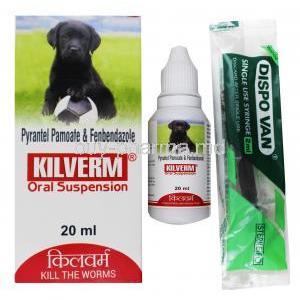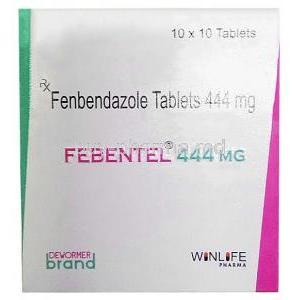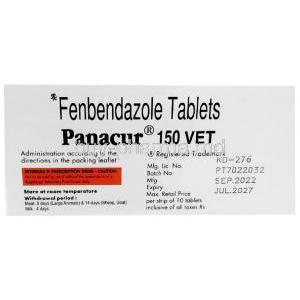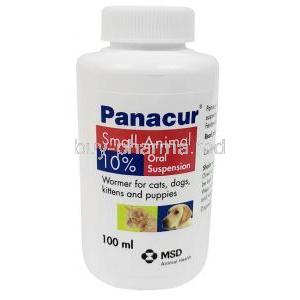
1. Introduction to Fenbendazole
1.1 Overview and Drug Classification
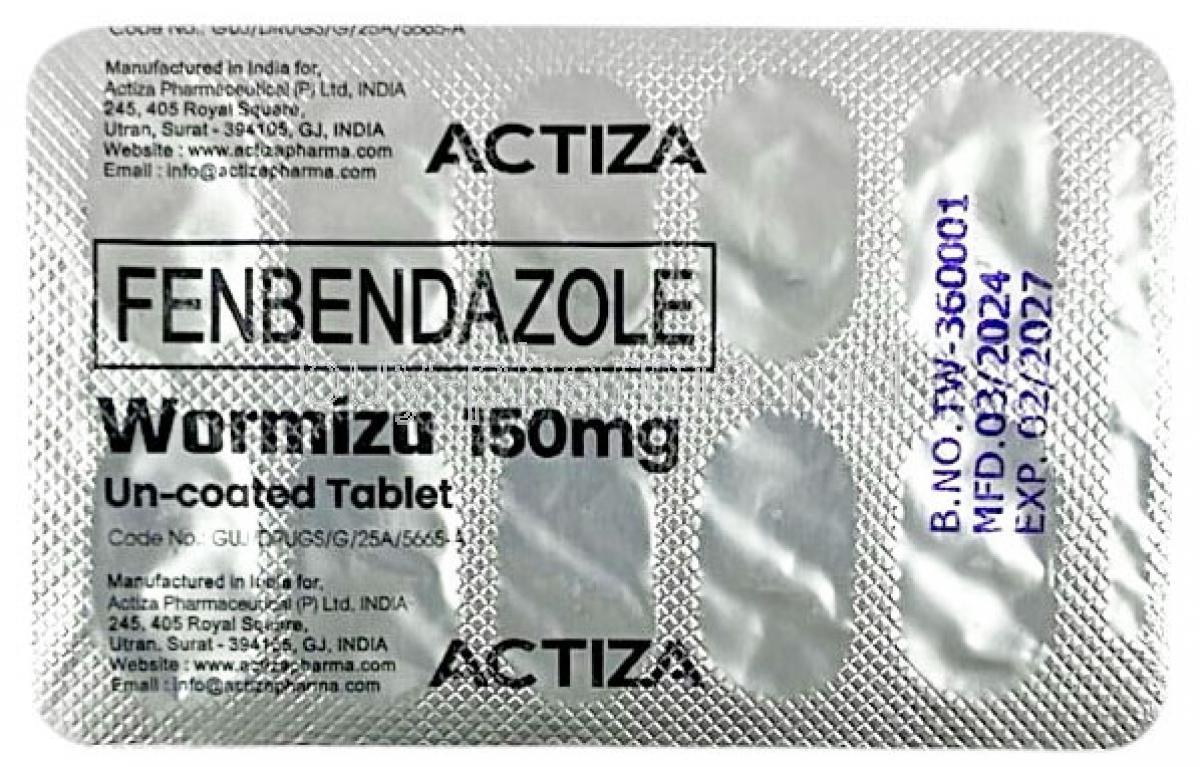
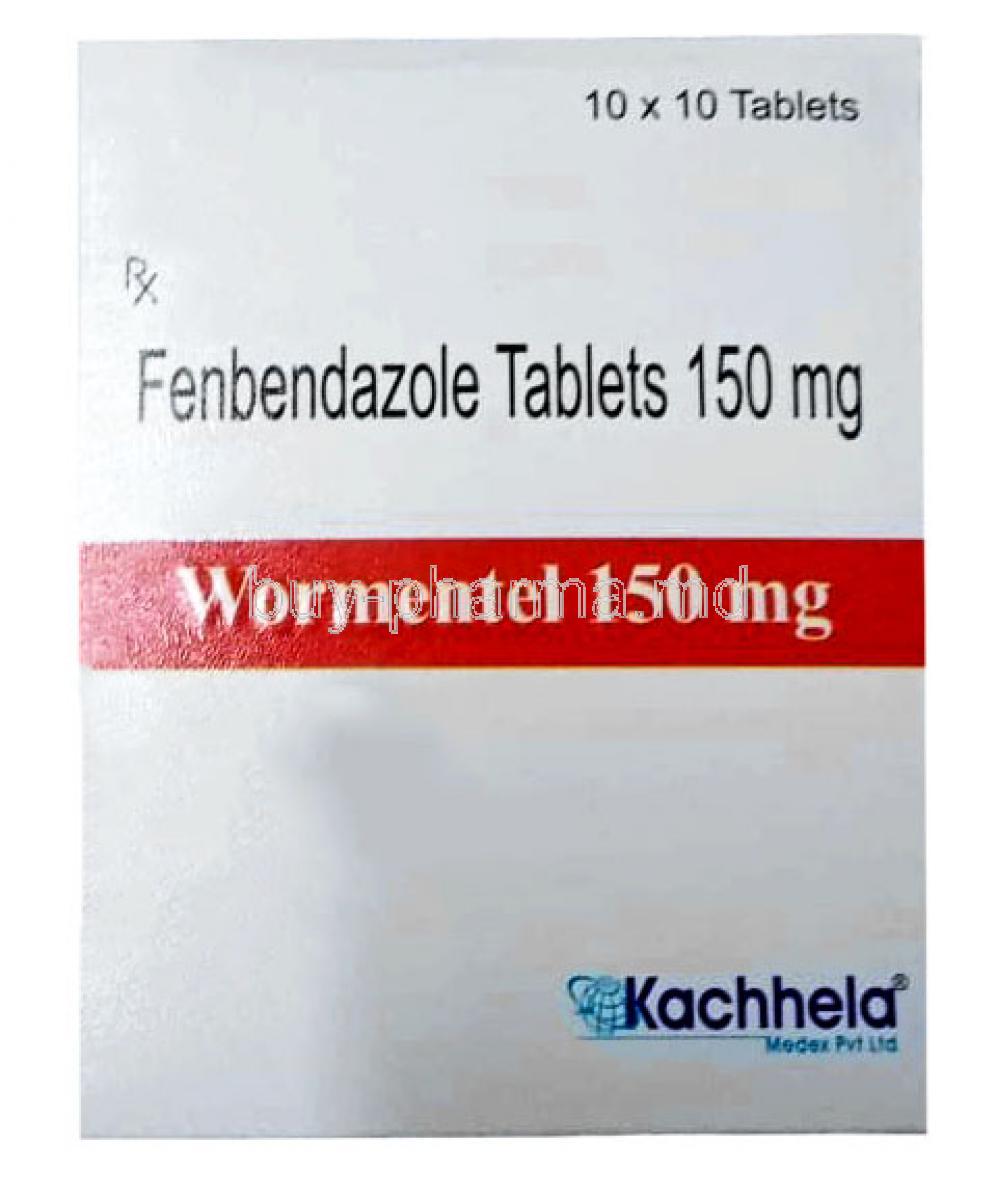
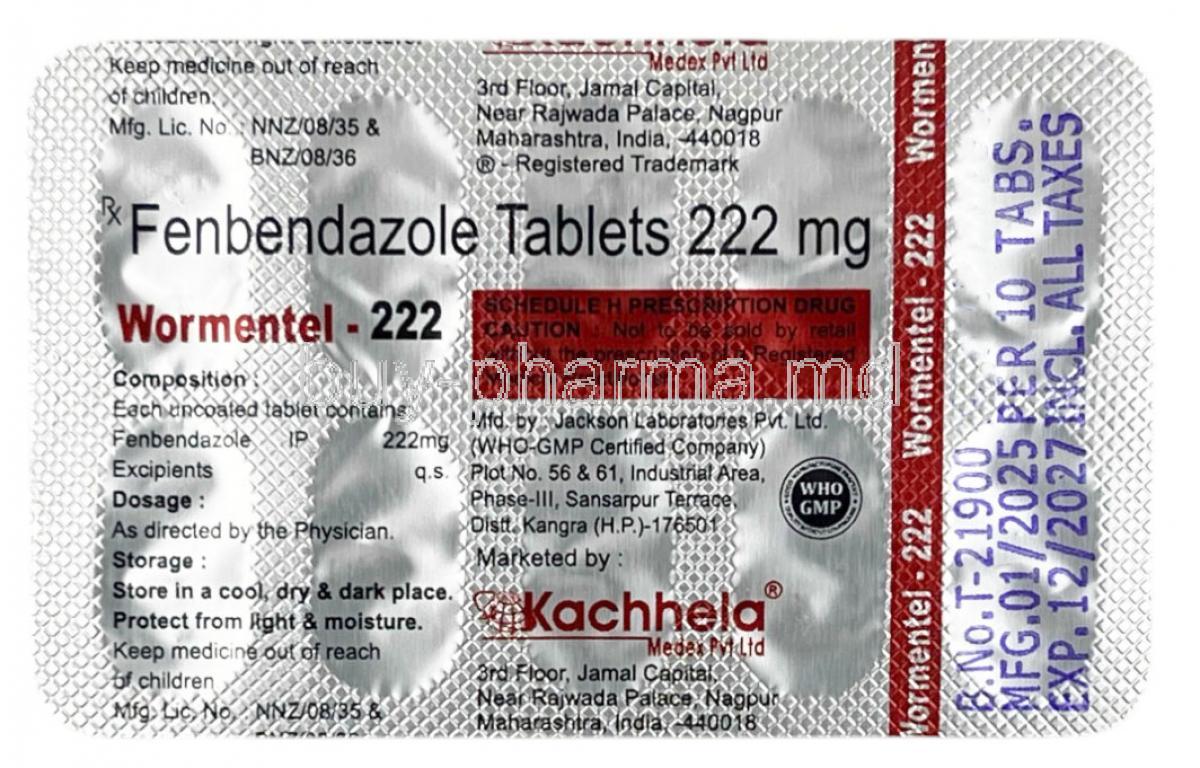
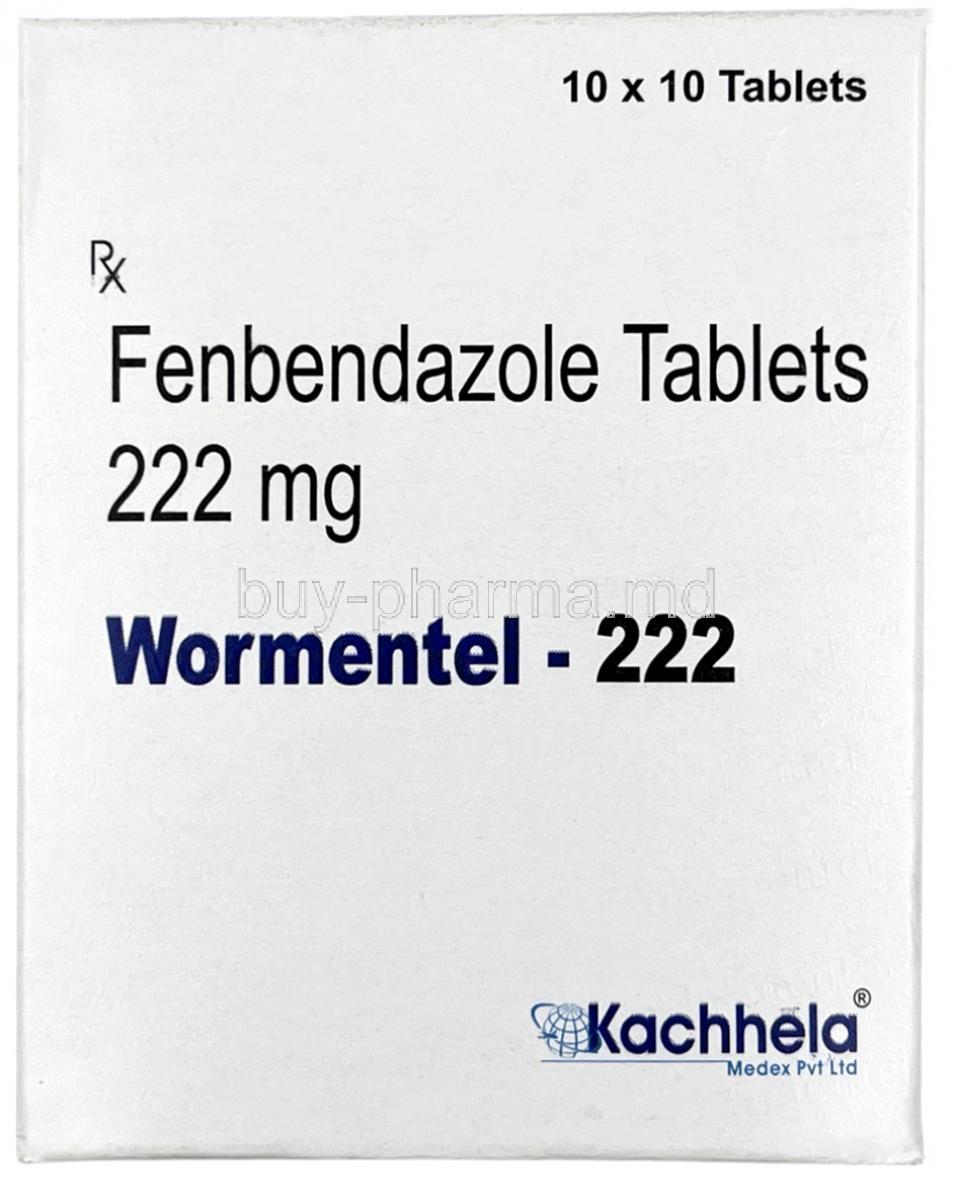
Fenbendazole is a benzimidazole-class anthelmintic widely utilized in veterinary medicine for the eradication of parasitic helminths. It exhibits a broad pharmacological spectrum, targeting nematodes and certain cestodes. Its therapeutic profile is characterized by high efficacy and relatively low toxicity, making it a cornerstone in antiparasitic regimens.
- Class: Benzimidazole anthelmintic
- Primary indication: Gastrointestinal parasite control
- Common use: Companion animals and livestock
1.2 Historical Development and Veterinary Significance
Introduced in the latter half of the 20th century, fenbendazole emerged as a significant advancement in parasite management. Its development addressed the need for a safer yet potent alternative to earlier anthelmintics, which were often associated with higher toxicity. Over decades, it has gained global acceptance due to its versatility and reliability.
1.3 Role as a Broad-Spectrum Anthelmintic
Fenbendazole demonstrates efficacy against a wide array of helminths, including:
- Roundworms (Ascarids)
- Hookworms (Ancylostoma species)
- Whipworms (Trichuris species)
- Lungworms in certain species
Its broad-spectrum activity reduces the need for polypharmacy, simplifying treatment protocols and improving compliance.
2. Composition and Pharmaceutical Formulations
2.1 Active Ingredient: Fenbendazole Chemical Structure
Fenbendazole is a methyl N-(6-phenylsulfanyl-1H-benzimidazol-2-yl) carbamate compound. Its molecular architecture allows selective binding to parasite β-tubulin, disrupting intracellular processes essential for survival.
2.2 Available Dosage Forms (Tablets, Suspensions, Granules, Pastes)
To accommodate diverse species and administration preferences, fenbendazole is available in multiple formulations:
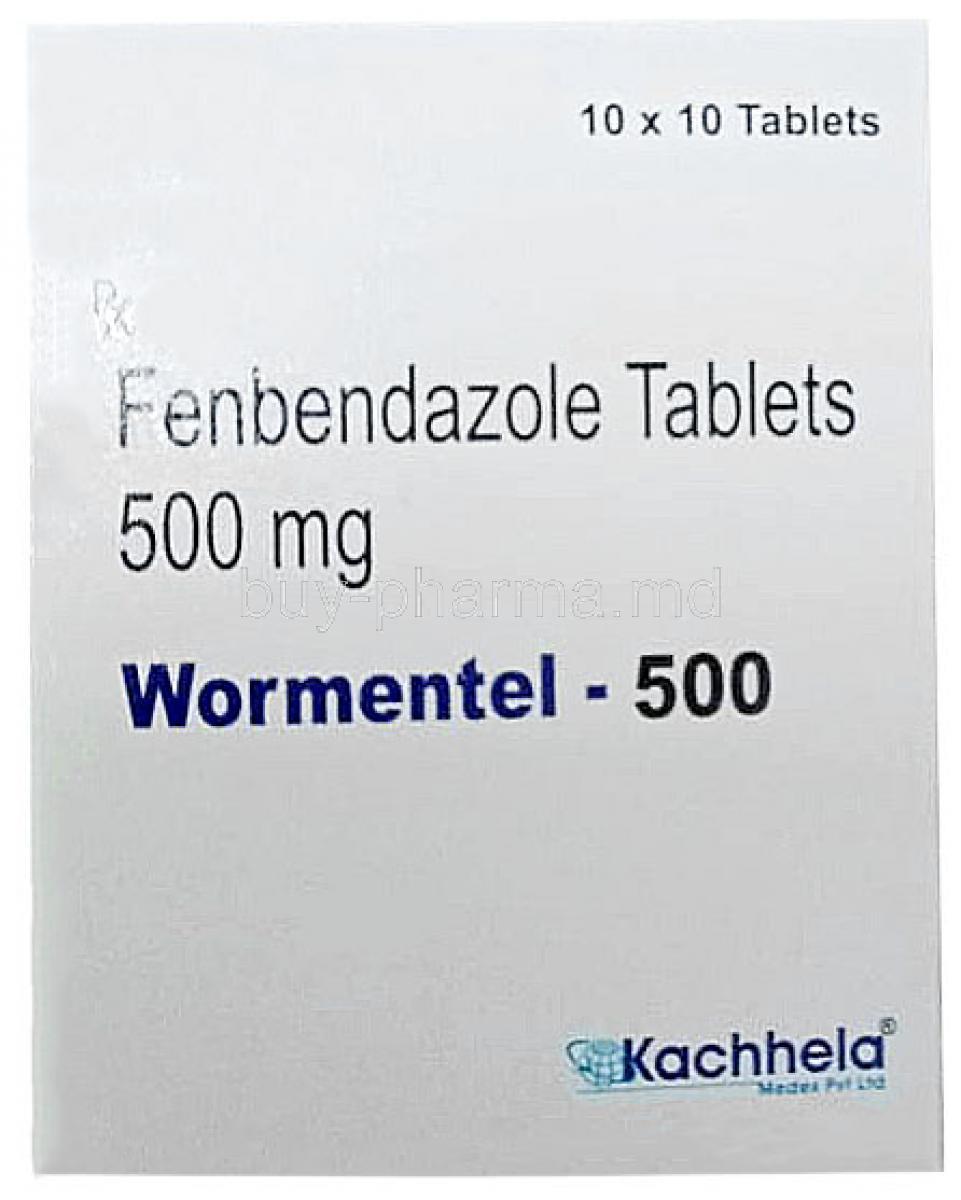
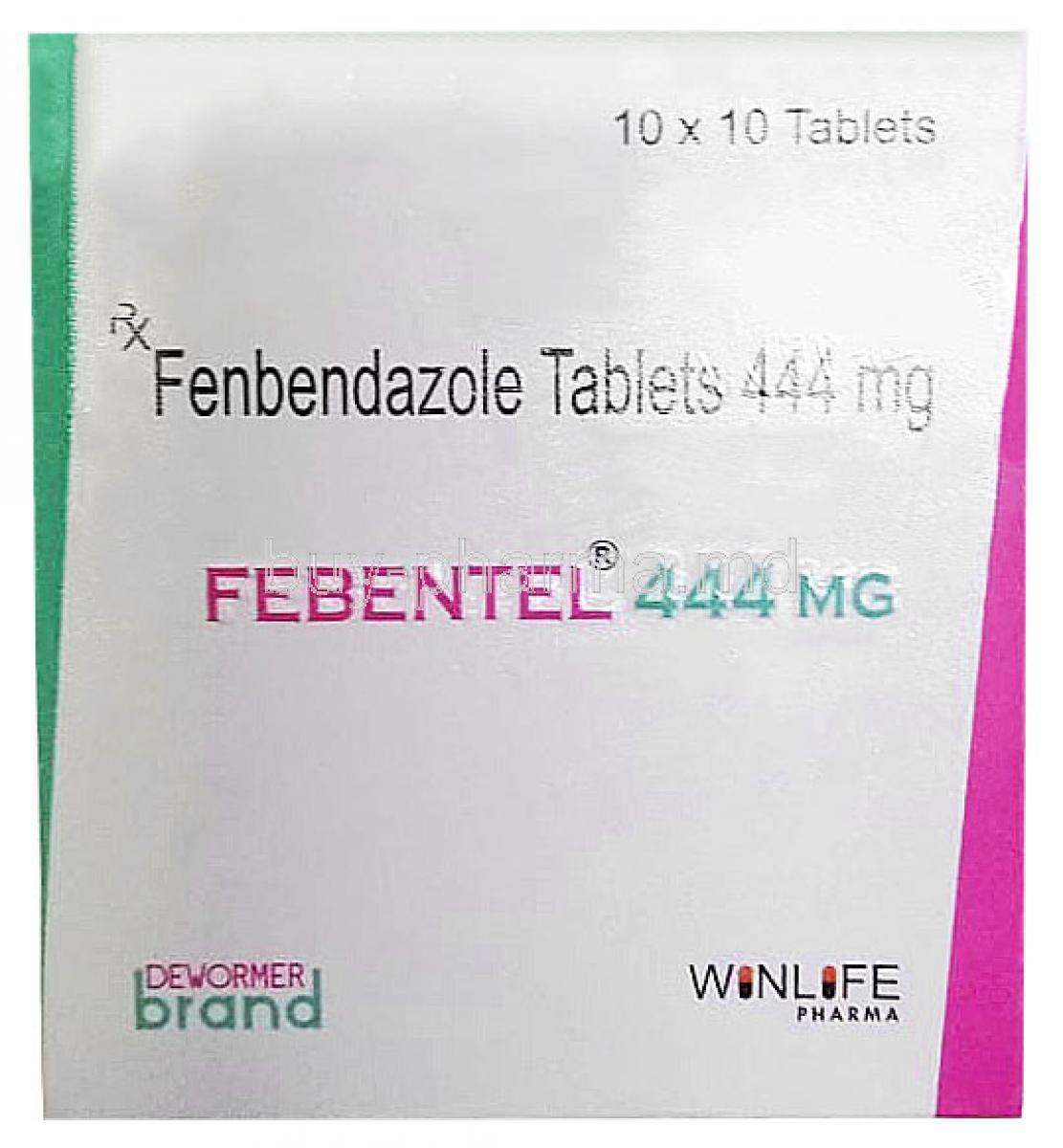
- Oral tablets for companion animals
- Suspensions for precise dosing in smaller animals
- Granules for feed incorporation in livestock
- Pastes for equine use
2.3 Excipients and Formulation Variations Across Brands
Different manufacturers incorporate varying excipients to enhance palatability, stability, and absorption. These may include binders, flavoring agents, and stabilizers, which can influence product acceptability and pharmacokinetic behavior.
2.4 Stability and Bioavailability Considerations
Fenbendazole is relatively stable under standard storage conditions. However, its bioavailability may be influenced by formulation type and co-administration with food. Lipid-rich meals may enhance absorption, thereby increasing systemic exposure.
3. Mechanism of Action (How It Works)
3.1 Disruption of Microtubule Formation in Parasites
Fenbendazole binds selectively to parasite β-tubulin, inhibiting microtubule polymerization. This disruption impairs cellular division and structural integrity, ultimately leading to parasite death.
3.2 Inhibition of Glucose Uptake and Energy Metabolism
The drug interferes with glucose transport mechanisms, depriving parasites of essential energy sources. This metabolic deprivation results in gradual starvation and elimination.
3.3 Selective Toxicity Toward Helminths
A notable feature of fenbendazole is its preferential toxicity toward parasitic organisms, sparing host tissues. This selectivity underpins its favorable safety profile.
3.4 Pharmacokinetics: Absorption, Distribution, Metabolism, and Excretion
Fenbendazole undergoes hepatic metabolism to active metabolites, including oxfendazole. Key pharmacokinetic features include:
- Moderate oral absorption
- Wide tissue distribution
- Metabolic conversion in the liver
- Excretion primarily via feces
4. Approved Uses of Fenbendazole
4.1 Treatment of Gastrointestinal Nematodes in Animals
Fenbendazole is extensively used to treat intestinal worm infestations, improving digestive health and nutrient absorption.
4.2 Efficacy Against Lungworms and Respiratory Parasites
Certain formulations demonstrate effectiveness against pulmonary parasites, aiding in the management of respiratory conditions caused by helminths.
4.3 Use in Companion Animals (Dogs, Cats)
In pets, fenbendazole is commonly prescribed for routine deworming and treatment of active infestations. It is often integrated into preventive healthcare protocols.
4.4 Use in Livestock (Cattle, Sheep, Goats, Horses)
In agricultural settings, fenbendazole supports herd health by controlling parasitic burdens that can compromise productivity and growth.
4.5 Role in Deworming Protocols and Preventive Care
Regular deworming schedules incorporating fenbendazole help minimize reinfection risks and maintain optimal health status.
5. Expanded and Off-Label Uses
5.1 Off-Label Use in Exotic and Zoo Animals
Veterinarians may employ fenbendazole in non-traditional species, including reptiles and exotic mammals, adapting dosages based on species-specific physiology.
5.2 Use in Aquatic Species and Birds
Specialized protocols exist for administering fenbendazole to avian and aquatic species, often via medicated feed.
5.3 Investigational Use in Protozoal Infections
Preliminary studies suggest potential activity against certain protozoa, although this application remains under investigation.
5.4 Emerging Research in Anticancer Applications
Recent experimental data have explored fenbendazole’s role in disrupting cancer cell microtubules. While intriguing, these findings are not yet clinically validated.
5.5 Potential Antiviral and Antifungal Explorations
Ongoing research examines broader antimicrobial properties, though conclusive evidence is limited.
5.6 Use in Human Self-Medication Contexts (Risks and Concerns)
Unregulated human use has gained attention, raising safety and efficacy concerns due to the absence of approved clinical data. Such practices are not recommended without medical oversight.
6. Dosage and Administration Guidelines
6.1 Standard Dosing by Species and Body Weight
Dosage is typically calculated based on body weight and species-specific guidelines, ensuring optimal therapeutic outcomes.
6.2 Duration of Treatment for Different Parasitic Infections
Treatment duration varies depending on parasite type and infection severity, ranging from single-dose regimens to multi-day courses.
6.3 Administration Methods (Oral, Feed Additives, Direct Dosing)
Administration methods include:
- Direct oral dosing
- Mixing with feed
- Incorporation into medicated formulations
6.4 Adjustments for Severe or Resistant Infections
In refractory cases, dosage adjustments or extended treatment durations may be necessary under veterinary guidance.
6.5 Importance of Veterinary Supervision
Professional oversight ensures accurate diagnosis, appropriate dosing, and monitoring of treatment efficacy.
7. Side Effects of Fenbendazole
7.1 Overview of Adverse Reactions
Fenbendazole is generally well-tolerated. Adverse effects are uncommon and typically mild when they occur.
7.2 Frequency and Severity of Side Effects
Most side effects are transient and self-limiting, rarely necessitating discontinuation of therapy.
7.3 Species-Specific Tolerability Differences
Tolerance may vary between species, highlighting the importance of tailored dosing strategies.
8. Common Side Effects
8.1 Gastrointestinal Disturbances (Vomiting, Diarrhea)
Mild gastrointestinal upset may occur, particularly in sensitive individuals or with higher doses.
8.2 Transient Loss of Appetite
Temporary anorexia may be observed but typically resolves without intervention.
8.3 Mild Lethargy or Behavioral Changes
Occasional lethargy has been reported, often associated with parasite die-off rather than direct drug effects.
8.4 Hypersensitivity Reactions (Rare)
Allergic reactions are rare but may manifest as:
- Skin irritation
- Pruritus
- Swelling
9. Drug Interactions and Nutritional Considerations
9.1 Interaction with Other Anthelmintics
Concurrent use with other antiparasitic agents may enhance efficacy but requires careful coordination.
9.2 Compatibility with Antibiotics and Anti-inflammatory Drugs
Fenbendazole generally exhibits minimal interaction with commonly used antibiotics and NSAIDs.
9.3 Effects of Food on Drug Absorption
Administration with food may improve absorption, particularly in lipid-rich meals.
9.4 Potential Interference with Diagnostic Tests
Certain diagnostic parameters may be transiently influenced during treatment, necessitating cautious interpretation.
10. Warnings and Safety Considerations
10.1 Risk of Resistance with Improper Use
Inappropriate dosing or overuse may contribute to the emergence of resistant parasite strains.
10.2 Safety in High-Parasite Load Conditions
Rapid parasite die-off in heavily infected animals may lead to inflammatory responses, requiring monitoring.
10.3 Monitoring During Long-Term Use
Prolonged administration should be accompanied by periodic evaluation to ensure safety and effectiveness.
10.4 Regulatory Status and Use Restrictions
Fenbendazole is approved for veterinary use in many jurisdictions, with specific regulations governing its administration and distribution.
11. Contraindications
11.1 Known Hypersensitivity to Fenbendazole or Components
Fenbendazole is contraindicated in animals with a documented hypersensitivity to the active compound or any formulation excipients. Although rare, allergic responses may manifest with varying intensity.
- Dermatologic reactions such as erythema or pruritus
- Edematous swelling in sensitive individuals
- Respiratory distress in severe hypersensitivity cases
Immediate discontinuation is warranted if hypersensitivity is suspected, followed by appropriate veterinary intervention.
11.2 Contraindicated Species or Conditions
While fenbendazole exhibits broad safety across many species, certain animals or conditions may render its use inadvisable. Sensitivity can vary significantly depending on metabolic capacity and physiological nuances.
Use caution or avoid in:
- Species with known intolerance to benzimidazole compounds
- Animals with unidentified systemic illness
- Situations where alternative therapies are more suitable
11.3 Use in Severely Debilitated Animals
Administration in profoundly debilitated or cachectic animals requires prudence. The metabolic burden associated with drug processing, combined with potential parasite die-off reactions, may exacerbate clinical instability.
Close monitoring is essential. In some cases, stabilization prior to deworming may be clinically preferable.
12. Careful Administration (Use with Caution)
12.1 Animals with Liver or Kidney Impairment
Fenbendazole undergoes hepatic metabolism and is excreted primarily via feces, yet compromised organ function can alter pharmacokinetics. Animals with hepatic or renal insufficiency may exhibit prolonged drug exposure.
- Potential accumulation of metabolites
- Altered therapeutic response
- Increased risk of adverse effects
12.2 Use in Immunocompromised Animals
Immunocompromised animals may respond unpredictably to both infection and treatment. Parasite clearance can provoke inflammatory reactions, necessitating vigilant observation.
Supportive care measures may be required in parallel with anthelmintic therapy.
12.3 Concurrent Illness or Infection Considerations
Coexisting diseases, particularly gastrointestinal or systemic infections, may influence drug absorption and therapeutic efficacy. Clinical judgment is required to prioritize treatment sequencing.
12.4 Dose Adjustment in Special Populations
Tailored dosing may be indicated for animals with atypical physiology or comorbid conditions. This includes adjustments in:
- Body weight deviations
- Metabolic rate differences
- Severity of parasitic burden
13. Important Precautions for Safe Use
13.1 Adherence to Prescribed Dosage and Duration
Strict compliance with prescribed dosing regimens is essential for therapeutic success. Deviations may compromise efficacy or increase the likelihood of resistance.
13.2 Avoidance of Underdosing and Overdosing
Both insufficient and excessive dosing carry risks:
- Underdosing may allow parasite survival and resistance development
- Overdosing may lead to toxicity or unnecessary physiological stress
13.3 Hygiene and Environmental Control to Prevent Reinfection
Pharmacological treatment alone is insufficient without environmental management. Reinfection remains a significant concern in contaminated habitats.
- Regular sanitation of living areas
- Proper disposal of fecal matter
- Routine monitoring of parasite exposure risks
13.4 Monitoring for Treatment Efficacy
Post-treatment evaluation ensures successful parasite eradication. This may include:
- Fecal examinations
- Clinical symptom assessment
- Repeat dosing if necessary
14. Administration in Special Populations
14.1 Administration to Elderly Animals
14.1.1 Age-Related Pharmacokinetic Changes
Aging is associated with physiological alterations that may influence drug absorption, metabolism, and excretion. Reduced hepatic and renal function can prolong drug half-life.
14.1.2 Monitoring and Dose Adjustments
Geriatric animals may require closer observation during treatment. Adjustments should be considered based on:
- Overall health status
- Presence of chronic conditions
- Observed tolerance to therapy
14.2 Administration to Pregnant and Lactating Animals
14.2.1 Safety Profile in Pregnancy
Fenbendazole is generally regarded as having a favorable safety margin in pregnancy when used appropriately. However, timing and dosage should be carefully evaluated.
14.2.2 Transfer Through Milk and Neonatal Exposure
Minimal transfer into milk has been reported, yet neonatal exposure remains a consideration. Monitoring offspring for any adverse effects is prudent.
14.3 Administration to Pediatric/Young Animals
14.3.1 Safety in Neonates and Juveniles
Young animals often tolerate fenbendazole well, though immature metabolic systems necessitate cautious dosing.
14.3.2 Growth and Development Considerations
Proper parasite control is critical for optimal growth. Untreated infestations can impair nutrient absorption and developmental progression.
15. Overdosage and Toxicity Management
15.1 Clinical Signs of Overdose
Although fenbendazole has a wide safety margin, excessive intake may produce adverse clinical signs:
- Gastrointestinal distress
- Lethargy or weakness
- Neurological symptoms in extreme cases
15.2 Immediate Management and Supportive Care
Management of overdose is primarily supportive. Prompt veterinary intervention may include:
- Discontinuation of the drug
- Fluid therapy to maintain hydration
- Symptomatic treatment based on clinical presentation
15.3 Prognosis and Recovery Outcomes
With timely intervention, prognosis is generally favorable. Most animals recover without long-term sequelae due to the drug’s relatively low systemic toxicity.
16. Storage and Stability Requirements
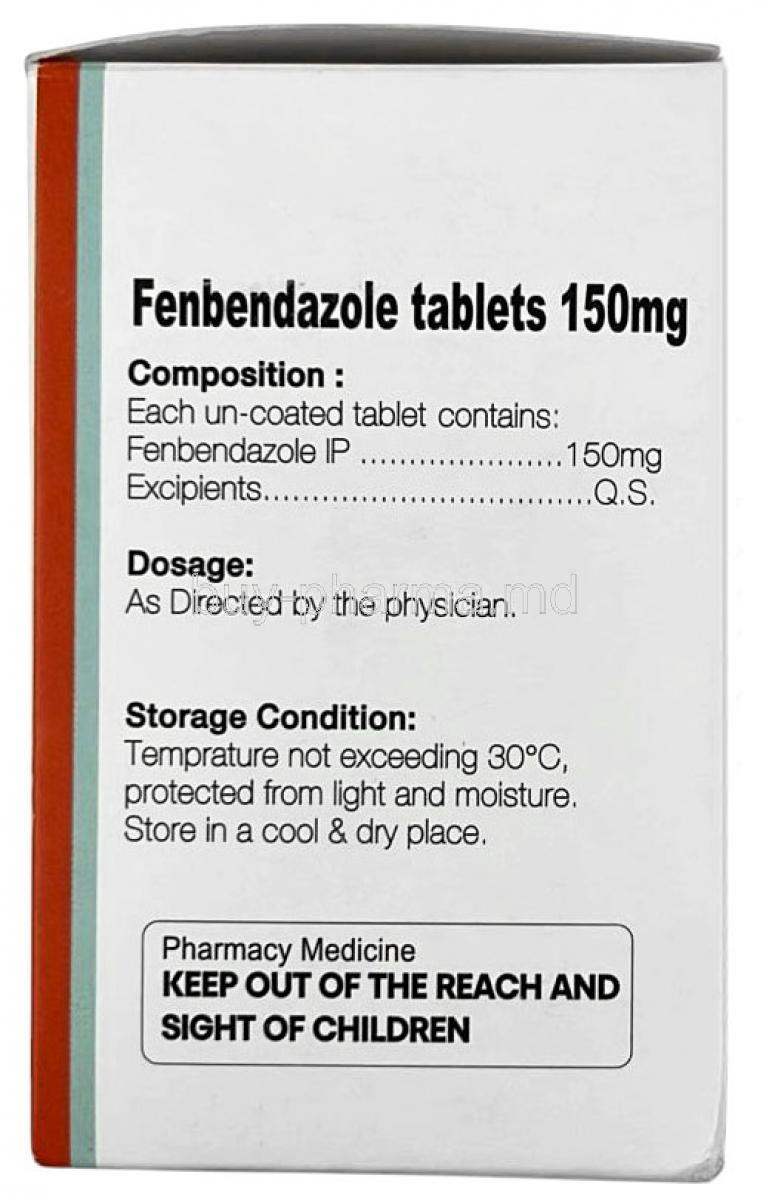
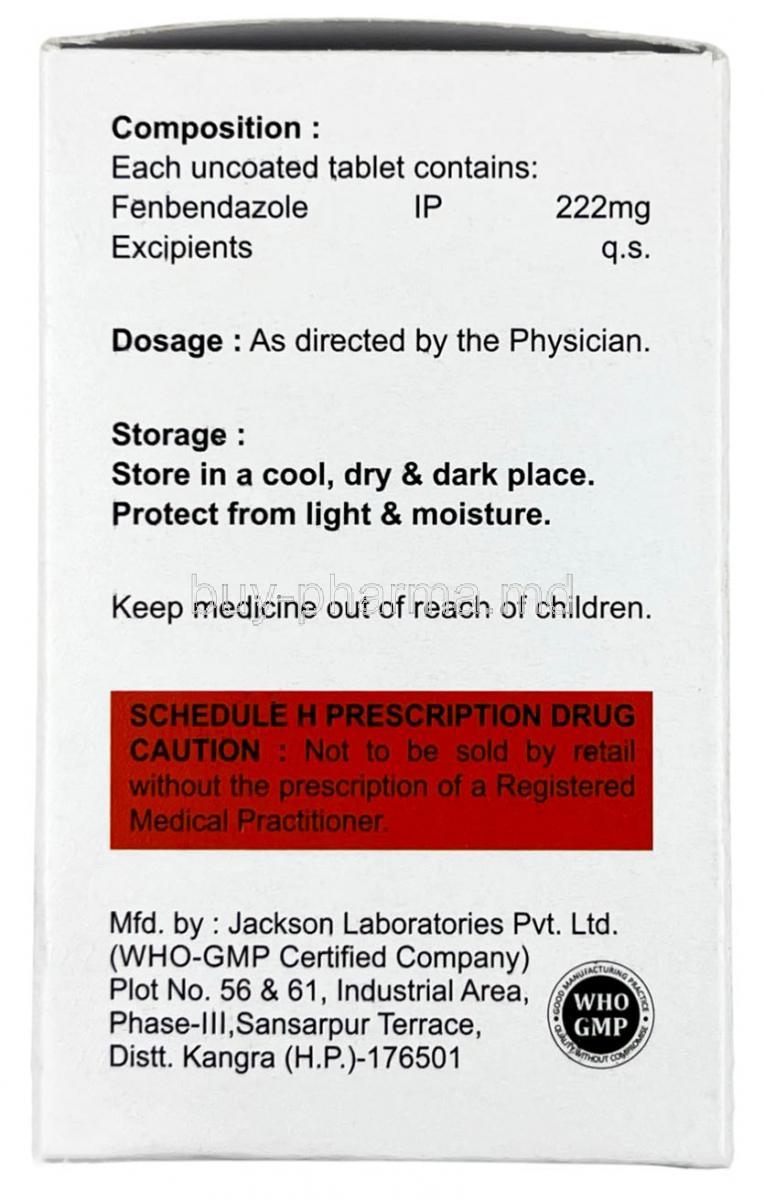
16.1 Recommended Storage Conditions (Temperature, Humidity)
Fenbendazole products should be stored in controlled environments to maintain stability and efficacy:
- Room temperature, away from excessive heat
- Low humidity conditions
- Protection from direct sunlight
16.2 Shelf Life and Expiry Considerations
Adherence to labeled expiry dates is critical. Degraded formulations may exhibit reduced potency or altered safety profiles.
16.3 Safe Storage Practices to Prevent Contamination
Proper storage minimizes contamination risks and ensures product integrity. Containers should remain tightly sealed and stored out of reach of children and animals.
17. Handling Precautions
17.1 Safe Handling for Caregivers and Veterinary Staff
Handling fenbendazole requires basic precautionary measures to prevent accidental exposure:
- Avoid direct contact with eyes and mucous membranes
- Wash hands thoroughly after handling
- Use protective gloves when necessary
17.2 Protective Measures During Administration
During administration, particularly in large animals, care should be taken to ensure accurate dosing and minimize spillage or inhalation.
17.3 Disposal of Unused or Expired Medication
Unused or expired products should be disposed of in accordance with local regulations. Improper disposal may contribute to environmental contamination.
17.4 Environmental Impact and Waste Management
Anthelmintic residues may affect soil and aquatic ecosystems. Responsible waste management practices are essential to mitigate ecological impact.
Customers also bought
Popular Products
Similar Product