Allerdest, Levocetirizine
- Introduction to Allerdest (Levocetirizine)
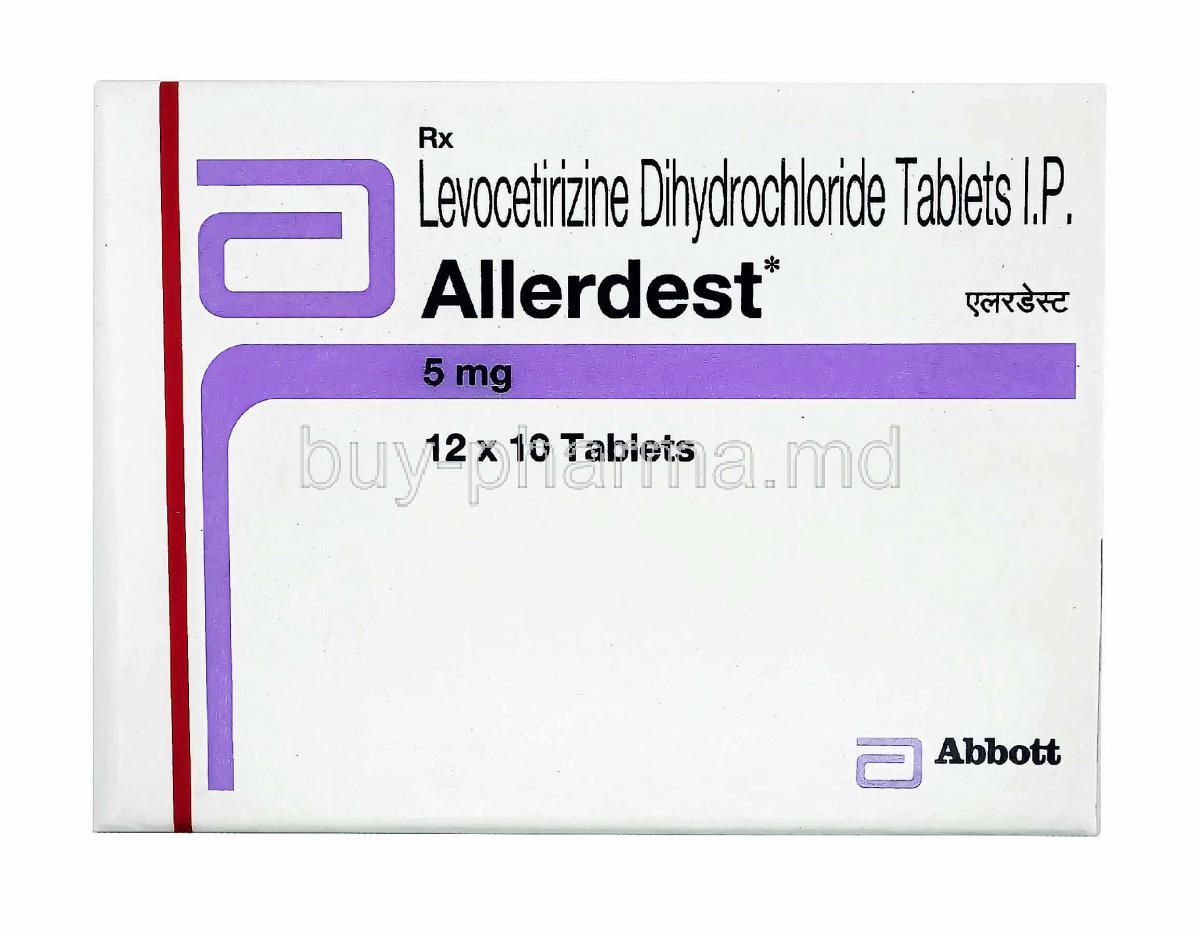
- What Is Allerdest
- Overview of Levocetirizine as an Antihistamine
- Classification of Allerdest in Allergy Treatment
- Difference Between Levocetirizine and Cetirizine
- How Allerdest Helps Control Allergic Reactions
- Composition and Active Ingredients
- Active Ingredient in Allerdest
- Pharmaceutical Formulations and Available Strengths
- Inactive Ingredients and Excipients
- Tablet, Syrup, and Oral Solution Variants
- Preservatives and Additives Used in Formulation
- How Allerdest (Levocetirizine) Works
- Mechanism of Action of Levocetirizine
- Histamine H1 Receptor Blocking Activity
- How Allerdest Reduces Allergy Symptoms
- Duration of Action and Onset of Relief
- Pharmacokinetics and Absorption Profile
- Metabolism and Elimination from the Body
- Approved Uses of Allerdest (Levocetirizine)
- Treatment of Seasonal Allergic Rhinitis
- Management of Perennial Allergic Rhinitis
- Relief of Sneezing and Runny Nose
- Treatment of Itchy and Watery Eyes
- Management of Chronic Idiopathic Urticaria
- Relief of Skin Allergies and Hives
- Reduction of Nasal Congestion Associated With Allergies
- Use in Dust, Pollen, and Pet Allergies
- Levocetirizine for Allergies
- Levocetirizine for Hay Fever
- Levocetirizine for Hives
- Levocetirizine for Chronic Urticaria
- Levocetirizine for Runny Nose
- Levocetirizine for Seasonal Allergic Rhinitis
- Levocetirizine for Perennial Allergic Rhinitis
- Levocetirizine for Itchy Eyes
- Levocetirizine for Sneezing
- Levocetirizine for Skin Rash
- Levocetirizine for Watery Eyes
- Levocetirizine for Insect Bite Reaction
- Off-Label Uses of Allerdest (Levocetirizine)
- Use for Eczema-Related Itching
- Management of Allergic Cough
- Supportive Treatment for Sinusitis Symptoms
- Use in Chronic Pruritus and Skin Irritation
- Off-Label Use for Insect Bite Reactions
- Adjunctive Therapy for Asthma-Related Allergies
- Use in Drug-Induced Allergic Reactions
- Supportive Use in Atopic Dermatitis
- Use for Cold-Induced Urticaria
- Management of Mild Food Allergy Symptoms
- Dosage and Administration Guidelines
- Recommended Adult Dosage of Allerdest
- Pediatric Dosage Recommendations
- Dosage Adjustments in Kidney Impairment
- Best Time to Take Levocetirizine
- Administration With or Without Food
- Instructions for Oral Solution and Syrup Use
- Missed Dose Instructions
- Duration of Treatment for Allergic Conditions
- Levocetirizine Dosage Adults
- Levocetirizine 5mg Dosage
- Levocetirizine How To Take
- Levocetirizine Once a Day
- Levocetirizine Take at Night / Take in The Evening
- Levocetirizine Dosage for Children
- Levocetirizine Pediatric Dose
- Levocetirizine Oral Solution
- Levocetirizine 2.5mg Children
- How Long Does Levocetirizine Take to Work
- Levocetirizine 24 Hour Relief
- Recommended Adult Dosage of Allerdest
- Pediatric Dosage Recommendations
- Dosage Adjustments in Kidney Impairment
- Best Time to Take Levocetirizine
- Administration With or Without Food
- Instructions for Oral Solution and Syrup Use
- Missed Dose Instructions
- Duration of Treatment for Allergic Conditions
Introduction to Allerdest (Levocetirizine)
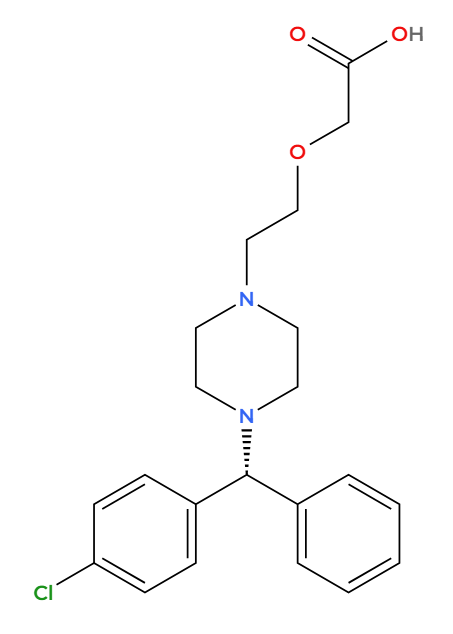
According to National Institutes of Health, Allerdest is a pharmaceutical preparation containing Levocetirizine, a modern second-generation antihistamine widely utilized for the symptomatic management of allergic disorders.According to national Institute of Health Clinical trials report a significant improvement in nasal symptoms and quality of life in over 80% of patients in the treatment of perennial allergic rhinitis, seasonal pollen hypersensitivity, chronic idiopathic urticaria, and various histamine-mediated dermatologic manifestations.
Unlike earlier antihistaminic compounds associated with pronounced sedation and psychomotor impairment, Levocetirizine demonstrates a more selective affinity for peripheral histamine H1 receptors. This targeted pharmacodynamic profile contributes to effective allergy relief while minimizing excessive central nervous system depression.
- Commonly used for sneezing and rhinorrhea
- Helps reduce pruritus and watery eyes.
- Often prescribed for chronic hives.
- Suitable for both adults and pediatric patients in many regions
What Is Allerdest
Allerdest is a branded formulation of Levocetirizine dihydrochloride, an advanced antihistaminic molecule engineered to mitigate allergic responses initiated by histamine release. Histamine is a bioactive amine liberated during allergic exposure, leading to inflammation, mucosal irritation, vasodilation, and itching.
This medicine is often given once a day because it lasts a long time. Many doctors like it for people who need to control their allergies all the time without feeling too sleepy, which is a common problem with some older allergy medicines.
Allerdest may be prescribed for:
- Seasonal allergic rhinitis
- Dust mite allergies
- Pet dander hypersensitivity
- Chronic urticaria
- Environmental allergen exposure
Overview of Levocetirizine as an Antihistamine
Levocetirizine belongs to the piperazine derivative class of antihistamines and functions as a potent inverse agonist at peripheral H1 receptors. By attenuating histamine signaling, it reduces capillary permeability, tissue edema, and sensory nerve stimulation responsible for itching and sneezing.
Its pharmacokinetic characteristics are particularly favorable. Rapid gastrointestinal absorption, relatively stable plasma concentrations, and prolonged receptor occupancy allow sustained symptom control throughout the day.
Distinctive attributes include:
- High receptor selectivity
- Rapid onset of action
- Extended symptom relief
- Reduced sedative burden compared with older antihistamines
- Predictable bioavailability
Classification of Allerdest in Allergy Treatment
Allerdest is categorized as a second-generation antihistamine. These agents were developed to overcome the shortcomings of older antihistamines that frequently caused excessive somnolence, anticholinergic adverse effects, and impaired cognitive performance.
Second-generation antihistamines are characterized by limited penetration across the blood-brain barrier. Consequently, they exhibit a comparatively lower incidence of sedation while maintaining substantial anti-allergic efficacy.
Within therapeutic algorithms, Allerdest is commonly positioned as:
- A first-line treatment for allergic rhinitis
- A maintenance therapy for chronic urticaria
- An adjunctive option in multi-modal allergy management
- A preferred antihistamine for daytime symptom control
Difference Between Levocetirizine and Cetirizine
Levocetirizine and Cetirizine possess a close molecular relationship. Levocetirizine Less likely to cause drowsiness (mild sedation in ~3-4% of users) as compared to Cetrizine more likely (mild sedation in ~10-14% of users). Levocetirizine represents the active R-enantiomer of Cetirizine, meaning it contains the pharmacologically more effective stereochemical component of the parent compound. Levocetirizine is a very specific molecule, which means it can work well at lower doses. Some people who take it say they feel less sleepy, but everyone's body is different, so results can vary a lot.
- Levocetirizine is the active isomer of Cetirizine
- Lower dosage may achieve similar symptom control
- Potentially improved tolerability profile
- Comparable effectiveness for allergic rhinitis and urticaria
Levocetirizine vs Cetirizine (Zyrtec)
Cetirizine, also known by its brand name Zyrtec, is a mix of two types of molecules, called R- and S-enantiomers. But when we separate out the R-enantiomer, which is the part that actually works to relieve symptoms, we get levocetirizine. This version is better at binding to receptors, making it more effective. Clinical comparisons frequently reveal:
- Similar efficacy in allergy relief
- Levocetirizine may require lower dosing
- Some people might feel a bit drowsy when taking Zyrtec, especially if they're sensitive to it
- Both remain highly effective second-generation antihistamines
How Allerdest Helps Control Allergic Reactions
Allergic reactions involve intricate immunologic cascades. Upon exposure to allergens, mast cells release histamine and other inflammatory mediators. These compounds provoke vasodilation, mucosal swelling, pruritus, and excessive secretions. Allerdest interferes with this cascade by competitively inhibiting H1 receptor activation. As histamine signaling diminishes, allergic manifestations become significantly less pronounced.
Benefits may include:
- Reduction in nasal congestion
- Decreased sneezing frequency
- Relief from itchy skin

- Improved ocular comfort
- Enhanced nighttime breathing quality
Composition and Active Ingredients
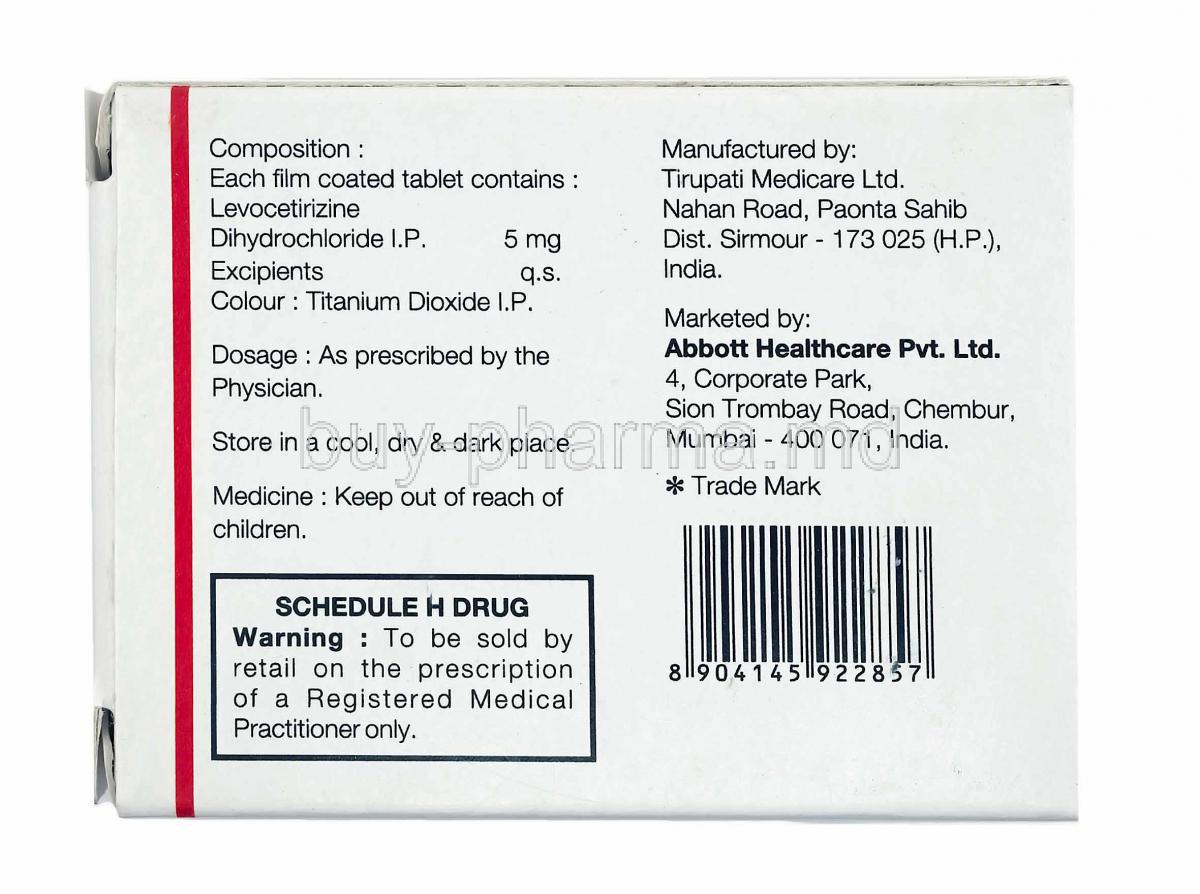
The main ingredient that makes Allerdest work is Levocetirizine dihydrochloride. But it's not the only thing in it - the full recipe also includes things that help keep it stable, make it easier to take, and give it a better taste. There are also preservatives to keep it fresh. All these extra ingredients are important for making sure the medicine works properly. Each constituent contributes to:
- Drug stability
- Improved absorption consistency
- Palatability in liquid forms
- Shelf-life preservation
- Manufacturing uniformity
Active Ingredient in Allerdest
Levocetirizine dihydrochloride serves as the principal active pharmaceutical ingredient. It exhibits potent antihistaminic activity through selective peripheral H1 receptor antagonism. The molecule demonstrates:
- Rapid systemic absorption
- Minimal hepatic metabolism
- Renal elimination predominance
- Long-lasting receptor occupancy
Pharmaceutical Formulations and Available Strengths
Medicines like Allerdest come in different forms, so they can be used by people of all ages and for various health needs. The way they are made might be a little different depending on where you are in the world and what the rules are in that place. Also, the company that makes them might have its own way of doing things.
Commonly available strengths include:
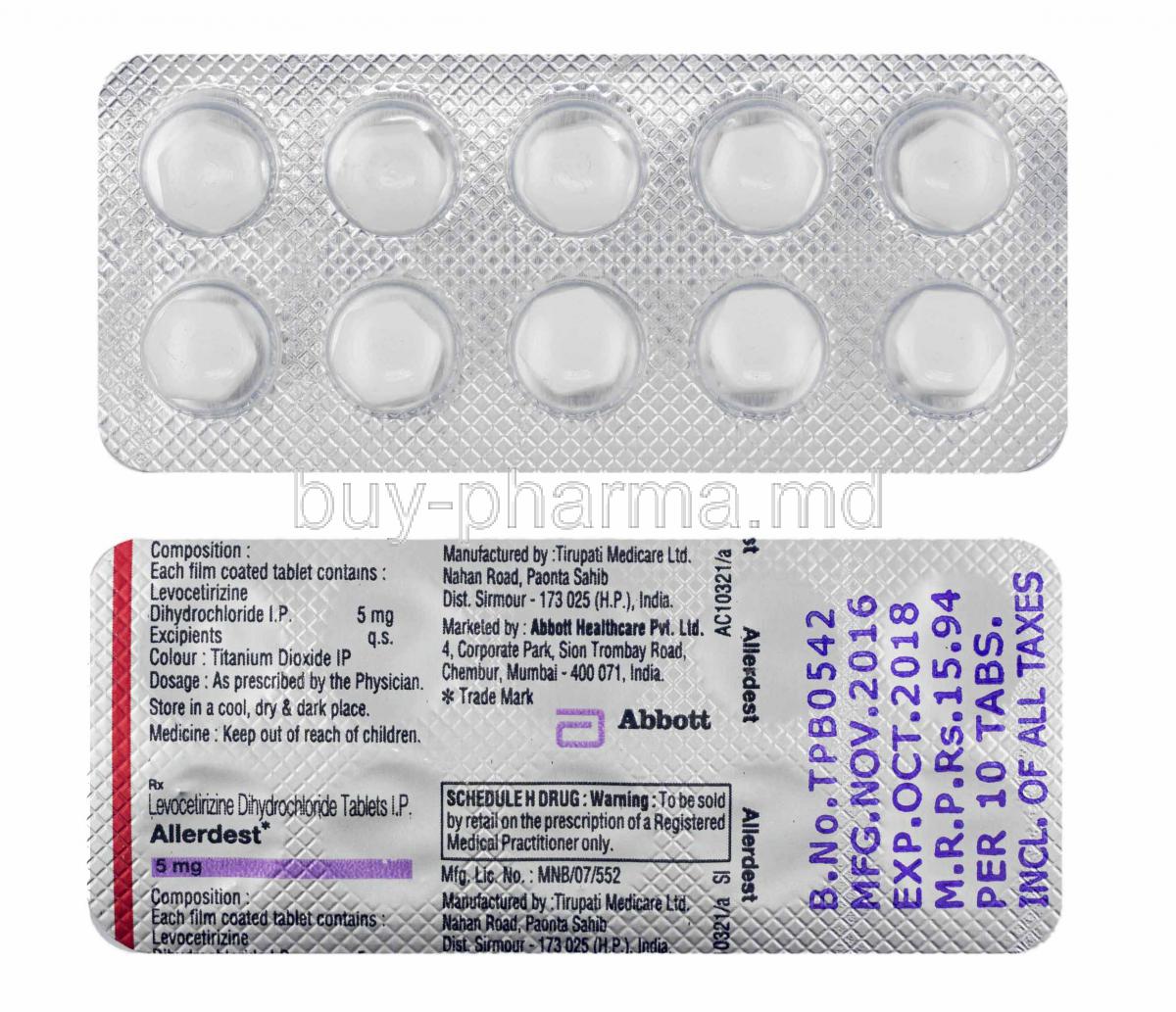
- 5 mg tablets
- 2.5 mg pediatric doses
- Oral syrup preparations
- Liquid oral solutions
Flexible formulations make it easier to give the right dose of medicine, which is really important for kids and older adults. These groups often need special doses that are just right for them.
Inactive Ingredients and Excipients
Excipients are pharmacologically inactive substances incorporated into the formulation to enhance manufacturability, stability, texture, and patient acceptability.
Common excipients may include:
- Microcrystalline cellulose
- Lactose monohydrate
- Magnesium stearate
- Silicon dioxide
- Hypromellose coatings
Some ingredients in medicines, even if they aren't the active part, can still cause problems for people who are sensitive or have allergies.
Tablet, Syrup, and Oral Solution Variants
Having different dosage options makes it easier to tailor treatment to individual needs. For adults, tablets are often the go-to choice because they're convenient and easy to take on the go. On the other hand, syrups and oral solutions are a better fit for kids and people who have trouble swallowing pills, as they're simpler to administer. This flexibility is really important, especially when it comes to making sure that people of all ages and abilities can get the medication they need.
Liquid formulations may provide:
- Improved dose flexibility
- Enhanced pediatric compliance
- Simplified swallowing
- Rapid administration
Preservatives and Additives Used in Formulation
Preservatives and stabilizing additives help maintain chemical integrity and microbiological safety throughout the product's shelf life. These agents are carefully regulated to ensure safety and formulation consistency.
Potential additives include:
- Sodium benzoate
- Citric acid
- Flavoring compounds
- Sweetening agents
- Color stabilizers
Patients with additive sensitivities should review ingredient labels carefully, particularly when using flavored pediatric formulations.
Levocetirizine vs Loratadine (Claritin)
A meta-analysis comparing treatments for allergic rhinitis found that levocetirizine was significantly more effective than loratadine at reducing patients' total symptom scores (TSS) ( < 0.01). Loratadine, which is often sold under the brand name Claritin, is a popular choice for managing daytime allergies. This type of antihistamine is known for having a minimal sedating effect, making it a great option for people who suffer from hay fever or urticaria and want to stay alert and focused throughout the day.
Comparative distinctions include:
- Some people might find that levocetirizine works better for them, helping to relieve their symptoms more effectively.
- Claritin is often associated with extremely low sedation rates
- Onset of action may be faster with Levocetirizine
- Both are effective for seasonal allergies
Levocetirizine vs Fexofenadine (Allegra)
Fexofenadine, also known by its brand name Allegra, is a well-known second-generation antihistamine that stands out for its very low ability to enter the central nervous system. Levocetirizine has a Highly consistent inhibition (>95%) of histamine responses as compared to Fexofenadine.
Key differences include:
- Allegra is considered among the least sedating antihistamines
- Levocetirizine might be more effective at relieving itchiness in certain situations.
- Fexofenadine absorption can be affected by fruit juices
- Both medications are widely prescribed in allergic rhinitis
Levocetirizine vs Diphenhydramine (Benadryl)
Diphenhydramine, commonly sold as Benadryl, is a first-generation antihistamine with significant sedative and anticholinergic properties.
Compared with Benadryl, Levocetirizine generally offers:
- Longer duration of action
- Less daytime drowsiness

- Reduced cognitive impairment
- More suitable daytime functionality
Benadryl can still be used when someone has a bad allergic reaction and being drowsy isn't a problem, like when it's time for bed.
Best antihistamine for allergies US
The best antihistamine for you depends on a few things: how bad your symptoms are, how sensitive you are to drowsiness, what other health issues you have, and how your body reacts to the medicine.
In the US, some popular second-generation antihistamines that are often used include:
- Levocetirizine
- Cetirizine
- Loratadine
- Fexofenadine
- Desloratadine
Levocetirizine is often favored for potent symptom control, while Fexofenadine may be selected for individuals requiring maximal daytime alertness.
Second-Generation Antihistamine Comparison
Second-generation antihistamines collectively represent a substantial advancement in allergy therapeutics. They provide effective histamine suppression with considerably fewer sedative effects than earlier antihistaminic agents.
Choosing the appropriate antihistamine requires individualized assessment. Variables such as symptom intensity, occupational demands, sleep patterns, and prior medication tolerance all influence therapeutic selection.
How Allerdest (Levocetirizine) Works
Allerdest is a medicine that contains Levocetirizine, which helps to stop allergic reactions. It does this by blocking the effects of histamine, a chemical that's released by the body's immune system when it thinks something is attacking it. When histamine is released, it can cause a lot of problems, like making blood vessels get bigger, causing swelling in the mucous membranes, making the skin turn red, causing tears to flow, and making you feel itchy all over.
By blocking histamine, Allerdest can help to prevent these symptoms and make you feel better when you're having an allergic reaction. Levocetirizine interrupts this immunologic sequence with remarkable receptor specificity. Its molecular architecture allows high-affinity interaction with histamine H1 receptors, thereby attenuating the physiologic manifestations of allergic hypersensitivity.
- Controls sneezing and rhinorrhea
- Reduces itching and skin irritation
- Decreases watery eye symptoms
- Improves nasal airflow in allergic rhinitis
- Helps suppress chronic urticaria flare-ups
Allerdest is different from many older antihistamines because it doesn't easily cross the blood-brain barrier. This means that it's less likely to cause drowsiness and affect movement and reaction time as much.
Mechanism of Action of Levocetirizine
Levocetirizine mainly works by targeting the histamine H1 receptors in the body. But instead of just stopping histamine from binding, it helps keep the receptor in a calm state, which reduces the normal activity of the receptor and decreases inflammatory signals.
This pharmacodynamic behavior contributes to sustained suppression of allergic manifestations. Histamine-mediated sensory nerve stimulation becomes attenuated. Capillary permeability decreases. Tissue swelling subsides gradually yet effectively.
The medication exerts several physiologic effects:
- Reduction of vascular permeability
- Suppression of inflammatory mediator release
- Decreased sensory nerve irritation
- Minimization of mucosal congestion
- Attenuation of wheal-and-flare responses
Levocetirizine exhibits stereoselective potency because it is the active R-enantiomer derived from Cetirizine. This molecular refinement enhances receptor affinity and therapeutic efficiency at relatively modest dosages.
Histamine H1 Receptor Blocking Activity
Histamine H1 receptors are distributed extensively throughout respiratory mucosa, vascular endothelium, dermal tissue, and sensory neurons. During allergic reactions, histamine binding to these receptors precipitates the classic symptom constellation associated with allergic disease.
When Allerdest gets involved, it blocks histamine from latching onto its usual receptor sites, which slows down the activation of those receptors. As a result, the inflammatory response is toned down, and that means less sneezing, reduced itchiness, and a significant decrease in nasal secretions. Essentially, Allerdest helps to calm down the overactive immune response, leading to relief from annoying allergy symptoms.
The H1 receptor blocking activity of Levocetirizine is characterized by:
- High receptor selectivity
- Rapid receptor occupancy
- Prolonged inhibitory action
- Reduced central nervous system involvement
- Consistent antihistaminic efficacy
This receptor specificity is particularly advantageous in chronic allergy management where long-term tolerability remains clinically significant.
How Allerdest Reduces Allergy Symptoms
Allergic symptoms emerge when immunoglobulin E-mediated pathways stimulate mast cell degranulation. Histamine release subsequently induces vasodilation, tissue edema, mucus hypersecretion, and sensory irritation.
Allerdest mitigates these effects through potent peripheral antihistaminic activity. Once histamine signaling is suppressed, the inflammatory burden progressively decreases.
Symptomatic improvements commonly include:
- Reduced nasal congestion
- Fewer sneezing episodes
- Relief from itchy eyes and throat
- Diminished skin redness and hives
- Improved breathing comfort
Levocetirizine can be really helpful for people who have chronic urticaria, which is a kind of skin condition that causes hives and constant itching. It works by stopping the hives from forming and relieving the itchiness.
This medicine is also good for people who have allergic rhinitis, which is an allergy that happens when you breathe in things like pollen, pet hair, mold, or dust mites. It helps reduce the irritation in your nose and makes you feel better.
Lots of people find that their symptoms are well managed when they take their medication just once a day. This makes it easier for them to stick to their treatment plan and fit it into their daily routine.
Duration of Action and Onset of Relief
When you take Levocetirizine, it starts working pretty quickly. For a lot of people, they can start feeling better within about an hour. But it's worth noting that everyone's body is different, so the timing can vary from person to person.
The highest levels of the medicine in the blood are usually reached within a few hours. After that, the medicine keeps working to relieve symptoms for a long time, often for a whole day, around 24 hours.
Clinical advantages associated with its prolonged duration include:
- Once-daily dosing convenience
- Stable symptom suppression
- Reduced nighttime allergy disturbances
- Improved patient adherence
- Continuous receptor coverage
The prolonged activity is attributable to strong receptor affinity and sustained peripheral receptor occupancy. Consequently, many patients maintain effective allergy control without requiring multiple daily doses.
Pharmacokinetics and Absorption Profile
When you take Levocetirizine by mouth, it gets absorbed quickly and easily. Most of the dose makes it into your bloodstream without being broken down, which means it can start working right away. This is because the bioavailability of Levocetirizine is really high, so your body can use a lot of the medicine that you take.
When you eat, it can slow down how quickly your body absorbs certain things, but it doesn't usually affect how much of it gets absorbed overall. This means that the treatment will work consistently, no matter who's taking it or what their individual needs are. It's reliable and performs well across different groups of people.
Key pharmacokinetic properties include:
- Rapid gastrointestinal absorption
- High oral bioavailability
- Minimal first-pass metabolism
- Low interpatient variability
- Predictable plasma concentration profiles
Levocetirizine has a special way of moving through the body. It binds to proteins in the blood, but not too strongly. This helps it get to where it needs to go and stay active, so it can keep doing its job of fighting off allergic reactions.
Metabolism and Elimination from the Body
Levocetirizine is different from other antihistamines in that it doesn't get broken down much in the liver. Instead, a big part of the dose you take is gotten rid of by your kidneys, and it leaves your body pretty much unchanged.
Kidneys are crucial when it comes to getting rid of drugs in our body. If someone's kidneys aren't working properly, they might have drugs staying in their system for longer than usual, and the way their body gets rid of those drugs can be affected. This means doctors need to be careful and adjust the dose of the drug in certain situations to make sure the person gets the right amount and doesn't get too much or too little.
Important elimination characteristics include:
- Predominantly renal excretion
- Minimal hepatic biotransformation
- Extended elimination half-life
- Low metabolic burden on the liver
- Steady systemic clearance in healthy individuals
The way a drug is removed from the body usually means it only needs to be taken once a day. This helps keep the drug's effects consistent and stable, without big ups and downs in the amount of drug in the blood.
Approved Uses of Allerdest (Levocetirizine)
Allerdest, formulated with Levocetirizine dihydrochloride, is widely prescribed for the management of multiple allergic disorders characterized by histamine-mediated inflammation. Its selective H1 receptor antagonistic activity allows effective suppression of common allergy symptoms while maintaining a comparatively favorable tolerability profile.
The medication is frequently utilized in both acute and chronic allergic conditions. It offers prolonged symptom control, convenient once-daily administration, and broad applicability across numerous environmental hypersensitivity reactions.
- Seasonal allergic rhinitis
- Perennial allergic rhinitis
- Chronic idiopathic urticaria
- Itching and dermatologic allergic reactions

- Environmental allergen sensitivity
Because of its sustained pharmacologic activity, Allerdest is commonly integrated into long-term allergy management strategies for adults and pediatric patients where clinically appropriate.
Treatment of Seasonal Allergic Rhinitis
Seasonal allergic rhinitis, frequently referred to as hay fever, develops when airborne allergens such as tree pollen, grass pollen, or weed particles provoke immunologic hypersensitivity reactions. Histamine release subsequently leads to sneezing, rhinorrhea, nasal pruritus, and ocular irritation.
Allerdest assists in controlling these manifestations through potent peripheral H1 receptor inhibition. Many individuals experience substantial symptomatic relief during high-pollen seasons when allergen exposure intensifies.
Clinical benefits may include:
- Reduced sneezing frequency ( Data from clinical studies in Research Gate, including the XYZAL Persistent Rhinitis Trial, demonstrate that a continuous daily dose of 5 mg lowered overall symptom scores for sneezing, runny nose, and nasal itching by 47% to 86% relative to a placebo.)
- Improved nasal airflow
- According to Mayo Clinic Levocetrizine causes Less watery nasal discharge
- Diminished throat irritation
- Enhanced daytime comfort
This medicine is often chosen for use during certain times of the year because it gives long-lasting relief without making people feel extremely drowsy, which is a common side effect of older allergy medicines.
Management of Perennial Allergic Rhinitis
Perennial allergic rhinitis differs from seasonal allergies in that symptoms persist throughout the year. Common triggers include dust mites, mold spores, cockroach allergens, and animal dander.
Persistent inflammation may significantly impair quality of life. Nasal congestion, chronic sneezing, sleep disruption, and fatigue often become recurrent concerns.
Allerdest helps mitigate chronic allergen-induced inflammation by continuously suppressing histamine receptor activation. Its extended duration of action makes it suitable for long-term symptom management.
- Supports year-round allergy control
- According to national institute of health it Reduces chronic nasal irritation
- Helps improve nighttime breathing
- May decrease allergy-related sleep disturbances
- Provides consistent daily symptom suppression
Relief of Sneezing and Runny Nose
Sneezing and excessive nasal secretions are hallmark manifestations of allergic rhinitis. These symptoms arise from histamine-induced stimulation of sensory nerves and mucosal glands within the upper respiratory tract.
According to PubMed Allerdest attenuates this physiologic response by inhibiting histamine activity at peripheral H1 receptors. As inflammatory signaling decreases, nasal hyperreactivity becomes less pronounced.
Patients frequently report:
- Reduced frequency of sneezing episodes
- Less persistent rhinorrhea
- Improved respiratory comfort
- Decreased nasal irritation
- Enhanced concentration during daily activities
Getting lasting relief from these symptoms can make a big difference in how well you do your job, how well you sleep, and how good you feel overall.
Treatment of Itchy and Watery Eyes
Ocular allergy symptoms often accompany allergic rhinitis. Histamine release within conjunctival tissues promotes itching, lacrimation, redness, and ocular irritation.
Mediline Plus informs that Levocetirizine helps reduce these symptoms through systemic antihistaminic activity. Many individuals experience diminished eye discomfort shortly after administration.
Common improvements include:
- Reduced eye itching
- Decreased excessive tearing
- Less conjunctival redness
- Improved visual comfort
- Reduced irritation from environmental allergens
When people breathe in a lot of pollen or tiny particles in the air, taking care of their eye symptoms can make a big difference in how they feel and see every day. It can really help them be more comfortable and see better, which is important for getting things done.
Management of Chronic Idiopathic Urticaria
Chronic idiopathic urticaria is a persistent dermatologic condition characterized by recurrent wheals, erythema, and pruritus without an identifiable external trigger. Histamine release remains a central contributor to symptom development.
Therapeutic objectives include:
- Reducing wheal formation
- Controlling persistent itching
- Improving sleep quality
- Minimizing recurrent flare-ups
- Enhancing patient comfort
Long-term antihistaminic therapy may be necessary in certain chronic cases, particularly when symptoms recur frequently or interfere with routine activities.
Relief of Skin Allergies and Hives
Histamine-mediated dermatologic reactions often produce itching, erythema, swelling, and transient raised lesions. These reactions may result from allergens, environmental irritants, or hypersensitivity responses.
Allerdest helps reduce cutaneous inflammatory activity and sensory nerve stimulation responsible for pruritus.
- Relieves itching sensations
- Helps calm inflamed skin
- Reduces hive-related discomfort
- May decrease redness and swelling
- Supports improved skin comfort
When people have really bad skin reactions, they might need to see a doctor to figure out what's causing it, even if they're already taking medicine to help with the symptoms.
Reduction of Nasal Congestion Associated With Allergies
Nasal congestion develops when allergic inflammation causes vascular dilation and mucosal swelling within the nasal passages. Breathing difficulty, facial pressure, and disrupted sleep frequently accompany this symptom.
According to Medical news today Levocetirizine is mainly used to stop sneezing and itching, but it can also help a bit with congestion. It does this by reducing the overall inflammation in the body.
Potential benefits include:
- Improved nasal patency
- Reduced mucosal swelling
- Enhanced airflow during sleep
- Decreased nighttime mouth breathing
- Better overall respiratory comfort
For really bad cases, doctors might think about using a combination of treatments, like nasal sprays with steroids or decongestants, to help people feel better.
Use in Dust, Pollen, and Pet Allergies
Environmental allergens remain among the most common triggers of allergic disease. Dust mites, airborne pollen particles, mold spores, and animal dander can provoke persistent histamine-mediated inflammation in sensitized individuals.
Allerdest helps to decrease overly sensitive reactions that happen when we're around certain things in our environment. If you take it regularly, it might help stop symptoms from coming back when you're still around those things that trigger allergies.
- Useful during pollen seasons
- Helps control indoor dust allergies
- Supports symptom reduction from pet dander exposure
- May improve tolerance to environmental allergens
- Provides prolonged daily relief
Levocetirizine for Allergies
Levocetirizine is widely utilized for general allergy symptom management, particularly in conditions involving histamine-mediated inflammation. It provides effective relief from sneezing, itching, watery eyes, and nasal irritation. Its once-daily dosing schedule and extended duration make it a preferred option for continuous allergy suppression.
Levocetirizine for Hay Fever
Hay fever is a seasonal allergic condition commonly triggered by pollen exposure. Levocetirizine helps alleviate sneezing, nasal congestion, ocular irritation, and rhinorrhea associated with seasonal allergen exposure. Many individuals experience improved outdoor tolerance during high-pollen periods when antihistaminic therapy is initiated consistently.
Levocetirizine for Hives
Levocetirizine is frequently prescribed for urticarial eruptions characterized by itching and raised wheals. By suppressing histamine receptor activity, it assists in reducing both lesion formation and pruritus severity.
Levocetirizine for Chronic Urticaria
Chronic urticaria often requires sustained antihistaminic therapy because symptoms may persist for weeks or months. Levocetirizine helps reduce recurrent outbreaks and improve patient comfort during prolonged disease activity.
Levocetirizine for Runny Nose
Runny nose, or rhinorrhea, results from excessive mucus production stimulated by allergic inflammation. Levocetirizine reduces histamine-induced glandular secretion and may significantly decrease persistent nasal discharge.
Levocetirizine for Seasonal Allergic Rhinitis
Seasonal allergic rhinitis is among the primary approved indications for Levocetirizine therapy. It is particularly beneficial during periods of increased environmental pollen exposure.
- Controls sneezing
- Improves nasal comfort
- Reduces watery eyes
- Supports better daytime functioning
Levocetirizine for Perennial Allergic Rhinitis
Perennial allergic rhinitis involves year-round allergic inflammation caused by continuous environmental triggers such as dust mites and pet allergens. Levocetirizine provides sustained symptom suppression suitable for chronic use in many patients.
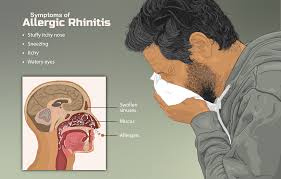
Levocetirizine for Itchy Eyes
Histamine-mediated ocular irritation frequently causes intense itching and discomfort. Levocetirizine helps reduce conjunctival inflammation and diminish persistent eye irritation associated with allergies.
Levocetirizine for Sneezing
Sneezing occurs due to sensory nerve stimulation within the nasal mucosa. Levocetirizine suppresses histamine activity responsible for this reflex, thereby reducing repetitive sneezing episodes.
Levocetirizine for Skin Rash
Certain allergic skin rashes are associated with histamine release and inflammatory mediator activation. Levocetirizine may help reduce itching, erythema, and discomfort accompanying mild allergic dermatologic reactions.
Levocetirizine for Watery Eyes
Excessive tearing commonly accompanies allergic conjunctival irritation. Levocetirizine helps decrease histamine-induced lacrimation, thereby improving ocular comfort and reducing persistent watering.
Levocetirizine for Insect Bite Reaction
Insect bites may provoke localized allergic inflammation characterized by swelling, itching, and erythema. Levocetirizine may assist in reducing histamine-mediated discomfort associated with mild hypersensitivity reactions following insect exposure.
Symptomatic improvements may include:
- Reduced itching
- Less swelling
- Improved skin comfort
- Decreased redness
Off-Label Uses of Allerdest (Levocetirizine)
Allerdest, containing Levocetirizine dihydrochloride, is primarily indicated for allergic rhinitis and chronic urticaria. Nevertheless, its potent antihistaminic activity has led clinicians to utilize the medication in several off-label clinical scenarios involving histamine-mediated inflammation and persistent pruritic conditions. Using a medicine in a way that's not exactly what it was approved for is called off-label prescribing.
This happens when a doctor thinks a certain medication might help a patient, even if it's not what the medicine was originally meant for. The doctor might make this decision based on what they've seen work in the past, new research, or a good reason why it could help the patient's specific condition.
- Chronic itching disorders
- Inflammatory skin conditions
- Allergy-associated respiratory symptoms
- Mild hypersensitivity reactions
- Adjunctive management of allergic inflammation
When it comes to treating allergies or skin problems, it's really important to get personalized care from a doctor. Even if some treatments might help with symptoms, each person's situation is unique and needs to be supervised by a medical professional, especially for those with complicated allergies or skin conditions.
Use for Eczema-Related Itching
Eczema, especially the kind called atopic eczema, often causes really bad itching. This happens because of chemicals that cause inflammation and because the skin's barrier isn't working right. When you scratch a lot, it can make the skin even more irritated and can lead to other problems like thickening of the skin and more redness.
Potential therapeutic benefits include:
- Reduction in nighttime itching
- Improved sleep quality
- Less repetitive scratching
- Enhanced skin comfort
- Supportive symptom control during flares
Although antihistamines do not directly correct the underlying inflammatory skin barrier dysfunction, they may contribute to symptomatic relief in selected patients.
Management of Allergic Cough
A cough from allergies can start when the upper airways get irritated, usually because of histamine being released, or from postnasal drip, or even just from being around things that trigger allergies. When your throat is irritated for a long time, it can make you cough repeatedly without bringing up any mucus.
Allerdest may help alleviate allergy-associated cough by reducing histamine-mediated mucosal inflammation and limiting excessive nasal secretions that contribute to throat irritation.
- Helps reduce throat tickling sensations

- May decrease postnasal drip irritation
- Supports improved nighttime comfort
- Can assist in reducing allergen-triggered cough frequency
Chronic cough requires comprehensive evaluation because respiratory infections, asthma, gastroesophageal reflux disease, and other pulmonary conditions may produce similar symptoms.
Supportive Treatment for Sinusitis Symptoms
Sinus inflammation is often accompanied by mucosal edema, nasal obstruction, and excessive secretion accumulation. In allergic individuals, histamine-mediated swelling may worsen sinonasal congestion and discomfort.
Levocetirizine may be incorporated as supportive therapy to reduce allergic components contributing to sinus symptomatology.
Possible supportive effects include:
- Reduction in nasal inflammation
- Improved sinus drainage
- Less postnasal secretion accumulation
- Decreased sneezing and nasal irritation
- Enhanced breathing comfort
But sometimes, when sinusitis is caused by bacteria, it needs to be treated with antibiotics and maybe some other things too, depending on how bad it is and how long it's been going on.
Use in Chronic Pruritus and Skin Irritation
Chronic pruritus is a multifactorial symptom that may occur in dermatologic, allergic, systemic, or idiopathic conditions. Histamine contributes significantly to sensory nerve stimulation in many pruritic disorders.
Allerdest can help reduce how much you itch by blocking H1 receptors for a long time. When you itch less, you're more likely to sleep better, have less skin damage, and just feel better overall.
- Helps reduce persistent itching
- May improve sleep disturbance associated with pruritus
- Supports reduction of scratching-related skin injury
- Provides prolonged antihistaminic activity
Persistent unexplained itching should undergo medical assessment because systemic illnesses, hepatic disorders, renal disease, and hematologic abnormalities may contribute to chronic pruritus.
Off-Label Use for Insect Bite Reactions
When insects bite, they can cause a lot of discomfort. You might see redness, swelling, and feel itchy - this is usually because of something called histamine that gets released. Some people are more sensitive to bites from mosquitoes, fleas, and other tiny creatures, and their skin can react pretty badly. This is what we call an exaggerated reaction, and it's like their skin is overreacting to the bite.
Levocetirizine can help calm down these symptoms and ease irritation in a specific area.
- Reduces itching intensity
- May decrease swelling
- Supports improved skin comfort
- Helps minimize repetitive scratching
Severe insect sting reactions involving respiratory compromise or systemic anaphylaxis require urgent emergency management rather than isolated antihistamine therapy.
Adjunctive Therapy for Asthma-Related Allergies
Allergic asthma frequently coexists with allergic rhinitis and environmental hypersensitivity. Histamine release contributes to upper airway inflammation, although asthma itself involves more complex immunologic and bronchial mechanisms.
Levocetirizine can be used to help manage allergy symptoms that make breathing problems worse. It's often used along with other treatments to help control these symptoms and make it easier to breathe.
Supportive benefits may include:
- Reduction in allergen-triggered nasal symptoms
- Decreased postnasal irritation
- Improved upper airway comfort
- Better overall allergy management
You shouldn't use Levocetirizine as a replacement for the medicines that help open up your airways or reduce inflammation when you have asthma. It's also not meant to be used when you're having a sudden asthma attack, because it won't help you breathe easier right away.
Use in Drug-Induced Allergic Reactions
Certain medications may provoke mild allergic manifestations such as itching, rash, or urticarial eruptions. Histamine release frequently contributes to these hypersensitivity responses.
Allerdest can be used to help ease discomfort from mild allergic reactions to medicine, but only under the care of a doctor.
- Helps control itching
- May reduce urticarial lesions
- Supports symptomatic relief
- Can assist in improving patient comfort
Severe medication reactions involving angioedema, mucosal blistering, respiratory compromise, or systemic hypersensitivity require immediate medical intervention and discontinuation of the offending agent.
Supportive Use in Atopic Dermatitis
Atopic dermatitis is a chronic inflammatory skin disorder characterized by xerosis, pruritus, erythema, and recurrent flare-ups. Histamine may contribute to itch amplification, especially during active exacerbations.
Levocetirizine is sometimes used as supportive therapy to reduce itching intensity and improve nighttime comfort.
- May decrease nocturnal scratching
- Supports skin healing by reducing excoriation
- Helps improve sleep quality
- Provides adjunctive symptomatic control
Comprehensive atopic dermatitis management typically includes moisturization strategies, trigger avoidance, topical anti-inflammatory therapy, and skin barrier restoration.
Use for Cold-Induced Urticaria
Cold-induced urticaria is a physical hypersensitivity disorder in which exposure to cold temperatures triggers histamine release and subsequent wheal formation.
Levocetirizine may help suppress cutaneous reactions and reduce symptom severity in affected individuals.
Symptoms may include:
- Raised itchy welts

- Localized swelling
- Skin redness after cold exposure
- Transient burning sensations
Severe forms of cold urticaria may occasionally provoke systemic reactions, particularly following extensive cold-water exposure.
Management of Mild Food Allergy Symptoms
Mild food-related allergic reactions may involve itching, hives, lip tingling, or localized skin irritation resulting from histamine release.
Levocetirizine can help with some skin symptoms in certain mild cases, but only when used carefully and under the right circumstances.
- Helps reduce itching
- May decrease hive formation
- Supports symptomatic comfort
- Provides prolonged antihistaminic action
Food allergies can become unpredictable and potentially life-threatening.
Symptoms such as respiratory difficulty, throat swelling, dizziness, or systemic anaphylaxis require emergency medical treatment immediately.
Dosage and Administration Guidelines
The amount of Allerdest you need to take depends on a few things: how old you are, what you're taking it for, how well your kidneys are working, the strength of the medicine, and what your doctor thinks. Usually, people take Levocetirizine just once a day because it keeps working for a long time to relieve allergy symptoms.
When you take tablets, it's best to swallow them with some water. You can take them with food or without - it doesn't really matter. But if you're using the liquid kind, you need to be careful. Use a special measuring tool to get the right amount, so you're taking the correct dose. This way, you can be sure you're getting just the right amount of medicine.
General administration considerations include:
- Use exactly as prescribed
- Avoid exceeding recommended dosage
- Maintain consistent daily timing when possible
- Adjust dosing cautiously in renal impairment
- Monitor for drowsiness in sensitive individuals
Lots of people can take Levocetirizine without any issues, but taking too much of it can cause problems like feeling sleepy, tired, or getting a dry mouth. It can also affect the central nervous system. So, it's really important to have a doctor keep an eye on you if you're taking it for a long time or if you're taking it with other medicines that can make you feel drowsy. This way, you can make sure you're safe and the medicine is working properly.
Recommended Adult Dosage of Allerdest
Allerdest, containing Levocetirizine dihydrochloride, is commonly prescribed as a once-daily antihistamine for the management of allergic rhinitis, chronic urticaria, and related hypersensitivity conditions. Adult dosing recommendations are designed to provide sustained symptom suppression while minimizing adverse effects.
The typical dose for adults in a lot of medical situations is:
- 5 mg orally once daily
This medicine usually keeps working for a full 24 hours. Most people start to feel better pretty quickly, with less sneezing, a runny nose, itchy eyes, and watery eyes, all within a short time after taking it.
Dose selection may vary according to:
- Severity of allergic symptoms
- Renal function status
- Age-related physiologic considerations
- Concomitant medications
- Individual tolerability
When taking Levocetirizine, some people might feel drowsy, so it's a good idea to be careful at first. This is especially true if you need to be alert for things like driving or operating machinery. It's better to start with caution and see how your body reacts to the medication.
Pediatric Dosage Recommendations
When it comes to giving Levocetirizine to kids, the dose is mainly based on how old they are, how much they weigh, and the type of formulation used. For younger kids, liquid forms are often used because they make it easier to get the dose just right. Doctors will assess each child to decide the best dose for them.
Recommended pediatric dosing commonly includes:
- For kids who are 6 years old or more, the usual dose is 5 milligrams taken once a day.
- For kids between 2 and 5 years old, the usual dose is 2.5 mg, taken once a day, and it comes in many different forms.
- Younger pediatric patients: physician-directed dosing only
Pediatric antihistamine administration requires careful adherence to prescribed quantities. Excessive dosing may increase the risk of central nervous system effects, paradoxical agitation, or excessive somnolence.
Parents and caregivers should:
- Use calibrated measuring devices
- Avoid household spoons for liquid dosing
- Follow prescribed schedules consistently
- Monitor for unusual behavioral changes
Dosage Adjustments in Kidney Impairment
Levocetirizine is eliminated predominantly through renal excretion. Consequently, impaired kidney function may lead to reduced drug clearance and increased systemic exposure.
People with kidney problems often need their medication doses adjusted to avoid too much of the drug building up in their body and causing more side effects.
- Dose adjustment considerations may include:
- Severity of renal dysfunction
- Creatinine clearance measurements
- Age-related renal decline
- Concurrent nephrotoxic medications
In moderate to severe kidney impairment, clinicians may recommend:
- Reduced dosing frequency
- Lower total daily dosage
- Close monitoring for sedation
- Periodic renal function evaluation
People with serious kidney problems should only take Levocetirizine when a doctor is monitoring them, because their kidneys may not be able to get rid of the medicine properly.
Best Time to Take Levocetirizine
The best time to take Levocetirizine is usually once a day, but it can be different for each person depending on how their body reacts and how bad their symptoms are.
Because mild drowsiness may occur in susceptible individuals, many patients prefer evening or nighttime administration. This strategy may also help improve nocturnal allergy symptoms that interfere with sleep quality.
Evening administration may be beneficial for:
- Nighttime nasal congestion

- Persistent itching during sleep
- Morning allergy symptoms
- Reducing daytime sedation concerns
Some individuals tolerate daytime dosing without difficulty. Clinical response and personal tolerability ultimately guide optimal administration timing.
Administration With or Without Food
Levocetirizine may generally be taken with or without food. Food intake may slightly delay absorption velocity, though overall bioavailability and therapeutic efficacy remain largely unaffected.
Making it easy for people to take their medicine as prescribed can really help them stick to their treatment plans in their daily lives.
Important administration considerations include:
- Swallow tablets with water
- Maintain consistent daily timing when possible
- Avoid alcohol if excessive sedation occurs
- Follow prescribed dosing instructions carefully
Patients experiencing gastrointestinal discomfort may prefer administration after meals, although this is not universally required.
Instructions for Oral Solution and Syrup Use
Liquid Levocetirizine formulations are frequently prescribed for pediatric patients and individuals who have difficulty swallowing tablets. Accurate measurement remains essential to ensure appropriate dosing precision.
Recommended administration practices include:
Use an oral syringe or calibrated measuring cup
Shake the bottle if instructed
Avoid estimating doses visually
Store according to manufacturer recommendations
Oral solutions are made to taste better and last longer. They can have things like flavorings, sweeteners, and special helpers that keep them from falling apart. These extras make the medicine easier to take and more stable, so it works better.
- Caregivers should carefully review product labeling to confirm:
- Concentration strength
- Expiration dates
- Storage requirements
- Preservative content if sensitivities exist
Missed Dose Instructions
If you forget to take a dose of Levocetirizine, you should take it as soon as you remember, unless it's almost time for your next dose. Don't take two doses at the same time to make up for the missed one.
Recommended guidance may include:
- Take the missed dose promptly when remembered
- Skip the missed dose if the next dose is near
- Resume the normal dosing schedule afterward
- Avoid excessive antihistamine intake
Taking too much of something by mistake can make you more likely to feel sleepy, tired, or get a dry mouth. It can also affect your central nervous system.
Duration of Treatment for Allergic Conditions
The length of time you need to take Levocetirizine depends on what's causing your allergy symptoms and how long they last. If you're only around the thing you're allergic to for a short time, you might only need to take the medicine for a little while. But if you have allergy symptoms all the time, you might need to take it for a longer period.
Examples of treatment duration patterns include:
- Seasonal allergies: during active pollen exposure periods
- Perennial allergic rhinitis: ongoing long-term management
- Chronic urticaria: prolonged symptom control under supervision
- Acute allergic reactions: temporary supportive therapy
People who have symptoms that keep coming back or won't go away might find it helpful to keep getting treatment under the care of a doctor. It's a good idea to check in regularly to see if the treatment is working and if they still need to be taking antihistamines. This way, doctors can make sure the treatment is still necessary and make any changes if needed.
Levocetirizine Dosage Adults
For adults, the usual dose of Levocetirizine is 5 milligrams taken once a day. This dose is usually enough to control allergy symptoms, like those from allergic rhinitis and chronic urticaria, for a full 24 hours.
Levocetirizine 5mg Dosage
The standard dose of 5 mg is what most teens and adults take. It usually comes in a pill and you can take it with or without eating something.
Levocetirizine How To Take
You should take Levocetirizine once a day, as your doctor tells you to. If you're taking the tablet form, just swallow it with some water. But if you're using the liquid kind, you need to measure it out carefully using a special device that comes with it. This will help you get the right amount.
- Take at the same time daily when possible
- Follow prescribed dosing precisely
- Avoid unnecessary dose escalation
Levocetirizine Once a Day
Levocetirizine is made to be taken just once a day. This is because it keeps working for a long time to stop allergic reactions and stays attached to the receptors in the body for an extended period.
Many individuals achieve effective symptom suppression with a single daily dose lasting approximately 24 hours.
Levocetirizine Take at Night / Take in The Evening
Taking medication in the evening can be a good idea because some people might feel a bit drowsy after taking it. For people with allergies, taking Levocetirizine at night can help with symptoms that happen at night and also make it easier to sleep comfortably.
Levocetirizine Dosage for Children
When it comes to giving medicine to kids, the dose they get depends on how old they are, what kind of medicine it is, and how sick they are. For younger kids, doctors often use a weaker version of the medicine, like a 2.5 mg oral solution, to make sure they get the right amount.
Levocetirizine Pediatric Dose
Pediatric dosing schedules are carefully adjusted to balance therapeutic efficacy and safety. Careful measurement of liquid formulations is essential to avoid dosing inaccuracies.
Levocetirizine Oral Solution
Levocetirizine oral solution is often given to kids and people who have trouble swallowing pills. The liquid form makes it easier to give the right dose and take it.
Levocetirizine 2.5mg Children
For younger kids, a dose of 2.5 mg is often used, but this depends on their age and what the doctor says. To get the dose just right, liquid forms of the medicine are usually used.
How Long Does Levocetirizine Take to Work
Some people start to feel better within about an hour of taking the treatment, but how quickly it works can be different for each person. This is because our bodies all process things at slightly different rates, and that can affect how soon we notice an improvement in our symptoms.
Levocetirizine 24 Hour Relief
Levocetirizine is known for its long-lasting effect against allergies, usually giving people relief from symptoms for a whole day after just one dose.
- Supports continuous allergy suppression
- Reduces nighttime symptom recurrence
- Improves dosing convenience
- Enhances treatment adherence
Recommended Adult Dosage of Allerdest
Allerdest, containing Levocetirizine dihydrochloride, is commonly prescribed as a once-daily antihistamine for the management of allergic rhinitis, chronic urticaria, and related hypersensitivity conditions. Adult dosing recommendations are designed to provide sustained symptom suppression while minimizing adverse effects.
The typical dose for adults in a lot of medical situations is:
- 5 mg orally once daily
This medicine usually keeps working for a full 24 hours. Most people start to feel better quickly, with less sneezing, nasal irritation, itching, and watery eyes, after taking it. The effects can be noticeable in a short amount of time, making it a helpful option for those who need relief from these symptoms.
- Dose selection may vary according to:
- Severity of allergic symptoms
- Renal function status
- Age-related physiologic considerations
- Concomitant medications
- Individual tolerability
When taking Levocetirizine, some people might feel drowsy, so it's a good idea to be careful at first, especially when doing things that need you to be really alert.
Pediatric Dosage Recommendations
When it comes to giving Levocetirizine to kids, the dose is mainly based on how old they are, how much they weigh, and the type of formulation used. For younger kids, liquid formulations are often used because they make it easier to get the dose just righ
Doctors will assess each child to decide the best dose for them.
Recommended pediatric dosing commonly includes:
- For kids who are 6 years old or more, the usual dose is 5 milligrams taken once a day.
- For kids between 2 and 5 years old, the usual dose is 2.5 mg, taken once a day, and it comes in many different forms.
- Younger pediatric patients: physician-directed dosing only
Pediatric antihistamine administration requires careful adherence to prescribed quantities. Excessive dosing may increase the risk of central nervous system effects, paradoxical agitation, or excessive somnolence.
- Parents and caregivers should:
- Use calibrated measuring devices
- Avoid household spoons for liquid dosing
- Follow prescribed schedules consistently
- Monitor for unusual behavioral changes
Dosage Adjustments in Kidney Impairment
Levocetirizine is eliminated predominantly through renal excretion. Consequently, impaired kidney function may lead to reduced drug clearance and increased systemic exposure.
When people have kidney problems, they might need to take different amounts of medicine to avoid getting too much of it in their system, which can cause bad side effects.
- Dose adjustment considerations may include:
- Severity of renal dysfunction
- Creatinine clearance measurements
- Age-related renal decline
- Concurrent nephrotoxic medications
In moderate to severe kidney impairment, clinicians may recommend:
- Reduced dosing frequency
- Lower total daily dosage
- Close monitoring for sedation
- Periodic renal function evaluation
People with serious kidney problems should only take Levocetirizine if a doctor is monitoring them, because their kidneys may not be able to process the medication properly.
Best Time to Take Levocetirizine
The best time to take Levocetirizine is usually once a day, but it can be different for each person depending on how they react to it and how bad their symptoms are.
Because mild drowsiness may occur in susceptible individuals, many patients prefer evening or nighttime administration. This strategy may also help improve nocturnal allergy symptoms that interfere with sleep quality.
Evening administration may be beneficial for:
- Nighttime nasal congestion
- Persistent itching during sleep
- Morning allergy symptoms
- Reducing daytime sedation concerns
Some individuals tolerate daytime dosing without difficulty. Clinical response and personal tolerability ultimately guide optimal administration timing.
Administration With or Without Food
When taking Levocetirizine, you can have it with or without food - it's up to you. If you do eat something, it might slow down how quickly the medicine gets absorbed into your body, but it won't really affect how well it works or how much of it your body can use.
Making it easy for people to take their medicine as prescribed can really help them stick to their treatment plan in their daily lives.
Important administration considerations include:
- Swallow tablets with water
- Maintain consistent daily timing when possible
- Avoid alcohol if excessive sedation occurs
- Follow prescribed dosing instructions carefully
When people have stomach problems, they might find it easier to take their medicine after eating a meal. This can help reduce discomfort, but it's not a rule that applies to everyone.
Instructions for Oral Solution and Syrup Use
Liquid Levocetirizine formulations are frequently prescribed for pediatric patients and individuals who have difficulty swallowing tablets. Accurate measurement remains essential to ensure appropriate dosing precision.
Recommended administration practices include:
- Use an oral syringe or calibrated measuring cup
- Shake the bottle if instructed
- Avoid estimating doses visually
- Store according to manufacturer recommendations
Oral solutions are made to taste better and last longer by adding things like flavorings, sweeteners, and special helpers that keep everything stable. These extras make the solution more pleasant to take and help it stay effective over time.
Caregivers should carefully review product labeling to confirm
- Concentration strength
- Expiration dates
- Storage requirements
- Preservative content if sensitivities exist
Missed Dose Instructions
If you forget to take a dose of Levocetirizine, you should take it as soon as you remember, unless it's almost time for your next dose. Don't take two doses at once to make up for the missed one, as this is usually not recommended.
Recommended guidance may include:
- Take the missed dose promptly when remembered
- Skip the missed dose if the next dose is near
- Resume the normal dosing schedule afterward
- Avoid excessive antihistamine intake
Taking too much of something by mistake can make you more likely to feel drowsy, tired, or get a dry mouth. It can also affect your central nervous system.
Duration of Treatment for Allergic Conditions
The length of time you need to take Levocetirizine depends on what's causing your allergies and how long they last. If you're only around things that trigger allergies for a short time, you might only need to take it for a little while. But if you have allergies that stick around, you'll probably need to take it for a longer period.
Examples of treatment duration patterns include:
- Seasonal allergies: during active pollen exposure periods
- Perennial allergic rhinitis: ongoing long-term management
- Chronic urticaria: prolonged symptom control under supervision
- Acute allergic reactions: temporary supportive therapy
People who have symptoms that keep coming back or won't go away might find it helpful to keep getting treatment under the care of a doctor. It's a good idea to check in regularly to see if the treatment is working and if they still need to be taking antihistamines. This way, doctors can make sure the treatment is still the best option and make any changes if needed.
Levocetirizine Dosage Adults
For adults, the usual dose of Levocetirizine is 5 milligrams taken once a day. This dosage is usually enough to control allergy symptoms, like those from allergic rhinitis and chronic urticaria, for a full 24 hours.
Levocetirizine 5mg Dosage
The 5 mg dose is usually the standard strength used to treat many adults.
Allerdest, Levocetirizine FAQ
- What is levocetirizine used to treat?
- Are Zyrtec and levocetirizine the same?
- Does levocetirizine make you sleepy?
- Is levocetirizine the strongest antihistamine?
- Who should avoid levocetirizine?
- Why levocetirizine at night?
- Which is stronger, cetirizine or levocetirizine?
- Is levocetirizine better than Claritin?
- What drugs should not be taken with levocetirizine?
- How quickly does levocetirizine start working?
- Is it okay to take levocetirizine every day?
- What are the benefits of levocetirizine?
- What are the side effects of levocetirizine?
- Is levocetirizine for blocked nose?
- Is levocetirizine bad for health?
- Can you just stop taking levocetirizine?
- Will I feel sleepy after taking levocetirizine?
- How fast does levocetirizine work?
- Is levocetirizine safe for older adults?
- Can I take Zyrtec and levocetirizine together?
What is levocetirizine used to treat?
Levocetirizine is usually used to relieve the symptoms of hay fever and hives of the skin
Are Zyrtec and levocetirizine the same?
They work similarly but differ slightly in side effects, cost, and how quickly they cause drowsiness in some people
Does levocetirizine make you sleepy?
Yes, levocetirizine can make you sleepy, drowsy, or tired
Is levocetirizine the strongest antihistamine?
Who should avoid levocetirizine?
Some people should not take Levocetirizine. If you have really bad kidney disease, like end-stage renal disease or you're on dialysis, it's best to avoid it. Also, babies under 6 months old shouldn't have the oral solution, and kids under 6 years old shouldn't have the tablets. And if you're allergic to Levocetirizine, or similar medicines like Cetirizine or Hydroxyzine, you should stay away from it too.
Why levocetirizine at night?
Levocetirizine can make some people feel sedated; this only happens to a small number of patients. Research has found that taking it at night can really help with allergy symptoms like a stuffy nose, itchy eyes, and that annoying itch in the back of your throat. It can also improve your overall quality of life if you have allergies.
Which is stronger, cetirizine or levocetirizine?
Levocetirizine is a special version of cetirizine that actually works in the body. The other version of cetirizine doesn't do much to help with allergies. When it comes to relieving allergy symptoms, levocetirizine is better than cetirizine or loratadine. For treating allergic rhinitis, loratadine or fexofenadine can be used, but Levocetirizine is a safer choice for pregnant women.
Is levocetirizine better than Claritin?
Levocetirizine, also known as Allerdest and Xyzal, is usually better at relieving allergy symptoms than Claritin, which is loratadine. This is because it starts working faster and is more potent.
What drugs should not be taken with levocetirizine?
You should not take Levocetirizine with alcohol or other medicines that can make you sleepy, like sleeping pills or sedatives. This is because it can make you even sleepier and slower to react. It's also not a good idea to take it with other antihistamines, like diphenhydramine, which is found in Benadryl. Additionally, Levocetirizine can interact with some medicines used to treat anxiety, depression, and asthma, such as theophylline. So, it's generally best to be careful when taking Levocetirizine with these types of medicines.
How quickly does levocetirizine start working?
Levocetirizine is a fast-acting medication that usually work within an hour of taking it, which means you can start to get relief from allergy symptoms. It takes a quick few hours, typically between 2 to 6 few hours, to reach its maximum effect in the body. The good news is that the effects of Levocetirizine last for 24 hours.
Is it okay to take levocetirizine every day?
While intended for daily administration during active allergy episodes, prolonged or extended use over several months requires ongoing medical oversight.
What are the benefits of levocetirizine?
Levocetirizine effectively reduces sneezing, runny nose, itchy nose/eyes, and chronic hives for adults and children 6 months and older.
What are the side effects of levocetirizine?
Typical side effects include drowsiness, fatigue, dry mouth, headache, and a sore throat. While this medication is less sedating than older-generation antihistamines, it can still cause impairment in some individuals.
Is levocetirizine for blocked nose?
Yes, Levocetirizine is effective for the relief of nasal congestion
Is levocetirizine bad for health?
Levocetirizine is generally safe and effective for treating allergies, but it can cause side effects like drowsiness, fatigue, and dry mouth
Can you just stop taking levocetirizine?
If you've been taking levocetirizine every day for a long time, like months or even years, it's not a good idea to stop suddenly. Doing so can lead to really bad itching, known as pruritus, and it can be quite severe.
Will I feel sleepy after taking levocetirizine?
Yes, levocetirizine can make you sleepy, drowsy, or tired
How fast does levocetirizine work?
Levocetirizine usually starts to work within an hour of taking it, and it reaches its maximum effect between 2 to 6 hours later.
Is levocetirizine safe for older adults?
Levocetirizine is usually okay for older people to take, but we need to be careful. It can make them feel sleepy, dizzy, and confused, which can increase their chances of falling.
Can I take Zyrtec and levocetirizine together?
It is generally not recommended to take Zyrtec (cetirizine) and levocetirizine (Xyzal) together without consulting a doctor, as they are very similar antihistamines
Popular Products
Similar Product