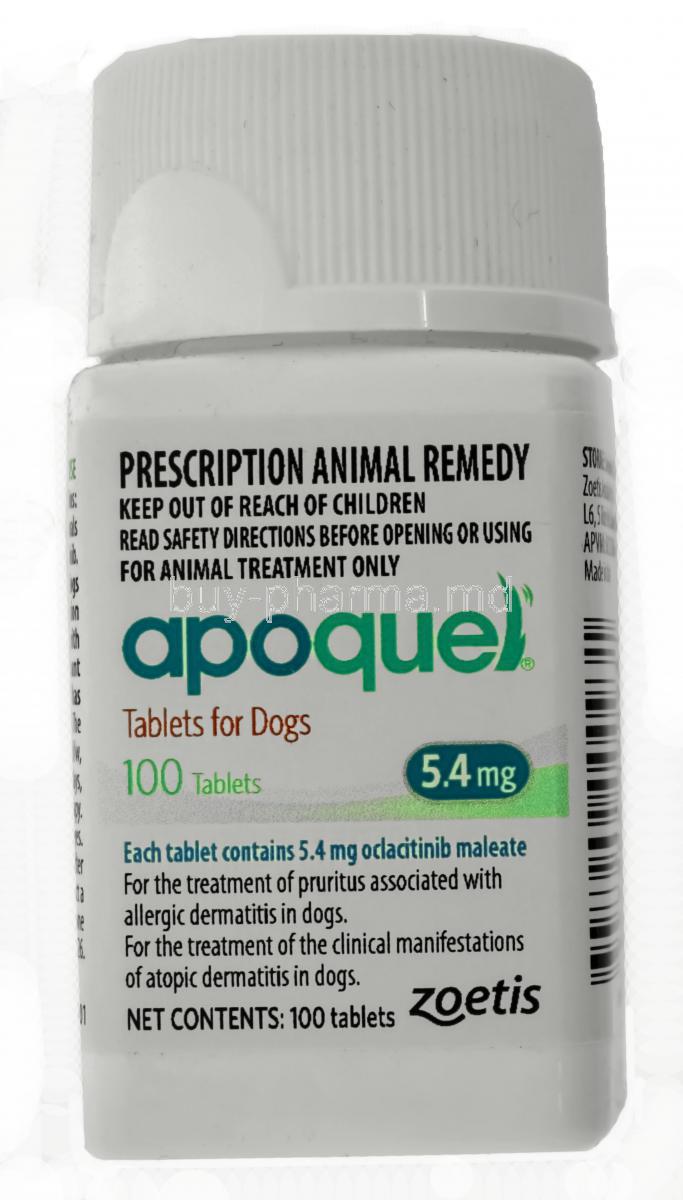
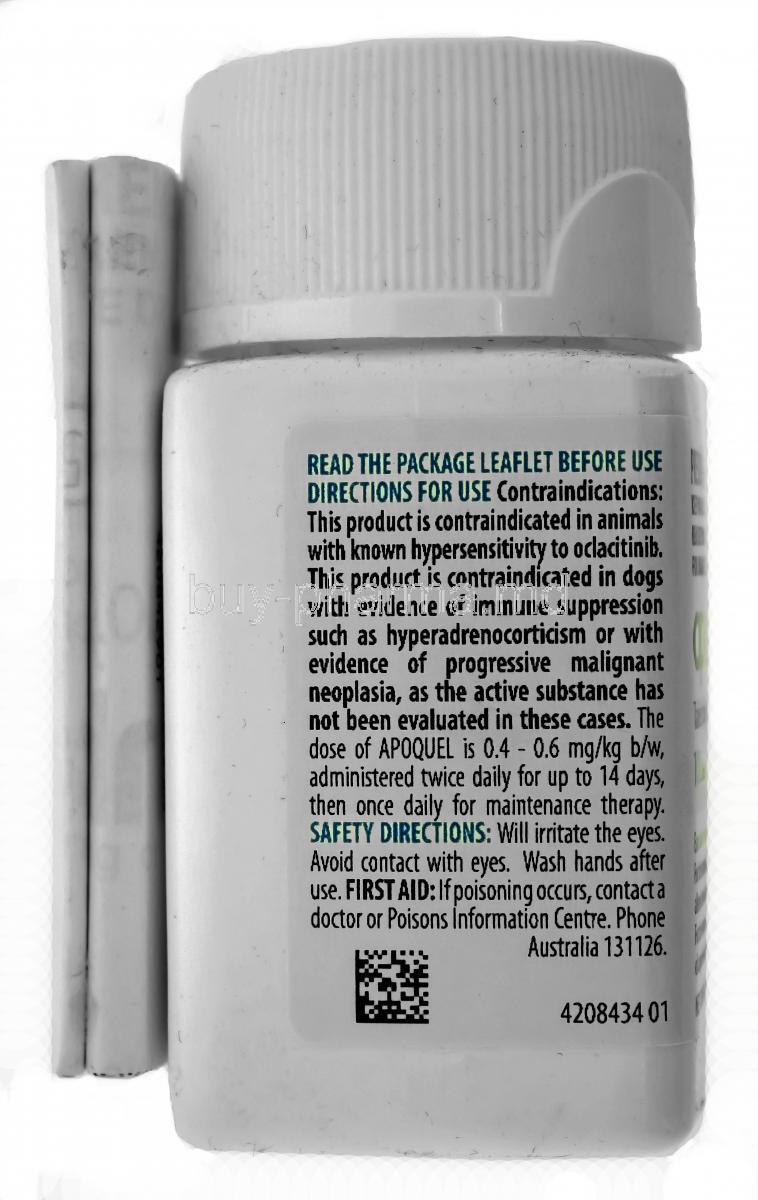
Introduction to Apoquel for Dogs
Apoquel is a widely prescribed veterinary medication developed specifically to address allergic and inflammatory skin conditions in dogs. Chronic itching, erythema, and dermatitis are among the most common reasons dogs are presented to veterinarians, and Apoquel has become a cornerstone therapy in this area.
Its primary role lies in the targeted management of allergic skin disease, offering rapid relief from pruritus while minimizing many of the systemic effects associated with traditional therapies. Since its clinical introduction, Apoquel has been progressively adopted in veterinary dermatology due to its efficacy, speed of action, and comparatively favorable safety profile.
What Is Apoquel?
Apoquel contains oclacitinib as its active pharmaceutical ingredient. It is classified as a targeted immunomodulatory agent rather than a conventional steroid or antihistamine. This distinction is central to its therapeutic value.
The medication is available only by veterinary prescription, reflecting the need for appropriate diagnosis, dosing, and monitoring. Regulatory approval in multiple regions followed extensive clinical evaluation in dogs with allergic and atopic dermatitis.
- Unlike corticosteroids, Apoquel does not broadly suppress the immune system.
- Unlike antihistamines, it acts upstream in the inflammatory cascade.
- Compared with older immunosuppressants, it offers a more selective mechanism.
How Apoquel Works (Mechanism of Action)
Apoquel exerts its effects through targeted inhibition of specific inflammatory signaling pathways involved in canine itch and inflammation. This selective approach allows effective symptom control without widespread immune suppression.
The drug primarily inhibits Janus kinase (JAK) enzymes, which are intracellular mediators responsible for transmitting signals from cytokines involved in allergic responses. By interrupting these signals, Apoquel reduces the production and activity of pruritus-associated mediators.
Key pharmacodynamic characteristics include:
- Selective suppression of itch-related cytokines
- Minimal impact on protective immune functions
- Rapid onset of action, often within hours
- Sustained relief with continued administration
Uses of Apoquel in Dogs
Approved Uses
Apoquel is approved for the treatment of allergic dermatitis and atopic dermatitis in dogs. These conditions are often chronic, immune-mediated, and associated with persistent pruritus.
It is also indicated for the control of both acute flare-ups and long-standing itch, making it suitable for dogs requiring either short-term intervention or long-term management.
Symptom-Based Uses
Beyond formal diagnostic labels, Apoquel is frequently prescribed to alleviate distressing symptoms that significantly impair canine welfare.
- Reduction of intense itching and scratching
- Improvement in erythema and skin inflammation
- Decreased self-trauma and secondary skin damage
- Enhanced comfort and overall quality of life
Off-Label Uses of Apoquel in Veterinary Practice
In clinical practice, Apoquel may be utilized off-label for certain immune-mediated or pruritic skin disorders not explicitly listed in its approval. These uses are based on veterinary judgment and emerging clinical experience.
Common off-label considerations include:
- Adjunctive therapy for refractory or treatment-resistant pruritus
- Use in dogs unable to tolerate corticosteroids
- Supportive management of complex inflammatory skin diseases
All off-label use should occur under close veterinary supervision, with individualized risk–benefit assessment.
Dosage and Administration
Apoquel dosing is primarily determined by the dog’s body weight and clinical condition. An initial dosing phase is often employed to rapidly control symptoms, followed by a reduced maintenance dose for ongoing management.
General administration principles include:
- Weight-based dosing accuracy
- Transition from induction to maintenance therapy
- Once- or twice-daily oral administration as prescribed
The tablets are administered orally and may be given with or without food. Dosage adjustments should always be directed by a veterinarian based on therapeutic response and tolerance.
Composition and Formulation
The active ingredient in Apoquel is oclacitinib, responsible for its immunomodulatory effects. The formulation also contains inactive excipients that ensure tablet stability, absorption, and palatability.
Apoquel is available in multiple tablet strengths to accommodate dogs of varying sizes. The tablets are designed to be palatable, facilitating administration in routine home settings.
Storage and Stability
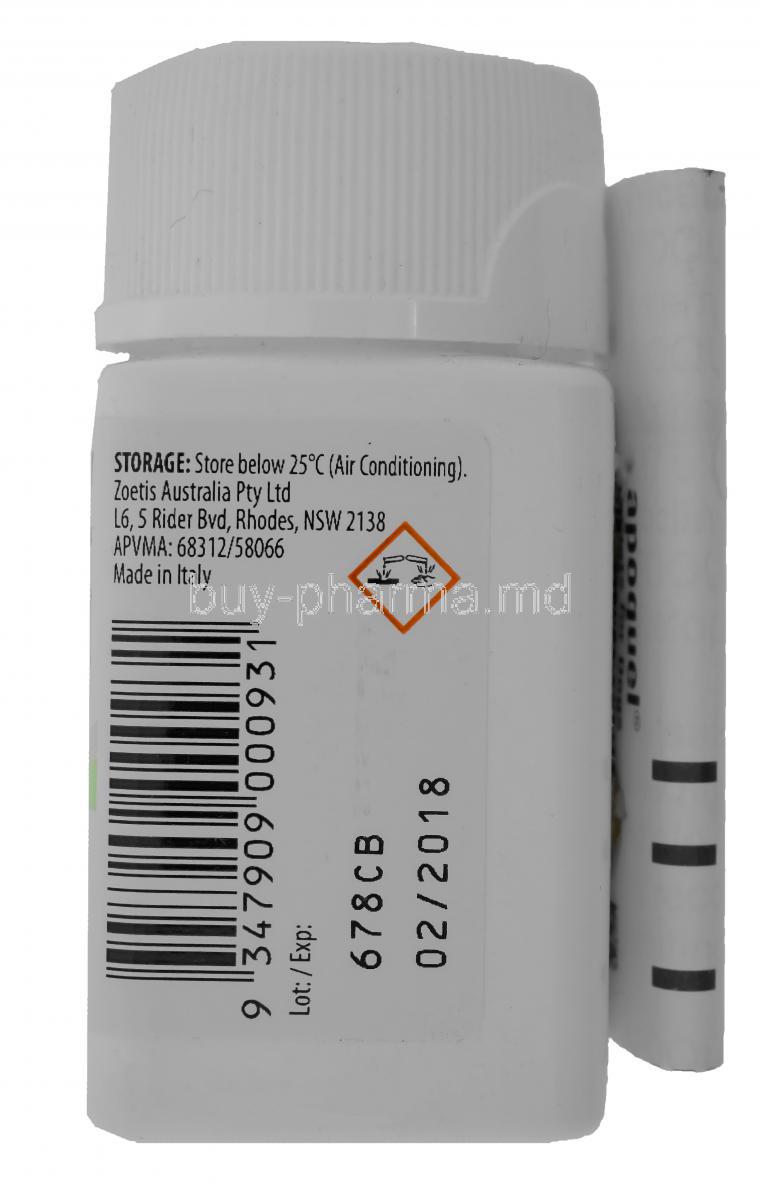
Proper storage is essential to maintain the stability and effectiveness of Apoquel. The medication should be stored at controlled room temperature and protected from excessive heat, moisture, and direct light.
Additional storage considerations include:
- Observing the labeled expiration date
- Keeping tablets in their original packaging
- Storing securely away from pets and children
Drug Interactions
Apoquel may interact with other medications that influence immune function. Caution is advised when it is used concurrently with additional immunosuppressive agents.
In many cases, Apoquel can be safely administered alongside antibiotics, antifungals, or antiparasitic medications when clinically indicated. Vaccine timing may require special consideration, particularly in dogs receiving long-term therapy.
Comprehensive disclosure of all medications and supplements to the attending veterinarian is essential for safe use.
Side Effects Profile
Common Side Effects
Most dogs tolerate Apoquel well, but mild adverse effects may occur, particularly during early treatment.
- Transient gastrointestinal upset such as vomiting or diarrhea
- Reduced appetite
- Mild lethargy
Less Common and Serious Side Effects
Less frequently, more serious effects may be observed, particularly with prolonged use.
- Increased susceptibility to bacterial, fungal, or parasitic infections
- Development of skin masses or nodular lesions
- Alterations in hematologic or immune parameters
Long-term therapy may warrant periodic veterinary evaluation to ensure ongoing safety and therapeutic appropriateness.
Warnings and Safety Information
Apoquel exerts immunomodulatory effects that selectively attenuate inflammatory signaling associated with pruritus. While this targeted mechanism offers clinical advantages, it may also increase susceptibility to infections in certain dogs.
Dogs with a prior history of serious or recurrent infections require heightened caution. Suppression of cytokine signaling can, in some cases, diminish host defense mechanisms, particularly during prolonged therapy.
- Potential elevation in bacterial, fungal, or parasitic infection risk
- Need for vigilance in dogs with compromised immune status
- Greater relevance during extended or continuous administration
Long-term use necessitates ongoing monitoring and regular veterinary examinations to identify emerging adverse effects early and to ensure continued therapeutic appropriateness.
Contraindications
Apoquel is contraindicated in dogs with known hypersensitivity to oclacitinib or any formulation excipients. Hypersensitivity reactions, although uncommon, may present with dermatologic or systemic manifestations.
The medication should not be used in dogs with severe, uncontrolled infections, as immune modulation may exacerbate disease progression.
- Contraindicated in dogs with active, serious infections
- Use restricted in certain neoplastic conditions due to immune involvement
- Breed- or condition-specific contraindications may apply based on clinical judgment
Veterinary evaluation is essential to determine suitability on a case-by-case basis.
Careful Administration and Special Monitoring
Careful administration of Apoquel involves individualized dosing strategies and close observation. Gradual dose adjustments may be necessary to balance efficacy with tolerability.
Owners and clinicians should monitor for subtle changes that may indicate adverse responses.
- Alterations in skin condition or lesion development
- Behavioral changes, including lethargy or restlessness
- Variations in appetite or gastrointestinal tolerance
In dogs receiving long-term therapy, periodic laboratory assessments may be recommended. Owner vigilance and timely reporting of abnormalities play a critical role in safe use.
Important Precautions Before and During Use
A thorough pre-treatment health evaluation is recommended prior to initiating Apoquel. This assessment helps identify underlying conditions that may influence treatment safety.
Screening for occult infections is particularly important, as immunomodulatory therapy may alter disease expression.
- Avoidance of unnecessary or prolonged use
- Strict adherence to prescribed dosing schedules
- Prevention of unsupervised dose escalation
Consistent compliance with veterinary instructions ensures optimal therapeutic outcomes while minimizing risk.
Administration to Elderly Dogs
Elderly dogs often present with age-related immune changes and concurrent chronic diseases. These factors may influence both drug metabolism and immune responsiveness.
Dosage adjustments may be required in the presence of comorbid conditions such as endocrine disorders or organ dysfunction.
- Enhanced susceptibility to infections
- Potential for altered pharmacokinetics
- Need for increased clinical monitoring
Regular reassessment is advised when Apoquel is used in senior canine patients.
Administration to Pregnant Dogs and Nursing Mothers
The safety of Apoquel during pregnancy has not been fully established. Use in pregnant dogs requires careful consideration due to potential effects on fetal development.
During lactation, there is concern regarding exposure of nursing puppies to the active compound through milk.
- Use only when potential benefits outweigh potential risks
- Veterinary risk–benefit analysis is essential
- Alternative therapies may be preferred when feasible
Administration to Puppies and Young Dogs
Apoquel is not recommended for very young dogs due to the immaturity of their immune systems. Developmental immunology plays a critical role in early life stages.
Age restrictions are in place to reduce the risk of interfering with normal immune maturation.
- Limited approval for use in young puppies
- Higher theoretical risk of immune modulation effects
- Consideration of non-immunomodulatory alternatives
Veterinary guidance is essential when managing pruritic conditions in juvenile dogs.
Overdosage and Emergency Management
Accidental overdosage may result in exaggerated pharmacologic effects or unexpected adverse reactions. Clinical signs can vary depending on dose and duration.
- Gastrointestinal disturbances
- Marked lethargy or behavioral changes
- Increased vulnerability to infections
If overdose is suspected, immediate veterinary consultation is required. Management typically involves supportive care and close monitoring until clinical stability is restored.
Handling Precautions
Safe handling practices reduce unnecessary exposure for pet owners and caregivers. Tablets should be administered carefully, minimizing direct contact when possible.
Basic hygiene measures are recommended after handling the medication.
- Handwashing after tablet administration
- Use of caution by immunocompromised individuals
- Avoidance of tablet fragmentation unless directed
Unused or expired medication should be disposed of according to veterinary or pharmaceutical disposal guidelines to prevent accidental ingestion or environmental contamination.
Customers also bought

Popular Products
Similar Product