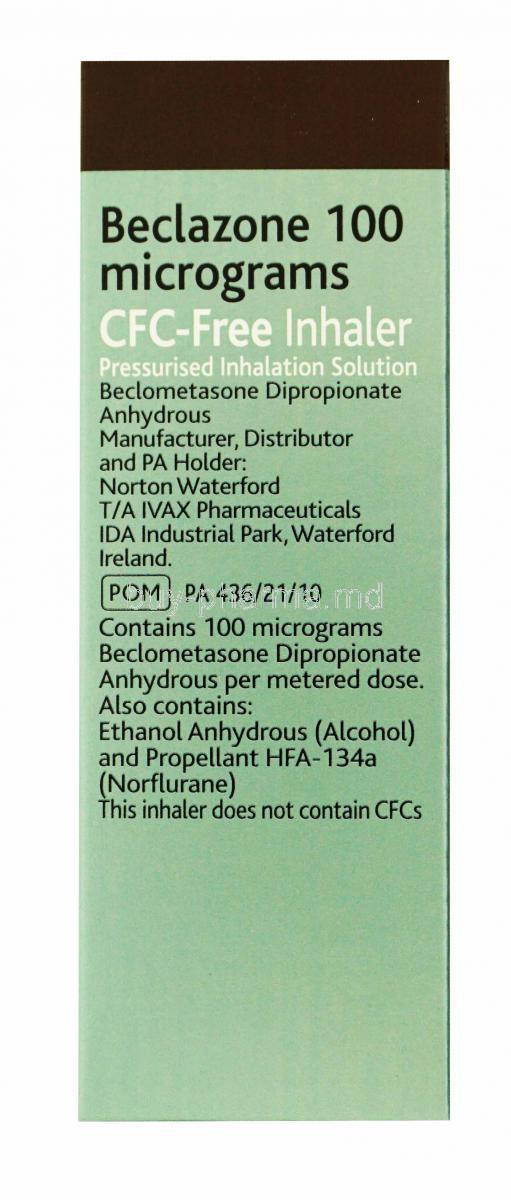
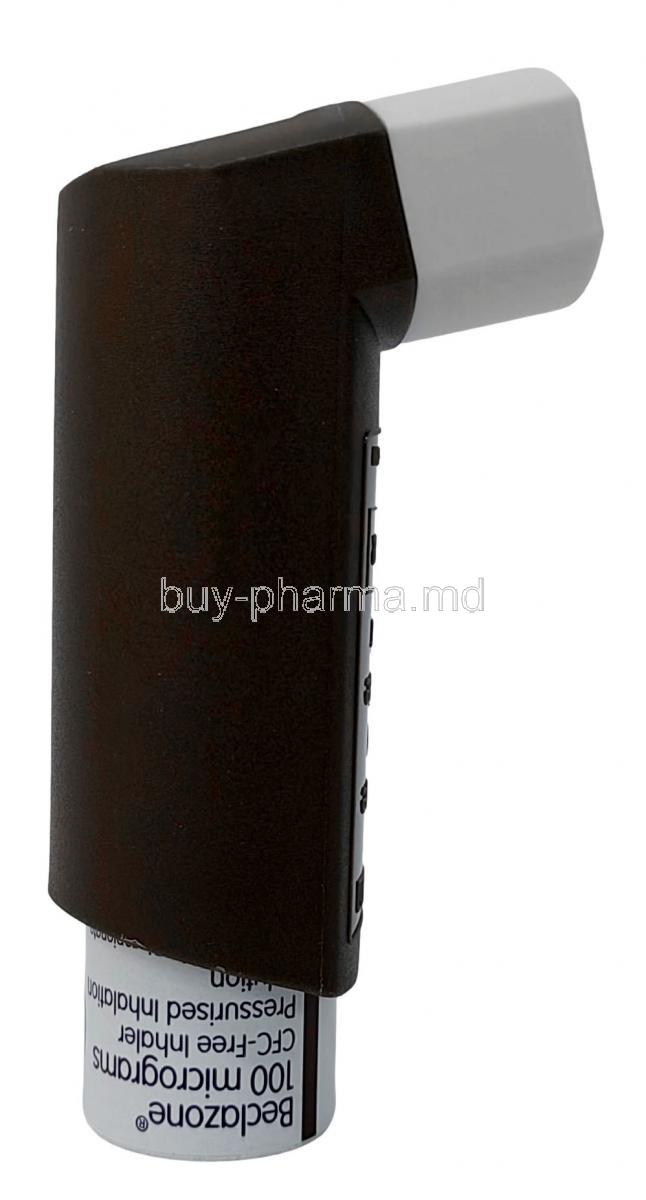
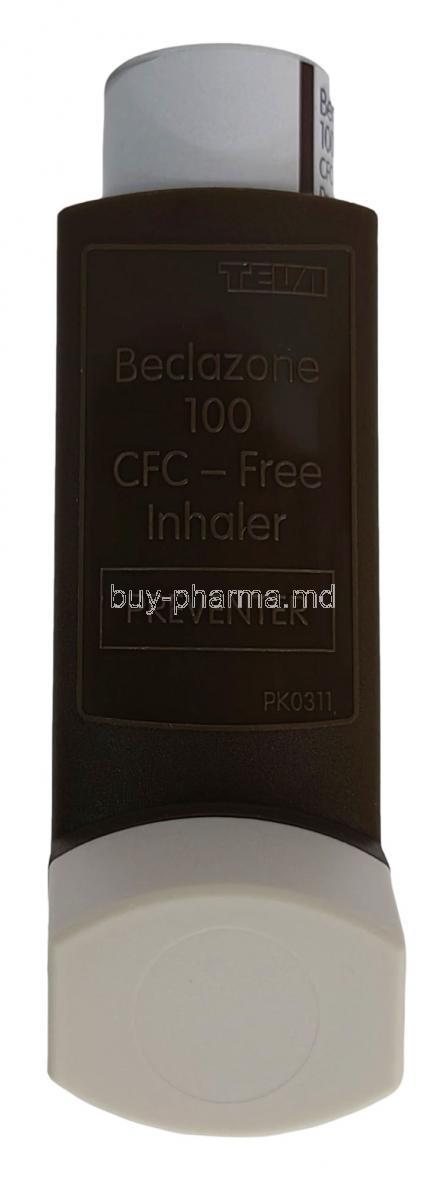
1. Introduction to Beclazone Inhaler (Beclomethasone)
Inhaled corticosteroids occupy a central position in modern respiratory medicine. They are the cornerstone of anti-inflammatory therapy for chronic airway diseases, particularly asthma, where persistent inflammation underlies symptom recurrence and disease progression.
Beclomethasone, the active component of the Beclazone Inhaler, belongs to the glucocorticoid class of medications. It is designed for inhalational delivery, allowing targeted action within the bronchial tree while minimizing systemic exposure.
The Beclazone Inhaler plays a pivotal role in long-term airway disease control. Rather than offering immediate symptom relief, it modifies the inflammatory milieu of the airways, thereby reducing symptom frequency, severity, and exacerbation risk over time.
A clear distinction exists between controller inhalers and rescue inhalers:
- Controller inhalers such as Beclazone are used regularly to suppress chronic inflammation.
- Rescue inhalers provide rapid bronchodilation during acute symptoms but do not address underlying inflammation.
2. Composition and Pharmaceutical Characteristics
The therapeutic efficacy of Beclazone Inhaler is derived from its precisely engineered formulation.
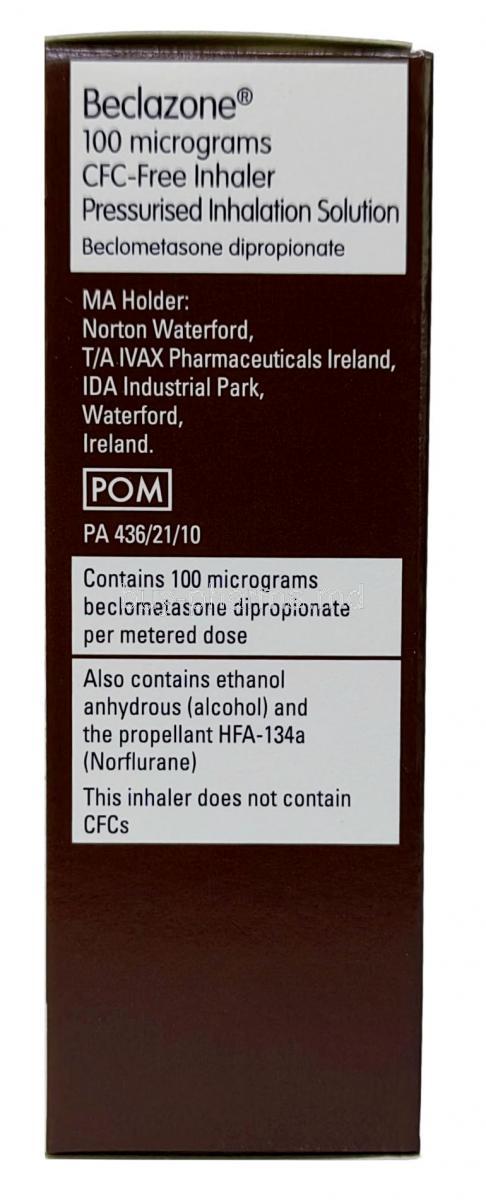
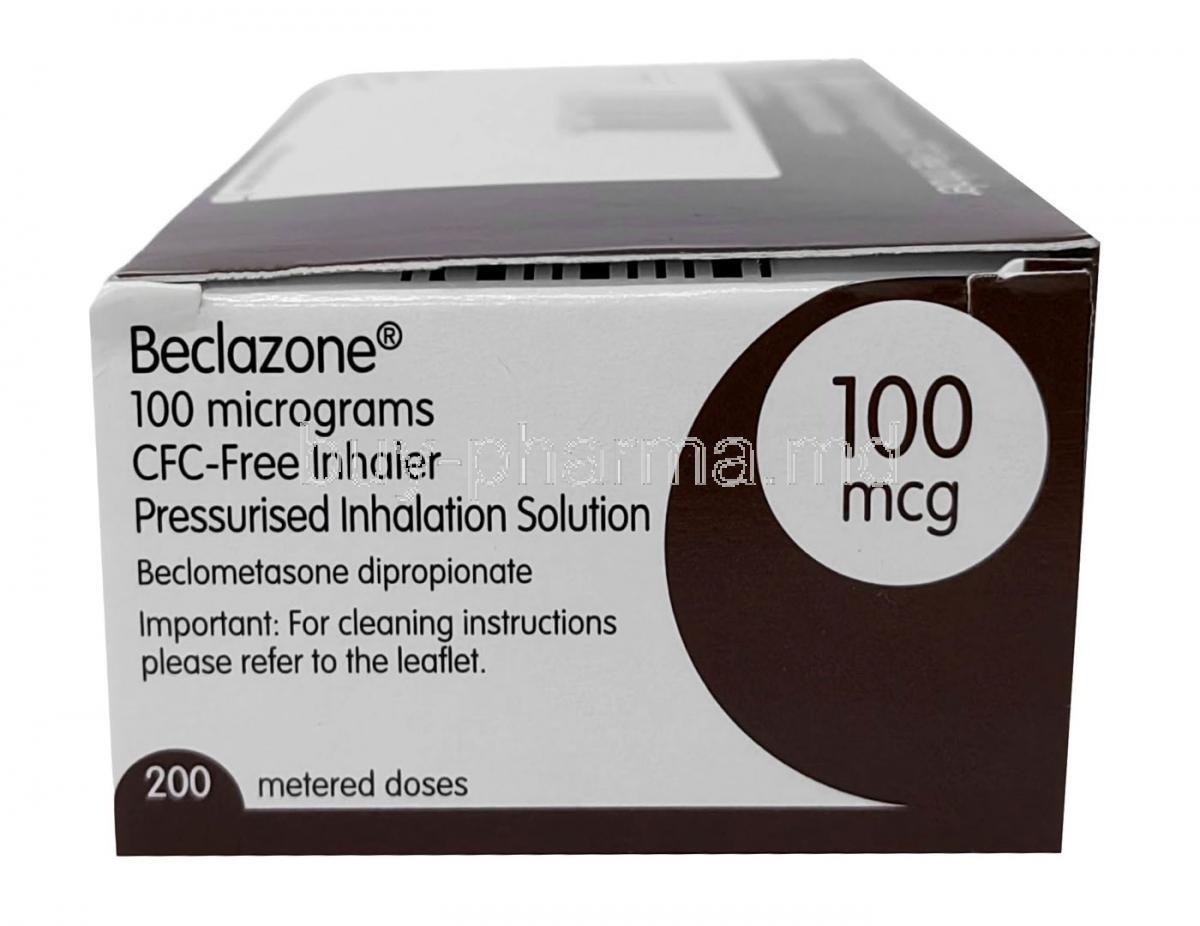
- Active ingredient: Beclomethasone dipropionate, a potent synthetic corticosteroid.
- Inactive components: Propellants and excipients that ensure dose uniformity and aerosol stability.
As a metered-dose inhaler, Beclazone delivers a consistent quantity of medication with each actuation. The formulation produces fine aerosol particles optimized for deep lung penetration.
Particle size is a critical determinant of lung deposition. Appropriately sized particles reach the lower airways, maximizing anti-inflammatory activity while reducing oropharyngeal deposition.
Beclomethasone exhibits strong topical steroid potency combined with a favorable safety profile, making it suitable for long-term inhalation therapy.
3. How Beclomethasone Works (Mechanism of Action)
Beclomethasone exerts its effects by modulating the inflammatory cascade within the airways.
Upon inhalation, it binds to intracellular glucocorticoid receptors, initiating transcriptional changes that suppress inflammatory gene expression. This leads to reduced production of cytokines, chemokines, and other pro-inflammatory mediators.
Key pharmacodynamic actions include:
- Attenuation of eosinophilic infiltration.
- Stabilization of mast cells, limiting mediator release.
- Reduction of bronchial hyperresponsiveness.
The onset of symptomatic improvement may be gradual. While some patients notice benefit within days, the full therapeutic effect emerges with sustained, consistent use over weeks.
4. Therapeutic Uses of Beclazone Inhaler
4.1 Approved Indications
Beclazone Inhaler is primarily indicated for the maintenance treatment of bronchial asthma.
- Long-term asthma control in adults and pediatric patients.
- Prevention of recurrent asthma exacerbations.
- Management of chronic inflammatory airway conditions responsive to corticosteroids.
4.2 Preventive and Maintenance Roles
Beyond symptom control, Beclazone serves a prophylactic function. Regular use diminishes nocturnal symptoms, exercise-induced bronchoconstriction, and reliance on short-acting bronchodilators.
Its steroid-sparing effect may reduce the need for systemic corticosteroids, thereby lowering long-term adverse risk.
5. Off-Label and Extended Uses of Beclomethasone
In certain clinical contexts, beclomethasone is employed beyond its primary indications.
- Adjunctive therapy in selected cases of chronic obstructive pulmonary disease.
- Management of cough-variant asthma.
- Post-infectious airway inflammation with persistent symptoms.
- Occupational or allergen-induced airway disease.
- Steroid-responsive chronic bronchitis in carefully selected patients.
6. Dosage and Administration Guidelines
6.1 Standard Adult Dosage
Initial dosing is determined by disease severity and prior corticosteroid exposure. Maintenance doses are adjusted according to clinical response.
Step-up therapy may be required during periods of poor control, while step-down strategies are implemented once stability is achieved.
6.2 Pediatric Dosage Considerations
Pediatric dosing emphasizes caution and precision.
- Age-appropriate dosing strategies are essential.
- Growth-related dose adjustments may be necessary.
- Maximum recommended pediatric doses should not be exceeded.
6.3 Method of Administration
Correct inhaler technique is fundamental to therapeutic success.
- Use of spacer devices may improve drug delivery.
- Mouth rinsing after inhalation reduces local side effects.
- Doses should be taken at consistent times each day.
7. Administration in Special Populations
7.1 Administration to Elderly Patients
Elderly individuals may exhibit altered pulmonary mechanics. Dose titration and vigilant monitoring are recommended due to increased susceptibility to systemic corticosteroid effects.
7.2 Administration to Pregnant Women
Available safety data suggest inhaled beclomethasone may be used when the benefits of asthma control outweigh potential risks. Poorly controlled asthma itself poses significant maternal and fetal hazards.
7.3 Administration to Nursing Mothers
Minimal systemic absorption limits transfer into breast milk. Clinical relevance is generally low, though infant monitoring is prudent.
7.4 Administration to Children
Long-term pediatric use requires careful growth monitoring. The lowest effective dose should always be employed to maintain disease control.
8. Side Effects of Beclazone Inhaler
8.1 Common Side Effects
- Oral candidiasis.
- Hoarseness and dysphonia.
- Throat irritation or cough.
- Dry mouth.
8.2 Less Common and Systemic Side Effects
- Adrenal suppression with prolonged high-dose use.
- Reduced bone mineral density.
- Skin thinning and easy bruising.
- Rare behavioral or mood changes.
9. Drug and Substance Interactions
Beclazone may interact with other corticosteroid therapies, potentially increasing systemic exposure.
Strong CYP3A4 inhibitors can elevate circulating steroid levels. Combined use with beta-agonist inhalers is common and therapeutically complementary.
Smoking may blunt corticosteroid responsiveness, while alcohol has no direct pharmacologic interaction. Vaccination strategies should be reviewed in patients receiving long-term corticosteroid therapy.
10. Warnings and Safety Information
Beclazone Inhaler is formulated exclusively for long-term inflammatory control and is not intended for the relief of acute asthma attacks. Patients experiencing sudden bronchospasm must rely on fast-acting bronchodilators, as inhaled corticosteroids do not provide immediate airway dilation.
A rare but clinically significant concern is paradoxical bronchospasm, characterized by acute airway constriction immediately after inhalation. If this occurs, therapy should be discontinued promptly and alternative treatment instituted.
Because beclomethasone exerts immunomodulatory effects, prolonged use may increase susceptibility to infections. Particular caution is warranted in patients with:
- Latent or active tuberculosis.
- Untreated fungal, bacterial, or viral airway infections.
- Frequent exposure to communicable diseases.
Long-term administration at high doses may result in systemic corticosteroid effects. These include adrenal axis suppression, reduced bone mineral density, and growth retardation in children. Ongoing risk assessment is essential when extended therapy is required.
11. Contraindications
Beclazone Inhaler is contraindicated in individuals with known hypersensitivity to beclomethasone dipropionate or any formulation excipients, as allergic reactions may be severe.
Use is also contraindicated in the presence of untreated localized infections of the respiratory tract, where corticosteroid-induced immunosuppression could exacerbate disease progression.
Acute, severe asthma episodes requiring immediate bronchodilation and systemic intervention should not be managed with Beclazone alone. In such scenarios, reliance on rescue therapy is mandatory.
Patients with pre-existing adrenal insufficiency require particular caution. Even inhaled corticosteroids may contribute to further adrenal suppression if dosing is excessive or prolonged.
12. Careful Administration and Monitoring
Initiation of therapy should be preceded by a comprehensive baseline respiratory assessment, including symptom burden and lung function evaluation.
Ongoing monitoring is critical to ensure therapeutic efficacy and safety. This includes:
- Regular assessment of symptom control and exacerbation frequency.
- Objective lung function testing when clinically indicated.
- Periodic review of inhaler technique to optimize drug delivery.
Surveillance for adverse effects should encompass both local and systemic manifestations. Oral examinations for candidiasis and evaluation for signs of systemic steroid exposure are recommended during long-term therapy.
For patients receiving prolonged treatment, periodic reassessment of dose necessity is essential to confirm continued clinical benefit.
13. Important Precautions Before and During Use
Discontinuation of Beclazone Inhaler must be approached cautiously. Gradual dose reduction is imperative to prevent adrenal insufficiency and rebound airway inflammation.
Abrupt withdrawal should be avoided, particularly after extended high-dose therapy.
Patients should minimize exposure to infectious agents and promptly report signs of infection. Preventive strategies are especially important in immunocompromised individuals.
Long-term corticosteroid use necessitates attention to skeletal health. Adequate calcium and vitamin D intake, along with periodic bone density evaluation, may be advisable in at-risk populations.
Consistent follow-up allows treatment optimization, ensuring symptom control while minimizing cumulative steroid exposure.
14. Overdosage and Excessive Use
Acute inhalation overdose is unlikely to result in immediate toxicity due to limited systemic absorption. However, transient hypothalamic-pituitary-adrenal suppression may occur.
Chronic overuse presents greater risk. Clinical manifestations may include:
- Adrenal suppression.
- Growth inhibition in pediatric patients.
- Cushingoid features with prolonged excessive dosing.
Management of suspected overuse involves dose reduction to the lowest effective level and careful clinical monitoring. In severe cases, endocrinological evaluation may be warranted.
15. Storage and Stability
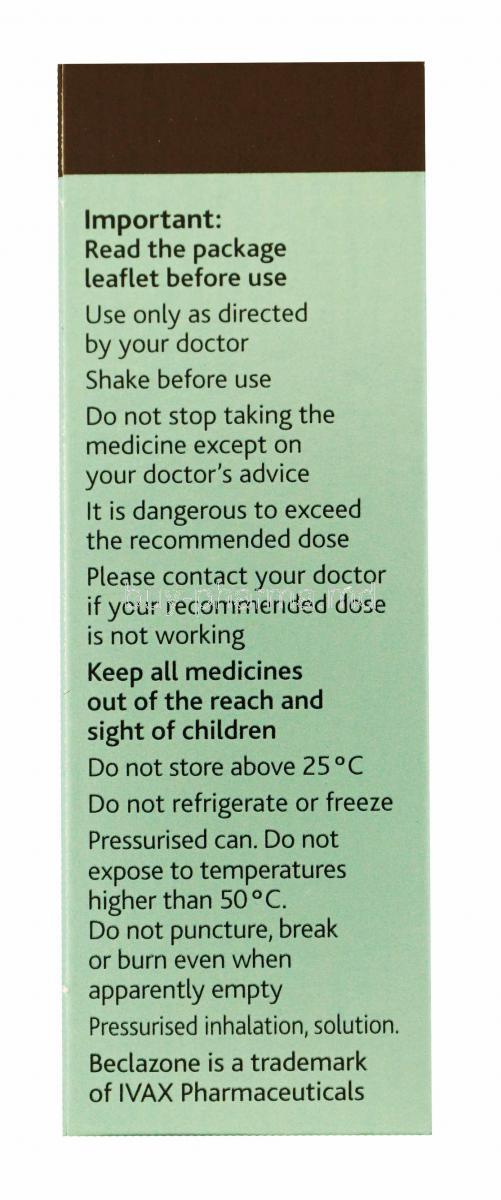
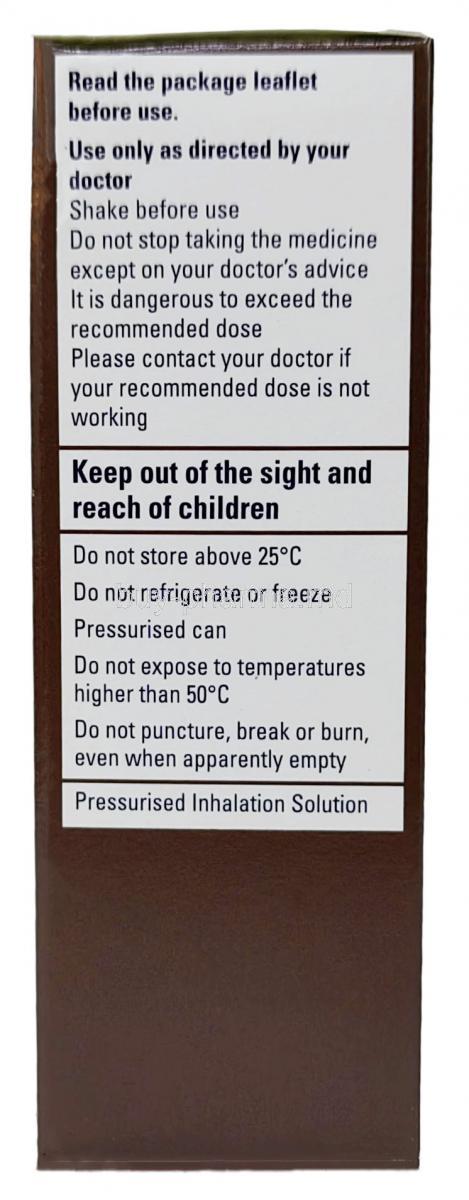
Beclazone Inhaler should be stored at controlled room temperature, in accordance with manufacturer recommendations.
Exposure to excessive heat or direct sunlight must be avoided, as pressurized containers are sensitive to temperature extremes.
The inhaler should not be frozen, punctured, or subjected to mechanical stress. Stability is maintained only when storage guidelines are strictly observed.
Expiration dates must be respected, as efficacy and dose accuracy cannot be guaranteed beyond the stated shelf life.
16. Handling and Disposal Precautions
Proper handling of pressurized inhalers is essential to prevent accidental discharge or container rupture.
- Do not puncture or incinerate the canister, even when empty.
- Avoid exposure to open flames or high heat.
Disposal should comply with local regulations for aerosol medications, ensuring environmental and personal safety.
Inhalers must always be stored out of reach of children to prevent misuse or accidental injury.

Popular Products
Similar Product