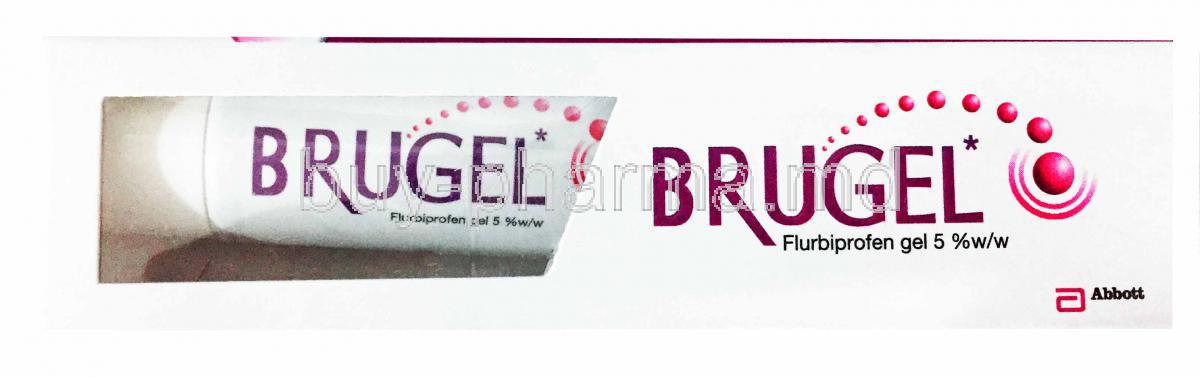
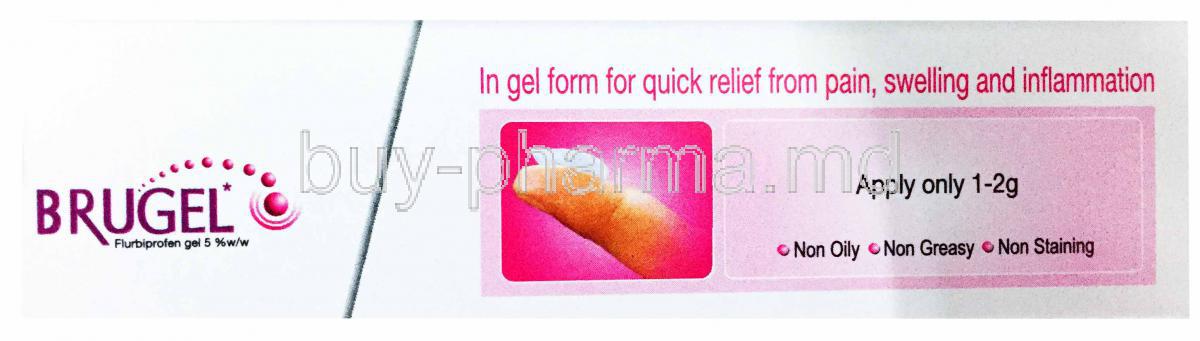
1. Introduction to Brugel (Flurbiprofen Gel)
1.1 What Is Brugel?
Brugel is a topical anti-inflammatory gel containing flurbiprofen, designed for the localized treatment of pain and inflammation affecting muscles, joints, and soft tissues. It is applied directly to the affected area, allowing targeted relief without significant systemic exposure.
This localized therapy is particularly beneficial for individuals seeking effective symptom control while minimizing the gastrointestinal and cardiovascular risks commonly associated with oral pain medications.
1.2 Therapeutic Classification: Topical Nonsteroidal Anti-Inflammatory Drug (NSAID)
Flurbiprofen belongs to the nonsteroidal anti-inflammatory drug (NSAID) class. When formulated as a topical preparation, it provides:
- Anti-inflammatory action
- Analgesic (pain-relieving) effects
- Reduction of localized swelling
Topical NSAIDs are widely used in modern pain management protocols for localized musculoskeletal conditions.
1.3 Key Benefits of Topical Flurbiprofen Over Oral NSAIDs
- Lower systemic absorption and reduced risk of systemic adverse effects
- Minimal gastrointestinal irritation
- Direct delivery to affected tissues
- Suitable for patients who cannot tolerate oral NSAIDs
The gel formulation allows rapid dermal penetration while maintaining a favorable safety profile.
1.4 Indications for Localized Pain and Inflammation Management
Brugel is indicated for conditions involving localized inflammation, pain, stiffness, and soft tissue injury. It is particularly useful in cases where focal therapy is preferred over systemic treatment.
---
2. Composition and Formulation
2.1 Active Ingredient: Flurbiprofen – Concentration and Strength
The primary active component is flurbiprofen, a potent NSAID with strong anti-inflammatory and analgesic properties. The concentration is optimized to ensure effective tissue penetration while maintaining safety during topical use.
2.2 Mechanism-Enhancing Excipients and Base Components
The formulation contains penetration enhancers and stabilizing agents that:
- Improve dermal absorption
- Maintain chemical stability
- Provide a smooth, non-greasy texture
2.3 Gel Formulation Advantages for Skin Absorption
- Rapid drying and easy application
- Cooling sensation that soothes inflamed tissue
- Uniform distribution over the treatment area
2.4 Physical Characteristics, Packaging, and Available Sizes
Brugel is typically supplied in aluminum or laminated tubes. The gel is translucent to slightly opaque, with a lightweight consistency that facilitates convenient daily use.
---
3. Mechanism of Action: How Brugel Works
3.1 Inhibition of Cyclooxygenase (COX) Enzymes
Flurbiprofen inhibits cyclooxygenase (COX-1 and COX-2) enzymes, which play a central role in the inflammatory cascade.
3.2 Reduction of Prostaglandin Production and Inflammation
By suppressing prostaglandin synthesis, the gel reduces:
- Inflammatory swelling
- Pain sensitivity
- Tissue irritation
3.3 Local Analgesic and Anti-Inflammatory Effects
Localized delivery ensures therapeutic concentrations in superficial tissues such as muscles, ligaments, and joints without significant systemic exposure.
3.4 Onset of Action and Duration of Pain Relief
Patients may experience relief within a short period after application. Regular use enhances cumulative anti-inflammatory benefits.
3.5 Systemic Absorption Profile and Safety Considerations
Systemic absorption is minimal compared to oral NSAIDs. However, excessive application or use over large areas may increase systemic exposure.
---
4. Approved Medical Uses of Brugel (Flurbiprofen Gel)
4.1 Relief of Musculoskeletal Pain
- Muscle strains and sprains
- Ligament injuries
- Tendinitis and bursitis
4.2 Management of Joint Disorders
- Osteoarthritis of the knee, hand, shoulder, or ankle
- Degenerative joint disease
4.3 Treatment of Sports Injuries
- Acute trauma-related inflammation
- Overuse injuries
4.4 Relief of Back and Neck Pain
- Mechanical low back pain
- Cervical strain and stiffness
4.5 Post-traumatic Soft Tissue Inflammation
- Contusions
- Localized swelling following minor injury
---
5. Off-Label Uses of Topical Flurbiprofen
5.1 Localized Neuropathic Pain (Adjunct Use)
Used as supportive therapy in selected neuropathic pain conditions.
5.2 Myofascial Pain Syndrome and Trigger Points
5.3 Repetitive Strain Injuries (RSI)
5.4 Mild Inflammatory Conditions in Small Joints
Particularly useful for fingers and toes affected by minor inflammatory conditions.
5.5 Adjunct Therapy for Chronic Pain Management Programs
5.6 Post-exercise Muscle Soreness (DOMS)
---
6. Dosage and Administration Guidelines
6.1 Recommended Application Frequency and Amount
Apply a thin layer to the affected area two to three times daily, or as directed by a healthcare professional.
6.2 Proper Method of Topical Application
- Clean and dry the skin before application
- Gently massage until absorbed
- Wash hands after use
6.3 Duration of Treatment for Acute vs. Chronic Conditions
Short-term use is typical for acute injuries, while chronic conditions may require extended treatment under medical supervision.
6.4 Maximum Daily Use and Treatment Area Limitations
Avoid applying to large body surface areas to minimize systemic exposure.
6.5 Use with Occlusive Dressings: When to Avoid
Occlusion may increase absorption and should generally be avoided unless advised.
6.6 Missed Application Instructions
Apply when remembered unless it is close to the next scheduled dose.
---
7. Administration in Special Populations
7.1 Administration to Elderly Patients
- Monitor for skin fragility and irritation
- Use the lowest effective amount
7.2 Administration to Children
- Use only under medical supervision
- Safety data may be limited for younger age groups
7.3 Use During Pregnancy
- Use only if clearly necessary
- Avoid use during the third trimester
7.4 Use During Breastfeeding
- Avoid application near the breast area
- Minimize exposure to the infant
---
8. Side Effects of Brugel (Flurbiprofen Gel)
8.1 Common Side Effects
- Local skin irritation
- Redness and itching
- Burning or stinging sensation
- Dryness or rash
8.2 Less Common Side Effects
- Contact dermatitis
- Photosensitivity reactions
8.3 Rare but Serious Adverse Reactions
- Allergic reactions
- Systemic NSAID effects with excessive use
8.4 When to Discontinue Use and Seek Medical Advice
Stop use if severe irritation, swelling, or signs of hypersensitivity occur.
---
9. Drug and Product Interactions
9.1 Interaction with Other Topical Medications
9.2 Combined Use with Oral NSAIDs or Analgesics
9.3 Interaction with Anticoagulants and Antiplatelet Drugs
9.4 Cosmetic and Skincare Product Compatibility
9.5 Risk of Increased Absorption with Heat or Occlusion
---
10. Contraindications
10.1 Known Hypersensitivity to Flurbiprofen or Other NSAIDs
10.2 History of NSAID-Induced Asthma or Allergic Reactions
10.3 Application on Broken, Infected, or Damaged Skin
10.4 Use in Patients with Severe NSAID Intolerance
11. Warnings and Important Safety Information
11.1 External Use Only – Avoid Ingestion
Brugel is formulated strictly for topical application. It must never be swallowed or applied internally. Accidental ingestion may result in systemic exposure to flurbiprofen, which carries the same risks associated with oral NSAIDs.
- Do not apply inside the mouth, nose, or rectal area
- Keep the product away from food preparation areas
- Seek medical advice immediately if ingestion occurs
11.2 Avoid Contact with Eyes, Mouth, and Mucous Membranes
The gel may cause irritation if it comes into contact with sensitive tissues. The alcohol-based or penetration-enhancing components can produce a burning sensation or inflammation.
- Wash hands thoroughly after each application
- If accidental contact occurs, rinse immediately with clean water
- Discontinue use if persistent irritation develops
11.3 Risk of Systemic Effects with Excessive or Prolonged Use
Although systemic absorption is minimal, excessive application, prolonged use, or treatment over large surface areas may increase systemic drug levels. This could potentially lead to NSAID-related adverse effects.
- Gastrointestinal discomfort
- Renal function impairment
- Fluid retention or elevated blood pressure
Adhere strictly to recommended dosing guidelines.
11.4 Photosensitivity Risk and Sun Exposure Precautions
Topical NSAIDs may increase the skin’s sensitivity to ultraviolet radiation. Treated areas can become more susceptible to erythema, hyperpigmentation, or photodermatitis.
- Avoid direct sunlight on treated skin
- Do not use tanning beds during treatment
- Cover the application area when outdoors
11.5 Monitoring for Skin Reactions During Treatment
Patients should regularly inspect the treated area for signs of intolerance. Early recognition prevents progression to more severe dermatologic reactions.
- Persistent redness or swelling
- Blistering or peeling
- Severe itching or dermatitis
Discontinue use and consult a healthcare professional if such symptoms occur.
---
12. Careful Administration and Important Precautions
12.1 Use the Lowest Effective Amount for the Shortest Duration
Therapeutic prudence dictates minimal exposure. Apply only the quantity necessary to control symptoms and avoid prolonged continuous use without medical supervision.
12.2 Avoid Large Body Surface Area Application
Application over extensive areas increases systemic absorption. This may elevate the risk of systemic NSAID effects, particularly in vulnerable individuals.
- Limit treatment to localized regions
- Avoid whole-limb or full-back application unless directed
12.3 Special Caution in Patients with Renal, Hepatic, or Cardiovascular Disease
Even topical NSAIDs may pose risks in patients with underlying systemic disorders. Those with impaired renal function, hepatic disease, or cardiovascular conditions should use the product cautiously and under medical guidance.
12.4 Avoid Use with Heat Pads or Tight Bandaging
External heat or occlusion enhances dermal absorption. This can significantly increase systemic exposure and local irritation.
- Do not cover the area with airtight dressings
- Avoid heating pads or hot compresses over the treated skin
12.5 Precautions in Patients Using Multiple NSAID Products
Concurrent use of oral or other topical NSAIDs may result in cumulative exposure. This increases the risk of gastrointestinal, renal, or cardiovascular adverse effects.
- Review all current medications
- Avoid duplicate NSAID therapy unless advised by a healthcare provider
---
13. Overdose and Excessive Use
13.1 Signs of Topical Overuse or Systemic Absorption
Excessive application may produce both local and systemic symptoms.
- Severe skin irritation or dermatitis
- Nausea or abdominal discomfort
- Headache or dizziness
13.2 Potential Systemic NSAID Toxicity
In rare cases of significant systemic absorption, symptoms may resemble oral NSAID toxicity.
- Gastrointestinal bleeding or ulceration
- Renal impairment
- Elevated blood pressure or fluid retention
13.3 Management of Accidental Ingestion
If the gel is swallowed, immediate medical evaluation is recommended. Treatment is supportive and based on the amount ingested and the patient’s clinical condition.
13.4 When to Seek Emergency Medical Attention
Urgent medical care is required if any of the following occur:
- Severe allergic reaction
- Persistent vomiting or abdominal pain
- Difficulty breathing
- Signs of gastrointestinal bleeding
---
14. Storage Instructions
14.1 Recommended Storage Temperature and Conditions
Store Brugel at controlled room temperature, typically below 25–30°C, depending on manufacturer recommendations. Avoid extreme environmental conditions.
14.2 Protecting the Gel from Heat, Light, and Moisture
- Keep the tube tightly closed after use
- Store in a cool, dry place
- Avoid direct sunlight and humid environments such as bathrooms
14.3 Shelf Life and Expiry Considerations
Do not use the product beyond its expiration date. Chemical stability and therapeutic efficacy may decline over time.
14.4 Safe Storage Away from Children and Pets
Accidental exposure can be harmful. Always store the medication in a secure location, out of sight and reach.
---
15. Handling Precautions
15.1 Hand Washing Before and After Application
Proper hygiene prevents unintended transfer and contamination. Wash hands thoroughly unless the hands themselves are the treatment site.
15.2 Avoid Transfer to Eyes or Sensitive Areas
After application, avoid touching the face or mucosal surfaces. Residual medication on the fingers may cause irritation.
15.3 Preventing Accidental Exposure to Others
- Allow the gel to dry before skin contact with others
- Avoid sharing personal topical medications
15.4 Disposal of Unused or Expired Product
Unused or expired gel should be disposed of responsibly. Do not pour into sinks or drains. Follow local pharmaceutical disposal guidelines where available.
15.5 Travel and Daily Handling Considerations for Topical NSAIDs
When traveling, keep the tube sealed and protected from excessive heat. Carry the medication in its original packaging to maintain product integrity and ensure proper identification.
Popular Products


Similar Product