1. Introduction to Caluran (Bicalutamide)
1.1 Overview of Caluran and Its Therapeutic Role
Caluran is a pharmaceutical formulation containing bicalutamide, a potent non-steroidal antiandrogen widely used in the management of prostate cancer. The medication plays a crucial role in suppressing the biological effects of androgens—male hormones that stimulate the growth of prostate tumor cells. By attenuating androgen activity, Caluran assists in slowing tumor progression and mitigating cancer-related symptoms.
In modern oncology, androgen deprivation therapy represents a cornerstone of treatment for hormone-sensitive prostate malignancies. Caluran contributes to this therapeutic paradigm by inhibiting androgen receptor signaling. This pharmacological intervention helps reduce tumor proliferation, stabilize disease progression, and improve overall clinical outcomes for many patients.
1.2 Generic Name, Brand Variants, and Drug Classification
The active compound in Caluran is bicalutamide. It belongs to the pharmacological class known as non-steroidal antiandrogens, medications designed to antagonize the action of endogenous androgens without exhibiting steroidal properties.
Bicalutamide is marketed globally under various brand names. These formulations may differ in manufacturer, packaging, and excipient composition, but they contain the same active therapeutic molecule. Key characteristics include:
- Generic name: Bicalutamide
- Drug class: Non-steroidal antiandrogen
- Therapeutic category: Hormonal therapy for prostate cancer
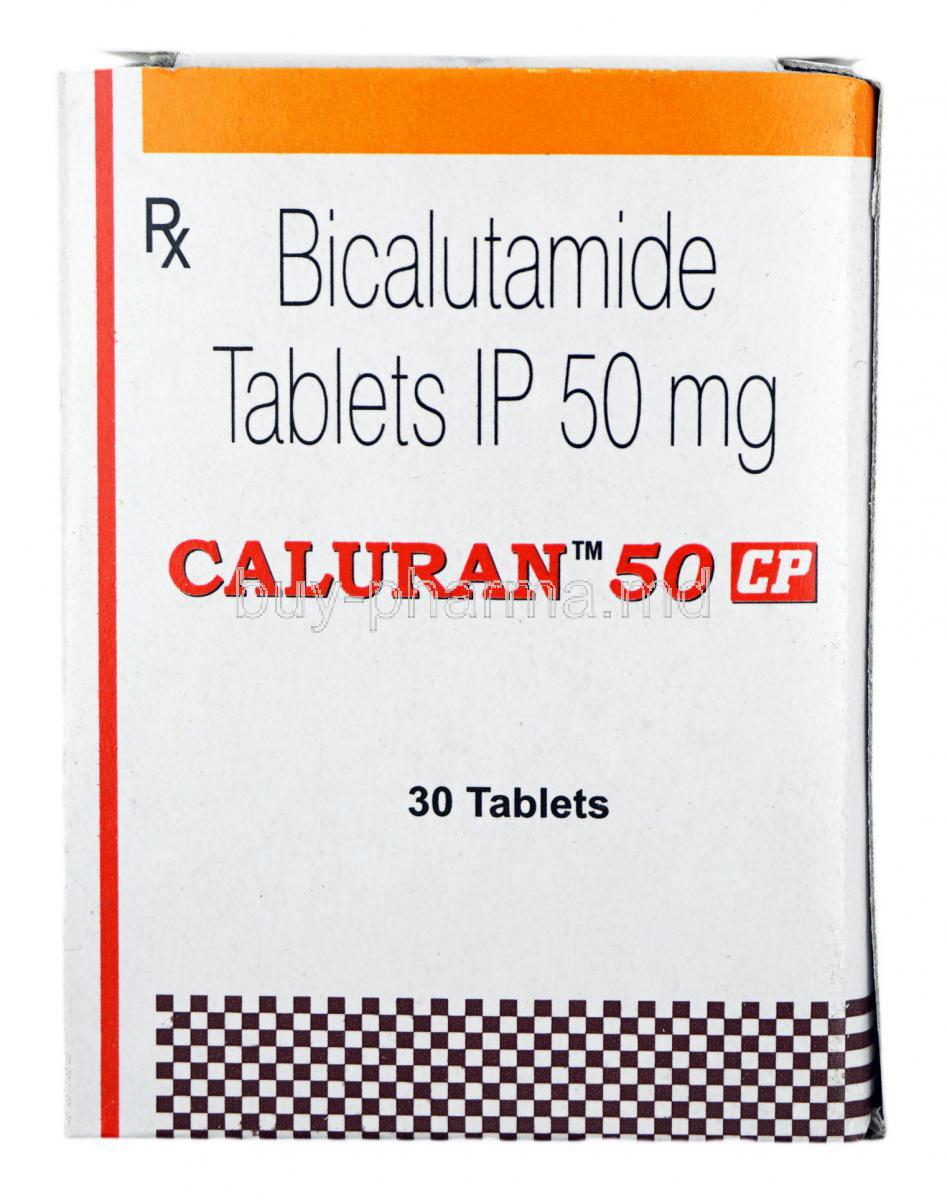
- Common dosage strengths: 50 mg or 150 mg tablets
1.3 History and Development of Bicalutamide in Prostate Cancer Therapy
The development of bicalutamide emerged from extensive research into hormonal manipulation as a strategy for controlling prostate cancer. Early androgen deprivation methods relied on surgical castration or estrogen therapy. These approaches, while effective, often carried significant adverse consequences.
Non-steroidal antiandrogens such as bicalutamide were introduced to provide a more targeted mechanism of action. Clinical trials demonstrated that blocking androgen receptors could effectively suppress tumor growth while preserving certain endocrine functions. Over time, bicalutamide became a widely adopted component of combination therapy protocols.
1.4 Mechanism of Action Overview as a Non-Steroidal Antiandrogen
Bicalutamide exerts its pharmacological effect by selectively binding to androgen receptors located within prostate tissue. Normally, testosterone and dihydrotestosterone activate these receptors, initiating cellular signaling pathways that stimulate tumor growth.
By occupying these receptors, bicalutamide prevents androgen molecules from exerting their biological influence. The result is a functional blockade of androgen-dependent cellular proliferation. This antagonistic mechanism significantly diminishes hormonal stimulation of malignant cells.
1.5 Importance of Antiandrogen Therapy in Hormone-Sensitive Cancers
Hormone-sensitive malignancies, particularly prostate carcinoma, depend heavily on androgen signaling for continued growth and survival. Antiandrogen therapy disrupts this hormonal axis. The suppression of androgen receptor activity can lead to tumor regression or stabilization.
The clinical significance of antiandrogen therapy includes:
- Reduction of tumor growth signals
- Slowing of metastatic progression
- Improvement in disease-related symptoms
- Extension of progression-free survival in selected patients
2. Composition and Pharmaceutical Information
2.1 Active Ingredient: Bicalutamide
The therapeutic component of Caluran is bicalutamide. This compound is chemically classified as an anilide derivative with potent antiandrogenic activity. Its molecular structure allows selective binding to androgen receptors without activating them, thereby producing a receptor blockade effect.
2.2 Available Strengths and Dosage Forms of Caluran Tablets
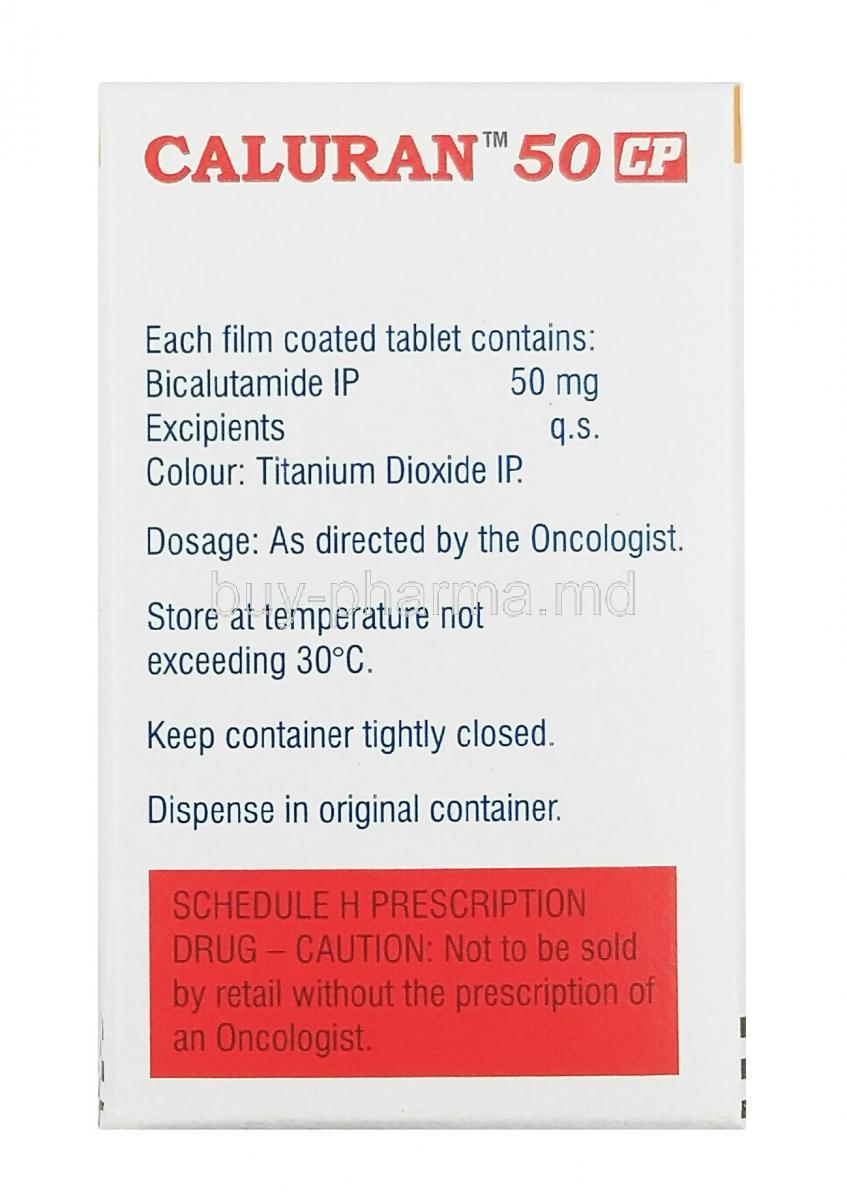
Caluran is typically manufactured in oral tablet form, designed for convenient daily administration. Tablets are commonly available in strengths such as 50 mg and, in some regions, 150 mg. The dosage strength selected depends on the therapeutic regimen and clinical protocol prescribed by healthcare professionals.
2.3 Inactive Ingredients and Tablet Formulation Components
In addition to the active pharmaceutical ingredient, Caluran tablets contain excipients that contribute to tablet stability, dissolution characteristics, and manufacturing integrity. These inactive components may include:
- Lactose monohydrate
- Microcrystalline cellulose
- Sodium starch glycolate
- Magnesium stearate
- Film-coating agents
These ingredients serve supportive roles such as improving tablet cohesion, facilitating gastrointestinal absorption, and ensuring consistent pharmaceutical quality.
2.4 Pharmacological Classification and Therapeutic Category
From a pharmacological perspective, Caluran belongs to the antiandrogen subclass of hormonal therapies. Within oncology therapeutics, it is categorized as an endocrine-modulating agent specifically used for androgen-dependent cancers. Its mechanism differentiates it from cytotoxic chemotherapy by targeting hormonal signaling rather than directly destroying rapidly dividing cells.
3. How Caluran (Bicalutamide) Works
3.1 Antiandrogen Mechanism: Blocking Androgen Receptors
The principal action of bicalutamide involves competitive inhibition of androgen receptors. By binding to these receptors, the medication prevents testosterone and dihydrotestosterone from activating androgen-mediated transcription pathways.
This blockade results in:
- Reduced transcription of androgen-responsive genes
- Suppression of tumor cell proliferation
- Attenuation of hormonal stimulation in prostate tissue
3.2 Role of Androgens in Prostate Cancer Growth
Androgens play a pivotal role in the development and progression of prostate cancer. These hormones stimulate cellular proliferation within prostate tissue by activating androgen receptors located in the cell nucleus. Once activated, these receptors trigger gene expression patterns that promote tumor survival and expansion.
3.3 Inhibition of Testosterone-Driven Tumor Proliferation
By preventing androgen receptor activation, Caluran disrupts the biological cascade that fuels tumor growth. Cancer cells deprived of androgen signaling often exhibit reduced proliferation rates. In some cases, apoptosis or programmed cell death may occur as tumor cells lose their hormonal support.
3.4 Synergistic Use with LHRH Agonists or Orchiectomy
Caluran is frequently administered alongside luteinizing hormone-releasing hormone (LHRH) agonists or following surgical orchiectomy. These interventions drastically reduce circulating testosterone levels. When combined with bicalutamide, the therapeutic effect is amplified because both hormone production and receptor activity are suppressed simultaneously.
3.5 Pharmacodynamics and Hormonal Regulation Effects
The pharmacodynamic profile of bicalutamide involves sustained receptor antagonism and modulation of endocrine signaling. Plasma levels of testosterone may initially remain unchanged; however, the receptor blockade prevents effective androgen signaling. This leads to downstream suppression of tumor growth pathways associated with androgen stimulation.
4. Medical Uses of Caluran (Bicalutamide)
4.1 Primary Indication: Treatment of Advanced Prostate Cancer
Caluran is primarily prescribed for the treatment of advanced prostate cancer. It is especially useful in cases where the disease is androgen-dependent. By blocking androgen receptors, the medication interferes with the hormonal stimuli that drive tumor progression.
4.2 Combination Therapy with LHRH Analogues for Metastatic Prostate Cancer
In metastatic prostate cancer, combination therapy is frequently employed. Caluran is often administered alongside LHRH analogues to provide comprehensive androgen suppression. This therapeutic strategy is referred to as combined androgen blockade.
4.3 Use as Part of Combined Androgen Blockade Therapy
Combined androgen blockade involves the simultaneous reduction of testosterone production and inhibition of androgen receptor signaling. Caluran fulfills the latter role. The approach aims to maximize hormonal suppression and improve disease control in patients with advanced malignancy.
4.4 Adjuvant Therapy Following Surgical or Medical Castration
After orchiectomy or medical castration, residual adrenal androgens may continue to stimulate prostate tumor cells. Caluran helps neutralize this residual hormonal activity by preventing androgen receptor activation.
4.5 Use in Locally Advanced Prostate Cancer
In certain clinical settings, Caluran may be used to manage locally advanced prostate cancer. The medication can delay disease progression, reduce tumor burden, and complement radiation or surgical treatment modalities.
5. Off-Label Uses of Bicalutamide
5.1 Treatment of Androgen-Dependent Conditions
Beyond prostate cancer, bicalutamide has been explored for several androgen-mediated conditions. These disorders involve excessive androgen activity or abnormal hormonal sensitivity.
5.2 Off-Label Use in Male-to-Female Gender-Affirming Hormone Therapy
Bicalutamide has occasionally been utilized in gender-affirming therapy for transgender women. By blocking androgen receptors, the medication reduces the effects of endogenous testosterone and supports feminizing hormone regimens.
5.3 Management of Severe Hirsutism in Women
Severe hirsutism results from excessive androgen activity that stimulates hair growth in a male-pattern distribution. Antiandrogen medications such as bicalutamide may help reduce hair follicle stimulation and improve cosmetic outcomes.
5.4 Treatment of Polycystic Ovary Syndrome (PCOS)-Related Hyperandrogenism
In PCOS, elevated androgen levels contribute to symptoms including acne, irregular menstruation, and excessive hair growth. Antiandrogen therapy may help mitigate these manifestations by blocking androgen receptor signaling.
5.5 Off-Label Use in Androgenic Alopecia (Hair Loss)
Androgenic alopecia is influenced by dihydrotestosterone activity within hair follicles. Antiandrogens may reduce this hormonal effect and potentially slow the progression of hair loss.
5.6 Use in Acne Associated with Androgen Excess
Excessive androgen stimulation can increase sebaceous gland activity, leading to acne. Bicalutamide has been investigated as an antiandrogenic intervention to reduce sebum production and inflammatory lesions.
5.7 Investigational Uses in Hormone-Sensitive Tumors
Research continues to explore the potential use of antiandrogens in other hormone-responsive tumors. These investigations aim to determine whether androgen receptor blockade may provide therapeutic benefits beyond prostate cancer.
6. Dosage and Administration Guidelines
6.1 Standard Dosage for Advanced Prostate Cancer Treatment
The typical dosage for advanced prostate cancer is 50 mg taken orally once daily. This regimen is usually initiated concurrently with an LHRH agonist or shortly after surgical castration.
6.2 Recommended Dosage in Combination with LHRH Therapy
When used as part of combined androgen blockade therapy, Caluran is administered daily alongside LHRH analogues. The consistent daily dosing maintains steady receptor inhibition.
6.3 Administration Timing and Duration of Treatment
Caluran tablets may be taken with or without food. Treatment duration varies depending on disease progression and therapeutic response. In many cases, therapy continues for extended periods under medical supervision.
6.4 Dosage Adjustments in Hepatic or Renal Impairment
Patients with liver dysfunction may require careful monitoring because bicalutamide is extensively metabolized in the liver. Renal impairment generally has less influence on dosage requirements, but clinical judgment remains essential.
6.5 Missed Dose Instructions and Treatment Compliance
If a dose is missed, it should typically be taken as soon as remembered unless it is close to the next scheduled dose. Maintaining consistent administration is important for optimal therapeutic effectiveness.
7. Side Effects of Caluran (Bicalutamide)
7.1 Overview of Potential Adverse Reactions
Like many endocrine therapies, Caluran may produce adverse reactions related to hormonal suppression. The severity and frequency of side effects vary among individuals.
7.2 Common Side Effects of Bicalutamide
- Hot flashes
- Breast tenderness or gynecomastia
- Fatigue and generalized weakness
- Decreased libido
- Gastrointestinal discomfort
7.3 Less Common but Clinically Significant Side Effects
Less frequently, patients may experience metabolic disturbances, hepatic enzyme elevations, or mild cardiovascular symptoms. These effects typically require monitoring rather than discontinuation of therapy.
7.4 Serious Adverse Reactions Requiring Medical Attention
Rare but serious reactions may include severe liver dysfunction, hypersensitivity reactions, or pulmonary complications. Immediate medical evaluation is recommended if significant symptoms occur.
7.5 Long-Term Side Effects Associated with Hormonal Therapy
Extended antiandrogen therapy may lead to long-term endocrine changes. These can include alterations in bone density, metabolic shifts, and persistent hormonal side effects associated with androgen deprivation.
8. Drug Interactions with Caluran
8.1 Interactions with Anticoagulants such as Warfarin
Bicalutamide may enhance the anticoagulant effect of warfarin. Monitoring of coagulation parameters is often recommended when these medications are administered concurrently.
8.2 Effects of CYP3A4 Enzyme Interactions
Bicalutamide is metabolized primarily through hepatic enzyme pathways, particularly CYP3A4. Drugs that inhibit or induce these enzymes may alter plasma concentrations of the medication.
8.3 Interactions with Other Hormonal Therapies
Concomitant use with other hormonal treatments may amplify endocrine effects. Careful therapeutic planning ensures appropriate hormonal balance and minimizes adverse reactions.
8.4 Interactions with Medications Affecting Liver Function
Since bicalutamide undergoes hepatic metabolism, medications that impair liver function may influence drug clearance and increase the risk of toxicity.
8.5 Alcohol and Lifestyle Interactions
Excessive alcohol consumption may exacerbate hepatic stress and potentially increase the risk of liver-related adverse effects during treatment.
9. Warnings and Safety Considerations
9.1 Risk of Liver Toxicity and Monitoring Requirements
Bicalutamide therapy has been associated with elevations in liver enzymes. Periodic liver function testing is recommended to detect potential hepatic complications early.
9.2 Cardiovascular Safety and Hormonal Effects
Hormonal therapy can influence cardiovascular physiology. Monitoring of cardiovascular health may be appropriate, particularly in patients with preexisting conditions.
9.3 Monitoring for Tumor Flare Phenomenon
In certain hormonal therapies, an initial increase in androgen activity may temporarily exacerbate symptoms. Antiandrogen therapy helps mitigate this phenomenon during combination treatment regimens.
9.4 Risk of Interstitial Lung Disease (Rare Cases)
Although uncommon, interstitial lung disease has been reported in association with antiandrogen therapy. Respiratory symptoms such as persistent cough or shortness of breath should be evaluated promptly.
9.5 Hormonal Side Effects Impacting Quality of Life
Hormonal alterations may affect physical and psychological well-being. Patients undergoing antiandrogen therapy may experience changes in sexual function, energy levels, and body composition.
10. Contraindications of Bicalutamide
10.1 Known Hypersensitivity to Bicalutamide or Tablet Components
Caluran should not be used in individuals with known hypersensitivity to bicalutamide or any of the formulation components.
10.2 Contraindicated Use in Women and Pregnancy
Bicalutamide is contraindicated in women, particularly during pregnancy, due to the potential risk of fetal harm related to antiandrogenic activity.
10.3 Severe Hepatic Impairment or Liver Disease
Patients with significant liver disease may be at increased risk of toxicity because of impaired drug metabolism. Careful evaluation is required before initiating therapy.
10.4 Concomitant Use with Certain Antihistamines or QT-Prolonging Drugs
Concurrent administration with medications known to prolong the QT interval or interact with hepatic metabolic pathways should be approached cautiously or avoided when possible.
11. Careful Administration and Clinical Monitoring
11.1 Monitoring Liver Function Tests During Therapy
Caluran (bicalutamide) undergoes extensive hepatic metabolism. Because of this pharmacokinetic characteristic, monitoring liver function is a critical component of safe therapy. Periodic laboratory evaluation allows healthcare providers to detect hepatic abnormalities early and prevent potential complications.
Liver enzyme levels—particularly alanine aminotransferase (ALT) and aspartate aminotransferase (AST)—may occasionally rise during treatment. While mild elevations can occur without clinical consequence, significant abnormalities require careful assessment. Monitoring strategies may include:
- Baseline liver function testing before initiating therapy
- Periodic evaluation during the first months of treatment
- Immediate testing if symptoms of hepatic dysfunction arise
Clinical signs that may warrant investigation include jaundice, persistent nausea, abdominal discomfort, dark urine, or unusual fatigue. Prompt recognition and medical evaluation remain essential for patient safety.
11.2 Monitoring Prostate-Specific Antigen (PSA) Levels
Prostate-specific antigen (PSA) serves as a widely used biomarker in the management of prostate cancer. Monitoring PSA levels during treatment helps clinicians evaluate therapeutic response and detect potential disease progression.
During effective antiandrogen therapy, PSA levels often decline, reflecting reduced tumor activity. Conversely, rising PSA values may indicate emerging resistance or disease advancement. Regular monitoring typically includes:
- Baseline PSA measurement before treatment initiation
- Scheduled PSA assessments during therapy
- Comparative evaluation of trends rather than single values
This systematic monitoring provides valuable insight into disease dynamics and assists clinicians in tailoring treatment strategies.
11.3 Monitoring in Patients with Cardiovascular Disease
Patients with underlying cardiovascular conditions require careful observation when undergoing hormonal therapy. Antiandrogen treatment can influence metabolic processes, vascular physiology, and lipid metabolism.
Individuals with a history of cardiovascular disorders may benefit from periodic assessment of:
- Blood pressure
- Serum lipid profiles
- Cardiac function
- Weight and metabolic parameters
Although Caluran itself does not directly induce major cardiovascular toxicity in most cases, the hormonal milieu created by androgen deprivation may contribute to subtle metabolic changes that warrant clinical attention.
11.4 Monitoring Hormonal and Metabolic Changes
Antiandrogen therapy alters endocrine equilibrium. These hormonal shifts may lead to metabolic modifications affecting body composition, glucose metabolism, and lipid balance.
Healthcare providers may monitor several parameters during long-term therapy, including:
- Body weight and body mass index
- Serum glucose levels
- Lipid profiles
- Bone mineral density in selected patients
These evaluations help detect treatment-associated metabolic changes and support timely intervention if necessary.
11.5 Clinical Follow-Up for Long-Term Antiandrogen Therapy
Long-term administration of Caluran requires structured clinical follow-up. Continuous evaluation ensures therapeutic effectiveness while minimizing potential adverse effects.
Routine follow-up appointments may include:
- Physical examinations
- Laboratory monitoring
- Assessment of treatment tolerance
- Review of new or evolving symptoms
Regular consultation allows healthcare providers to adjust therapy appropriately and maintain optimal disease management.
12. Important Precautions Before Using Caluran
12.1 Evaluation of Baseline Liver Function
Prior to initiating Caluran therapy, assessment of baseline liver function is recommended. Because the medication is metabolized extensively by hepatic pathways, preexisting liver impairment may increase the risk of drug accumulation or toxicity.
Baseline testing typically includes evaluation of hepatic enzymes and bilirubin levels. Identifying abnormalities before treatment allows clinicians to determine whether therapy is appropriate or if enhanced monitoring is necessary.
12.2 Screening for Cardiovascular Risk Factors
Evaluation of cardiovascular health is advisable before starting antiandrogen therapy. Patients with cardiovascular disease, hypertension, or metabolic syndrome may require additional monitoring during treatment.
Important considerations include:
- History of coronary artery disease
- Presence of hypertension
- Elevated cholesterol levels
- Diabetes or impaired glucose tolerance
Understanding these risk factors allows healthcare providers to establish appropriate monitoring strategies and minimize potential complications.
12.3 Consideration of Drug Interactions Prior to Therapy
Before prescribing Caluran, clinicians often review a patient’s complete medication history. This precaution helps identify possible drug interactions that may alter therapeutic effectiveness or increase adverse effects.
Particular attention is given to medications that influence hepatic metabolism, anticoagulants, and drugs that affect hormonal balance. Adjustments to treatment regimens may be necessary to avoid undesirable pharmacological interactions.
12.4 Counseling on Hormonal Side Effects and Fertility Impact
Antiandrogen therapy can produce noticeable hormonal effects. Patients should receive clear information about potential physical changes and reproductive implications associated with treatment.
Possible hormonal effects may include:
- Breast tenderness or enlargement
- Reduced libido
- Hot flashes
- Changes in sexual function
Open discussion between healthcare providers and patients helps establish realistic expectations and promotes adherence to therapy.
12.5 Importance of Regular Medical Monitoring
Regular medical evaluation remains an essential aspect of safe and effective treatment with Caluran. Continuous monitoring enables clinicians to assess treatment response, detect emerging side effects, and adjust therapy when necessary.
Routine clinical assessments typically incorporate laboratory testing, physical examination, and discussion of patient-reported symptoms.
13. Administration to Elderly Patients
13.1 Safety Profile in Older Adults with Prostate Cancer
Prostate cancer frequently occurs in older adults, making this population a primary recipient of antiandrogen therapy. Clinical studies indicate that bicalutamide is generally well tolerated in elderly patients when used under medical supervision.
However, age-related physiological changes can influence drug metabolism and sensitivity to hormonal therapy. Therefore, individualized treatment plans are recommended.
13.2 Dosage Considerations in Elderly Patients
In most cases, standard dosing regimens are appropriate for elderly individuals. Nevertheless, clinicians may exercise caution when patients present with multiple comorbidities or compromised organ function.
Factors that may influence dosing decisions include:
- Overall health status
- Concurrent medications
- Liver function
- Functional capacity
13.3 Monitoring Age-Related Liver and Kidney Function
Aging can affect hepatic metabolism and renal clearance. Although bicalutamide is primarily metabolized in the liver, monitoring both liver and kidney function may help ensure safe treatment in older adults.
Periodic laboratory evaluations support early detection of organ function changes that could influence drug handling.
14. Administration to Pregnant Women and Nursing Mothers
14.1 Contraindication in Pregnancy Due to Hormonal Effects
Caluran is contraindicated in women, particularly during pregnancy. The antiandrogenic properties of bicalutamide can interfere with normal hormonal signaling required for fetal development.
Exposure during pregnancy may pose risks to the developing fetus, especially with regard to reproductive system development.
14.2 Potential Risks to Fetal Development
Animal studies have demonstrated that antiandrogen exposure can affect fetal endocrine systems and reproductive organ formation. Although human exposure is uncommon, these findings highlight the theoretical risk associated with the medication.
For this reason, the drug is not intended for use in women and should be handled with appropriate caution.
14.3 Considerations for Exposure in Nursing Mothers
There is limited information regarding the presence of bicalutamide in human breast milk. However, due to the potential for endocrine disruption, the medication is not recommended for use by nursing mothers.
15. Administration to Pediatric Patients
15.1 Limited Clinical Evidence in Children
Clinical research on the use of bicalutamide in pediatric populations remains extremely limited. The medication was developed primarily for adult prostate cancer, a disease rarely encountered in children.
15.2 Lack of Approved Pediatric Indications
Because of the absence of sufficient safety and efficacy data, Caluran does not have approved indications for pediatric use. Healthcare providers typically avoid prescribing antiandrogen therapy for children unless in highly specialized circumstances.
15.3 Safety Concerns Related to Hormonal Development
During childhood and adolescence, hormonal signaling plays a crucial role in growth and sexual maturation. Interference with androgen pathways could potentially disrupt normal developmental processes.
Therefore, the use of antiandrogen medications in pediatric populations is approached with extreme caution.
16. Overdose and Emergency Management
16.1 Symptoms of Bicalutamide Overdose
Information regarding overdose with bicalutamide is limited. However, excessive intake may theoretically intensify the drug’s pharmacological effects.
Possible symptoms may include:
- Nausea and gastrointestinal discomfort
- Fatigue or dizziness
- Hormonal disturbances
- Liver enzyme abnormalities
16.2 Immediate Medical Management and Supportive Care
In cases of suspected overdose, immediate medical evaluation is recommended. Management generally focuses on supportive care, as there is no specific antidote for bicalutamide toxicity.
Treatment measures may include symptomatic management, monitoring of vital signs, and laboratory assessment of hepatic function.
16.3 Monitoring and Treatment in Suspected Overdose Cases
Patients with suspected overdose may require observation in a clinical setting until symptoms stabilize. Healthcare professionals may conduct serial laboratory testing and supportive interventions to ensure patient safety.
17. Storage and Stability Guidelines
17.1 Recommended Storage Temperature for Caluran Tablets
Caluran tablets should generally be stored at controlled room temperature. Maintaining appropriate storage conditions helps preserve the stability and potency of the medication.
17.2 Protecting Tablets from Moisture and Light
Exposure to excessive moisture or direct light may compromise pharmaceutical integrity. Tablets should therefore be kept in their original packaging until use.
17.3 Safe Storage Away from Children and Pets
Medications should always be stored in a secure location that is inaccessible to children and pets. Proper storage reduces the risk of accidental ingestion and ensures safe household medication practices.
18. Handling Precautions
18.1 Safe Handling of Antiandrogen Medications
Antiandrogen medications should be handled responsibly. Individuals administering or dispensing the medication should avoid unnecessary contact with crushed or damaged tablets.
18.2 Precautions for Caregivers Handling the Medication
Caregivers assisting patients with medication administration should follow basic hygiene precautions. Washing hands after handling the medication helps minimize unintended exposure.
18.3 Proper Disposal of Unused or Expired Tablets
Unused or expired medication should not be discarded in household waste or flushed into wastewater systems. Proper disposal through pharmacy take-back programs or approved medical waste procedures is recommended to protect both public health and the environment.
Caluran, Bicalutamide FAQ
Popular Products
Similar Product