



1. Introduction to Cefoperazone / Sulbactam Injection
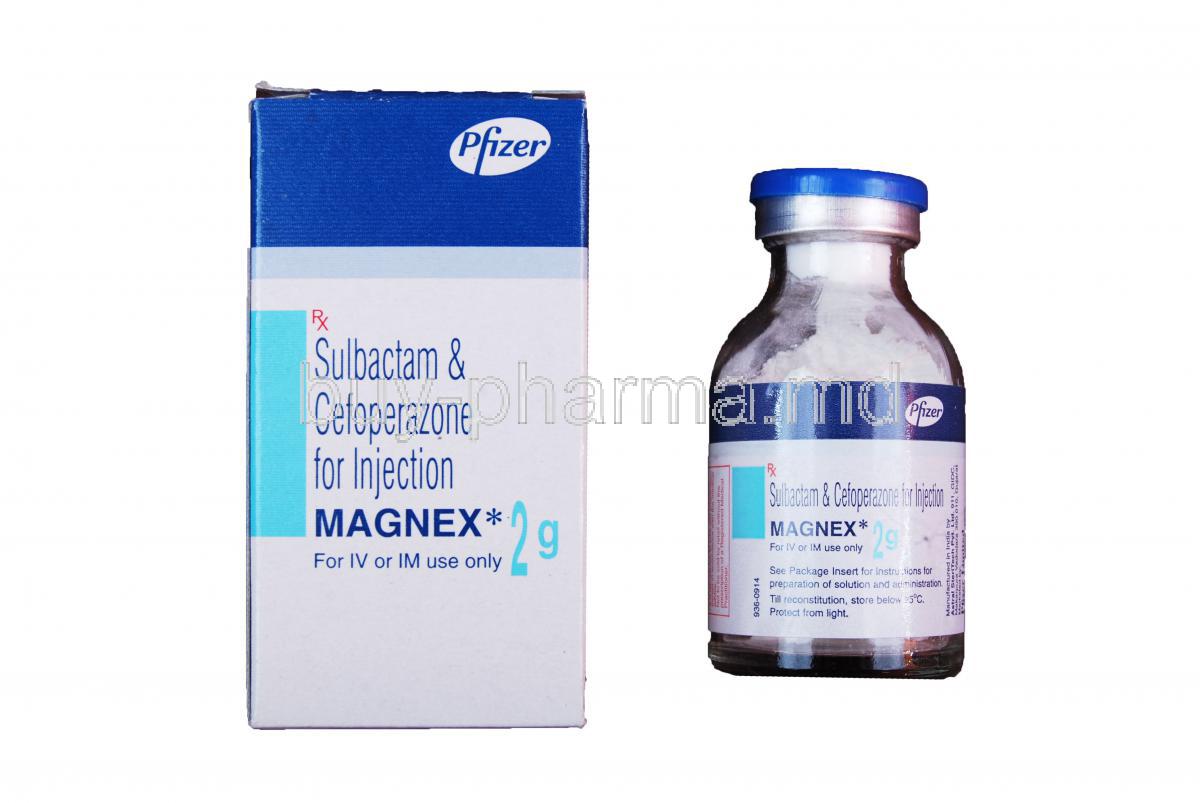
Cefoperazone / Sulbactam Injection represents a strategic advancement in combination antibiotic therapy, designed to address complex and resistant bacterial infections. By uniting a third-generation cephalosporin with a potent beta-lactamase inhibitor, this formulation delivers both breadth and resilience in antimicrobial action.
Therapeutically, it is classified as a broad-spectrum parenteral antibiotic combination, widely valued in modern clinical practice. Its relevance is particularly pronounced in severe, hospital-acquired infections where monotherapy may prove insufficient.
The rationale for combining cefoperazone with sulbactam lies in overcoming bacterial defense mechanisms. While cefoperazone disrupts cell wall synthesis, sulbactam neutralizes beta-lactamase enzymes that would otherwise render the antibiotic ineffective.
- Extensively used in tertiary care hospitals
- Common in intensive care and surgical wards
- Preferred for critically ill and immunocompromised patients
2. Composition and Pharmaceutical Profile
2.1 Active Ingredients
Cefoperazone sodium is a third-generation cephalosporin antibiotic with robust activity against a wide range of Gram-negative organisms, alongside selected Gram-positive pathogens. It exhibits notable biliary excretion, distinguishing it from many other cephalosporins.
Sulbactam sodium functions as an irreversible beta-lactamase inhibitor. Although it possesses minimal intrinsic antibacterial activity, its role in protecting cefoperazone from enzymatic degradation is indispensable.
2.2 Formulation Details
The product is supplied as a sterile powder for injection, suitable for intravenous or intramuscular administration. It is commonly available in various fixed-dose combinations to accommodate differing clinical needs.
- Powder for IV or IM use
- Multiple vial strengths and presentations
- Requires reconstitution prior to administration
3. How Cefoperazone / Sulbactam Injection Works (Mechanism of Action)
3.1 Mechanism of Cefoperazone
Cefoperazone exerts its antibacterial effect by inhibiting bacterial cell wall synthesis. It binds to penicillin-binding proteins, leading to structural instability and eventual bacterial lysis.
Its antimicrobial spectrum encompasses numerous Gram-negative bacilli and selected Gram-positive cocci, making it suitable for severe systemic infections.
3.2 Role of Sulbactam
Sulbactam inhibits beta-lactamase enzymes produced by resistant bacteria. By doing so, it prevents the hydrolytic destruction of cefoperazone.
This enzymatic blockade restores and enhances the antibacterial efficacy of the cephalosporin component.
3.3 Synergistic Antibacterial Effect
Together, cefoperazone and sulbactam generate a synergistic effect that expands antimicrobial coverage. This synergy not only improves clinical outcomes but also helps mitigate the emergence of resistance.
4. Approved Therapeutic Uses of Cefoperazone / Sulbactam Injection
4.1 Respiratory Tract Infections
The injection is widely used in the management of community-acquired and hospital-acquired pneumonia, including severe lower respiratory tract infections requiring parenteral therapy.
4.2 Intra-Abdominal and Gastrointestinal Infections
- Peritonitis
- Biliary tract infections
- Intra-abdominal abscesses
Its biliary penetration makes it particularly valuable in hepatobiliary infections.
4.3 Urinary Tract Infections
Cefoperazone / Sulbactam is indicated for complicated urinary tract infections, including pyelonephritis caused by susceptible organisms.
4.4 Skin and Soft Tissue Infections
Effective in treating cellulitis, wound infections, and post-surgical soft tissue infections, especially when polymicrobial involvement is suspected.
4.5 Gynecological and Obstetric Infections
Used in pelvic inflammatory disease, postpartum infections, and post-operative gynecological infections requiring broad-spectrum coverage.
4.6 Septicemia and Systemic Infections
Indicated for bacteremia and sepsis due to susceptible organisms, particularly in hospitalized or critically ill patients.
5. Off-Label Uses of Cefoperazone / Sulbactam Injection
Beyond approved indications, this combination is employed off-label in challenging clinical scenarios where therapeutic options are limited.
- Empirical treatment of severe undifferentiated infections
- Management of multidrug-resistant bacterial infections
- Infections caused by beta-lactamase–producing organisms
- Use in neutropenic or immunocompromised patients
- Severe hospital-acquired infections with limited alternatives
6. Dosage and Administration
6.1 General Dosage Guidelines
Dosage is individualized based on infection severity, pathogen susceptibility, and patient factors. Standard adult dosing typically involves multiple daily administrations over a defined treatment duration.
6.2 Route of Administration
- Intravenous infusion for severe or systemic infections
- Intramuscular injection in selected clinical settings
6.3 Dose Adjustments
Caution is required in patients with hepatic impairment due to predominant biliary excretion. Renal function is also considered, particularly in severe or prolonged therapy.
Higher or more frequent dosing may be employed in life-threatening infections under close supervision.
6.4 Reconstitution and Dilution Guidelines
The powder must be reconstituted using compatible diluents before administration. Stability after reconstitution is limited, necessitating timely use to maintain potency and sterility.
7. Side Effects of Cefoperazone / Sulbactam Injection
7.1 Common Side Effects
- Injection site pain, swelling, or inflammation
- Gastrointestinal disturbances such as nausea and diarrhea
- Mild rash or pruritus
7.2 Less Common Side Effects
Transient elevations in liver enzymes may occur. Hematologic changes, including eosinophilia or thrombocytopenia, have been reported with prolonged use.
7.3 Serious and Rare Adverse Reactions
Severe hypersensitivity reactions, coagulation abnormalities with bleeding risk, and Clostridioides difficile–associated diarrhea represent rare but clinically significant concerns.
8. Drug Interactions
8.1 Interactions with Anticoagulants
Concomitant use may increase bleeding tendency. Regular monitoring of coagulation parameters is recommended.
8.2 Interaction with Alcohol
A disulfiram-like reaction may occur if alcohol is consumed during therapy, characterized by flushing, nausea, and hypotension.
8.3 Interactions with Other Antibiotics
Synergistic or antagonistic interactions may arise depending on the combination. Clinical judgment is essential when co-administering multiple antimicrobials.
8.4 Laboratory Test Interference
The drug may interfere with certain laboratory assays, including glucose testing and coagulation measurements.
9. Warnings and Safety Information
Patients with a history of beta-lactam allergy require careful evaluation due to the risk of hypersensitivity. Hypoprothrombinemia-related bleeding has been reported, particularly in malnourished or critically ill individuals.
Prolonged use may lead to superinfection and antimicrobial resistance. Judicious prescribing and ongoing clinical monitoring are essential to ensure safe and effective therapy.
10. Contraindications
Cefoperazone / Sulbactam Injection is contraindicated in patients with a documented hypersensitivity to cephalosporins, sulbactam, or other beta-lactam antibiotics. Such reactions may manifest abruptly and with considerable severity.
A prior history of severe beta-lactam allergy, including anaphylaxis, angioedema, or Stevens–Johnson syndrome, precludes its use due to the risk of life-threatening cross-reactivity.
- Confirmed allergy to cephalosporins or sulbactam
- Severe hypersensitivity to penicillins or related beta-lactams
- Clinical situations where safer alternatives are available
In conditions where hepatic function is profoundly compromised and close monitoring is not feasible, use is generally not recommended.
11. Careful Administration and Monitoring
Prudent administration begins with baseline evaluation. Liver function tests and coagulation parameters should be assessed prior to initiation, particularly in patients with underlying hepatic or nutritional deficiencies.
During prolonged therapy, periodic monitoring is essential. Subtle biochemical perturbations may precede overt clinical manifestations.
- Regular liver enzyme monitoring
- Assessment of prothrombin time and coagulation status
- Observation for signs of bleeding or hepatic decompensation
In patients with hepatic dysfunction, dosage adjustment and intensified surveillance are imperative due to predominant biliary excretion of cefoperazone.
12. Important Precautions Before and During Treatment
A comprehensive patient history should be obtained before therapy commences. This includes prior antibiotic exposure, allergic tendencies, and comorbid conditions.
Unnecessary prolonged use should be avoided, as it may foster antimicrobial resistance and disrupt normal microbial flora.
- Review of prior hypersensitivity reactions
- Assessment of concurrent medications
- Evaluation of infection severity and necessity of broad-spectrum coverage
Continuous clinical monitoring is advised to detect secondary infections, including fungal overgrowth or Clostridioides difficile–associated diarrhea.
13. Administration to Special Populations
13.1 Administration to Elderly Patients
Elderly patients may exhibit altered pharmacokinetics due to age-related hepatic and renal changes. Dose selection should therefore be cautious.
- Initiation at the lower end of the dosing range
- Frequent monitoring for adverse reactions
- Heightened vigilance for bleeding tendencies
13.2 Administration During Pregnancy
Cefoperazone / Sulbactam is generally classified under pregnancy risk categories indicating limited human data. Animal studies have not demonstrated significant teratogenicity, yet clinical discretion remains essential.
Use during pregnancy should be reserved for situations where the potential benefit justifies any potential risk to the fetus.
13.3 Use in Nursing Mothers
Both cefoperazone and sulbactam are excreted in small amounts into breast milk. Although adverse effects in nursing infants are uncommon, caution is advised.
Risk-benefit evaluation should guide therapy, with monitoring for gastrointestinal disturbances or sensitization in the infant.
13.4 Administration to Children and Pediatric Patients
Pediatric dosing is typically weight-based and adjusted according to age and infection severity. Clinical studies support its use in children when appropriately dosed.
- Adherence to established pediatric dosing guidelines
- Monitoring for hepatic and hematologic effects
- Assessment of overall safety and tolerability
14. Overdosage and Emergency Management
Overdosage may result in exaggerated pharmacologic effects, including neurotoxicity, gastrointestinal disturbances, or coagulation abnormalities.
Management is primarily supportive and symptomatic. There is no specific antidote.
- Immediate clinical evaluation
- Maintenance of airway, breathing, and circulation
- Correction of electrolyte or coagulation abnormalities
Medical supervision is essential, particularly in patients with compromised hepatic or renal function.
15. Storage and Stability
The injection should be stored according to manufacturer recommendations, typically at controlled room temperature.
- Protect from excessive heat, light, and moisture
- Do not freeze
Shelf life varies by formulation. Once reconstituted, the solution should be used within the specified timeframe to maintain sterility and potency.
16. Handling Precautions for Healthcare Professionals
Strict aseptic technique is required during reconstitution and administration to prevent contamination.
- Use sterile equipment and diluents
- Inspect solution for particulate matter or discoloration
Unused or expired product should be disposed of in accordance with local biomedical waste regulations. Measures should be taken to prevent occupational exposure, including the use of gloves and protective equipment where appropriate.
Cefoperazone/ Sulbactam Injection FAQ
- Is cefoperazone better than ceftriaxone?
- What are the alternatives to cefoperazone?
- How long does a tazobactam injection take to work?
- What bacteria does cefoperazone cover?
- What is cefoperazone-sulbactam injection used for?
- Is sulbactam injection safe in pregnancy?
- How many days take cefoperazone-sulbactam injection?
- How to administer cefoperazone-sulbactam?
- Is cefoperazone a strong antibiotic?
- What pregnancy category is Cefoperazone sulbactam in?
- What are the side effects of cefoperazone?
- What type of antibiotic is Cefoperazone sulbactam?
- How to give sulbactam injection?
- Is cefoperazone and sulbactam safe?
- What bacteria does cefoperazone target?
- Is sulbactam safe in the first trimester?
- How long does cefoperazone stay in your system?
- Is cefoperazone-sulbactam safe for the kidneys?
- How effective is cefoperazone-sulbactam?
- What are the side effects of cefoperazone and sulbactam for injection?
- Does cefoperazone sulbactam cross the blood-brain barrier?
- Is sulbactam a strong antibiotic?
Is cefoperazone better than ceftriaxone?
Ceftriaxone and cefoperazone proved to be equally effective
What are the alternatives to cefoperazone?
- Contepo (fosfomycin)
- Nitrofurantoin
How long does a tazobactam injection take to work?
Few days
What bacteria does cefoperazone cover?
Gram-positive and Gram-negative organisms, including Enterobacterales, Pseudomonas aeruginosa, and Acinetobacter spp.
What is cefoperazone-sulbactam injection used for?
The combination is used to treat various bacterial infections such as respiratory tract (lungs) infection, urine infection, blood infection, meningitis (inflammation of the brain and spinal cord), gonorrhoea (sexually transmitted disease), skin, abdominal, bone, and joint infections.
Is sulbactam injection safe in pregnancy?
Limited studies
How many days take cefoperazone-sulbactam injection?
3 to 7 days
How to administer cefoperazone-sulbactam?
intravenously or intramuscularly in equally divided doses every 12 hours.
Is cefoperazone a strong antibiotic?
Against gram-negative bacteria
What pregnancy category is Cefoperazone sulbactam in?
Category B
What are the side effects of cefoperazone?
- Itchiness
- Rashes
- Trouble breathing
- Edema
What type of antibiotic is Cefoperazone sulbactam?
It contains cefoperazone, a β-lactam antibiotic, and sulbactam, a β-lactamase inhibitor, which helps prevent bacteria from breaking down cefoperazone.
How to give sulbactam injection?
Dissolve in 9.6ml water
Is cefoperazone and sulbactam safe?
Yes
What bacteria does cefoperazone target?
Pseudomonas aeruginosa (unlike older cephalosporins), along with the Enterobacteriaceae and other Gram-negative bacteria, Gram-positive bacteria and anaerobic bacteria.
Is sulbactam safe in the first trimester?
Yes
How long does cefoperazone stay in your system?
12 hours
Is cefoperazone-sulbactam safe for the kidneys?
Yes
How effective is cefoperazone-sulbactam?
87.7%
What are the side effects of cefoperazone and sulbactam for injection?
- Diarrhea
- Anemia
- Allergic reaction
- Abnormal liver function
Does cefoperazone sulbactam cross the blood-brain barrier?
Yes
Is sulbactam a strong antibiotic?
No
Popular Products
Similar Product