1. Introduction to Cepodem DT (Cefpodoxime)
1.1 Overview of Cefpodoxime Proxetil Dispersible Tablets
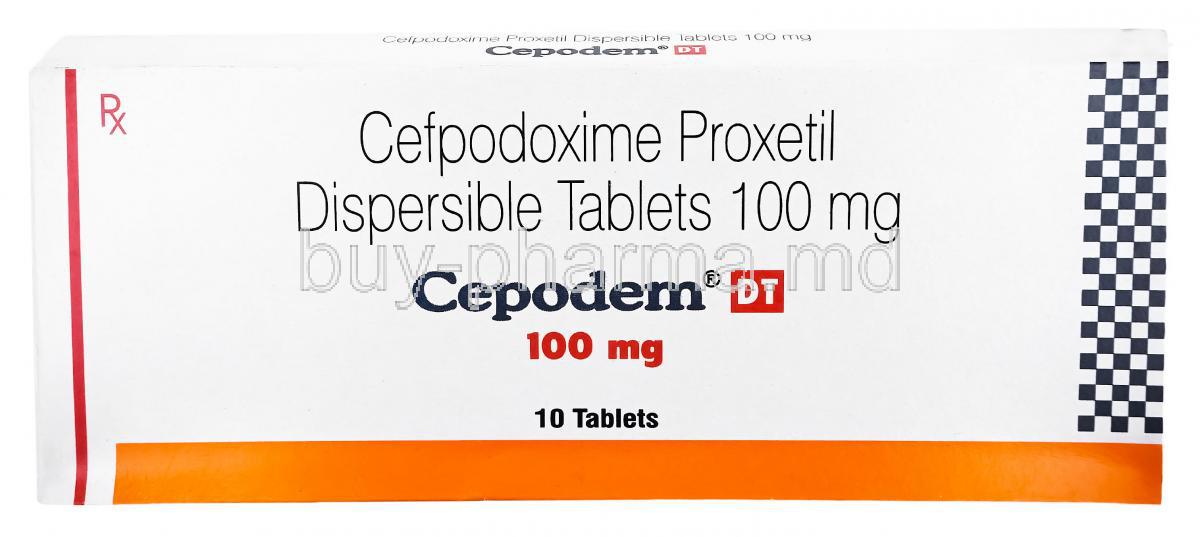
Cepodem DT contains cefpodoxime proxetil, an orally administered prodrug that is rapidly converted into its active antibacterial form, cefpodoxime. The dispersible tablet (DT) formulation offers enhanced convenience, particularly for pediatric and geriatric populations who may experience difficulty swallowing conventional tablets.
This formulation dissolves readily in water, ensuring accurate dosing and improved compliance. It is widely utilized in outpatient and inpatient settings for the management of diverse bacterial infections.
1.2 Therapeutic Class: Third-Generation Cephalosporin Antibiotic
Cefpodoxime belongs to the third-generation cephalosporins, a subclass of beta-lactam antibiotics known for their broad-spectrum antimicrobial activity. These agents demonstrate superior efficacy against Gram-negative organisms while retaining activity against select Gram-positive bacteria.
- Broad-spectrum antibacterial coverage
- Enhanced beta-lactamase stability
- Favorable pharmacokinetic profile
1.3 Key Features and Clinical Relevance in Modern Antibacterial Therapy
In contemporary clinical practice, cefpodoxime is valued for its versatility and safety profile. It is frequently prescribed as an alternative to penicillin-based therapies, particularly in patients with mild hypersensitivity.
Its predictable absorption and extended half-life allow for convenient dosing schedules, thereby improving adherence.
1.4 Indications for Use in Community and Hospital Settings
Cepodem DT is indicated for the treatment of mild to moderate bacterial infections across various organ systems. It is commonly employed in both primary care and hospital environments.
2. Composition and Formulation Details
2.1 Active Ingredient: Cefpodoxime Proxetil Equivalent to Cefpodoxime
The primary active component is cefpodoxime proxetil, which undergoes enzymatic hydrolysis in the gastrointestinal tract to yield cefpodoxime, the pharmacologically active moiety.
2.2 Available Strengths and Dispersible Tablet Formulation
Cepodem DT is available in multiple strengths to accommodate varying therapeutic needs. The dispersible formulation ensures rapid dissolution and ease of administration.
2.3 Excipients and Pharmaceutical Characteristics
The formulation includes inert excipients that enhance stability, palatability, and bioavailability. These components are carefully selected to maintain the integrity of the active drug.
2.4 Mechanism of Drug Activation (Prodrug Conversion)
Cefpodoxime proxetil is a lipophilic ester prodrug. Upon oral ingestion, it is hydrolyzed in the intestinal mucosa to release active cefpodoxime, enabling systemic antibacterial action.
Cefpodoxime vs ofloxacin
Cefpodoxime and ofloxacin are distinct antibiotics often used for different, sometimes overlapping, bacterial infections. Cefpodoxime is a 3rd-generation cephalosporin, while ofloxacin is a fluoroquinolone. Cefpodoxime generally treats respiratory and urinary infections, whereas ofloxacin is commonly used for UTIs, skin, and enteric infections.
Cefpodoxime vs cephalexin
Cefpodoxime and cephalexin are both effective cephalosporin antibiotics for treating bacterial infections, but they differ in spectrum and dosing. Cefpodoxime is a third-generation (or advanced second) antibiotic, often used for broader infections like bronchitis and pneumonia. Cephalexin is a first-generation antibiotic, commonly used for skin/skin structure infections (cellulitis). Cefpodoxime typically requires fewer daily doses (twice a day) compared to cephalexin (2 to 4 times a day), offering better convenience
3. Mechanism of Action: How Cefpodoxime Works
3.1 Inhibition of Bacterial Cell Wall Synthesis
Cefpodoxime disrupts bacterial cell wall synthesis by inhibiting the final stages of peptidoglycan cross-linking. This leads to structural instability and eventual cell lysis.
3.2 Binding to Penicillin-Binding Proteins (PBPs)
The drug exerts its effect by binding to specific PBPs located within the bacterial cell membrane, thereby impairing essential enzymatic processes required for cell wall integrity.
3.3 Bactericidal Activity Against Gram-Positive and Gram-Negative Organisms
Cefpodoxime exhibits bactericidal activity against a wide array of pathogens. Its spectrum includes:
- Streptococcus species
- Haemophilus influenzae
- Escherichia coli
- Klebsiella species
3.4 Resistance Profile and Beta-Lactamase Stability
This antibiotic demonstrates resilience against many beta-lactamase enzymes, although resistance can still develop through alternative mechanisms such as altered PBPs or efflux pumps.
4. Comprehensive Uses of Cepodem DT (Cefpodoxime)
4.1 Approved Indications
4.1.1 Upper Respiratory Tract Infections (Pharyngitis, Tonsillitis, Sinusitis)
Cefpodoxime is frequently prescribed for infections of the upper respiratory tract, offering reliable pathogen eradication and symptom relief.
4.1.2 Lower Respiratory Tract Infections (Bronchitis, Pneumonia)
It is effective in managing bronchial and pulmonary infections, particularly those caused by susceptible bacterial strains.
4.1.3 Cefpodoxime for UTI
The drug is utilized in uncomplicated UTIs, targeting common uropathogens with high efficacy.
4.1.4 Skin and Soft Tissue Infections
Cefpodoxime aids in the treatment of cellulitis, abscesses, and other superficial infections.
4.2 Pediatric-Specific Indications
4.2.1 Acute Otitis Media
It is commonly used in children for middle ear infections, providing rapid symptomatic relief.
4.2.2 Pediatric Respiratory Infections
The dispersible formulation enhances compliance in pediatric populations with respiratory tract infections.
4.3 Off-Label Uses of Cefpodoxime
4.3.1 Treatment of Typhoid Fever and Enteric Infections
Cefpodoxime may be considered in certain enteric infections where susceptibility is confirmed.
4.3.2 Management of Gonorrhea (Alternative Therapy)
It can serve as an alternative regimen in selected cases of uncomplicated gonorrhea.
4.3.3 Diabetic Foot Infections
Adjunctive use in diabetic foot infections may be appropriate when targeting susceptible organisms.
4.3.4 Prophylaxis in Selected Bacterial Infections
In specific clinical scenarios, cefpodoxime may be used prophylactically to prevent infection.
4.3.5 Gastrointestinal Bacterial Infections
It may be utilized for bacterial gastroenteritis under guided medical supervision.
5. Cefpodoxime Dosage and Administration Guidelines
5.1 Cefpodoxime dosage for adults
Dosage varies depending on infection severity and site. Typically administered twice daily for optimal therapeutic effect. Adults and teenagers 12 years of age and older—200 milligrams (mg) every 12 hours.
5.2 Pediatric Dosage Based on Body Weight
Weight-based dosing ensures accurate and safe administration in children.
5.3 Administration of Dispersible Tablets (DT Formulation Instructions)
The tablet should be dispersed in a small quantity of water before administration. Stir gently and consume immediately.
5.4 Duration of Therapy and Compliance Importance
Completion of the full treatment course is essential to prevent relapse and resistance.
5.5 Dose Adjustment in Renal Impairment
Patients with reduced renal function may require dosage modification to avoid drug accumulation.
5.6 Missed Dose and Treatment Adherence
Missed doses should be taken as soon as remembered, unless close to the next scheduled dose.
6. Side Effects of Cepodem DT (Cefpodoxime)
6.1 Common Side Effects
6.1.1 Gastrointestinal Disturbances (Diarrhea, Nausea, Abdominal Pain)
These are the most frequently reported adverse reactions and are generally mild and transient.
6.1.2 Headache and Dizziness
Some patients may experience mild neurological symptoms.
6.1.3 Mild Skin Reactions
Rashes or itching may occur but are typically self-limiting.
6.2 Cefpodoxime Side Effects
6.2.1 Elevated Liver Enzymes
Transient increases in hepatic enzymes may be observed during therapy.
6.2.2 Vaginal or Oral Candidiasis
Disruption of normal flora can lead to fungal overgrowth.
6.3 Serious Side Effects
6.3.1 Hypersensitivity Reactions (Rash, Anaphylaxis)
Severe allergic reactions require immediate medical attention.
6.3.2 Clostridioides difficile-Associated Diarrhea
Prolonged use may predispose patients to antibiotic-associated colitis.
6.3.3 Hematological Changes
Rare alterations in blood parameters may occur.
7. Drug Interactions with Cefpodoxime
7.1 Interaction with Antacids and H2 Receptor Antagonists
These agents may reduce the absorption of cefpodoxime, diminishing its efficacy.
7.2 Interaction with Probenecid and Renal Excretion Effects
Probenecid can inhibit renal excretion, leading to increased plasma concentrations.
7.3 Interaction with Oral Anticoagulants
Potential enhancement of anticoagulant effects necessitates monitoring.
7.4 Food-Drug Interactions and Absorption Considerations
Administration with food enhances bioavailability and is generally recommended.
8. Warnings and Safety Considerations
8.1 Risk of Allergic Reactions in Beta-Lactam Sensitive Patients
Caution is warranted in individuals with known beta-lactam allergies.
8.2 Risk of Antibiotic-Associated Colitis
Persistent diarrhea should prompt evaluation for colitis.
8.3 Potential Development of Drug Resistance
Improper use may contribute to antimicrobial resistance.
8.4 Impact on Renal and Hepatic Function
Monitoring may be required in patients with organ dysfunction.
9. Contraindications
9.1 Known Hypersensitivity to Cefpodoxime or Cephalosporins
Use is contraindicated in patients with documented hypersensitivity.
9.2 History of Severe Allergic Reaction to Penicillins or Beta-Lactams
Cross-reactivity may occur and should be considered.
9.3 Patients with Severe Gastrointestinal Disorders
Caution is advised in those with active GI disease.
10. Careful Administration and Monitoring
10.1 Use in Patients with Renal Impairment
Dose adjustment is essential to prevent accumulation.
10.2 Monitoring Liver Function During Prolonged Therapy
Regular assessment may be necessary in extended treatments.
10.3 Monitoring for Superinfection or Secondary Infections
Long-term use may predispose to opportunistic infections.
10.4 Use in Patients with History of Colitis
Careful monitoring is recommended due to increased risk of recurrence.
11. Important Precautions Before and During Use
11.1 Completing Full Course to Prevent Resistance
Completion of the prescribed antibiotic course is of paramount importance. Even when symptomatic relief is achieved early, premature discontinuation may permit residual bacterial populations to persist and proliferate.
This can lead to therapeutic failure and, more concerningly, the emergence of antimicrobial resistance. Such resistance complicates future treatment strategies and limits therapeutic options.
- Always adhere to the full duration prescribed
- Do not skip doses or self-adjust therapy
- Consult a healthcare professional before discontinuation
11.2 Avoiding Unnecessary Antibiotic Use
Cefpodoxime should be reserved for confirmed or strongly suspected bacterial infections. Its use in viral illnesses such as influenza or the common cold is ineffectual and clinically inappropriate.
Indiscriminate antibiotic usage contributes significantly to global antimicrobial resistance. Prudent prescribing practices are therefore essential.
11.3 Monitoring for Hypersensitivity Symptoms
Patients should remain vigilant for signs of hypersensitivity, particularly during the initial phase of therapy. Symptoms may range from mild dermatologic reactions to severe anaphylactic responses.
- Skin rash or pruritus
- Swelling of the face or throat
- Difficulty breathing
Immediate discontinuation and medical intervention are required if severe reactions occur.
11.4 Patient Counseling on Proper Administration
Effective patient education enhances compliance and therapeutic outcomes. Clear instructions should be provided regarding dosing schedules, administration techniques, and potential side effects.
Patients should also be advised to take the medication with food to optimize absorption and reduce gastrointestinal discomfort.
12. Administration in Special Populations
12.1 Administration to Elderly Patients
12.1.1 Dose Adjustment Based on Renal Function
Elderly patients frequently exhibit reduced renal clearance, necessitating individualized dose adjustments. Accumulation of cefpodoxime may occur if renal function is compromised.
Assessment of creatinine clearance is recommended prior to initiating therapy.
12.1.2 Increased Risk of Adverse Effects
Older adults may display heightened sensitivity to adverse effects, including gastrointestinal disturbances and central nervous system manifestations.
- Increased risk of dehydration due to diarrhea
- Potential for dizziness or confusion
- Greater susceptibility to drug interactions
12.2 Administration to Pregnant Women and Nursing Mothers
12.2.1 Safety Profile During Pregnancy
Cefpodoxime is generally considered to have a favorable safety profile during pregnancy when used under medical supervision. However, risk-benefit evaluation is essential before initiation.
Unnecessary exposure should be avoided, particularly during the first trimester.
12.2.2 Excretion in Breast Milk and Infant Safety
Small quantities of cefpodoxime may be excreted into breast milk. While adverse effects in nursing infants are uncommon, monitoring for gastrointestinal disturbances or candidiasis is advisable.
12.3 Administration to Children
12.3.1 Safety and Efficacy in Pediatric Patients
Cefpodoxime has demonstrated efficacy and safety in pediatric populations for a variety of infections. Its pharmacokinetic profile supports predictable therapeutic outcomes.
12.3.2 Age-Appropriate Dosage Forms and Compliance
The dispersible tablet formulation is particularly advantageous for children. It facilitates ease of administration and improves adherence.
- Can be dissolved in water for easy ingestion
- Palatable formulation enhances acceptance
- Allows precise dosing based on weight
13. Overdosage and Emergency Management
13.1 Symptoms of Cefpodoxime Overdose
Overdosage may result in exaggerated pharmacological effects. Clinical manifestations can include gastrointestinal distress, neurological symptoms, and electrolyte imbalance.
- Severe nausea and vomiting
- Diarrhea
- Confusion or seizures (rare cases)
13.2 Immediate Management and Supportive Care
Management of overdose is primarily supportive. Gastric decontamination may be considered in acute cases, while hydration and electrolyte correction remain fundamental.
Close monitoring of vital parameters is essential.
13.3 Role of Dialysis in Severe Cases
In severe toxicity, particularly in patients with renal impairment, hemodialysis may facilitate removal of cefpodoxime from systemic circulation.
14. Storage and Stability Guidelines
14.1 Recommended Storage Conditions (Temperature, Humidity)
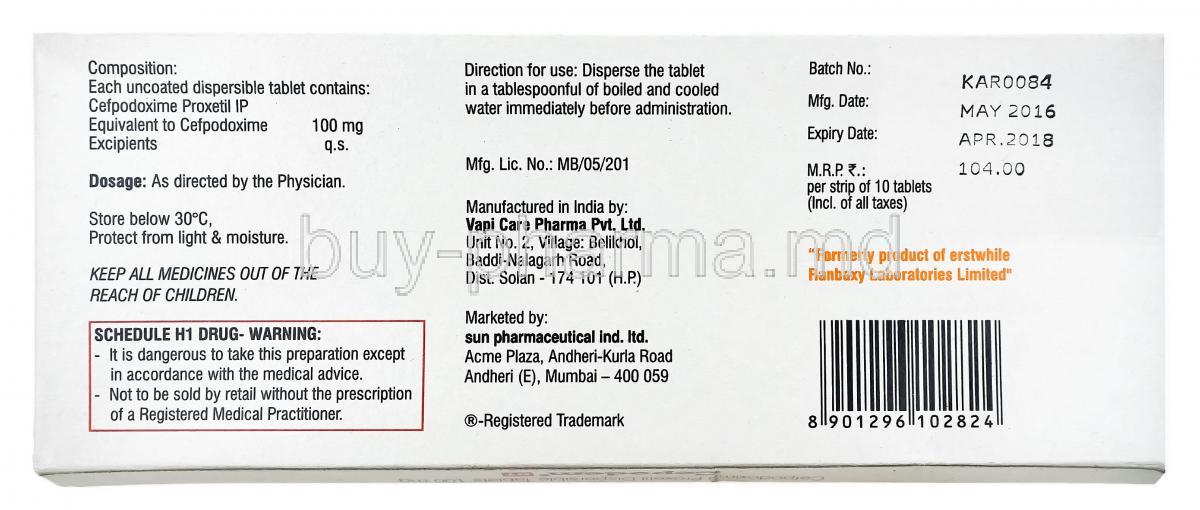
Cepodem DT should be stored at controlled room temperature, away from excessive heat and humidity. Stability may be compromised under adverse environmental conditions.
14.2 Protection from Light and Moisture
Exposure to light and moisture can degrade the active compound. Tablets should be kept in their original packaging until use.
14.3 Shelf Life and Expiry Considerations
Adherence to expiry dates is critical to ensure therapeutic efficacy and safety. Expired medication should not be used under any circumstances.
15. Handling and Usage Precautions
15.1 Proper Handling of Dispersible Tablets
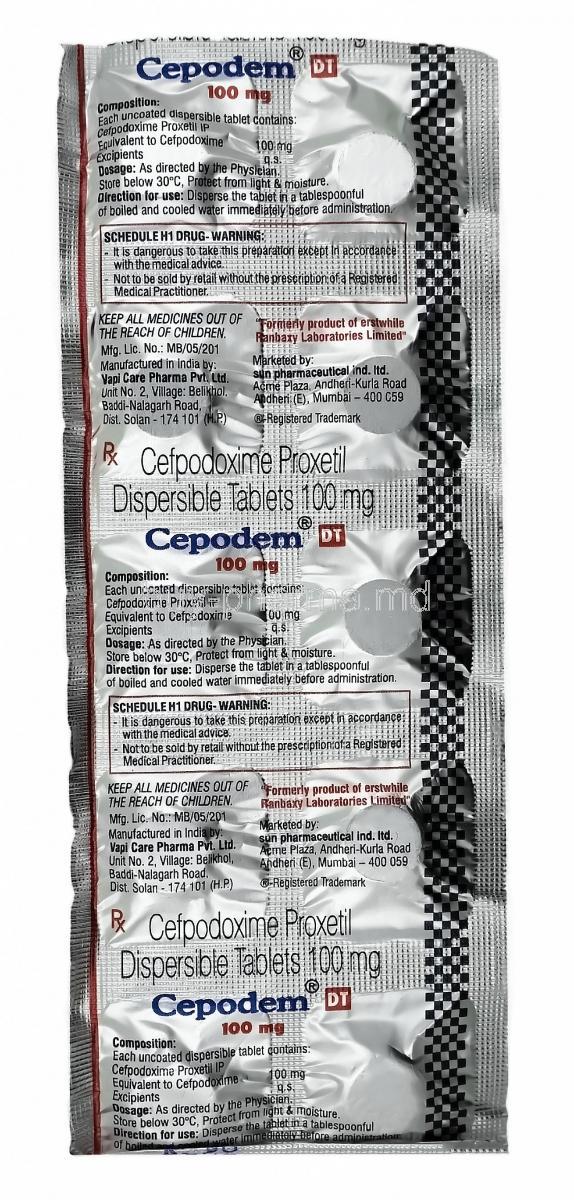
Dispersible tablets should be handled with dry hands and dissolved in a measured quantity of water prior to administration. Immediate consumption is recommended after dispersion.
15.2 Hygiene and Safety During Administration
Maintaining hygiene during drug preparation and administration reduces the risk of contamination. Clean utensils and potable water should be used.
15.3 Disposal of Unused or Expired Medication
Unused or expired medication should be disposed of responsibly. It should not be discarded into wastewater or household garbage without appropriate precautions.
- Follow local pharmaceutical disposal guidelines
- Avoid environmental contamination
- Keep out of reach of children and pets
16. Summary and Clinical Considerations
16.1 Key Benefits of Cepodem DT in Infection Management
Cepodem DT offers a potent and versatile therapeutic option for the management of bacterial infections. Its broad-spectrum activity, favorable tolerability, and convenient formulation contribute to its widespread clinical use.
16.2 Risk-Benefit Assessment in Clinical Practice
As with all antibiotics, careful evaluation of the risk-benefit profile is essential. Appropriate patient selection and adherence to guidelines enhance therapeutic success while minimizing adverse outcomes.
16.3 Importance of Rational Antibiotic Use and Stewardship
Antibiotic stewardship is a cornerstone of modern medicine. Rational use of cefpodoxime preserves its efficacy and mitigates the global burden of antimicrobial resistance.
Healthcare providers and patients alike share responsibility in ensuring judicious use.
Cepodem DT, Cefpodoxime FAQ
- What is Cepodem used for?
- Is Cepodem good for a cough?
- How many days to take Cepodem?
- What is cefpodoxime used to treat?
- Is cefpodoxime stronger than amoxicillin?
- Is cefpodoxime a strong antibiotic for UTI?
- Is cefpodoxime bad for the kidneys?
- How do I know if cefpodoxime is working?
- Which bacteria is killed by cefpodoxime?
- What antibiotic is similar to cefpodoxime?
- What is the success rate of cefpodoxime?
- How many days of cefpodoxime for UTI?
- Does cefpodoxime cause frequent urination?
- Does cefpodoxime make you sleepy?
- Is cefpodoxime once a day?
- Can cefpodoxime cause heart problems?
- How long does cefpodoxime stay in your body?
- Is cefpodoxime acidic or basic?
- What is the elimination time of cefpodoxime?
- Which bacteria is highly susceptible to cefpodoxime?
What is Cepodem used for?
Cepodem 200 MG Tablet is an antibiotic medicine that contains cefpodoxime. It is used to treat bacterial infections of the lungs, nose, throat, ears, skin, bladder, etc.
Is Cepodem good for a cough?
Yes
How many days to take Cepodem?
5-14 days
What is cefpodoxime used to treat?
Cefpodoxime is used to treat certain infections caused by bacteria such as bronchitis (infection of the airway tubes leading to the lungs); pneumonia; gonorrhea (a sexually transmitted disease); and infections of the skin, ear, sinuses, throat, tonsils, and urinary tract
Is cefpodoxime stronger than amoxicillin?
Equally effective
Is cefpodoxime a strong antibiotic for UTI?
Yes
Is cefpodoxime bad for the kidneys?
Yes
How do I know if cefpodoxime is working?
1-2 hours
Which bacteria is killed by cefpodoxime?
Most gram positive and gram negative bacteria
What antibiotic is similar to cefpodoxime?
What is the success rate of cefpodoxime?
84% to 97%
How many days of cefpodoxime for UTI?
7 days
Does cefpodoxime cause frequent urination?
Yes
Does cefpodoxime make you sleepy?
Yes
Is cefpodoxime once a day?
Yes
Can cefpodoxime cause heart problems?
Yes
How long does cefpodoxime stay in your body?
12 hours
Is cefpodoxime acidic or basic?
Acidic
What is the elimination time of cefpodoxime?
2-3 hours
Which bacteria is highly susceptible to cefpodoxime?
Fastidious pathogens likeHaemophilus spp. ,Moraxella catarrhalis andNeisseria gonorrhoeae
Popular Products
Similar Product