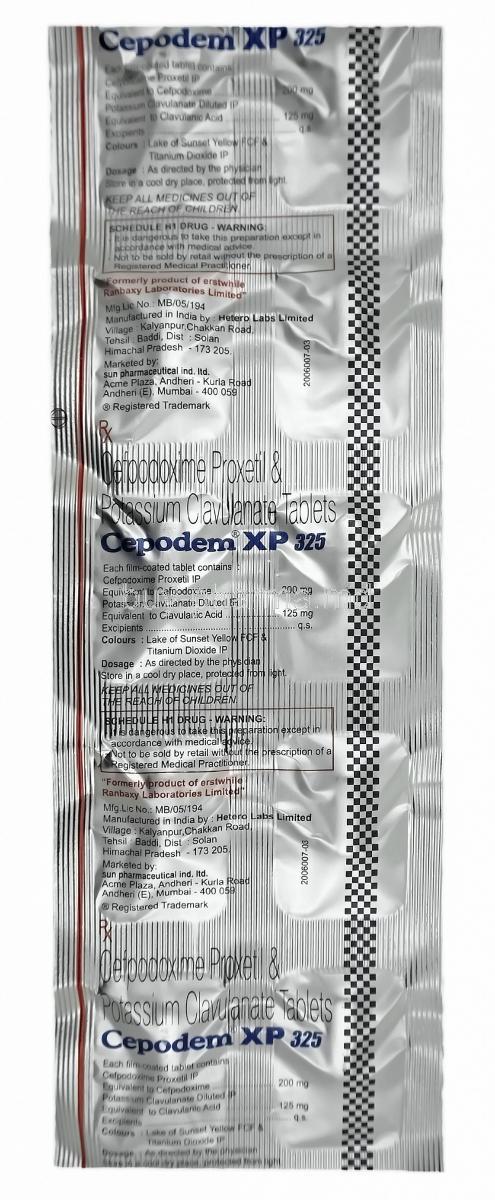

1. Introduction to Cepodem XP (Cefpodoxime/Clavulanic Acid)
1.1 Overview of the Combination Antibiotic
Cepodem XP is a combination antibacterial medicine containing cefpodoxime proxetil and clavulanic acid. It is designed to treat a broad array of bacterial infections, particularly those caused by organisms capable of producing beta-lactamase enzymes. This dual-agent formulation is valued for its expanded antimicrobial reach. In clinical use, it is often selected when monotherapy may be insufficient or when resistant pathogens are suspected.
The combination offers a pragmatic therapeutic advantage:
- Cefpodoxime acts as the primary bactericidal agent.
- Clavulanic acid helps preserve antibacterial activity by inhibiting certain resistance enzymes.
- Together, they provide a more resilient approach against susceptible bacterial strains.
1.2 Therapeutic Class and Spectrum of Activity
This medicine belongs to the cephalosporin antibiotic class, specifically incorporating a third-generation cephalosporin with a beta-lactamase inhibitor. Its antibacterial coverage includes many common Gram-positive and Gram-negative organisms implicated in respiratory, urinary, and skin infections. Such breadth makes it useful in outpatient and selected inpatient settings.
The spectrum is not infinite, however. It is most effective against susceptible bacteria rather than viral illnesses, fungal infections, or resistant organisms beyond its pharmacological reach. Judicious use remains essential.
1.3 Clinical Role in Modern Antibacterial Therapy
In modern practice, Cepodem XP occupies a meaningful place where broader empirical coverage is desired. It is frequently considered in infections that are recurrent, moderately complicated, or associated with prior antibiotic exposure. The inclusion of clavulanic acid enhances its utility in scenarios where beta-lactamase-mediated resistance may compromise treatment success.
This role is particularly pertinent in community-acquired infections. Short courses may suffice in some cases, whereas other infections require longer treatment under medical supervision.
1.4 Indications for Broad-Spectrum Use
Broad-spectrum therapy is often necessary when the likely pathogen has not yet been precisely identified, or when polymicrobial involvement is plausible. Cepodem XP may be considered in settings such as respiratory tract infections, urinary tract infections, and skin infections where mixed flora or resistant strains are possible.
Its use should remain clinically grounded. Overuse of broad-spectrum antibiotics can accelerate resistance, disrupt the microbiome, and expose patients to avoidable adverse effects.
2. Cepodem XP Composition and Formulation Details
2.1 Active Ingredients: Cefpodoxime Proxetil and Clavulanic Acid
Cefpodoxime proxetil is an oral prodrug of cefpodoxime, a third-generation cephalosporin antibiotic. Once absorbed, it is converted into active cefpodoxime, which interferes with bacterial cell wall synthesis. Clavulanic acid, by contrast, has comparatively weak direct antibacterial activity but plays a vital adjunctive role by neutralizing select beta-lactamase enzymes.
This composition creates a therapeutically complementary partnership. One attacks. The other protects.
2.2 Mechanism of Synergy Between Components
The synergy arises from pharmacological cooperation. Cefpodoxime kills susceptible bacteria by binding to penicillin-binding proteins and disrupting peptidoglycan synthesis. Clavulanic acid inhibits beta-lactamases produced by certain bacteria, preventing degradation of the cephalosporin component and thereby sustaining its activity.
This biochemical alliance helps restore or preserve efficacy against organisms that might otherwise withstand treatment. It is a strategic rather than merely additive combination.
2.3 Available Strengths and Dosage Forms
Cepodem XP is commonly available as oral tablets and, in some markets, pediatric suspensions or reconstitutable dry syrup preparations. Strengths vary depending on manufacturer and region. The formulation is typically designed for practical outpatient administration, facilitating ease of use in adults and children when clinically appropriate.
Different strengths support tailored prescribing for infection severity, patient age, renal function, and dosing convenience.
2.4 Excipients and Pharmaceutical Characteristics
In addition to the active ingredients, the product contains pharmaceutical excipients that support tablet integrity, absorption, stability, and palatability. These may include binders, disintegrants, stabilizers, and coating materials. Though pharmacologically inert in most individuals, excipients can occasionally matter in patients with specific intolerances or allergies.
Pharmaceutical quality is important. So is correct storage. Degraded antibiotic products may compromise therapeutic reliability.
Cepodem XP 325 vs Azithromycin
Cepodem XP 325 (Cefpodoxime 200mg + Clavulanic Acid 125mg) is a combination antibiotic used for mixed bacterial infections, while Azithromycin is a single-agent macrolide. Cepodem XP 325 kills bacteria by inhibiting cell wall synthesis (enhanced by clavulanic acid), whereas Azithromycin halts bacterial growth by preventing protein synthesis.
Cefpodoxime vs cephalexin
Cefpodoxime (3rd gen) and Cephalexin (1st gen) are cephalosporin antibiotics that treat bacterial infections, but differ in spectrum and dosing. Cefpodoxime offers broader coverage (including some Gram-negative) and is taken twice daily with food. Cephalexin is more effective against Gram-positive bacteria, taken 2–4 times daily, and is often used for skin infections
Cefpodoxime vs cefdinir
Cefpodoxime and cefdinir are both third-generation cephalosporin antibiotics used for respiratory and skin infections, often available as generics. Cefdinir (often once daily) is commonly used for infections like pneumonia, while cefpodoxime (twice daily) has better absorption and is preferred in some guidelines for penicillin-allergic patients.
3. Mechanism of Action: How Cepodem XP Works
3.1 Bactericidal Activity of Cefpodoxime (Third-Generation Cephalosporin)
Cefpodoxime exerts bactericidal activity by interfering with bacterial cell wall construction. It binds to penicillin-binding proteins involved in the terminal stages of peptidoglycan synthesis, weakening the bacterial wall and leading to cell lysis. This effect is especially relevant in actively dividing bacteria.
The result is direct bacterial eradication rather than mere suppression of growth. That distinction is clinically important in many acute infections.
3.2 Beta-Lactamase Inhibition by Clavulanic Acid
Clavulanic acid acts as a beta-lactamase inhibitor. It neutralizes certain bacterial enzymes that would otherwise hydrolyze beta-lactam antibiotics and diminish their efficacy. By doing so, it helps preserve the structural integrity and antimicrobial action of cefpodoxime against susceptible enzyme-producing organisms.
Its role is defensive but indispensable. Without such protection, resistance can rapidly undermine therapy.
3.3 Enhancement of Antibacterial Spectrum
Because of clavulanic acid’s inhibitory effect on selected beta-lactamases, the overall antibacterial spectrum of the combination is broadened relative to cefpodoxime alone in certain contexts. This enhanced spectrum may be especially useful in recurrent infections, mixed infections, or situations where prior antibiotic failure raises suspicion of enzyme-mediated resistance.
Still, spectrum expansion is not equivalent to universal coverage. Culture and sensitivity testing remain valuable whenever feasible.
3.4 Activity Against Gram-Positive and Gram-Negative Pathogens
Cepodem XP may demonstrate activity against a range of Gram-positive and Gram-negative bacteria involved in common community-acquired infections. These include organisms associated with sinusitis, bronchitis, pharyngitis, urinary infections, and uncomplicated skin infections, provided they are susceptible.
Its clinical usefulness often depends on local resistance patterns, infection site, bacterial load, and host factors. Pharmacology matters. Microbiology matters more.
4. Cepodem XP Uses
4.1 Approved Medical Uses
Cepodem XP is widely used for the treatment of bacterial infections caused by susceptible organisms. It is often prescribed for acute bacterial sinusitis, where inflammation of the paranasal sinuses is accompanied by bacterial proliferation and purulent symptoms. It is also used in lower respiratory tract infections such as bronchitis and selected cases of pneumonia, particularly when oral step-down therapy is appropriate.
Upper respiratory tract infections are another major indication. These include bacterial pharyngitis and tonsillitis, especially where beta-lactamase producing pathogens or recurrent infection patterns are suspected. The medicine is also used in urinary tract infections, including certain uncomplicated and moderately complicated cases, as well as skin and soft tissue infections where susceptible bacteria are involved.
- Acute bacterial sinusitis
- Lower respiratory tract infections, including bronchitis and selected pneumonia cases
- Upper respiratory tract infections such as pharyngitis and tonsillitis
- Urinary tract infections
- Skin and soft tissue infections
4.2 Use in Resistant or Complicated Infections
This combination may be particularly useful in infections caused by beta-lactamase producing bacteria, where a cephalosporin alone may be less dependable. Recurrent respiratory infections, especially in individuals with prior antibiotic exposure, can also prompt the use of a protected cephalosporin regimen such as this one.
In mixed bacterial infections, where more than one pathogen may be involved, the broader functional coverage of the combination may provide a therapeutic advantage. Such cases should still be assessed carefully, since complicated infections may require culture-guided therapy or broader institutional management.
4.3 Off-Label Uses and Emerging Applications
Although not all uses are formally approved in every region, Cepodem XP may be employed off-label in selected circumstances based on clinician judgment, microbiological plausibility, and patient-specific factors. Dental infections and abscesses are one example, especially where oral anaerobic flora and resistant organisms are considerations. Some gynecological infections may also prompt consideration of this combination when susceptible bacteria are implicated.
Additional off-label settings may include prostatitis, complicated urinary infections, gastrointestinal infections due to susceptible organisms, and selected post-surgical prophylactic strategies where oral follow-up therapy is deemed appropriate. Off-label prescribing should always be clinically justified and not routine.
- Dental infections and odontogenic abscesses
- Certain gynecological infections
- Prostatitis and complicated urinary infections
- Gastrointestinal infections caused by susceptible bacteria
- Selected post-surgical infection prophylaxis cases
4.4 Use in Pediatric and Geriatric Populations
In children, Cepodem XP may be used for respiratory tract infections, including bacterial tonsillitis, sinusitis, and lower respiratory tract involvement, when a clinician determines that the combination is appropriate. Pediatric use requires careful dose calculation, appropriate formulation selection, and close attention to tolerability.
In elderly patients, the medicine may be useful in polymicrobial or recurrent infections, but treatment requires greater vigilance. Age-related renal impairment, comorbidities, polypharmacy, and altered physiological reserve can all influence safety and efficacy.
5. Dosage and Administration Guidelines
5.1 Cepodem XP Dosage Recommendations
Adult dosing depends on the infection type, severity, causative organism, and renal function. The exact prescribed strength and frequency should be determined by a licensed clinician. In many clinical settings, the medicine is administered orally in divided doses at regular intervals to maintain adequate plasma concentrations and therapeutic continuity.
Consistency is crucial. Skipped doses can impair bacterial eradication and increase the likelihood of therapeutic failure.
5.2 Pediatric Dosage Based on Body Weight
Pediatric dosage is generally determined according to body weight, age, clinical condition, and the formulation being used. Suspensions may be preferred for younger children, whereas tablets may be appropriate for older pediatric patients able to swallow them safely.
Precision matters in children. Even minor dosing errors can affect efficacy or tolerability, particularly in prolonged courses or in patients with renal dysfunction.
5.3 Dosage Adjustments in Renal Impairment
Because cefpodoxime is substantially excreted through the kidneys, patients with renal impairment may require dose reduction or extension of dosing intervals. Failure to adjust dosage appropriately can increase drug exposure and the risk of adverse reactions. Renal function assessment is therefore prudent before and during therapy in susceptible individuals.
This is especially important in elderly patients, those with chronic kidney disease, and those receiving concomitant nephrotoxic medicines.
5.4 Administration with Food and Timing Considerations
Administration with food may improve gastrointestinal tolerability and can sometimes support better absorption depending on the formulation. Doses are typically spaced evenly to maintain effective antibacterial activity throughout the day. Patients should follow the exact timing instructions given by their prescriber.
Irregular intake can undermine treatment. Routine supports adherence.
5.5 Duration of Therapy and Compliance Importance
The duration of treatment varies with infection type and severity. Some uncomplicated infections may require shorter courses, while recurrent or deeper infections may necessitate longer therapy. The prescribed course should be completed even if symptoms improve early, unless a clinician advises discontinuation.
Premature cessation can lead to relapse, subclinical persistence of bacteria, and antimicrobial resistance. Compliance is not a trivial detail. It is a determinant of outcome.
6. Side Effects Profile
6.1 Common Side Effects
Like many oral antibiotics, Cepodem XP may cause gastrointestinal and mild systemic side effects. Common reactions include nausea, vomiting, diarrhea, abdominal discomfort, headache, and mild skin rash. These are often transient and manageable, though persistence or worsening warrants medical review.
Frequently reported common side effects include:
- Nausea and vomiting
- Diarrhea
- Abdominal discomfort
- Headache
- Mild skin rash
Not every patient experiences these reactions. Many tolerate treatment without major difficulty.
6.2 Less Common but Clinically Significant Effects
Less common adverse effects may still carry clinical significance. Elevated liver enzymes can occur, particularly in susceptible individuals or with prolonged therapy. Hypersensitivity reactions may range from minor pruritus to more notable dermatologic manifestations. Vaginal candidiasis may develop due to disruption of normal microbial flora.
These effects deserve attention because they may necessitate reassessment of therapy, especially in patients with hepatic vulnerability or recurrent antibiotic exposure.
6.3 Serious Adverse Reactions
Serious adverse reactions are uncommon but potentially severe. These include anaphylaxis, Clostridioides difficile-associated diarrhea, Stevens-Johnson syndrome, and hematological abnormalities such as eosinophilia, leukopenia, or other blood count disturbances in rare cases. Such reactions require urgent clinical intervention.
Warning signs should never be ignored. Examples include:
- Difficulty breathing or facial swelling
- Severe or persistent diarrhea
- Blistering or peeling skin reactions
- Unusual bruising, bleeding, or marked fatigue
7. Drug Interactions and Clinical Considerations
7.1 Interaction with Antacids and Proton Pump Inhibitors
Antacids and certain acid-suppressing medicines, including proton pump inhibitors, may alter gastric pH and potentially affect the absorption of oral cephalosporin formulations. This can lead to reduced bioavailability in some patients. Timing separation may be advisable depending on the clinical situation and product instructions.
Medication schedules should therefore be reviewed carefully in patients using long-term gastric acid suppression.
7.2 Interaction with Anticoagulants (e.g., Warfarin)
Concurrent use with anticoagulants such as warfarin may increase the risk of altered coagulation parameters in some individuals. Antibiotics can affect gut flora involved in vitamin K metabolism and may also interact indirectly through changes in illness severity or nutritional intake.
When this combination is used alongside warfarin, closer monitoring of coagulation markers may be prudent. Small interaction shifts can have outsized clinical consequences.
7.3 Interaction with Probenecid
Probenecid may reduce renal tubular secretion of certain beta-lactam antibiotics, potentially increasing serum concentrations and prolonging exposure. Although the clinical impact depends on the exact agent and patient factors, coadministration should be assessed thoughtfully.
This interaction may occasionally be pharmacologically predictable, but that does not mean it is always therapeutically desirable.
7.4 Effects on Oral Contraceptives
While the evidence for reduced efficacy of oral contraceptives with many antibiotics is not uniform, gastrointestinal upset such as vomiting or severe diarrhea can impair contraceptive absorption and reliability. Patients should be counseled accordingly, particularly if gastrointestinal symptoms occur during treatment.
Practical patient counseling matters. It prevents avoidable complications.
7.5 Interaction with Other Antibiotics
Combining antibiotics may be useful in selected infections, but it can also increase adverse effects, alter flora more profoundly, or create redundant coverage. The use of Cepodem XP alongside other antibiotics should be based on sound clinical reasoning rather than empirical excess.
Antibiotic combinations should support the treatment plan, not merely enlarge it.
8. Contraindications
8.1 Known Hypersensitivity to Cephalosporins or Beta-Lactams
Cepodem XP is contraindicated in patients with known hypersensitivity to cefpodoxime, other cephalosporins, or relevant beta-lactam antibiotics. A documented history of serious allergic reaction materially alters prescribing decisions. Re-exposure can provoke severe outcomes.
8.2 History of Severe Allergic Reactions to Penicillins
Patients with a history of severe immediate hypersensitivity to penicillins, including anaphylaxis, should be evaluated with particular caution before receiving cephalosporin-containing therapy. Cross-reactivity is not universal, but the risk cannot be disregarded.
Clinical history is paramount. Vague allergy labels should be clarified, but true severe reactions must be respected.
8.3 Severe Hepatic Dysfunction Associated with Clavulanate
If a patient has previously experienced significant hepatic dysfunction associated with clavulanate-containing therapy, use of this medicine may be contraindicated or require strong justification with alternative consideration. Clavulanate-related hepatotoxicity, though infrequent, is a recognized clinical issue.
8.4 Previous Cholestatic Jaundice Related to Beta-Lactam Use
A prior history of cholestatic jaundice linked to beta-lactam or clavulanate-containing treatment is an important contraindication or near-contraindication, depending on the clinical context. Rechallenge may pose substantial risk and should not be undertaken casually.
9. Warnings and Safety Considerations
9.1 Risk of Allergic and Hypersensitivity Reactions
Allergic reactions can range from mild rash to fulminant anaphylaxis. Patients with a history of drug allergy, asthma, or multiple medication sensitivities may warrant closer observation. Early symptoms such as urticaria, itching, lip swelling, or wheeze should prompt urgent evaluation.
Even seemingly minor cutaneous reactions deserve attention when a beta-lactam is involved.
9.2 Risk of Antibiotic-Associated Colitis
Antibiotic-associated colitis, including infection caused by Clostridioides difficile, is a serious concern with many broad-spectrum agents. Disruption of normal intestinal flora may allow pathogenic overgrowth, leading to persistent diarrhea, abdominal pain, fever, and potentially severe colitis.
Patients should be advised to seek medical care if diarrhea becomes severe, prolonged, or bloody. Not all diarrhea during antibiotic use is benign.
9.3 Development of Antimicrobial Resistance
Inappropriate or excessive antibiotic use fosters antimicrobial resistance, diminishing future treatment options at both individual and population levels. Cepodem XP should be used only when bacterial infection is confirmed or strongly suspected, and the narrowest effective therapy should always be preferred when suitable.
Resistance is incremental, silent, and cumulative. Stewardship is therefore indispensable.
9.4 Hepatic Monitoring During Prolonged Use
Prolonged therapy may require monitoring of liver function, especially in older adults, those with pre-existing hepatic disease, or patients taking other hepatically active medicines. Transaminase elevation or cholestatic patterns may emerge during treatment and should not be overlooked.
Laboratory vigilance can reveal toxicity before symptoms become overt.
9.5 Impact on Gut Microbiota and Superinfection Risk
Like other broad-spectrum antibiotics, this combination can disturb the normal microbiota of the gastrointestinal and genitourinary tracts. Such perturbation may promote fungal overgrowth, candidiasis, or secondary bacterial superinfection. The risk increases with prolonged therapy and repeated exposure.
A well-functioning microbiome is easy to ignore until it is disrupted. Then consequences appear quickly.
10. Careful Administration and Clinical Monitoring
10.1 Use in Patients with Renal Impairment
Patients with renal impairment require careful dosing and follow-up because reduced clearance can elevate cefpodoxime exposure. Baseline kidney function assessment is advisable in at-risk individuals, and interval monitoring may be appropriate during therapy, especially if the treatment course is extended.
Clinical prudence is especially important in frail patients, the elderly, and those receiving multiple renally eliminated medicines.
10.2 Monitoring Liver Function During Therapy
Monitoring liver function may be warranted in patients with pre-existing hepatic disease, prior drug-induced liver injury, or prolonged treatment courses. Any emergence of jaundice, dark urine, unexplained fatigue, or right upper abdominal discomfort should prompt reassessment.
Biochemical changes may precede symptoms. That is why surveillance has value.
10.3 Monitoring for Gastrointestinal Complications
Gastrointestinal complications range from mild dyspepsia to severe antibiotic-associated diarrhea. Persistent nausea, vomiting, abdominal pain, or diarrhea should be evaluated rather than dismissed, particularly if symptoms are escalating or accompanied by dehydration or fever.
Monitoring is not limited to laboratory values. It includes patient-reported experience.
10.4 Use in Immunocompromised Patients
Immunocompromised patients may present with atypical infection patterns, higher pathogen burden, or greater susceptibility to secondary infections. In such individuals, Cepodem XP may still have a role, but closer clinical follow-up is advisable and microbiological confirmation is especially helpful.
Treatment in these patients should be deliberate, not presumptive.
10.5 Monitoring for Secondary Infections
Secondary infections can emerge during or after antibiotic treatment because normal microbial equilibrium has been altered. Oral thrush, vaginal candidiasis, or new bacterial infections should prompt clinical reassessment. Failure to improve may reflect resistance, misdiagnosis, poor adherence, or superinfection.
When symptoms evolve rather than resolve, the treatment strategy may need to change. Careful monitoring ensures that such inflection points are not missed.
11. Important Precautions Before and During Use
11.1 Completing the Full Course of Antibiotic Therapy
Completion of the prescribed antibiotic course is a fundamental principle of effective antimicrobial therapy. Even when clinical symptoms abate early, residual bacterial populations may persist. Premature discontinuation can allow these organisms to proliferate again, often with increased resistance.
Adherence ensures sustained bactericidal activity. It reduces relapse. It limits resistance development.
- Follow the exact duration prescribed by the clinician
- Avoid skipping doses or altering intervals
- Do not discontinue therapy based solely on symptomatic relief
11.2 Avoiding Self-Medication and Misuse
Self-medication with antibiotics remains a significant contributor to antimicrobial resistance worldwide. Cepodem XP should only be used under medical supervision, with clear indication and appropriate dosing. Using antibiotics for viral infections, such as the common cold, is both ineffective and potentially harmful.
Misuse undermines therapeutic integrity. It also compromises future treatment options.
- Avoid sharing antibiotics with others
- Do not reuse leftover medication
- Seek professional diagnosis before initiating therapy
11.3 Maintaining Adequate Hydration
Adequate hydration supports renal function and facilitates the elimination of drug metabolites. It also helps mitigate gastrointestinal discomfort that may occur during antibiotic therapy. Patients should maintain consistent fluid intake unless medically contraindicated.
Hydration is simple. Yet clinically meaningful.
11.4 Recognizing Early Signs of Adverse Effects
Early identification of adverse effects allows timely intervention and minimizes complications. Patients should be attentive to symptoms such as persistent diarrhea, unusual fatigue, skin eruptions, or hypersensitivity reactions. These signs may indicate intolerance or more serious underlying reactions.
Prompt recognition supports safer therapy. Delay may escalate risk.
- Monitor for allergic reactions such as rash or swelling
- Observe for gastrointestinal disturbances
- Report unusual symptoms to a healthcare provider promptly
11.5 Avoiding Alcohol During Treatment
Although direct pharmacological interactions with alcohol may not always be pronounced, concurrent alcohol consumption can exacerbate side effects such as dizziness, gastrointestinal irritation, and fatigue. It may also impair immune response and delay recovery.
Temporary abstinence is advisable. It supports optimal therapeutic outcomes.
12. Administration in Special Populations
12.1 Administration to Elderly Patients
Elderly patients often present with altered pharmacokinetics due to age-related physiological changes. Renal clearance may be reduced, and comorbid conditions are frequently present. These factors necessitate individualized dosing and vigilant monitoring.
Clinical considerations include:
- Dose adjustment based on renal function
- Increased susceptibility to adverse effects such as gastrointestinal disturbances or hepatic dysfunction
- Potential interactions with concomitant medications
Careful evaluation enhances safety. Precision in dosing becomes critical.
12.2 Administration to Pregnant Women
The use of Cepodem XP during pregnancy requires a thorough risk-benefit assessment. While cephalosporins are generally considered to have a favorable safety profile, the inclusion of clavulanic acid warrants additional clinical consideration.
Key principles include:
- Use only when clearly needed and prescribed by a healthcare professional
- Evaluate potential benefits against any theoretical risks to the fetus
- Avoid unnecessary exposure during early pregnancy unless clinically justified
Clinical prudence is essential. Each case should be assessed individually.
12.3 Administration to Nursing Mothers
Cefpodoxime and clavulanic acid may be excreted in small amounts into breast milk. Although adverse effects in nursing infants are uncommon, monitoring is advisable. Infants may exhibit mild gastrointestinal disturbances or altered feeding patterns.
Recommendations include:
- Observe infants for diarrhea, candidiasis, or irritability
- Consult a healthcare provider if unusual symptoms arise
- Continue breastfeeding only when benefits outweigh potential risks
12.4 Administration to Children
In pediatric populations, Cepodem XP is often utilized for respiratory and other bacterial infections when clinically indicated. Accurate dosing based on body weight is essential to ensure both efficacy and safety.
Important considerations include:
- Use age-appropriate formulations such as oral suspensions
- Ensure correct dose calculation and administration technique
- Monitor for tolerability, particularly gastrointestinal effects
Pediatric therapy requires diligence. Small variations can have significant impact.
13. Overdosage and Emergency Management
13.1 Symptoms of Overdose
Overdose of Cepodem XP may lead to exaggerated pharmacological effects. Common manifestations include severe gastrointestinal disturbances, such as nausea, vomiting, and diarrhea. In rare cases, neurological symptoms such as confusion or seizures may occur, particularly in patients with renal impairment.
13.2 Immediate Medical Management Strategies
Immediate evaluation by a healthcare professional is essential in suspected overdose. Management typically involves discontinuation of the drug and assessment of vital signs, renal function, and electrolyte balance. Early intervention can prevent progression to more severe complications.
13.3 Supportive and Symptomatic Treatment
Treatment is largely supportive. This may include fluid replacement, correction of electrolyte imbalances, and management of gastrointestinal symptoms. Monitoring is continued until the patient stabilizes and symptoms resolve.
There is no specific antidote. Supportive care remains the cornerstone.
13.4 Role of Hemodialysis in Severe Cases
In severe overdose or in patients with compromised renal function, hemodialysis may assist in removing cefpodoxime from the bloodstream. The clinical decision to initiate dialysis depends on symptom severity, drug levels, and patient-specific factors.
This intervention is selective. It is not routinely required.
14. Storage and Stability Guidelines
14.1 Recommended Storage Conditions
Cepodem XP should be stored at controlled room temperature, away from direct sunlight and excessive heat. Proper storage maintains drug potency and ensures therapeutic reliability throughout its shelf life.
14.2 Protection from Moisture and Heat
Exposure to moisture and high temperatures can degrade the active components. Tablets should be kept in their original packaging until use, and containers should remain tightly closed.
Environmental control is simple. Its impact is substantial.
14.3 Shelf Life and Expiry Considerations
The medication should not be used beyond its expiration date. Expired antibiotics may lose efficacy and, in some cases, may undergo chemical changes that affect safety. Regular review of expiry dates is recommended.
14.4 Handling of Reconstituted Suspensions
For formulations requiring reconstitution, such as pediatric suspensions, the prepared solution should be stored according to manufacturer instructions, often under refrigeration. It should be used within the specified time frame to maintain stability and effectiveness.
Improper handling can compromise treatment outcomes.
15. Handling Precautions and Patient Guidance
15.1 Safe Handling and Hygiene Practices
Proper hygiene practices should be followed when handling medication. Hands should be clean before and after administration. Cross-contamination should be avoided, especially in shared household environments.
15.2 Proper Measurement and Administration Techniques
Accurate dosing is critical. Measuring devices provided with the medication, such as calibrated spoons or syringes, should be used for liquid formulations. Tablets should be taken as directed, without crushing or altering unless specifically advised.
- Use only standardized measuring tools
- Follow prescribed dosing intervals
- Ensure full ingestion of each dose
15.3 Disposal of Unused or Expired Medication
Unused or expired medication should be disposed of responsibly. It should not be flushed into wastewater systems or discarded in a manner that may contaminate the environment. Local pharmaceutical disposal guidelines should be followed.
Safe disposal protects both individuals and ecosystems.
15.4 Patient Counseling and Adherence Strategies
Effective patient counseling enhances adherence and therapeutic success. Patients should be informed about the purpose of the medication, dosing schedule, potential side effects, and the importance of completing the course.
Adherence strategies may include:
- Setting reminders for dosing times
- Linking medication intake with daily routines
- Maintaining clear communication with healthcare providers
16. Key Clinical Takeaways and Best Practices
16.1 Summary of Therapeutic Benefits
Cepodem XP offers a broad-spectrum antibacterial approach by combining cefpodoxime with clavulanic acid. This synergy enhances efficacy against beta-lactamase producing organisms and supports treatment of various community-acquired infections.
16.2 Risk Minimization Strategies
Minimizing risk involves appropriate patient selection, correct dosing, adherence to prescribed duration, and monitoring for adverse effects. Awareness of contraindications and drug interactions further enhances safety.
16.3 Importance of Rational Antibiotic Use
Rational use of antibiotics is essential to combat the global challenge of antimicrobial resistance. Cepodem XP should be prescribed based on clinical evidence and microbiological rationale rather than empirical overuse.
Stewardship preserves efficacy. It safeguards future treatment options.
16.4 Guidance for Healthcare Professionals and Patients
Healthcare professionals should ensure accurate diagnosis, appropriate prescribing, and patient education. Patients, in turn, should adhere strictly to instructions, report adverse effects, and avoid misuse.
Collaborative care leads to optimal outcomes. Precision, vigilance, and responsibility define effective antibiotic therapy.
Cepodem XP, Cefpodoxime/ Clavulanic Acid FAQ
- What is Cepodem XP used for?
- Is Cepodem a strong antibiotic?
- How long does Cepodem XP 325 take to work?
- Is cepodem stronger than amoxicillin?
- Can I buy Tab Cepodem XP over the counter?
- Can I use Cepodem for a cough?
- How many days to take Cepodem?
- What to avoid when taking cefpodoxime?
- What should I avoid while taking Cepodem XP 325?
- What are the side effects of Cepodem XP 100?
- Is cefpodoxime bad for the kidneys?
- Which bacteria is killed by cefpodoxime?
- What are the side effects of Cepodem?
- Can I take Cepodem for 3 days?
- Is Cepodem XP 325 good for pneumonia?
- How many times a day should I take Cepodem XP 325?
- Is cefpodoxime a safe antibiotic?
- What is cefpodoxime and clavulanic acid used for?
- Is cefpodoxime a strong antibiotic for UTI?
- Who should not take clavulanic acid?
- What are the side effects of clavulanic acid?
- Is clavulanic acid bad for the liver?
What is Cepodem XP used for?
Cepodem XP 325Mg tablet is a combination medicine used to treat bacterial infections such as acute bacterial exacerbation of chronic bronchitis (inflammation of the lining of the bronchial tubes), pneumonia (lung infection), pharyngitis or tonsilitis (infections of the throat and airways leading to the lungs), urinary tract
Is Cepodem a strong antibiotic?
Yes
How long does Cepodem XP 325 take to work?
2-3 days
Is cepodem stronger than amoxicillin?
Yes
Can I buy Tab Cepodem XP over the counter?
No
Can I use Cepodem for a cough?
Yes
How many days to take Cepodem?
5-14 days
What to avoid when taking cefpodoxime?
Antacids
What should I avoid while taking Cepodem XP 325?
Alcohol
What are the side effects of Cepodem XP 100?
- Nausea
- Vomiting
- Diarrhea
Is cefpodoxime bad for the kidneys?
Yes
Which bacteria is killed by cefpodoxime?
Gram positive and Gram negative
What are the side effects of Cepodem?
- Nausea
- Vomiting
- Stomachache
- Appetite loss
Can I take Cepodem for 3 days?
No
Is Cepodem XP 325 good for pneumonia?
Yes
How many times a day should I take Cepodem XP 325?
Once a day
Is cefpodoxime a safe antibiotic?
Yes
What is cefpodoxime and clavulanic acid used for?
Cefpodoxime and clavulanic acid are used to treat various bacterial infections such as pharyngitis/tonsillitis (throat infections), otitis media (ear infections), sinusitis (infection of the sinuses), community-acquired pneumonia, gonorrhoea (sexually transmitted disease), anorectal infections in women, skin, and urinary
Is cefpodoxime a strong antibiotic for UTI?
Yes
Who should not take clavulanic acid?
- kidney or liver disease
- Asthma
- Have fever
- Allergies
What are the side effects of clavulanic acid?
- Diarrhea
- Nausea
- Vomiting
- Stomachache
Is clavulanic acid bad for the liver?
Rarely
Popular Products

Similar Product