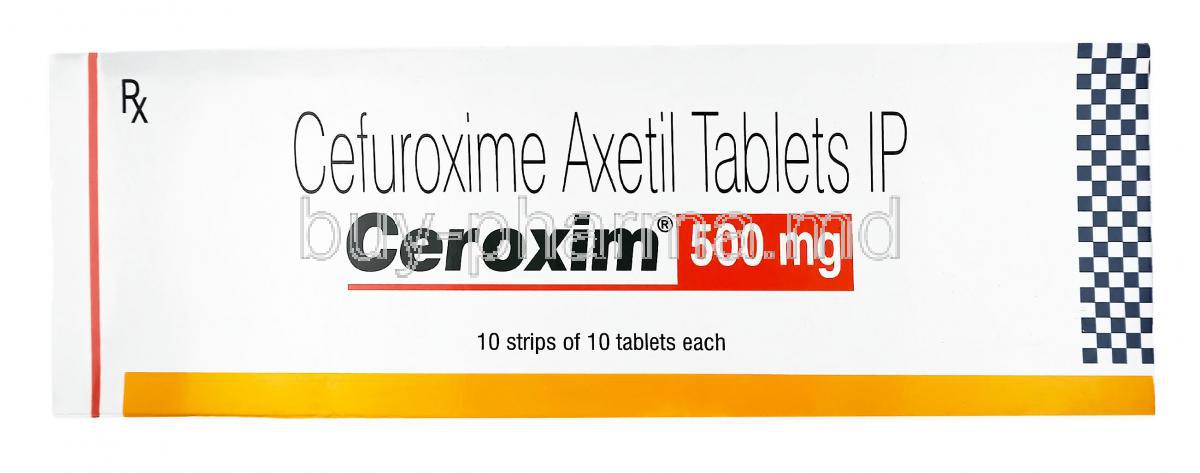
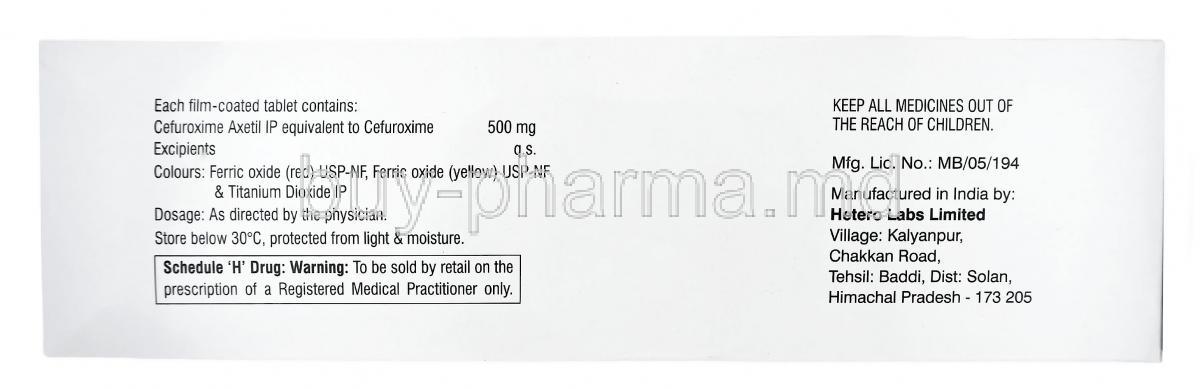
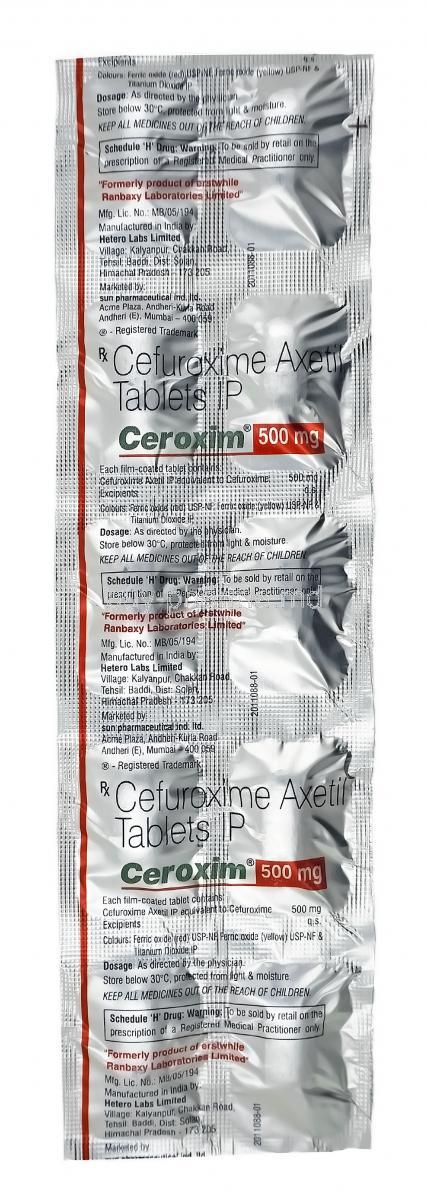
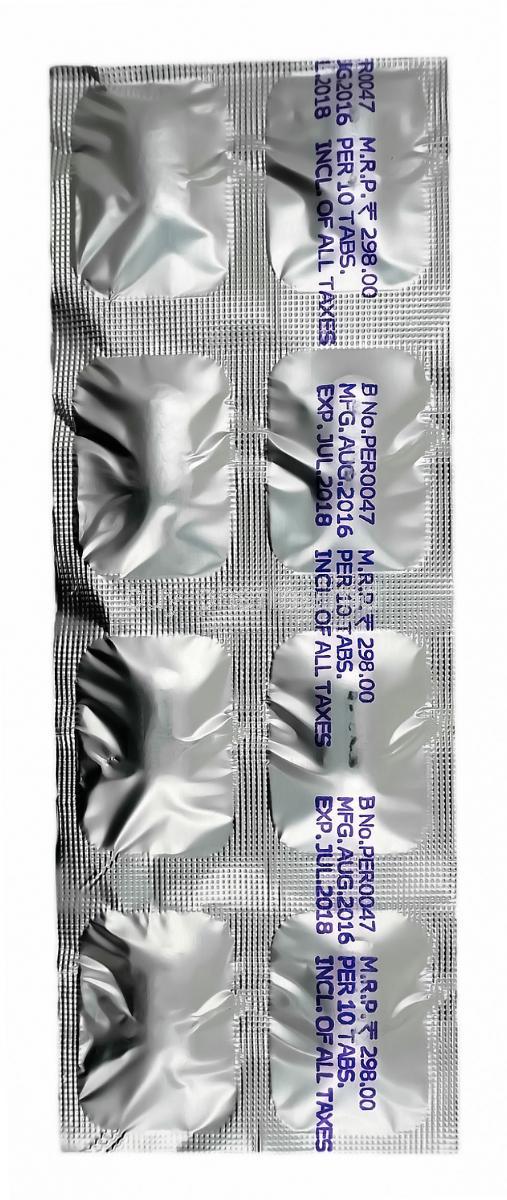
1. Introduction to Ceroxim (Cefuroxime)
1.1 Cefuroxime Generation
Ceroxim, containing cefuroxime, is a second-generation cephalosporin antibiotic engineered to combat a diverse array of bacterial pathogens. It occupies an intermediary position between first-generation and advanced cephalosporins, offering expanded Gram-negative coverage while retaining efficacy against Gram-positive organisms. Its bactericidal nature renders it particularly valuable in both community-acquired and hospital-based infections.
1.2 Brand Names and Available Formulations (Tablets, Suspension, Injection)
Cefuroxime is marketed under various brand names, including Ceroxim, and is available in multiple pharmaceutical forms to accommodate different clinical scenarios:
- Oral tablets for outpatient therapy
- Oral suspension for pediatric or dysphagic patients
- Injectable formulations for intravenous or intramuscular use
This versatility enhances its applicability across a broad spectrum of patient populations.
1.3 Therapeutic Class and Clinical Importance
Belonging to the beta-lactam class, cefuroxime exerts its antimicrobial activity through disruption of bacterial cell wall synthesis. Its clinical significance is underscored by its:
- Reliability in treating moderate infections
- Favorable safety profile
- Utility in step-down therapy from intravenous to oral regimens
1.4 Spectrum of Activity Against Gram-Positive and Gram-Negative Bacteria
Cefuroxime demonstrates a broad antimicrobial spectrum. It is active against:
- Gram-positive organisms such as Streptococcus pneumoniae
- Gram-negative bacteria including Haemophilus influenzae and Escherichia coli
This dual coverage makes it a pragmatic choice for empirical therapy.
2. Composition and Formulation Details
2.1 Active Ingredient: Cefuroxime Axetil vs Cefuroxime Sodium
Cefuroxime exists in two principal forms:
- Cefuroxime axetil – an oral prodrug with enhanced absorption
- Cefuroxime sodium – used in parenteral formulations for rapid systemic delivery
2.2 Strength Variations and Dosage Forms
Available strengths typically include 125 mg, 250 mg, and 500 mg tablets, alongside reconstitutable suspensions and injectable vials. These gradations permit individualized dosing regimens.
2.3 Excipients and Inactive Ingredients
Inactive components such as stabilizers, binders, and flavoring agents contribute to formulation stability and patient acceptability without influencing therapeutic activity.
2.4 Pharmaceutical Characteristics and Bioavailability
Oral cefuroxime axetil exhibits improved bioavailability when administered with food. Its pharmacokinetic profile is characterized by moderate absorption and renal elimination.
Cefuroxime vs cefdinir
Cefuroxime (2nd generation) and Cefdinir (3rd generation) are both effective oral cephalosporin antibiotics used for respiratory and skin infections, often showing comparable clinical success. Cefdinir is often dosed once-daily (600mg) and covers more gram-positive bacteria, whereas cefuroxime (250-500mg, twice daily) is often preferred for Lyme disease and has broader Gram-negative coverage
Cefuroxime vs cefpodoxime
Cefuroxime (a second-generation cephalosporin) and Cefpodoxime (a third-generation cephalosporin) are both effective oral antibiotics for treating infections like UTIs, with similar high cure rates. Cefpodoxime generally offers better activity against certain gram-negative bacteria, while Cefuroxime is often used for broad, common community-acquired infections.
3. Mechanism of Action – How Ceroxim Works
3.1 Inhibition of Bacterial Cell Wall Synthesis
Cefuroxime disrupts peptidoglycan synthesis, an essential structural component of bacterial cell walls. This interference compromises cellular integrity.
3.2 Binding to Penicillin-Binding Proteins (PBPs)
The drug selectively binds to PBPs, enzymes critical for cell wall cross-linking, thereby halting bacterial proliferation.
3.3 Bactericidal Activity and Time-Dependent Killing
Cefuroxime exhibits time-dependent bactericidal activity, meaning efficacy is optimized when plasma concentrations remain above the minimum inhibitory concentration.
3.4 Resistance Mechanisms and Beta-Lactamase Stability
While relatively stable against certain beta-lactamases, resistance may emerge through enzymatic degradation or altered PBPs, necessitating judicious use.
4. Cefuroxime Uses
4.1 Approved Indications for Bacterial Infections
4.1.1 Respiratory Tract Infections (Bronchitis, Pneumonia, Sinusitis)
Ceroxim is widely prescribed for respiratory infections, including acute bronchitis, community-acquired pneumonia, and sinusitis, where bacterial etiology is confirmed or suspected.
4.1.2 Ear, Nose, and Throat Infections (Otitis Media, Tonsillitis, Pharyngitis)
It effectively alleviates ENT infections by targeting common pathogens responsible for inflammation and discomfort.
4.1.3 Cefuroxime for UTI
Cefuroxime is utilized in uncomplicated and certain complicated UTIs, offering reliable eradication of susceptible organisms.
4.1.4 Skin and Soft Tissue Infections
Indicated for cellulitis and wound infections, it aids in reducing bacterial load and promoting healing.
4.1.5 Bone and Joint Infections
In osteomyelitis and septic arthritis, cefuroxime serves as part of a comprehensive antimicrobial strategy.
4.1.6 Gonorrhea and Other Sexually Transmitted Infections
It may be employed in treating uncomplicated gonococcal infections under appropriate clinical guidance.
4.1.7 Septicemia and Serious Systemic Infections
In severe systemic infections, injectable cefuroxime provides rapid bactericidal action.
4.2 Surgical Prophylaxis and Infection Prevention
Cefuroxime is frequently administered perioperatively to mitigate the risk of postoperative infections.
4.3 Treatment of Lyme Disease (Early and Disseminated Stages)
It is an established oral alternative for early Lyme disease, particularly in patients intolerant to first-line therapies.
5. Off-Label Uses of Cefuroxime
5.1 Empirical Therapy in Mixed Infections
Cefuroxime is occasionally utilized empirically in polymicrobial infections where broad coverage is desirable.
5.2 Cefuroxime for Tooth Infection
It may be prescribed for odontogenic infections, particularly when resistance to first-line agents is suspected.
5.3 Use in Intra-abdominal Infections (Combination Therapy)
In conjunction with anaerobic coverage, cefuroxime contributes to the management of intra-abdominal infections.
5.4 Management of Chronic Bronchitis Exacerbations
It plays a role in acute exacerbations, particularly in patients with recurrent bacterial involvement.
5.5 Alternative Therapy for Penicillin-Sensitive Conditions
Cefuroxime may serve as an alternative in select patients with non-severe penicillin sensitivity.
6. Cefuroxime Dosage and Administration Guidelines
6.1 Cefuroxime tablet Dosage for Adults
Typical adult dosing ranges from 250 mg to 500 mg twice daily, depending on infection severity and location.
6.2 Pediatric Dosage Recommendations by Weight
Pediatric dosing is calculated based on body weight, ensuring both efficacy and safety.
6.3 Dosage Adjustments in Renal Impairment
Dose reduction is necessary in patients with impaired renal function to prevent accumulation and toxicity.
6.4 Oral vs Intravenous Administration Considerations
Intravenous administration is preferred in severe infections, while oral therapy is suitable for mild to moderate conditions or step-down treatment.
6.5 Duration of Therapy Based on Infection Type
Treatment duration varies:
- 5–10 days for uncomplicated infections
- Longer courses for severe or deep-seated infections
6.6 Instructions for Oral Suspension Preparation and Use
The suspension should be reconstituted with water, shaken thoroughly, and stored as directed. Accurate dosing is essential.
7. Administration in Special Populations
7.1 Administration to Elderly Patients
7.1.1 Dose Adjustment Based on Renal Function
Renal function declines with age, necessitating careful dose calibration.
7.1.2 Increased Risk of Adverse Effects
Elderly patients may exhibit heightened sensitivity to adverse reactions, particularly gastrointestinal disturbances.
7.2 Administration to Pregnant Women and Nursing Mothers
7.2.1 Safety Profile During Pregnancy
Cefuroxime is generally considered safe during pregnancy when clinically indicated.
7.2.2 Excretion in Breast Milk and Infant Safety
Small amounts are excreted in breast milk, typically without significant risk to the infant.
7.3 Administration to Pediatric Patients
7.3.1 Safety and Efficacy in Infants and Children
Cefuroxime has demonstrated a favorable safety profile in pediatric populations.
7.3.2 Appropriate Formulations for Children
Suspension formulations facilitate accurate dosing and improved compliance in children.
8. Cefuroxime Side Effects
8.1 Overview of Adverse Reactions
Adverse effects are generally mild and transient but may vary among individuals.
8.2 Common Side Effects
8.2.1 Gastrointestinal Disturbances (Nausea, Diarrhea, Vomiting)
These are the most frequently reported effects, often resolving without intervention.
8.2.2 Skin Reactions (Rash, Itching)
Cutaneous reactions may occur, particularly in patients with allergic predispositions.
8.2.3 Headache and Dizziness
Neurological symptoms are typically mild and self-limiting.
8.3 Less Common and Serious Side Effects
8.3.1 Hypersensitivity Reactions (Anaphylaxis, Angioedema)
Severe allergic reactions, although rare, require immediate medical attention.
8.3.2 Clostridium difficile-Associated Diarrhea
Prolonged use may predispose to antibiotic-associated colitis.
8.3.3 Hematological Changes (Leukopenia, Thrombocytopenia)
Alterations in blood counts may occur and warrant monitoring.
8.3.4 Liver Enzyme Elevations and Hepatotoxicity
Transient increases in liver enzymes have been observed in some patients.
9. Cefuroxime Interactions
9.1 Interaction with Antacids and Acid-Reducing Agents
These agents may reduce the absorption of oral cefuroxime.
9.2 Interaction with Probenecid and Renal Excretion
Probenecid may decrease renal clearance, increasing plasma concentrations.
9.3 Effects on Oral Contraceptives
Antibiotics may reduce contraceptive efficacy, necessitating additional precautions.
9.4 Interaction with Anticoagulants (Warfarin)
Concurrent use may enhance anticoagulant effects and increase bleeding risk.
9.5 Cefuroxime and alcohol
You should avoid drinking alcohol while taking cefuroxime. Combining them can cause severe disulfiram-like reactions—such as facial flushing, tachycardia, and severe hypotension—and increase side effects like dizziness. Alcohol may also interfere with the effectiveness of the antibiotic and hinder your body's ability to recover from infection.
10. Contraindications
10.1 Known Hypersensitivity to Cephalosporins or Beta-Lactam Antibiotics
Use is contraindicated in individuals with known allergies to cephalosporins.
10.2 History of Severe Allergic Reactions to Penicillins
Cross-reactivity may occur, necessitating caution.
10.3 Previous Severe Reaction to Cefuroxime
Patients with prior severe adverse reactions should avoid re-exposure.
11. Cefuroxime Warnings and Safety Considerations
11.1 Risk of Allergic and Hypersensitivity Reactions
Cefuroxime, as a beta-lactam antibiotic, carries a clinically significant risk of hypersensitivity reactions. These reactions may range from mild dermatological manifestations to life-threatening anaphylaxis. Even minimal exposure can provoke severe immune-mediated responses in sensitized individuals.
- Skin rash, urticaria, or pruritus
- Angioedema involving lips, face, or airway
- Anaphylactic shock requiring immediate intervention
Patients with a prior history of allergy to cephalosporins or penicillins require meticulous evaluation before initiation.
11.2 Development of Antibiotic Resistance
Injudicious or excessive use of cefuroxime may facilitate the emergence of resistant bacterial strains. This phenomenon compromises therapeutic efficacy and contributes to global antimicrobial resistance trends. Even short lapses in appropriate use can foster microbial adaptation.
Prescribers should emphasize:
- Appropriate indication-based prescribing
- Adherence to recommended dosing schedules
- Avoidance of unnecessary antibiotic exposure
11.3 Risk of Superinfection with Prolonged Use
Extended therapy may disrupt normal microbial flora, allowing opportunistic organisms such as fungi or resistant bacteria to proliferate. This dysbiosis can lead to secondary infections that complicate treatment.
Common manifestations include:
- Oral or vaginal candidiasis
- Clostridium difficile-associated diarrhea
11.4 Use in Patients with Gastrointestinal Disease
Patients with pre-existing gastrointestinal disorders, particularly colitis, should be treated cautiously. Antibiotic exposure may exacerbate mucosal inflammation or precipitate antibiotic-associated colitis.
Close observation is warranted in individuals presenting with:
- History of inflammatory bowel disease
- Chronic diarrhea or gastrointestinal fragility
11.5 Monitoring for Renal and Hepatic Dysfunction
Renal excretion is the principal elimination pathway for cefuroxime, making kidney function a critical determinant of drug clearance. Hepatic involvement, although less prominent, may still occur.
Periodic monitoring of:
- Serum creatinine and renal parameters
- Liver enzyme levels
is recommended during prolonged or high-dose therapy.
12. Careful Administration and Clinical Monitoring
12.1 Use in Patients with Renal Impairment
In patients with compromised renal function, cefuroxime may accumulate, leading to elevated plasma concentrations. Dose adjustments are imperative to prevent toxicity.
12.2 Monitoring Liver Function During Therapy
Although hepatotoxicity is uncommon, transient elevations in liver enzymes may occur. Regular hepatic monitoring ensures early detection of adverse trends.
12.3 Monitoring for Gastrointestinal Complications
Gastrointestinal disturbances should not be overlooked. Persistent diarrhea, abdominal pain, or bloody stools may signal serious complications such as pseudomembranous colitis.
12.4 Monitoring for Signs of Secondary Infections
Clinical vigilance is necessary to identify superinfections early. Indicators include:
- New onset fever
- Localized fungal infections
- Worsening clinical status despite therapy
12.5 Clinical Monitoring in Long-Term Therapy
Long-duration treatment necessitates comprehensive monitoring strategies, including hematological evaluation and organ function assessment. This ensures sustained safety and therapeutic effectiveness.
13. Important Precautions Before and During Use
13.1 Completing Full Course to Prevent Resistance
Incomplete antibiotic courses are a major contributor to resistance development. Even if symptoms resolve rapidly, the full prescribed regimen must be completed to eradicate pathogenic organisms completely.
13.2 Avoiding Self-Medication and Misuse
Self-directed use of antibiotics without medical guidance can lead to suboptimal outcomes and adverse effects. Cefuroxime should only be used under professional supervision.
13.3 Patient Counseling on Proper Use
Effective communication enhances adherence. Patients should be informed about:
- Correct dosing intervals
- Importance of adherence
- Recognition of adverse reactions
13.4 Hydration and Dietary Considerations
Adequate hydration supports renal clearance of the drug. Additionally, oral cefuroxime axetil is better absorbed when taken with food, enhancing bioavailability.
13.5 Awareness of Allergic History
A detailed allergy history is indispensable prior to initiation. Cross-reactivity between beta-lactam antibiotics must always be considered.
14. Overdosage and Emergency Management
14.1 Symptoms of Cefuroxime Overdose
Overdosage may manifest with neurological and gastrointestinal symptoms. These may include confusion, agitation, and severe nausea.
14.2 Risk of Neurotoxicity and Seizures
Excessive accumulation, particularly in renal impairment, may precipitate neurotoxicity. Seizures are a serious but uncommon complication requiring immediate medical attention.
14.3 Immediate Management and Supportive Care
Management of overdose is primarily supportive. Measures include:
- Discontinuation of the drug
- Symptomatic treatment
- Monitoring of vital parameters
14.4 Role of Hemodialysis in Severe Cases
Hemodialysis can effectively reduce cefuroxime plasma concentrations in severe toxicity, particularly in patients with renal dysfunction.
15. Storage and Stability Guidelines
15.1 Recommended Storage Conditions (Temperature, Light Protection)
Cefuroxime formulations should be stored in a cool, dry environment, protected from excessive heat and direct light to preserve stability.
15.2 Shelf Life of Tablets, Suspension, and Injection
Each formulation has a defined shelf life, typically indicated on packaging. Adherence to expiry dates ensures drug potency and safety.
15.3 Storage After Reconstitution of Suspension
Reconstituted suspensions require refrigeration and should be used within a specified timeframe, usually 7 to 10 days. Improper storage may compromise efficacy.
15.4 Safe Disposal of Unused Medication
Unused or expired medication should be disposed of responsibly. Avoid flushing into water systems; instead, follow local pharmaceutical disposal guidelines.
16. Handling and Administration Precautions
16.1 Safe Handling of Injectable Forms
Injectable cefuroxime must be handled using aseptic techniques to prevent contamination and ensure patient safety.
16.2 Reconstitution and Dilution Guidelines
Proper reconstitution with sterile diluents is essential. The solution should be inspected visually for particulate matter before administration.
16.3 Avoiding Contamination and Maintaining Sterility
Strict adherence to sterile protocols minimizes infection risk. Even minor lapses in technique can compromise treatment outcomes.
16.4 Patient Instructions for Home Use
Patients administering oral formulations at home should:
- Follow prescribed dosing schedules
- Measure doses accurately
- Store medication as directed
17. Summary and Clinical Considerations
17.1 Key Benefits and Limitations of Ceroxim
Ceroxim offers dependable antibacterial activity and favorable tolerability. However, limitations such as resistance potential and hypersensitivity risks must be acknowledged.
17.2 Role in Modern Antibiotic Therapy
Cefuroxime remains a valuable therapeutic option in contemporary antimicrobial practice, particularly for moderate infections and step-down therapy.
17.3 Importance of Rational Antibiotic Use
Prudent antibiotic stewardship is imperative. Rational use not only ensures optimal patient outcomes but also safeguards the long-term efficacy of antimicrobial agents.
Ceroxim, Cefuroxime FAQ
- What is Ceroxim medicine used for?
- Is cefuroxime a strong antibiotic?
- How do you take Ceroxim 500mg?
- How long does Ceroxim take to work?
- What are ceroxim 500's side effects?
- What infections does ceroxim treat?
- What does Ceroxim treat?
- What is Ceroxim 500 for?
- Can ceroxim cause stomach issues?
- Is Ceroxim an antibiotic?
- What is ceroxim made of?
- What is cefuroxime used to treat?
- Is cefuroxime for UTI?
- Is cefuroxime safe for kidneys?
- What should you avoid while taking cefuroxime?
- How many days should you take cefuroxime for UTI?
- What are the disadvantages of cefuroxime?
- Which one is better, azithromycin or cefuroxime?
- Can cefuroxime 500mg be taken twice daily?
- Is cefuroxime 500mg good for UTI?
- Does cefuroxime make you sleepy?
- What are the common side effects of cefuroxime?
- Can I drink coffee on cefuroxime?
- Is cefuroxime hard on your kidneys?
- What are the benefits of taking cefuroxime?
- Who should avoid cefuroxime?
- What bacteria is killed by cefuroxime?
- Why do doctors prescribe cefuroxime?
- Which antibiotic can replace cefuroxime?
What is Ceroxim medicine used for?
Ceroxim 500mg Tablet is an antibiotic that helps fight bacterial infections in the body. It's often prescribed to treat infections in various parts of the body, such as the lungs (e.g., pneumonia), the ear, the throat, and the nasal sinuses. This medicine is also effective in treating urinary tract infections, skin infections, and infections in soft tissues, bones, and joints. Additionally, doctors may recommend Ceroxim 500mg Tablet to prevent infections from occurring during surgical procedures.
Is cefuroxime a strong antibiotic?
Cefuroxime is a powerful antibiotic that can fight many bacterial infections. It's often used to treat infections in the lungs, skin, and other parts of the body, like Lyme disease. This medicine is special because it can target a wide range of bacteria, making it a good choice for many different types of infections.
How do you take Ceroxim 500mg?
With food
How long does Ceroxim take to work?
2-3 hours
What are ceroxim 500's side effects?
- Stomachache
- Headache
- Diarrhea
- Nausea
What infections does ceroxim treat?
- bronchitis(infection of the airway tubes leading to the lungs);
- gonorrhea (a sexually transmitted disease);
- Lyme disease (an infection that may develop after a person is bitten by a tick);
- infections of the skin, ears, sinuses, throat
What does Ceroxim treat?
Bacterial infections
What is Ceroxim 500 for?
Bacterial infections
Can ceroxim cause stomach issues?
Yes
Is Ceroxim an antibiotic?
Yes
What is ceroxim made of?
Cefuroxime
What is cefuroxime used to treat?
Cefuroxime is a second-generation cephalosporin antibiotic used to treat various bacterial infections, including respiratory tract infections (pneumonia, bronchitis), sinusitis, tonsillitis, ear infections, urinary tract infections (UTIs), skin infections, gonorrhea, and early Lyme disease. It works by killing bacteria or preventing their growth.
Is cefuroxime for UTI?
Yes
Is cefuroxime safe for kidneys?
Yes
What should you avoid while taking cefuroxime?
- Antacids.
- Certain antibiotics, such as amikacin, gentamicin, tobramycin.
- Diuretics.
- Estrogen or progestin hormones.
- Probenecid. Warfarin.
How many days should you take cefuroxime for UTI?
5-10 days
What are the disadvantages of cefuroxime?
- Diarrhea
- Nausea
Which one is better, azithromycin or cefuroxime?
Azithromycin
Can cefuroxime 500mg be taken twice daily?
Yes
Is cefuroxime 500mg good for UTI?
Yes
Does cefuroxime make you sleepy?
Yes
What are the common side effects of cefuroxime?
- Diarrhea
- Stomachache
- Vomiting
Can I drink coffee on cefuroxime?
Yes
Is cefuroxime hard on your kidneys?
High doses or prolonged use, especially in patients with poor renal function, may increase the risk of toxicity
What are the benefits of taking cefuroxime?
Cefuroxime is a second-generation cephalosporin antibiotic used to treat diverse bacterial infections by inhibiting cell wall synthesis
Who should avoid cefuroxime?
Patient allergic to the ingredients
What bacteria is killed by cefuroxime?
Gram-positive and Gram-negative bacteria
Why do doctors prescribe cefuroxime?
Cefuroxime is an antibiotic that belongs to a group of medicines called second-generation cephalosporins. It's used to treat many different types of bacterial infections by either killing the bacteria or stopping them from growing. This helps the body to recover from the infection.
Which antibiotic can replace cefuroxime?
Customers also bought




Popular Products

Similar Product