
1. Introduction to Ceroxim XP (Cefuroxime/Clavulanic Acid)
1.1 Overview of Ceroxim XP Combination Antibiotic
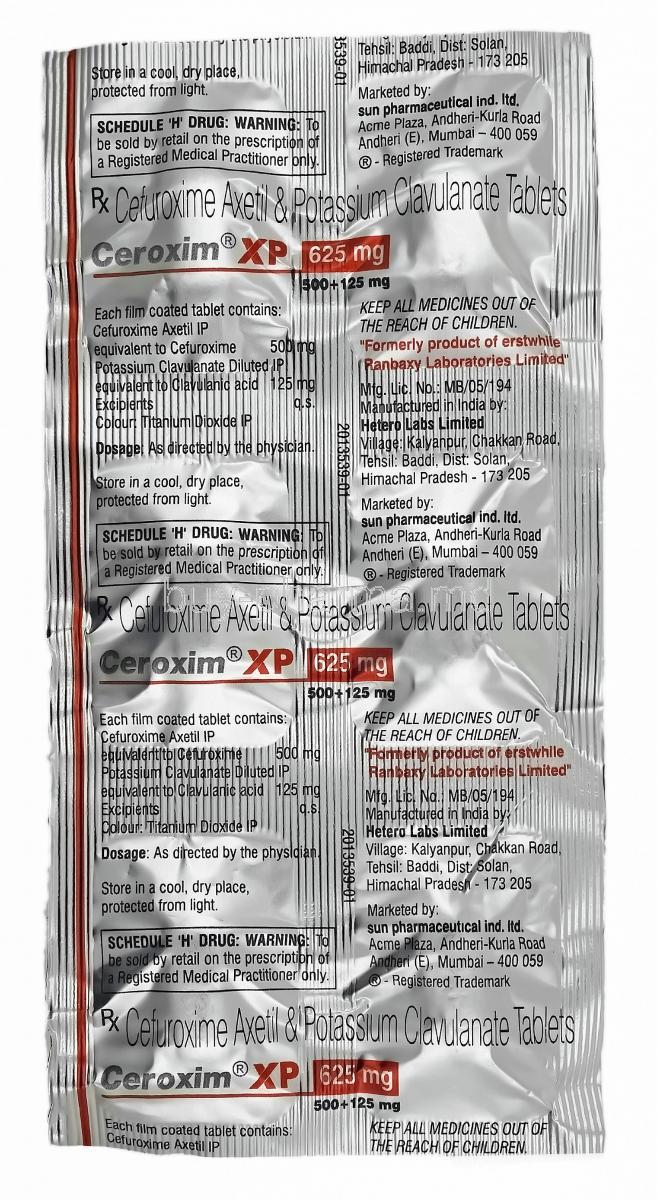
Ceroxim XP is a sophisticated antimicrobial formulation that integrates two pharmacologically complementary agents—cefuroxime and clavulanic acid. This dual-action antibiotic is designed to combat a broad spectrum of bacterial pathogens, including those capable of producing beta-lactamase enzymes. It offers enhanced efficacy where monotherapy may prove insufficient.
Its clinical utility lies in its ability to restore antibacterial potency against resistant organisms. The formulation is widely employed in both outpatient and inpatient settings due to its versatility and reliability.
1.2 Therapeutic Classification and Drug Class
Ceroxim XP belongs to the class of beta-lactam antibiotics combined with beta-lactamase inhibitors. More specifically:
- Cefuroxime: Second-generation cephalosporin antibiotic
- Clavulanic Acid: Beta-lactamase inhibitor
This classification underscores its role in targeting resistant bacterial strains and improving therapeutic outcomes in complex infections.
1.3 Indications for Use in Bacterial Infections
The medication is indicated for the treatment of diverse bacterial infections affecting multiple organ systems. Its broad antimicrobial spectrum allows clinicians to initiate empiric therapy with confidence.
1.4 Importance of Beta-Lactam/Beta-Lactamase Inhibitor Combinations
Bacterial resistance mediated by beta-lactamase enzymes poses a significant therapeutic challenge. Clavulanic acid neutralizes these enzymes, thereby preserving the structural integrity of cefuroxime. This synergistic interplay enhances bactericidal efficacy and reduces treatment failure.
2. Composition and Formulation
2.1 Active Ingredients: Cefuroxime Axetil and Clavulanic Acid
Ceroxim XP contains cefuroxime axetil, a prodrug that undergoes hydrolysis to its active form, alongside clavulanic acid. This combination ensures both direct antibacterial action and enzymatic inhibition.
2.2 Mechanism of Combination Synergy
The formulation operates through a coordinated mechanism:
- Cefuroxime disrupts bacterial cell wall synthesis
- Clavulanic acid inhibits beta-lactamase enzymes
This synergy allows the antibiotic to retain activity against otherwise resistant organisms.
2.3 Available Strengths and Dosage Forms (Tablets, Suspensions)
Ceroxim XP is available in multiple dosage forms to accommodate varying patient needs:
- Film-coated tablets for adults
- Oral suspensions for pediatric use
These formulations ensure ease of administration and dosing flexibility.
2.4 Excipients and Pharmaceutical Characteristics
In addition to active components, the formulation includes inert excipients that enhance stability, bioavailability, and palatability. These substances are carefully selected to maintain pharmaceutical integrity without compromising efficacy.
Cefdinir vs cefuroxime
Cefdinir (third-generation) and cefuroxime (second-generation) are oral cephalosporin antibiotics with similar efficacy in treating respiratory and skin infections, often showing comparable success rates in clinical trials. Cefdinir is generally given once or twice daily, while cefuroxime is usually taken every 12 hours
3. Mechanism of Action (How It Works)
3.1 Cefuroxime: Inhibition of Bacterial Cell Wall Synthesis
Cefuroxime exerts its bactericidal effect by binding to penicillin-binding proteins (PBPs), thereby inhibiting peptidoglycan synthesis. This results in structural destabilization and eventual lysis of bacterial cells.
3.2 Clavulanic Acid: Beta-Lactamase Enzyme Inhibition
Clavulanic acid acts as a suicide inhibitor, irreversibly binding to beta-lactamase enzymes. This prevents enzymatic degradation of cefuroxime, ensuring sustained antimicrobial activity.
3.3 Enhancement of Antibacterial Spectrum
The addition of clavulanic acid expands the antimicrobial spectrum to include beta-lactamase-producing organisms. This significantly improves therapeutic coverage in polymicrobial infections.
3.4 Bactericidal Activity Against Resistant Strains
Ceroxim XP demonstrates potent bactericidal activity against resistant strains, including certain Gram-positive and Gram-negative bacteria. Its efficacy in overcoming enzymatic resistance mechanisms makes it a valuable clinical tool.
4. Cefuroxime and Clavulanic Acid Uses
4.1 Approved Uses for Bacterial Infections
Ceroxim XP is widely prescribed for the treatment of common bacterial infections, including:
- Respiratory tract infections such as bronchitis and pneumonia
- Sinusitis and pharyngitis/tonsillitis
- Urinary tract infections (UTIs)
- Skin and soft tissue infections
- Otitis media
These indications highlight its versatility across multiple clinical scenarios.
4.2 Use in Gastrointestinal and Abdominal Infections
The drug is also utilized in managing intra-abdominal infections where mixed bacterial flora are involved. Its broad-spectrum activity makes it suitable for such polymicrobial conditions.
4.3 Use in Dental and Oral Infections
Ceroxim XP is effective in treating odontogenic infections, including abscesses and periodontal disease. It helps reduce bacterial load and alleviate inflammation.
4.4 Use in Gynecological Infections
Gynecological infections, particularly those involving mixed flora, may benefit from this combination therapy. It provides comprehensive antimicrobial coverage.
5. Off-Label Uses of Cefuroxime/Clavulanic Acid
5.1 Management of Resistant Bacterial Strains
Clinicians may employ Ceroxim XP in cases involving resistant organisms, especially when standard therapies fail.
5.2 Empirical Therapy in Mixed Infections
Its broad-spectrum nature makes it suitable for empirical treatment in suspected polymicrobial infections.
5.3 Use in Lyme Disease (Early Stages)
Cefuroxime has demonstrated efficacy in early Lyme disease, offering an alternative to first-line therapies in certain cases.
5.4 Treatment of Bone and Joint Infections
In select cases, it may be used in osteomyelitis or septic arthritis as part of combination therapy.
5.5 Use in Post-Surgical Infection Prophylaxis
The drug may be used prophylactically to prevent postoperative infections, particularly in high-risk procedures.
6. Dosage and Administration Guidelines
6.1 Cefuroxime dosage
Adult dosing typically depends on infection severity. Standard regimens are prescribed by healthcare professionals based on clinical judgment.
6.2 Pediatric Dosage Adjustments Based on Weight
In children, dosing is weight-based to ensure safety and efficacy. Liquid formulations facilitate accurate administration.
6.3 Dosage in Renal Impairment
Patients with renal dysfunction may require dose adjustments. Careful monitoring is essential to prevent drug accumulation.
6.4 Administration With or Without Food
Administration with food may enhance absorption and reduce gastrointestinal discomfort. Consistency in dosing schedule is recommended.
6.5 Duration of Therapy and Compliance Importance
Completion of the full prescribed course is critical. Premature discontinuation may lead to resistance and relapse.
7. Side Effects of Ceroxim XP
7.1 Overview of Adverse Reactions
Like all antibiotics, Ceroxim XP may cause adverse reactions. Most are mild and transient, but some require medical attention.
7.2 Gastrointestinal Disturbances (Nausea, Diarrhea)
Common gastrointestinal effects include:
- Nausea
- Diarrhea
- Abdominal discomfort
7.3 Allergic Reactions and Hypersensitivity
Hypersensitivity reactions may range from mild rash to severe anaphylaxis. Immediate medical intervention is necessary in severe cases.
7.4 Hepatic Effects and Liver Enzyme Elevations
Transient elevations in liver enzymes may occur. Monitoring is advised in patients with pre-existing hepatic conditions.
7.5 Hematological Changes
Rare hematological abnormalities such as eosinophilia or thrombocytopenia have been reported.
8. Cefuroxime Side Effects
8.1 Mild Gastrointestinal Symptoms
These include mild nausea and soft stools, often resolving without intervention.
8.2 Headache and Dizziness
Neurological symptoms such as headache or dizziness may occur but are generally self-limiting.
8.3 Skin Rash and Itching
Dermatological reactions may manifest as rash or pruritus.
8.4 Transient Changes in Taste or Appetite
Alterations in taste perception or appetite are occasionally reported.
9. Drug Interactions
9.1 Interaction With Antacids and Proton Pump Inhibitors
Antacids may reduce cefuroxime absorption. Timing of administration should be considered.
9.2 Interaction With Oral Anticoagulants (Warfarin)
Concomitant use may increase bleeding risk. Monitoring of coagulation parameters is advised.
9.3 Interaction With Probenecid and Renal Excretion Effects
Probenecid may decrease renal excretion of cefuroxime, leading to increased plasma concentrations.
9.4 Interaction With Other Antibiotics
Concurrent use with other antimicrobials may alter therapeutic efficacy.
9.5 Impact on Oral Contraceptives
Antibiotics may reduce contraceptive effectiveness. Additional contraceptive measures may be necessary.
10. Warnings and Safety Considerations
10.1 Risk of Hypersensitivity Reactions
Patients with a history of allergy to beta-lactams should exercise caution. Severe reactions, though rare, can be life-threatening.
10.2 Risk of Clostridioides difficile-Associated Diarrhea
Antibiotic therapy may disrupt normal gut flora, leading to opportunistic infections such as C. difficile.
10.3 Hepatic Dysfunction and Monitoring Requirements
Liver function should be monitored in prolonged therapy or in patients with pre-existing liver disease.
10.4 Risk of Superinfection With Prolonged Use
Extended use may result in overgrowth of non-susceptible organisms, necessitating reevaluation of therapy.
10.5 Caution in Patients With History of Penicillin Allergy
Cross-reactivity between penicillins and cephalosporins may occur. Careful assessment is required before initiation.
11. Contraindications
11.1 Known Hypersensitivity to Cephalosporins or Penicillins
Ceroxim XP is contraindicated in individuals with documented hypersensitivity to cephalosporins or penicillin-class antibiotics. Cross-reactivity, though variable, can precipitate severe immunological responses. Even minimal exposure may trigger adverse events.
- History of allergic rash
- Angioedema or urticaria
- Previous anaphylactic episodes
Such patients require alternative antimicrobial strategies to mitigate risk.
11.2 History of Severe Allergic Reactions to Beta-Lactams
Patients with prior severe hypersensitivity reactions to beta-lactam antibiotics should not receive this medication. The immunopathological response can escalate rapidly, often necessitating emergency intervention.
11.3 Severe Hepatic Dysfunction Associated With Prior Use
Individuals who have previously experienced hepatic dysfunction linked to cefuroxime or clavulanic acid must avoid re-exposure. Recurrence of hepatotoxicity may be more severe and prolonged.
11.4 Patients With History of Cholestatic Jaundice
A prior history of cholestatic jaundice, particularly associated with beta-lactam combinations, represents a significant contraindication. Rechallenge may lead to exacerbation of hepatic impairment.
12. Careful Administration and Monitoring
12.1 Use in Patients With Renal Impairment
Renal insufficiency necessitates judicious dosing. Accumulation of the drug may occur, leading to heightened toxicity.
- Adjust dosage based on creatinine clearance
- Monitor renal parameters regularly
12.2 Monitoring Liver Function During Therapy
Periodic evaluation of hepatic enzymes is recommended, particularly in prolonged therapy. Subclinical hepatotoxicity may manifest without overt symptoms.
12.3 Monitoring for Gastrointestinal Complications
Gastrointestinal disturbances should be carefully observed. Persistent diarrhea may indicate antibiotic-associated colitis.
12.4 Use in Patients With Compromised Immunity
Immunocompromised individuals may exhibit atypical responses to infection and treatment. Enhanced vigilance is warranted to detect therapeutic failure or opportunistic infections.
12.5 Monitoring for Antibiotic Resistance Development
Inappropriate or prolonged use may foster resistance. Clinicians should reassess therapy if clinical improvement is not observed.
13. Important Precautions Before and During Use
13.1 Importance of Completing Full Antibiotic Course
Incomplete therapy may result in bacterial persistence and resistance. Even if symptoms abate early, continuation of the prescribed regimen is imperative.
13.2 Avoidance of Unnecessary Antibiotic Use
Antibiotics should not be used indiscriminately. Viral infections do not benefit from such therapy and misuse contributes to global antimicrobial resistance.
13.3 Monitoring for Signs of Anaphylaxis
Early signs of anaphylaxis include:
- Difficulty breathing
- Swelling of the face or throat
- Sudden hypotension
Immediate medical attention is critical upon symptom onset.
13.4 Considerations for Long-Term Therapy
Extended treatment courses may predispose patients to superinfection or organ toxicity. Regular clinical assessment is essential.
13.5 Patient Counseling and Education
Patients should be educated regarding:
- Proper dosing schedules
- Potential side effects
- Importance of adherence
Informed patients are more likely to achieve optimal outcomes.
14. Administration in Elderly Patients
14.1 Age-Related Pharmacokinetic Considerations
Aging alters drug absorption, distribution, metabolism, and excretion. These physiological changes may influence therapeutic response.
14.2 Increased Risk of Renal Impairment
Elderly patients frequently exhibit reduced renal function. Dose adjustments are often required to prevent accumulation.
14.3 Dose Adjustments and Monitoring Needs
Close monitoring is advised, including periodic assessment of renal and hepatic parameters. Individualized dosing enhances safety.
14.4 Risk of Polypharmacy Interactions
Concurrent use of multiple medications increases the likelihood of drug interactions. Careful review of the patient’s medication profile is ضروری.
15. Administration in Pregnant Women and Nursing Mothers
15.1 Safety Profile During Pregnancy
Ceroxim XP is generally considered when the potential benefits outweigh the risks. Clinical discretion is essential.
15.2 Placental Transfer and Fetal Considerations
Cefuroxime can cross the placental barrier. While no major teratogenic effects are widely documented, cautious use is recommended.
15.3 Excretion in Breast Milk
Trace amounts may be excreted in breast milk. Infants should be monitored for gastrointestinal disturbances or sensitization.
15.4 Recommendations for Lactating Mothers
Breastfeeding mothers should consult healthcare providers. Temporary discontinuation or monitoring may be advised.
16. Administration in Pediatric Patients
16.1 Safety and Efficacy in Children
Ceroxim XP has demonstrated efficacy in pediatric populations when appropriately dosed. Safety profiles are generally favorable.
16.2 Age-Appropriate Dosage Forms
Oral suspensions are preferred in children due to ease of administration and palatability.
16.3 Monitoring for Adverse Effects in Pediatrics
Children may exhibit different adverse effect profiles. Monitoring is necessary to detect intolerance or allergic reactions.
16.4 Special Considerations in Neonates and Infants
Neonates require special attention due to immature organ systems. Dose adjustments and careful supervision are essential.
17. Overdosage and Management
17.1 Symptoms of Overdose
Overdose may present with:
- Nausea and vomiting
- Seizures in severe cases
- Altered mental status
17.2 Neurological and Gastrointestinal Manifestations
Neurological symptoms may include confusion or convulsions, while gastrointestinal symptoms often involve significant discomfort.
17.3 Immediate Management and Supportive Care
Management is primarily supportive. Gastric decontamination and symptomatic treatment may be required.
17.4 Role of Hemodialysis in Severe Cases
In severe overdose, hemodialysis may facilitate drug removal, particularly in patients with renal impairment.
18. Storage Instructions
18.1 Recommended Storage Conditions
Store the medication at controlled room temperature, away from direct sunlight and excessive heat.
18.2 Protection From Moisture and Heat
Exposure to moisture may degrade the formulation. Keep the medication in its original packaging until use.
18.3 Storage of Oral Suspensions After Reconstitution
Reconstituted suspensions should be refrigerated and used within the specified timeframe.
18.4 Shelf Life and Expiry Considerations
Expired medications should not be used. Always verify expiry dates prior to administration.
19. Handling and Disposal Precautions
19.1 Safe Handling of Antibiotic Medications
Proper handling minimizes contamination and preserves drug efficacy. Hands should be clean before administration.
19.2 Disposal of Unused or Expired Drugs
Unused medications should be disposed of according to local regulations. Do not flush or discard indiscriminately.
19.3 Preventing Environmental Contamination
Improper disposal may contribute to environmental antibiotic resistance. Responsible practices are essential.
19.4 Keeping Out of Reach of Children
Medications should be stored securely to prevent accidental ingestion by children.
20. Summary of Key Clinical Considerations
20.1 Key Benefits and Limitations
Ceroxim XP offers broad-spectrum coverage and enhanced resistance management. However, it requires cautious use to avoid adverse effects and resistance.
20.2 Clinical Decision-Making Considerations
Therapeutic decisions should be guided by:
- Infection severity
- Patient comorbidities
- Microbial susceptibility patterns
20.3 Ensuring Safe and Effective Use
Optimal outcomes depend on appropriate prescribing, adherence to guidelines, and vigilant monitoring. Responsible use preserves both individual and public health.
Ceroxim XP, Cefuroxime/ Clavulanic Acid FAQ
- What is Ceroxim XP used for?
- Is Cefuroxime a strong antibiotic?
- What are Ceroxim tablets used for?
- How long does Ceroxim take to work?
- Can I use Ceroxim for throat pain?
- Is 3 days of cefuroxime enough?
- What to avoid while taking cefuroxime?
- What is the major side effect of cefuroxime?
- Is cefuroxime safe for kidneys?
- Can ceroxim cause stomach issues?
- How many cefuroxime per day for UTI?
- Is Ceroxim an antibiotic?
- What should you avoid while taking cefuroxime?
- Is it okay to take cefuroxime twice a day?
- How long does it take for cefuroxime to clear your system?
- When to stop taking cefuroxime?
- Can I drink milk with cefuroxime?
- Is cefuroxime a safe antibiotic?
- Does cefuroxime affect the heart?
- Can cefuroxime damage the liver?
- What is the use of Ceroxim XP Tablet?
- What is cefuroxime and clavulanic acid used for?
What is Ceroxim XP used for?
Ceroxim XP 625 mg Tablet is used to treat various bacterial infections such as pharyngitis/tonsillitis (throat infections), otitis media (ear infections), sinusitis (infection of the sinuses), gonorrhoea (sexually transmitted disease), Lyme disease, septicaemia (bloodstream infection), meningitis
Is Cefuroxime a strong antibiotic?
Yes
What are Ceroxim tablets used for?
It is used to treat bacterial infection.
How long does Ceroxim take to work?
2 days
Can I use Ceroxim for throat pain?
Yes
Is 3 days of cefuroxime enough?
No
What to avoid while taking cefuroxime?
- Antacids
- H2 blockers
- PPIs
What is the major side effect of cefuroxime?
- Diarrhea
- Nausea
- vomiting
Is cefuroxime safe for kidneys?
Yes
Can ceroxim cause stomach issues?
Yes
How many cefuroxime per day for UTI?
125-250mg
Is Ceroxim an antibiotic?
Yes
What should you avoid while taking cefuroxime?
- antacids
- Diuretics
- Estrogen
- Progestin
- Warfarin
Is it okay to take cefuroxime twice a day?
Yes
How long does it take for cefuroxime to clear your system?
24 hours
When to stop taking cefuroxime?
Finish treatment course
Can I drink milk with cefuroxime?
Yes
Is cefuroxime a safe antibiotic?
May cause allergic reactions
Does cefuroxime affect the heart?
Rarely
Can cefuroxime damage the liver?
Rarely
What is the use of Ceroxim XP Tablet?
Ceroxim XP 625mg Tablet is a medicine that helps get rid of bacterial infections. It works by killing the bacteria that cause these infections.
What is cefuroxime and clavulanic acid used for?
Cefuroxime and clavulanic Acid is used to treat various bacterial infections such as pharyngitis/tonsillitis (throat infections), otitis media (ear infections), sinusitis (infection of the sinuses), gonorrhoea (sexually transmitted disease), Lyme disease, septicaemia (bloodstream infection), meningitis
Customers also bought

Popular Products

Similar Product