
1. Introduction to Ceruvin (Aspirin / Clopidogrel)
1.1 Overview of Dual Antiplatelet Therapy
Ceruvin is a fixed-dose combination medication containing aspirin and clopidogrel, two well-established antiplatelet agents used to prevent thrombotic cardiovascular events. Dual antiplatelet therapy (DAPT) is a cornerstone in modern cardiology, particularly for patients with coronary artery disease and those who have undergone vascular interventions.
Platelets play a central role in thrombosis. When activated, they aggregate and form clots that can obstruct arteries. Ceruvin reduces this process by targeting different pathways of platelet activation.
- Inhibits platelet aggregation
- Prevents formation of arterial thrombi
- Reduces risk of life-threatening cardiovascular events
1.2 Therapeutic Role of Aspirin and Clopidogrel Combination
The combination of aspirin and clopidogrel provides a complementary pharmacological strategy. Aspirin suppresses thromboxane-mediated platelet activation, while clopidogrel blocks ADP-dependent platelet signaling. This dual inhibition offers a more potent antithrombotic effect than either drug alone.
Such synergistic therapy is particularly beneficial in conditions where platelet hyperactivity contributes to arterial occlusion. In high-risk patients, combination therapy significantly lowers the incidence of myocardial infarction, stroke, and cardiovascular mortality.
1.3 Clinical Importance in Cardiovascular Disease Management
Cardiovascular diseases remain one of the leading causes of morbidity and mortality worldwide. Platelet aggregation within atherosclerotic vessels frequently precipitates acute coronary syndromes and ischemic strokes.
Ceruvin is widely prescribed in clinical practice to mitigate these risks. Its role is especially critical for patients with established atherosclerotic disease or those who have undergone interventional cardiology procedures.
1.4 Mechanism-Based Rationale for Combination Therapy
The rationale for combining aspirin and clopidogrel stems from the complex physiology of platelet activation. Platelets are stimulated by multiple biochemical mediators, including thromboxane A2 and adenosine diphosphate (ADP).
By targeting two separate molecular pathways simultaneously, Ceruvin provides broader suppression of platelet activation. This mechanism reduces the likelihood of thrombus formation in arterial circulation.
1.5 Brand Formulations and Pharmaceutical Availability
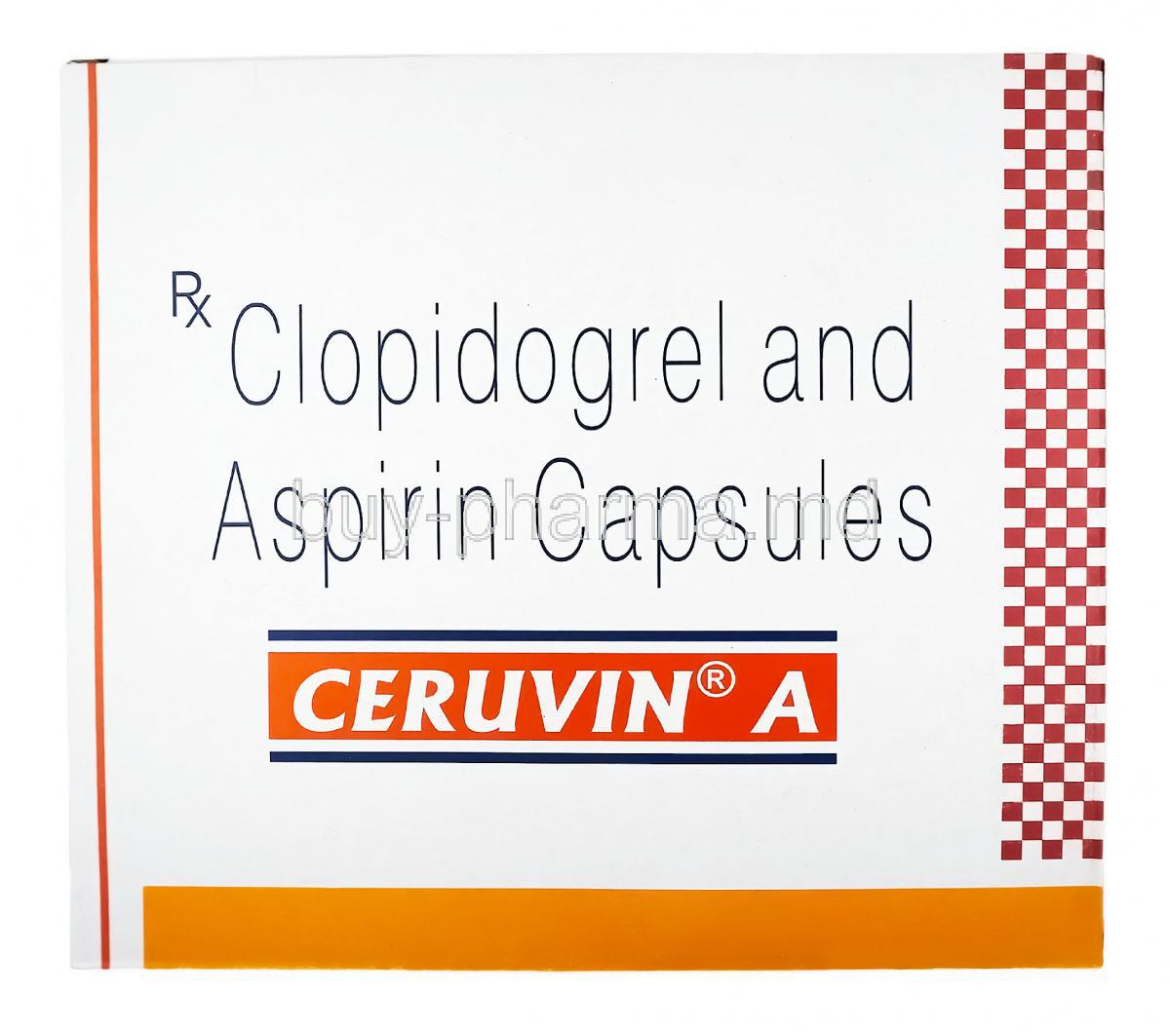
Ceruvin is typically supplied as an oral tablet containing fixed doses of aspirin and clopidogrel. Fixed-dose combinations simplify treatment regimens and improve patient adherence by reducing pill burden.
- Convenient single-tablet formulation
- Standardized dosage for cardiovascular protection
- Widely available through prescription channels
1.6 Indications for Long-Term Antiplatelet Therapy
Long-term antiplatelet therapy is frequently required for patients with chronic cardiovascular conditions. Ceruvin is often prescribed for prolonged periods in individuals with a high risk of thrombotic events.
Continuous therapy helps maintain stable inhibition of platelet activity and reduces the recurrence of arterial blockages.
2. Composition and Pharmaceutical Formulation
2.1 Active Ingredients: Aspirin and Clopidogrel
Ceruvin contains two pharmacologically active compounds:
- Aspirin (acetylsalicylic acid)
- Clopidogrel
Aspirin belongs to the salicylate class of medications and acts primarily through cyclooxygenase inhibition. Clopidogrel is a thienopyridine derivative that blocks platelet ADP receptors.
2.2 Strengths and Fixed-Dose Combinations
Ceruvin tablets are manufactured in specific strength combinations designed to optimize antiplatelet efficacy while minimizing adverse effects. Fixed-dose formulations ensure consistent dosing and simplify treatment protocols.
2.3 Pharmacological Classification of Each Component
Each component of Ceruvin belongs to a distinct pharmacological class:
- Aspirin – Nonsteroidal anti-inflammatory drug (NSAID) with antiplatelet properties
- Clopidogrel – P2Y12 receptor antagonist
Together, these agents produce potent antithrombotic activity within the arterial circulation.
2.4 Role of Excipients and Tablet Formulation
In addition to the active ingredients, Ceruvin tablets contain pharmaceutical excipients that stabilize the formulation and ensure optimal absorption. These substances may include binders, fillers, and disintegrating agents.
Such components help maintain the tablet’s structural integrity and promote consistent drug release after ingestion.
2.5 Tablet Coating and Gastrointestinal Protection Considerations
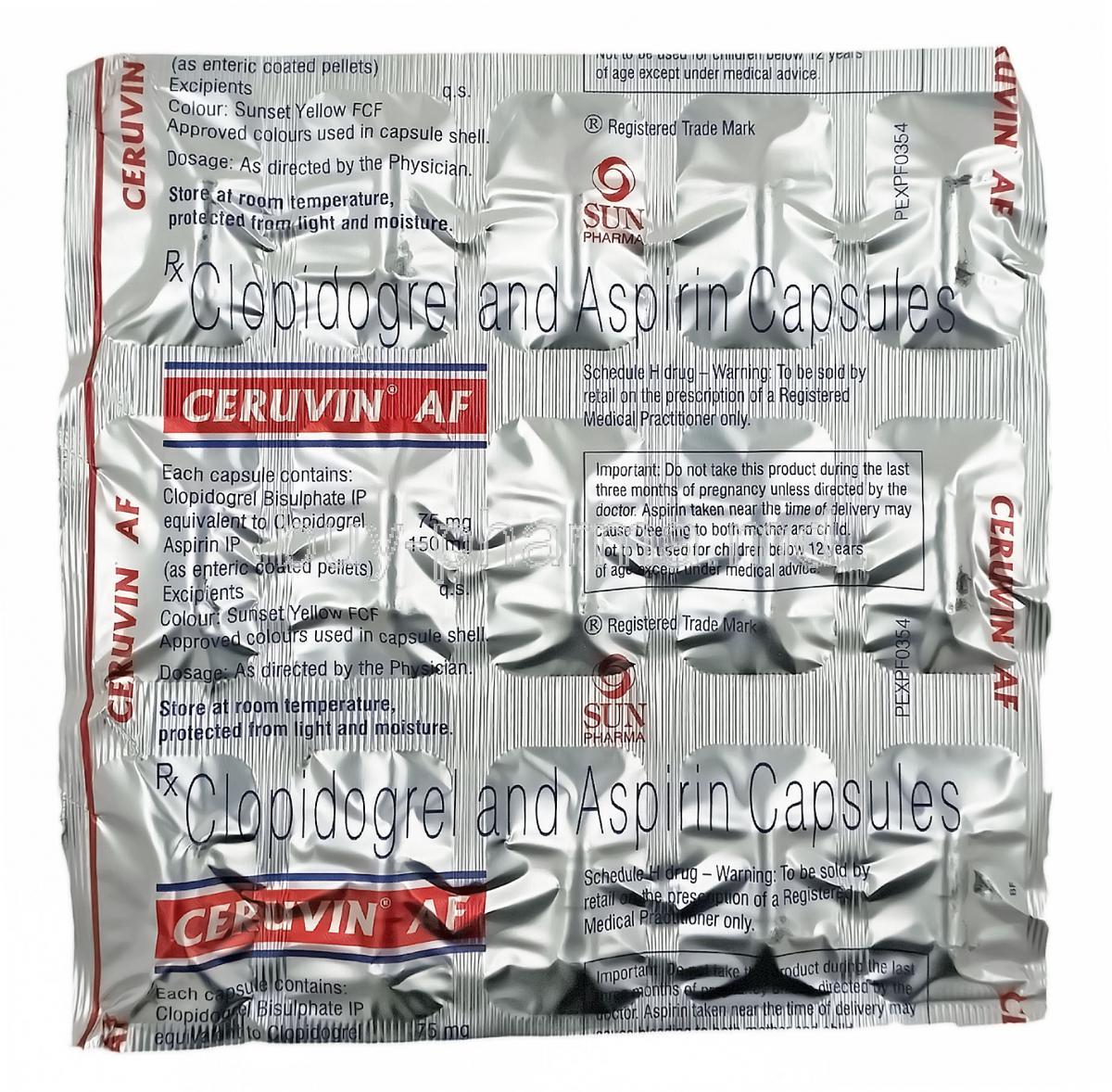
Many Ceruvin formulations incorporate protective coatings designed to reduce gastric irritation. Aspirin can irritate the gastrointestinal mucosa, therefore enteric coatings may be used to limit direct stomach exposure.
This design enhances tolerability, particularly in patients requiring long-term therapy.
3. Mechanism of Action – How Ceruvin Works
3.1 Antiplatelet Action of Aspirin (COX-1 Inhibition)
Aspirin exerts its antiplatelet effect by irreversibly inhibiting the cyclooxygenase-1 (COX-1) enzyme within platelets. This enzyme is responsible for producing thromboxane A2, a potent mediator of platelet activation.
By suppressing thromboxane synthesis, aspirin prevents platelets from aggregating and forming clots.
3.2 Platelet P2Y12 Receptor Inhibition by Clopidogrel
Clopidogrel selectively inhibits the platelet P2Y12 receptor. This receptor plays a pivotal role in ADP-mediated platelet activation and aggregation.
After metabolic activation in the liver, clopidogrel irreversibly binds to the P2Y12 receptor, blocking the signaling pathway that promotes platelet clumping.
3.3 Synergistic Antithrombotic Effects of Dual Therapy
When combined, aspirin and clopidogrel exert complementary inhibitory effects on platelet activation. This dual blockade significantly reduces thrombus formation within arteries.
The pharmacodynamic synergy of these agents enhances protection against acute cardiovascular events.
3.4 Reduction of Platelet Aggregation and Thrombus Formation
Ceruvin reduces platelet adhesion and aggregation at sites of vascular injury. This action prevents the development of occlusive thrombi that can obstruct blood flow to vital organs such as the heart and brain.
3.5 Impact on Arterial Circulation and Atherosclerotic Plaque Stability
In patients with atherosclerosis, unstable plaques can rupture and trigger clot formation. Antiplatelet therapy helps maintain arterial patency by reducing platelet accumulation at these vulnerable sites.
Consequently, Ceruvin contributes to improved cardiovascular stability and decreased risk of acute ischemic events.
4. Approved Medical Uses of Ceruvin
4.1 Prevention of Myocardial Infarction (Heart Attack)
Ceruvin is widely prescribed to reduce the risk of myocardial infarction. By inhibiting platelet aggregation, the medication lowers the probability of coronary artery occlusion caused by thrombus formation.
4.2 Secondary Prevention of Cardiovascular Events
Patients who have previously experienced a heart attack or stroke remain at elevated risk for recurrent events. Dual antiplatelet therapy plays a vital role in secondary prevention.
4.3 Management After Acute Coronary Syndrome (ACS)
Acute coronary syndrome encompasses a spectrum of conditions, including unstable angina and myocardial infarction. Ceruvin is frequently prescribed following such events to prevent additional thrombotic complications.
4.4 Post-Percutaneous Coronary Intervention (PCI) with Stent Placement
Following coronary stent placement, platelets can adhere to the stent surface and form clots. Ceruvin helps prevent stent thrombosis by suppressing platelet activation.
4.5 Prevention of Ischemic Stroke and Transient Ischemic Attack (TIA)
In patients with cerebrovascular disease, antiplatelet therapy reduces the risk of recurrent ischemic stroke or transient ischemic attack.
4.6 Long-Term Prevention of Atherothrombotic Events
Atherothrombosis refers to clot formation within arteries affected by atherosclerosis. Long-term treatment with Ceruvin helps prevent these events by maintaining sustained platelet inhibition.
4.7 Prevention of Recurrent Cardiovascular Events in High-Risk Patients
Individuals with diabetes, hypertension, or extensive coronary artery disease often require aggressive cardiovascular risk management. Ceruvin forms part of a comprehensive therapeutic strategy to reduce recurrent thrombotic events.
5. Off-Label Uses of Aspirin and Clopidogrel Combination
5.1 Prevention of Thrombotic Events in Peripheral Arterial Disease
Peripheral arterial disease (PAD) involves narrowing of arteries supplying the limbs. Antiplatelet therapy may be used to prevent thrombosis and improve vascular outcomes in these patients.
5.2 Dual Antiplatelet Therapy in Carotid Artery Disease
Patients with significant carotid artery stenosis may benefit from temporary dual antiplatelet therapy, particularly following endovascular interventions.
5.3 Use Following Certain Vascular Surgical Procedures
After vascular grafting or arterial reconstruction, physicians may prescribe Ceruvin to reduce the risk of graft thrombosis and maintain vessel patency.
5.4 Prevention of Thrombosis in Selected High-Risk Patients
Certain individuals exhibit heightened platelet reactivity or a history of recurrent thrombosis. In such cases, clinicians may consider dual antiplatelet therapy as a preventive strategy.
5.5 Short-Term Dual Therapy for Minor Stroke or High-Risk TIA
Short-term combination therapy is sometimes used following minor ischemic stroke or transient ischemic attack. The goal is to reduce early recurrence of cerebrovascular events.
5.6 Use in Complex Coronary Artery Disease Management
Patients with extensive coronary artery disease or multiple stents may require prolonged dual antiplatelet therapy to maintain adequate arterial perfusion.
6. Dosage and Administration
6.1 Standard Adult Dosage for Cardiovascular Prevention
Ceruvin is usually administered once daily as an oral tablet. The exact dosage depends on the strength of the fixed combination prescribed by the physician.
6.2 Dosage Following Acute Coronary Syndrome
After an acute coronary syndrome event, patients may receive a loading dose of antiplatelet therapy followed by maintenance dosing with Ceruvin.
6.3 Administration After Coronary Stent Placement
Dual antiplatelet therapy is commonly recommended after coronary stenting. Treatment duration varies depending on stent type and patient risk factors.
6.4 Recommended Duration of Dual Antiplatelet Therapy
Treatment duration may range from several months to multiple years. Physicians determine therapy length based on clinical risk, bleeding potential, and procedural considerations.
6.5 Administration with or without Food
Ceruvin may generally be taken with or without food. Taking the medication with meals can help reduce gastrointestinal discomfort in sensitive individuals.
6.6 Guidelines for Missed Doses
If a dose is missed, patients should take it as soon as possible. However, double dosing should be avoided to prevent excessive bleeding risk.
6.7 Transitioning Between Antiplatelet Therapies
Transitioning between antiplatelet medications should only occur under medical supervision. Abrupt discontinuation may increase the risk of thrombotic complications.
7. Common Side Effects
7.1 Gastrointestinal Irritation and Dyspepsia
Mild gastrointestinal discomfort is among the most frequently reported adverse effects. Patients may experience indigestion, stomach irritation, or mild abdominal pain.
7.2 Mild Bleeding or Easy Bruising
Because Ceruvin inhibits platelet function, minor bleeding manifestations may occur. These include easy bruising, nosebleeds, or prolonged bleeding from small cuts.
7.3 Headache or Dizziness
Some individuals report transient headaches or dizziness during treatment. These symptoms are usually mild and resolve without intervention.
7.4 Nausea and Abdominal Discomfort
Nausea and stomach discomfort may occur, particularly when the medication is taken on an empty stomach.
7.5 Minor Skin Reactions or Rash
Occasionally, mild dermatologic reactions such as rash or itching may develop. These symptoms are typically self-limiting.
8. Serious and Potential Side Effects
8.1 Gastrointestinal Bleeding and Ulceration
Severe gastrointestinal bleeding is a potential complication of antiplatelet therapy. Symptoms may include black stools, vomiting blood, or persistent abdominal pain.
8.2 Intracranial Hemorrhage Risk
Although uncommon, intracranial bleeding represents a serious adverse event associated with potent antiplatelet therapy.
8.3 Severe Hypersensitivity Reactions
Rarely, patients may develop severe allergic reactions characterized by swelling, breathing difficulty, or extensive skin eruptions.
8.4 Thrombocytopenia and Hematologic Complications
In rare cases, platelet counts may decrease significantly, leading to increased bleeding risk.
8.5 Liver Function Abnormalities
Elevations in liver enzymes have occasionally been reported. Regular monitoring may be recommended in susceptible individuals.
8.6 Rare Risk of Thrombotic Thrombocytopenic Purpura (TTP)
Thrombotic thrombocytopenic purpura is a rare but life-threatening condition characterized by widespread microvascular thrombosis and low platelet counts.
9. Drug Interactions
9.1 Interaction with Other Anticoagulants and Antiplatelet Agents
Concurrent use of additional anticoagulants may significantly increase bleeding risk. Careful clinical supervision is required.
9.2 Interaction with Non-Steroidal Anti-Inflammatory Drugs (NSAIDs)
NSAIDs may exacerbate gastrointestinal irritation and bleeding when used together with Ceruvin.
9.3 Interaction with Proton Pump Inhibitors (PPIs)
Certain proton pump inhibitors can reduce the metabolic activation of clopidogrel, potentially diminishing its antiplatelet effect.
9.4 Interaction with Selective Serotonin Reuptake Inhibitors (SSRIs)
SSRIs may increase bleeding tendency when combined with antiplatelet medications due to their effect on platelet serotonin uptake.
9.5 Interaction with CYP2C19 Inhibitors Affecting Clopidogrel Activation
Clopidogrel requires hepatic metabolism through the CYP2C19 enzyme system. Drugs that inhibit this enzyme may reduce its therapeutic efficacy.
9.6 Interaction with Alcohol and Bleeding Risk
Alcohol consumption can increase the likelihood of gastrointestinal irritation and bleeding during treatment with Ceruvin.
10. Warnings and Safety Considerations
10.1 Increased Risk of Bleeding
Because Ceruvin inhibits platelet aggregation, patients may experience prolonged bleeding times. Careful monitoring is necessary, particularly in individuals with additional bleeding risk factors.
10.2 Risk of Gastrointestinal Ulceration
Long-term aspirin exposure may irritate the gastric mucosa and contribute to ulcer formation. Patients with a history of peptic ulcer disease require careful evaluation.
10.3 Risk of Hemorrhagic Stroke
While Ceruvin reduces ischemic stroke risk, it may slightly increase the possibility of hemorrhagic stroke in susceptible individuals.
10.4 Caution in Patients with Bleeding Disorders
Patients with hemophilia, thrombocytopenia, or other bleeding disorders should use antiplatelet therapy only under strict medical supervision.
10.5 Risk Associated with Surgical Procedures
Because of its antiplatelet effect, Ceruvin may increase surgical bleeding risk. Physicians often recommend temporary discontinuation before planned surgical procedures.
11. Contraindications
11.1 Known Hypersensitivity to Aspirin, Clopidogrel, or NSAIDs
Ceruvin should not be administered to individuals with a documented hypersensitivity to aspirin, clopidogrel, or other non-steroidal anti-inflammatory drugs (NSAIDs). Hypersensitivity reactions may manifest abruptly and can range from mild dermatological irritation to severe systemic responses.
Patients with drug allergies may experience symptoms such as:
- Skin rash or urticaria
- Respiratory distress or bronchospasm
- Facial or throat swelling
- Severe anaphylactic reactions
In these individuals, exposure to Ceruvin may provoke significant immunological responses and should therefore be strictly avoided.
11.2 Active Pathological Bleeding
Ceruvin is contraindicated in patients experiencing active pathological bleeding. Because the medication inhibits platelet aggregation, it may exacerbate ongoing bleeding and delay clot formation.
Examples of active bleeding conditions include:
- Gastrointestinal hemorrhage
- Intracranial bleeding
- Severe traumatic bleeding
- Bleeding disorders with active manifestations
Initiating antiplatelet therapy under such conditions may lead to substantial clinical deterioration.
11.3 Severe Liver Disease
Patients with severe hepatic impairment should avoid the use of Ceruvin. The liver plays a crucial role in drug metabolism, including the activation of clopidogrel. Compromised hepatic function may alter drug processing and increase the risk of adverse reactions.
Severe liver disease may also impair the synthesis of clotting factors, thereby compounding the bleeding risk associated with antiplatelet therapy.
11.4 History of Aspirin-Induced Asthma
Certain individuals exhibit a condition known as aspirin-exacerbated respiratory disease (AERD), sometimes referred to as aspirin-induced asthma. In these patients, ingestion of aspirin or related agents can trigger bronchospasm and respiratory distress.
Symptoms may include:
- Severe wheezing
- Shortness of breath
- Nasal congestion and sinus inflammation
- Acute asthma attacks
Because Ceruvin contains aspirin, it must not be used in patients with this hypersensitivity syndrome.
11.5 Peptic Ulcer Disease with Active Bleeding
Active peptic ulcer disease represents another contraindication. Aspirin can irritate the gastric mucosa and interfere with protective prostaglandins within the gastrointestinal lining.
In patients with bleeding ulcers, this effect may worsen hemorrhage and delay healing of the ulcerated tissue.
11.6 Severe Hemorrhagic Disorders
Patients with severe bleeding disorders should not receive Ceruvin. Conditions such as hemophilia, severe thrombocytopenia, or other coagulopathies significantly increase the likelihood of uncontrolled bleeding.
The antiplatelet action of Ceruvin may further impair the body's natural ability to form clots.
12. Careful Administration and Clinical Monitoring
12.1 Use in Patients with History of Gastrointestinal Ulcers
Patients with a previous history of gastrointestinal ulcers require careful monitoring when receiving Ceruvin. Aspirin may compromise the gastric mucosal barrier and increase susceptibility to recurrent ulcer formation.
Healthcare providers may recommend preventive strategies such as:
- Gastroprotective medications
- Regular gastrointestinal assessments
- Monitoring for early symptoms of gastric irritation
12.2 Monitoring in Patients with Liver Dysfunction
Patients with mild or moderate hepatic impairment should be closely observed during therapy. Liver dysfunction can affect the metabolic activation of clopidogrel and alter the pharmacokinetic profile of the medication.
Routine evaluation of liver function tests may be recommended to ensure safe treatment continuation.
12.3 Use in Individuals with Renal Impairment
Renal impairment may influence drug clearance and increase susceptibility to adverse effects. Although Ceruvin is primarily metabolized through hepatic pathways, renal dysfunction can indirectly affect drug distribution and systemic tolerance.
Dose adjustments and regular clinical evaluation may be necessary for patients with compromised kidney function.
12.4 Monitoring Platelet Function and Bleeding Risk
Because Ceruvin directly affects platelet activity, clinicians often monitor patients for signs of abnormal bleeding. Monitoring may include clinical assessment as well as laboratory tests when necessary.
Indicators that require attention include:
- Frequent bruising
- Prolonged bleeding from minor injuries
- Unexplained anemia
- Blood in urine or stool
12.5 Use in Patients Requiring Long-Term Antithrombotic Therapy
Some individuals require prolonged antithrombotic therapy due to chronic cardiovascular conditions. In these cases, Ceruvin may be used as part of a long-term prevention strategy.
Continuous monitoring is essential to balance the benefits of thrombotic prevention with the potential risks of bleeding complications.
13. Important Precautions for Patients and Healthcare Providers
13.1 Risk of Discontinuation Before Surgery
Ceruvin should not be discontinued abruptly without medical advice. However, in preparation for surgical or invasive procedures, physicians may recommend temporary discontinuation to reduce intraoperative bleeding risk.
Patients should always inform healthcare providers about their use of antiplatelet medication before undergoing surgery or dental procedures.
13.2 Monitoring for Signs of Internal Bleeding
Patients receiving Ceruvin should remain vigilant for symptoms that may indicate internal bleeding. Early detection is crucial to prevent severe complications.
Warning signs may include:
- Black or tarry stools
- Persistent abdominal pain
- Vomiting blood
- Sudden severe headache
13.3 Avoiding Self-Medication with Additional Antiplatelet Drugs
Combining Ceruvin with other antiplatelet agents without medical supervision may dramatically increase bleeding risk. Patients should avoid self-medication with drugs such as additional aspirin, NSAIDs, or anticoagulants unless specifically instructed by a healthcare professional.
13.4 Importance of Adherence to Prescribed Therapy
Strict adherence to the prescribed treatment regimen is essential for optimal therapeutic outcomes. Irregular dosing or premature discontinuation may lead to platelet reactivation and increased risk of thrombotic events.
Consistent daily administration helps maintain stable platelet inhibition.
13.5 Lifestyle Considerations During Antiplatelet Treatment
Patients taking Ceruvin should adopt lifestyle practices that minimize bleeding risk and support cardiovascular health.
- Avoid excessive alcohol consumption
- Use caution when engaging in activities with injury risk
- Maintain a heart-healthy diet
- Monitor blood pressure and cholesterol levels
14. Administration to Elderly Patients
14.1 Increased Bleeding Risk in Older Adults
Elderly patients often exhibit an elevated susceptibility to bleeding complications during antiplatelet therapy. Age-related physiological changes may influence platelet function and vascular integrity.
14.2 Dose Considerations and Monitoring
Although Ceruvin is generally well tolerated in older adults, careful monitoring is recommended. Physicians may evaluate bleeding risk factors and adjust treatment strategies accordingly.
14.3 Cardiovascular Benefits in Elderly Populations
Despite potential risks, elderly patients frequently derive substantial benefit from antiplatelet therapy. Ceruvin can significantly reduce the risk of recurrent myocardial infarction and ischemic stroke in this population.
14.4 Special Considerations for Polypharmacy
Older individuals often take multiple medications simultaneously. This phenomenon, known as polypharmacy, increases the potential for drug interactions.
Careful medication review is therefore essential to avoid harmful interactions.
15. Administration to Pregnant Women and Nursing Mothers
15.1 Safety Profile During Pregnancy
The use of Ceruvin during pregnancy requires careful evaluation of potential risks and benefits. Antiplatelet therapy may influence fetal development and maternal bleeding risk.
15.2 Potential Risks to the Fetus
Certain components of Ceruvin may cross the placental barrier. High doses of aspirin, particularly during late pregnancy, have been associated with fetal complications and prolonged labor.
15.3 Recommendations for Use During Breastfeeding
Both aspirin and clopidogrel may be excreted in breast milk. Because of potential adverse effects on nursing infants, healthcare providers may advise alternative therapies or temporary cessation of breastfeeding.
15.4 Clinical Decision-Making in High-Risk Pregnancies
In some high-risk cardiovascular situations, physicians may consider antiplatelet therapy essential for maternal health. Decisions regarding treatment during pregnancy must be individualized and based on thorough clinical evaluation.
16. Administration to Pediatric Patients
16.1 Limited Indications in Children
Ceruvin is generally not intended for routine use in pediatric populations. Antiplatelet therapy in children is typically reserved for specific medical conditions under specialist supervision.
16.2 Risks of Aspirin Use in Pediatric Populations
Aspirin administration in children has been associated with serious complications. Consequently, its use is restricted except in carefully monitored clinical situations.
16.3 Risk of Reye’s Syndrome
One of the most concerning risks associated with aspirin in children is Reye’s syndrome, a rare but potentially fatal condition characterized by acute encephalopathy and liver dysfunction.
16.4 Pediatric Use Under Specialized Medical Supervision
If Ceruvin is considered necessary in pediatric care, treatment must be supervised by healthcare professionals with expertise in pediatric cardiology or hematology.
17. Overdosage and Toxicity Management
17.1 Symptoms of Aspirin Overdose
Excessive aspirin ingestion may lead to salicylate toxicity. Early symptoms can include tinnitus, nausea, vomiting, and hyperventilation.
Severe toxicity may produce metabolic disturbances and neurological symptoms.
17.2 Signs of Clopidogrel Overdose
Clopidogrel overdose primarily increases the risk of bleeding complications. Patients may experience prolonged bleeding times and extensive bruising.
17.3 Risk of Severe Bleeding Complications
High doses of Ceruvin may cause life-threatening hemorrhagic events. Immediate medical attention is essential when overdose is suspected.
17.4 Emergency Management and Supportive Treatment
Management of overdose typically involves supportive medical care. Treatment strategies may include stabilization of vital functions and correction of metabolic abnormalities.
17.5 Role of Medical Monitoring and Hospital Care
Hospital observation may be necessary in cases of severe toxicity. Continuous monitoring ensures prompt management of complications such as bleeding or electrolyte imbalance.
18. Storage and Stability
18.1 Recommended Storage Conditions
Ceruvin tablets should be stored at controlled room temperature, generally between 20°C and 25°C. Proper storage helps preserve the stability and potency of the medication.
18.2 Protection from Moisture and Heat
Exposure to excessive heat or moisture may compromise tablet integrity. Medications should therefore be kept in a dry environment away from direct sunlight.
18.3 Shelf Life and Expiry Considerations
Each Ceruvin package is labeled with an expiration date indicating the period during which the medication maintains full potency. Expired tablets should not be used.
18.4 Safe Storage Away from Children
Antiplatelet medications must be stored securely to prevent accidental ingestion by children. Keeping the medication in a locked cabinet or elevated storage area is strongly recommended.
19. Handling and Safety Precautions
19.1 Proper Handling of Antiplatelet Medications
Patients should handle Ceruvin tablets carefully and follow the dosing instructions provided by their healthcare provider. Tablets should not be crushed or altered unless specifically instructed.
19.2 Disposal of Unused or Expired Tablets
Unused or expired Ceruvin tablets should be disposed of responsibly. Many communities provide pharmaceutical disposal programs to ensure safe elimination of medications.
19.3 Avoiding Accidental Exposure
Care should be taken to prevent accidental ingestion or misuse. Medications should always be kept in their original packaging with clear labeling.
19.4 Patient Education on Safe Medication Practices
Education plays an important role in safe medication use. Patients should understand their treatment plan, recognize warning signs of complications, and maintain open communication with healthcare providers throughout therapy.
Ceruvin, Aspirin/ Clopidogrel FAQ
- What is ceruvin used for?
- Is ceruvin 75 a prescription drug?
- What are the ingredients in ceruvin a tablet?
- What is aspirin clopidogrel used for?
- Can you take clopidogrel and aspirin together?
- Which is a better blood thinner, clopidogrel or aspirin?
- When is the best time to take clopidogrel and aspirin?
- How long should you take clopidogrel?
- What are the risks of taking clopidogrel?
- Can you still have a stroke when taking clopidogrel?
- What should I avoid while taking clopidogrel?
- Can I take clopidogrel without aspirin?
- Why is clopidogrel prescribed with aspirin?
- Can I stop taking clopidogrel suddenly?
- Does clopidogrel affect blood pressure?
- Can you get blood clots while taking clopidogrel?
- What is the major side effect of clopidogrel?
- When to stop aspirin and clopidogrel?
- What happens when you take clopidogrel and aspirin?
- How long is clopidogrel given for?
- Can I take paracetamol with clopidogrel?
- What are the side effects of clopidogrel with aspirin?
What is ceruvin used for?
Ceruvin 75 Tablet is a blood thinner that prevents blood cells from clumping together and forming clots in your blood vessels. This makes it less likely that you'll have a heart attack or stroke.
Is ceruvin 75 a prescription drug?
Yes
What are the ingredients in ceruvin a tablet?
Aspirin and clopidogrel
What is aspirin clopidogrel used for?
Aspirin and Clopidogrel are used to prevent heart attack and stroke. It decreases the chances of having another heart attack or stroke from a disease related to your heart or blood vessels
Can you take clopidogrel and aspirin together?
Yes
Which is a better blood thinner, clopidogrel or aspirin?
Clopidogrel
When is the best time to take clopidogrel and aspirin?
Day Time
How long should you take clopidogrel?
Long term
What are the risks of taking clopidogrel?
- Hives
- Rashes
- Edema
- Itching
Can you still have a stroke when taking clopidogrel?
Yes
What should I avoid while taking clopidogrel?
- Grapefruit
- Alcohol
- NSAIDs
Can I take clopidogrel without aspirin?
Yes
Why is clopidogrel prescribed with aspirin?
To reduce cardiovasulcar events
Can I stop taking clopidogrel suddenly?
No
Does clopidogrel affect blood pressure?
Yes
Can you get blood clots while taking clopidogrel?
No
What is the major side effect of clopidogrel?
- Thrombotic Thrombocytopenic Purpura (TTP)
- Increased bleeding
When to stop aspirin and clopidogrel?
3 months
What happens when you take clopidogrel and aspirin?
Risk of bleeding
How long is clopidogrel given for?
12 months
Can I take paracetamol with clopidogrel?
Yes
What are the side effects of clopidogrel with aspirin?
- Abdominal pain
- Indigestion
- Nosebleeds
- Dizziness
Popular Products


Similar Product