

1. Introduction to Ceruvin (Clopidogrel)
1.1 Overview of Ceruvin and Its Therapeutic Class
Ceruvin is a pharmaceutical preparation containing clopidogrel, a widely recognized antiplatelet agent belonging to the thienopyridine class of medications. These drugs are primarily used to inhibit platelet aggregation, thereby reducing the formation of arterial thrombi. Ceruvin is commonly prescribed in cardiovascular medicine for patients at elevated risk of clot-related complications.
Antiplatelet drugs such as Ceruvin play a critical role in preventing the formation of dangerous blood clots. These clots may obstruct blood vessels and lead to serious medical emergencies. Examples include:
- Heart attacks
- Ischemic strokes
- Peripheral arterial occlusions
- Thrombotic complications following vascular interventions
Due to its established safety profile and efficacy, clopidogrel-based therapy remains a cornerstone of modern antithrombotic treatment strategies.
1.2 Role of Clopidogrel as an Antiplatelet Medication
Clopidogrel functions as an inhibitor of platelet activation. Platelets are small blood components responsible for initiating clot formation following vascular injury. While this physiological mechanism is essential for wound healing, excessive platelet aggregation can produce occlusive clots inside arteries.
Ceruvin modulates this process by preventing platelets from adhering to one another. In doing so, it diminishes the likelihood of pathological thrombus formation. The medication is frequently prescribed for individuals with cardiovascular disease or those undergoing interventional cardiology procedures.
1.3 Importance of Antiplatelet Therapy in Cardiovascular Disease Prevention
Cardiovascular disease remains one of the most prevalent causes of morbidity and mortality worldwide. Atherosclerosis, characterized by plaque accumulation within arterial walls, frequently leads to thrombotic events when plaques rupture.
Antiplatelet therapy serves as a prophylactic measure designed to prevent such events. The therapeutic objectives include:
- Reducing the risk of arterial clot formation
- Maintaining vascular patency
- Preventing recurrent cardiovascular incidents
- Enhancing outcomes following vascular interventions
Ceruvin, through its platelet-inhibiting mechanism, contributes significantly to these preventive strategies.
1.4 Medical Conditions Commonly Managed with Ceruvin
Ceruvin is prescribed for several cardiovascular and vascular disorders associated with increased thrombotic risk. These conditions often involve compromised arterial circulation.
Common medical indications include:
- Acute coronary syndrome
- Previous myocardial infarction
- Ischemic stroke
- Peripheral arterial disease
- Post-stent placement management
By mitigating platelet aggregation, Ceruvin reduces the probability of further vascular obstruction and improves long-term clinical outcomes.
1.5 Clinical Relevance in Modern Cardiovascular Medicine
In contemporary cardiology, antiplatelet agents are indispensable therapeutic tools. Ceruvin is frequently incorporated into comprehensive treatment regimens that include lipid-lowering therapy, antihypertensive medications, and lifestyle modification strategies.
Clinicians often employ clopidogrel as part of dual antiplatelet therapy. This involves combining Ceruvin with aspirin to provide enhanced antithrombotic protection, particularly after coronary interventions.
2. Composition and Active Ingredients of Ceruvin
2.1 Active Pharmaceutical Ingredient: Clopidogrel
The principal active component of Ceruvin is clopidogrel. This compound exerts antiplatelet activity by irreversibly inhibiting platelet receptors involved in clot formation. After metabolic activation in the liver, clopidogrel produces active metabolites that bind to platelet receptors and suppress their ability to aggregate.
2.2 Chemical Characteristics and Pharmacological Classification
Clopidogrel belongs to the thienopyridine family of antiplatelet medications. These compounds share a common mechanism of action targeting platelet ADP receptors.
Pharmacologically, clopidogrel is classified as:
- An irreversible P2Y12 receptor antagonist
- An inhibitor of platelet activation
- An antithrombotic cardiovascular agent
Its irreversible receptor binding ensures prolonged platelet inhibition even after the drug has been metabolized.
2.3 Tablet Strengths and Available Formulations
Ceruvin is typically supplied in oral tablet form. Various dosage strengths may be available depending on the manufacturer and therapeutic requirements.
Common formulations include:
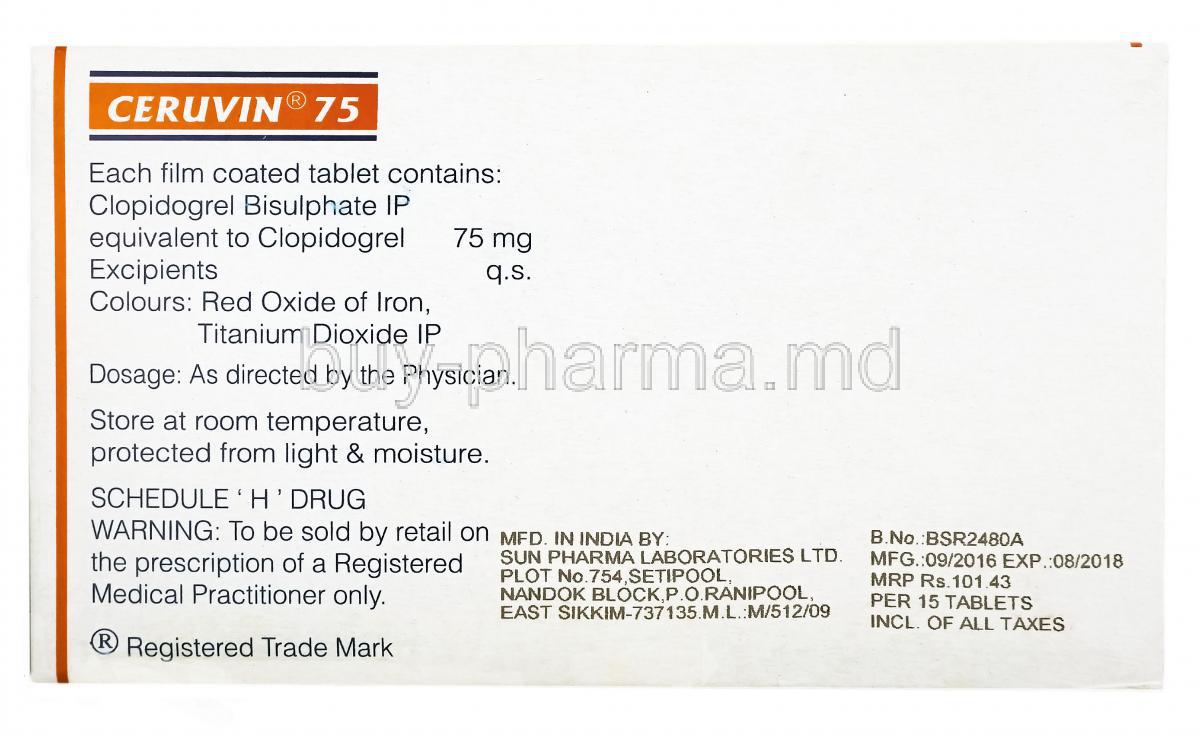
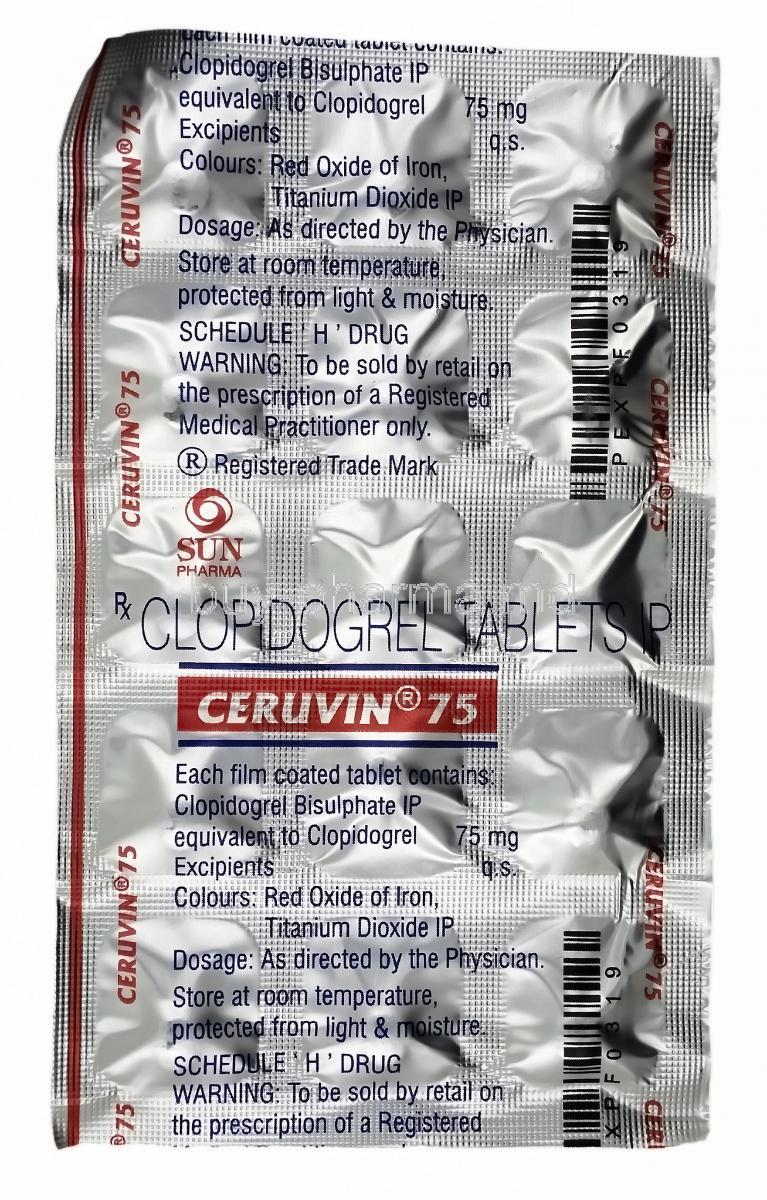
- Clopidogrel 75 mg tablets
- Higher loading-dose tablets in some treatment protocols
These formulations are designed to deliver consistent therapeutic plasma concentrations when administered as directed.
2.4 Inactive Ingredients and Excipients
In addition to the active ingredient, Ceruvin tablets contain several pharmaceutical excipients that support tablet stability and drug delivery. These components do not exert pharmacological effects but are necessary for manufacturing and storage.
Examples of excipients may include:
- Microcrystalline cellulose
- Magnesium stearate
- Lactose monohydrate
- Film-coating agents
These substances ensure proper tablet integrity, dissolution, and shelf stability.
2.5 Manufacturing and Pharmaceutical Quality Standards
Ceruvin is produced in accordance with internationally recognized pharmaceutical manufacturing guidelines. Strict quality control procedures are implemented throughout the production process to ensure product safety, consistency, and therapeutic reliability.
These standards commonly include:
- Good Manufacturing Practice (GMP) compliance
- Batch quality testing
- Stability studies
- Purity verification
3. Mechanism of Action: How Ceruvin (Clopidogrel) Works
3.1 Inhibition of Platelet Aggregation via P2Y12 Receptor Blockade
Ceruvin exerts its therapeutic effect by selectively inhibiting the P2Y12 receptor on platelet surfaces. This receptor plays a pivotal role in platelet activation triggered by adenosine diphosphate (ADP).
By irreversibly binding to this receptor, clopidogrel prevents the intracellular signaling cascade responsible for platelet aggregation. As a result, platelets lose their capacity to adhere to one another and form clots.
3.2 Impact on Adenosine Diphosphate (ADP)-Mediated Platelet Activation
ADP is a potent mediator of platelet activation. When released during vascular injury, it binds to platelet receptors and stimulates clot formation. Ceruvin interferes with this biochemical pathway, effectively suppressing ADP-mediated platelet activation.
The consequence is a reduction in platelet responsiveness to pro-thrombotic stimuli.
3.3 Prevention of Blood Clot Formation in Arteries
Arterial thrombosis is a leading cause of myocardial infarction and ischemic stroke. Ceruvin reduces this risk by preventing platelet aggregation within narrowed or damaged arteries.
This protective mechanism is particularly important in individuals with atherosclerotic disease or those who have undergone coronary stenting procedures.
3.4 Pharmacodynamic Effects on Platelet Function
Following administration, clopidogrel undergoes hepatic metabolism to generate active metabolites. These metabolites rapidly bind to platelet receptors and produce sustained inhibition of platelet function.
Notably, because the inhibition is irreversible, affected platelets remain inactive for their entire lifespan, typically seven to ten days.
3.5 Duration of Antiplatelet Activity After Administration
The pharmacological effect of Ceruvin persists beyond the presence of the drug in plasma. This occurs because the medication permanently modifies platelet receptor function.
Consequently:
- Platelet inhibition persists for several days
- Normal platelet activity gradually returns as new platelets are produced
- Therapeutic protection remains consistent with daily dosing
4. Approved Medical Uses of Ceruvin (Clopidogrel)
4.1 Prevention of Atherothrombotic Events
Ceruvin is widely prescribed for preventing atherothrombotic events in patients with established cardiovascular disease. Atherothrombosis occurs when plaque rupture within an artery triggers rapid clot formation.
Antiplatelet therapy reduces the likelihood of these life-threatening vascular events.
4.2 Treatment and Secondary Prevention of Myocardial Infarction (Heart Attack)
Patients who have experienced a myocardial infarction often require long-term antiplatelet therapy. Ceruvin helps prevent recurrent cardiac events by limiting platelet aggregation within coronary arteries.
4.3 Management of Ischemic Stroke and Transient Ischemic Attack (TIA)
Ceruvin is also used to prevent recurrent ischemic strokes and transient ischemic attacks. These neurological conditions result from temporary or permanent interruption of cerebral blood flow due to arterial thrombosis.
4.4 Prevention of Thrombosis in Patients with Peripheral Arterial Disease
Peripheral arterial disease involves narrowing of arteries supplying the limbs. Ceruvin reduces thrombotic complications and improves vascular circulation in affected individuals.
4.5 Use After Percutaneous Coronary Intervention (PCI) and Coronary Stent Placement
Following coronary stent implantation, platelet activation increases significantly. Ceruvin is commonly prescribed to prevent stent thrombosis, a serious complication that can result in acute myocardial infarction.
4.6 Dual Antiplatelet Therapy with Aspirin in Acute Coronary Syndrome (ACS)
In acute coronary syndrome, physicians frequently combine Ceruvin with aspirin. This dual antiplatelet strategy provides synergistic inhibition of platelet activation pathways.
The therapeutic advantages include:
- Enhanced clot prevention
- Reduced risk of recurrent ischemic events
- Improved outcomes after coronary intervention
5. Off-Label Uses of Clopidogrel in Clinical Practice
5.1 Prevention of Thrombosis in Certain Cardiovascular High-Risk Patients
In clinical practice, physicians may prescribe clopidogrel for patients considered at particularly high risk for thrombotic complications, even if the use is not formally listed within regulatory labeling.
These individuals may have multiple cardiovascular risk factors or complex vascular disease. Antiplatelet therapy can be employed as a preventive strategy to reduce the probability of arterial clot formation.
5.2 Use in Patients Intolerant to Aspirin
Some patients are unable to tolerate aspirin due to hypersensitivity reactions, gastrointestinal complications, or other contraindications. In such cases, clopidogrel may serve as an alternative antiplatelet therapy.
This substitution allows clinicians to maintain platelet inhibition while avoiding aspirin-related adverse effects.
5.3 Stroke Prevention in Selected Neurological Conditions
Clopidogrel may also be used for stroke prevention in certain neurological conditions associated with increased risk of thromboembolism. These conditions may involve impaired cerebral circulation or vascular abnormalities.
By reducing platelet aggregation, the medication lowers the likelihood of thrombotic obstruction in cerebral arteries.
5.4 Use in Carotid Artery Disease
Carotid artery disease involves narrowing of the major arteries supplying blood to the brain. Plaque formation in these vessels can predispose patients to embolic stroke.
Clopidogrel may be incorporated into treatment plans to help reduce platelet-mediated clot formation in these compromised arteries.
5.5 Prevention of Thromboembolic Events in Certain Vascular Disorders
Some vascular disorders predispose patients to thromboembolic complications. In these cases, antiplatelet therapy may be used to reduce clot formation within affected blood vessels.
Clinical decisions regarding such use depend on individual patient risk factors and physician judgment.
5.6 Adjunct Therapy in Selected Cardiac Procedures
Clopidogrel may also be administered as adjunctive therapy during or after certain cardiac procedures where platelet activation is anticipated. These procedures may include catheter-based interventions or vascular repair techniques.
The medication helps maintain vessel patency and reduces the risk of postoperative thrombosis.
6. Dosage and Administration Guidelines
6.1 Standard Adult Dosage for Cardiovascular Prevention
The typical maintenance dosage of Ceruvin for cardiovascular risk reduction is 75 mg taken orally once daily. This regimen provides sustained platelet inhibition when administered consistently.
The medication is usually prescribed as part of a long-term therapeutic strategy aimed at preventing thrombotic complications.
6.2 Loading Dose in Acute Coronary Syndrome
In acute coronary syndrome, physicians may initiate therapy with a loading dose of clopidogrel. This higher initial dose rapidly achieves therapeutic platelet inhibition.
Loading doses are commonly used when immediate antiplatelet activity is required, particularly prior to coronary interventions.
6.3 Maintenance Dose and Long-Term Therapy
After the loading phase, patients typically transition to a maintenance regimen of daily dosing. Long-term therapy may extend for months or years depending on the patient's cardiovascular risk profile.
Duration of treatment is determined by the treating physician based on clinical circumstances.
6.4 Administration With or Without Food
Ceruvin tablets may be taken with or without food. The presence of food does not significantly alter the drug's absorption or therapeutic effectiveness.
However, patients are often advised to take the medication at the same time each day to maintain consistent plasma concentrations.
6.5 Duration of Therapy After Stent Placement
Following coronary stent implantation, clopidogrel therapy is frequently continued for a defined period to prevent stent thrombosis.
The duration of treatment depends on several factors:
- Type of coronary stent implanted
- Patient bleeding risk
- Underlying cardiovascular disease
Dual antiplatelet therapy with aspirin is commonly recommended during this period.
6.6 Adjustments Based on Clinical Condition
Dose adjustments are generally not required for most patients. However, clinical judgment is essential when treating individuals with complex medical conditions.
Factors that may influence therapeutic decisions include:
- Bleeding risk
- Liver function
- Concurrent medications
- Upcoming surgical procedures
6.7 Missed Dose Instructions
If a dose of Ceruvin is missed, it should be taken as soon as possible. If the next scheduled dose is approaching, the missed dose should be skipped.
Patients should avoid doubling doses to compensate for missed medication. Maintaining a consistent dosing schedule is important for sustained antiplatelet protection.
7. Side Effects of Ceruvin (Clopidogrel)
7.1 Overview of Potential Adverse Reactions
Like all medications, Ceruvin may produce adverse effects in some individuals. Most reactions are mild to moderate, although serious complications may occasionally occur.
The most common adverse reactions are associated with bleeding due to the medication's antiplatelet activity.
7.2 Bleeding-Related Complications
Because Ceruvin inhibits platelet aggregation, it increases the likelihood of bleeding. This may manifest as prolonged bleeding from minor injuries or spontaneous bleeding events.
Examples include:
- Bruising
- Gastrointestinal bleeding
- Nosebleeds
- Bleeding from surgical wounds
7.3 Gastrointestinal Disturbances
Some patients may experience gastrointestinal discomfort while taking clopidogrel. These symptoms may include abdominal pain, indigestion, or diarrhea.
Such reactions are typically mild and transient but should be discussed with a healthcare professional if persistent.
7.4 Dermatological Reactions
Skin-related adverse reactions can occur in some individuals. These reactions may involve rash, itching, or mild hypersensitivity responses.
Severe dermatological reactions are rare but require immediate medical attention.
7.5 Neurological Symptoms
Neurological symptoms are uncommon but may occasionally occur. Patients may report headaches, dizziness, or fatigue during therapy.
These symptoms are generally mild and tend to resolve without discontinuation of treatment.
7.6 Rare but Serious Adverse Effects
In rare cases, severe complications may occur during clopidogrel therapy. These reactions require immediate medical evaluation.
- Severe bleeding episodes
- Thrombotic thrombocytopenic purpura
- Severe allergic reactions
8. Common Side Effects
8.1 Mild Bruising
Mild bruising is one of the most frequently reported side effects of antiplatelet therapy. Because platelet activity is reduced, small impacts may produce visible bruises more easily.
8.2 Nosebleeds (Epistaxis)
Occasional nosebleeds may occur during treatment with Ceruvin. These episodes are usually minor and self-limiting.
8.3 Gastrointestinal Discomfort
Some patients experience mild digestive disturbances such as stomach discomfort or bloating during therapy.
8.4 Diarrhea or Abdominal Pain
Transient diarrhea or abdominal pain may occur in certain individuals. These symptoms are generally mild and do not require discontinuation of therapy.
8.5 Headache or Dizziness
Headaches and dizziness are occasionally reported during clopidogrel therapy. Patients experiencing persistent symptoms should consult a healthcare professional.
8.6 Prolonged Bleeding from Minor Cuts
Due to platelet inhibition, minor cuts or injuries may bleed slightly longer than usual. This effect is expected and reflects the medication's pharmacological activity.
9. Drug Interactions
9.1 Interaction with Aspirin and Other Antiplatelet Agents
Ceruvin is frequently used in combination with aspirin to provide dual antiplatelet therapy. While this combination enhances protection against thrombosis, it also increases bleeding risk.
9.2 Interaction with Anticoagulants such as Warfarin and DOACs
Concurrent use with anticoagulant medications may significantly increase the risk of bleeding. Careful monitoring is necessary when these therapies are combined.
9.3 Interaction with Proton Pump Inhibitors (PPIs)
Certain proton pump inhibitors may interfere with the metabolic activation of clopidogrel. This interaction can potentially reduce the medication's antiplatelet effectiveness.
9.4 Interaction with Nonsteroidal Anti-Inflammatory Drugs (NSAIDs)
Nonsteroidal anti-inflammatory drugs may increase gastrointestinal bleeding risk when used with Ceruvin. Patients should consult healthcare providers before combining these medications.
9.5 Interaction with CYP2C19 Inhibitors and Enzyme-Modifying Drugs
Clopidogrel requires metabolic activation through the CYP2C19 enzyme system. Drugs that inhibit this enzyme may reduce the therapeutic effectiveness of Ceruvin.
9.6 Interaction with Herbal Supplements Affecting Coagulation
Some herbal supplements possess anticoagulant or antiplatelet properties. When combined with Ceruvin, these products may increase bleeding risk.
Examples include:
- Ginkgo biloba
- Garlic supplements
- Ginseng
- Fish oil products
10. Warnings and Safety Considerations
10.1 Increased Risk of Bleeding
The most significant safety consideration associated with Ceruvin is the increased risk of bleeding. Patients should be advised to report unusual bleeding or bruising to healthcare providers.
10.2 Risk of Thrombotic Thrombocytopenic Purpura (TTP)
Although rare, clopidogrel has been associated with thrombotic thrombocytopenic purpura. This serious condition involves abnormal clot formation and requires immediate medical treatment.
10.3 Reduced Effectiveness in Poor CYP2C19 Metabolizers
Some individuals possess genetic variations that impair CYP2C19 enzyme activity. In these patients, clopidogrel may be less effective due to reduced metabolic activation.
10.4 Risk of Bleeding During Surgery or Dental Procedures
Patients scheduled for surgical or dental procedures should inform healthcare professionals that they are taking Ceruvin. Temporary discontinuation may be necessary to reduce bleeding risk.
10.5 Monitoring for Signs of Internal Bleeding
Patients should remain vigilant for symptoms that may indicate internal bleeding. Warning signs may include:
- Dark or tarry stools
- Unexplained fatigue
- Vomiting blood
- Persistent abdominal pain
Prompt medical evaluation is essential if these symptoms occur.
11. Contraindications
11.1 Known Hypersensitivity to Clopidogrel or Tablet Components
Ceruvin should not be administered to individuals with a documented hypersensitivity to clopidogrel or any component of the tablet formulation. Hypersensitivity reactions may involve dermatological manifestations, respiratory symptoms, or systemic allergic responses.
Such reactions may include:
- Severe skin rash or urticaria
- Angioedema
- Respiratory distress
- Anaphylactic reactions in rare cases
Patients with known allergies to the medication should avoid exposure and consult healthcare professionals for alternative antiplatelet therapy.
11.2 Active Pathological Bleeding (e.g., Peptic Ulcer, Intracranial Hemorrhage)
Ceruvin is contraindicated in patients experiencing active pathological bleeding. Because the medication suppresses platelet aggregation, it can exacerbate ongoing bleeding and potentially lead to serious complications.
Examples of conditions where use should be avoided include:
- Active gastrointestinal ulceration
- Intracranial hemorrhage
- Recent severe traumatic bleeding
- Uncontrolled bleeding disorders
In such scenarios, the risks associated with antiplatelet therapy outweigh potential benefits.
11.3 Severe Liver Disease with Coagulation Disorders
Patients with advanced hepatic impairment may experience abnormalities in blood clotting mechanisms. Since clopidogrel further interferes with platelet function, its use in severe liver disease can significantly increase bleeding risk.
Healthcare providers must carefully evaluate liver function before initiating therapy in individuals with hepatic conditions.
11.4 History of Serious Allergic Reactions to Thienopyridine Drugs
Clopidogrel belongs to the thienopyridine class of medications. Patients who have experienced serious allergic reactions to related drugs within this class may exhibit cross-reactivity.
Examples of related medications include:
- Ticlopidine
- Prasugrel
Individuals with prior severe reactions should generally avoid clopidogrel therapy unless specifically advised by a specialist.
12. Careful Administration and Clinical Monitoring
12.1 Use in Patients with Increased Bleeding Risk
Ceruvin should be used cautiously in individuals with a heightened risk of bleeding. These patients may already possess underlying medical conditions that predispose them to hemorrhagic complications.
Examples of higher-risk groups include:
- Patients with recent trauma
- Individuals with bleeding disorders
- Patients undergoing invasive medical procedures
- Individuals receiving concurrent anticoagulant therapy
Careful monitoring helps minimize complications while maintaining therapeutic benefit.
12.2 Monitoring in Patients with Liver Dysfunction
Although mild hepatic impairment may not require dosage adjustment, individuals with liver dysfunction should be monitored during therapy. Liver metabolism plays a critical role in the activation of clopidogrel.
Regular clinical assessment may include evaluation of liver enzymes and overall hepatic function.
12.3 Considerations in Patients with Kidney Disease
Patients with renal impairment may require closer clinical observation while receiving Ceruvin. Although clopidogrel is primarily metabolized in the liver, kidney disease can influence overall physiological response to medications.
Healthcare providers may evaluate renal status to ensure safe and effective treatment.
12.4 Monitoring Platelet Function in Selected Patients
In certain clinical scenarios, physicians may assess platelet responsiveness to determine the effectiveness of antiplatelet therapy. This approach is particularly useful in patients with complex cardiovascular disease or suspected resistance to therapy.
Platelet function tests may assist in optimizing treatment strategies.
12.5 Considerations Before Surgical Procedures
Patients scheduled for surgical or dental procedures must inform healthcare professionals if they are taking Ceruvin. Because platelet inhibition persists for several days, temporary discontinuation may be necessary to reduce perioperative bleeding risk.
Timing of discontinuation should always be guided by medical advice.
13. Important Precautions for Safe Use
13.1 Avoid Abrupt Discontinuation Without Medical Advice
Abruptly discontinuing Ceruvin without medical supervision can increase the risk of thrombotic events. In patients with coronary artery disease or recent stent placement, premature cessation may precipitate serious complications.
Patients should always consult healthcare providers before altering their treatment regimen.
13.2 Monitoring for Signs of Excessive Bleeding
Because Ceruvin suppresses platelet aggregation, patients should remain attentive to unusual bleeding symptoms. Early recognition allows prompt medical evaluation.
Possible warning signs include:
- Unusual bruising
- Prolonged bleeding from minor injuries
- Blood in urine or stool
- Persistent nosebleeds
13.3 Care When Combined with Other Blood-Thinning Medications
Combining Ceruvin with other antithrombotic agents may significantly increase bleeding risk. Physicians must carefully evaluate potential drug interactions before prescribing combination therapy.
Examples of medications requiring caution include anticoagulants, other antiplatelet drugs, and certain anti-inflammatory medications.
13.4 Informing Healthcare Providers Before Medical Procedures
Patients should inform physicians, dentists, and surgeons about ongoing clopidogrel therapy prior to any medical intervention. Awareness of antiplatelet treatment allows appropriate planning to minimize bleeding complications.
13.5 Patient Education on Bleeding Risk
Patient awareness is essential for safe therapy. Individuals receiving Ceruvin should understand the potential risks associated with antiplatelet medication.
Important educational points include:
- Recognizing symptoms of bleeding
- Avoiding activities that may cause injury
- Reporting unusual symptoms promptly
14. Administration in Elderly Patients
14.1 Safety Profile in Older Adults
Ceruvin is commonly prescribed for elderly patients because cardiovascular disease prevalence increases with age. Clinical studies suggest that clopidogrel is generally well tolerated in older populations when used appropriately.
14.2 Increased Bleeding Risk in the Elderly Population
Despite its benefits, elderly individuals may exhibit greater susceptibility to bleeding complications due to physiological changes associated with aging.
Age-related factors that influence bleeding risk include:
- Reduced platelet reserve
- Altered drug metabolism
- Comorbid medical conditions
- Concurrent medication use
14.3 Monitoring Requirements in Geriatric Patients
Healthcare providers may recommend periodic clinical assessments for elderly patients receiving antiplatelet therapy. Monitoring helps ensure therapeutic effectiveness while minimizing potential complications.
14.4 Dose Considerations for Elderly Individuals
Standard dosing is generally appropriate for elderly patients. However, clinicians may exercise additional caution when prescribing the medication to individuals with complex health conditions.
15. Administration in Pregnant Women and Nursing Mothers
15.1 Use During Pregnancy: Risk Assessment
The use of clopidogrel during pregnancy requires careful evaluation of potential benefits and risks. Limited data exist regarding its safety in pregnant women.
Healthcare professionals typically prescribe the medication only when the expected therapeutic benefits justify potential risks to the fetus.
15.2 Potential Effects on Fetal Development
Animal studies have not consistently demonstrated harmful fetal effects; however, human data remain limited. As a precaution, medical supervision is essential when considering therapy during pregnancy.
15.3 Use During Breastfeeding
Information regarding clopidogrel excretion into breast milk is limited. Nursing mothers should consult healthcare providers to determine whether therapy should be continued or alternative treatment considered.
15.4 Clinical Recommendations for Pregnant Patients
Physicians may evaluate multiple factors when prescribing Ceruvin during pregnancy, including maternal cardiovascular risk and available alternative treatments.
15.5 Consultation with Healthcare Providers Before Use
Women who are pregnant, planning pregnancy, or breastfeeding should seek medical advice before initiating clopidogrel therapy. Professional guidance ensures appropriate risk management.
16. Administration in Children and Adolescents
16.1 Limited Clinical Evidence in Pediatric Use
The safety and effectiveness of clopidogrel in pediatric populations have not been extensively established. Most clinical studies focus on adult patients with cardiovascular disease.
16.2 Safety and Efficacy Considerations
Because children may respond differently to medications, physicians must carefully assess potential risks and benefits before prescribing Ceruvin in pediatric cases.
16.3 Situations Where Pediatric Use May Be Considered
In rare circumstances, clopidogrel may be considered for pediatric patients with specific cardiovascular conditions requiring antiplatelet therapy. Such cases typically involve specialist supervision.
16.4 Specialist Supervision for Pediatric Administration
Treatment in children should be managed by healthcare professionals experienced in pediatric cardiovascular medicine. Continuous monitoring helps ensure safe therapeutic outcomes.
17. Overdose and Toxicity Management
17.1 Symptoms of Clopidogrel Overdose
Overdose of clopidogrel may lead to exaggerated pharmacological effects, particularly related to bleeding. Clinical manifestations may vary depending on the amount ingested and patient health status.
Possible symptoms include:
- Excessive bruising
- Persistent bleeding
- Weakness or dizziness
- Signs of internal hemorrhage
17.2 Risk of Severe Bleeding Complications
The primary concern associated with overdose is uncontrolled bleeding. Severe hemorrhage may require urgent medical intervention to prevent life-threatening complications.
17.3 Emergency Medical Management
In cases of suspected overdose, immediate medical evaluation is necessary. Healthcare providers may implement supportive treatment measures to stabilize the patient.
17.4 Supportive Treatment and Monitoring
Management strategies may involve clinical observation, laboratory evaluation, and supportive care designed to control bleeding and maintain hemodynamic stability.
17.5 When to Seek Immediate Medical Attention
Patients experiencing symptoms suggestive of overdose should seek immediate medical attention. Prompt treatment helps reduce the risk of serious complications.
18. Storage Instructions
18.1 Recommended Storage Temperature
Ceruvin should be stored at controlled room temperature according to manufacturer recommendations. Maintaining appropriate storage conditions preserves medication stability and effectiveness.
18.2 Protection from Moisture and Heat
The medication should be protected from excessive heat and humidity. Exposure to such environmental factors may compromise tablet integrity.
18.3 Proper Storage in Original Packaging
Keeping the tablets in their original packaging helps protect them from light and moisture. Packaging also contains important product information such as batch numbers and expiration dates.
18.4 Keeping Medication Out of Reach of Children
All medications should be stored securely to prevent accidental ingestion by children or pets. Safe storage practices are essential for household safety.
18.5 Shelf Life and Expiry Considerations
Ceruvin should not be used beyond its expiration date. Expired medications may lose potency or become unsuitable for therapeutic use.
19. Handling Precautions
19.1 Safe Handling of Antiplatelet Medication
Care should be taken when handling Ceruvin tablets to maintain their structural integrity. Proper handling ensures accurate dosing and effective treatment.
19.2 Avoiding Tablet Damage or Crushing Unless Directed
Tablets should generally be swallowed whole unless a healthcare professional advises otherwise. Crushing or altering tablets without guidance may affect drug absorption.
19.3 Disposal of Expired or Unused Medication
Unused or expired medication should be disposed of according to pharmaceutical disposal guidelines. Many healthcare facilities provide medication take-back programs.
19.4 Preventing Accidental Exposure
Individuals handling the medication should wash their hands after contact. This simple precaution helps prevent unintended exposure.
19.5 Guidance for Caregivers and Healthcare Providers
Caregivers assisting patients with medication administration should follow recommended handling procedures and maintain clear documentation of dosing schedules.
Ceruvin, Clopidogrel FAQ
- What is ceruvin used for?
- Is ceruvin 75 a prescription drug?
- What is the main use of clopidogrel?
- What is the major side effect of clopidogrel?
- What to avoid when taking clopidogrel?
- Can you still have a stroke when taking clopidogrel?
- What are the disadvantages of clopidogrel?
- Can clopidogrel cause kidney problems?
- Can I stop taking clopidogrel suddenly?
- Can I drink coffee while taking clopidogrel?
- How many months can you take clopidogrel?
- What are the benefits of taking clopidogrel?
- Can clopidogrel increase creatinine?
- What happens when clopidogrel is stopped?
- How to reduce side effects of clopidogrel?
- What not to do when taking clopidogrel?
- How many hours does clopidogrel last?
- Who needs clopidogrel?
- Can clopidogrel make you weak?
- What is the new alternative to clopidogrel?
What is ceruvin used for?
Ceruvin 75 Tablet is a type of blood thinner that stops blood cells from clumping together and forming clots in your blood vessels. This helps to reduce the risk of heart attack and stroke, making it a popular medicine for protecting your heart. By preventing harmful blood clots from forming, Ceruvin 75 Tablet plays a crucial role in keeping your blood vessels healthy and your heart safe.
Is ceruvin 75 a prescription drug?
Yes
What is the main use of clopidogrel?
Clopidogrel is an antiplatelet medication to prevent stroke, heat attacks and arterial diseases.
What is the major side effect of clopidogrel?
- Increased bleeding
- Thrombotic Thrombocytopenic Purpura (TTP)
What to avoid when taking clopidogrel?
- NSAIDs
- Antidepressants
- Opioids
- Blood thinners
Can you still have a stroke when taking clopidogrel?
Yes
What are the disadvantages of clopidogrel?
- Nosebleeds
- Bruising
- Heavy periods
Can clopidogrel cause kidney problems?
Yes
Can I stop taking clopidogrel suddenly?
No
Can I drink coffee while taking clopidogrel?
Moderately
How many months can you take clopidogrel?
12 months
What are the benefits of taking clopidogrel?
It prevent blood clots and strokes
Can clopidogrel increase creatinine?
No
What happens when clopidogrel is stopped?
Increased risk of cardiovascular events
How to reduce side effects of clopidogrel?
Take it with food or milk
What not to do when taking clopidogrel?
Avoid activities that could cause cuts or injuries
How many hours does clopidogrel last?
6 hours
Who needs clopidogrel?
Patients with risk of heart attack or stroke.
Can clopidogrel make you weak?
Rarely
What is the new alternative to clopidogrel?
Prasugrel and ticagrelor
Popular Products


Similar Product