



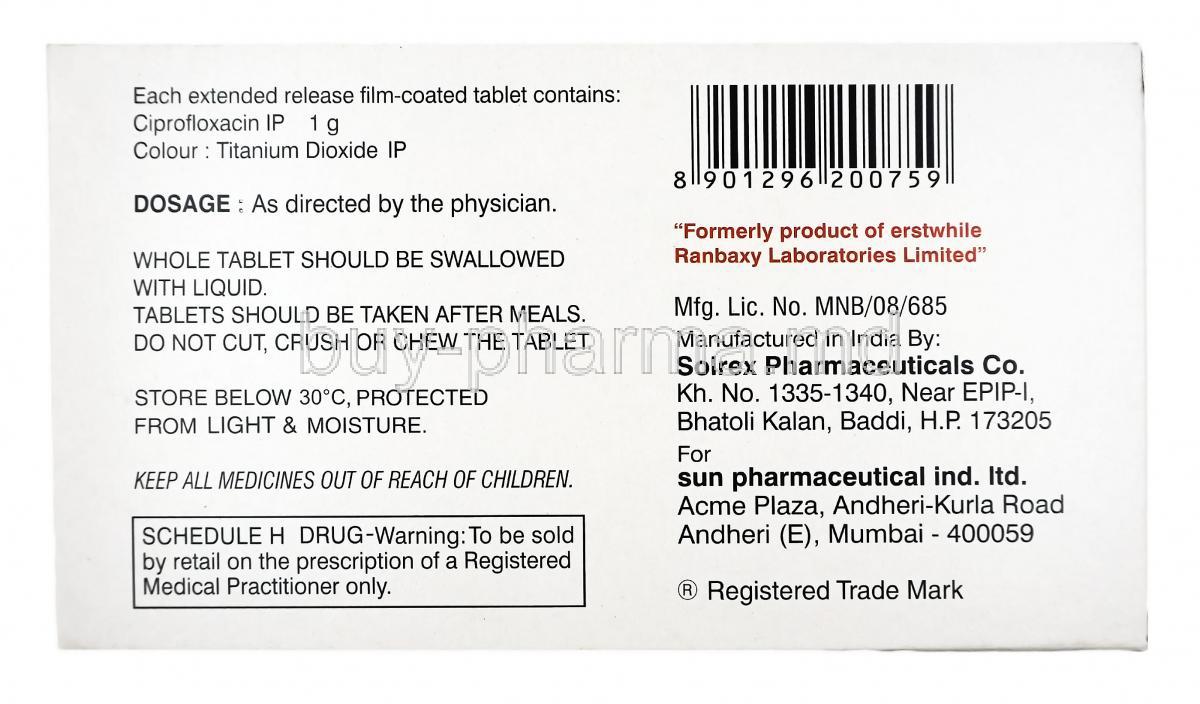



Introduction to Cifran (Ciprofloxacin)
Cifran, containing ciprofloxacin, is a widely utilized antimicrobial agent belonging to the fluoroquinolone class. It is recognized for its potent bactericidal activity and expansive clinical applicability. In contemporary medicine, it serves as a cornerstone therapy for numerous infectious diseases, particularly those caused by Gram-negative organisms. Its pharmacological versatility allows it to be deployed across multiple organ systems, offering both systemic and localized therapeutic effects.
From hospital settings to outpatient care, Cifran remains indispensable. Its efficacy, combined with favorable pharmacokinetics, makes it a preferred option in treating infections where rapid bacterial eradication is essential.
Overview of Cifran and its classification as a fluoroquinolone antibiotic
Cifran is classified under fluoroquinolones, a group of synthetic antibiotics characterized by their fluorinated quinolone structure. These agents exhibit:
- Broad-spectrum antibacterial activity
- High oral bioavailability
- Excellent tissue penetration
Unlike beta-lactam antibiotics, fluoroquinolones target bacterial enzymes critical for DNA replication, making them uniquely effective against resistant pathogens.
Key therapeutic role in modern antimicrobial treatment
Cifran plays a pivotal role in managing both uncomplicated and severe infections. It is frequently prescribed in cases where first-line antibiotics are ineffective or contraindicated. Its rapid onset of action and ability to achieve high intracellular concentrations enhance its therapeutic reliability.
Spectrum of activity against Gram-negative and selected Gram-positive bacteria
The antimicrobial spectrum of ciprofloxacin is notably skewed toward Gram-negative pathogens, including Escherichia coli, Klebsiella, and Pseudomonas aeruginosa. Additionally, it demonstrates activity against certain Gram-positive organisms, though with comparatively reduced potency.
Brand vs generic formulations and global availability
Cifran is one of several branded versions of ciprofloxacin available worldwide. Generic formulations offer comparable efficacy and safety profiles, often at a reduced cost. This widespread availability ensures accessibility across diverse healthcare systems.
Composition and Formulations of Cifran
Cifran formulations are designed to accommodate various clinical scenarios, ensuring flexibility in administration and dosing.
Active ingredient: Ciprofloxacin hydrochloride
The principal active component is ciprofloxacin hydrochloride, a water-soluble salt form that enhances absorption and bioavailability when administered orally or intravenously.
Available dosage forms
- Tablets: Immediate-release for rapid action; extended-release for sustained therapeutic levels
- Oral suspension: Suitable for pediatric or dysphagic patients
- Intravenous infusion: Utilized in severe or hospitalized cases
- Ophthalmic and otic preparations: Targeted therapy for localized infections
Excipients and formulation considerations
Inactive ingredients, including stabilizers and binding agents, are incorporated to ensure drug stability and optimal delivery. These components may vary between manufacturers, necessitating careful review in patients with sensitivities.
Ciprofloxacin dexamethasone
Ciprofloxacin/dexamethasone (often brand name Ciprodex) is a prescription ear drop combination used to treat bacterial infections, specifically acute otitis externa (swimmer’s ear) and middle ear infections in children with tubes. It combines a fluoroquinolone antibiotic to kill bacteria with a corticosteroid to reduce inflammation, swelling, and pain.
Ciprofloxacin vs cephalexin
Ciprofloxacin (Cipro) is a broad-spectrum fluoroquinolone antibiotic used for complex infections (UTIs, pneumonia), while Cephalexin (Keflex) is a narrower-spectrum first-generation cephalosporin commonly used for skin and minor infections.
Ciprofloxacin vs levofloxacin
Levofloxacin and ciprofloxacin are both potent fluoroquinolone antibiotics, but they differ in spectrum and dosing: levofloxacin is a third-generation, once-daily drug (250–750mg) covering broader respiratory infections (e.g., pneumonia), while ciprofloxacin is a second-generation, typically twice-daily drug (250–500mg) focused on gram-negative infections, including UTIs and gonorrhea
Ciprofloxacin vs ofloxacin
Ofloxacin and ciprofloxacin are both broad-spectrum fluoroquinolone antibiotics, but they differ in focus: ciprofloxacin is more effective against Gram-negative bacteria (including Pseudomonas aeruginosa), while ofloxacin shows superior activity against some Gram-positive bacteria, Chlamydia, and offers higher bioavailability. Ciprofloxacin is generally preferred for severe Gram-negative infections, while ofloxacin is used for varied infections like pneumonia or STDs.
Ciprofloxacin vs amoxicillin
Ciprofloxacin and amoxicillin are distinct antibiotics targeting different bacteria; Ciprofloxacin (a fluoroquinolone) treats complex, often gram-negative infections like UTI and prostatitis, while Amoxicillin (a penicillin) is a first-line agent for common infections (ear, sinus, pneumonia). Ciprofloxacin is stronger but carries higher risks for tendon issues, while amoxicillin has higher allergy risks.
Mechanism of Action: How Cifran Works
Cifran exerts its bactericidal effect through interference with bacterial DNA processes. Its mechanism is both precise and potent.
Inhibition of bacterial DNA gyrase (topoisomerase II)
Ciprofloxacin inhibits DNA gyrase, an enzyme responsible for introducing negative supercoils into bacterial DNA. This action prevents proper DNA replication and transcription.
Inhibition of topoisomerase IV
Topoisomerase IV is essential for chromosomal segregation during bacterial cell division. Its inhibition results in impaired cellular replication.
Disruption of DNA replication and transcription
By targeting these critical enzymes, Cifran halts DNA synthesis. The bacterial cell is unable to proliferate, leading to eventual cell death.
Bactericidal activity and concentration-dependent killing
Unlike bacteriostatic agents, ciprofloxacin is bactericidal. Its efficacy increases with higher concentrations, making dosing precision crucial.
Post-antibiotic effect
Cifran exhibits a sustained antibacterial effect even after plasma levels decline, known as the post-antibiotic effect. This prolongs its therapeutic action beyond the dosing interval.
Comprehensive Uses of Cifran (Ciprofloxacin)
Approved Medical Uses
Cifran is prescribed for a wide range of infections. Its clinical applications include:
- Urinary tract infections, both uncomplicated and complicated
- Lower respiratory tract infections such as bronchitis and pneumonia
- Gastrointestinal infections including traveler’s diarrhea and typhoid fever
- Skin and soft tissue infections
- Bone and joint infections
- Intra-abdominal infections (often in combination with other agents)
- Certain sexually transmitted infections
- Chronic and acute prostatitis
- ciprofloxacin for diverticulitis
- Ciprofloxacin for tooth infection
- ciprofloxacin for kidney infection
- ciprofloxacin for strep throat
Expanded and Off-Label Uses
In specialized clinical contexts, ciprofloxacin is utilized beyond its primary indications:
- Anthrax exposure and prophylaxis
- Chronic bacterial prostatitis
- Resistant infectious diarrhea
- Neutropenic fever as part of combination therapy
- Otic infections such as otitis externa
- Ophthalmic infections including corneal ulcers
- Second-line therapy for multidrug-resistant tuberculosis
- Osteomyelitis in resistant cases
- Pelvic inflammatory disease (adjunctive use)
Dosage and Administration Guidelines
Appropriate dosing is contingent upon infection severity, patient factors, and microbial susceptibility.
Standard adult dosing by infection type
Doses typically range from 250 mg to 750 mg administered twice daily. Severe infections may require higher or intravenous dosing.
Ciprofloxacin dosage for uti in adults
Adults—250 to 500 milligrams (mg) 2 times a day, taken every 12 hours for 7 to 14 days
Pediatric dosing considerations and restrictions
Use in children is restricted due to concerns regarding cartilage toxicity. However, it may be prescribed in specific high-risk conditions.
Renal dose adjustments in impaired kidney function
Dose modification is necessary in patients with renal impairment to prevent drug accumulation and toxicity.
Intravenous-to-oral switch therapy protocols
Patients often transition from IV to oral therapy once clinical stability is achieved, maintaining therapeutic continuity.
Duration of treatment based on infection severity
Treatment duration may vary:
- Short courses (3–7 days) for uncomplicated infections
- Extended courses (2–6 weeks) for deep-seated infections
Administration instructions
- Can be taken with or without food
- Avoid concurrent intake with dairy products, antacids, or mineral supplements
Common Side Effects of Cifran
Most adverse effects are mild and transient, resolving upon discontinuation.
- Gastrointestinal: nausea, vomiting, diarrhea
- Central nervous system: headache, dizziness, insomnia
- Dermatological: rash, photosensitivity
- Mild elevation of liver enzymes
Serious and Less Common Side Effects
Though rare, serious adverse reactions necessitate immediate medical attention:
- Tendinitis and tendon rupture
- Peripheral neuropathy
- QT interval prolongation
- Seizures and neurotoxicity
- Severe hypersensitivity reactions
- Clostridioides difficile-associated diarrhea
Ciprofloxacin side effects in elderly
tendonitis or tendon rupture (often Achilles), severe diarrhea (C. diff), confusion, and aortic aneurysm
Drug Interactions with Cifran
Cifran exhibits multiple clinically significant interactions:
- Reduced absorption with antacids and mineral supplements
- Increased theophylline levels leading to toxicity
- Enhanced anticoagulant effect of warfarin
- Risk of arrhythmias with QT-prolonging drugs
- Altered glucose control with hypoglycemic agents
- Increased nephrotoxicity with cyclosporine
Warnings and Safety Considerations
Cifran carries important safety warnings that must be carefully considered:
- Risk of tendon rupture, especially in elderly patients
- Potential central nervous system disturbances
- Photosensitivity requiring sun protection
- Possible association with aortic aneurysm and dissection
- Use only when benefits outweigh risks in certain populations
Prudent prescribing and vigilant monitoring are essential to ensure safe and effective therapy.
Ciprofloxacin Contraindications for Use
Cifran (ciprofloxacin) is contraindicated in specific clinical circumstances where the risk of adverse outcomes outweighs therapeutic benefit. A meticulous evaluation of patient history is imperative prior to initiation. Even a seemingly benign exposure may precipitate severe reactions in susceptible individuals.
Known hypersensitivity to ciprofloxacin or other fluoroquinolones
Patients with a documented hypersensitivity to ciprofloxacin or any fluoroquinolone antibiotic must avoid its use. Reactions may manifest as:
- Cutaneous eruptions such as urticaria or maculopapular rash
- Respiratory compromise including bronchospasm
- Severe anaphylactic responses requiring emergency intervention
History of tendon disorders related to quinolone use
Fluoroquinolones have been associated with tendinopathy and tendon rupture. Individuals with a prior history of quinolone-induced tendon injury are at heightened risk of recurrence, often with increased severity.
Concomitant use with tizanidine
Co-administration with tizanidine is contraindicated due to a significant pharmacokinetic interaction. Ciprofloxacin inhibits CYP1A2, leading to elevated plasma levels of tizanidine and potentially profound hypotension, sedation, and respiratory depression.
Severe adverse reaction history to fluoroquinolones
Patients who have experienced serious adverse reactions, including neurotoxicity or severe hypersensitivity, should not be re-exposed. The recurrence of such reactions may be rapid and life-threatening.
Careful Administration and Clinical Monitoring
Clinical vigilance is essential when administering Cifran, particularly in patients with comorbidities or complex therapeutic regimens. Monitoring facilitates early detection of complications and optimization of therapeutic outcomes.
Use in patients with renal impairment
Ciprofloxacin is partially excreted via the kidneys. In patients with renal dysfunction, accumulation may occur, necessitating dose adjustments. Failure to modify dosing may lead to toxicity.
Monitoring liver function during therapy
Although hepatotoxicity is uncommon, periodic monitoring of liver enzymes is advisable, especially in prolonged therapy. Elevations in transaminases should prompt reassessment.
Monitoring cardiac function in at-risk patients
Patients with pre-existing cardiac conditions require careful evaluation. Ciprofloxacin may prolong the QT interval, increasing the risk of arrhythmias.
- Baseline ECG may be considered
- Electrolyte imbalances should be corrected
Assessment for superinfection or fungal overgrowth
Prolonged antibiotic use can disrupt normal microbial flora. This may lead to opportunistic infections such as candidiasis or Clostridioides difficile-associated diarrhea.
Monitoring blood glucose in diabetic patients
Ciprofloxacin may influence glycemic control. Both hypoglycemia and hyperglycemia have been reported, particularly in patients receiving oral hypoglycemic agents.
Important Precautions Before and During Use
Adherence to precautionary measures enhances therapeutic safety while mitigating preventable complications. These considerations are especially relevant in prolonged or high-dose therapy.
Avoid unnecessary antibiotic use to reduce resistance
Indiscriminate use contributes to antimicrobial resistance. Cifran should be reserved for confirmed or strongly suspected bacterial infections.
Hydration to prevent crystalluria
Adequate fluid intake is recommended to prevent crystalluria, a rare but notable complication. Maintaining proper hydration supports renal clearance of the drug.
Avoid excessive sunlight or UV exposure
Photosensitivity reactions may occur. Patients should:
- Use protective clothing
- Apply broad-spectrum sunscreen
- Avoid prolonged sun exposure
Caution in patients with epilepsy or seizure disorders
Fluoroquinolones may lower the seizure threshold. Patients with neurological conditions should be monitored closely for signs of central nervous system stimulation.
Monitoring for psychiatric side effects
Rare psychiatric manifestations, including agitation, confusion, and hallucinations, have been reported. Early recognition is crucial for prompt intervention.
Administration in Special Populations
Use in Elderly Patients
Elderly individuals exhibit increased susceptibility to adverse effects due to physiological changes and comorbidities.
- Higher incidence of tendon rupture
- Greater sensitivity to CNS effects such as dizziness and confusion
- Frequent need for renal dose adjustment
Polypharmacy further complicates management, necessitating thorough medication review.
Use in Pregnant Women and Nursing Mothers
The use of ciprofloxacin during pregnancy requires careful risk-benefit analysis. Animal studies have demonstrated potential effects on cartilage development, although human data remain limited.
- Crosses the placental barrier
- Excreted into breast milk
- Potential exposure to the nursing infant
Alternative therapies are generally preferred unless no suitable options exist.
Use in Pediatric Patients
Cifran is not routinely recommended in pediatric populations due to concerns regarding cartilage toxicity. However, its use may be justified in specific conditions:
- Complicated urinary tract infections
- Anthrax exposure
Dosing is typically weight-based, and close monitoring is essential.
Overdosage and Emergency Management
Overdose of ciprofloxacin can lead to a spectrum of toxic manifestations, requiring prompt medical intervention.
Symptoms of overdose
- Central nervous system toxicity, including confusion and seizures
- Gastrointestinal symptoms such as nausea and abdominal discomfort
Immediate management strategies
Early intervention improves outcomes. Management includes:
- Gastric lavage if ingestion is recent
- Administration of activated charcoal where appropriate
- Supportive care with close monitoring of vital signs
- Ensuring adequate hydration
Role of hemodialysis (limited effectiveness)
Hemodialysis removes only a small fraction of ciprofloxacin. Therefore, it is not considered a primary treatment modality but may be utilized in severe cases with renal impairment.
Storage and Stability Information
Proper storage conditions are essential to maintain drug potency and safety.
Recommended storage conditions
- Store at controlled room temperature
- Keep away from excessive moisture and heat
Protection from light for certain formulations
Some formulations, particularly liquid preparations, may require protection from light to prevent degradation.
Shelf life and expiration considerations
Expired medications should not be used, as efficacy may be diminished and safety compromised.
Storage of reconstituted suspensions
Reconstituted oral suspensions should be stored as directed, often refrigerated, and used within a specified timeframe.
Handling and Safety Precautions
Safe handling practices minimize risks to both patients and caregivers.
Safe handling of oral and injectable forms
Medications should be handled with clean hands and administered according to prescribed instructions to ensure optimal efficacy.
Avoid contamination in ophthalmic/otic preparations
To prevent contamination:
- Avoid touching the dropper tip to any surface
- Close containers immediately after use
Proper disposal of unused or expired medication
Unused or expired Cifran should be disposed of in accordance with local pharmaceutical disposal guidelines. Improper disposal may pose environmental risks.
Patient counseling for safe use and adherence
Patients should be counseled on:
- Completing the full course of therapy
- Recognizing potential side effects
- Adhering to dosing schedules
Effective communication enhances adherence and therapeutic success.



Cifran, Ciprofloxacin FAQ
- What is CIFRAN used to treat?
- How long does CIFRAN take to work?
- Can CIFRAN 500 treat STI?
- When to use CIFRAN?
- What should I avoid while taking CIFRAN 500?
- Does CIFRAN work for UTI?
- Is Cifran 500 safe for kidneys?
- What are the common side effects of Cifran 500?
- How many days do you take Cifran 500mg?
- Do you need to probiotics with Cifran?
- Is CIFRAN and amoxicillin the same?
- Can I take Cifran 500 twice a day?
- What are the rare side effects of CIFRAN 500?
- What bacteria does CIFRAN 500 treat?
- How long does CIFRAN 500 stay in your system?
- Does CIFRAN 500 make you sleepy?
- How many Cifran tablets per day?
- Does Cifran 500 cause sleepiness?
- What is ciprofloxacin best used for?
- How many days to take ciprofloxacin 500mg?
- What happens to your body when you take ciprofloxacin?
- What should you avoid while taking ciprofloxacin?
- Can I stop taking ciprofloxacin after 7 days?
- Should ciprofloxacin be taken on an empty stomach?
- What are the worst side effects of ciprofloxacin?
- Who cannot take ciprofloxacin?
- Can I drink coffee while taking ciprofloxacin?
- Which is better for a UTI, amoxicillin or ciprofloxacin?
- Can I eat eggs while taking ciprofloxacin?
- What bacteria does ciprofloxacin treat?
- What happens if I accidentally take 2 ciprofloxacin?
- Is ciprofloxacin safe for elderly people?
- Can ciprofloxacin damage your liver?
- Can ciprofloxacin damage your kidneys?
What is CIFRAN used to treat?
- Kidney and bladder infections
- Lung infection
- Skin infections
- Bone and joint infections
- Prostate infections
How long does CIFRAN take to work?
2-3 days
Can CIFRAN 500 treat STI?
Yes
When to use CIFRAN?
To treat bacterial infection
What should I avoid while taking CIFRAN 500?
Foods containing calcium
Does CIFRAN work for UTI?
Yes
Is Cifran 500 safe for kidneys?
No
What are the common side effects of Cifran 500?
- Nausea
- Diarrhea
- Stomachache
How many days do you take Cifran 500mg?
7-14 days
Do you need to probiotics with Cifran?
No
Is CIFRAN and amoxicillin the same?
No
Can I take Cifran 500 twice a day?
No
What are the rare side effects of CIFRAN 500?
- Seizures
- Nerve damage
- Tendon rupture
- Liver problems
- Diarrhea
- Arrythmia
What bacteria does CIFRAN 500 treat?
- Pneumonia
- Gonorrhea
- Infectious diarrhea
How long does CIFRAN 500 stay in your system?
20–24 hours
Does CIFRAN 500 make you sleepy?
Yes
How many Cifran tablets per day?
1
Does Cifran 500 cause sleepiness?
Yes
What is ciprofloxacin best used for?
Ciprofloxacin is an antibiotic used to treat a wide range of serious bacterial infections. These infections can include things like urinary tract infections that are complicated, respiratory infections such as pneumonia, and skin or bone infections. It's also used for gastrointestinal infections, like traveler's diarrhea, and some sexually transmitted infections, including gonorrhea. Additionally, it can be used to treat conditions like anthrax, the plague, and prostatitis. This antibiotic is often prescribed when other treatments might not be effective, and it's known for its broad-spectrum properties, meaning it can fight off many different types of bacteria.
How many days to take ciprofloxacin 500mg?
7-14 days
What happens to your body when you take ciprofloxacin?
It stops bacteria from replicating, killing the infection.
What should you avoid while taking ciprofloxacin?
Dairy or calcium food
Can I stop taking ciprofloxacin after 7 days?
Finish the prescription
Should ciprofloxacin be taken on an empty stomach?
Yes
What are the worst side effects of ciprofloxacin?
Mood changes
Who cannot take ciprofloxacin?
- epileptic
- kidney problems
- diabetic patients
- pregnant
Can I drink coffee while taking ciprofloxacin?
No
Which is better for a UTI, amoxicillin or ciprofloxacin?
Can I eat eggs while taking ciprofloxacin?
Yes
What bacteria does ciprofloxacin treat?
Gram-negative bacteria (such as Escherichia coli, Haemophilus influenzae, Klebsiella pneumoniae, Legionella pneumophila, Moraxella catarrhalis, Proteus mirabilis, and Pseudomonas aeruginosa)
What happens if I accidentally take 2 ciprofloxacin?
Increased risk of side effects
Is ciprofloxacin safe for elderly people?
Yes
Can ciprofloxacin damage your liver?
Rarely
Can ciprofloxacin damage your kidneys?
Rarely
Customers also bought






Popular Products



Similar Product